

On Aurangzeb Road in New Delhi's Lutyens' zone, The Claridges occupies a position few Delhi hotels can match: a colonial-era address that has hosted heads of state and foreign dignitaries without reinventing itself into irrelevance. With 132 rooms, it operates at a scale that allows genuine personal attention, placing it closer to a private club than a convention hotel.
Pearl is the En Primeur Club membership app — saves, bookings, and concierge access live there. Same editors, same standards.
- Address
- 12, Dr APJ Abdul Kalam Rd, Tees January Road Area, Motilal Nehru Marg Area, New Delhi, Delhi 110011
- Phone
- +91 11 3955 5000
- Website
- claridges.com
- Directions
- Get directions
 Saves & bookings on Pearl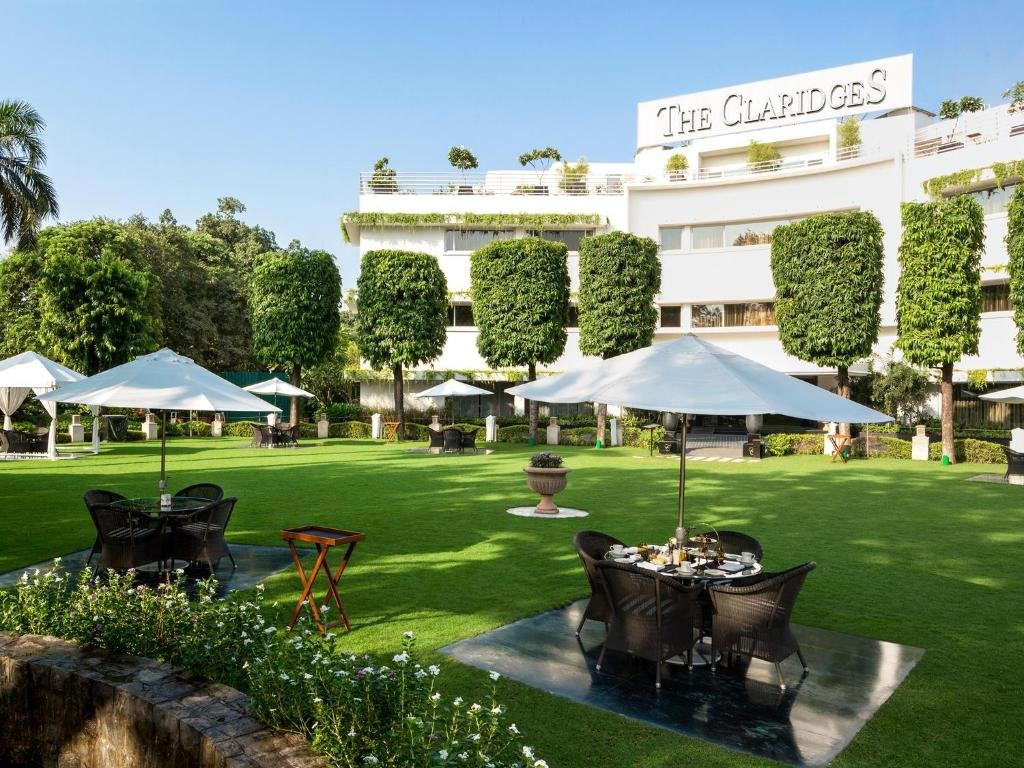
A Lutyens' Address With a Long Memory
The Lutyens' zone of New Delhi is not a neighbourhood in the conventional sense. It is a planned precinct of wide avenues, bungalow compounds, and institutional facades, built to project imperial permanence and now home to embassies, ministerial residences, and a handful of hotels old enough to have served the political class across multiple republics. The Claridges sits on Dr APJ Abdul Kalam Road within this belt, and the address alone carries a particular signal: guests here are not in the tourist corridor or the business district. They are in the part of the city where New Delhi's administrative and diplomatic apparatus conducts itself at a remove from the noise.
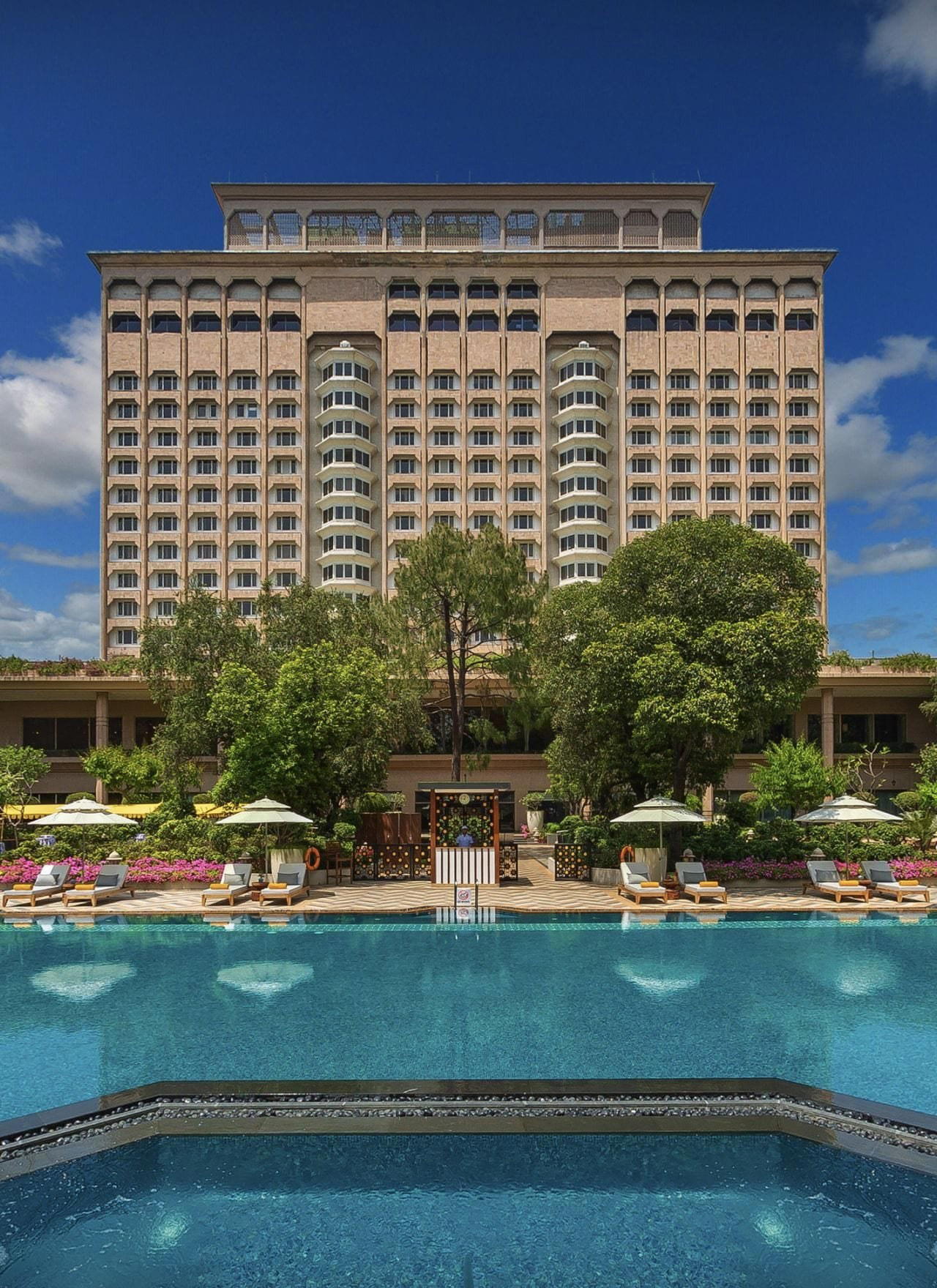
That geographic positioning shapes everything about how the property feels. The pace is slower. The architecture references a pre-independence aesthetic that has been maintained rather than demolished and rebuilt. Among Delhi's major heritage-adjacent hotels, including The Imperial New Delhi and Taj Mahal, New Delhi, The Claridges occupies a slightly quieter register: less lobby theatre, more corridor restraint.
Service as the Primary Architectural Feature
At 132 rooms, The Claridges operates at a scale that the larger Delhi hotels cannot replicate in terms of staff-to-guest ratio and the kind of attention that flows from it. The properties that compete most directly for the same guest, including The Leela Palace New Delhi, The Oberoi, New Delhi, and The Lodhi, each make their case through different means: design ambition, spa programming, or restaurant credentials. The Claridges makes its case through continuity.
Indian luxury hospitality has a particular tradition of anticipatory service, where the guest's preference is absorbed on the first stay and applied without prompting on the second. Hotels in this tier generally maintain guest history records and preference profiles as standard practice, but the degree to which that intelligence actually surfaces in the stay depends heavily on staff tenure and training depth. At a property of this size, the feedback loop is shorter. A guest complaint or preference communicated at check-in has a reasonable chance of reaching the room attendant before it becomes an issue. That is not guaranteed at a 500-room convention property.
This is the operational logic behind smaller-format heritage hotels in Indian cities. The Manor New Delhi operates on similar principles at an even smaller scale. The Claridges sits between that boutique tier and the full-scale palace hotel category occupied by Taj Palace, New Delhi, which means it attracts guests who want the heritage atmosphere without the institutional scale.
The Heritage Hotel Category in Context
Delhi's luxury hotel market has stratified considerably over the past two decades. The arrival of international brands and the expansion of Indian luxury groups introduced a new tier of design-led and amenity-dense properties. Against that backdrop, the older heritage properties have had to clarify their value proposition. Some invested in aggressive renovation cycles. Others, including The Claridges, have maintained their period character as the primary differentiator.
This approach carries risk. A heritage aesthetic that feels considered reads as character. One that feels neglected reads as decline. The distinction is perceptible on arrival: the quality of soft furnishings, the condition of woodwork, the calibration of lighting in corridors. For travellers arriving from properties like Aman New York or The Fifth Avenue Hotel, the adjustment to an older Indian property requires a different frame of reference. The measure here is not millimetric modernism but whether the atmosphere of the building is being honoured and maintained.
Among the broader Indian circuit, travellers pairing a Delhi stay with visits to The Oberoi Amarvilas in Agra or Amanbagh in Ajabgarh will find The Claridges fits a consistent register: buildings that carry history and position service as the differentiator rather than spectacle. Guests continuing to Rajasthan to stay at The Leela Palace Jaipur or Suján Jawai in Pali will encounter a similar emphasis on personalisation over infrastructure volume.
Location and Practical Considerations
The Aurangzeb Road address places the hotel within reach of India Gate, the National Museum, and the diplomatic enclave, making it a practical base for both cultural programming and government-adjacent business. The Lutyens' zone is not pedestrian-friendly by design, so a car is required for most movement. This is standard for all comparable Delhi hotels; the city's geography assumes private transport for guests at this tier.
Booking patterns at heritage properties in this category tend to reward direct contact with the hotel, where room preferences and arrival logistics can be communicated and confirmed ahead of time. The 132-room count means individual floor or room-type requests are more likely to be accommodated than at the larger properties. For travellers who have stayed at similar Indian heritage addresses, early communication of preferences is standard operating procedure and generally acknowledged.
For a broader view of where The Claridges fits within Delhi's hotel options, our full New Delhi restaurants and hotels guide covers the current range of properties across different tiers and neighbourhoods. Travellers also considering The Ultimate Travelling Camp, Haveli Dharampura in Delhi, or properties further afield such as Vivanta Vrindavan will find The Claridges occupies a distinct position: central, historic, and calibrated for guests who read a hotel's restraint as a signal of confidence rather than a lack of ambition.
Category Peers
Comparable venues nearby, for context on price, style, and recognition.
| Venue | Cuisine | Price | Awards | Notes |
|---|---|---|---|---|
| The Claridges New DelhiThis venue — the venue you are viewing | Classic British-style elegance with colonial-inspired suites and vintage charm. | $$$$ | 5-Star | Not listed |
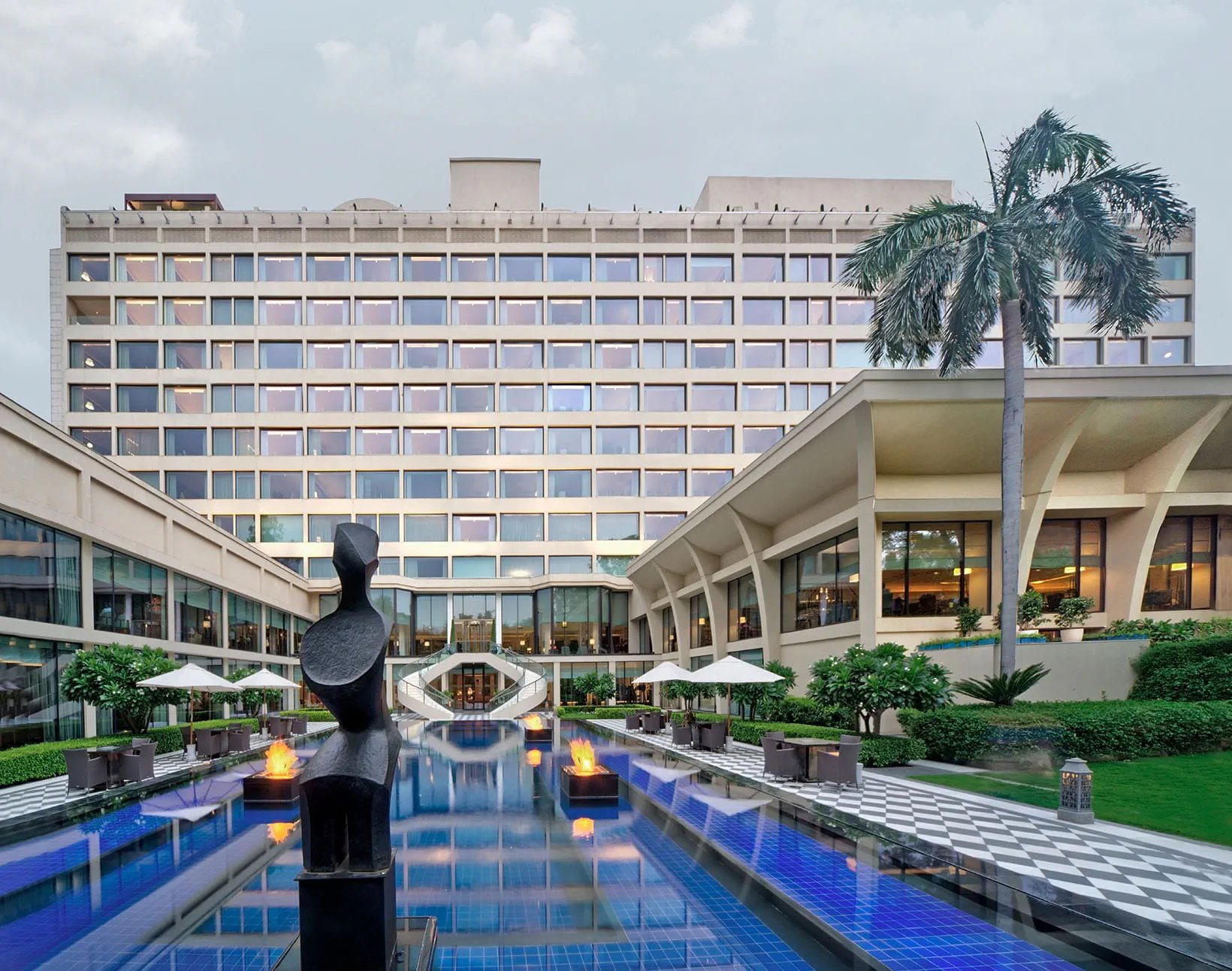
| The Oberoi, New Delhi | Harmonious blend of tradition and contemporary sophistication with Lutyens-inspired furnishings. | $$$$ | 5-Star | Defence Colony |
| Taj Palace, New Delhi | Art Deco palace hotel exuding timeless luxury with contemporary amenities; centrally positioned as a sophisticated urban sanctuary since 1983. | $$$$ | 5-Star | Diplomatic Enclave |
| The Ultimate Travelling Camp | Nomadic luxury camp blending wilderness and high-end comforts | $$$$ | 5-Star | Bamnoli Village |
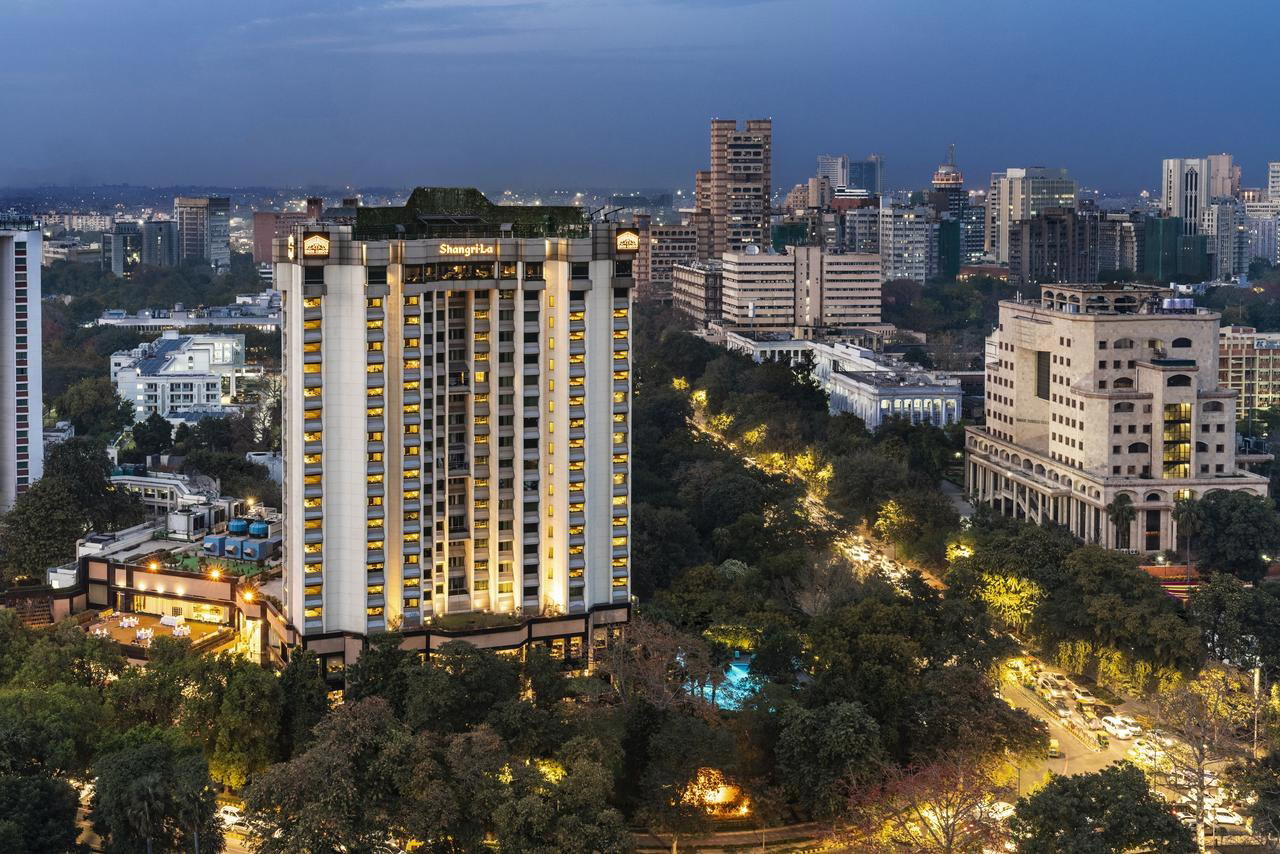
| Shangri-La's Eros Hotel, New Delhi | Contemporary classic luxury tower with timeless Lutyens-inspired architecture | $$$$ | 5-Star | Connaught Place |
| The Manor New Delhi | Heritage-style boutique hotel blending Art Deco architecture with contemporary luxury, positioned as an intimate urban oasis for informed travelers. | $$$$ | 4-Star | Defence Colony |
Recognition history
Dated appearances from independent guides and award organizations, with the underlying list record or original source where available.
Michelin Selected
Michelin
Preferred Hotels L.V.X. Collection
Preferred Hotels


At a Glance
- Elegant
- Classic
- Sophisticated
- Ornate
- Business Trip
- Romantic Getaway
- Celebration
- Historic Building
- Rooftop Pool
- Garden
- Terrace
- Wi Fi
- Pool
- Spa
- Fitness Center
- Room Service
- Concierge
- Business Center
- Valet Parking
- Garden
- Wi Fi
- Pool
- Spa
- Fitness Center
- Room Service
- Concierge
- Business Center
- Valet Parking
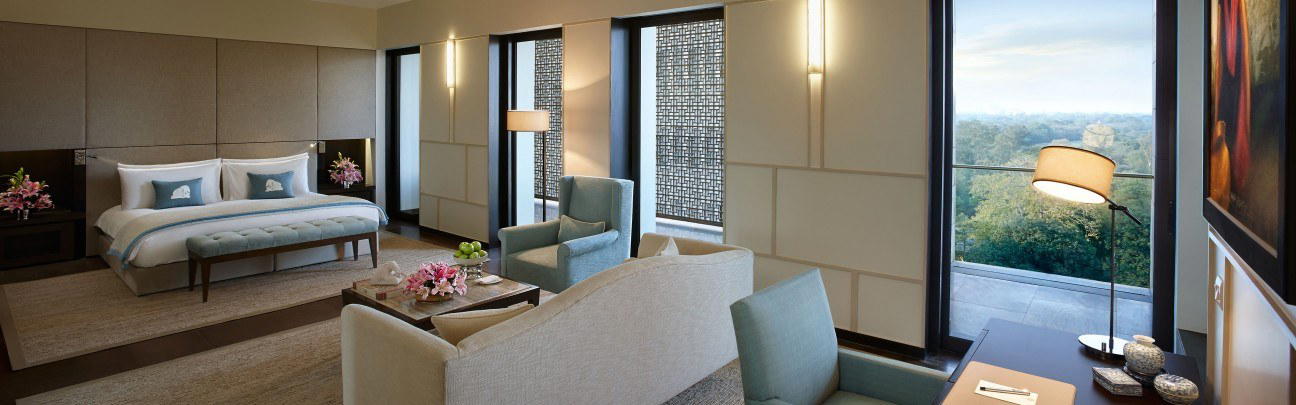
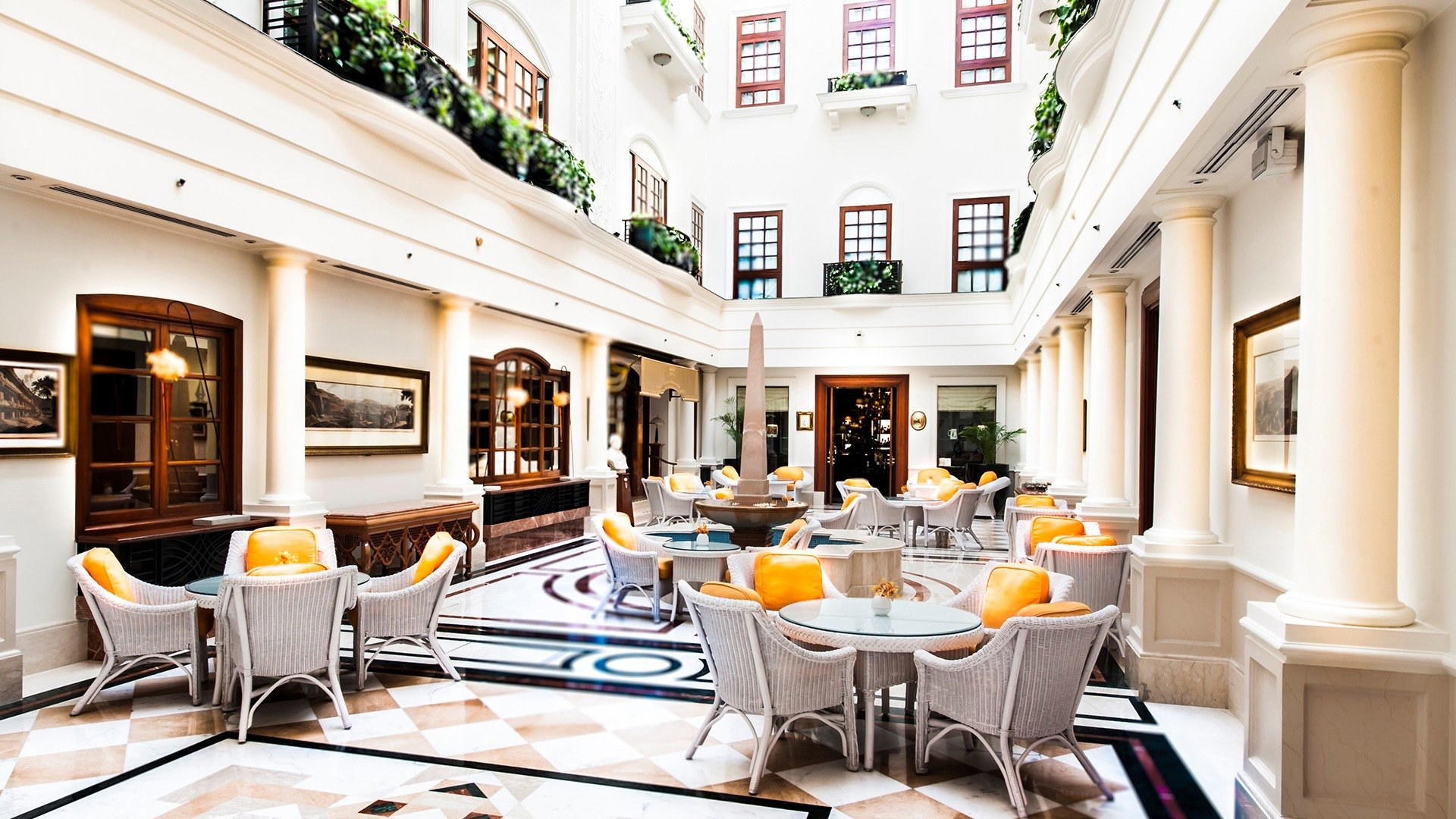
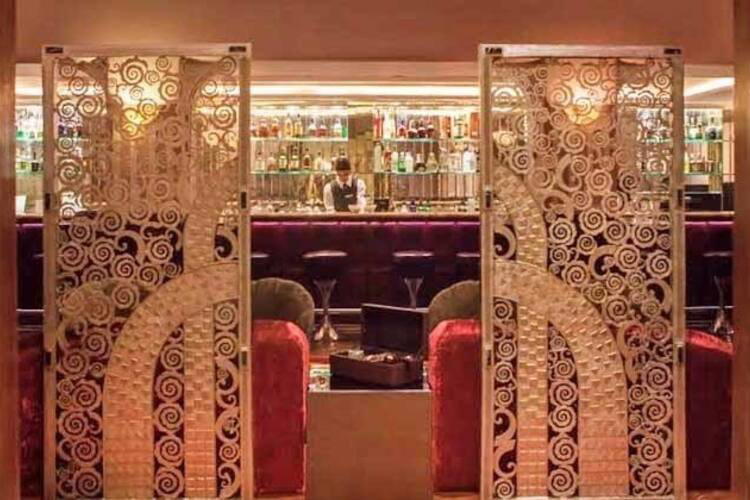
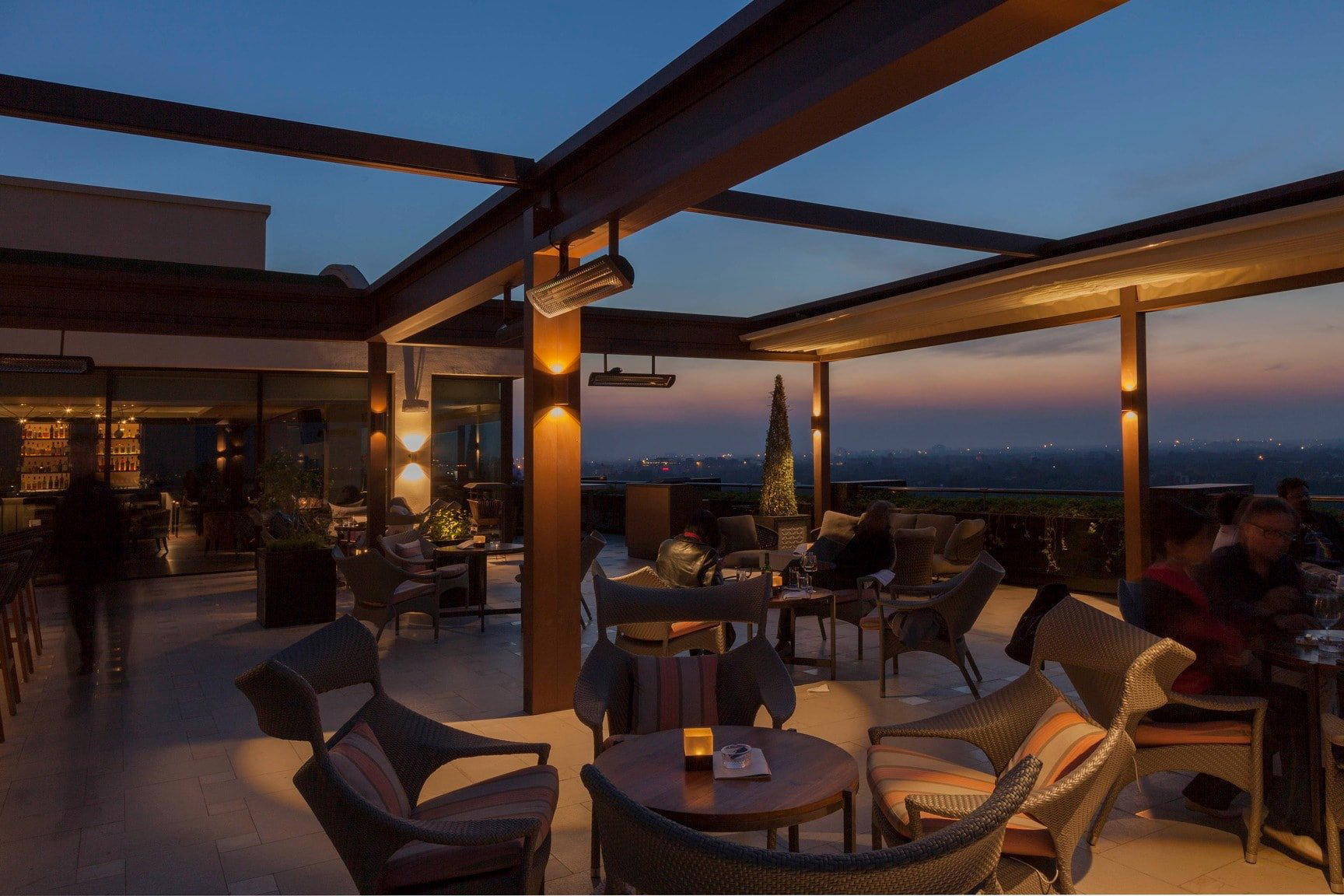
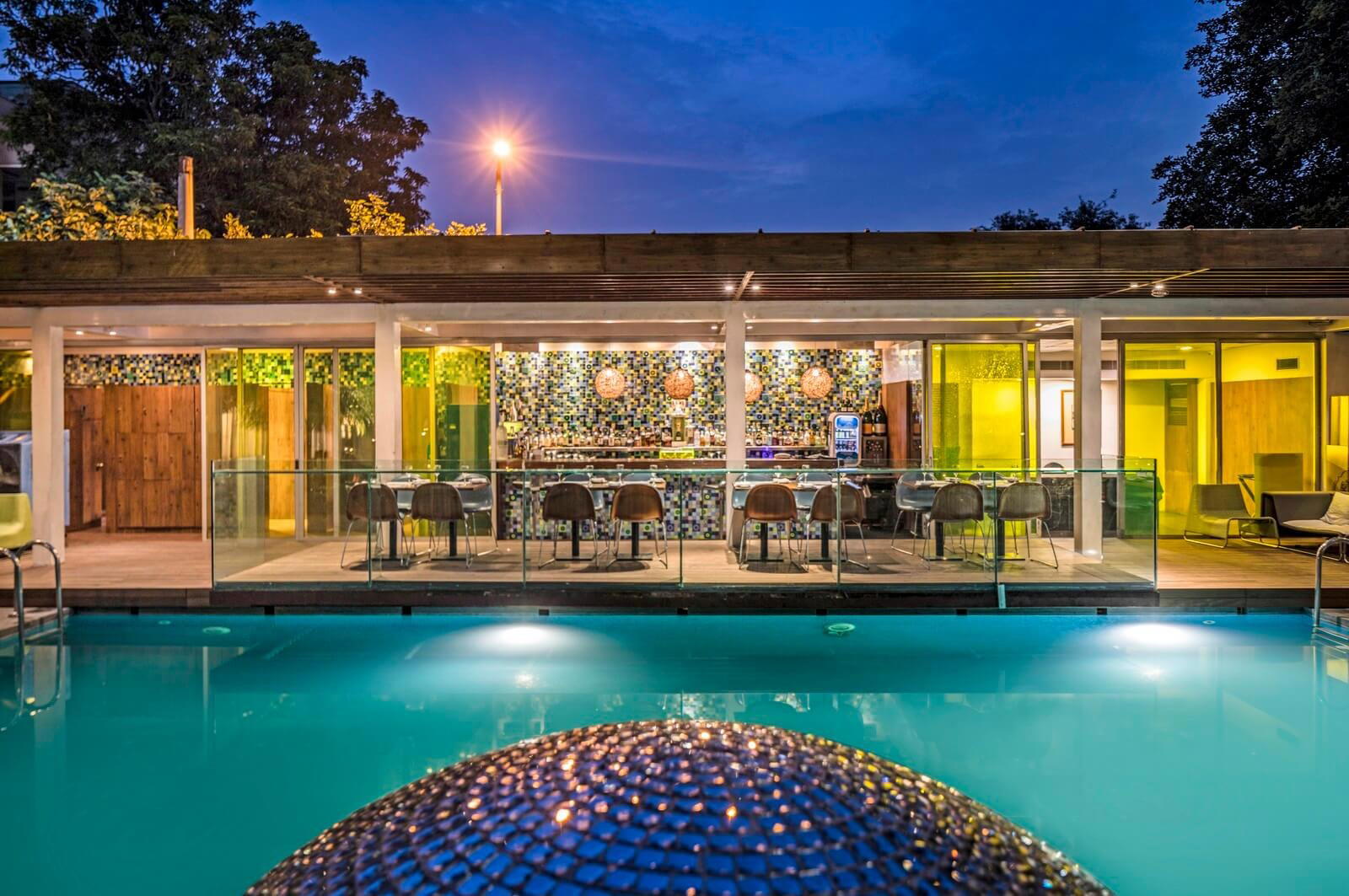
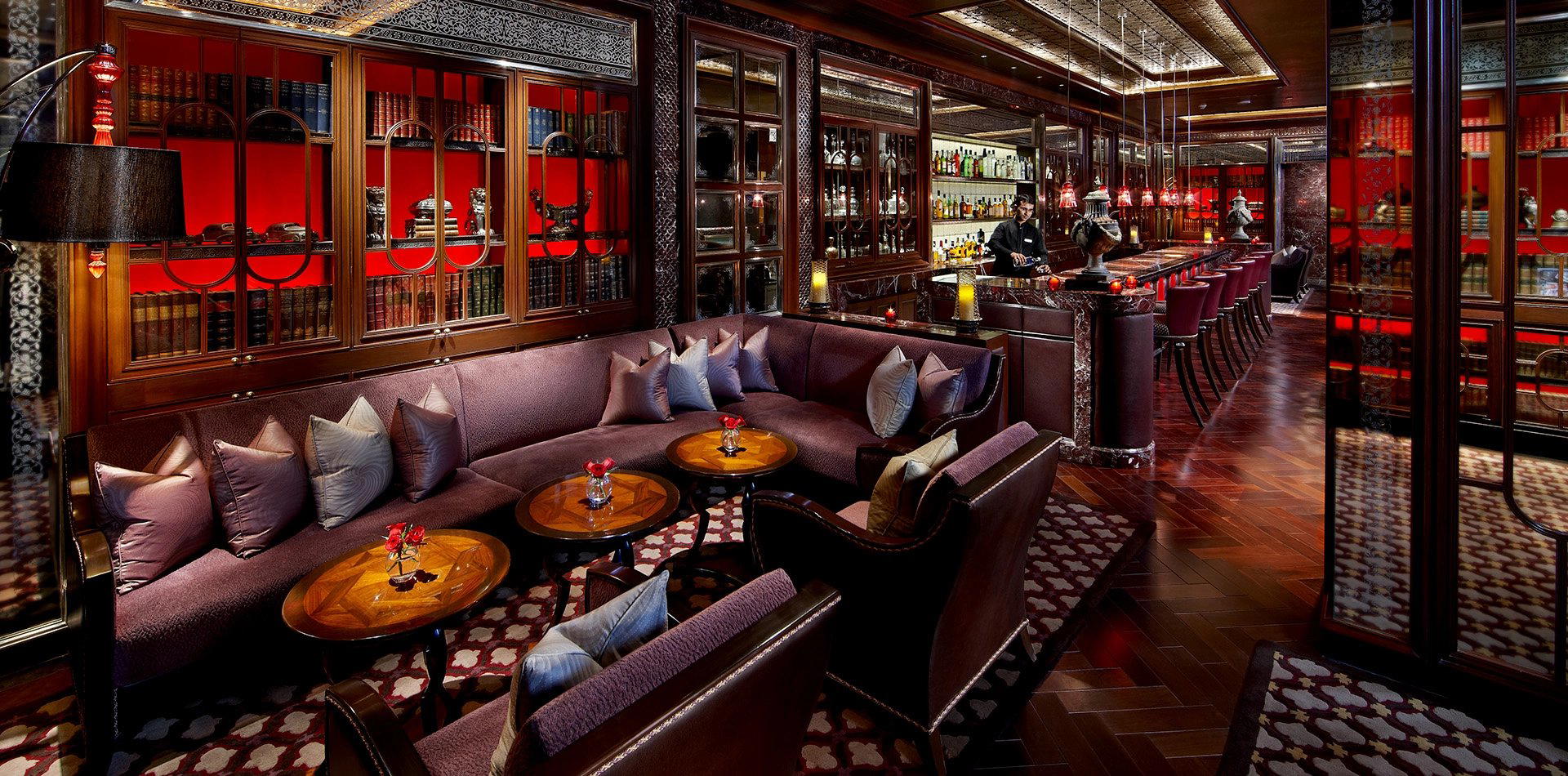
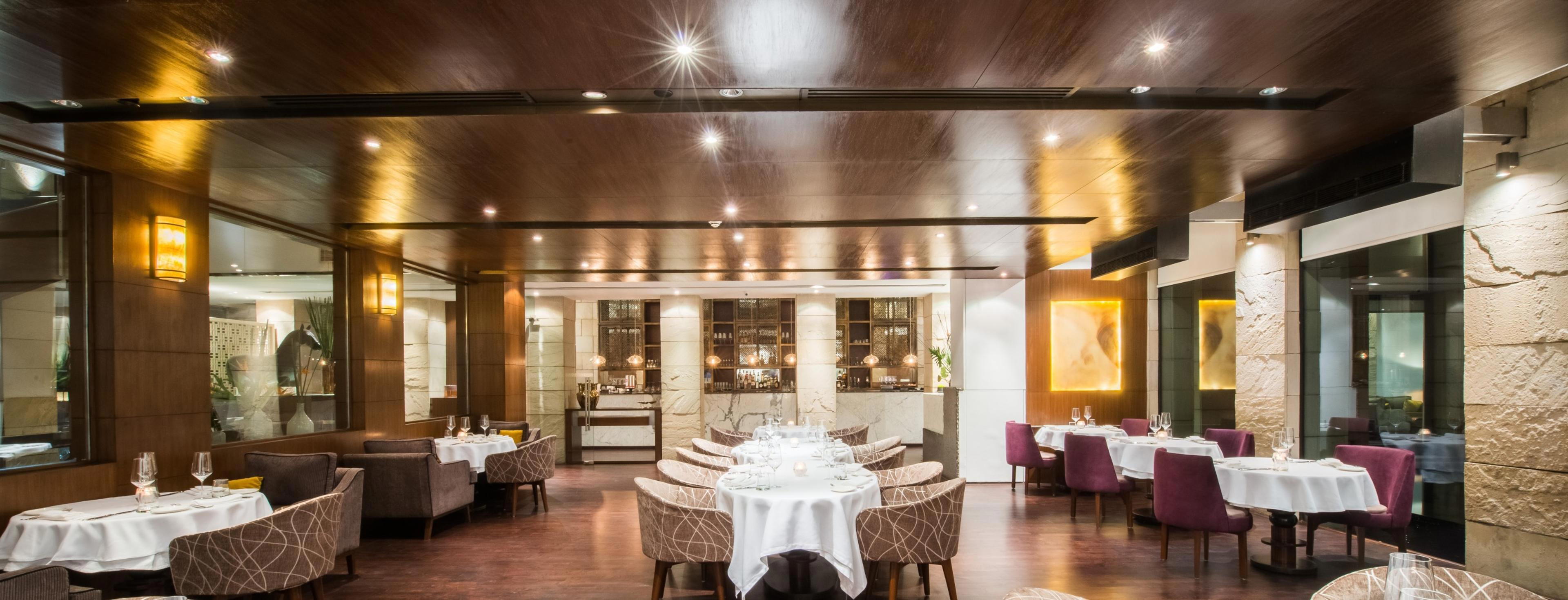
Classic and elegant atmosphere with gleaming parquet floors, marble bathrooms, four-poster beds, and candlelit open-air dining overlooking immaculate gardens.