
SPICE CHAMBER places Kyoto’s curry culture in a compact Shijo-Karasuma format: counter seats, table seats, take-out, and a price band that keeps it closer to everyday lunch than destination tasting-menu dining. Its repeated selection for Tabelog Curry WEST 100 in 2019, 2020, 2023, and 2024 gives the small room a serious signal in a category often judged by regulars rather than ceremony.
Pearl is the En Primeur Club membership app — saves, bookings, and concierge access live there. Same editors, same standards.
- Address
- 京都府京都市下京区室町綾小路下る白楽天町502番地 福井ビル1F
- Phone
- +81753423813
- Website
- spicechamber.com
 Saves & bookings on Pearl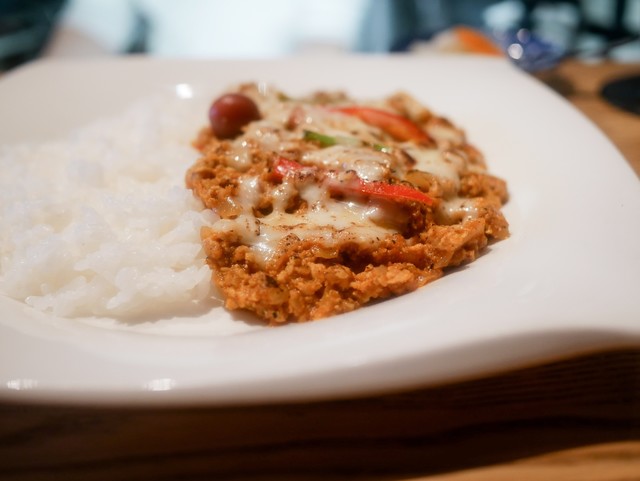
In Shijo-Karasuma, Kyoto’s restaurant rhythm changes block by block: department-store dining, office-worker lunch counters, narrow upstairs rooms, and small specialist kitchens operating with little ceremony. Curry sits comfortably in that pattern. It is not kaiseki, not temple cuisine, and not the polished hotel dining that many visitors associate with the city. It is an everyday format with a demanding local audience, and SPICE CHAMBER belongs to that practical, tightly edited side of Kyoto eating.
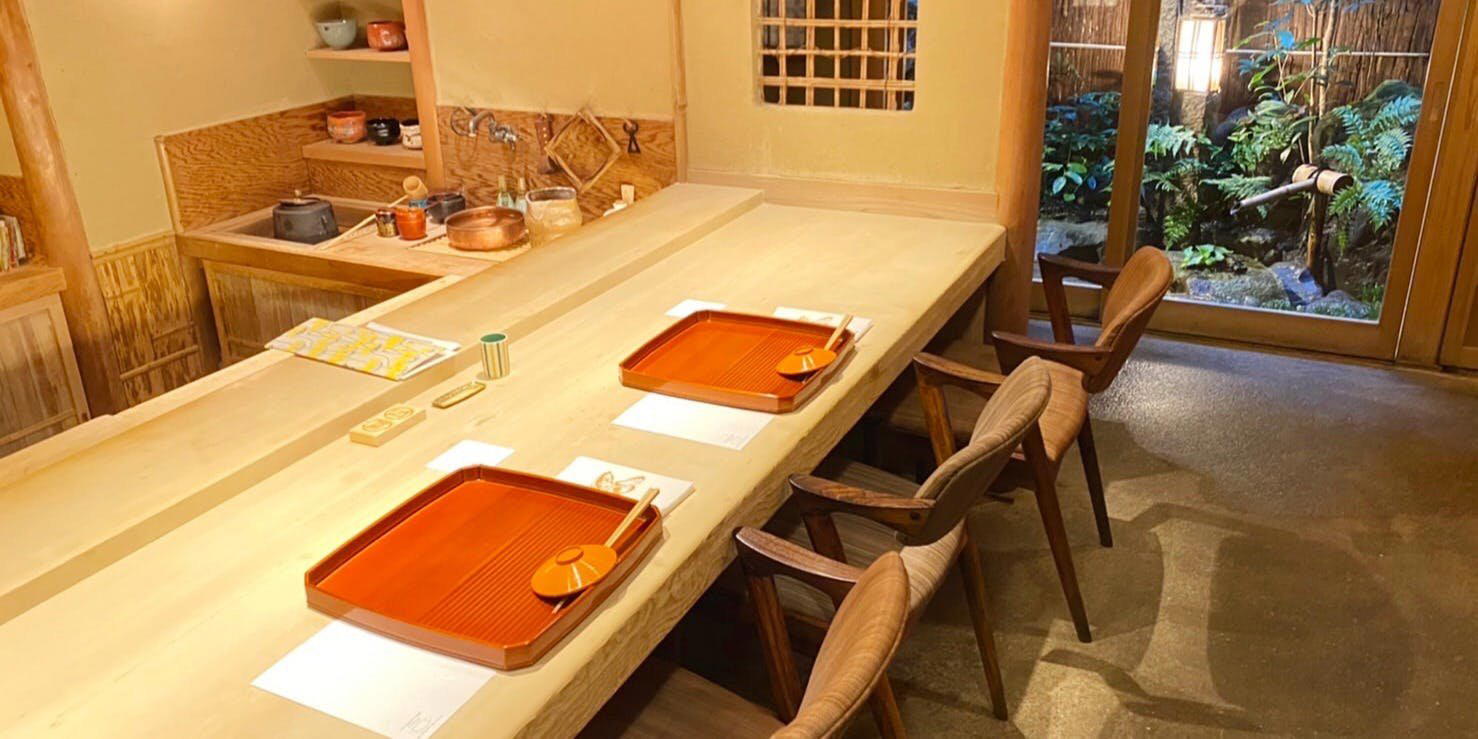
The useful way to read the room is through scale. Fourteen seats, including six at the counter and a small table section, put it in the category of compact urban specialists rather than broad-menu restaurants. That matters in Kyoto, where small spaces often sharpen the identity of a meal. A counter-led curry shop has fewer places to hide than a larger dining room: pacing, turnover, and consistency carry the experience. The Tabelog score of 3.68 and repeat selection for Tabelog Curry WEST 100 in 2019, 2020, 2023, and 2024 give SPICE CHAMBER a public benchmark in a field where local repetition is a stronger signal than spectacle.
Kyoto curry, judged by regulars rather than ceremony
Kyoto’s premium dining reputation is still anchored by Japanese formality, but the city’s lower-priced specialist restaurants often tell a clearer story about daily taste. Curry and Indian curry, the categories attached to SPICE CHAMBER, sit in a lane where spice balance, rice handling, speed, and price discipline matter more than service choreography. At JPY 1,000 to JPY 1,999 for both lunch and dinner, the restaurant competes in a bracket where a weak plate is not cushioned by luxury signalling.
That price tier also separates it from Kyoto’s formal Japanese rooms. A comparison with Ryoriya Kanemitsu or Ogata is not about similar cuisine; it shows how wide Kyoto’s dining spectrum is within a few neighbourhood moves. The city can support kaiseki at one end and a 14-seat curry counter at the other, with both relying on repeat custom and narrow focus. Nearby comparison venues such as Baji Tofu and Kyoto Tonkatsu Katsuda Shijokarasuma also sit in the practical dining conversation around Shijo-Karasuma, where lunch and early dinner decisions are often made by proximity, pace, and confidence rather than occasion.
The restaurant’s award history is the trust signal to notice. Tabelog’s Curry WEST 100 selection places it within a regional specialist list, not a generalized restaurant ranking. For travellers, that distinction is useful: the recognition points to category credibility rather than broad fine-dining prestige. It tells the reader to expect a focused curry address in Kyoto’s central business corridor, not a theatrical room built around rare ingredients or long-form service.
A small-room format with counter logic
Kyoto rewards restaurants that understand their physical limits. A 14-seat curry shop works differently from a dining room built for lingering courses: the energy comes from compression, not grandeur. Counter seating changes the tone of a meal, especially for solo diners, because it removes the awkwardness of occupying a full table and turns a quick curry stop into a proper sit-down experience. The listed occasions, family friendly, solo dining friendly, and friends, match that reading. This is a format designed for use, not display.
The no-smoking policy is another practical signal in a compact room. In a small curry restaurant, smoke would dominate quickly; its absence keeps the experience cleaner for families and solo diners alike. Private rooms and private use are unavailable, which is consistent with the category. The point is not privacy or ceremony. The point is a short, focused meal in a central Kyoto district where specialist counters serve the working city as much as visitors.
The service format includes take-out, and that matters in Shijo-Karasuma. Kyoto’s central grid is not only temples and ryokan transfers; it is also office buildings, department stores, side-street shops, and commuters moving between Shijo Station and Karasuma. A curry shop with dine-in and take-out belongs to that everyday infrastructure. It gives the venue a different kind of relevance from a destination-only restaurant, because it can function as lunch, casual dinner, or a low-friction stop between other plans.
How to place it in a Kyoto itinerary
The restaurant works well as a central Kyoto anchor rather than a long detour. Shijo-Karasuma is one of the city’s practical junctions, with subway, Hankyu, bus, shopping, and hotel traffic converging nearby. That makes curry a smart counterpoint to Kyoto’s more formal meals: a traveller can keep one part of the day loose, inexpensive, and spice-driven before turning to sake bars, hotel lounges, or tasting-menu dining elsewhere in the city.
For a broader restaurant crawl, use the neighbourhood as a hinge. 3TOKU6MI Shijo karasuma ten, 551蓬莱, [ki:], Abbesses, and Aburi Mochi Honke Nemoto Kazariya show how quickly Kyoto shifts between casual, specialist, and dessert-led traditions. For city-wide planning, keep Our full Kyoto restaurants guide close, then match the meal with Our full Kyoto hotels guide, Our full Kyoto bars guide, Our full Kyoto wineries guide, and Our full Kyoto experiences guide.
Travellers comparing Japanese casual dining beyond Kyoto can also look at how specialist formats translate elsewhere: -Grilled beef Sukiyaki- KAMAKURA TANUKIAN 鎌倉 たぬき庵 in Kamakura. 鮪と炭火焼き うお炭 秋葉原店 in Tokyo.cafe in Osaka.know in Kumamoto, (Shoku) Vietnam in Kawasaki, [Curry Senmon Ten] Maruyama Kyoju. in Sapporo, Jōdo Saké Bar in Los Angeles, and Onigiri Time in Pasadena. The comparison is not culinary equivalence; it is about format discipline, the way a narrow idea becomes reliable when a small room commits to it.
The editorial read is simple: choose the restaurant when Kyoto’s formal dining circuit needs a reset. Its value lies in category focus, central-city usefulness, repeated Curry WEST 100 recognition, and a seating plan that suits solo diners as naturally as small groups. In a city often framed through ceremony, this is the more direct pleasure of a specialist curry counter doing one thing within a demanding local scene.
Cuisine-First Comparison
Comparable venues to anchor price and recognition.
| Venue | Cuisine | Price | Notes |
|---|---|---|---|
| SPICE CHAMBERThis venue — the venue you are viewing | Spicy Keema Curry House | $$ | Not listed |
| Mughal | Authentic Indian Curry House | $$ | Nakagyō |
| Bar Gaudi | Modern izakaya & Spanish-style standing bar | $$ | Shimogyō |
| PIOPIKO | Modern Mexican Taqueria | $$ | Nakagyō |
| Sake Dokoro Terayama | Kyoto Izakaya & Sake Bar | $$ | Shimogyō |
| SPICE GATE | Japanese-style spice curry & dashi curry café | $$ | Shimogyō |
Recognition history
Dated appearances from independent guides and award organizations, with the underlying list record or original source where available.
Tabelog 100 #87 · No. 87
Tabelog · Tabelog 100 - Curry - WEST - 2024
Continue exploring
More in Kyoto
Restaurants in Kyoto
Browse all →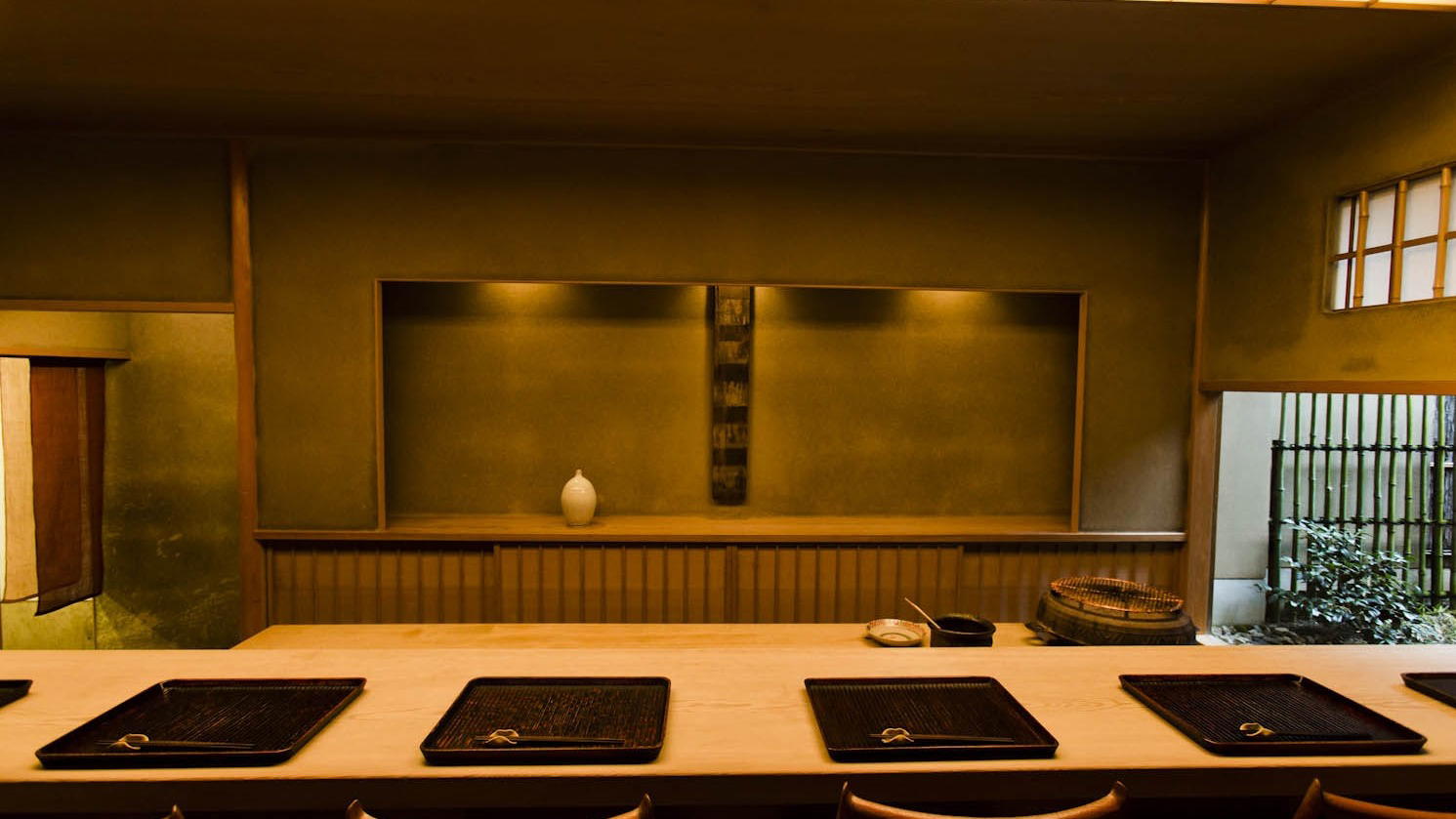
Bars in Kyoto
Browse all →
Hotels in Kyoto
Browse all →
Wineries in Kyoto
Browse all →
At a Glance
- Cozy
- Intimate
- Trendy
- Solo
- Casual Hangout
- After Work
- Late Night
- Chefs Counter
- Standalone
A small, stylish yet relaxed curry shop with a narrow counter facing the kitchen and a few tables; it feels cozy and intimate, often busy but casual, with quick solo and small-group meals rather than lingering dining.