
Bar Gaudi brings Kyoto’s tachinomi culture into a Spanish-leaning bar format, with sake, shochu and wine sitting beside izakaya rhythms rather than formal cocktail-room ritual. Its selection for Tabelog 100 Tachinomi 2025 places it in Japan’s serious standing-bar conversation, while the room remains casual, compact and built for short, drink-led sessions.
Pearl is the En Primeur Club membership app — saves, bookings, and concierge access live there. Same editors, same standards.
- Address
- Japan, 〒600-8439 Kyoto, Shimogyo Ward, Bantoyacho, 284 1F
- Phone
- +81 75-708-3496
- Website
- instagram.com
 Saves & bookings on Pearl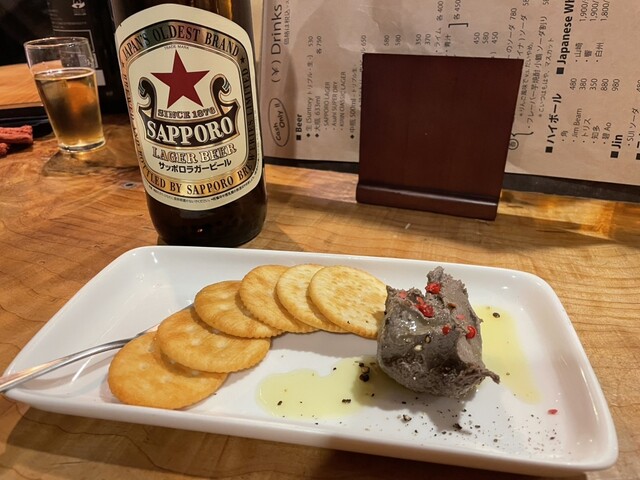
Approaching a tachinomi in Kyoto is unlike entering a dining room. The promise is compression, not ceremony: a counter, a quick decision, a drink in hand, and a room where bar and izakaya stay loose. In Shimogyo, near Gojo, Bar Gaudi belongs to this low-friction drinking culture, with wider reference points than beer-and-kushikatsu shorthand. It is standing bar, izakaya and bar at once, with sake and shochu as core drinks and a Spanish-bar identity running through the offer.
Kyoto drinking has long been shaped by small rooms and precise habits. Around Shijo, Karasuma and Gojo, the after-work map runs on places that absorb a solo drinker, a two-person pause or a group drifting in before a later table. A tachinomi is judged less by theatrical mixology than by pace, range and how naturally the room lets people drink without turning the evening into production. Selection for Tabelog 100 Tachinomi 2025 gives Bar Gaudi a public marker within that category: not luxury signaling, but recognition in a style where consistency and local use matter.
Spanish-bar instincts inside Kyoto's standing-drink grammar
The category tension is the point. Kyoto has polished kaiseki counters, French dining rooms and specialist ramen queues, but its casual drinking layer cross-pollinates quickly. A Spanish bar that also reads as an izakaya makes sense here: wine beside nihonshu, tapas beside Japanese bar food, the evening kept modular. Bar Gaudi is a flexible drinking stop, not a destination restaurant with one scripted arc.
The wine-list angle is not deep-cellar theatre. It is affordable curation for standing, grazing and moving on. Sake and shochu give the list its Japanese spine, while the Spanish-bar frame makes wine part of the room’s identity, not an afterthought. For travellers moving between Kyoto formats, that matters: a night might start casually near Gojo, move toward a Karasuma reservation, then finish in a tighter drinking room. Bar Gaudi fits the first or middle slot better than the grand finale.
That helps map the neighbourhood. 3TOKU6MI Shijo karasuma ten sits in the broader Shijo-Karasuma orbit, while Abbesses shows French cooking as part of Kyoto’s everyday premium dining vocabulary rather than an imported novelty. [ki:] and 551蓬莱 point to a quicker, urban, practical rhythm. A standing bar works only when it understands that tempo.
Awarded tachinomi, not a formal cocktail room
Tabelog’s tachinomi category separates standing-bar culture from conventional restaurant ranking. The 2025 Tabelog 100 Tachinomi selection places the restaurant among venues assessed within a specific Japanese drinking tradition, where room, drinkability and repeat-use value matter as much as kitchen ambition. Its listed 3.41 score gives it a measured public footprint rather than the inflated mythology around small Japanese bars online.
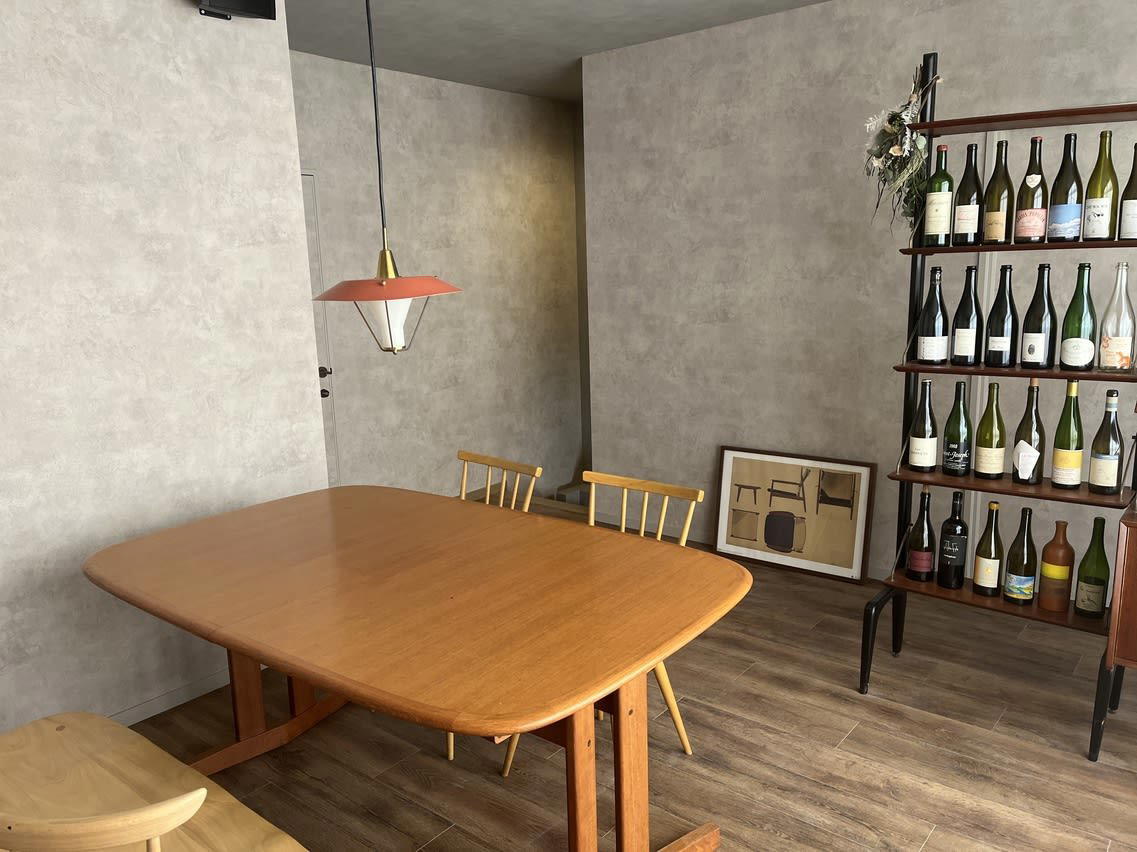
Read the signal correctly. This is not a Kyoto hotel bar, reservation-only cocktail counter or long tasting menu. Its appeal is looseness: a drink-led stop with counter seating, sofa seating and standing-bar infrastructure. Power outlets and free Wi-Fi are not romance, but they are telling. Kyoto’s casual bars increasingly serve locals, domestic visitors and international drinkers who need practical comfort without losing the social immediacy of a small room.
Kyoto’s premium image is often filtered through temples, ryokan and seasonal cooking, but its bar culture is mixed: sake specialists, whisky counters, natural-wine rooms, tachinomi, hotel lounges and late-night izakaya compete for different parts of the evening. The restaurant sits in the accessible, drink-first tier. It does not ask guests to decode a chef’s canon or submit to a fixed progression; it asks whether a short, flexible session around Japanese spirits, wine and bar food suits that point in the night.
For context, Our full Kyoto bars guide is a cleaner starting point than a restaurant-only search. The city rewards cross-category planning, so Our full Kyoto restaurants guide, Our full Kyoto hotels guide, Our full Kyoto wineries guide and Our full Kyoto experiences guide help build the itinerary around the drink stop rather than forcing one venue to carry the evening.
How to use it in a Kyoto night
Use it as a casual pre-dinner or post-sightseeing drink, especially if staying in central Kyoto rather than deep in Higashiyama or Arashiyama. The private-use range and larger-party notes suggest a room that can handle groups, but the tachinomi format is social and mobile, not settled and ceremonial. Families are not excluded, useful in adult drinking contexts, though the format remains bar-led.
Treat cash as the default. That is common in Japan’s smaller drinking rooms and keeps the transaction simple. The low listed spend also matters. In Kyoto, where one dinner can define an itinerary, this bracket works as a pressure valve: serious enough to have category recognition, casual enough not to bend the night around itself.
The food-and-drink mix bridges travellers into Kyoto beyond the obvious hierarchy. A day built around heritage sweets at Aburi Mochi Honke Nemoto Kazariya and a later drink near Gojo says more about the city’s range than another overplanned formal sequence. The same logic extends beyond Kyoto: Japan’s casual dining map can run from.cafe in Osaka to. 鮪と炭火焼き うお炭 秋葉原店 in Tokyo.know in Kumamoto, (Shoku) Vietnam in Kawasaki and [Curry Senmon Ten] Maruyama Kyoju. in Sapporo. Kyoto’s version is quieter, more compressed and more dependent on the right scale for the hour.
Internationally, drink-led Japanese formats travel well, but often lose the everyday looseness that gives them value at home. Jōdo Saké Bar in Los Angeles and Onigiri Time in Pasadena show how sake-bar and snack formats read abroad; the restaurant shows the domestic version functioning without luxury translation. Even -Grilled beef Sukiyaki- KAMAKURA TANUKIAN 鎌倉 たぬき庵 in Kamakura clarifies the point: some Japanese venues are built around a meal, others around a pause. This is the latter.
The verdict is restrained but clear. In Kyoto, a Tabelog-recognized tachinomi with Spanish-bar cues is useful because it does not behave like a trophy reservation. It gives the evening elasticity, offers a drinks list anchored by sake and shochu with wine in frame, and lets central Kyoto feel less like a museum of formal dining and more like a working city after dark.
Cuisine Lens
Comparable venues by cuisine and category.
| Venue | Cuisine | Price | Notes |
|---|---|---|---|
| Bar GaudiThis venue — the venue you are viewing | Modern izakaya & Spanish-style standing bar | $$ | Not listed |
| Katsukura (かつくら 四条東洞院店) | Traditional Kyoto Tonkatsu | $$ | Kawaramachi, Kiyamachi, Ponto-cho |
| とんかつ山本 | Traditional Tonkatsu | $$ | Nakagyo-ku |
| Menya Inoichi Hanare | Modern seafood-based ramen & tsukemen | $$ | Shimogyō |
| Fujimura | Kyoto Yakiniku (Omi beef) | $$ | Shimogyō |
| ZEN CAFE | Japanese Sweets Café | $$ | Higashiyama |
Recognition history
Dated appearances from independent guides and award organizations, with the underlying list record or original source where available.
Tabelog 100 #36 · No. 36
Tabelog · Tabelog 100 - Tachinomi - 2025
Continue exploring
More in Kyoto
Restaurants in Kyoto
Browse all →
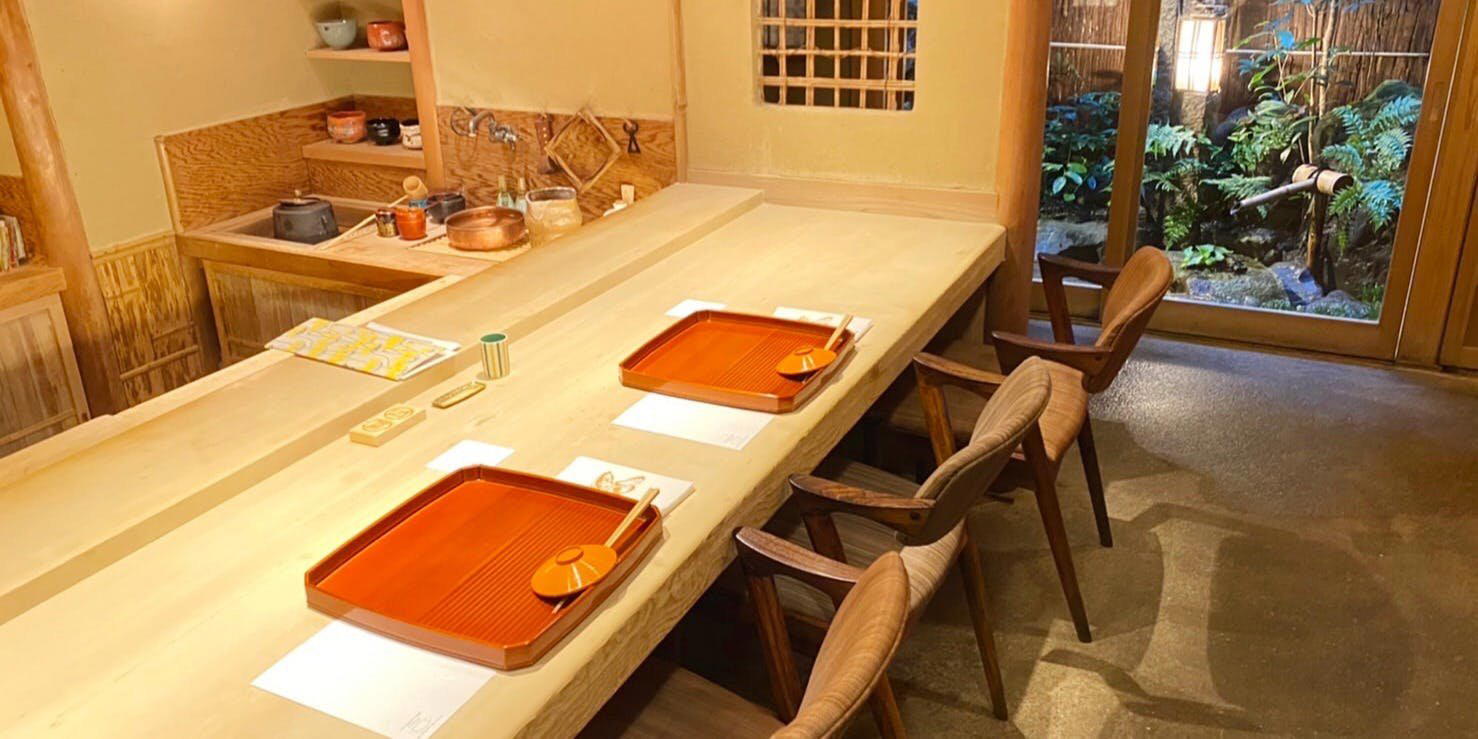
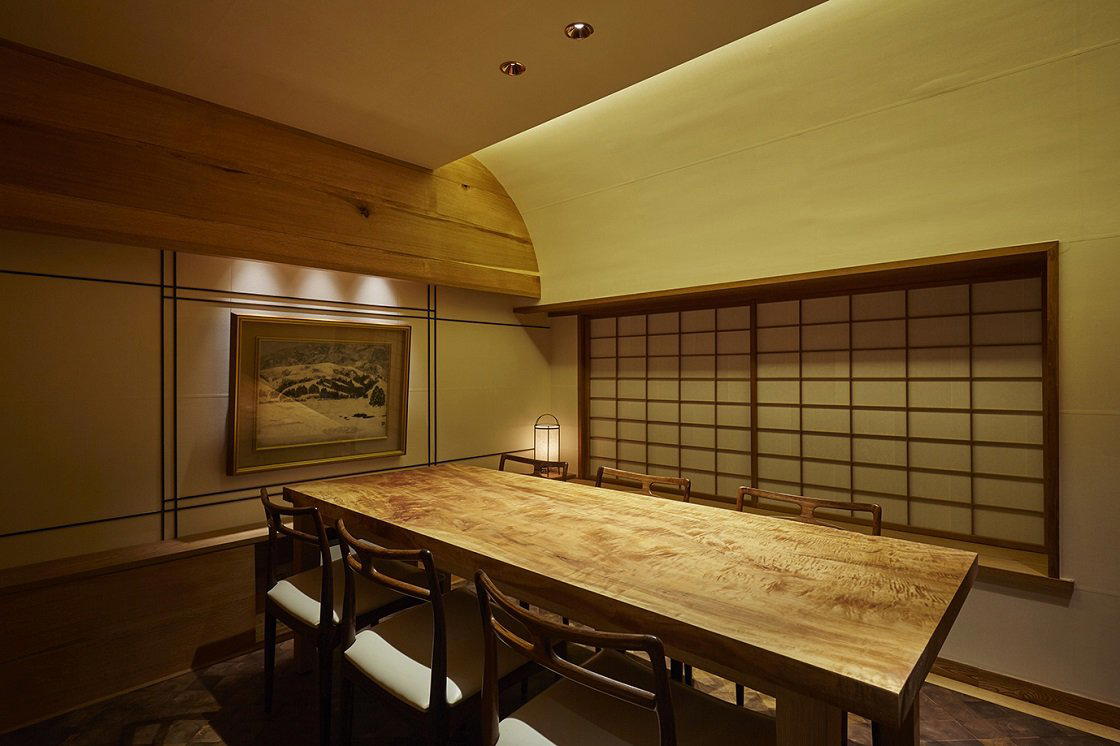
Bars in Kyoto
Browse all →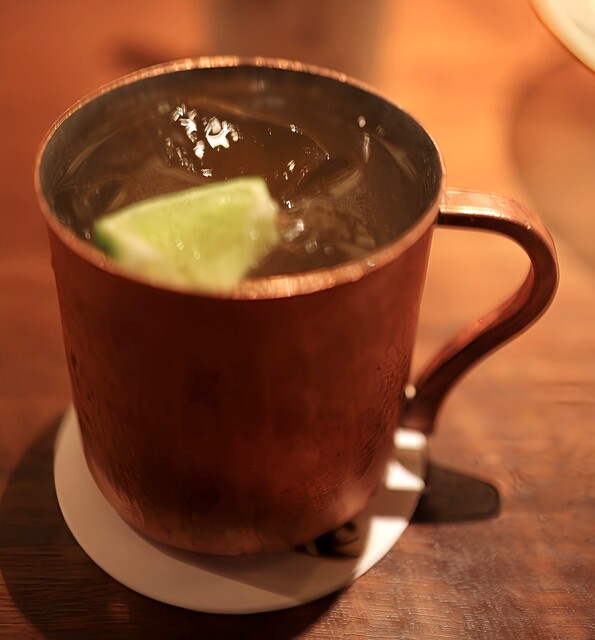
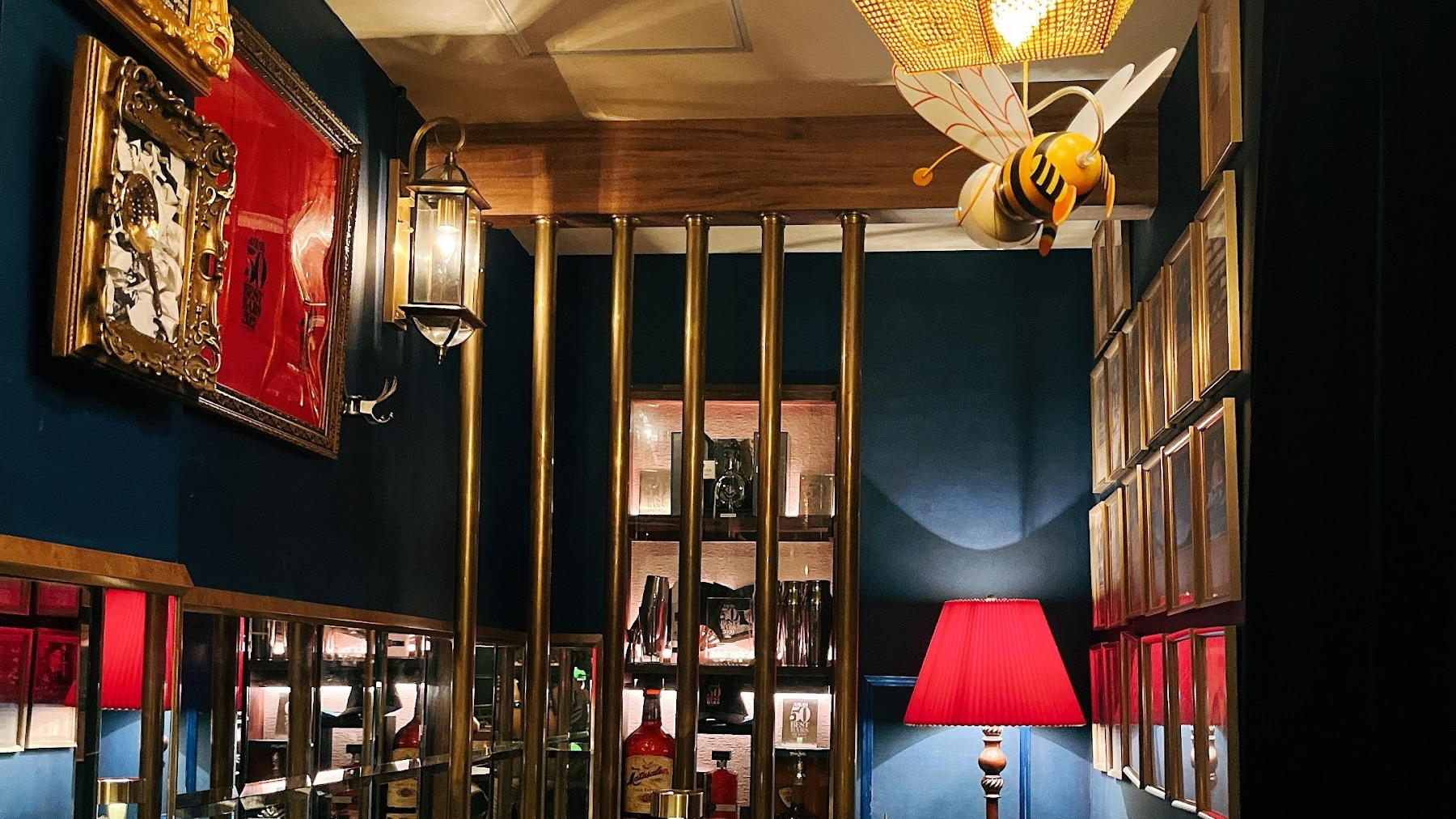
Hotels in Kyoto
Browse all →
Wineries in Kyoto
Browse all →
At a Glance
- Lively
- Cozy
- Trendy
- Intimate
- Casual Hangout
- After Work
- Group Dining
- Late Night
- Date Night
- Solo
- Standalone
- Craft Cocktails
- Beer Program
Current opening hours
- Monday
- Closed
- Tuesday
- 4–11:30 PM
- Wednesday
- 4–11:30 PM
- Thursday
- 4–11:30 PM
- Friday
- 4–11:30 PM
- Saturday
- 3–11:30 PM
- Sunday
- 3–10 PM
Hours can change for holidays and private events. Last verified .
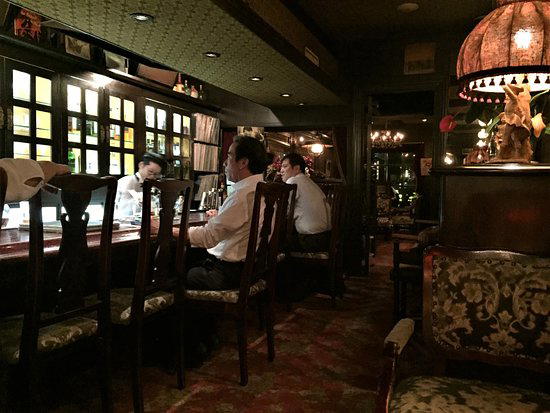
Mostly standing-room with some sofa seating, dim bar-style lighting, and a casual, energetic atmosphere typical of a neighborhood Spanish bar and izakaya where guests mingle closely over drinks.