Speisekammer West occupies a residential stretch of Rosenbergstraße in Stuttgart's western quarter, where the city's neighbourhood dining scene operates at a different register from its Michelin-decorated downtown rooms. The address places it inside a corridor of mid-market and casual-creative eating that rewards locals over tourists, making it a useful reference point for understanding Stuttgart's broader restaurant culture beyond the headline tables.
Pearl is the En Primeur Club membership app — saves, bookings, and concierge access live there. Same editors, same standards.
- Address
- Rosenbergstraße 89, 70193 Stuttgart, Germany
- Phone
- +4971193590622
- Website
- speisekammer-west.de
- Directions
- Get directions
 Saves & bookings on Pearl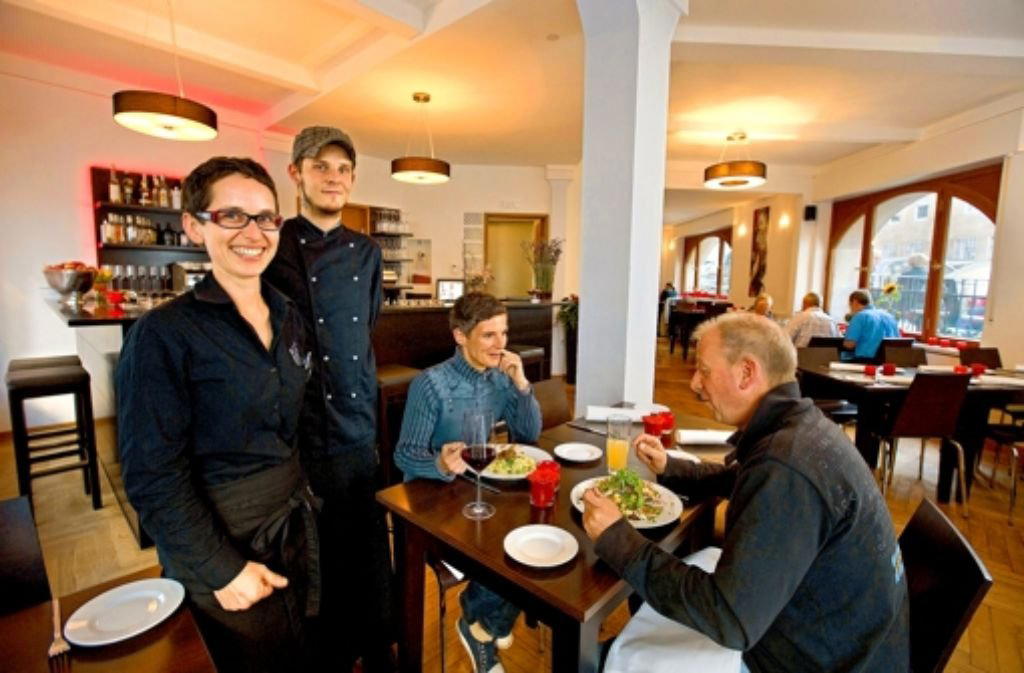
Stuttgart's dining reputation runs on a relatively short list of addresses: the fine-dining rooms that collect Michelin recognition, the wine-bar circuit in the Bohnenviertel, and the market-adjacent spots around the Markthalle. What sits between those poles, in the residential districts that spread west and north of the centre, is a different kind of eating culture, one shaped less by critical attention and more by the rhythm of a neighbourhood. Rosenbergstraße 89, the address for Speisekammer West, falls inside that territory. The street runs through Stuttgart-West, a densely settled inner district where apartment buildings, independent retailers, and a reliable density of restaurants share the same blocks without the self-consciousness of a designated dining destination.
That context matters because Stuttgart-West functions as one of the city's more coherent neighbourhood eating zones. It sits closer to the centre than Degerloch or Vaihingen but has resisted the more overtly upscale positioning of the Bohnenviertel. The result is a district where the competitive set for any restaurant is defined by local regulars rather than tourists consulting ranked lists, and where staying power depends on value alignment as much as kitchen quality. Speisekammer West operates in that environment, and understanding the district is, in practice, the first step toward placing the venue accurately.
Local Product, Imported Method: The Intersection That Defines Current German Cooking
The significant tension in German restaurant cooking over the past fifteen years has been between the country's deep larder and the wave of international technique that arrived with a generation of chefs trained in France, Scandinavia, and Japan. Baden-Württemberg sits at the centre of that conversation in a way that Bavarian or North German cooking sometimes does not. The region has a documented larder: Swabian Alba truffles, Filder cabbage from the plateau south of Stuttgart, venison from the Schönbuch forest, Swabian-Hall pork, and a wine corridor along the Neckar and Württemberg slopes that produces some of Germany's most underrated Trollinger and Lemberger. Kitchens in this region that think seriously about ingredients do not need to import their raw materials to cook ambitiously.
What they do import is method. The influence of classical French technique on Baden-Württemberg's starred kitchens is well documented: Schwarzwaldstube in Baiersbronn built its reputation on exactly that synthesis. More recently, the conversation has expanded. Restaurants like Speisemeisterei and Délice in Stuttgart demonstrate that fine-dining technique in this city does not default to a single international reference point. Korean-influenced fermentation, Japanese knife discipline, and Nordic low-intervention preservation have all entered the vocabulary of kitchens that still source their proteins from local producers. That layering of imported method onto regional product is where the more interesting cooking in the city tends to happen, and it is the editorial lens most useful for assessing neighbourhood restaurants in Stuttgart-West.
For context on how that synthesis plays out at the highest level in Germany more broadly, Aqua in Wolfsburg and Victor's Fine Dining by Christian Bau in Perl represent the end point of French-classical technique applied within German sourcing frameworks. CODA Dessert Dining in Berlin and JAN in Munich sit in a different register, where a single defining concept organises the entire format. Stuttgart's neighbourhood tier operates at neither extreme, but the same underlying tension between local product and international method runs through it.
Where Speisekammer West Sits in Stuttgart's Mid-Market
Stuttgart-West supports a range of restaurant types across a relatively compact area, from wine-focused casual rooms to more considered neighbourhood tables that would not look out of place in a city twice the size. The mid-market in Stuttgart is not defined by a single style: you find classic Swabian Wirtschaft formats sitting alongside modern small-plates rooms and international-influenced kitchens within a few blocks of each other. The name Speisekammer, meaning larder or pantry in German, signals a particular positioning within that range, one that leans toward ingredient focus rather than format showmanship. That kind of naming convention has been common in German restaurant culture over the past decade, accompanying a broader turn toward produce-driven cooking at accessible price points.
The Rosenbergstraße address itself is worth noting. The street connects the western residential districts to the central area and carries a mix of neighbourhood commerce, making it a different proposition from the more explicitly destination addresses of Stuttgart's premier rooms like 5 or Der Zauberlehrling. A venue at this address is, by definition, competing primarily on neighbourhood merit: consistency, value, and the kind of cooking that holds up across repeated visits rather than a single occasion.
For readers mapping Stuttgart's restaurant geography further, Hegel Eins represents another point in the modern-cuisine mid-range in the city. For comparison with neighbourhood-tier ambition at the German fine-dining level, Schanz in Piesport, ES:SENZ in Grassau, Waldhotel Sonnora in Dreis, and Vendôme in Bergisch Gladbach provide a map of how regional German cooking operates across different formats and price tiers. Restaurant Haerlin in Hamburg and internationally, Le Bernardin in New York City and Atomix in New York City, show how the local-product-plus-imported-method equation plays out in different national contexts.
Category Peers
Comparable venues nearby, for context on price, style, and recognition.
| Venue | Cuisine | Price | Notes |
|---|---|---|---|
| Speisekammer WestThis venue — the venue you are viewing | Seasonal Swabian with Organic Focus | $$ | Not listed |
| 1819 Bistro am Wirtemberg | Swabian Regional Bistro | $$ | Obertuerkheim |
| Paulaner am alten Postplatz | Bavarian and Swabian | $$ | Gablenberg |
| Onkel Otto | Traditional German Schnitzel | $$ | Gablenberg |
| Schönbuch Bräu | Swabian Brauhaus | $$ | Gablenberg |
| Weinstube Zur Kiste | Traditional Swabian German | $$ | Gablenberg |
Continue exploring
More in Stuttgart
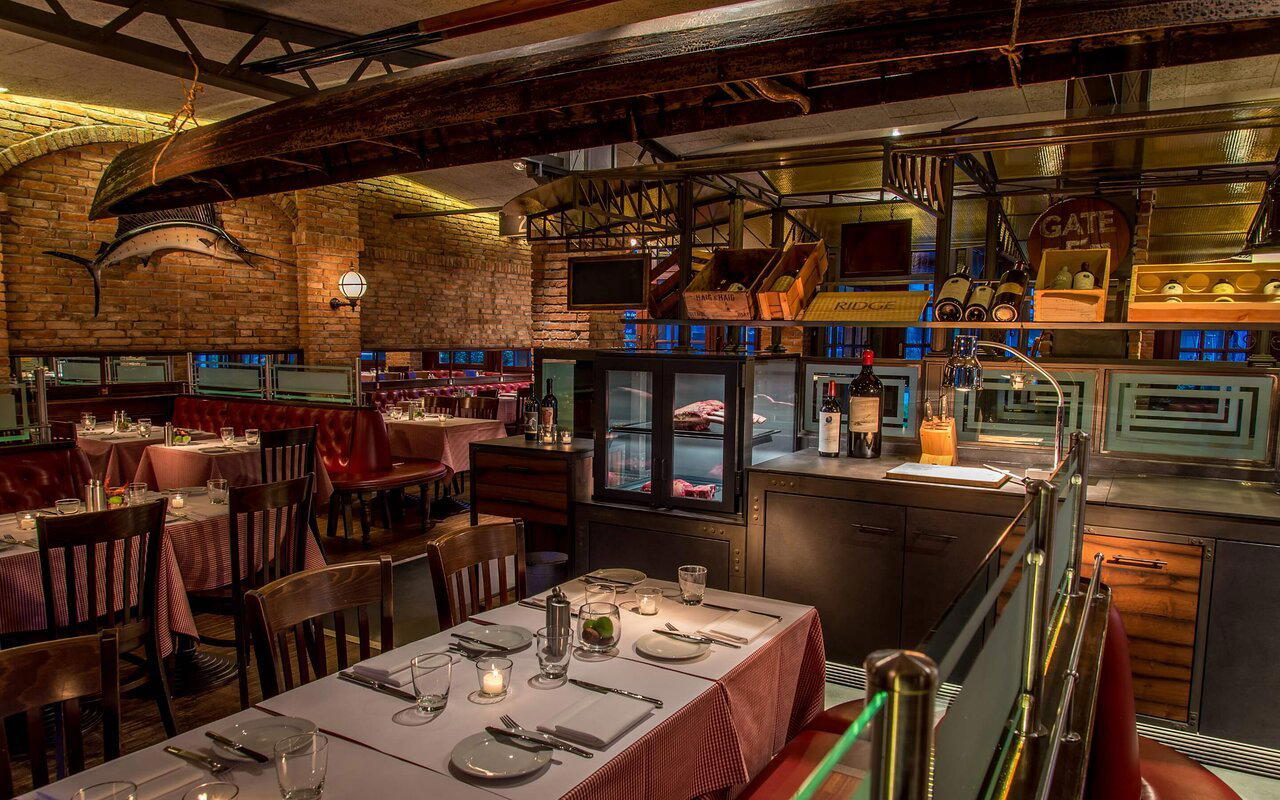
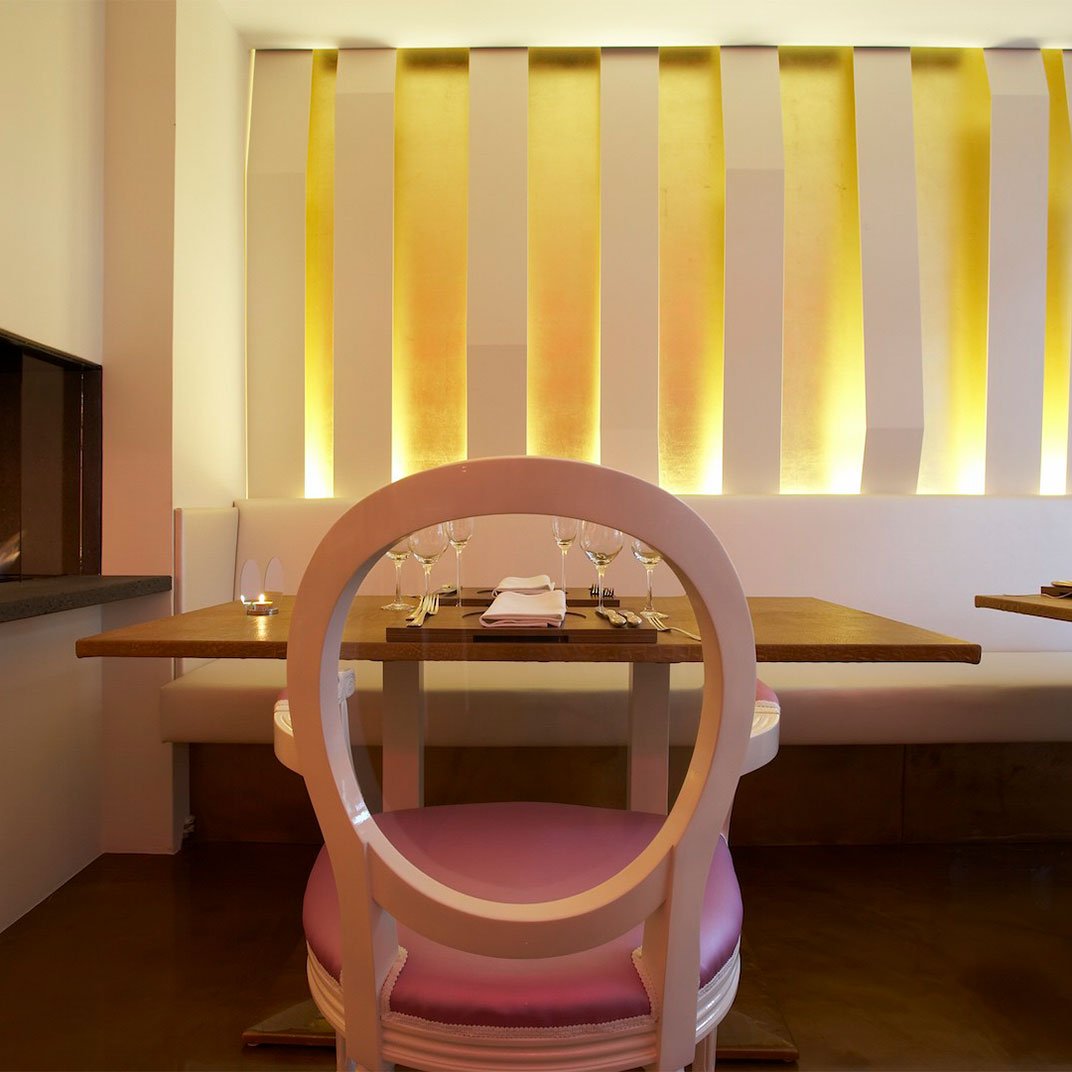
Restaurants in Stuttgart
Browse all →
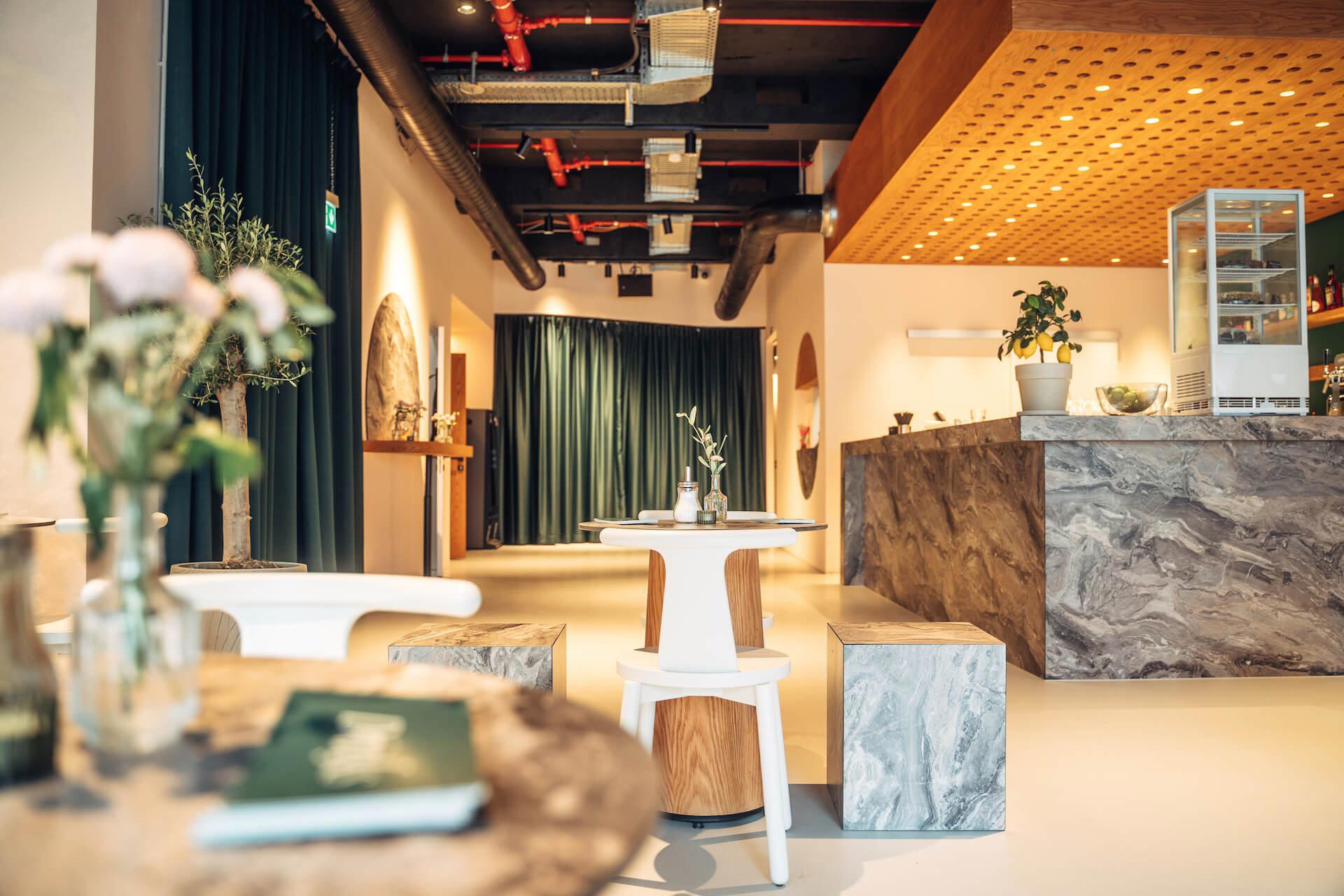
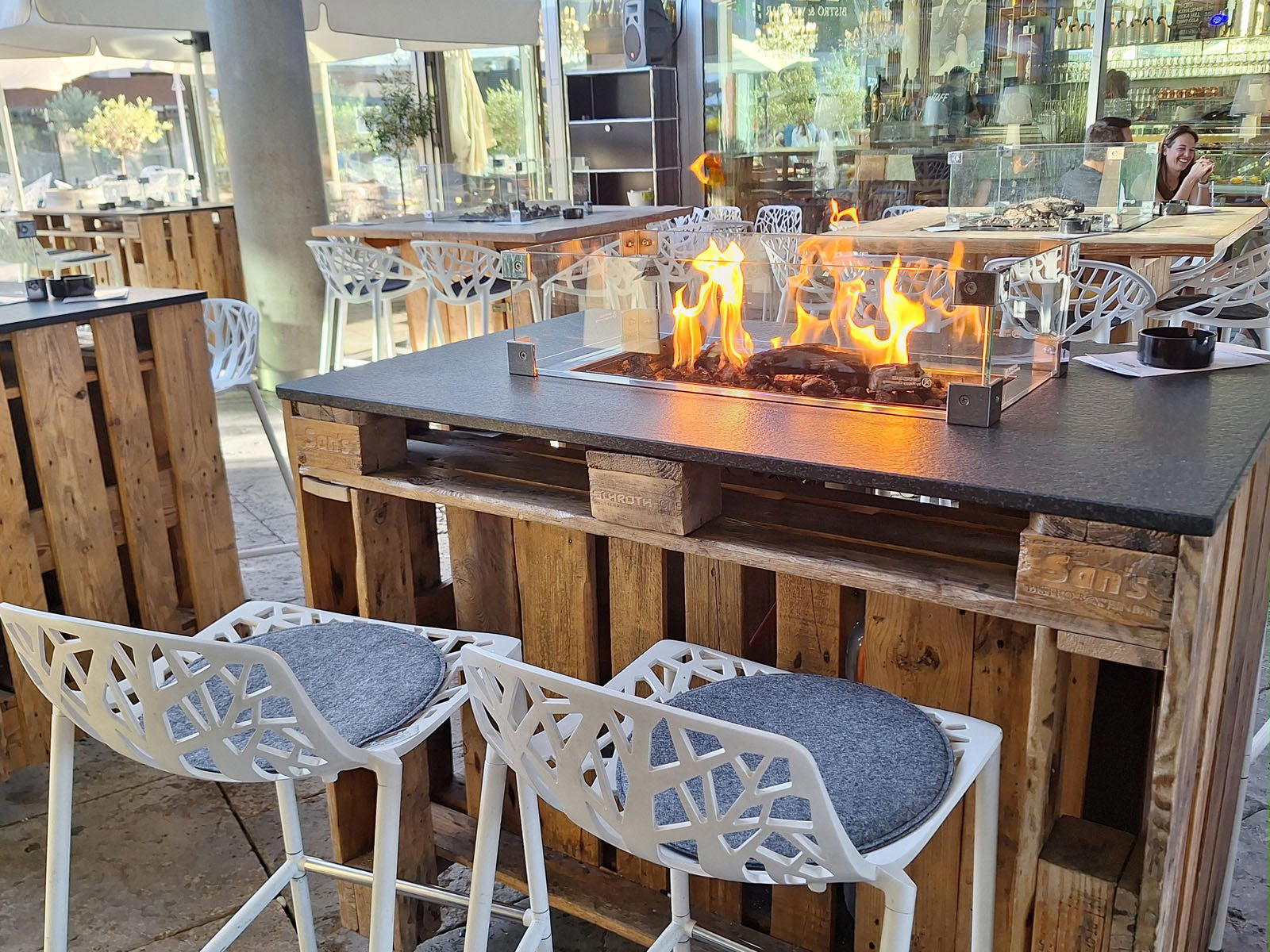
Bars in Stuttgart
Browse all →
Hotels in Stuttgart
Browse all →

At a Glance
- Cozy
- Rustic
- Classic
- Intimate
- Casual Hangout
- Group Dining
- Family
- Date Night
- Standalone
- Extensive Wine List
- Farm To Table
- Organic
- Local Sourcing
Current opening hours
- Monday
- 11:30 AM–2:30 PM, 5–11 PM
- Tuesday
- 11:30 AM–2:30 PM, 5–11 PM
- Wednesday
- 12:30–2:30 PM, 5–11 PM
- Thursday
- 11:30 AM–2:30 PM, 5–11 PM
- Friday
- 11:30 AM–2:30 PM, 5–11 PM
- Saturday
- 5–11 PM
- Sunday
- Closed
Hours can change for holidays and private events. Last verified .
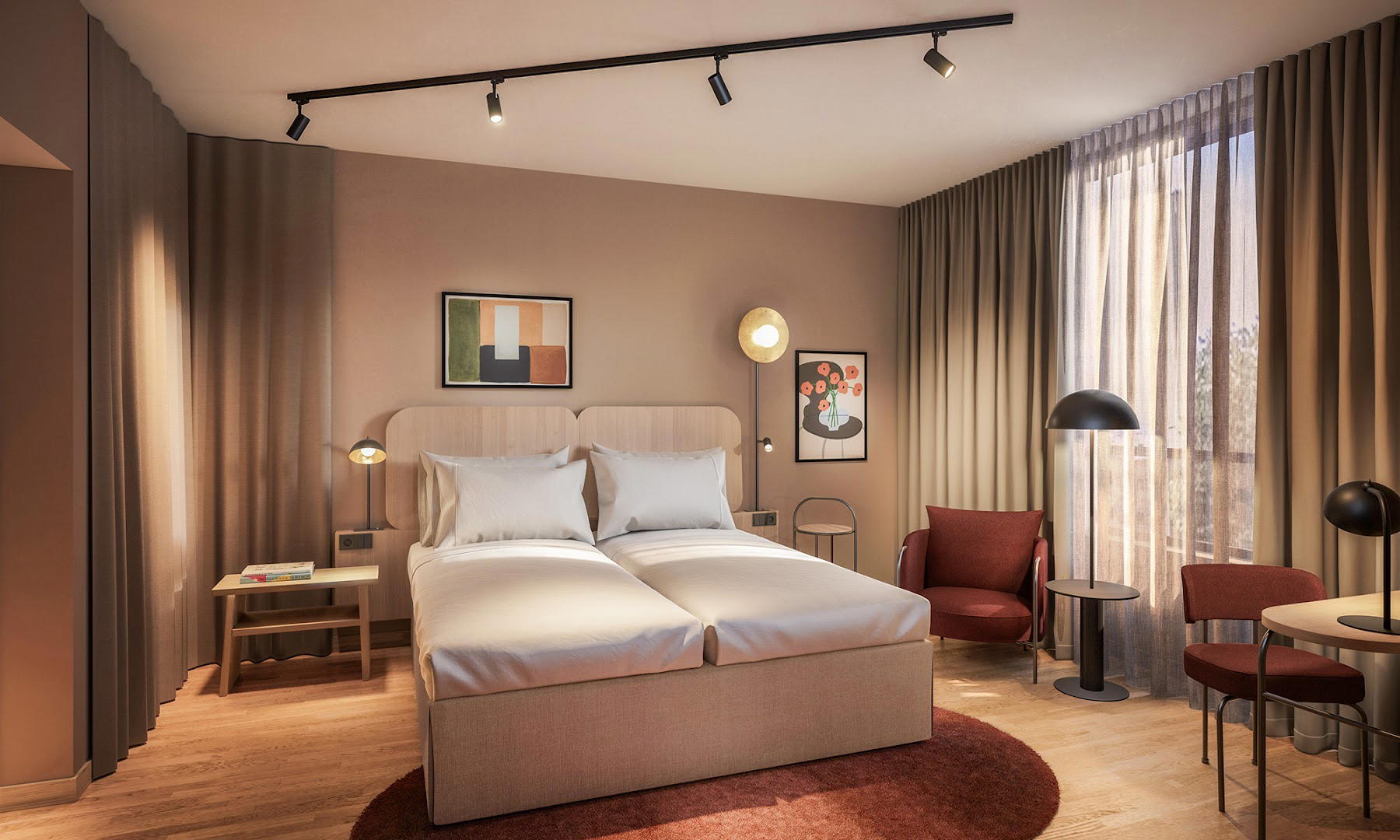
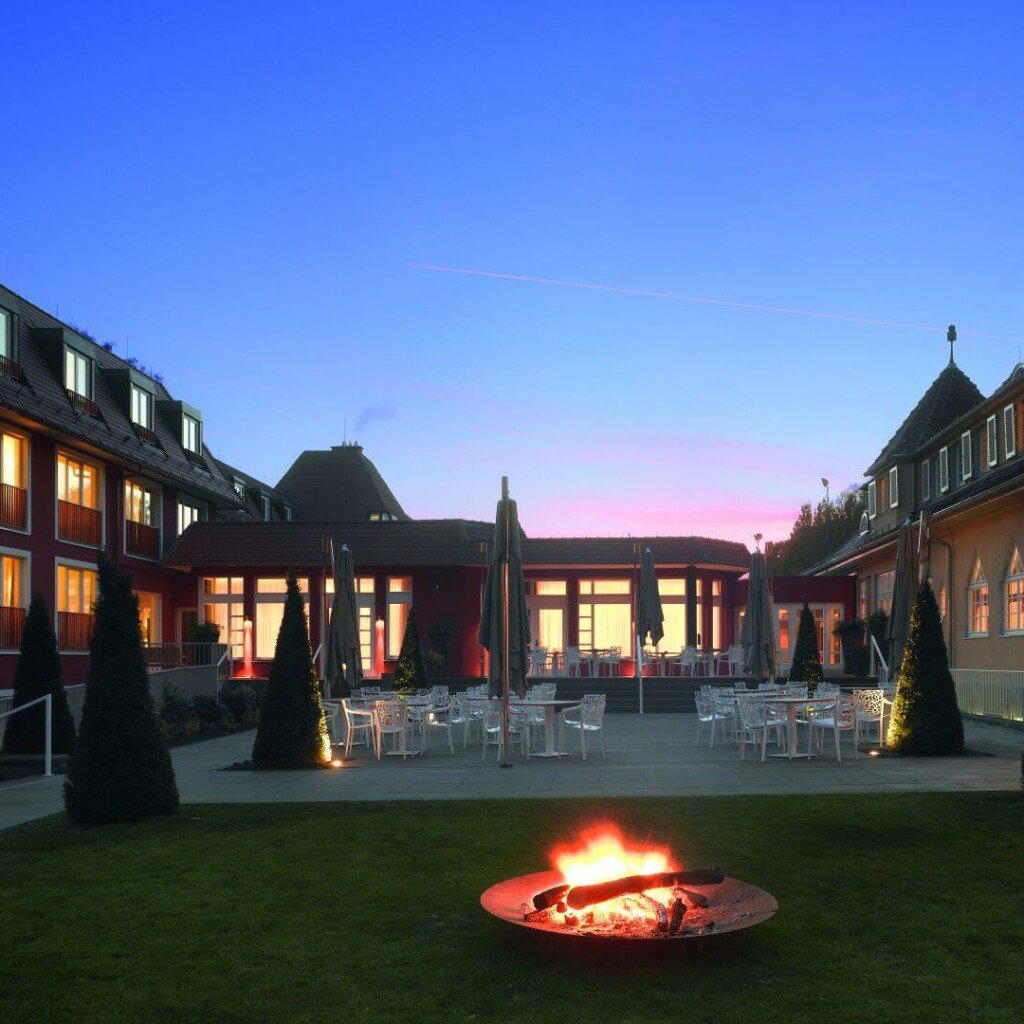
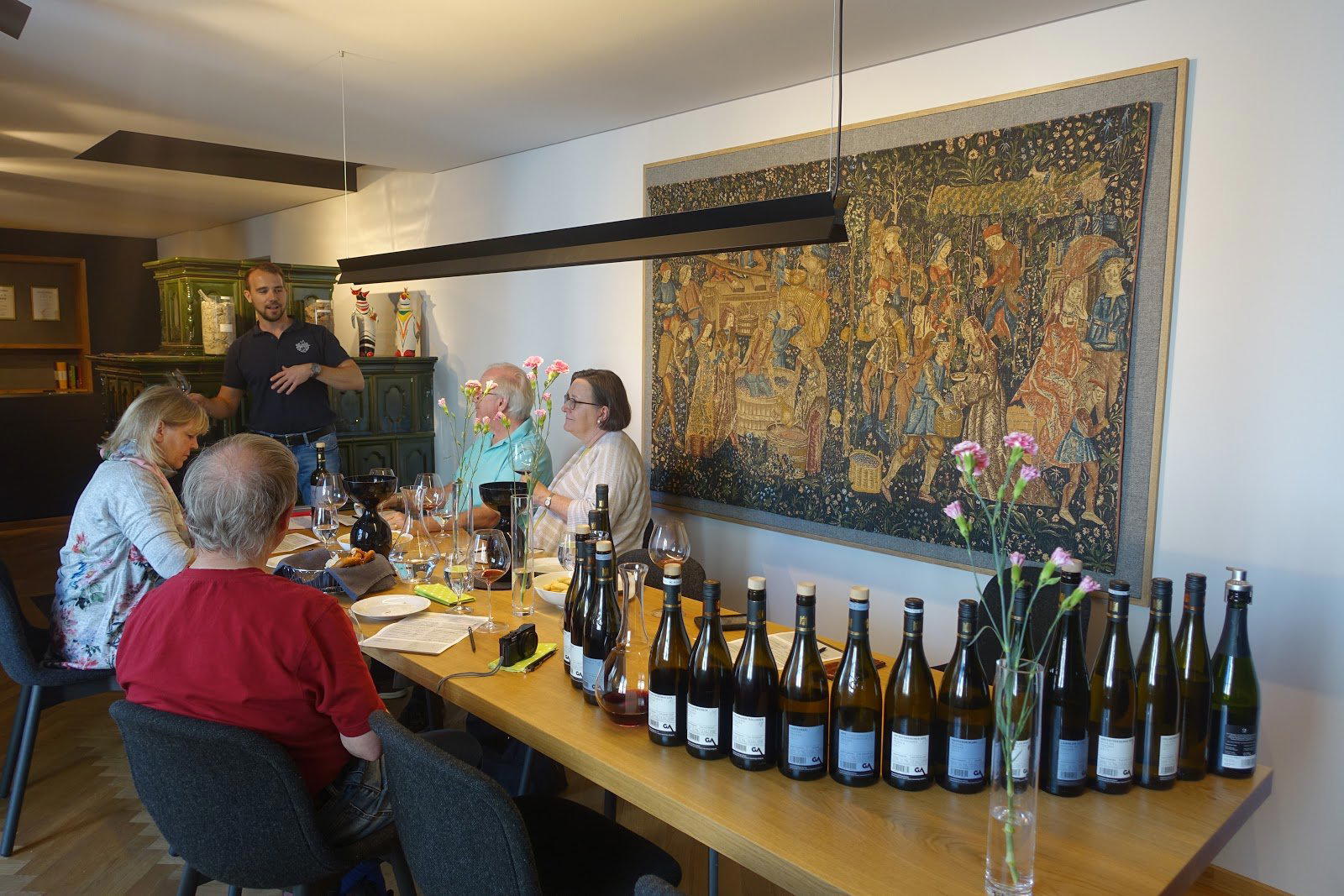
Airy, modern dining room with simple, unpretentious décor; warm and welcoming atmosphere emphasizing fresh, locally-sourced ingredients.