Our verdict
Set on the Wirtemberg hillside east of Stuttgart's centre, 1819 Bistro am Wirtemberg occupies a site with deep regional roots and a dining room that looks out over the vineyards of the Württemberg wine country. The bistro format places it in a tier below the city's Michelin-starred rooms, offering a less formal entry point into Stuttgart's increasingly serious restaurant scene.

Pearl is the En Primeur Club membership app, where members save venues, book tables and use the concierge.

Dining on the Wirtemberg: What to Know Before You Go
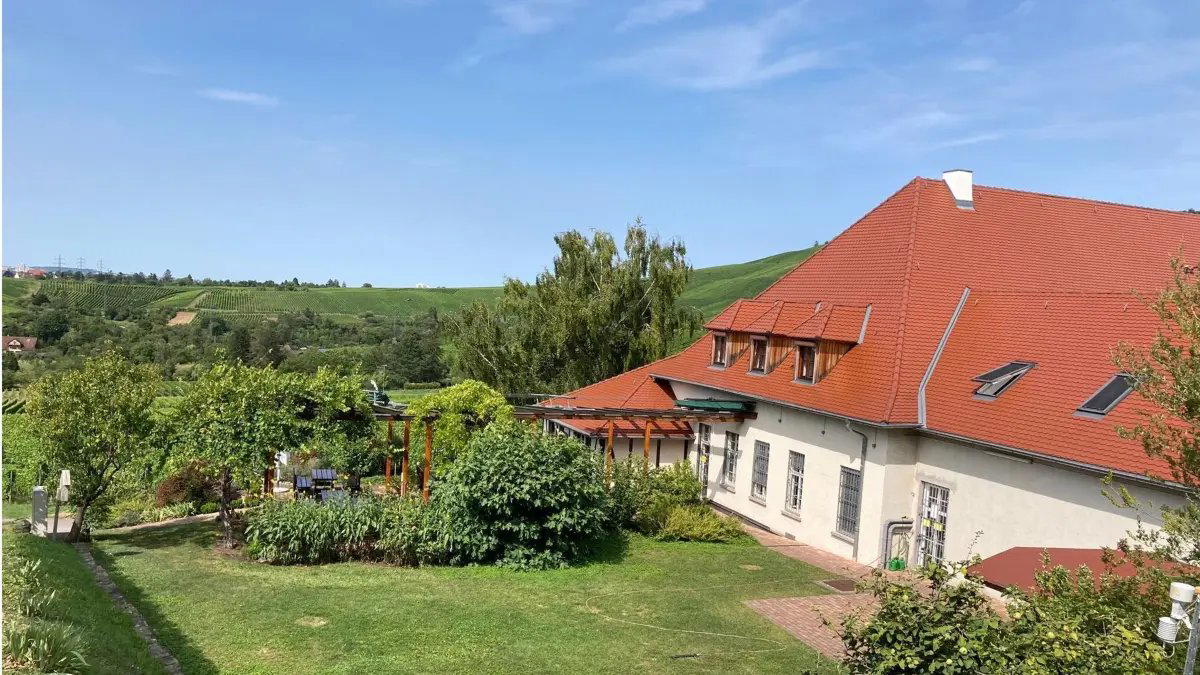
Stuttgart's restaurant geography is unusually spread out. The city's dining corridors run from the Stadtmitte upward through residential neighbourhoods and outward to hillside addresses that require a deliberate journey. 1819 Bistro am Wirtemberg sits at Württembergstraße 340 A in the eastern district of Untertürkheim, on the slopes of the Wirtemberg hill where the Württemberg royal family maintained their estate and where the surrounding vineyards have produced Trollinger, Lemberger, and Riesling for generations. Arriving here is not the same experience as walking into a city-centre room: you are travelling toward a site with layered historical context, and that context shapes what the address means within Stuttgart's broader dining order.
The name itself references 1819, a date that points backward into the region's wine and estate history rather than forward into contemporary culinary branding.
Where It Sits in Stuttgart's Restaurant Tier
Stuttgart's upper dining market is anchored by a cluster of Michelin-recognised rooms. Speisemeisterei and 5 operate at the €€€€ tier with creative and modern cuisine programmes respectively. Délice and Der Zauberlehrling hold positions in the creative segment at comparable or slightly lower price points. Hegel Eins anchors the modern cuisine bracket. Below that top tier, the city's bistros and neighbourhood restaurants serve a different function: they absorb the overflow from tightly-booked fine dining rooms and offer a less ceremonial way to eat well in a city that takes food seriously.
The bistro format, when positioned on a hillside address with wine estate heritage, tends to attract a specific kind of guest: someone already familiar with Stuttgart's leading rooms who wants a less structured evening, or a visitor whose primary reason for the journey is the landscape and the wine region rather than a tasting menu. That positioning is neither lesser nor greater than the Michelin bracket, it is simply a different decision about what an evening should be.
For comparison, Germany's highest-concentration fine dining markets, where rooms like Aqua in Wolfsburg, Vendôme in Bergisch Gladbach, or Victor's Fine Dining by Christian Bau in Perl set the national benchmark, demonstrate that Germany's serious restaurant culture extends well beyond Berlin and Munich. Baden-Württemberg itself, with Schwarzwaldstube in Baiersbronn among its most decorated addresses, has historically produced some of the country's most rigorous cooking. Stuttgart's dining scene draws on that regional seriousness, and even its bistro-tier addresses carry that cultural weight.
Planning the Visit: Logistics and Practical Considerations
The address at Württembergstraße 340 A places the bistro outside the central S-Bahn and U-Bahn corridors that most Stuttgart visitors default to. Untertürkheim is reachable by S-Bahn on the S1 line, and the Wirtemberg slope sits above the station, making the approach a short uphill walk or a brief taxi journey from the platform. Visitors arriving by car will find the hillside more direct to reach, and the panoramic position above the Neckar valley makes the journey worthwhile as a standalone reason to leave the city centre.
For addresses in this part of the city, walk-in availability can vary significantly by season and day of week, and the hillside location means that demand patterns do not always mirror what you would expect from a central bistro. Arriving without a reservation on a weekend, particularly during the Württemberg wine harvest season in autumn, carries risk.
Seasonal timing matters at this address in a way it would not at a central city room. The vineyards surrounding the Wirtemberg are active agricultural land, and the autumn harvest period from late September through October changes the character of the hillside considerably. Visitors with flexibility in their travel calendar should treat that window as the most contextually coherent time to visit an address rooted in regional wine estate history.
The Wirtemberg in the Context of German Hillside Dining
Hillside restaurant addresses with estate or winery associations are a specific format within German dining culture, and they carry expectations that differ from urban bistros. The Schanz in Piesport on the Mosel and ES:SENZ in Grassau in the Bavarian foothills both demonstrate how geography and wine-country proximity can shape a dining room's identity as much as any kitchen programme. The expectation at these addresses tends toward regional ingredient sourcing, wine lists built around local producers, and a relationship to the outdoors that shows in the dining room's orientation.
Whether 1819 Bistro am Wirtemberg fully inhabits that model or operates more as a neighbourhood bistro that happens to occupy an refined site is a question that available data does not resolve. What the address unambiguously offers is a position in Stuttgart's wine country, a hillside setting that rewards the journey, and a name that carries a deliberate historical reference. For visitors building a multi-day Stuttgart itinerary that already includes a meal at one of the city's higher-tier rooms, this address provides a different register of the same regional seriousness.
Germany's broader fine dining geography, from Restaurant Haerlin in Hamburg to JAN in Munich to Waldhotel Sonnora in Dreis, reflects a country where serious cooking at all price tiers is distributed across city and countryside addresses in roughly equal measure. Stuttgart's hillside bistros belong to that distribution. 1819 Bistro am Wirtemberg operates in a different register from any of these, but the broader point holds: address, concept, and format together define what a room offers, and the Wirtemberg hillside address carries genuine weight in Stuttgart's dining geography.
Frequently asked questions
Where is 1819 Bistro am Wirtemberg located?
1819 Bistro am Wirtemberg is located at Württembergstraße 340 A, 70327 Stuttgart, Germany, Stuttgart.
How far is 1819 Bistro am Wirtemberg from Stuttgart city centre, and how do you get there?
The bistro sits at Württembergstraße 340 A in the Rotenberg district, east of Stuttgart's central S-Bahn and U-Bahn network. Public transport connections to this address are limited compared to the city's main dining areas, so most visitors arrive by car or taxi. Factoring in travel time is worth doing before booking, particularly for an evening visit.
What do people recommend at 1819 Bistro am Wirtemberg?
Specific menu details for 1819 Bistro am Wirtemberg are not published in a central format, which is common for smaller estate-associated bistros in Stuttgart's outer neighbourhoods. The Wirtemberg address and hillside setting suggest a menu aligned with regional Baden-Württemberg produce and wine-friendly cooking.
What's the best way to book 1819 Bistro am Wirtemberg?
No online booking platform or phone number is publicly listed for 1819 Bistro am Wirtemberg at Württembergstraße 340 A, Stuttgart. For estate-linked bistros of this type, walk-in availability can be limited, particularly at weekends. Arriving early or contacting the Wirtemberg estate directly is the practical approach.
What is 1819 Bistro am Wirtemberg known for?
The bistro takes its name from the Wirtemberg, a vineyard hill east of Stuttgart city centre with documented winemaking history. That positioning places it within a specific German dining format: hillside addresses attached to estate or winery sites, where the setting and regional wine programme tend to define the experience as much as the kitchen. It sits outside Stuttgart's central Michelin-recognised restaurant cluster.
How does 1819 Bistro am Wirtemberg handle allergies?
No allergy or dietary policy is published for 1819 Bistro am Wirtemberg. German food service law requires restaurants to disclose the 14 major allergens on request, so staff should be able to provide that information. check the venue's official channels before visiting if you have a serious allergy or specific dietary requirement.
Is 1819 Bistro am Wirtemberg worth the price?
No pricing data has been published for 1819 Bistro am Wirtemberg, making a direct comparison with Stuttgart's broader restaurant market difficult. Estate-sited bistros in this part of Germany typically position between casual neighbourhood dining and the city's higher Michelin tier. The Wirtemberg hillside location adds context value that matters as much as the plate for visitors making the journey from Stuttgart's centre.
Comparable Spots, Quickly
Comparable venues nearby, for context on price, style, and recognition.
| Venue | Cuisine | Price | Notes |
|---|---|---|---|
| 1819 Bistro am WirtembergThis venue (the venue you are viewing) | Swabian Regional Bistro | $20–30 | Not listed |
| Schellenturm | Swabian German Weinstube | $20–30 | Gablenberg |
| Feinkost Böhm | Swabian-German Fine Dining with Mediterranean Influences | $50–100 | Gablenberg |
| Burger House | Burger Restaurant | $10–20 | Gablenberg |
| Stuttgarter Stäffele | Traditional Swabian | $30–50 | Heslach |
| Banh Mi & Bubbles | Asian Fusion with Banh Mi and Bubbles | $20–30 | Gablenberg |
Continue exploring
More in Stuttgart
Restaurants in Stuttgart
All restaurants in Stuttgart →
Bars in Stuttgart
All bars in Stuttgart →
Hotels in Stuttgart
All hotels in Stuttgart →

Details
- Cozy
- Scenic
- Romantic
- Casual Hangout
- Brunch
- Terrace
- Historic Building
- Panoramic View
- Extensive Wine List
- Local Sourcing
- Skyline
- A La Carte
- Small Plates
- Local Wines
- Vegetarian Friendly
Current opening hours
- Monday
- Closed
- Tuesday
- Closed
- Wednesday
- 12–6 PM
- Thursday
- 12–6 PM
- Friday
- 10 AM–6 PM
- Saturday
- 10 AM–6 PM
- Sunday
- 10 AM–6 PM
Hours can change for holidays and private events. Hours as of .
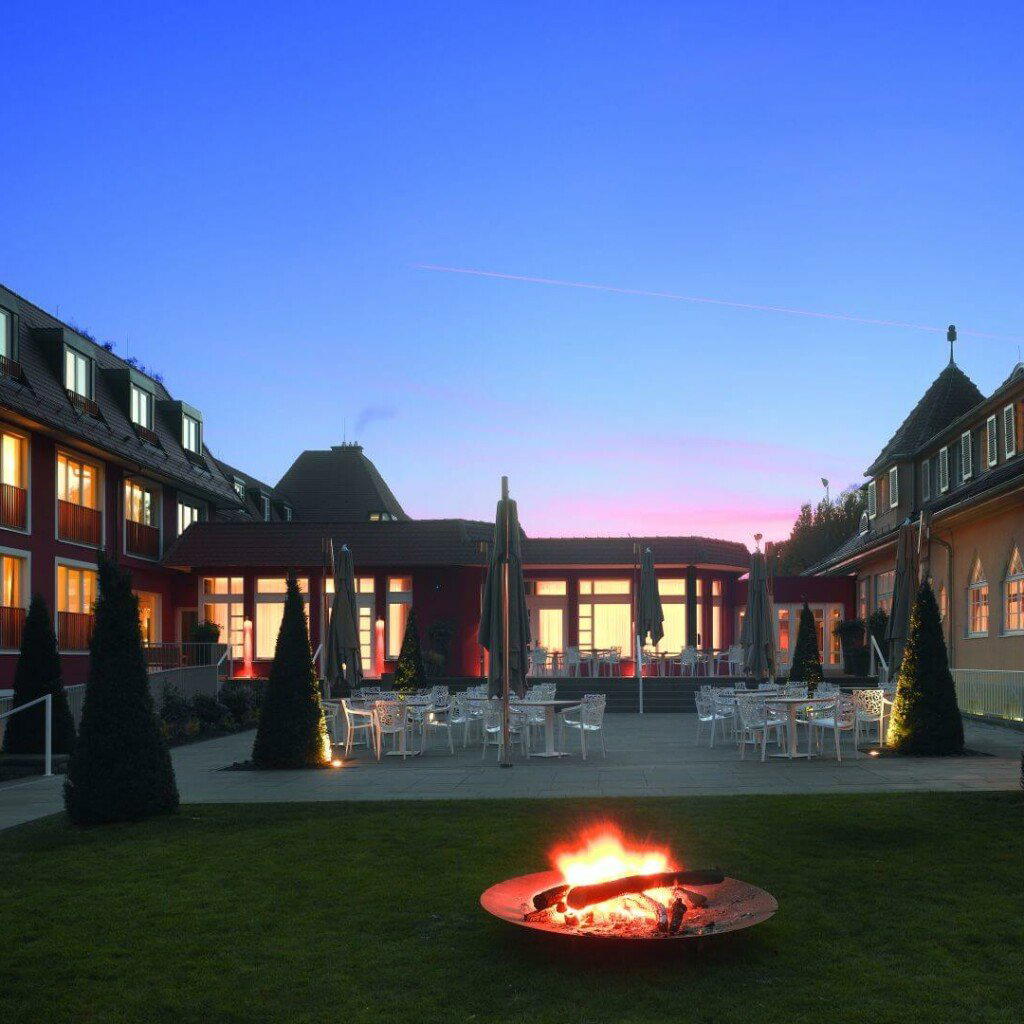
Relaxed, welcoming atmosphere with shaded outdoor terrace, evoking a vacation-like feel amid vineyards and history.