A Stuttgart address for Bavarian brewing tradition at street level, Paulaner am alten Postplatz on Calwer Strasse sits in the centre of a city better known for its Michelin-starred creative kitchens. The venue draws on the Paulaner heritage to anchor a beer-hall format in a dining scene that skews strongly toward modern cuisine and classic French. For visitors moving between the city's high-end restaurant corridor and its more casual registers, it offers a grounded point of reference.
Pearl is the En Primeur Club membership app — saves, bookings, and concierge access live there. Same editors, same standards.
- Address
- Calwer Str. 45, 70173 Stuttgart, Germany
- Phone
- +4949711224150
- Website
- paulaner-stuttgart.de
- Directions
- Get directions
 Saves & bookings on Pearl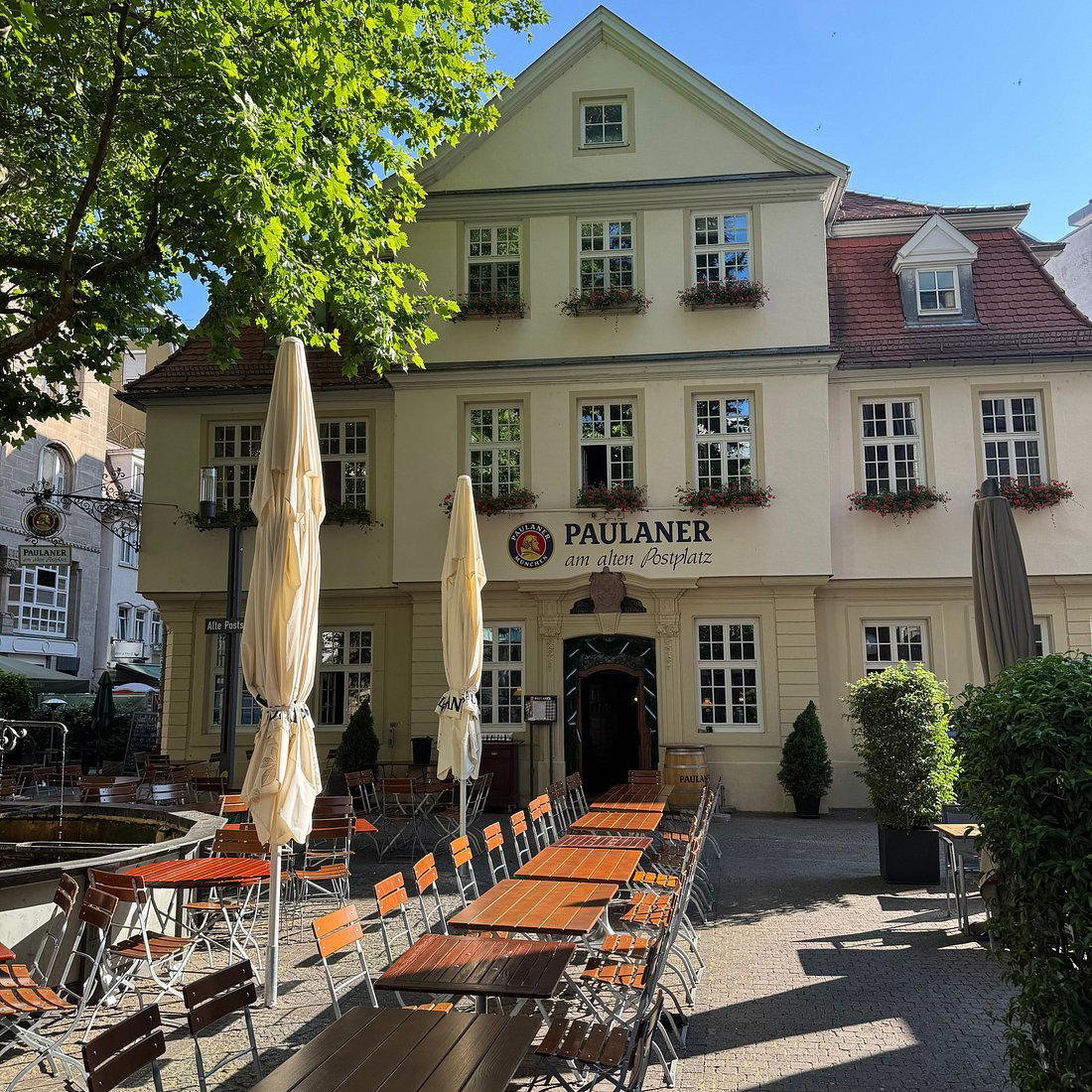
Beer-Hall Tradition in a City of Tasting Menus
Paulaner am alten Postplatz is a restaurant in Stuttgart serving Bavarian and Swabian dishes in a casual setting. The city carries more Michelin-starred tables per capita than most German cities of comparable size, and the gravitational pull of that fine-dining culture is felt even at street level on Calwer Strasse. Against that backdrop, the Paulaner format operates in deliberate counterpoint. Where venues like Speisemeisterei and Délice anchor the city's creative and contemporary end, Paulaner am alten Postplatz represents the other pole: a beer-hall tradition with a Munich brewery name attached to a Stuttgart city-centre room.
Paulaner, as a brewing house, traces its origins to Munich's Au district and the Franciscan monks who established brewing there in the early seventeenth century. The venue follows the familiar Paulaner beer-hall style. At Calwer Strasse 45, that template lands in a pedestrian-accessible part of central Stuttgart, a few minutes' walk from the Schlossplatz and the main shopping corridor. The address places it in direct competition not with 5 or Der Zauberlehrling but with the city's mid-register casual dining options, where the decision is typically made on atmosphere and ease rather than on menu distinction.
What the Room Signals Before the Food Arrives
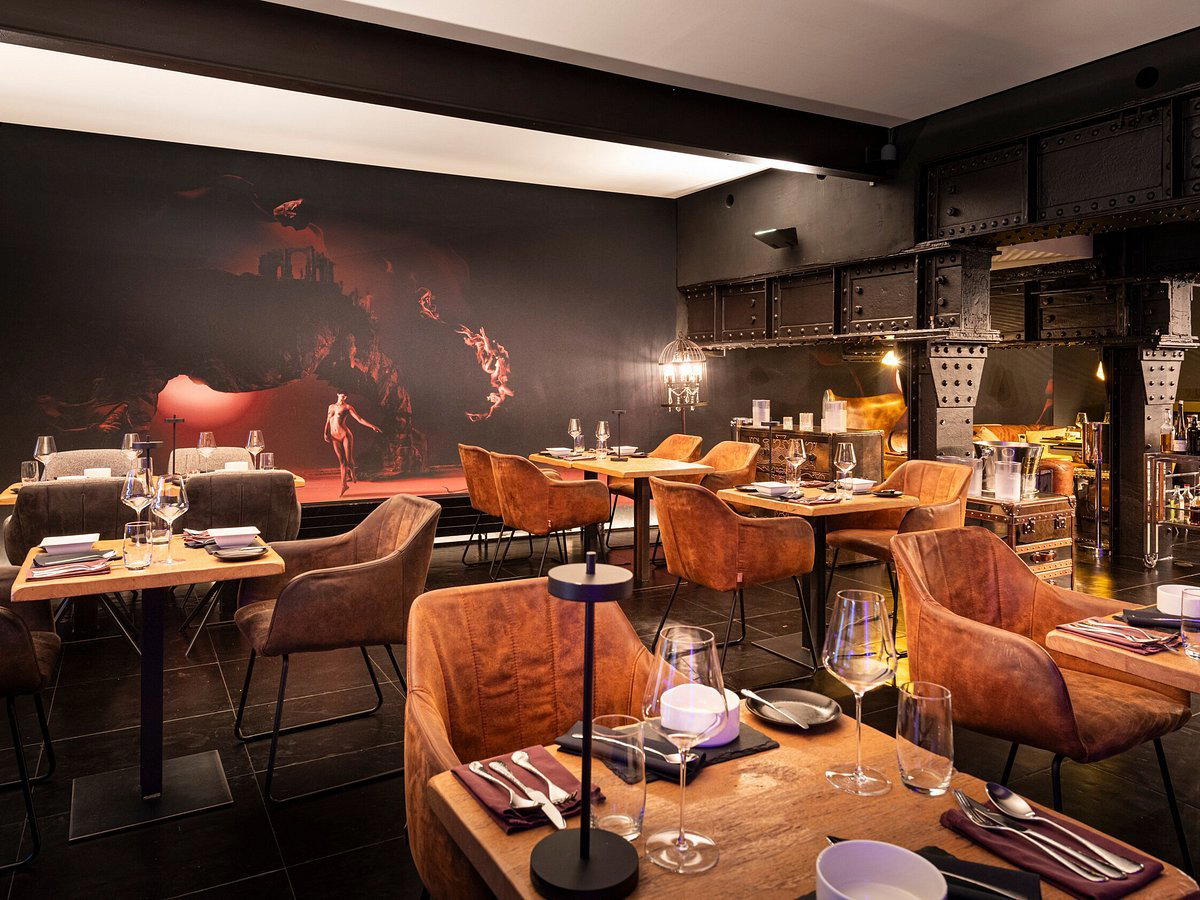
The room is built for volume and duration. Entering, the room orients you immediately through sound and scale: the low-frequency hum of a full dining room, the clink of half-litre or litre steins, the ambient warmth of a space designed to retain body heat and noise in approximately equal measure. The architecture tends toward exposed timber joinery, brass fittings, and tiled or stone floors that amplify rather than dampen the room's energy. This is not acoustic design aimed at intimate conversation. It is a room built for volume, duration, and the particular pleasure of a table held for two hours on a weekday evening.
The light quality in Bavarian beer-hall formats typically runs warmer than Stuttgart's tasting-menu rooms, where low-temperature spot lighting over white tablecloths creates a different kind of focus. Here, the illumination is broader and softer, directing attention outward across the room rather than inward to the plate. That shift in emphasis is deliberate. The social architecture of a beer hall asks you to be aware of the room you are in, the size of the gathering, the shared ritual of the pour. At venues like Hegel Eins, the frame is the plate. At Paulaner am alten Postplatz, the frame is the room itself.
The Paulaner Brewing Tradition and What It Orders
Beer programme at any Paulaner venue is anchored by the Munich brewery's core range: Helles, Dunkel, Weissbier, and the seasonal Salvator doppelbock that the Paulaner name has been associated with since at least the nineteenth century. The Salvator release, which typically falls around late winter and early spring in Munich's Starkbierzeit, represents the highest-gravity expression of the range and carries genuine historical documentation as one of the older commercial doppelbocks in German brewing. At licensed venues outside Munich, the seasonal calendar follows the brewery's schedule rather than local events, which means the Stuttgart room operates on a Munich rhythm.
Traditional Bavarian kitchen output at Paulaner locations typically covers Schweinshaxe (slow-roasted pork knuckle), Obatzda (the spiced Camembert preparation standard to Bavarian beer gardens), Brezeln of varying size, and white sausage served by Munich convention before midday. The menu centers on Bavarian and Swabian staples.
The contrast with Stuttgart's creative-cuisine tier is instructive. At Speisemeisterei or the three-Michelin-star tier represented nationally by venues like Aqua in Wolfsburg, Vendôme in Bergisch Gladbach, or Victor's Fine Dining by Christian Bau in Perl, the kitchen's task is precision, restraint, and technical demonstration. At a Paulaner house, the kitchen's task is consistency, volume service, and the delivery of deeply familiar flavour profiles at speed. These are different disciplines, and the Paulaner format executes the latter with the confidence of a brewery brand that has been refining its hospitality model for decades.
Where This Sits in Stuttgart's Dining Week
Stuttgart's dining week has a particular structure. The central Stuttgart dining scene includes both formal tasting-menu rooms and casual beer halls. The mid-register and beer-hall tier operates on a shorter booking horizon and absorbs the overflow of city visitors, business travellers, and residents who want a reliable evening without the formality of a tasting-menu commitment. The restaurant, positioned on Calwer Strasse in the pedestrian city centre, draws from that latter pool.
For a visitor constructing a Stuttgart itinerary that includes time at Délice or the city's broader creative restaurant circuit, a Paulaner session provides useful calibration. The price differential between the two formats is significant enough to affect how you structure the week's spending. The sensory contrast is equally useful: you learn something about Stuttgart's dining range by eating at both ends of it, just as you learn something about Germany's broader restaurant geography by comparing the Stuttgart scene with Schwarzwaldstube in Baiersbronn or JAN in Munich.
Planning Your Visit
The address at Calwer Str. 45, 70173 Stuttgart places the venue in the pedestrian zone of central Stuttgart, accessible on foot from the main rail station in under ten minutes and from the Schlossplatz in approximately the same time. Beer-hall formats at this scale typically accept walk-ins during the week without difficulty, though weekend evenings in a city-centre location at this price tier can fill quickly enough to make a call ahead worthwhile. Reservations are recommended.
The Essentials
Comparable venues nearby, for context on price, style, and recognition.
| Venue | Cuisine | Price | Notes |
|---|---|---|---|
| Paulaner am alten PostplatzThis venue — the venue you are viewing | Gablenberg, Bavarian and Swabian | $$ | Not listed |
| Schnitzelkönig | Heslach, German Schnitzel House | $$ | Not listed |
| Schellenturm | Gablenberg, Swabian German Weinstube | $$ | Not listed |
| Stuttgarter Stäffele | Heslach, Traditional Swabian | $$ | Not listed |
| Nesenbach Brauhaus | Not listed | $$ | Gablenberg, Swabian Brauhaus with Bavarian Influences |
| Rotenberger Weingärtle | Obertuerkheim, Modern Swabian | $$$ | Not listed |
Continue exploring
More in Stuttgart
Restaurants in Stuttgart
Browse all →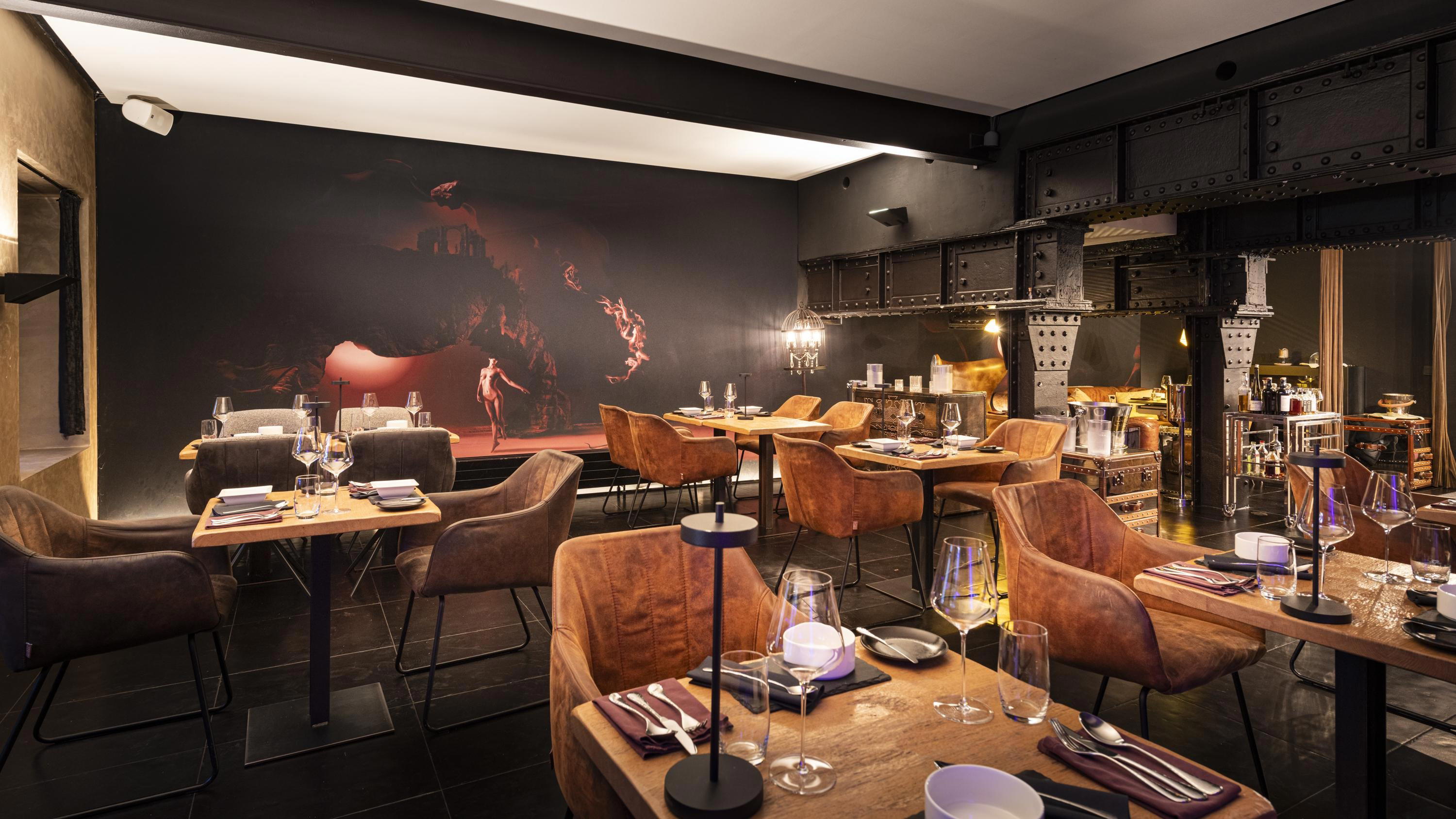
Bars in Stuttgart
Browse all →
Hotels in Stuttgart
Browse all →

At a Glance
- Rustic
- Cozy
- Classic
- Group Dining
- Casual Hangout
- Family
- Historic Building
- Terrace
- Beer Program
Current opening hours
- Monday
- 10 AM–10:30 PM
- Tuesday
- 10 AM–10:30 PM
- Wednesday
- 10 AM–11:30 PM
- Thursday
- 10 AM–11:30 PM
- Friday
- 10 AM–12:30 AM
- Saturday
- 10 AM–12:30 AM
- Sunday
- 10 AM–10:30 PM
Hours can change for holidays and private events. Last verified .
Rustic and cozy atmosphere with warm hospitality in a traditional beer hall style.