Onkel Otto sits in Stuttgart's eastern Wangen district at In den Stubenweinbergen 5, occupying the kind of neighbourhood address that rewards curiosity over convenience. The venue draws from a city scene that has quietly built one of Germany's more coherent fine-dining ecosystems, sitting well outside the tourist circuit. For visitors willing to cross the city, it represents the texture of Stuttgart eating that the Michelin-starred corridor rarely shows.
Pearl is the En Primeur Club membership app — saves, bookings, and concierge access live there. Same editors, same standards.
- Address
- In den Stubenweinbergen 5, 70327 Stuttgart, Germany
- Phone
- +497115052891
- Directions
- Get directions
 Saves & bookings on Pearl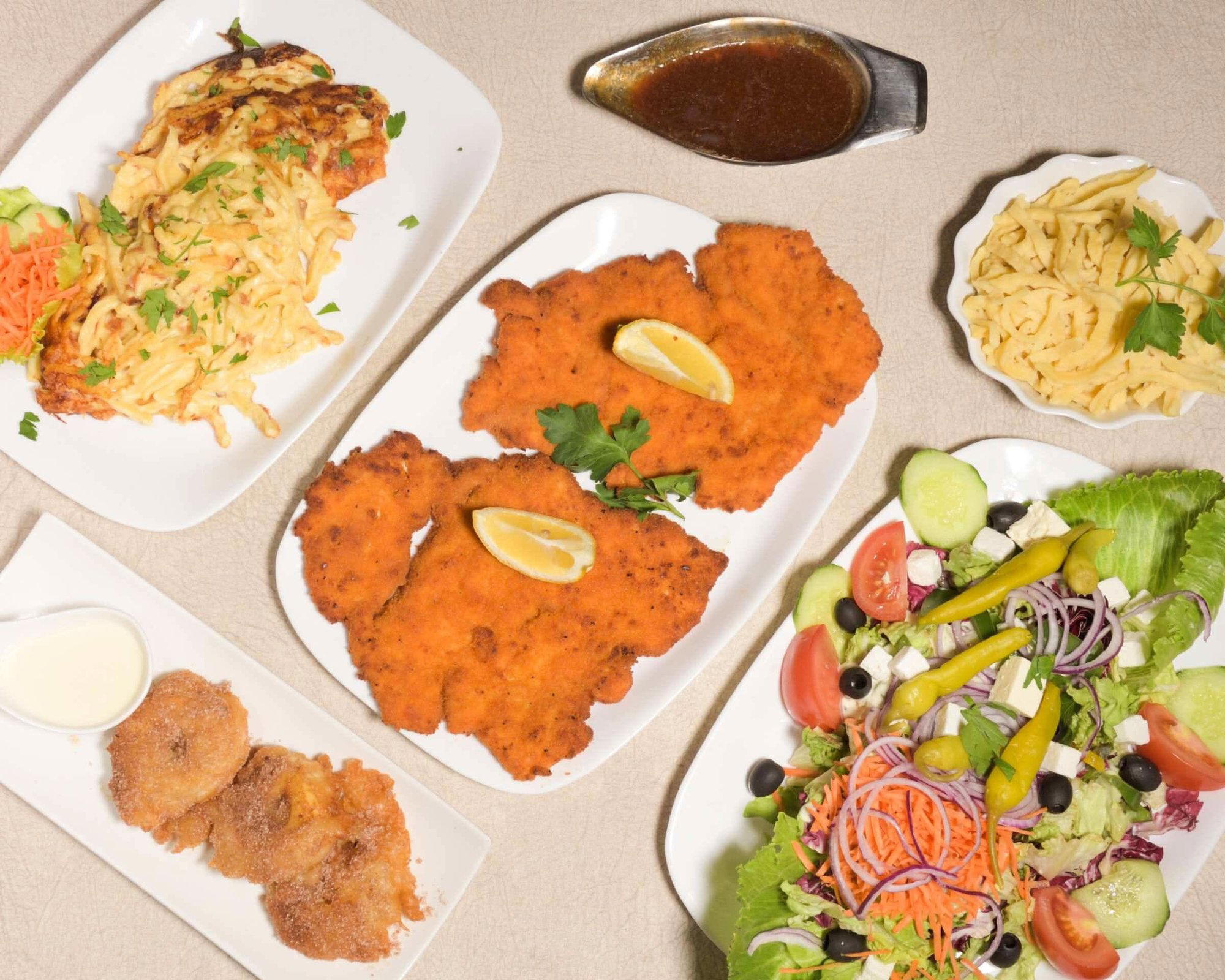
A Stuttgart Address That Earns Its Location
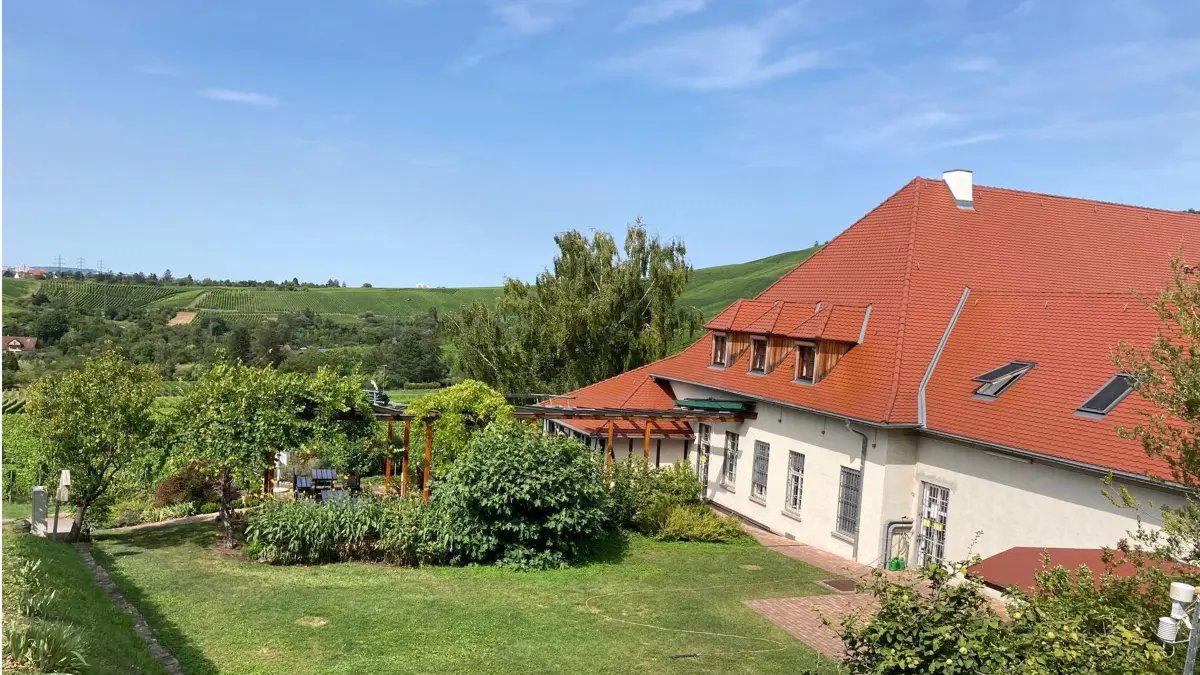
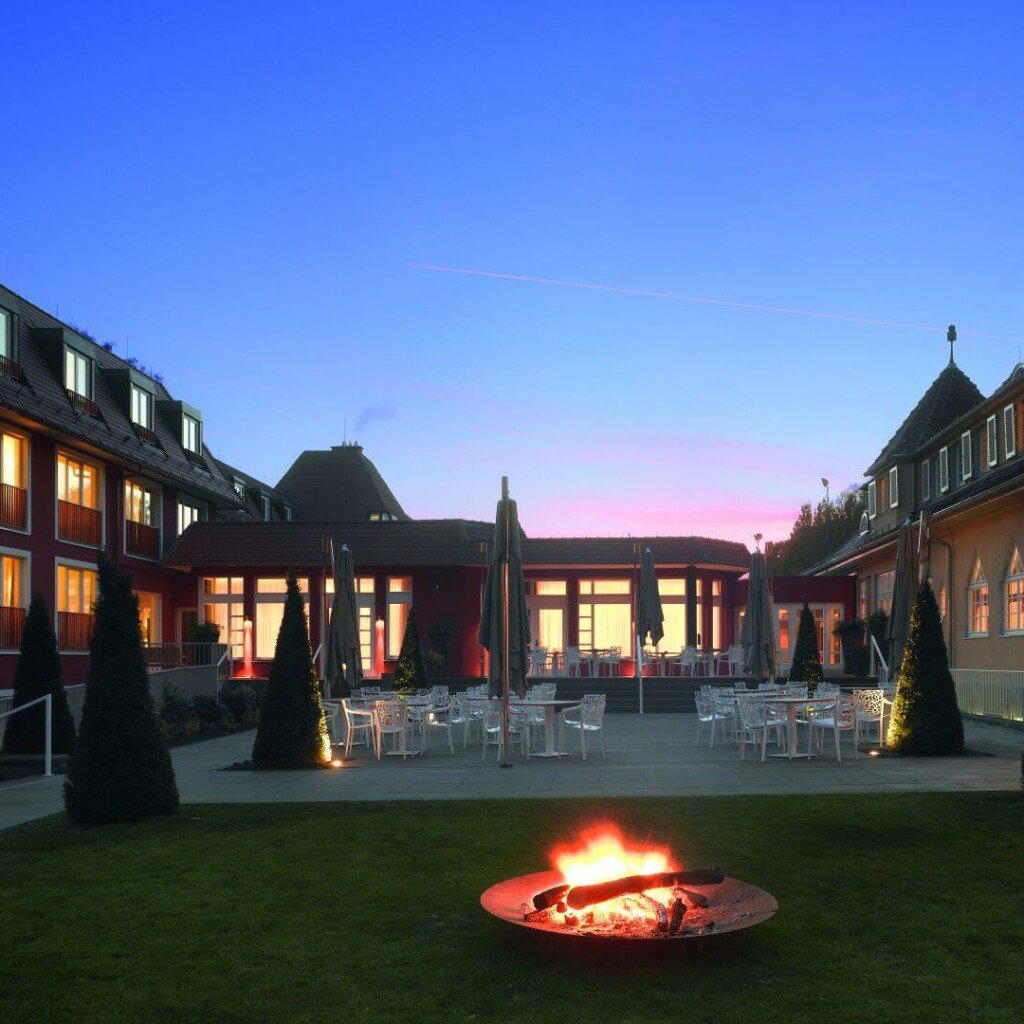
Stuttgart's dining geography has always been a story of dispersion. Unlike Hamburg or Munich, where premium restaurants cluster around a legible centre, Stuttgart's better tables are spread across a series of hillside neighbourhoods and outer districts connected by the S-Bahn and a certain local willingness to drive for dinner. It sits at In den Stubenweinbergen 5 in Wangen, the eastern district that rarely features in the city's promotional literature but has accumulated a quiet density of independent operators over the past decade. Approaching from the city centre, the address signals something deliberate: this is not a venue that relies on foot traffic or tourist adjacency.
That geographic positioning is itself an editorial statement about how the venue has chosen to position itself within Stuttgart's dining order. The city's most decorated addresses, including Speisemeisterei and 5, occupy the €€€€ tier and carry the Michelin credentials to match. Der Zauberlehrling and Délice operate in a creative register that attracts a specifically engaged dining public. Onkel Otto operates below that awards-driven stratum, in the space where Stuttgart residents actually eat regularly rather than ceremonially.
How the Menu Speaks
What can be said, with confidence drawn from the venue's category positioning and neighbourhood context, is that Wangen addresses in this register tend to read their menus as a form of hospitality argument rather than a technical showcase. The menu architecture at venues of this type in Stuttgart's outer districts typically prioritises legibility: a compact number of sections, descriptions that name the central ingredient before any supporting elements, and a pricing structure that allows repeat visits rather than single-occasion splurging.
This contrasts meaningfully with the tasting-menu orthodoxy that defines Stuttgart's upper tier. At Hegel Eins and its peers, the menu is a sequenced argument with a fixed duration and a captive reader. At neighbourhood-register venues, the menu is a negotiation: the diner chooses pace, proportion, and combination. That structural difference is not a concession to lesser ambition; it reflects a different theory of what a restaurant is for. Some of Germany's most considered cooking appears in exactly this format, as demonstrated by venues like JAN in Munich, where the à la carte has always coexisted with more elaborate formats without diminishing either.
Stuttgart's Broader Fine-Dining Context
Germany's restaurant scene has spent the last decade consolidating around a smaller number of reference points at the leading end while diversifying considerably in the middle registers. The country's Michelin coverage has expanded, but the more interesting development has been the emergence of serious neighbourhood cooking that draws on the same sourcing networks and technique sets as starred venues without adopting the tasting-menu format or the associated price architecture. Baden-Württemberg, with its proximity to French Alsace and the Black Forest larder, has been particularly fertile ground for this. Schwarzwaldstube in Baiersbronn represents the apex of the regional fine-dining tradition; ES:SENZ in Grassau demonstrates what happens when that tradition gets pushed into new formal territory.
Stuttgart itself has produced a dining culture that reflects the city's industrial and engineering character: precise, practical, not given to excess but genuinely serious when engaged. Venues at the summit of the Stuttgart food chain, such as Vendôme in Bergisch Gladbach (as a comparative reference for regional German fine dining at the three-star level), operate with a formality that feels inherited from the city's corporate hospitality traditions. Onkel Otto's positioning in Wangen reads as a counter-movement within that tradition: local, accessible in register if not necessarily in price, and operating on the assumption that its guests are already convinced diners rather than people being introduced to the idea.
Germany's Middle Register and What It Produces
The interesting eating in Germany right now is not happening exclusively at the two- and three-star level. Aqua in Wolfsburg and Victor's Fine Dining by Christian Bau in Perl represent the pinnacle, but the country's real dining vitality in 2024 sits in the stratum immediately below, where cooking ambition and commercial pragmatism negotiate in real time. Waldhotel Sonnora in Dreis has long demonstrated that regional rootedness and technical sophistication are not in opposition. Restaurant Haerlin in Hamburg and Schanz in Piesport show what sustained investment in a single culinary identity produces over time. CODA Dessert Dining in Berlin has pushed format innovation further than almost anywhere in the country.
Onkel Otto does not compete in the awards economy that governs those reference points. Its relevance is calibrated differently: it operates in a city with a serious dining public, in a district that is not marketed to visitors, under a name that implies familiarity rather than occasion. That combination of signals points toward a venue that has made deliberate choices about its audience and its register, choices that are as legible as any Michelin distinction if you know how to read them.
Planning Your Visit
The restaurant is located at In den Stubenweinbergen 5 in Stuttgart's Wangen district, reachable from the city centre by S-Bahn to Obertürkheim and a short transfer, or by car if you are eating with Stuttgart residents in the way Stuttgart residents actually dine. Given the venue's neighbourhood positioning and the general pattern of popular Stuttgart mid-tier restaurants, advance booking for weekend evenings is advisable, particularly for groups. Visitors with appetite for comparison across international reference points should note that the standards set by venues like Le Bernardin in New York City or Atomix in New York City provide a useful calibration for what serious intent looks like at different price registers globally.
Where It Fits
Comparable venues nearby, for context on price, style, and recognition.
| Venue | Cuisine | Price | Notes |
|---|---|---|---|
| Onkel OttoThis venue — the venue you are viewing | Traditional German Schnitzel | $$ | Not listed |
| Zum Becher | Traditional Swabian German | $$ | Gablenberg |
| Paulaner am alten Postplatz | Bavarian and Swabian | $$ | Gablenberg |
| Speisekammer West | Seasonal Swabian with Organic Focus | $$ | Heslach |
| Wirtshaus Hasen | Traditional Swabian Gasthaus | $$ | Gaisburg |
| Pops Burger | American Smashed Burgers | $$ | Berg |
Continue exploring
More in Stuttgart
Restaurants in Stuttgart
Browse all →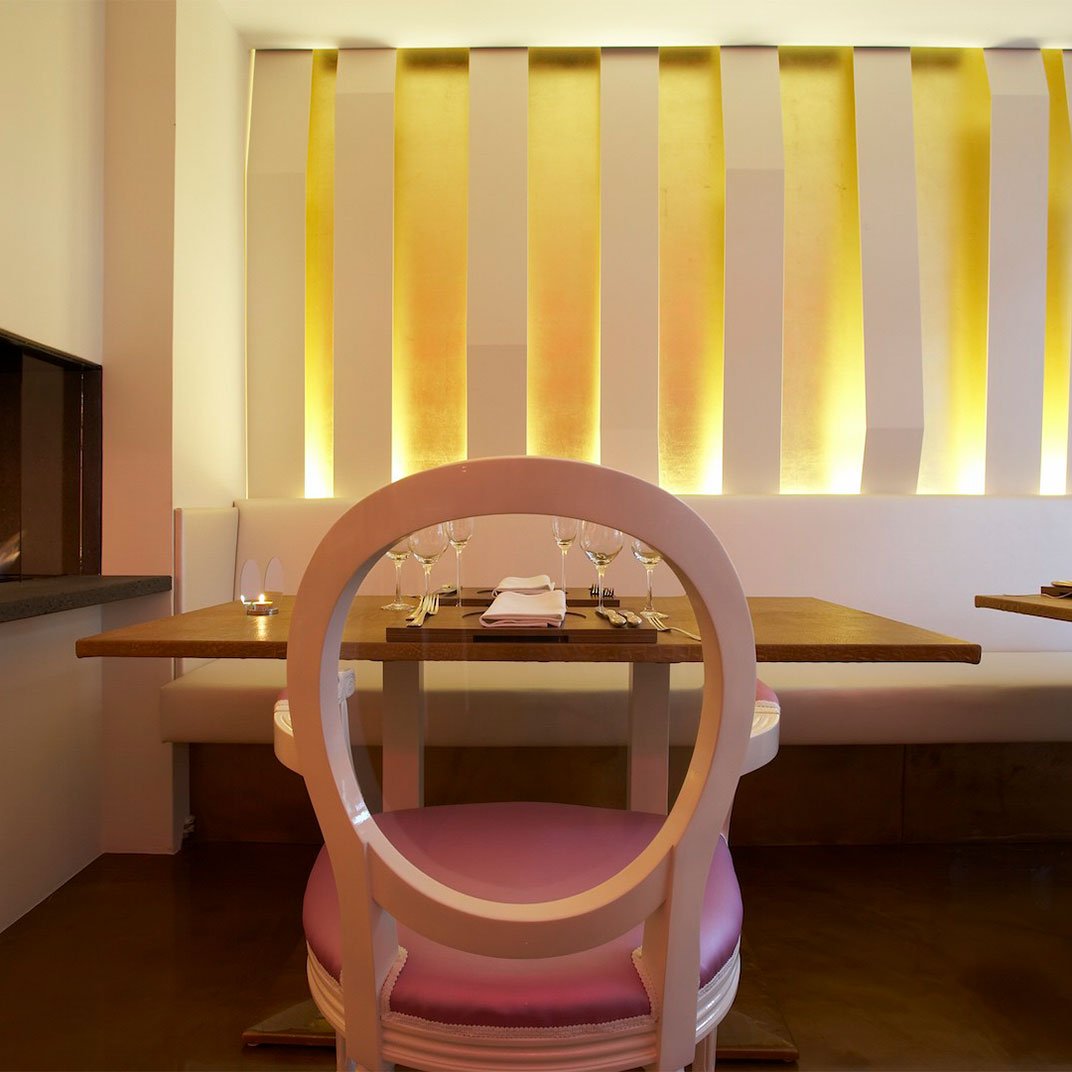
Bars in Stuttgart
Browse all →

Hotels in Stuttgart
Browse all →

At a Glance
- Rustic
- Cozy
- Lively
- Group Dining
- Casual Hangout
- Family
- Standalone
- Beer Program
Current opening hours
- Monday
- 12–10 PM
- Tuesday
- 12–10 PM
- Wednesday
- 12–10 PM
- Thursday
- 12–10 PM
- Friday
- 12–10 PM
- Saturday
- 12–10 PM
- Sunday
- 12–10 PM
Hours can change for holidays and private events. Last verified .
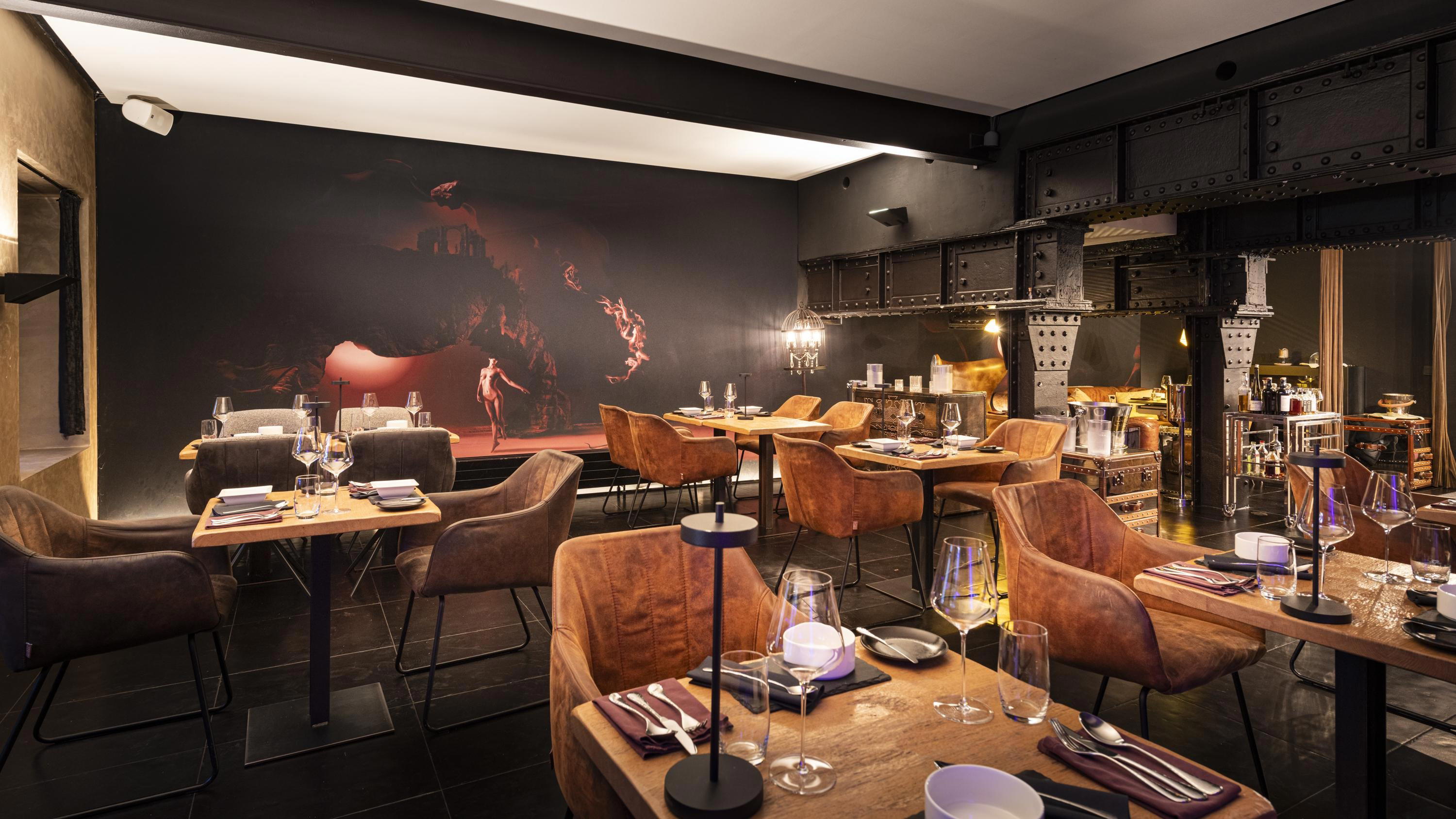
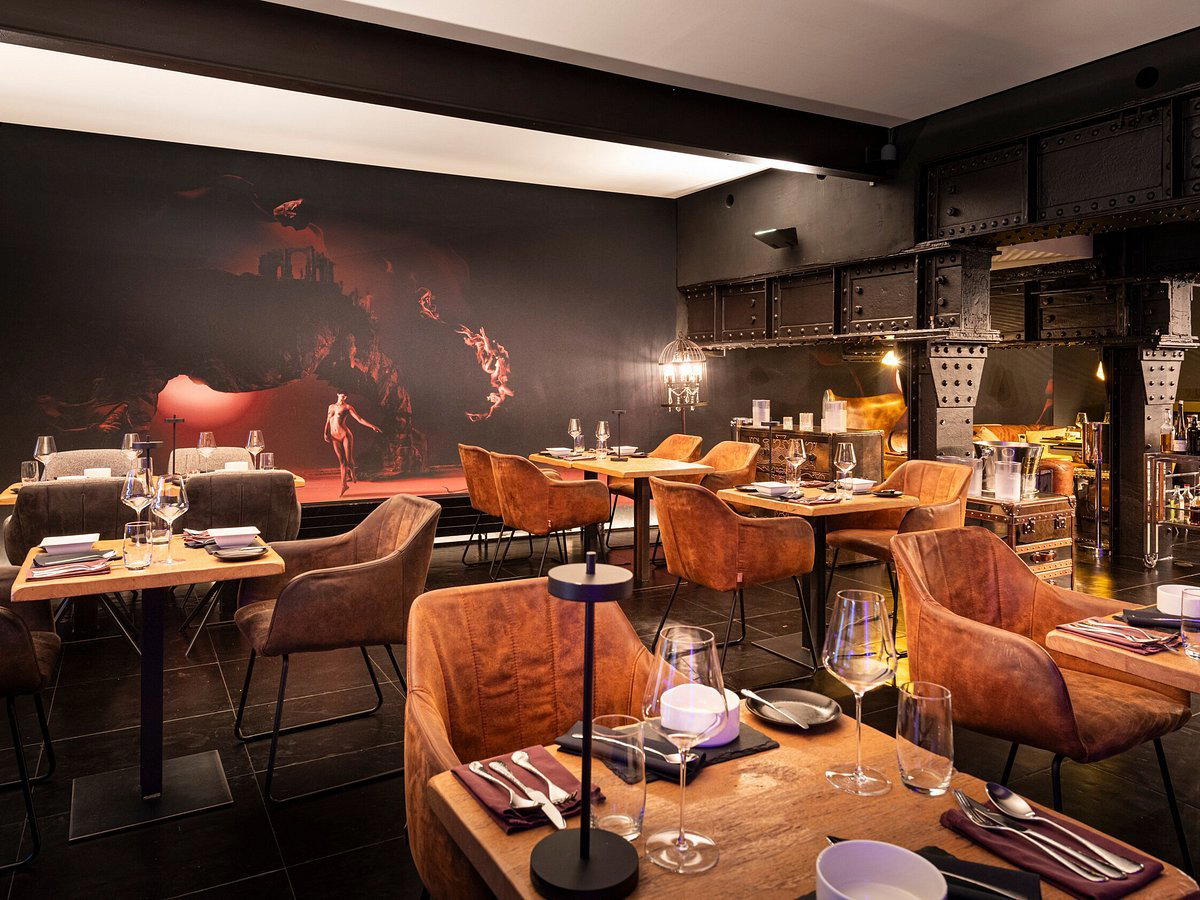
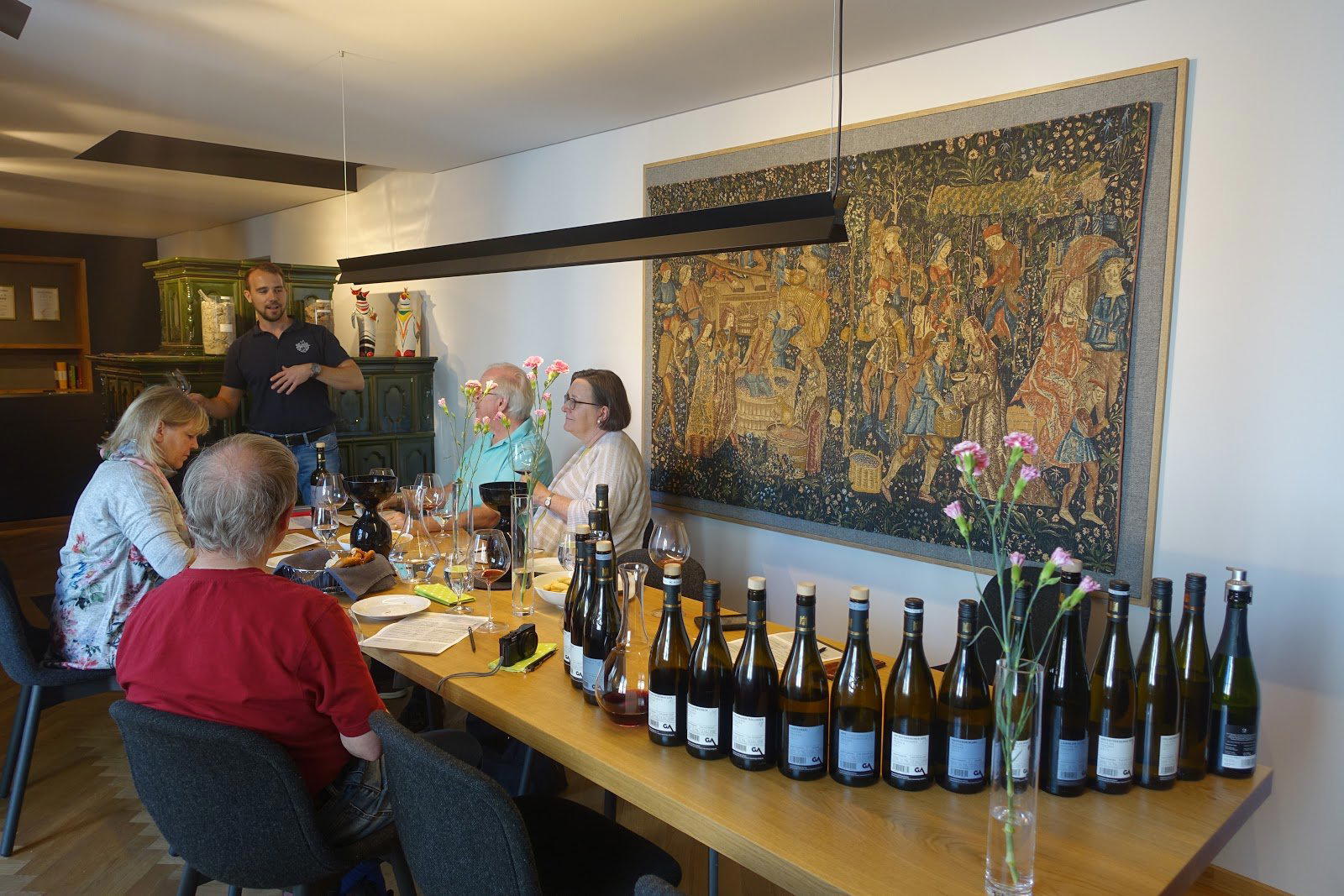
Traditional beer hall-style interior with cozy wood-paneled walls, wooden tables with built-in benches, and a welcoming, relaxed atmosphere reminiscent of classic German hospitality.