Weinstube Zur Kiste occupies a particular niche in Stuttgart's dining scene: the traditional Swabian wine tavern that has resisted the drift toward modern bistro formatting. Located on Kanalstraße in the Ostheim district, it operates as a reference point for the regional Weinstube tradition, where local wine and home-style cooking are the frame, not the backdrop.
Pearl is the En Primeur Club membership app — saves, bookings, and concierge access live there. Same editors, same standards.
- Address
- Kanalstraße 2, 70182 Stuttgart, Germany
- Phone
- +4949711244002
- Website
- zur-kiste.de
- Directions
- Get directions
 Saves & bookings on Pearl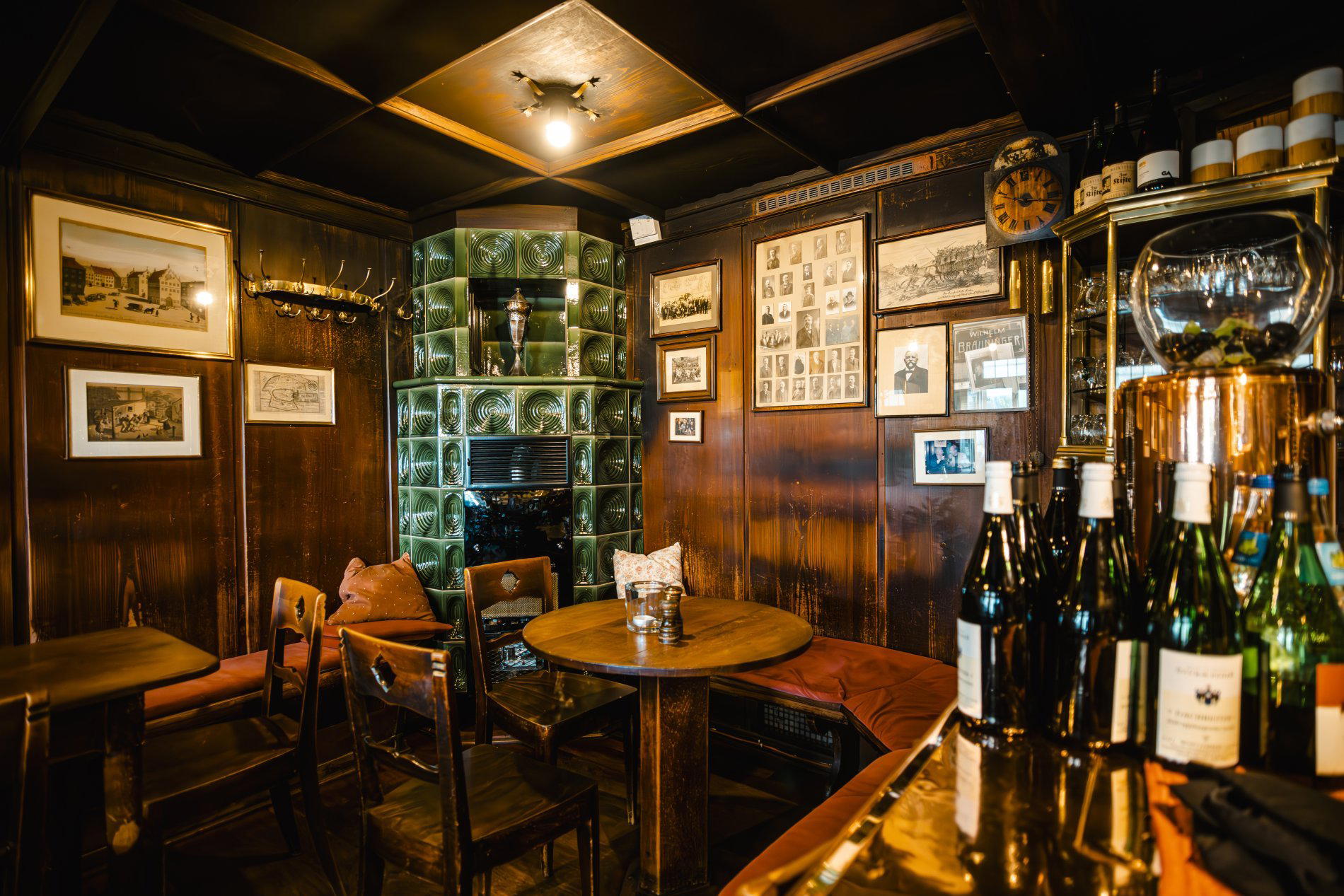
The Weinstube Tradition in Stuttgart
Stuttgart sits at the centre of one of Germany's most wine-forward urban cultures. Vineyards press against the city's residential neighbourhoods, and the Weinstube, the wine tavern format rooted in Württemberg's winemaking calendar, remains among the more socially embedded dining formats in the region. Unlike the gasthaus, which often tilts toward beer and hearty plates, the Weinstube is organised around local wine, Swabian cooking, and a pace that resists hurry. Tables are shared, portions are direct, and the wine list draws from the surrounding slopes rather than international appellations.
Within that tradition, Weinstube Zur Kiste on Kanalstraße 2 holds a position that Stuttgart regulars recognise without needing to explain it. It is a traditional Swabian German restaurant in Stuttgart, recommended for reservations, with casual dress and an average spend of about $25 per person. The address puts it in the inner eastern city, within walking distance of the Heslach and Süd neighbourhoods where the Weinstube format has survived the longest. This is not the part of Stuttgart where hotel restaurants and tasting menus cluster; it is where the original format still functions on its own terms.
Approaching the Room
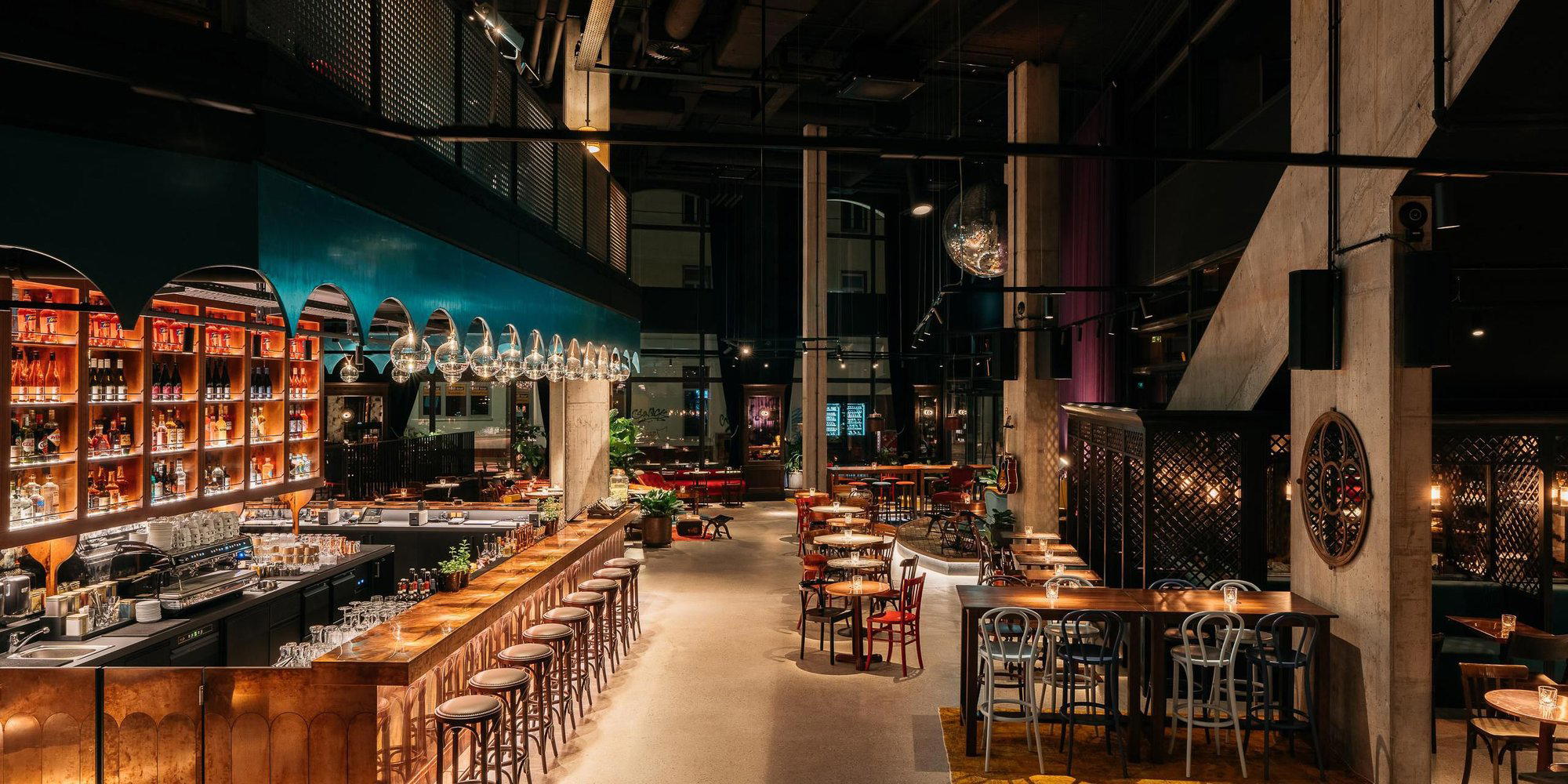
The physical experience of a Weinstube like Zur Kiste begins before you sit down. These rooms are typically low-ceilinged, wood-panelled, and lit in a way that signals the evening is for settling in rather than passing through. The furniture is solid and undesigned, in the leading sense: chairs built for hours of use, tables that have absorbed years of wine rings and conversation. The acoustics are dense rather than controlled, and the proximity of other tables means you are dining in company whether you came with a party or alone.
This format is a counterpoint to what has happened at the upper end of Stuttgart's restaurant scene, where venues like Speisemeisterei, 5, and Délice have built international reputations on tasting menu formats and modern technique. Those rooms are curated for focus and ceremony. The Weinstube offers the opposite: accidental conversation, the sound of glasses, and a menu that does not require a glossary.
How a Meal at a Swabian Weinstube Unfolds
The progression through a meal in this format follows its own logic, one that differs sharply from the multi-course tasting sequences found at places like Der Zauberlehrling or Hegel Eins. There is no amuse-bouche, no palate cleanser, no choreographed transition between courses. Instead, the meal moves on the diner's terms, anchored by a glass of Trollinger or Lemberger poured from a local cooperative or estate bottling.
The opening is typically something cold and direct: a Maultaschen in broth, a plate of cured meats, or a spread with bread. These are not architectural dishes; they are designed to establish hunger and get wine moving. The middle of the meal in a traditional Weinstube tends to consolidate around one substantial plate, often roasted or braised, accompanied by Spätzle or lentils. The cooking is not restrained or minimalist; it is direct, seasoned with confidence, and portioned to match the wine rather than to impress a critic.
Close of a Weinstube meal is less a dessert course than a slowing down: another glass, a cheese, sometimes nothing formal at all. The rhythm is social rather than culinary. This is the format's defining character, and it is what separates the Weinstube tradition from the broader German fine dining conversation happening at institutions like Aqua in Wolfsburg, Schwarzwaldstube in Baiersbronn, or Vendôme in Bergisch Gladbach. Those rooms are built around the arc of the chef's intention. The Weinstube is built around the arc of the evening.
Wine as the Structural Axis
In a Stuttgart Weinstube, the wine list is not supplementary to the food; it organises the food. Württemberg produces Trollinger, Lemberger (known elsewhere as Blaufränkisch), Schwarzriesling, and Riesling in quantities that rarely leave the region in significant volume. This insularity is part of what makes the format work locally. The wines are priced for regular consumption, not occasion spending, and the by-the-glass pour is the default, not the exception.
This wine logic bears no relationship to the allocation-driven, prestige-bottling culture of Germany's most celebrated restaurant wine programs, such as those supporting the menus at Victor's Fine Dining by Christian Bau or Waldhotel Sonnora. The Weinstube operates on different economics and different values: volume, familiarity, and the relationship between a wine style and a cooking style that have developed together over generations in the same geographic pocket.
Planning a Visit
Zur Kiste sits at Kanalstraße 2 in Stuttgart's 70182 postal zone, accessible from the city centre by tram or on foot from the Ostheim area. Like most traditional Weinstuben, the format favours early evening arrivals for those who prefer a quieter atmosphere; the room tends to fill steadily through the evening, with shared-table seating becoming the norm later in the week.
Where Zur Kiste Sits in the Stuttgart Picture
Stuttgart's restaurant conversation is dominated by its Michelin-starred tier, a cluster of creative and modern-cuisine kitchens that benchmark against the wider German fine dining circuit. Names like JAN in Munich, Restaurant Haerlin in Hamburg, ES:SENZ in Grassau, or internationally, Le Bernardin in New York and Atomix, represent the format of dining that receives most critical attention globally. Closer to home, CODA Dessert Dining in Berlin and Schanz in Piesport indicate the kind of high-concept work that earns column inches.
Zur Kiste does not compete in that conversation and is not trying to. Its place is among the handful of Stuttgart Weinstuben that have maintained the original format without converting to bistro service, wine bar aesthetics, or modern small-plates menus. That is a shrinking group, and within it, the address on Kanalstraße carries weight among locals who use the Weinstube format as a weekly routine rather than a special occasion.
The Minimal Set
Comparable venues nearby, for context on price, style, and recognition.
| Venue | Cuisine | Price | Notes |
|---|---|---|---|
| Weinstube Zur KisteThis venue — the venue you are viewing | Gablenberg, Traditional Swabian German | $$ | Not listed |
| Speisekammer West | Not listed | $$ | Heslach, Seasonal Swabian with Organic Focus |
| Plenum - Stuttgart | Not listed | $$ | Gablenberg, Modern Regional German with Swabian Influences |
| Alte Kanzlei Stuttgart | Gablenberg, Traditional Swabian | $$ | Not listed |
| 1819 Bistro am Wirtemberg | Obertuerkheim, Swabian Regional Bistro | $$ | Not listed |
| Zum Becher | Gablenberg, Traditional Swabian German | $$ | Not listed |
Continue exploring
More in Stuttgart
Restaurants in Stuttgart
Browse all →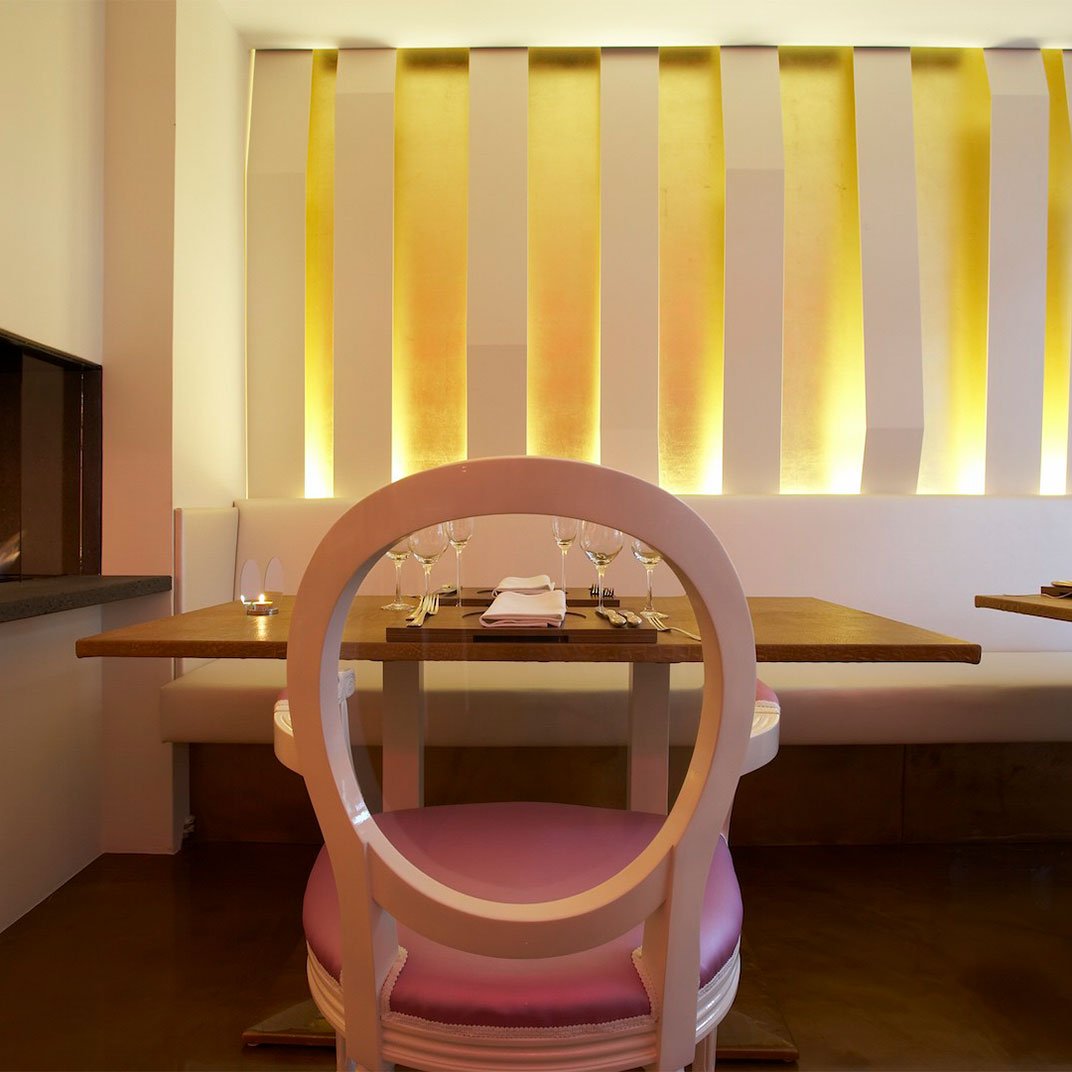
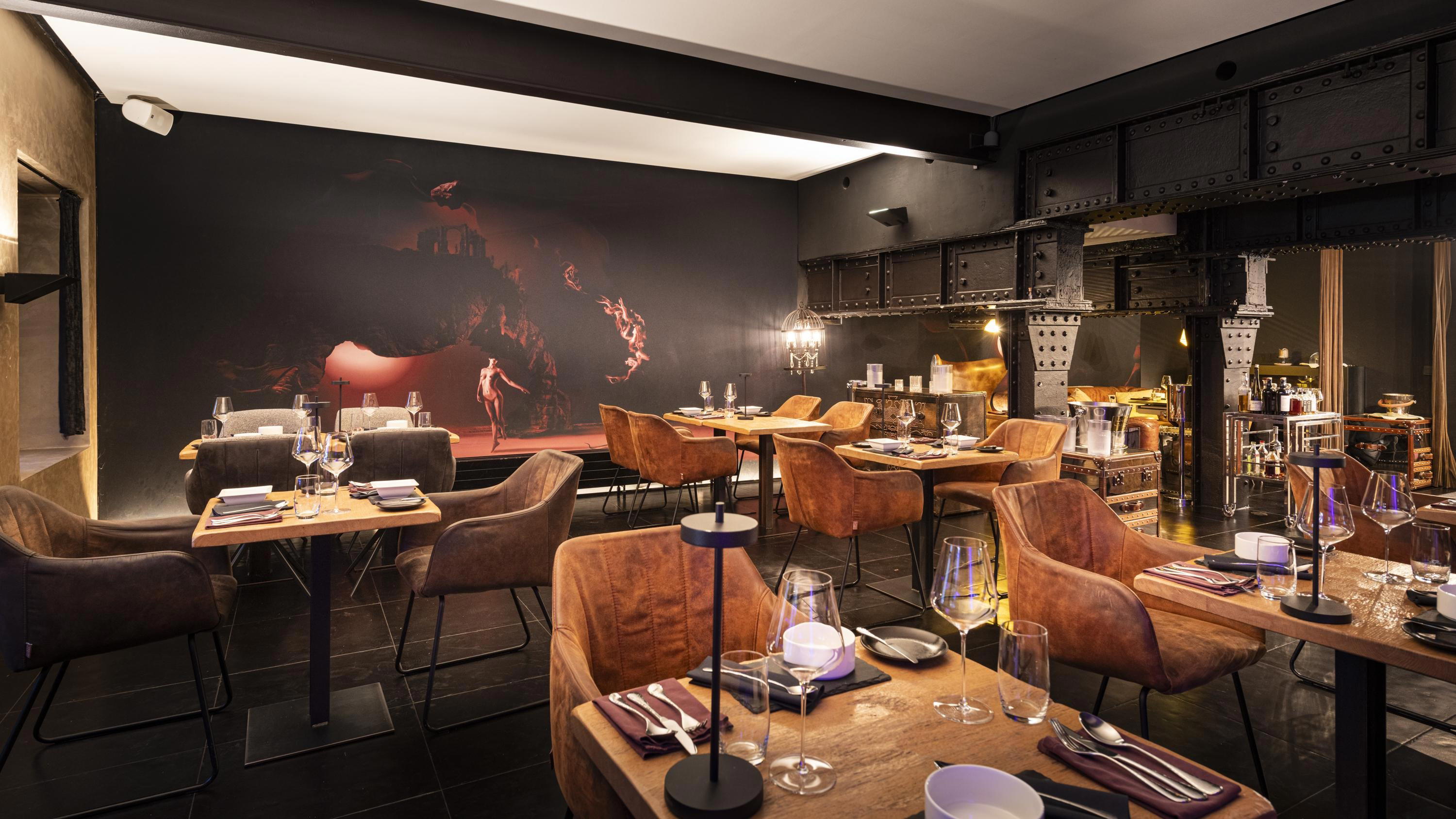
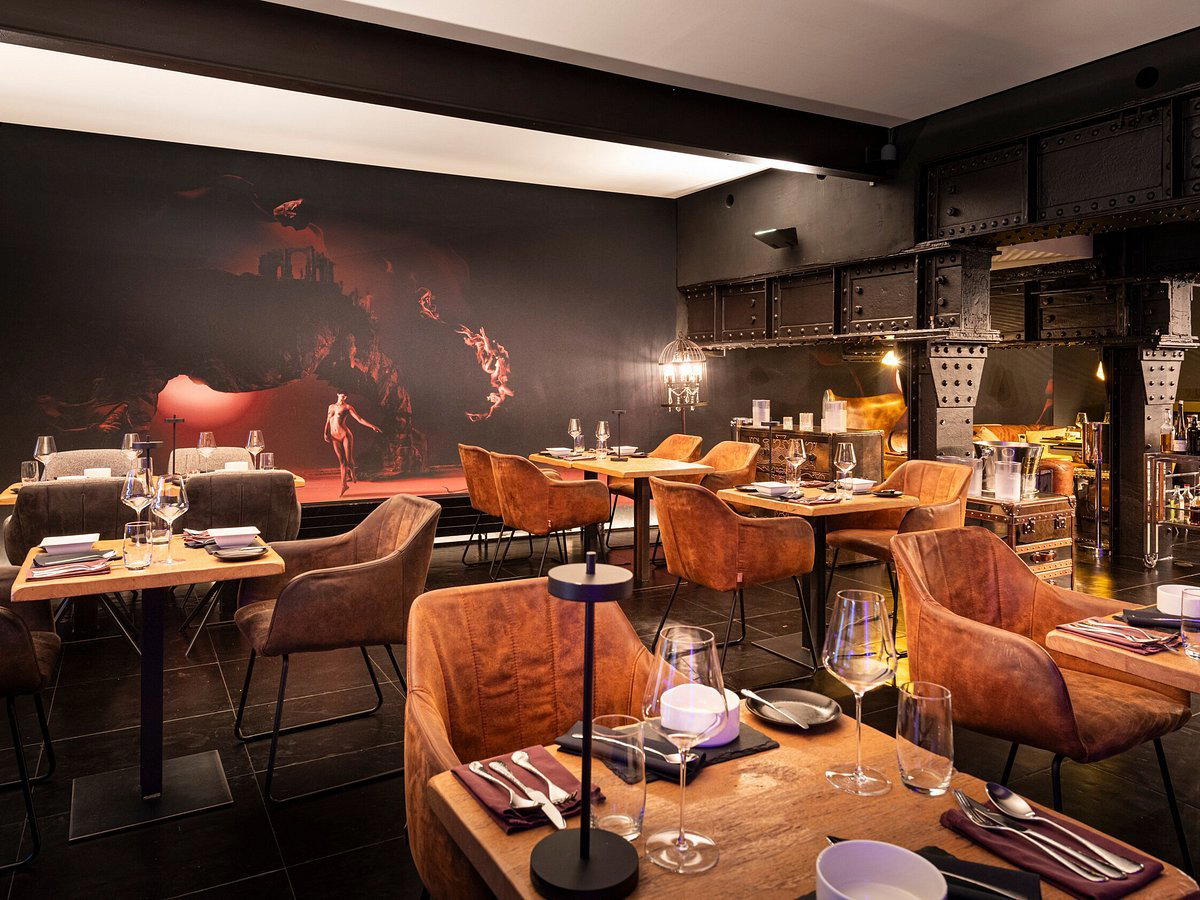
Bars in Stuttgart
Browse all →

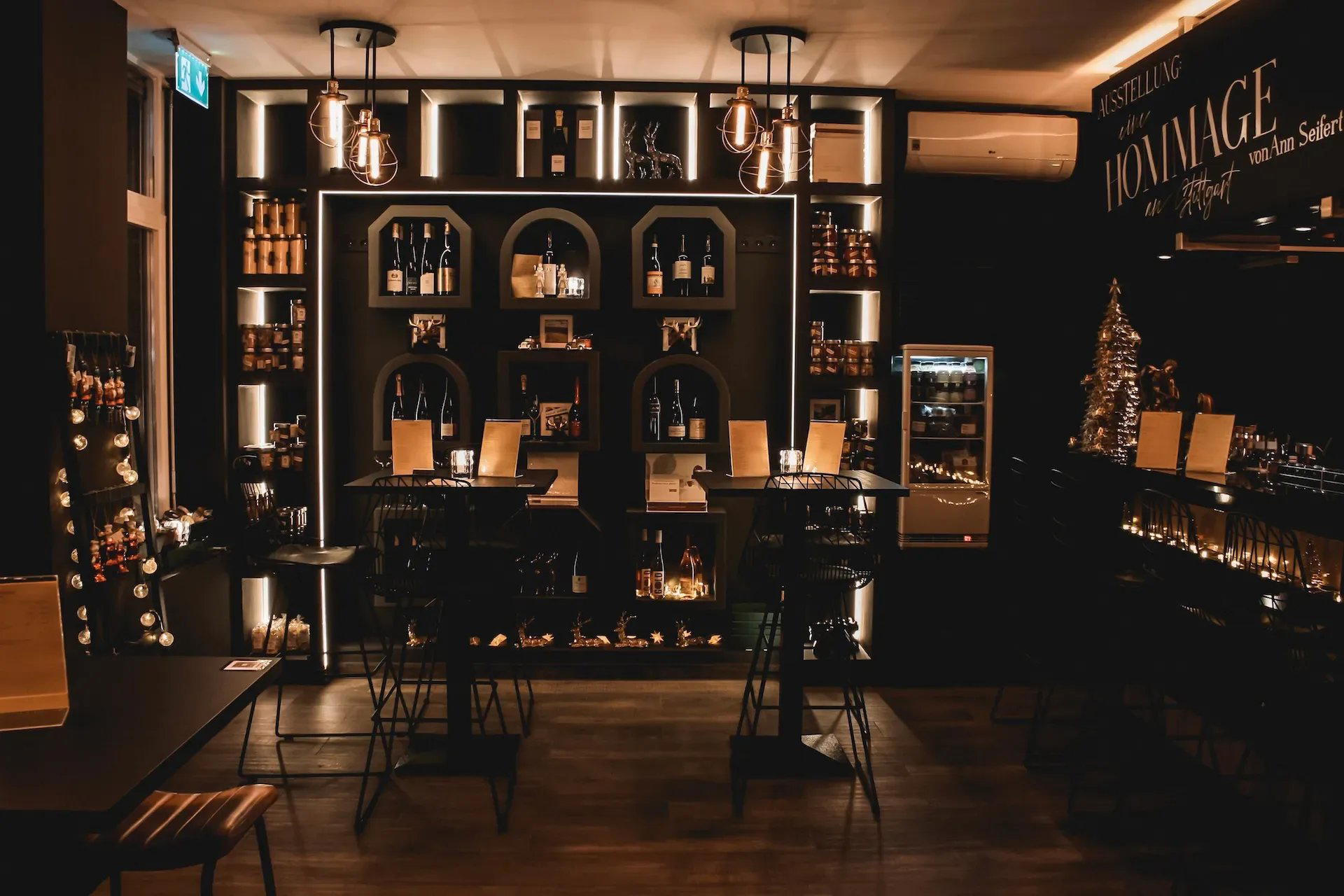
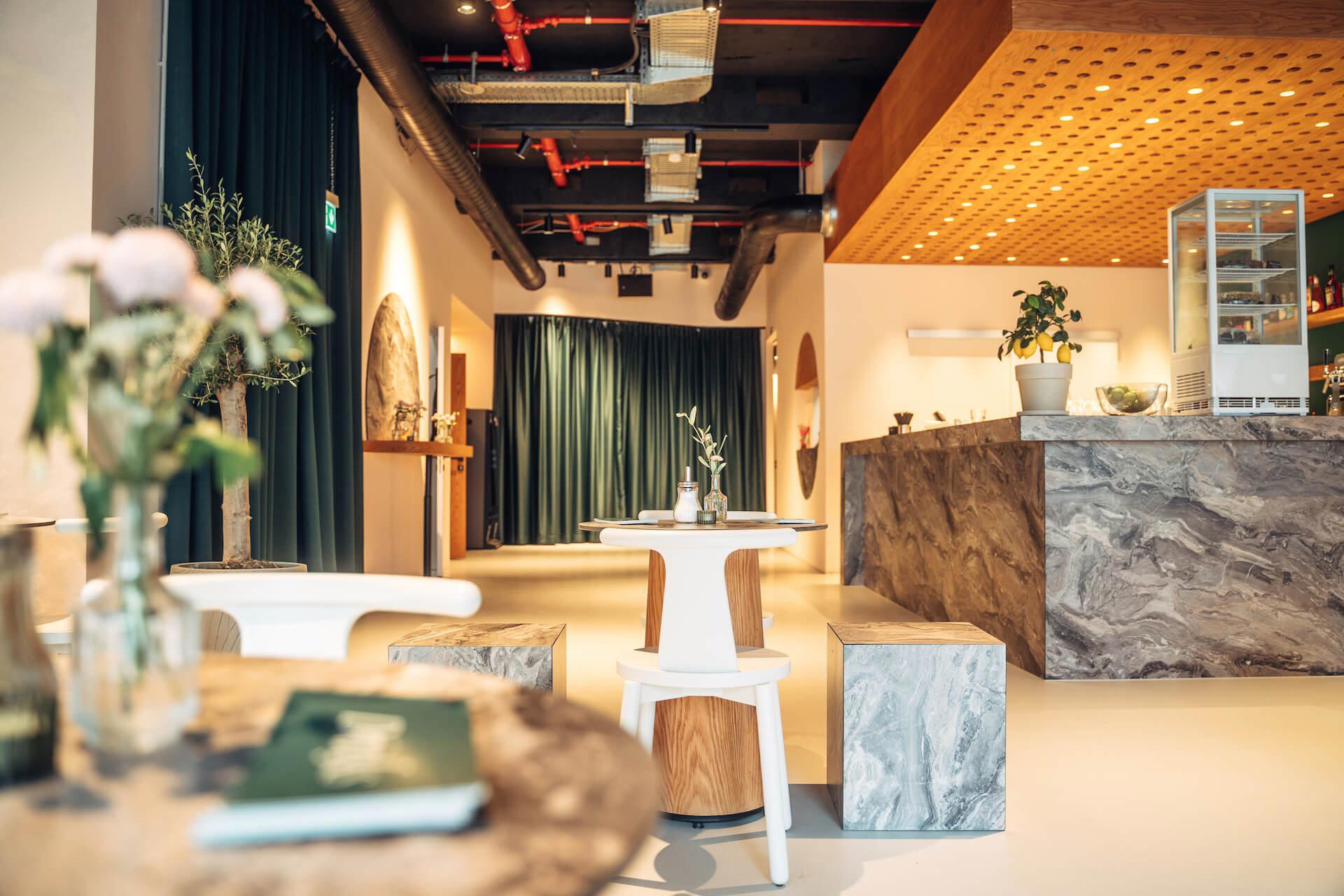
Hotels in Stuttgart
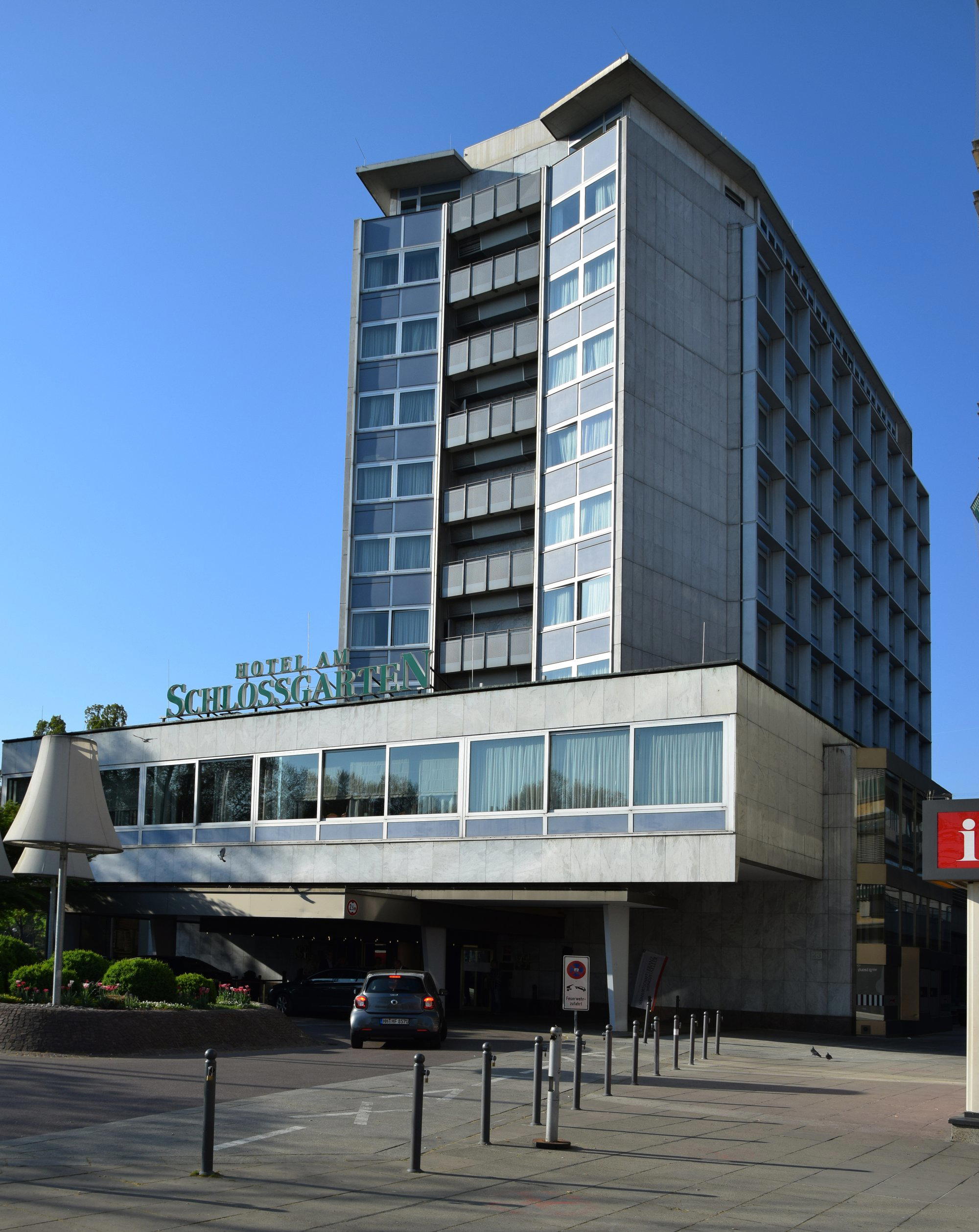
Browse all →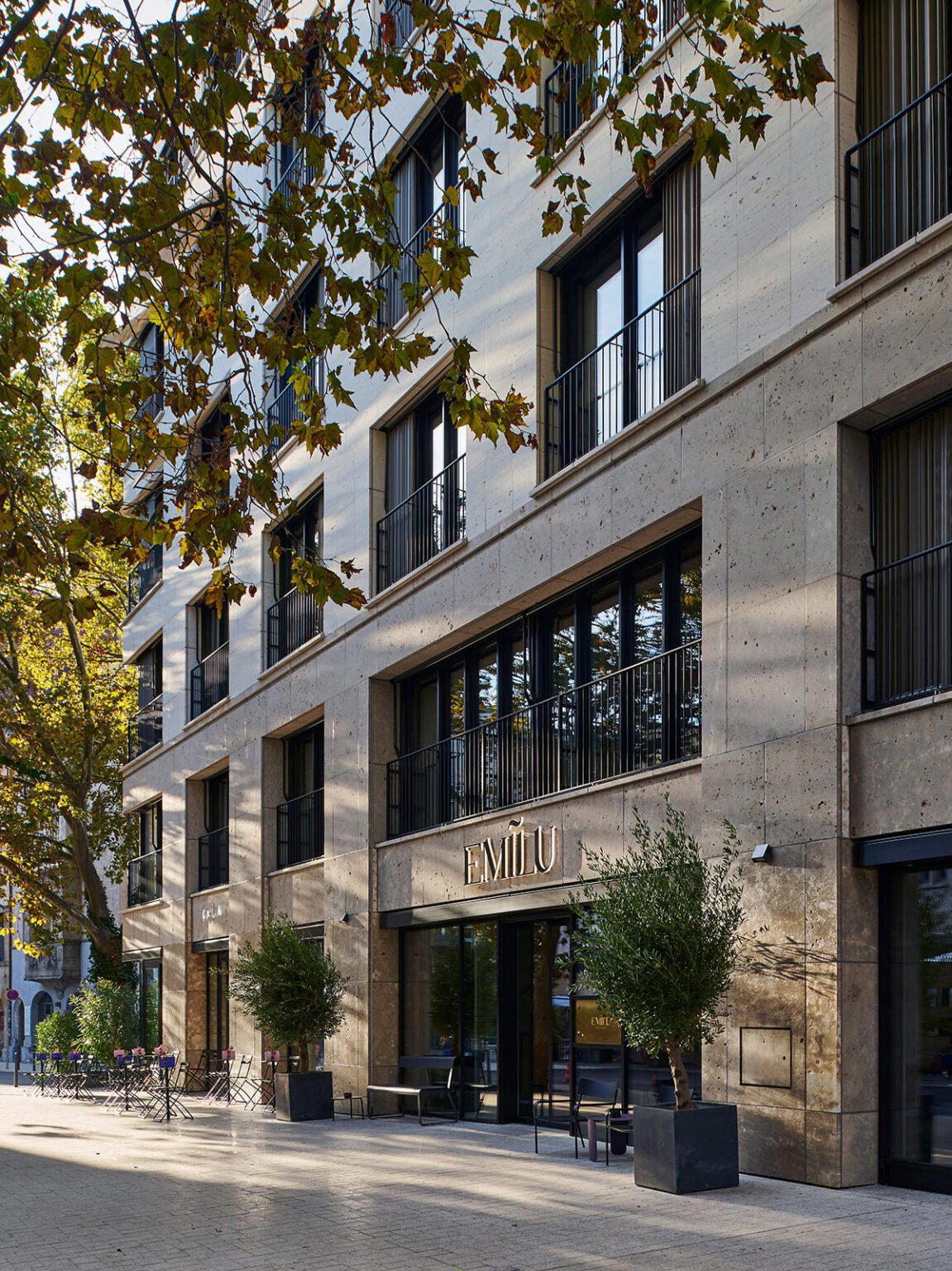

At a Glance
- Cozy
- Rustic
- Classic
- Intimate
- Family
- Casual Hangout
- Date Night
- Historic Building
- Extensive Wine List
- Local Sourcing
Current opening hours
- Monday
- 5–11 PM
- Tuesday
- 5–11 PM
- Wednesday
- 5–11 PM
- Thursday
- 5–11 PM
- Friday
- 5–11 PM
- Saturday
- 11:30 AM–4 PM, 5–11 PM
- Sunday
- Closed
Hours can change for holidays and private events. Last verified .
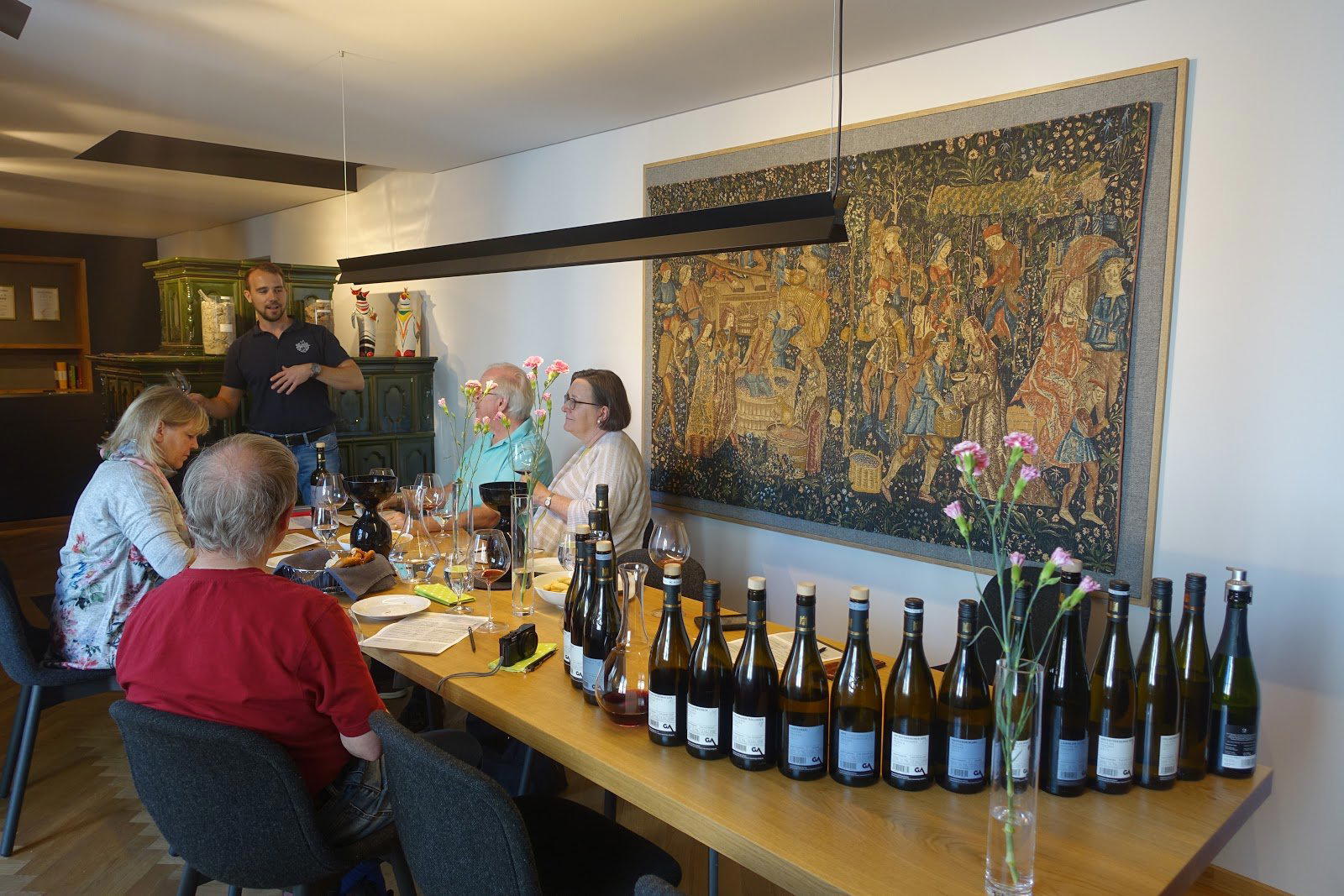
Cozy and inviting with rustic wooden interior, creaking benches, and a beautiful dark green tile stove creating a warm, traditional atmosphere.