On Vogelsanger Strasse in Cologne's Ehrenfeld district, Gusto Antico occupies the kind of address that rewards those who track a neighbourhood's dining evolution rather than its headline restaurants. The cooking draws on Italian tradition interpreted through a contemporary German lens, placing it in a small comparable set of neighbourhood restaurants that take their craft seriously without the ceremony of a tasting-menu format.
Pearl is the En Primeur Club membership app — saves, bookings, and concierge access live there. Same editors, same standards.
- Address
- Vogelsanger Str. 216, 50825 Köln, Germany
- Phone
- +49 221 1695674
- Website
- instagram.com
- Directions
- Get directions
 Saves & bookings on Pearl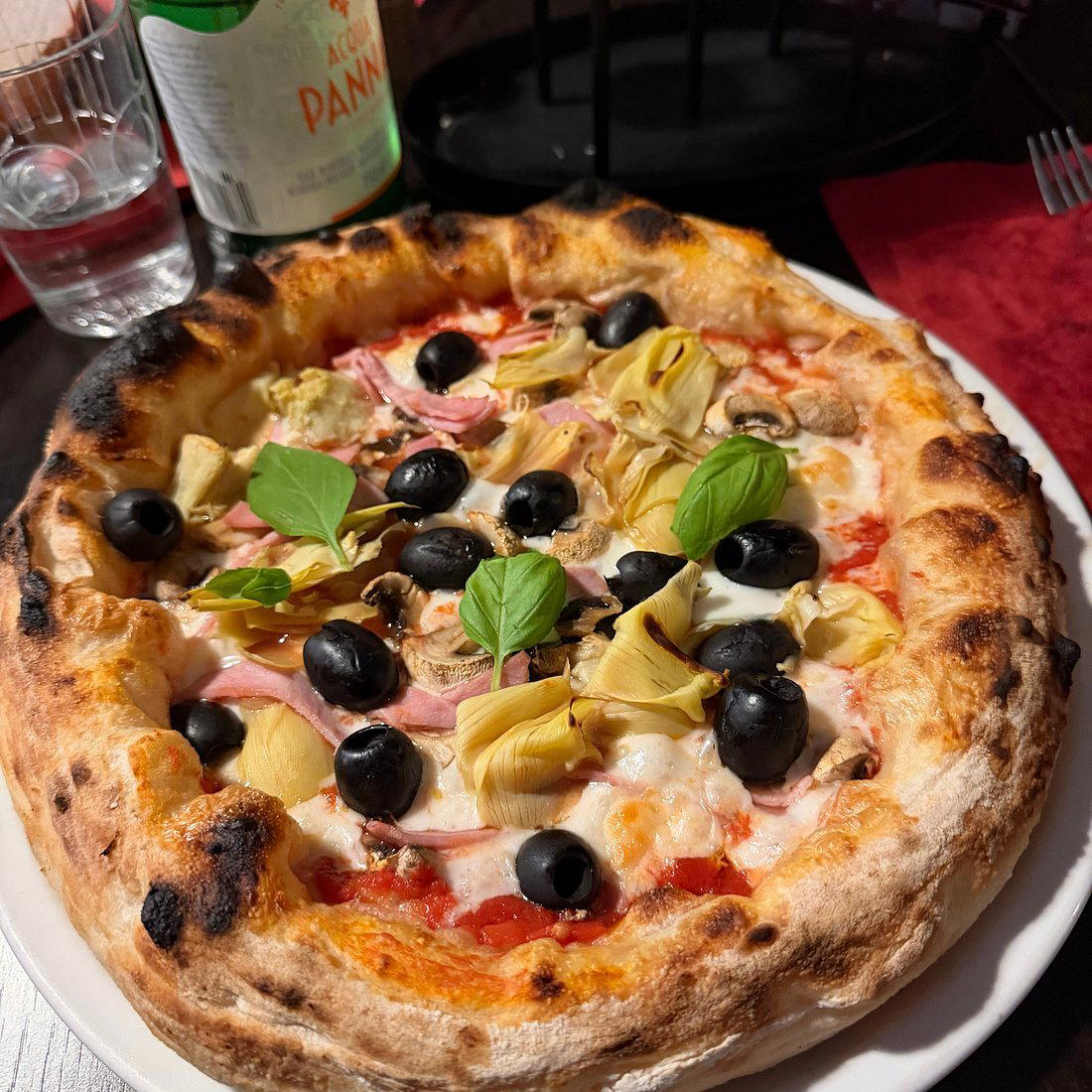
A Street That Earns Attention
Vogelsanger Strasse runs through Ehrenfeld in a way that tells you a great deal about how Cologne's dining scene has shifted over the past decade. The thoroughfare mixes Turkish grocers, independent coffee roasters, and occasional restaurants that have chosen neighbourhood rootedness over city-centre visibility. It is the kind of street where a restaurant's reputation spreads through repeat visits rather than review cycles, and where the physical environment on arrival carries weight: low light bleeding through a window onto the pavement, the sound of a kitchen working at pace, the faint smell of braised meat and warm bread reaching the street before you open the door. Gusto Antico, at Vogelsanger Str. 216, is an authentic Italian pizza and pasta restaurant in Cologne, with a casual dress code, a recommended reservation policy, and an average price of about $15 per person.
Ehrenfeld is no longer Cologne's overlooked western quarter. Over the last several years it has drawn a specific kind of operator: one who wants the lower cost base of a residential address and the loyalty of a local clientele, without sacrificing the quality of produce or execution. That positioning puts Gusto Antico in a different competitive conversation than the city-centre heavyweights. Cologne's formal fine-dining tier, which includes addresses like Ox & Klee and La Cuisine Rademacher, operates with tasting menus, wine programs matched to course sequences, and the infrastructure of a full fine-dining evening. Gusto Antico operates with different logic: the aim is a room that feels inhabited rather than staged.
The Sensory Register of the Room
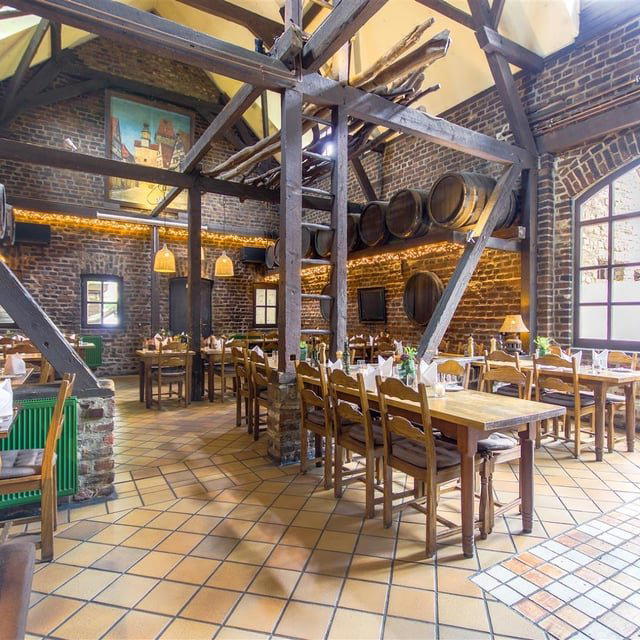
Italian-rooted neighbourhood restaurants in Germany have their own atmospheric grammar, and the restaurant follows it. The visual register tends toward warm tones, surfaces that have absorbed a few years of use, and lighting calibrated for conversation rather than display. That atmosphere is not accidental: it is a deliberate counter-position to the spare, monochrome aesthetic that dominates high-end modern German dining. Where rooms like those at La Société or maiBeck lean into considered minimalism, the Italian trattoria tradition prefers density: closer tables, louder rooms, kitchens that allow smell and sound to register in the dining space.
The acoustic environment matters here. A room at full occupancy carries the particular noise of a neighbourhood restaurant doing what it is supposed to do: groups returning for a second or third time, conversations that extend past the point the plates have been cleared. That is a different sensory contract than the one offered by the hushed counters of Germany's multi-starred tasting rooms, places like Schwarzwaldstube in Baiersbronn or Aqua in Wolfsburg. Both registers serve a purpose; they simply serve different ones.
Where Gusto Antico Sits in Cologne's Italian Register
Germany's relationship with Italian cooking is long enough to have produced a clear market stratification. At one end: the mass-market pizza-pasta model that occupies most city high streets. At the other: a small cohort of Italian-origin restaurants applying genuine regional specificity to their menus, sourcing ingredients with enough care to justify a price position above the neighbourhood average. The restaurant is in that second tier by address and reputation, even if its format remains accessible rather than ceremonial.
The comparison matters in practical terms. Cologne's broader restaurant scene has several Italian options operating at the trattoria price point, but the ones that build consistent local loyalty tend to share specific characteristics: pasta made in-house, sauces built on long cooking times rather than convenience ingredients, and a wine list that reaches into Italian regions beyond Tuscany and Piedmont. Whether the restaurant meets every criterion in that checklist, the address and the neighbourhood positioning signal an operator whose peer references are quality-led rather than volume-led.
For readers placing this alongside Germany's wider Italian dining story, the relevant context is national rather than local. Italy-influenced cooking at the serious end of the market has strong German precedents: Victor's Fine Dining by christian bau in Perl applies French-Italian crossover at three-Michelin-star level, while JAN in Munich works a different kind of Mediterranean discipline. The restaurant is not in that company by format or likely price point, but knowing that spectrum exists clarifies where the Ehrenfeld address sits: it is the entry point into taking Italian cooking seriously, not the summit of it.
Cologne's Neighbourhood Restaurant Moment
The broader trend the restaurant inhabits is worth naming. Cologne, like Hamburg and Munich, has seen its most interesting restaurant openings migrate away from the city centre and into residential neighbourhoods where rents permit a different business model. The result is a tier of restaurants that serve regular clientele rather than tourists, price against the local market rather than hotel-district comparables, and build menus around what they can execute consistently rather than what looks ambitious on paper.
The French bistro model produced a similar shift in Paris two decades ago, and Germany has its own version through addresses like Le Moissonnier Bistro in Cologne, which has demonstrated that a neighbourhood address and serious cooking are not in conflict. The restaurant operates in that same tradition, applied to an Italian rather than French frame. It is part of a wider argument the city is making about where good food actually lives.
For readers who approach Cologne's dining as a full map rather than a highlights reel, addresses like this one complete the picture. The multi-starred rooms at Vendôme in Bergisch Gladbach or the technically driven work at CODA Dessert Dining in Berlin sit at one axis; neighbourhood restaurants with honest intentions and local accountability sit at another. Both axes are worth knowing. See our full Cologne restaurants guide for a more complete breakdown of how the city's dining geography maps out.
Planning a Visit
The restaurant is at Vogelsanger Str. 216 in Ehrenfeld, Cologne. The restaurant is open Monday through Friday from 11:30 AM to 6 PM and is closed on Saturdays and Sundays. Reservations are recommended. The casual format fits a direct Italian meal, and the price point is about $15 per person.
Comparable Options
Comparable venues nearby, for context on price, style, and recognition.
| Venue | Cuisine | Price | Notes |
|---|---|---|---|
| Gusto AnticoThis venue — the venue you are viewing | Authentic Italian Pizza and Pasta | $$ | Not listed |
| Spacca Napoli | Neapolitan Pizza | $$ | Ehrenfeld |
| Bar Trattoria Celentano | Authentic Sicilian Italian Trattoria | $$ | Neustadt/Nord |
| Antica Pizzeria Nennillo | Authentic Neapolitan Pizza | $$ | Altstadt/Süd |
| Totò e Peppino | Neapolitan Pizza | $$ | Neustadt/Nord |
| Pizza LAB Napoli | Neapolitan Pizza | $$ | Nippes |
Continue exploring
More in Cologne
Restaurants in Cologne
Browse all →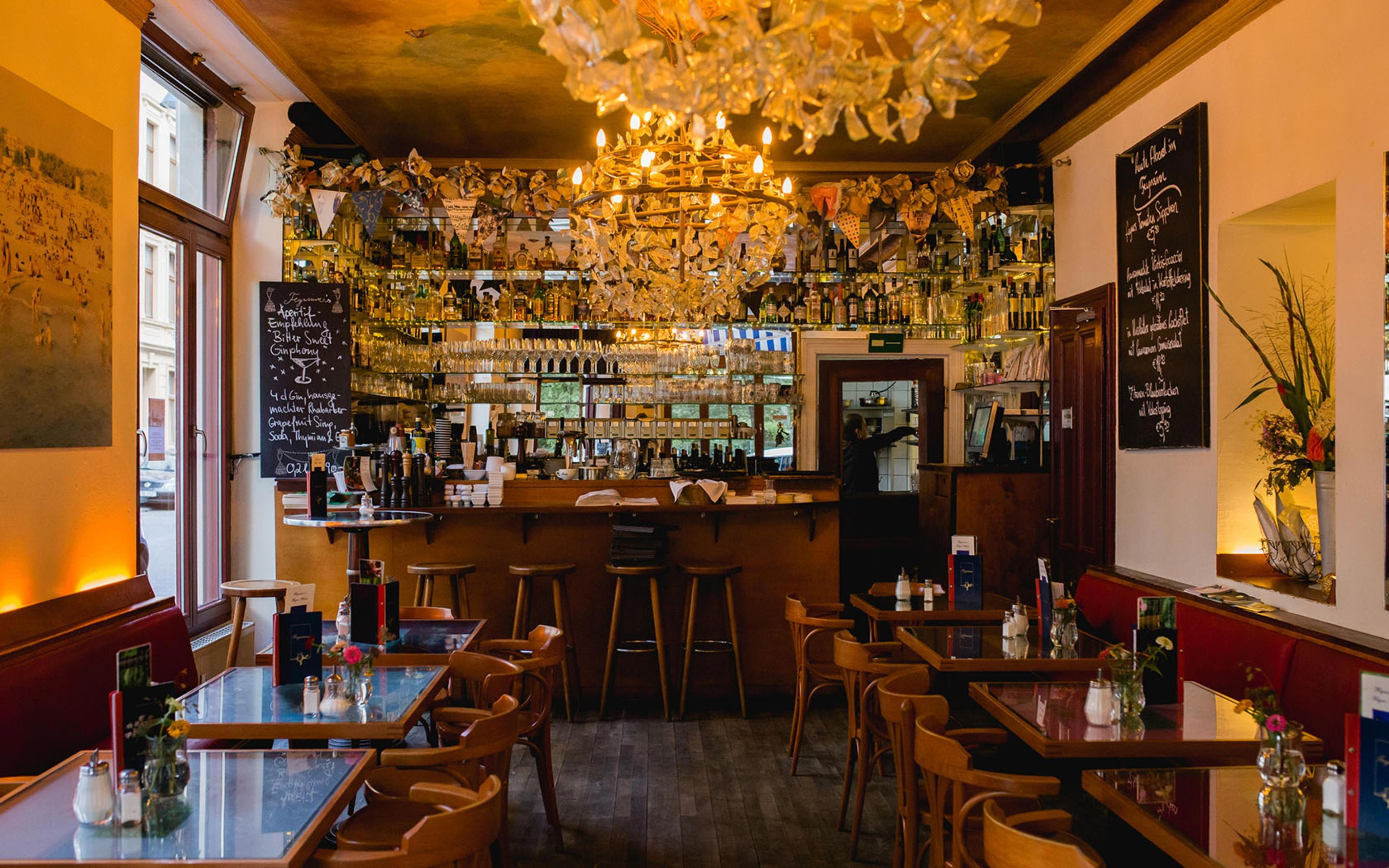
Bars in Cologne
Browse all →
Hotels in Cologne
Browse all →

At a Glance
- Cozy
- Rustic
- Intimate
- Casual Hangout
- Group Dining
Current opening hours
- Monday
- 11:30 AM–6 PM
- Tuesday
- 11:30 AM–6 PM
- Wednesday
- 11:30 AM–6 PM
- Thursday
- 11:30 AM–6 PM
- Friday
- 11:30 AM–6 PM
- Saturday
- Closed
- Sunday
- Closed
Hours can change for holidays and private events. Last verified .
Inviting and cozy with attention to detail and a welcoming, chatty atmosphere.