
Sora to Mugi to belongs to Tokyo’s serious bread-and-cafe circuit rather than the city’s luxury dining tier. In Daikanyama and Ebisu’s daytime orbit, its Tabelog Bread TOKYO 100 selections place it among bakeries where scarcity, take-out culture, and neighborhood rhythm matter more than table-service ceremony.
Pearl is the En Primeur Club membership app — saves, bookings, and concierge access live there. Same editors, same standards.
- Address
- 東京都渋谷区恵比寿西2-10-7 YKビル 1F
- Phone
- +81364270158
- Website
- soratomugito.com
 Saves & bookings on Pearl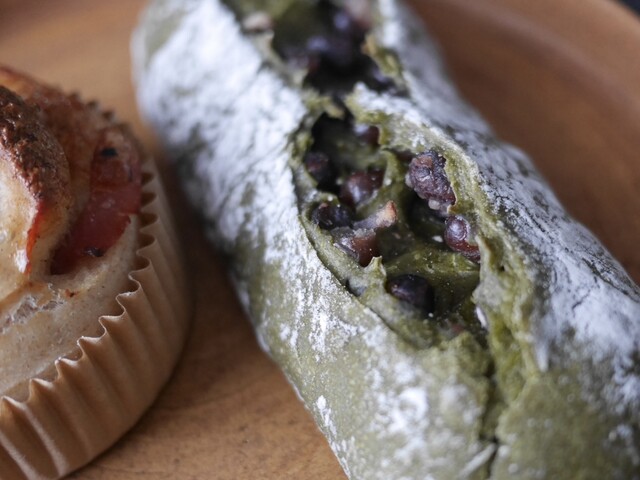
Approaching the quieter side of Ebisu-nishi, the mood changes from station-front turnover to the smaller scale that defines Daikanyama’s bakery culture: low-rise shopfronts, short errands, and customers who treat bread as a planned stop rather than an afterthought. Sora to Mugi to sits in that context, where the draw is not a long meal but the Tokyo habit of building a day around a precise purchase. The category matters. Bread in Tokyo has moved far beyond convenience-store softness or hotel bakery gloss; the more interesting addresses now work like specialist counters, with limited production, tight service windows, and a clientele that understands timing.
The useful way to read this place is through the lunch-versus-dinner divide. In much of Tokyo, lunch can be the value door into serious cooking while dinner carries the full performance. Bread shops invert that hierarchy. Daytime is the main event, and evening, where it exists at all, is secondary. Here the format belongs to the daylight economy of Daikanyama and Ebisu: buy, carry, share, or fold it into a neighborhood walk. That makes it a different proposition from nearby sit-down rooms such as Cafe Accueil Ebisu ten, BLACOWS, recte, or abysse, where the spend and tempo are built around a table. Sake Hidejiro sits in another bracket entirely, showing how sharply this part of Tokyo can shift between casual daytime errands and high-spend evening drinking.
Daikanyama bread culture runs on scarcity, not ceremony
Tokyo’s bakery scene rewards discipline. The serious shops are judged less by spectacle than by consistency, sourcing, bake timing, and how quickly regulars learn the rhythm. Sora to Mugi to has been selected for Tabelog Bread TOKYO 100 in 2022, with earlier Bread 100 selections also attached to its history. That recognition is useful because bread rarely has the same international award machinery as sushi, kaiseki, or French dining in Tokyo. A Tabelog Bread 100 listing functions as a local signal: the shop is being assessed inside a specialist category where small differences in texture, fermentation, and freshness drive repeat custom.
The cafe label should not mislead travelers into expecting a leisurely restaurant experience. Tokyo has many hybrid bakery-cafes, but the stronger ones tend to keep the bakery logic in charge. Seats, when relevant, are supporting infrastructure; the point is production. That separates the genre from themed cafes such as 2D Cafe, where room concept carries much of the appeal, and from curry or yakitori addresses such as 3 Chome no Curry Ya San or 124. KAGURAZAKA (Yakitori), where the meal is structured around a kitchen’s pacing. A bakery visit asks for a different kind of attention: arrive when the shop’s rhythm supports choice, accept that selection can narrow, and treat the purchase as part of the day rather than a substitute for dinner.
Lunch has the energy; dinner is the wrong lens
The strongest editorial case for Sora to Mugi to is daytime. Tokyo travelers often over-plan dinner and under-plan the hours between coffee and late afternoon, yet this is where the city’s food culture becomes more local. Department-store basements, station bakeries, kissaten, fruit parlors, and specialist bread counters all sit inside a daytime map that locals use constantly. In that map, Daikanyama and Ebisu offer a softer pace than Shinjuku or Ginza, making a bread stop feel less like a detour and more like a neighborhood read.
That does not mean the experience is casual in the sense of being interchangeable. The price tier keeps it accessible, but the award history puts it above ordinary convenience. The value comes from focus rather than luxury signals. A traveler comparing a bakery visit with lunch at Cafe Accueil Ebisu ten or a burger at BLACOWS is not choosing between better and worse; the decision is about format. Sit down if the day needs a meal. Choose the bakery if the day is built around walking, shopping, hotel-room grazing, or a train ride across the city.
This is also where Tokyo’s broader dining split becomes visible. At night, the city often asks for reservations, longer commitments, and higher spend, from counters in Shinjuku such as 12/10 Shinjuku ten to seafood-led rooms such as . 鮪と炭火焼き うお炭 秋葉原店. Daytime food can be more fluid, but not less serious. Bread is one of the clearest examples: the craft is front-loaded into production, and the customer’s responsibility is timing.
How to fold it into a Tokyo food day
Use the restaurant as a Daikanyama-Ebisu anchor rather than a cross-city pilgrimage with no backup plan. The area works well before a later restaurant booking because it does not demand the same time commitment as a tasting menu or izakaya session. For travelers mapping a broader itinerary, Our full Tokyo restaurants guide is the better frame for lunch and dinner decisions, while Our full Tokyo bars guide, Our full Tokyo hotels guide, Our full Tokyo wineries guide, and Our full Tokyo experiences guide help separate daytime food stops from the rest of the trip architecture.
Outside Tokyo, Japan’s casual-specialist culture appears in different forms: -Grilled beef Sukiyaki- KAMAKURA TANUKIAN 鎌倉 たぬき庵 in Kamakura.cafe in Osaka.know in Kumamoto, (Shoku) Vietnam in Kawasaki, [Curry Senmon Ten] Maruyama Kyoju. in Sapporo, and [ki:] in Kyoto all show how focused formats can define a stop without requiring fine-dining formality. The same idea travels abroad in other categories, from Jōdo Saké Bar in Los Angeles to Onigiri Time in Pasadena. For this Tokyo address, the right expectation is simple: a compact bread-and-cafe specialist with local award recognition, suited to daylight planning and poor fit for anyone trying to make dinner the point.
A Quick Peer Check
Comparable venues to anchor price and recognition.
| Venue | Cuisine | Price | Notes |
|---|---|---|---|
| Sora to Mugi toThis venue — the venue you are viewing | Organic Vegan Bakery & Café | $$ | Not listed |
| HIKINIKU TO COME (挽肉と米) | Japanese Hamburger Steak with Rice | $$ | Shibuya |
| HIGASHIYA man | Traditional Japanese wagashi & manju shop | $$ | Minato |
| Tonkatsu Ouryu | Tonkatsu specialist | $$ | Minato |
| Okonomiyaki Kiji Shinagawa ten | Osaka-style okonomiyaki & teppan grill | $$ | Minato |
| L'Atelier Plus | Japanese-style Western (yoshoku) bistro | $$ | Meguro |
Recognition history
Dated appearances from independent guides and award organizations, with the underlying list record or original source where available.
Tabelog 100 #51 · No. 51
Tabelog · Tabelog 100 - Bread - TOKYO - 2022













At a Glance
- Cozy
- Quiet
- Rustic
- Solo
- Casual Hangout
- Brunch
- Standalone
- Design Destination
- Organic
- Local Sourcing
- Street Scene
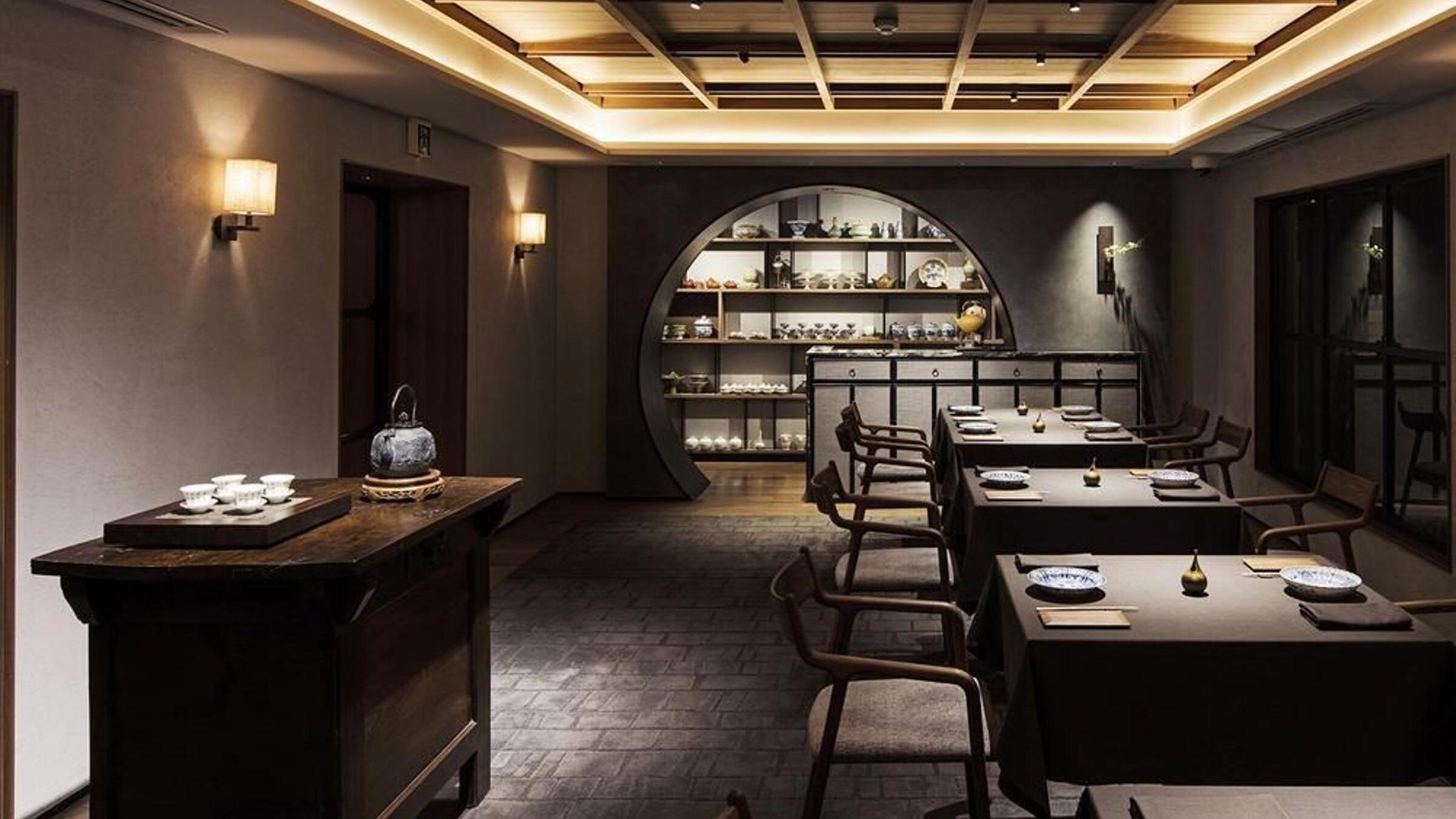
Small and quietly tucked into a residential street near Daikanyama, with just a few seats and a calm, almost contemplative feel more like a neighborhood bread atelier than a busy café; guests describe it as understated, homey and relaxed rather than flashy.