Songheonjip

Michelin Plate
Our verdict
In Suyeong-gu, Songheonjip occupies a renovated two-storey house that replicates the domestic warmth of a 1990s Korean home, right down to the low tables and shoe-off entry. The kitchen's focus is tteokgalbi: thick charcoal-grilled meat patties served with rice, banchan, and doenjang jjigae. The owner-chef brings prior experience from traditional liquor and noodle soup ventures, giving the menu a coherent lineage in Korean comfort food.

Pearl is the En Primeur Club membership app, where members save venues, book tables and use the concierge.
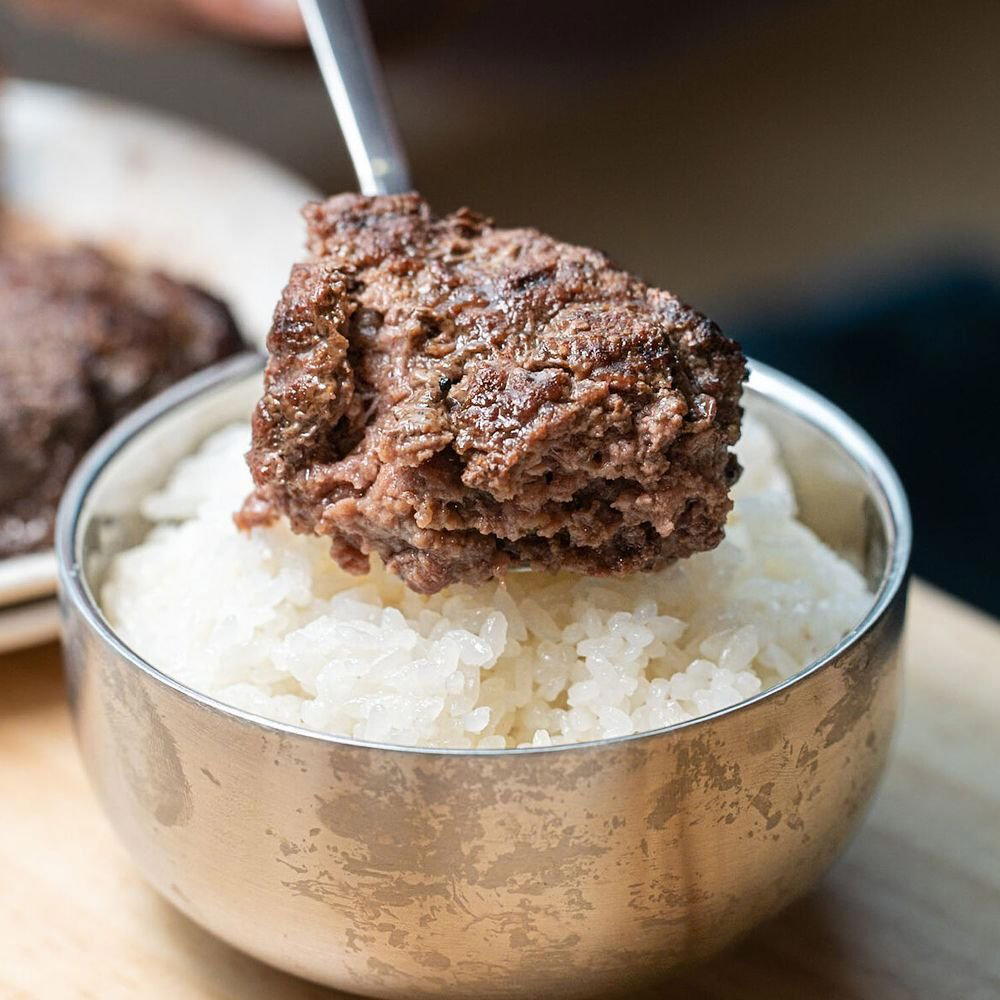
The menu
What to order
- Tteokgalbi (grilled short rib patty)
- Doenjang jjigae (soybean paste soup)
A Renovated House, a Charcoal Grill, and Busan's Appetite for the Familiar
There is a particular strain of Korean restaurant that refuses to perform. No minimalist concrete, no tasting menu format borrowed from abroad, no sommelier hovering with a wine pairing. In Busan's Suyeong-gu district, Songheonjip operates squarely within that tradition: a two-storey house, renovated but deliberately unmodern, where guests remove their shoes at the entrance, settle onto cushions at low tables, and eat tteokgalbi from charcoal-grilled patties that arrive smoky and dense with rendered fat. The physical setting evokes the domestic atmosphere of a 1990s Korean home, which is not nostalgia for its own sake but a deliberate signal about what kind of food is coming. Across Busan's broader restaurant spectrum, from the contemporary precision at Palate to the premium cuts at Born and Bred, Songheonjip sits at the opposite pole: a place where the frame is familial and the cooking is rooted, not referential.
Tteokgalbi and the Discipline Behind a Simple Format
Tteokgalbi occupies an interesting position in Korean culinary tradition. Historically associated with royal court cuisine, the dish is essentially a seasoned minced or finely chopped meat patty shaped and grilled on a skewer or over an open flame. Its name derives from the resemblance to tteok (rice cake) in its compacted, uniform form. Where galbi (short rib) demands long marination and individual cuts of bone-in meat, tteokgalbi allows the kitchen to work the seasoning into the meat itself, producing a more concentrated, consistently textured result. At Songheonjip, the charcoal method is central: the smoke is not incidental but structural to the dish's profile, creating a crust on the exterior while the interior stays yielding.
The menu format surrounding the patties follows a logic familiar in Korean home cooking: rice as the structural base, banchan as the texture and contrast layer, and doenjang jjigae (fermented soybean paste stew) as the finishing warmth. Doenjang jjigae, in particular, is a dish that exposes kitchen confidence or lack of it quickly. The fermentation depth, the balance of tofu and vegetables, the consistency of the broth across a service, all of these signal whether the kitchen treats it as an afterthought or as a first-order component. At Songheonjip, the jjigae is described as rich, which in this context means the doenjang base has been allowed to develop rather than being softened into palatability for a broad audience.
The Owner-Chef's Prior Work and What It Signals
The editorial angle here is not the owner-chef's biography but what their previous ventures indicate about the kitchen's current priorities. The two earlier businesses, one built around traditional Korean liquor (jeontongjuu), the other around noodle soup, represent two anchor points of Korean food culture: fermentation and the long-cooked bowl. That background informs the decision to focus Songheonjip on tteokgalbi rather than on a broader, more commercially cautious menu. It also suggests a kitchen comfortable working within specific Korean traditions rather than across them. For comparison, 1969 Buwondong Kalguksu in Busan takes a similar discipline-through-focus approach with knife-cut noodle soup, and 100.1. Pyeongnaeng applies the same logic to naengmyeon. The common thread across Busan's most credible traditional venues is editorial restraint in the menu itself.
At the national level, the push to codify and refine Korean culinary identity is visible across formats. Mingles in Seoul approaches the question through a fine-dining lens, and Kwon Sook Soo in Gangnam-gu through a premium hanshik framework. Songheonjip is doing something different: not elevating or reinterpreting, but reconstructing the conditions under which traditional Korean home cooking is experienced, down to the architecture of the meal and the posture of the diner.
The Room and the Service Logic
The two-storey renovated house format places Songheonjip in a category of Korean dining that uses domestic architecture as a deliberate contrast to the generic commercial restaurant box. The shoe-off requirement is not performative; it is a practical consequence of sitting at floor-level tables and is consistent with the general atmosphere the room is designed to produce. Low tables in Korean dining contexts carry specific social meaning, linked to traditional ondol-floor living rooms where meals were shared at close quarters. The banchan service that accompanies the main dishes extends this logic: small shared plates, refillable, arrived without being ordered, functioning as both welcome and narrative frame for the meal.
In terms of front-of-house dynamics, this kind of format tends toward a high staff-to-table ratio relative to the room's intimacy, with service focused on banchan replenishment and charcoal management rather than tableside explanation. The room itself is meant to communicate what words would overcomplicate. That is a deliberate service philosophy, one that distinguishes venues shaped by Korean hospitality traditions from those importing Western fine-dining service structures. For context on how Busan's international-format restaurants handle service differently, see Mori, where the Japanese omakase framework puts the chef's explanation at the centre of the experience.
Suyeong-gu and the Neighbourhood Context
Suyeong-gu sits in the southeastern part of Busan, adjacent to the Gwangalli Beach area and close to the Millak Waterfront Park. It is a district with a mix of residential density and local restaurant culture that operates largely outside the tourist circuits concentrated around Haeundae. The address on Millak-ro places Songheonjip within walking distance of the waterfront, in a neighbourhood where the dining options skew toward Korean staples rather than international formats. That local orientation is part of what gives Songheonjip its coherence: it is not a destination venue designed to draw visitors from other parts of the city but a neighbourhood anchor of a specific culinary type.
For those building a broader Busan itinerary, our full Busan restaurants guide maps the city's dining geography in detail. The Busan bars guide, hotels guide, wineries guide, and experiences guide cover the rest of the city's premium options. For Korean traditional cooking elsewhere in the country, Baegyangsa Temple in Jangseong-gun offers a different register of the same impulse toward rooted, non-commercial Korean food. International comparisons are necessarily imprecise, but venues like Le Bernardin in New York City and Emeril's in New Orleans illustrate how deeply a chef's prior culinary language shapes the character of a later, more focused project, the mechanism is similar even when the cuisine is entirely different. For regional Korean variety in smaller formats, Double T Dining in Gangneung and Pool House in Incheon and The Flying Hog in Seogwipo each illustrate how Korean regional identity is being articulated through food in different parts of the country.
Planning Your Visit
Songheonjip is located at 18 Millak-ro 19 beon-gil, Suyeong-gu, Busan. No phone number or website is currently listed in public records, which means reservations likely require a local contact or walk-in approach. Given the intimate nature of a two-storey renovated house, seating capacity will be limited and demand at peak meal times, particularly weekend evenings, can be expected to outpace availability. Arriving at opening time or during early lunch service is the practical approach for those without a reservation. Guests should be prepared to remove shoes on entry and to sit at floor-level tables; the format is consistent throughout the space.
Frequently Asked Questions
- Can I bring kids to Songheonjip? The low-table, shoe-off format is entirely compatible with children, and the food, charcoal-grilled meat with rice and banchan, is direct for young diners.
- What is the atmosphere like at Songheonjip? If you are comfortable with floor-level seating and a domestic setting, the atmosphere will feel warm and unhurried; if you are expecting a formal dining room, this is not that format. The renovated house interior, with its 1990s Korean home aesthetic, produces a relaxed, residential quality that Busan's more contemporary or internationally styled restaurants do not replicate.
- What's the must-try dish at Songheonjip? Order the tteokgalbi. The charcoal-grilled meat patties are the kitchen's principal focus and the reason the restaurant exists in its current form. The doenjang jjigae that accompanies the meal is an honest indicator of kitchen quality and should not be treated as an afterthought.
- How hard is it to get a table at Songheonjip? If the restaurant has no public booking system, walk-in competition is the primary constraint; a two-storey house format means capacity is inherently limited, and Busan's appetite for credible traditional Korean cooking is not small. Arriving early on weekdays gives the leading chance of a seat without a long wait.
Frequently asked questions
Can I bring kids to Songheonjip?
The format suits families reasonably well. Dining is done seated on the floor at low tables in a renovated house in Suyeong-gu, so younger children comfortable with that setup will find the space manageable. The menu centres on tteokgalbi patties served with rice and banchan, familiar, unfussy food with no complex tasting-menu structure to work around. Note that shoes must be removed before entering the dining room.
What is the atmosphere like at Songheonjip?
The two-storey renovated house at 18 Millak-ro 19 beon-gil deliberately evokes a 1990s Korean home rather than a conventional restaurant interior. Guests remove shoes at the door and eat at low tables, which sets a register that is domestic and unhurried rather than formal. The charcoal grill adds its own presence, smoke, heat, and the sound of grilling patties, without any theatrical staging around it.
What's Songheonjip known for in terms of accolades?
Songheonjip has received recognition including: With successful businesses built around traditional liquor and noodle soup, the owner-chef now ventures into tteokgalbi at Songheonjip. Thick, charcoal-grilled patties are smoky and juicy, served with rice, delicate banchan, and a rich doen….
What's the must-try dish at Songheonjip?
Tteokgalbi is the kitchen's focal point: thick charcoal-grilled beef patties, smoky from the grill and served alongside rice, banchan, and doenjang jjigae. The owner-chef built earlier businesses around traditional liquor and noodle soup before committing to this format, which signals that the tteokgalbi here is a considered choice rather than a menu afterthought. Order the full set and give the doenjang jjigae the attention it deserves alongside the meat.
Where do I go for Songheonjip?
Songheonjip is located at 18 Millak-ro 19 beon-gil, Suyeong-gu, Busan.
How hard is it to get a table at Songheonjip?
No website or phone number is currently listed in public records for Songheonjip, which makes advance booking difficult to arrange remotely. The two-storey house format limits covers by design, so walk-in availability at peak meal times in Suyeong-gu can be unpredictable. Arriving early or at off-peak hours is the practical approach until direct contact details become publicly available.
Cuisine and Credentials
Comparable venues nearby, for context on price, style, and recognition.
| Venue | Cuisine | Price | Awards | Notes |
|---|---|---|---|---|
| SongheonjipThis venue (the venue you are viewing) | Traditional Korean Grilled Short Rib Patties | $10–20 | Michelin Plate | Not listed |
| Jin Dweji Gomtang | Modern Dwaeji Gomtang | $10–20 | Michelin Plate | Millak-dong |
| IAán | Contemporary French-Korean Fusion | Not listed | Michelin Plate | Jung 2(i)-dong |
| Pyeongyangjip | North Korean-style Mandu | Not listed | Michelin Plate | Deokcheon 2(i)-dong |
| Namakzip | Modern Dwaeji-Gukbap | $10–20 | Michelin Plate | Yongho 1(il)-dong |
| Moemiljip | Korean Buckwheat Noodles (Memil-guksu) | $20–30 | Michelin Bib Gourmand | U 3-dong |
Recognition history
Dated appearances from independent guides and award organizations, with the underlying list record or original source where available.
Michelin Plate
Michelin · 2026 Michelin Plate
Full recognition history (2 entries)
Michelin Bib Gourmand
Michelin
Continue exploring
More in Busan
Restaurants in Busan
All restaurants in Busan →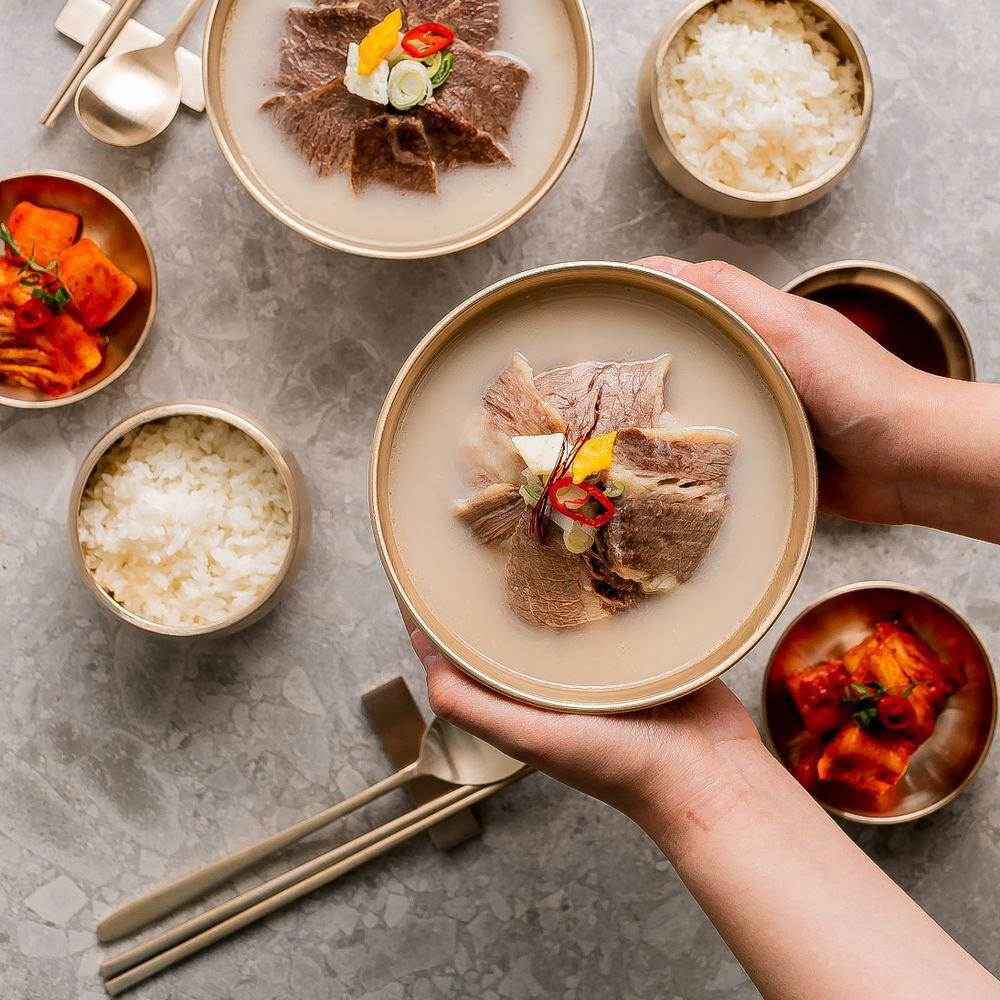
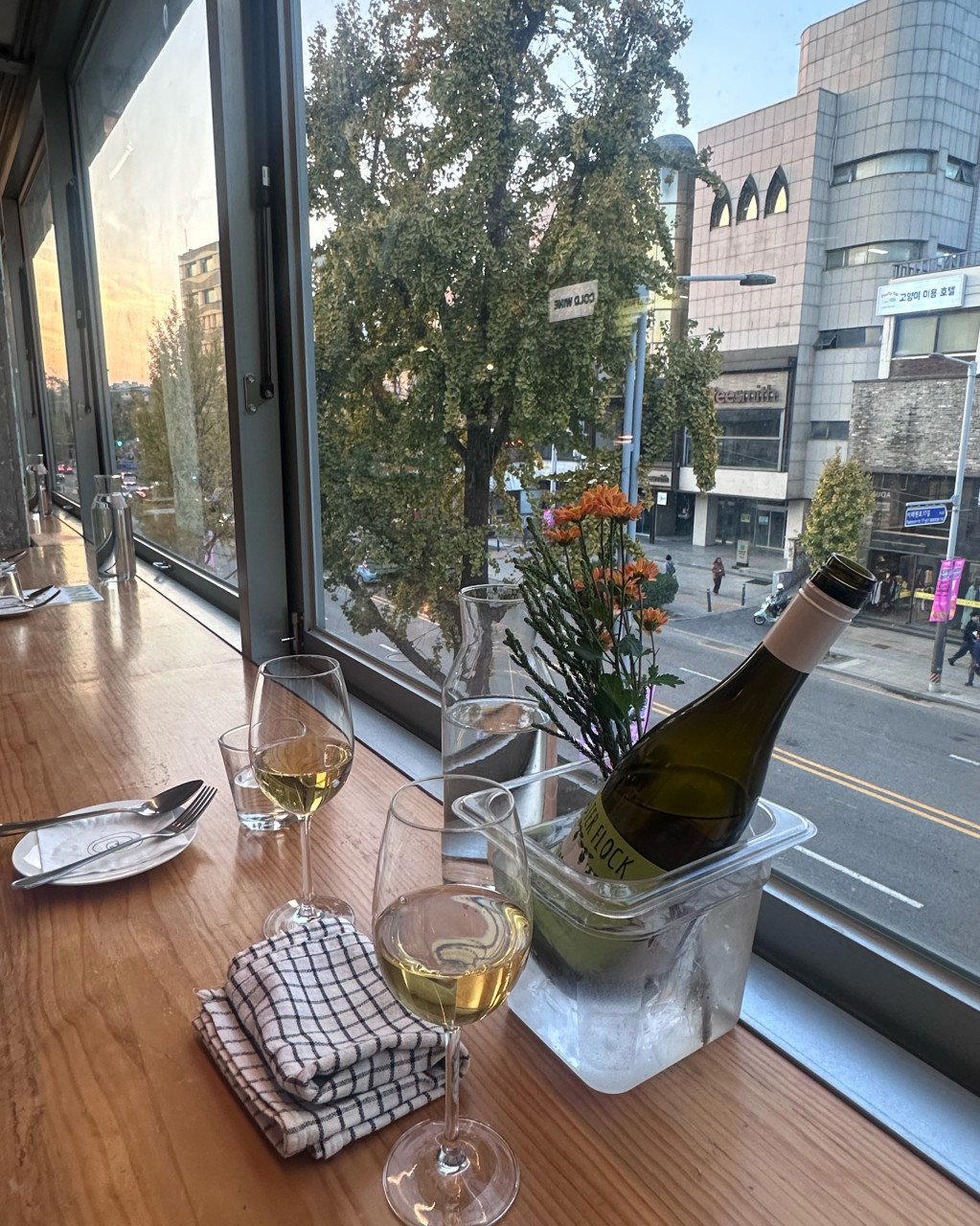
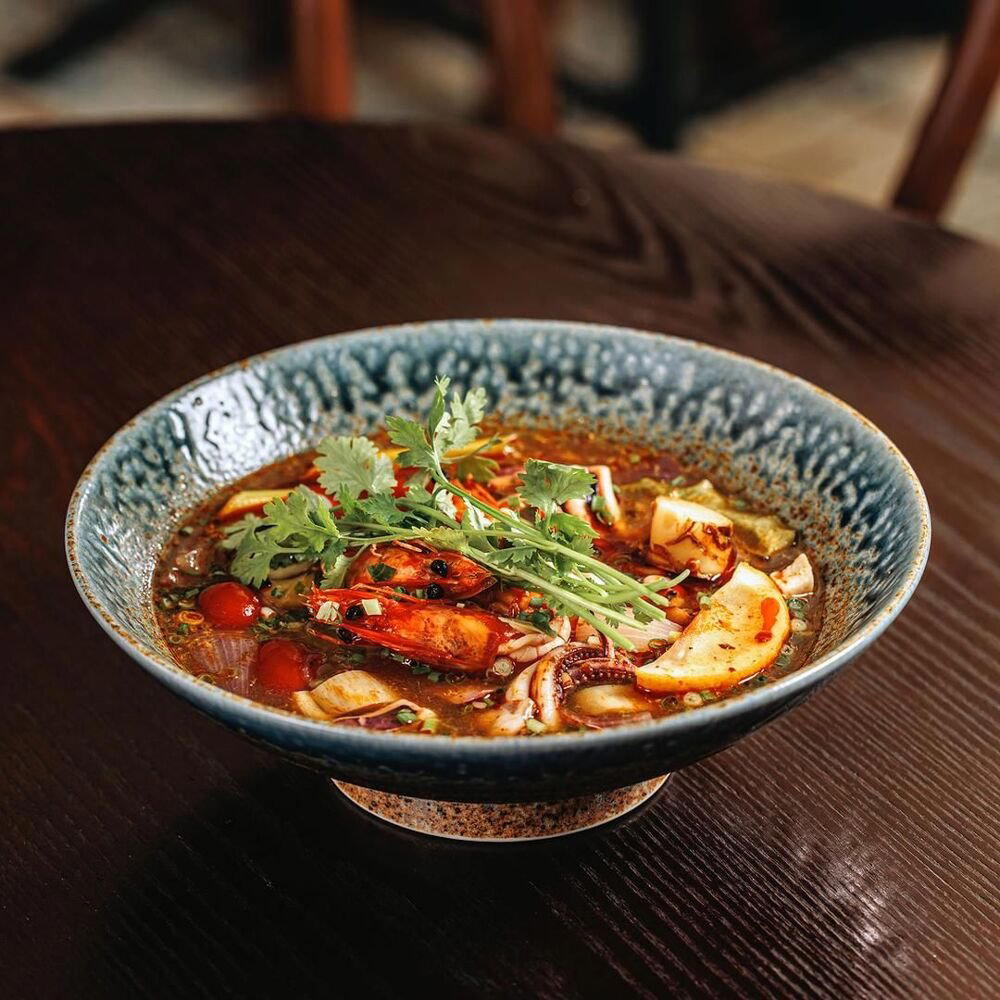
Bars in Busan
All bars in Busan →
Details
- Cozy
- Rustic
- Classic
- Casual Hangout
- Group Dining
- Family
- Standalone
- Set Menu
- Family Style
Current opening hours
- Monday
- 11 AM–9 PM
- Tuesday
- 11 AM–9 PM
- Wednesday
- Closed
- Thursday
- 11 AM–9 PM
- Friday
- 11 AM–9 PM
- Saturday
- 11 AM–9 PM
- Sunday
- 11 AM–9 PM
Hours can change for holidays and private events. Hours as of .
Cozy 1990s home atmosphere with warm, homey lighting and intimate low-table seating that evokes nostalgic comfort.