IAán

Michelin Plate
Our verdict
IAán occupies a calm corner of Haeundae's Dalmaji-gil strip, where French technique and Korean culinary tradition meet at a level of balance rarely found in Busan's contemporary dining scene. Dish names are Korean, sauces are French, and the carpeted, minimalist room makes the case that this kind of fusion works best when restraint is the guiding principle. A serious address for wine and food that rewards those who seek it out.

Pearl is the En Primeur Club membership app, where members save venues, book tables and use the concierge.
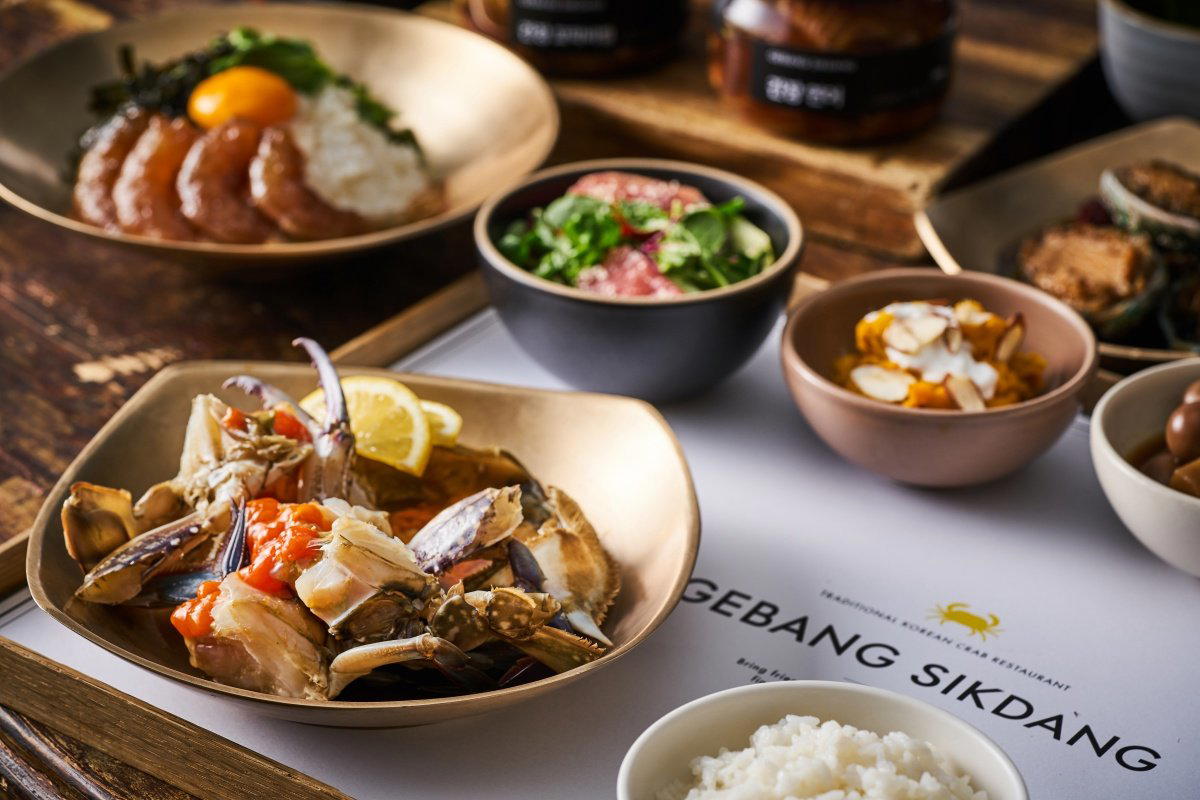
The menu
What to order
- Tomato hwachae
- Perilla seed bibim noodles
Where French Technique Meets Korean Flavour on Dalmaji-gil
Dalmaji-gil, the hill road that curves above Haeundae Beach toward the pine-covered bluff, has long attracted galleries, wine bars, and the quieter kind of dining that Busan's seafront crowds rarely stumble into. The street rewards deliberate visitors rather than foot traffic, and IAán, at number 88 on Dalmaji-gil 65beon-gil, belongs to that logic. The room itself signals intent from the moment you enter: carpeted floors muffle the city outside, minimalist tables strip away visual noise, and the atmosphere settles into something warm and considered rather than performative. It is the kind of space that makes the dining room feel like a place to think, and what arrives at the table gives you something to think about.
The Franco-Korean Register: A Wider Pattern in Korean Fine Dining
South Korea's contemporary fine dining scene has spent the last decade renegotiating what fusion means at the higher end of the market. The earlier model, which often meant European ingredients applied to Korean plating aesthetics, has given way to something more technically grounded. Restaurants like Mingles in Seoul and Kwon Sook Soo in Gangnam-gu have established what a serious Korean-European dialogue looks like when it is driven by sauce work, fermentation logic, and sourcing discipline rather than novelty plating. IAán operates within this broader register but does so from Busan, a city with its own distinct larder: the fish markets at Jagalchi, the pork broth tradition of dwaeji-gukbap, and coastal produce that differs materially from what Seoul kitchens draw on.
The result at IAán is a menu where the dish names are Korean and the conceptual anchors are local, but the sauces and structural logic are French. This is not a superficial layering. French cuisine's emphasis on reduction-based sauces, precise emulsification, and temperature control as a cooking variable requires a different ingredient relationship than Korean braising or fermentation traditions. When a kitchen deploys both vocabularies with discipline, the sourcing question becomes compound: what do these ingredients need to do, and which tradition leading serves that function? IAán's kitchen appears to have asked that question carefully, and the sauce work in particular has drawn notice for its balance, suggesting a command of technique that goes beyond visual fusion.
Ingredient Sourcing and What the Busan Location Implies
Busan's position as South Korea's primary port city gives its kitchens access to seafood provenance that Seoul restaurants often have to replicate through supply chain logistics. The East Sea and South Sea produce different fish profiles, and the city's proximity to that supply chain is a material advantage for any kitchen building menus around fresh marine ingredients. A Franco-Korean kitchen in this location has a specific opportunity: French sauce technique applied to fish and shellfish sourced at the point of origin rather than days into transit. That combination of provenance and technical approach is what distinguishes the more interesting contemporary addresses in Busan from those that simply replicate a Seoul or Tokyo template.
IAán's position on Dalmaji-gil, rather than in the central Seomyeon or Nampo-dong dining clusters, also places it physically closer to the Haeundae fishing piers and the eastern coastal markets. For context on how Busan's other contemporary addresses handle sourcing and style, Palate at the ₩₩ tier and Mori at ₩₩₩ represent the contemporary and Japanese-focused ends of the city's mid-to-upper dining spectrum respectively.
What the Room Tells You
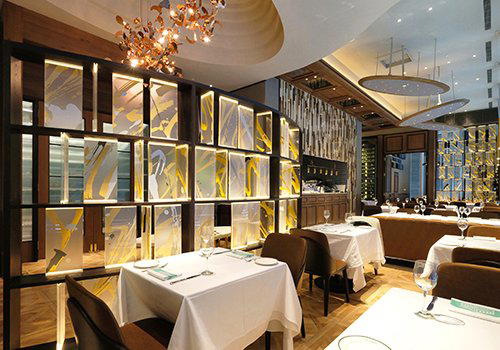
The physical environment at IAán functions as a position statement. Carpeted dining rooms in Korean restaurant culture are not common at the contemporary fine dining tier, where hard surfaces and open kitchens have become the default aesthetic. The choice here reads as deliberate comfort prioritisation over design spectacle, which aligns with the overall tenor of the cooking: technique-forward and quietly confident rather than theatrical. Minimalist tables allow the food and wine to carry the visual weight of the meal, and the calm atmosphere described consistently in recognition of this address suggests that the room and the menu are calibrated to the same frequency.
For context within Busan's wider restaurant spectrum, Born and Bred at the ₩₩₩₩ tier occupies the premium steakhouse end of the market, while the city's foundational food traditions, pork broth at addresses like Anmok and cold noodle specialists like 100.1. Pyeongnaeng, define what local diners grew up eating. IAán sits between these poles, drawing on Korean culinary DNA while applying a European technical layer that connects it to a different competitive conversation. Comparable exercises in Korean-French dialogue can be tracked at Double T Dining in Gangneung and, at an entirely different scale, at reference-point French kitchens like Le Bernardin in New York City, where French sauce architecture applied to seafood remains the benchmark.
Planning a Visit
IAán is located at 88 Dalmaji-gil 65beon-gil in Haeundae-gu, which places it on the hill road above the beach rather than in the main Haeundae commercial zone. The address is accessible by taxi from Haeundae subway station in under ten minutes, though the road itself warrants arriving with a specific address in hand for any navigation app. Given the intimate room size and the level of attention described by those familiar with the kitchen, advance reservation is advisable rather than optional. The quiet, carpeted room and wine-focused atmosphere make this an address suited to an unhurried dinner rather than a quick meal. For further context on Busan's dining options across categories, our full Busan restaurants guide covers the city's wider range, and our Busan bars guide can help complete an evening that starts on Dalmaji-gil. If you are planning accommodation, our Busan hotels guide covers the Haeundae area in detail. Additional regional dining context is available through Pool House in Incheon, The Flying Hog in Seogwipo, and Baegyangsa Temple in Jangseong-gun for a broader picture of Korea's regional dining range. For those interested in Busan's other dimensions, our wineries guide and our experiences guide round out the picture. The Emeril's model in New Orleans, where a defined regional identity is filtered through French classical training, offers a useful analogy for what IAán is doing on a smaller, quieter scale; see Emeril's in New Orleans for that reference point. And for the noodle traditions that define Busan's street-level food culture, 1969 Buwondong Kalguksu provides essential local grounding.
Frequently asked questions
What's IAán known for in terms of accolades?
IAán has received recognition including: This restaurant showcases bold contemporary flavours derived from classic French and Korean cuisine. The dish names are Korean, yet the sauces and plating are distinctly French. The chef's remarkable ability to balance sauces suggests even ….
What's the address for IAán?
IAán is located at 88 Dalmaji-gil 65beon-gil, Haeundae-gu, Busan.
What's the signature dish at IAán?
That balance of French classical technique with Korean culinary identity is what Michelin observers have flagged as the most distinctive element of the cooking here.
Can I walk in to IAán?
No booking contact details are publicly listed for IAán at 88 Dalmaji-gil 65beon-gil, Haeundae-gu, so confirming availability before visiting is advisable. The room is described as cosy rather than large, which typically means covers are limited and walk-in availability is not reliable, especially at weekends.
What's the defining dish or idea at IAán?
The defining idea is the structural contrast built into each plate: dish names are Korean, but the sauces and plating method are drawn from the French classical repertoire. Michelin reviewers specifically called out the chef's sauce balance as the technical achievement that sets this kitchen apart from peers working in the same Franco-Korean register.
Can IAán adjust for dietary needs?
No specific dietary accommodation policy is documented for IAán. Given the tasting-menu format implied by the French-technique approach and the intimate room size noted in Michelin coverage, dietary requirements are best communicated at the time of reservation rather than on arrival.
How does IAán differ from other contemporary Korean fine dining restaurants in Busan?
Most Franco-Korean fine dining in South Korea is concentrated in Seoul, making IAán's position on Dalmaji-gil in Haeundae-gu relatively distinct within the Busan dining scene. Michelin coverage highlights that the kitchen commits to Korean dish naming while deploying French sauce construction throughout, a structural choice rather than a cosmetic one. Busan's port access also gives the kitchen proximity to seafood sourcing that Seoul-based restaurants in the same style cannot replicate directly.
How It Stacks Up
Comparable venues nearby, for context on price, style, and recognition.
| Venue | Cuisine | Price | Awards | Notes |
|---|---|---|---|---|
| IAánThis venue (the venue you are viewing) | Contemporary French-Korean Fusion | Not listed | Michelin Plate | Not listed |
| Cha Ae Jeon Halmae Kalguksu | Traditional Korean Kalguksu Noodles | Not listed | Michelin Plate | Yeonsan 9(gu)-dong |
| Kumsu Bokguk | Traditional Korean Pufferfish (Fugu) Restaurant | $20–30 | Michelin Plate | Jung 1(il)-dong |
| 1969 Buwondong Kalguksu | Traditional Busan Kalguksu | $1–10 | Michelin Plate | Nampo-dong |
| Songheonjip | Traditional Korean Grilled Short Rib Patties | $10–20 | Michelin Plate | Millak-dong |
| Buda Myeonoak | Traditional Korean Naengmyeon | $10–20 | Michelin Bib Gourmand | Jung 1(il)-dong |
Recognition history
Dated appearances from independent guides and award organizations, with the underlying list record or original source where available.
Michelin Plate
Michelin
Continue exploring
More in Busan
Restaurants in Busan
All restaurants in Busan →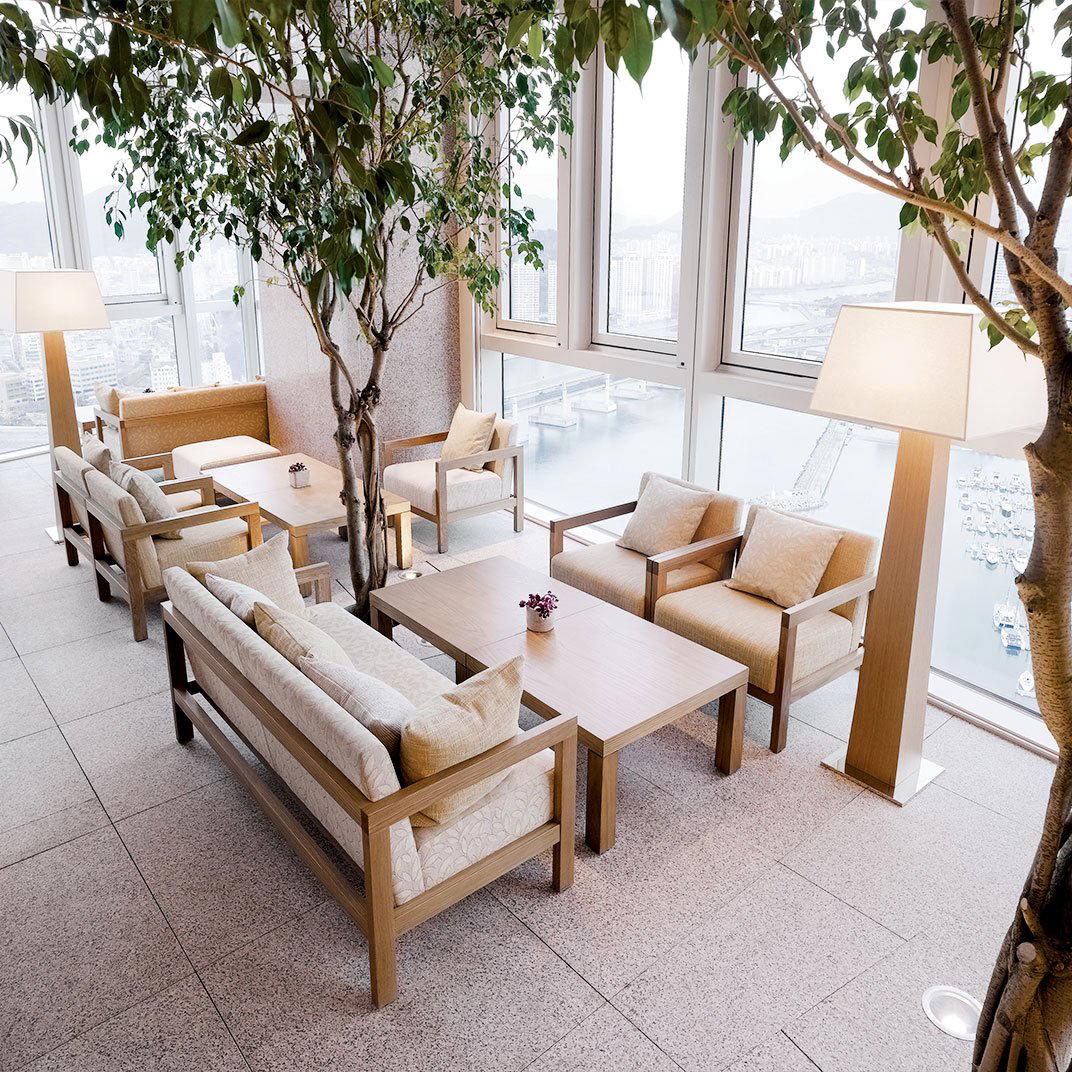
Bars in Busan
All bars in Busan →
Details
- Romantic
- Quiet
- Elegant
- Minimalist
- Cozy
- Date Night
- Special Occasion
- Open Kitchen
- Standalone
- Tasting Menu
- Wine
Warm, calm, and refined atmosphere created by cozy carpets and minimalist tables, designed as a quiet retreat for unwinding over good food and wine.