Namakzip

Namakzip is a Michelin Plate-recognised dwaeji-gukbap specialist in Busan's Nam-gu district, holding consecutive Plate awards in 2024 and 2025. At the single-won price tier, it represents the serious end of Busan's most deeply rooted soup tradition, a broth format with postwar origins that the city claims as its own.
Pearl is the En Primeur Club membership app — saves, bookings, and concierge access live there. Same editors, same standards.
- Address
- South Korea, Busan, Nam-gu, 스퀘어 Bunpo-ro, 145 동 1층 1068호
- Phone
- +82 51-746-4882
- Website
- namakzip.com
- Directions
- Get directions
 Saves & bookings on Pearl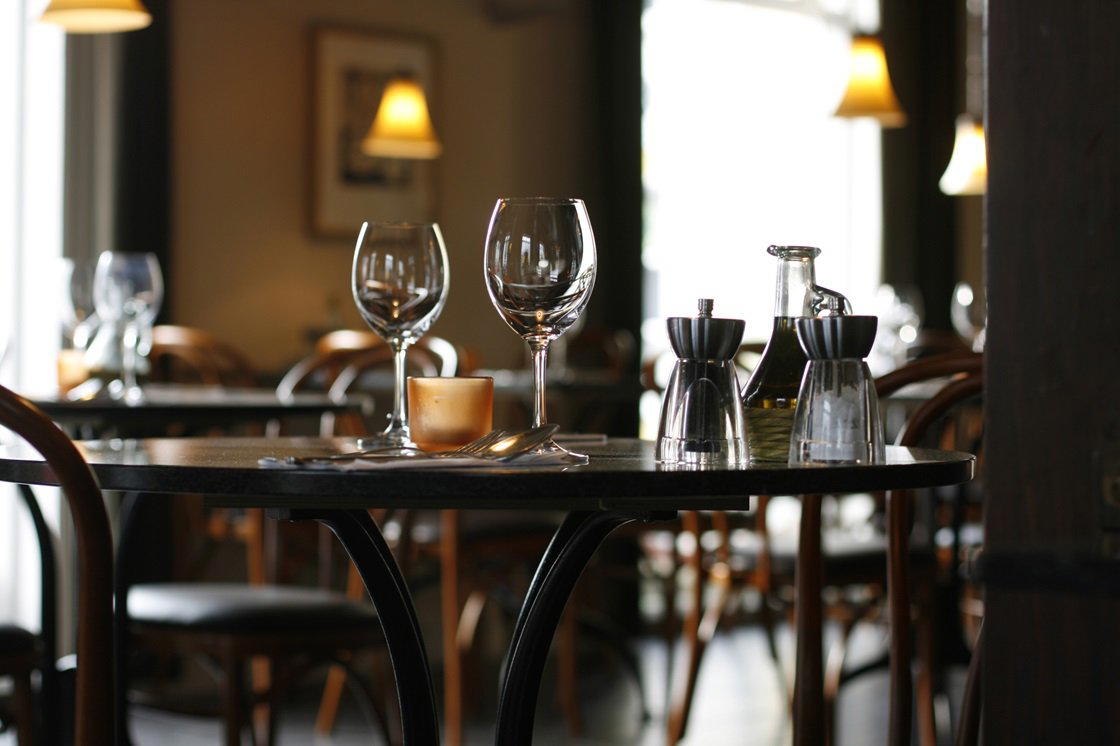
Where Busan's Foundational Soup Gets Serious Attention
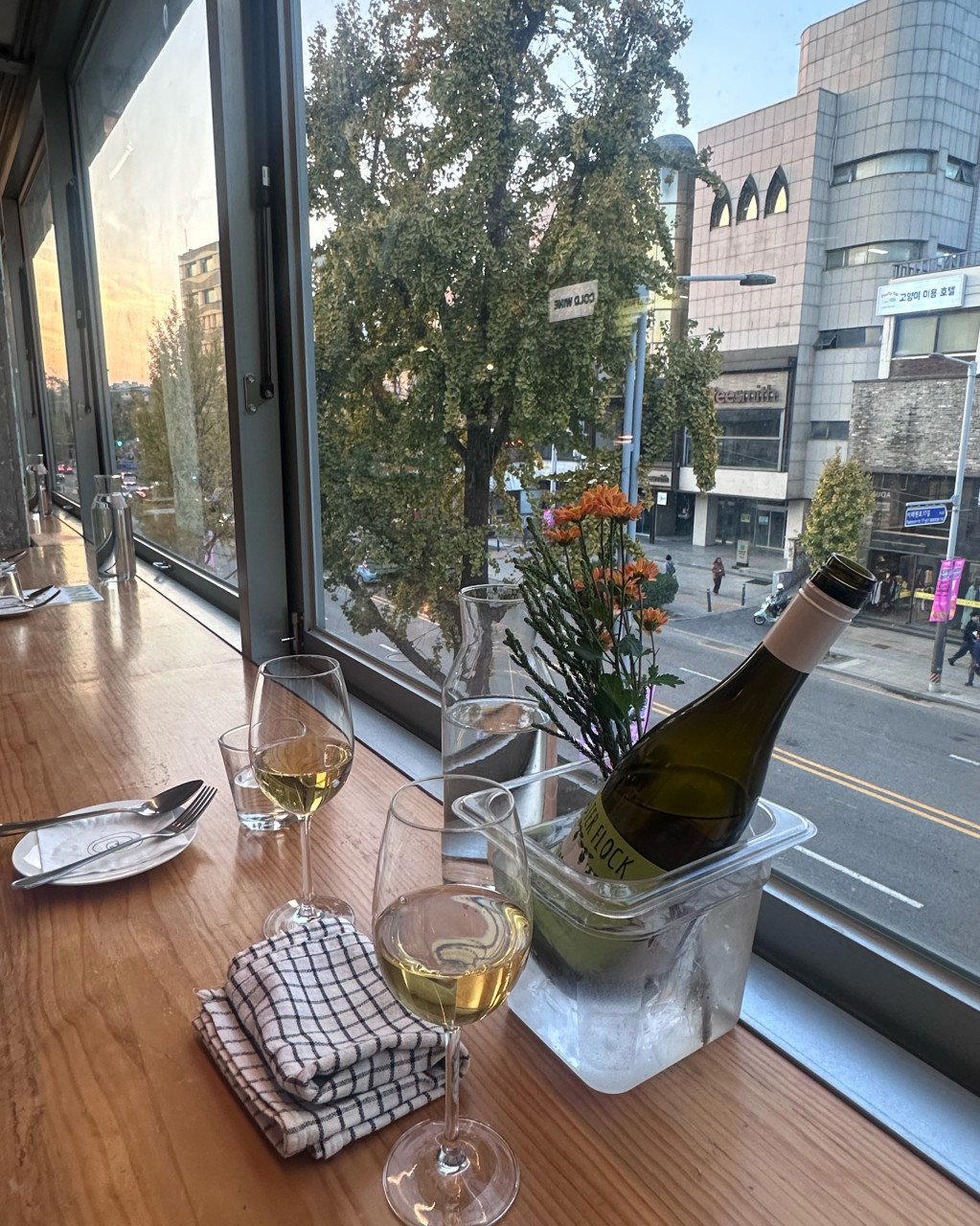
Nam-gu sits south of the city's tourist circuit, a residential and commercial district where the eating tends to be purposeful rather than performative. Bunpo-ro is that kind of street: functional storefronts, little in the way of design signalling, the kind of neighbourhood where a restaurant earns its reputation through repeat local custom rather than foot traffic. Namakzip occupies a ground-floor unit in a building that makes no particular announcement of itself. The atmosphere, if you approach it with the right expectations, is precisely the point: dwaeji-gukbap was never a cuisine built for spectacle.
The Dish and What Busan Made of It
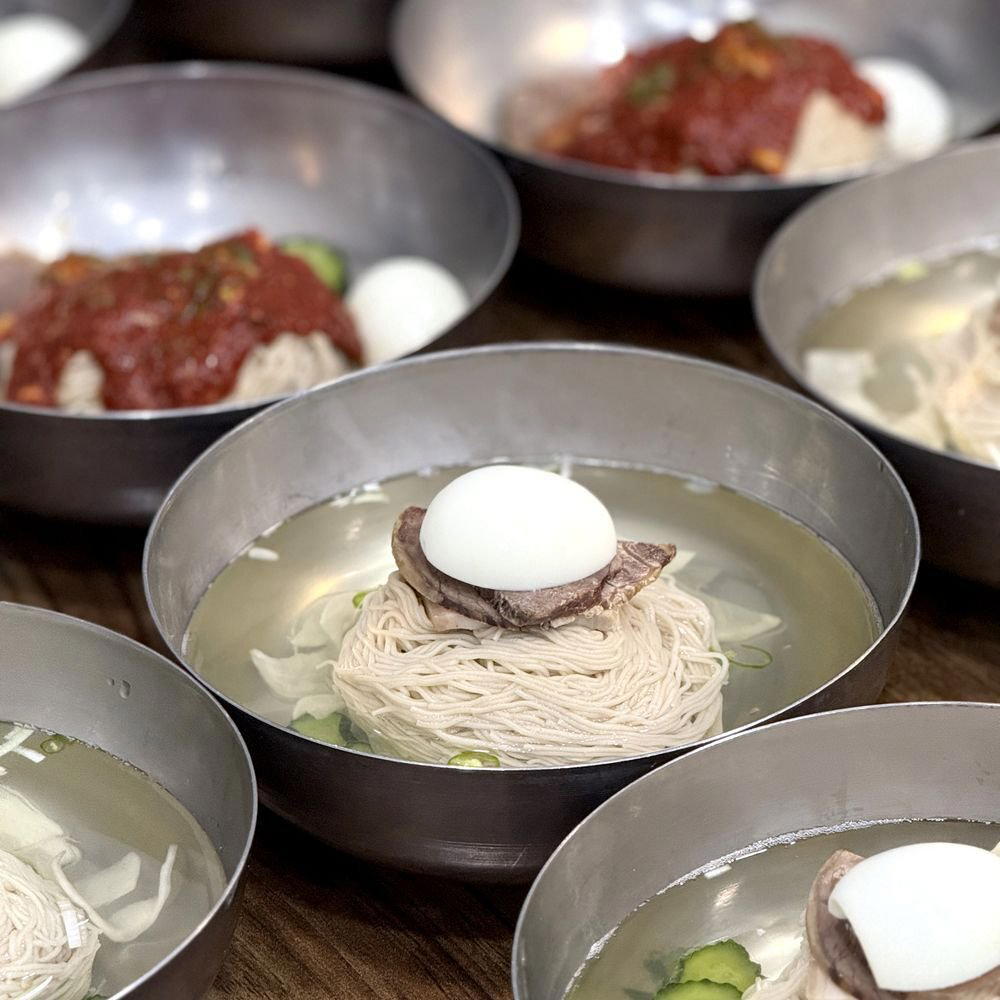
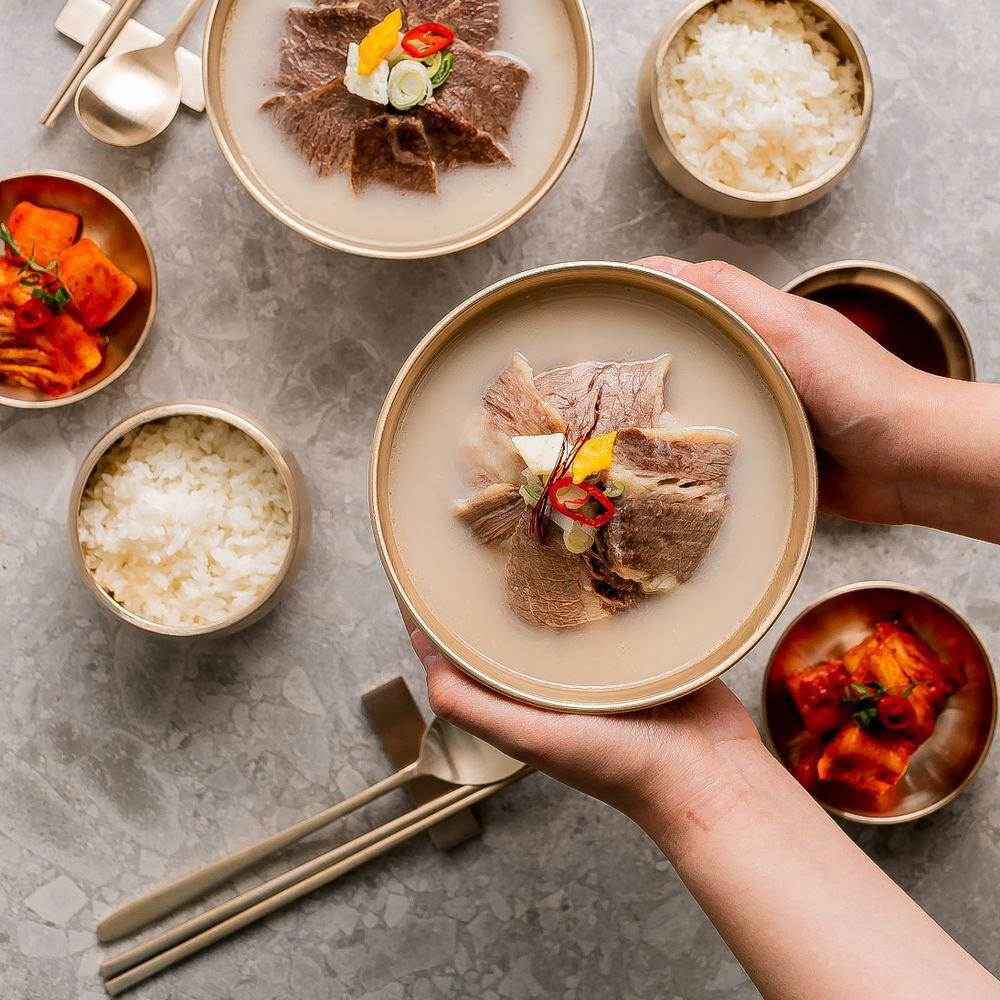
Dwaeji-gukbap, pork and rice soup, carries a specific civic weight in Busan. The format emerged in the city's displaced-persons settlements after the Korean War, when pork bones and offcuts became the base for a sustaining broth that could feed quickly and cheaply. Seventy-plus years later, it remains the dish most associated with the city, served in a format that has changed remarkably little: a bowl of milky white pork broth, plain-boiled rice either already submerged or served separately, and a set of accompaniments, kimchi, salted fermented shrimp, green onions, that the diner assembles at the table. The technique is fundamentally about the broth: long extraction, careful skimming, a collagen-heavy opacity that reads more like a light béchamel than a clear stock.
What separates the serious practitioners from the functional ones is the management of that broth. The pork-to-water ratio, the cut selection, the degree of opacity, the fat content, these are the variables that differentiate one bowl from the next in a city where dozens of restaurants serve nominally the same dish. Busan's dwaeji-gukbap specialists sit in a different competitive register from their Seoul counterparts: venues like ANAM, Gwanghwamun Gukbap, and Okdongsik operate in a capital city where the dish is encountered but not deeply rooted. In Busan, it is the baseline expectation, which means the standard is set by local consensus rather than novelty.
The Michelin Signal and What It Means at This Price Point
Namakzip holds Michelin Plate recognition for both 2024 and 2025, consecutive years that suggest the inspectors found consistency rather than a one-time performance. The Plate designation in the Michelin system indicates good cooking, a step below Bib Gourmand (which requires strong value relative to quality) and well below star level, but a meaningful signal in a category that Michelin inspectors do not instinctively prioritise. The fact that the award attaches to a low-price restaurant serving a Busan staple says something about where the guide's Korean editorial has arrived.
For comparison, Busan's Palate operates at the ₩₩ contemporary tier, while Mori sits at ₩₩₩ in the Japanese register. Namakzip's single-won bracket places it at the accessible end of Busan dining, which in the context of Michelin recognition is notable: the guide is effectively saying the bowl is worth your attention on its own terms, not as a curiosity.
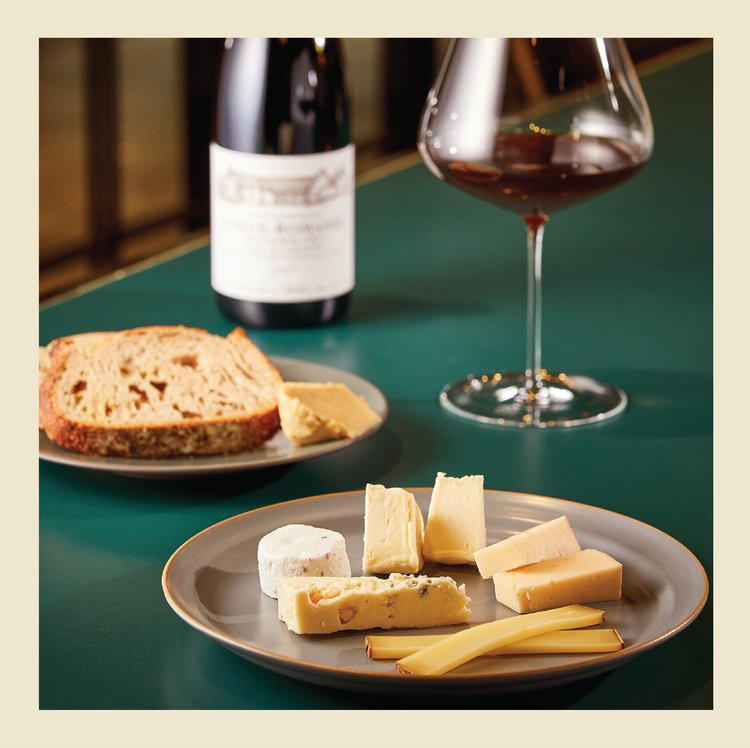
Among direct dwaeji-gukbap peers in Busan, Anmok operates at the same single-won tier and represents the broader competitive set within which Namakzip is positioned. At this price level, differentiation comes entirely from execution: there is no service theatre, no wine list, no room design to absorb the quality gap if the broth falls short.
Technique Inside Tradition: The Ingredient-Method Question
Dwaeji-gukbap sits at an interesting intersection when considered through the lens of how Korean food has evolved. The base technique, long bone extraction, milky emulsification, is indigenous and predates any outside culinary influence. What has changed in the more attentive contemporary versions is the sourcing logic: breed selection, regional pork provenance, and the growing interest among serious practitioners in applying the same rigour to raw ingredient quality that was historically reserved for elaborate preparations. This mirrors a shift visible across Korean fine dining, where venues like Mingles in Seoul and Gaon in Seoul have built international reputations on the argument that traditional Korean ingredients and formats deserve the same technical precision as any European framework. At the street-food tier, the equivalent argument is quieter but present: a well-made dwaeji-gukbap is not a simple thing, and the Michelin attention signals that inspectors are now making that case publicly.
That context connects Namakzip to a wider moment in Korean dining. The same seriousness around domestic ingredients and classical forms that defines 권숙수 - Kwon Sook Soo in Gangnam-gu at the formal end is finding expression in pork broth restaurants in Busan's residential districts. The venues are radically different in format and price; the underlying argument is the same.
Getting There and Planning Your Visit
Namakzip is located at 145 Bunpo-ro, Nam-gu, Busan, ground floor, unit 1068-ho. Nam-gu is accessible from central Busan by subway (Daeyeon or Gyeongseong University stations are reference points in the district, though confirmation of the closest stop to this specific address is worth checking in advance). Arrival timing is worth considering: dwaeji-gukbap restaurants in Busan peak at breakfast and lunch, when the dish functions as the meal it was designed to be, rather than an evening novelty.
For visitors building a broader Busan itinerary, Hapcheon Gukbapjip and Jeongjitgan offer additional reference points within the local eating scene.
Cuisine-First Comparison
Comparable venues nearby, for context on price, style, and recognition.
| Venue | Cuisine | Price | Awards | Notes |
|---|---|---|---|---|
| NamakzipThis venue — the venue you are viewing | Modern Dwaeji-Gukbap | $$ | Michelin Plate | Not listed |
| 1969 Buwondong Kalguksu | Traditional Busan Kalguksu | $ | Michelin Plate | Nampo-dong |
| Cha Ae Jeon Halmae Kalguksu | Traditional Korean Kalguksu Noodles | $$ | Michelin Plate | Yeonsan 9(gu)-dong |
| Jin Dweji Gomtang | Modern Dwaeji Gomtang | $ | Michelin Plate | Millak-dong |
| 모리 | korean | Not listed | Not listed | Jung 1(il)-dong |
| Anmok | Modern Korean Dwaeji-Gukbap | $ | Bib Gourmand | Namcheon 1(il)-dong |
Recognition history
Dated appearances from independent guides and award organizations, with the underlying list record or original source where available.
Michelin Plate
Michelin
Michelin Plate
Michelin
Michelin Plate
Michelin
Continue exploring
More in Busan
Restaurants in Busan
Browse all →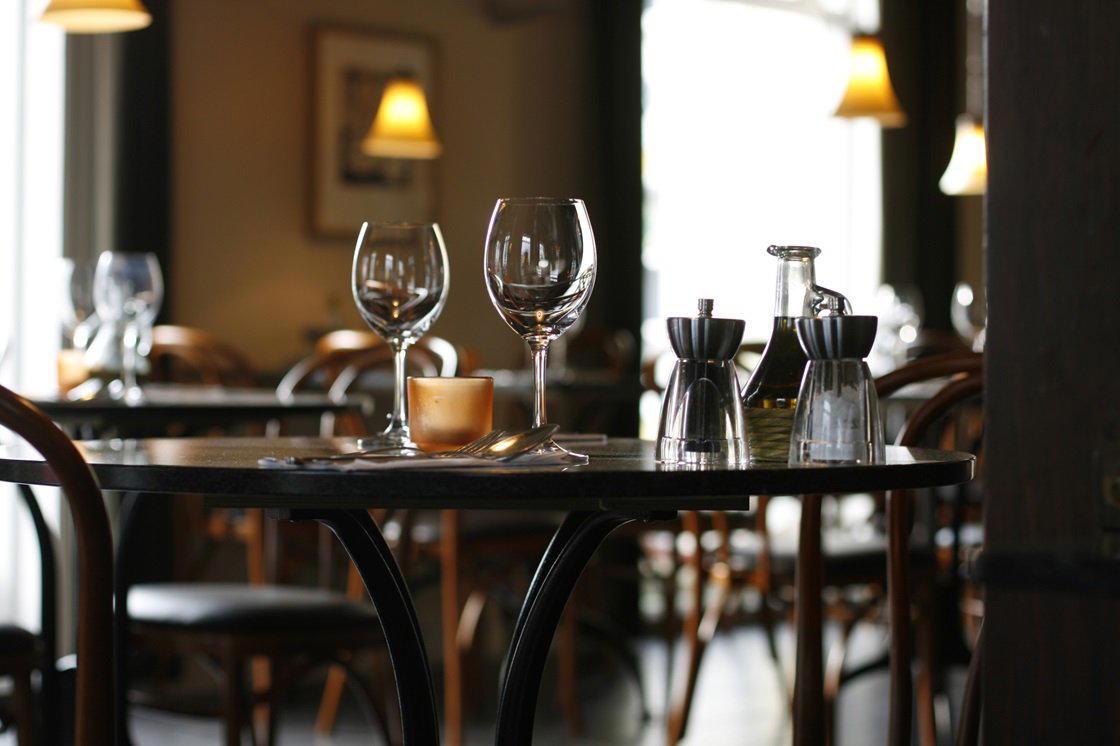
At a Glance
- Modern
- Minimalist
- Casual Hangout
- Open Kitchen
Current opening hours
- Monday
- 11:30 AM–3 PM, 5–9 PM
- Tuesday
- 11:30 AM–3 PM, 5–9 PM
- Wednesday
- 11:30 AM–3 PM, 5–9 PM
- Thursday
- 11:30 AM–3 PM, 5–9 PM
- Friday
- 11:30 AM–3 PM, 5–9 PM
- Saturday
- 11:30 AM–3 PM, 5–9 PM
- Sunday
- 11:30 AM–3 PM, 5–9 PM
Hours can change for holidays and private events. Last verified .
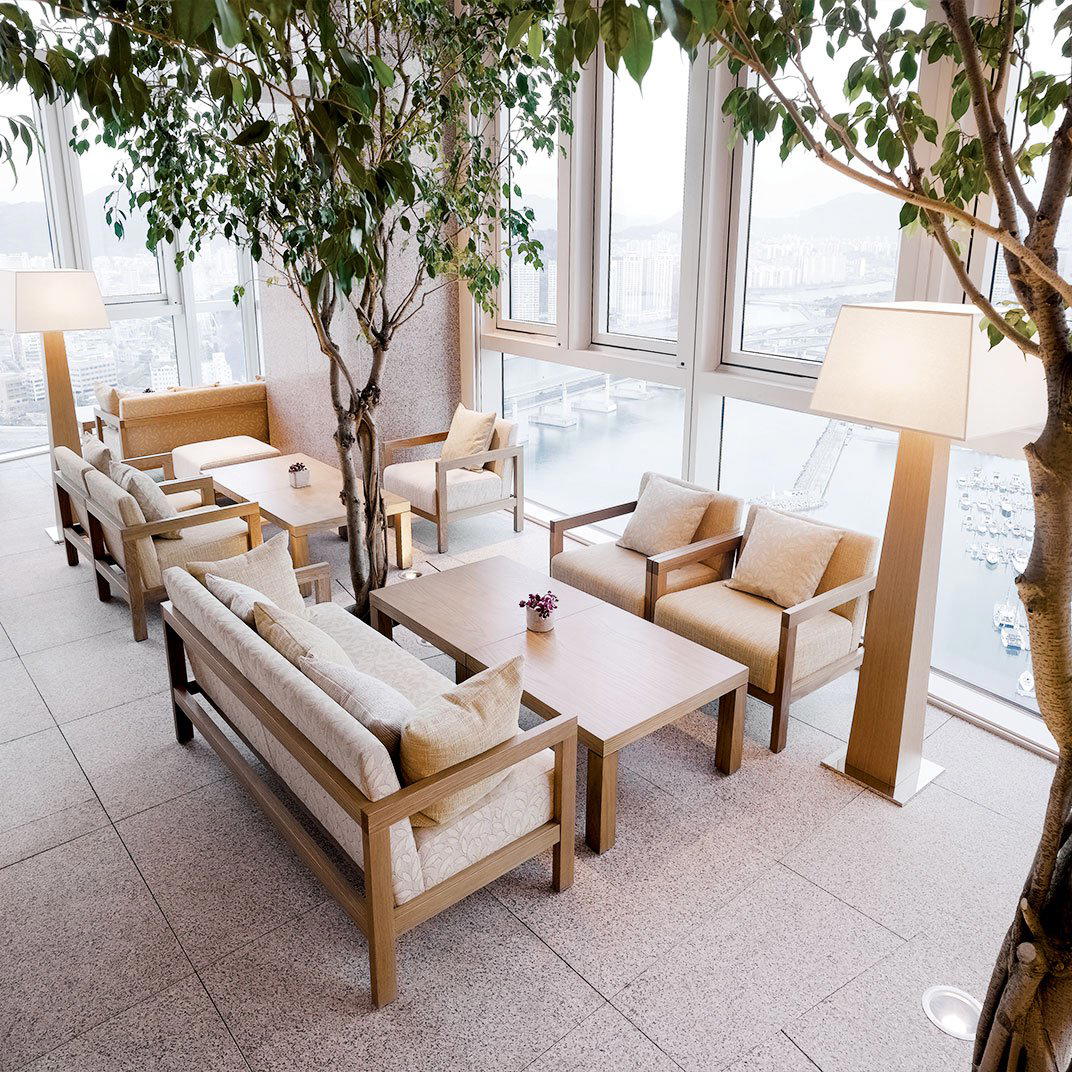
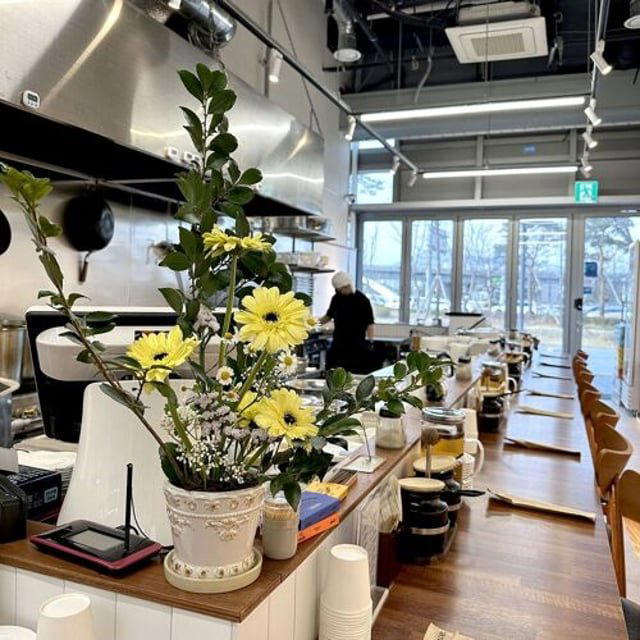
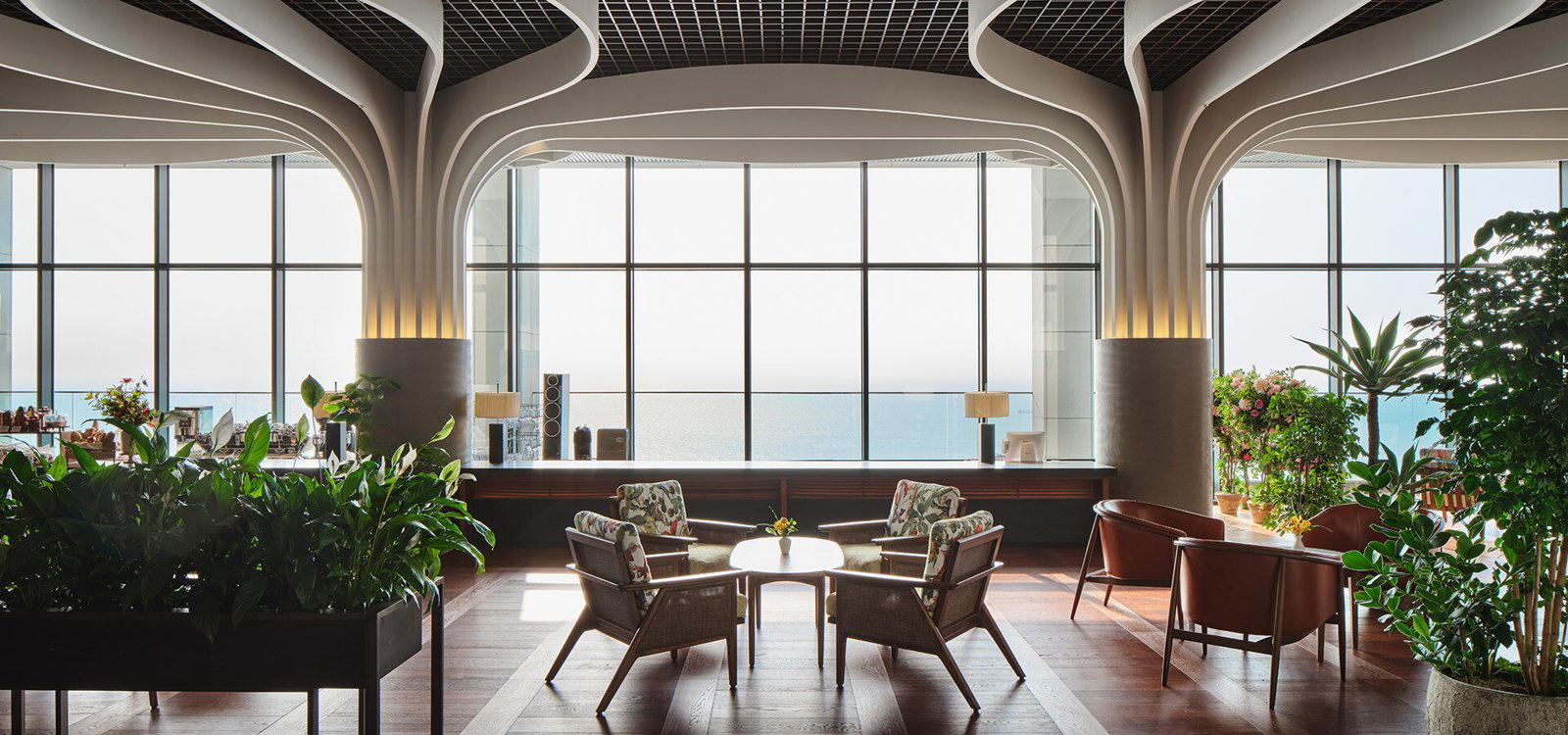
Modern minimalist dining room with functional warm lighting, uncluttered plating, and low comfortable conversation levels.