Sombrero Latino brings Latin American flavour to Adolfstraße in central Wiesbaden, occupying a dining tier that sits well apart from the city's formal German and French tables. The atmosphere leans warm and sociable, reflecting the communal traditions behind the cuisine. For visitors working through Wiesbaden's dining options, it represents a change of register from the region's seasonal and classical kitchens.
Pearl is the En Primeur Club membership app — saves, bookings, and concierge access live there. Same editors, same standards.
- Address
- Adolfstraße 3, 65185 Wiesbaden, Germany
- Phone
- +4961136029383
- Website
- sombrerolatino.de
- Directions
- Get directions
 Saves & bookings on Pearl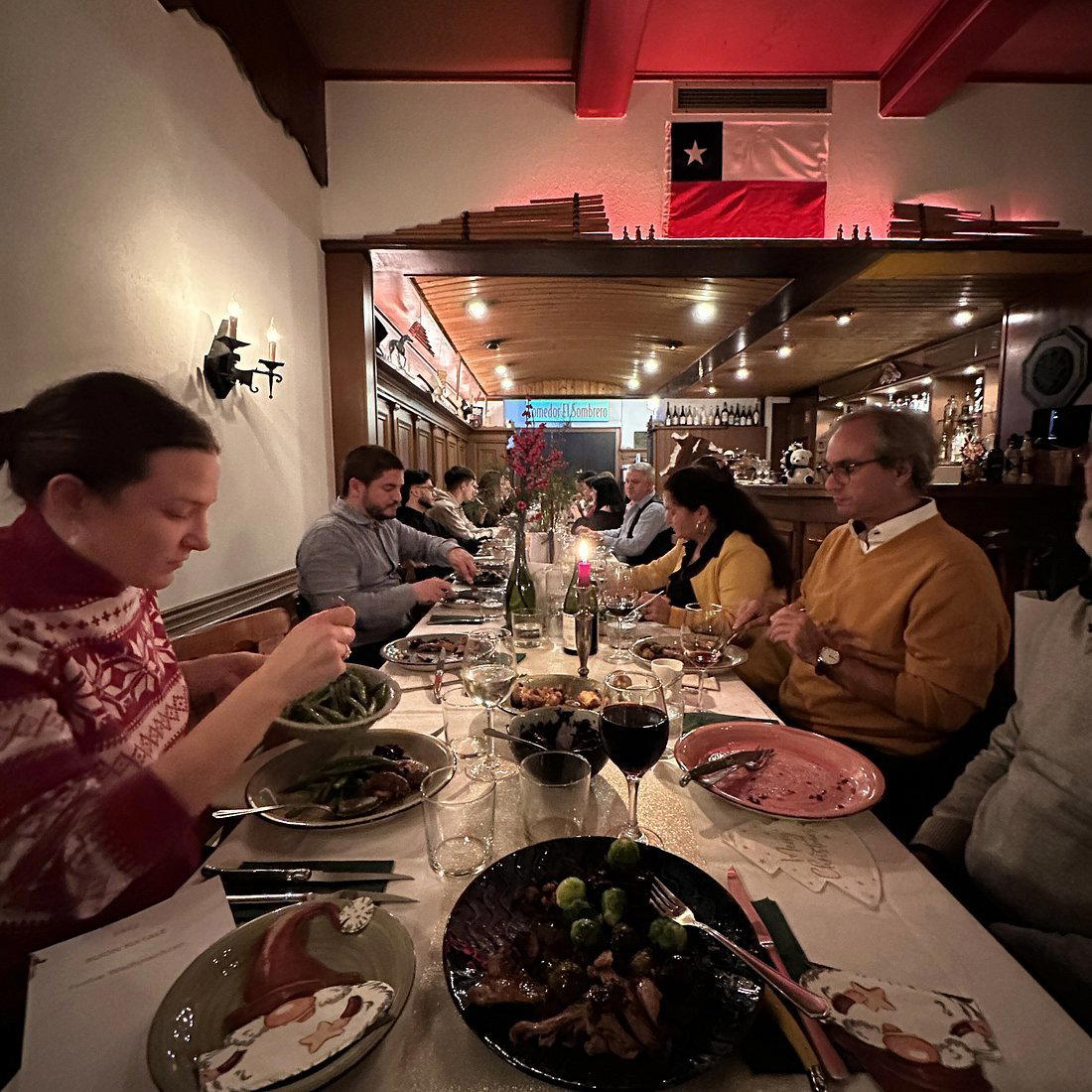
Latin Rhythm on Adolfstraße
Wiesbaden's dining character is anchored in Central European classicism: game-forward seasonal menus, classic French technique, and the kind of restrained refinement that suits a spa city with old money and a casino on the hill. Against that backdrop, a Latin American address on Adolfstraße 3 reads as a deliberate counterpoint. The colours tend warmer, the sounds more animated, and the underlying logic of the food, built around bold seasoning, communal formats, and the kind of spice registers that German kitchens rarely pursue, placing it in a different conversation entirely from neighbours like BENNER's Bistronomie or the French-leaning Chez Mamie.
Latin American restaurants have made inroads across Germany's mid-sized cities over the past decade, but they tend to cluster around a few recognisable formats: the Tex-Mex casual operation, the pan-Latin cocktail bar with food as secondary, and the more serious regional kitchen focused on a specific national tradition.
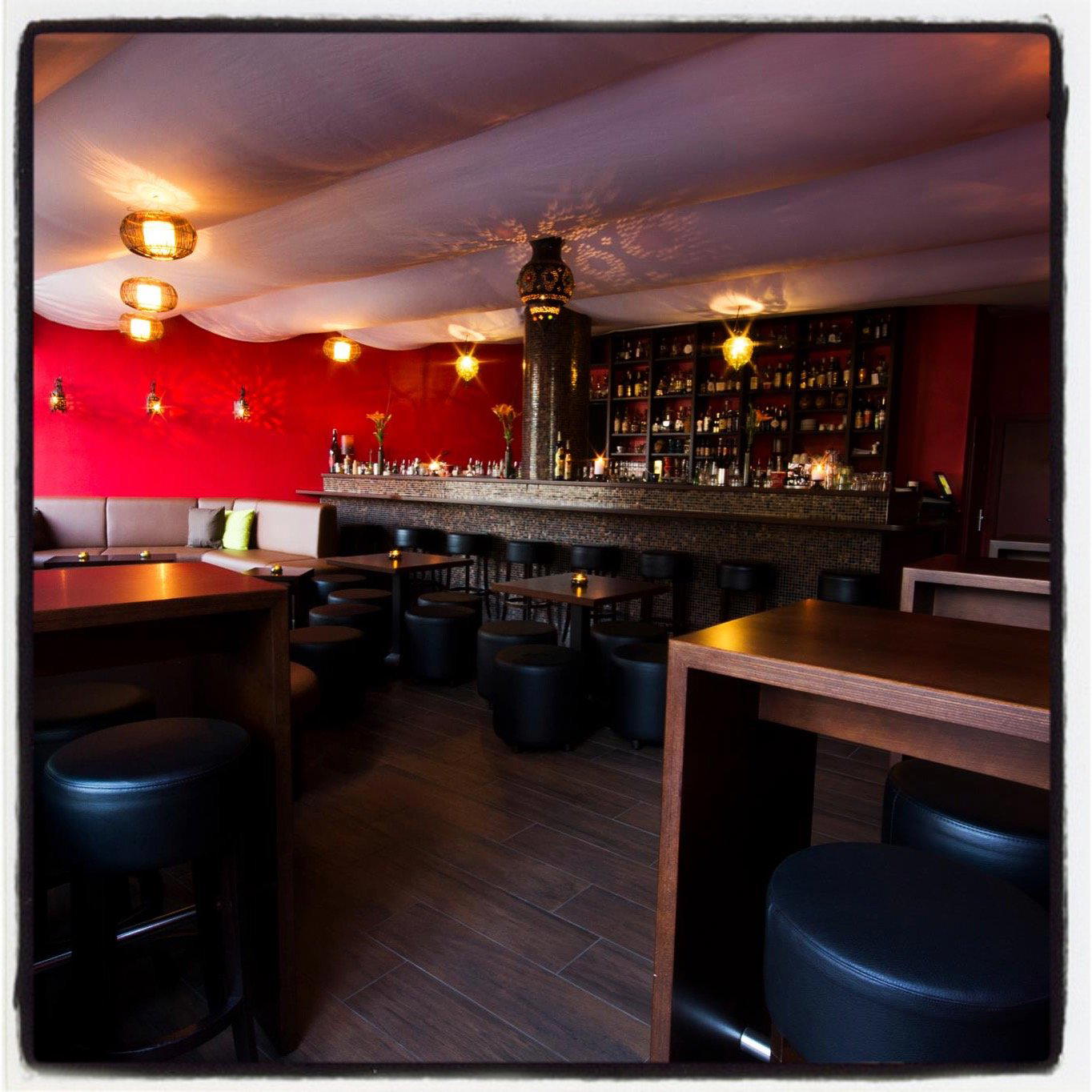
The Atmosphere: What You Encounter Walking In
The sensory register of a Latin American restaurant in a northern European city carries its own specific tension. The warmth, both physical and social, that defines dining culture in Mexico, Colombia, or Peru is partly a product of climate and tradition, and partly a challenge to recreate indoors in a German winter. Restaurants that manage it tend to rely on a combination of colour, music, and service energy rather than any single design gesture. The address on Adolfstraße places Sombrero Latino in the middle of Wiesbaden's pedestrian-adjacent commercial centre, where foot traffic is consistent and passing visibility matters.
For context on how the broader German fine dining scene contrasts with this kind of casual Latin format, the distance is considerable. Operations like Aqua in Wolfsburg or JAN in Munich represent the formal end of German dining ambition, with multi-course tasting structures and Michelin recognition. Sombrero Latino serves a different social function, closer to the convivial neighbourhood table than the destination-kitchen model. That positioning is not a limitation; it reflects a genuine strand of what cities need in their dining ecosystem.
Wiesbaden's Dining Spread and Where This Fits
The city's restaurant options span a wider range than its reputation for conservative taste might suggest. DAS GOLDSTEIN BY GOLLNER'S handles seasonal cuisine at the accessible end of the price range, while Di Gregorio anchors the Italian side and Comeback covers a more casual register. A Latin American kitchen adds variety in terms of flavour profile rather than price tier, filling a gap that European-focused restaurants, however accomplished, are not designed to address.
Across Germany, particularly credentialled kitchens, Schwarzwaldstube in Baiersbronn, Vendôme in Bergisch Gladbach, Waldhotel Sonnora in Dreis, operate within French or Central European traditions almost by definition. The space for cuisines from Latin America, Asia, or the Middle East exists primarily in the mid-market and casual tiers, where the dining proposition is about flavour access rather than technical prestige. That is where Sombrero Latino competes, and it is a legitimate position.
Seasonality and Timing in Wiesbaden
Wiesbaden's Rhine-Hesse proximity gives the city a milder microclimate than much of Germany, and the dining mood shifts noticeably by season. In summer, the pedestrian zones and terraced restaurants draw a different crowd than the winter evenings that push diners toward indoor warmth and heavier menus. A Latin American kitchen sits more comfortably in the warmer months, when its flavour register, citrus-forward, lighter, built around chili and herb rather than cream and reduction, aligns with what diners are inclined to want. Late spring through early autumn represents the natural window for this kind of cuisine in a Central European context.
Pairing a meal at the restaurant with something from the city's more formal tables, the seasonal focus of DAS GOLDSTEIN BY GOLLNER'S the following evening, gives a broader read of what Wiesbaden's dining spread covers.
How It Compares Further Afield
German cities are increasingly home to Latin American restaurants that take the source material seriously: proper nixtamalized corn, regional distinctions between Mexican, Peruvian, and Colombian traditions, and cocktail programs built around agave spirits and pisco rather than generic rum punch. The benchmark for Latin-inflected dining ambition in Europe sits higher than it did ten years ago, partly because of how seriously operations in London, Paris, and New York have treated the cuisine. Le Bernardin in New York City and Atomix in New York City demonstrate what happens when cuisines outside the European canon are taken to a technically rigorous level, a pressure that eventually filters through to every tier of the market.
Within Germany, more experimental dining formats like CODA Dessert Dining in Berlin or the precision of ES:SENZ in Grassau show the ceiling of what the country's kitchen culture can reach. The Latin American casual end of the market operates without that kind of scrutiny, which gives it freedom as well as a different set of expectations. For places like Schanz in Piesport, Restaurant Haerlin in Hamburg, or Victor's Fine Dining by christian bau in Perl, the conversation is about technique and sourcing at an elite level. For the restaurant, the conversation is about whether the food delivers on its flavour promise and whether the room feels right when you're in it.
Planning a Visit
The restaurant is located at Adolfstraße 3 in central Wiesbaden, within walking distance of the main train station and the Kurhaus district. The central address makes it accessible without planning, and for a restaurant at this casual positioning, walk-in availability is generally more realistic than at the formal tables further up the city's price tiers. Current hours and booking options should be confirmed directly. Visitors combining a Wiesbaden stay with regional exploration should note that the Rhine-Main transport network makes day trips direct, and the city's concentration of dining within a compact central grid means that moving between lunch and dinner venues requires little logistical effort.
Peers You’d Cross-Shop
Comparable venues nearby, for context on price, style, and recognition.
| Venue | Cuisine | Price | Notes |
|---|---|---|---|
| Sombrero LatinoThis venue — the venue you are viewing | Latin American Steakhouse | $$ | Not listed |
| Restaurant Da Enzo | Authentic Italian Osteria | $$ | :null |
| rue 1 by gollner's | Modern International Bistro | $$$ | Mitte |
| HENRICHS | Mediterranean-Asian Fusion Fine Dining | $$$ | Kureck |
| Yozora-17 Fusion Sushi - Wiesbaden | Fusion Sushi | $$$ | Rheinstraße |
| Di Gregorio | Traditional Italian Seafood | $$$ | Wiesbaden |
Continue exploring
More in Wiesbaden
Restaurants in Wiesbaden
Browse all →
Bars in Wiesbaden
Browse all →
Hotels in Wiesbaden
Browse all →



At a Glance
- Cozy
- Lively
- Rustic
- Date Night
- Casual Hangout
- Special Occasion
- Historic Building
- Extensive Wine List
Current opening hours
- Monday
- Closed
- Tuesday
- 5:30–11 PM
- Wednesday
- 5:30–11 PM
- Thursday
- 5:30–11 PM
- Friday
- 5:30–11 PM
- Saturday
- 5:30–11 PM
- Sunday
- 5–10 PM
Hours can change for holidays and private events. Last verified .
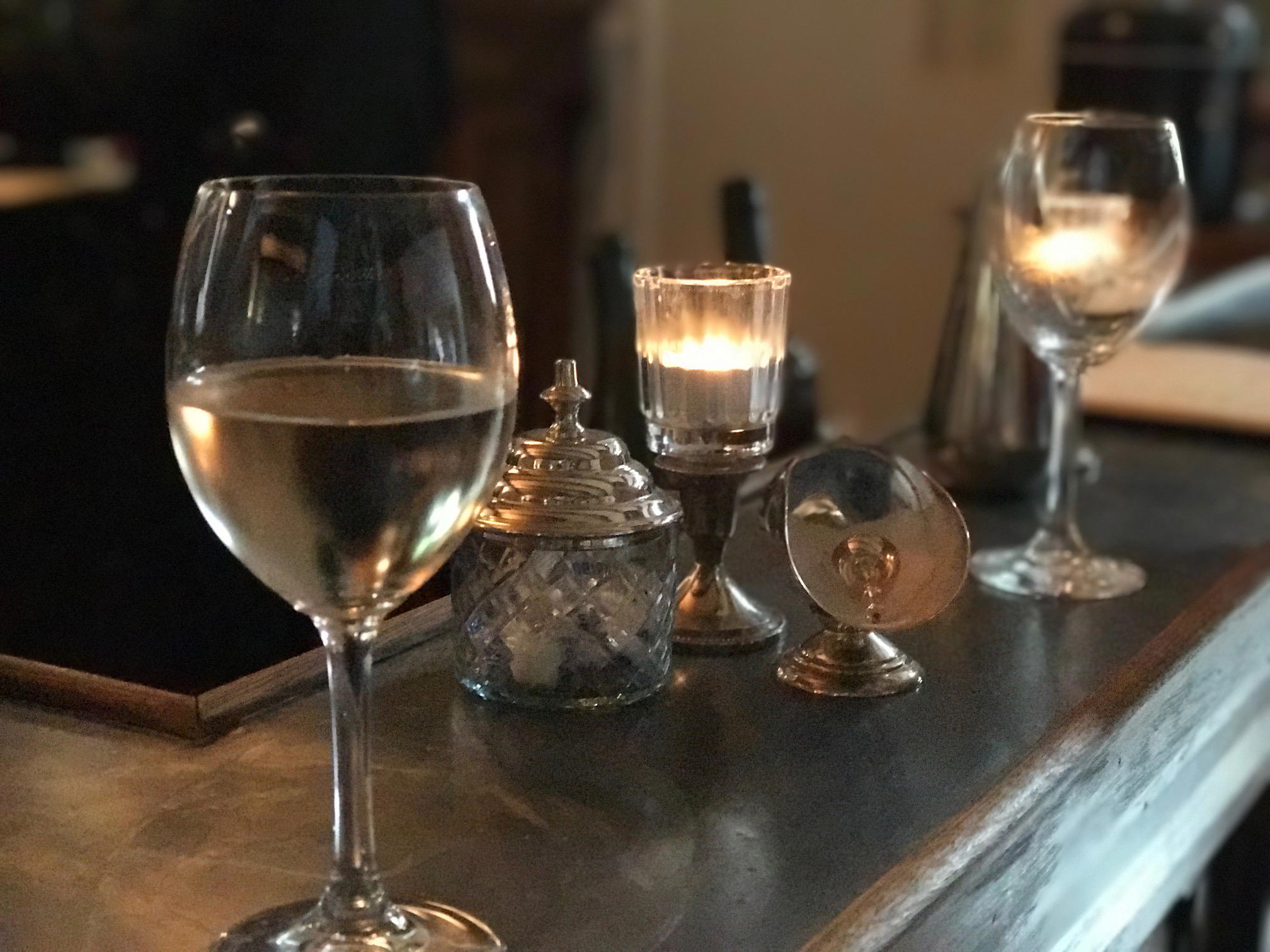
Warm and inviting atmosphere with friendly staff, great for candle-light dinners featuring fresh, high-quality meats and lively Latin energy.