Di Gregorio sits on Frankfurter Strasse in Wiesbaden, a city whose dining scene punches above its size relative to its Rhine-Main neighbours. The address places it squarely in the city's accessible dining corridor, where Italian and Mediterranean kitchens have found a durable audience among residents who commute to Frankfurt but eat locally. A reference point for the neighbourhood's more settled, neighbourhood-facing restaurant tier.
Pearl is the En Primeur Club membership app — saves, bookings, and concierge access live there. Same editors, same standards.
- Address
- Frankfurter Str. 36, 65189 Wiesbaden, Germany
- Phone
- +496113757177
- Website
- di-gregorio.de
- Directions
- Get directions
 Saves & bookings on Pearl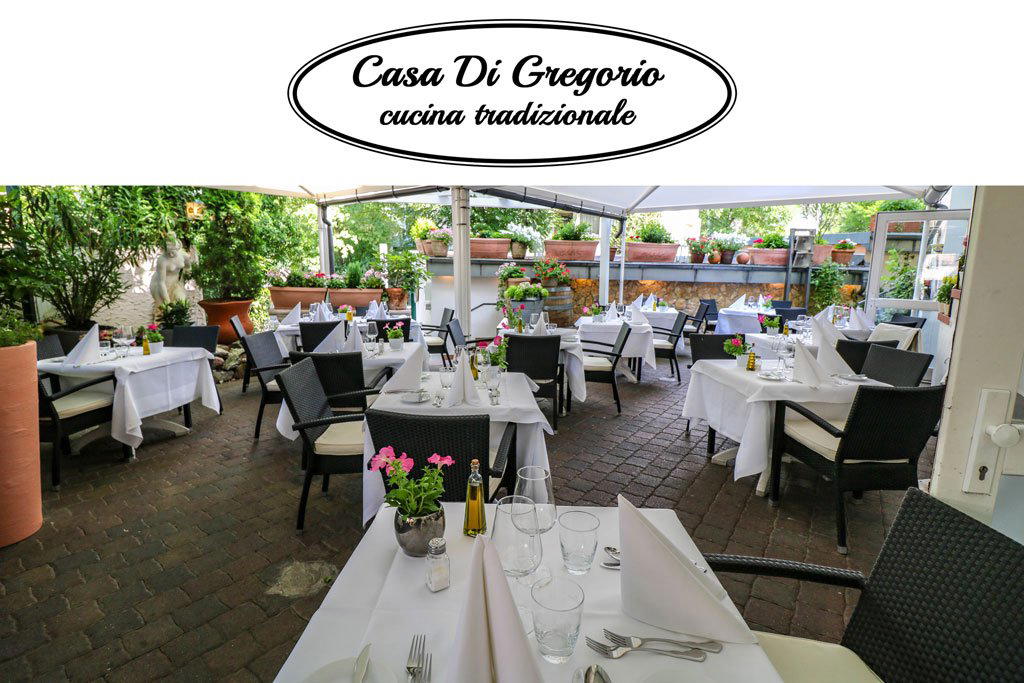
Frankfurter Strasse and the Logic of Wiesbaden's Dining Corridor
Wiesbaden does not announce itself the way Frankfurt does. Its restaurant scene is quieter, more residential in character, shaped by a population that has money and taste but limited patience for the performance often attached to both. Frankfurter Strasse, the artery running southeast from the city centre toward the Frankfurt boundary, reflects that temperament: a mixed-use boulevard where grocers, wine merchants, and sit-down restaurants share the same blocks without any single category dominating. Di Gregorio occupies a position at number 36 on that street, which places it in a stretch that functions as a genuine neighbourhood dining corridor rather than a tourist or destination zone.
That address is itself an editorial signal. Restaurants that anchor themselves on Frankfurter Strasse are typically oriented toward repeat local custom rather than passing trade. The rhythm of the street favours places where regulars know what they are ordering before they sit down, and where the room fills on a Tuesday with as much ease as on a Friday. For a city of Wiesbaden's size, that model is more sustainable than a high-concept destination format, and it tends to produce a more consistent kitchen.
Where Di Gregorio Sits in the Wiesbaden Picture
Wiesbaden's restaurant scene divides roughly into three tiers. At the leading sits a small cluster of creative and fine-dining rooms: Ente (Creative) operates at the €€€€ level with a format built around creative tasting menus, a peer to places like Schwarzwaldstube in Baiersbronn or Aqua in Wolfsburg in terms of ambition if not always in recognition. Below that sits a mid-range tier where value and consistency matter more than novelty: DAS GOLDSTEIN BY GOLLNER'S (Seasonal Cuisine) works in that register, as does the Ente-Bistro format with its Classic French framing at €€€. Then there is the neighbourhood tier, where the transaction is simpler and the loyalty deeper.
Di Gregorio reads as a neighbourhood-tier restaurant in the Italian or Mediterranean category, on a street that serves a local population rather than a dining destination crowd. That positioning places it in a different competitive conversation than Ente or the more ambitious rooms that draw visitors from Frankfurt and the wider Rhine-Main region. Its peers are the city's other settled, address-specific restaurants: places like Chez Mamie, BENNER's Bistronomie, and Comeback, all of which serve the same core function: a reliable, place-specific restaurant for people who live nearby and return often.
The Italian Register in German Cities of This Scale
Italian restaurants in mid-sized German cities occupy a particular cultural position. They are rarely treated as curiosities or as approximations of something more authentic elsewhere. In cities like Wiesbaden, Mainz, or Darmstadt, a well-run Italian kitchen functions as infrastructure, filling the role that brasseries play in French provincial cities: available, familiar, capable of absorbing a wide range of occasions. The question is not whether Italian food belongs here but which approach the room takes, from the red-sauce-and-pizza model aimed at broad accessibility to a more regionally specific Italian kitchen with a wine list to match.
Germany's serious Italian restaurants have, over the past decade, generally moved toward the latter model. There is more awareness of regional Italian distinctions, more Italian wine depth, and more willingness to charge accordingly. That shift has produced a visible gap between the commodity end of the category and the places that treat Italian cooking as a discipline. Where the restaurant sits on that spectrum is something a visit to Frankfurter Strasse 36 will settle faster than any description, but the address and neighbourhood context suggest a restaurant oriented toward substance over spectacle. Restaurants that survive on repeat local custom on a residential commercial street do so because the kitchen holds its standard, not because the concept is arresting.
The Rhine-Main Context and What It Means for Dining
Wiesbaden benefits from its proximity to Frankfurt without being consumed by it. Frankfurt concentrates the region's highest-profile restaurants: the destination rooms that draw visitors and attract the recognition bodies. Wiesbaden, sitting across the Rhine, develops a different kind of dining culture, one built around residents rather than visitors. That distinction shapes what works on Frankfurter Strasse. A restaurant there does not need to compete with JAN in Munich or Vendôme in Bergisch Gladbach for attention. It needs to be the place its neighbours return to, and it needs to do that across years, not just seasons.
That durability is harder than it looks. The restaurants in Wiesbaden that have built genuine neighbourhood followings have done so by maintaining consistency through kitchen and front-of-house changes, by holding their identity when trends shift, and by knowing their room well enough to run it efficiently. The city's dining culture is not driven by novelty. It rewards places that know what they are. Across Germany's fine dining tier, from CODA Dessert Dining in Berlin to Victor's Fine Dining by christian bau in Perl and ES:SENZ in Grassau, particularly recognised rooms tend to have a clear identity that holds across years. The neighbourhood tier operates by the same logic, just without the awards infrastructure.
Planning a Visit
The restaurant is located at Frankfurter Str. 36, 65189 Wiesbaden, in a section of the street accessible by tram and on foot from the city centre. The address is direct to reach from central Wiesbaden and is within a short distance of the main transit routes connecting the city to Frankfurt. For visitors already exploring the wider Rhine-Main restaurant scene, which might include a meal at Schanz in Piesport, Waldhotel Sonnora in Dreis, or Restaurant Haerlin in Hamburg on a broader German itinerary, Wiesbaden offers a lower-key alternative to Frankfurt for an evening meal.
The Short List
Comparable venues nearby, for context on price, style, and recognition.
| Venue | Cuisine | Price | Notes |
|---|---|---|---|
| Di GregorioThis venue — the venue you are viewing | Traditional Italian Seafood | $$$ | Not listed |
| SCHWARZBACH | Not listed | $$$ | Wiesbaden Center, Modern International with Mediterranean Influences |
| HENRICHS | Not listed | $$$ | Kureck, Mediterranean-Asian Fusion Fine Dining |
| Yozora-17 Fusion Sushi - Wiesbaden | Rheinstraße, Fusion Sushi | $$$ | Not listed |
| I-Punkt | Wilhelmstraße, Modern German & European | $$ | Not listed |
| Sombrero Latino | Not listed | $$ | Wiesbaden Altstadt, Latin American Steakhouse |
Continue exploring
More in Wiesbaden
Restaurants in Wiesbaden
Browse all →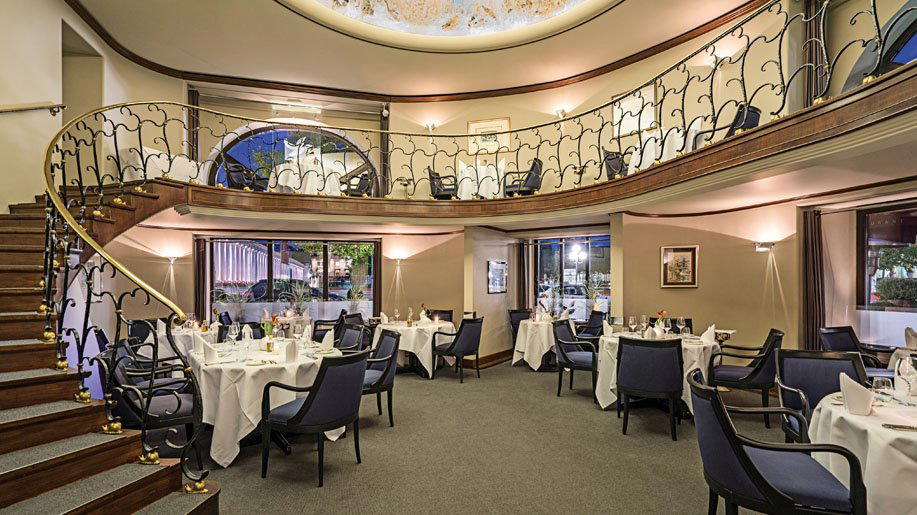
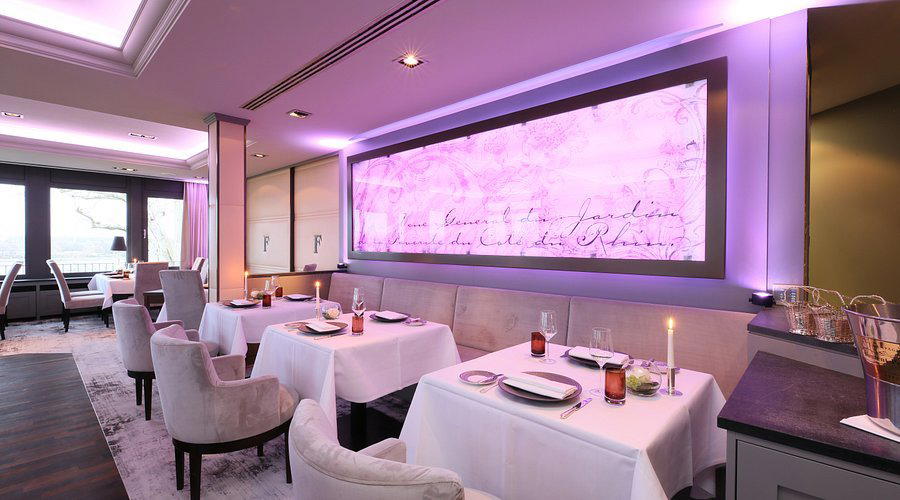
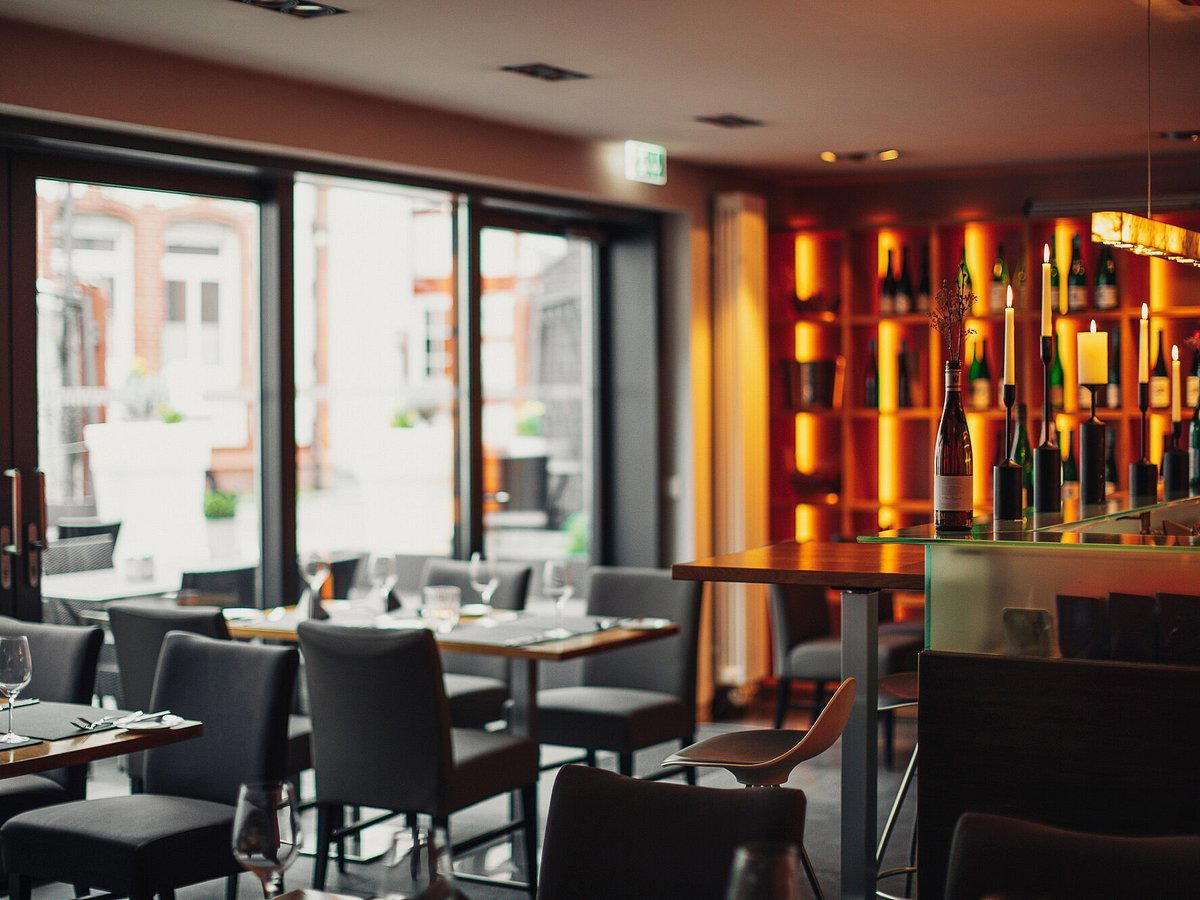
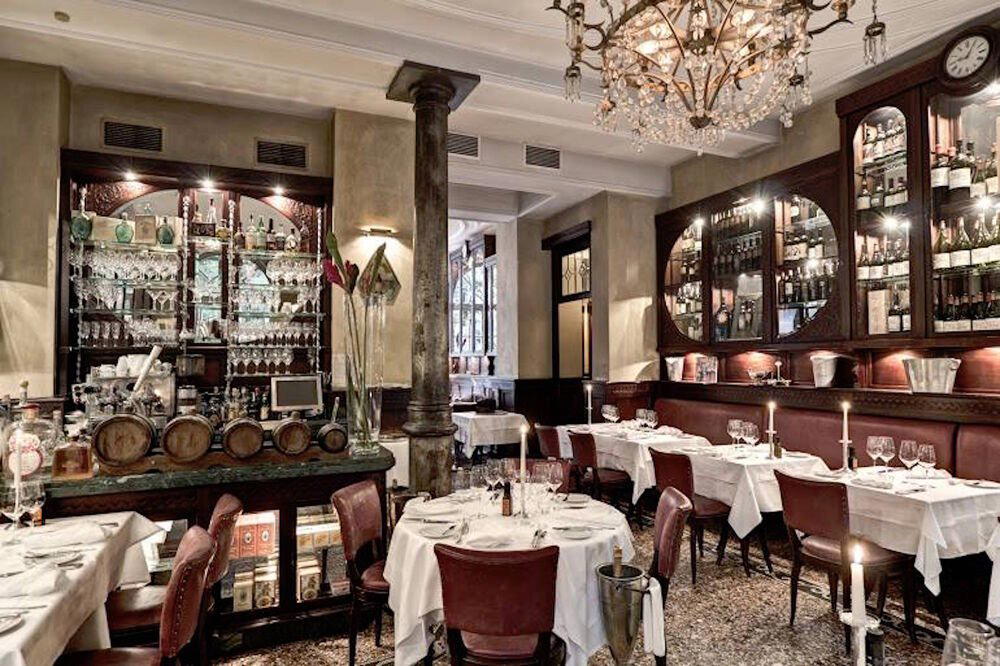
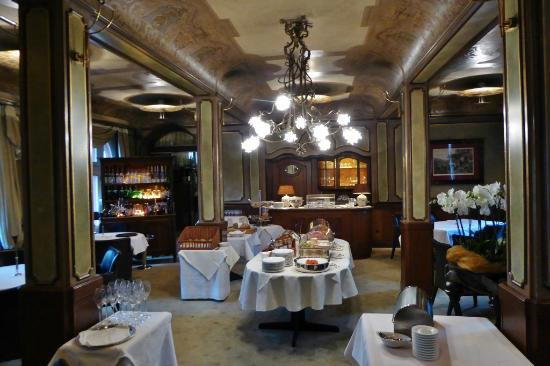
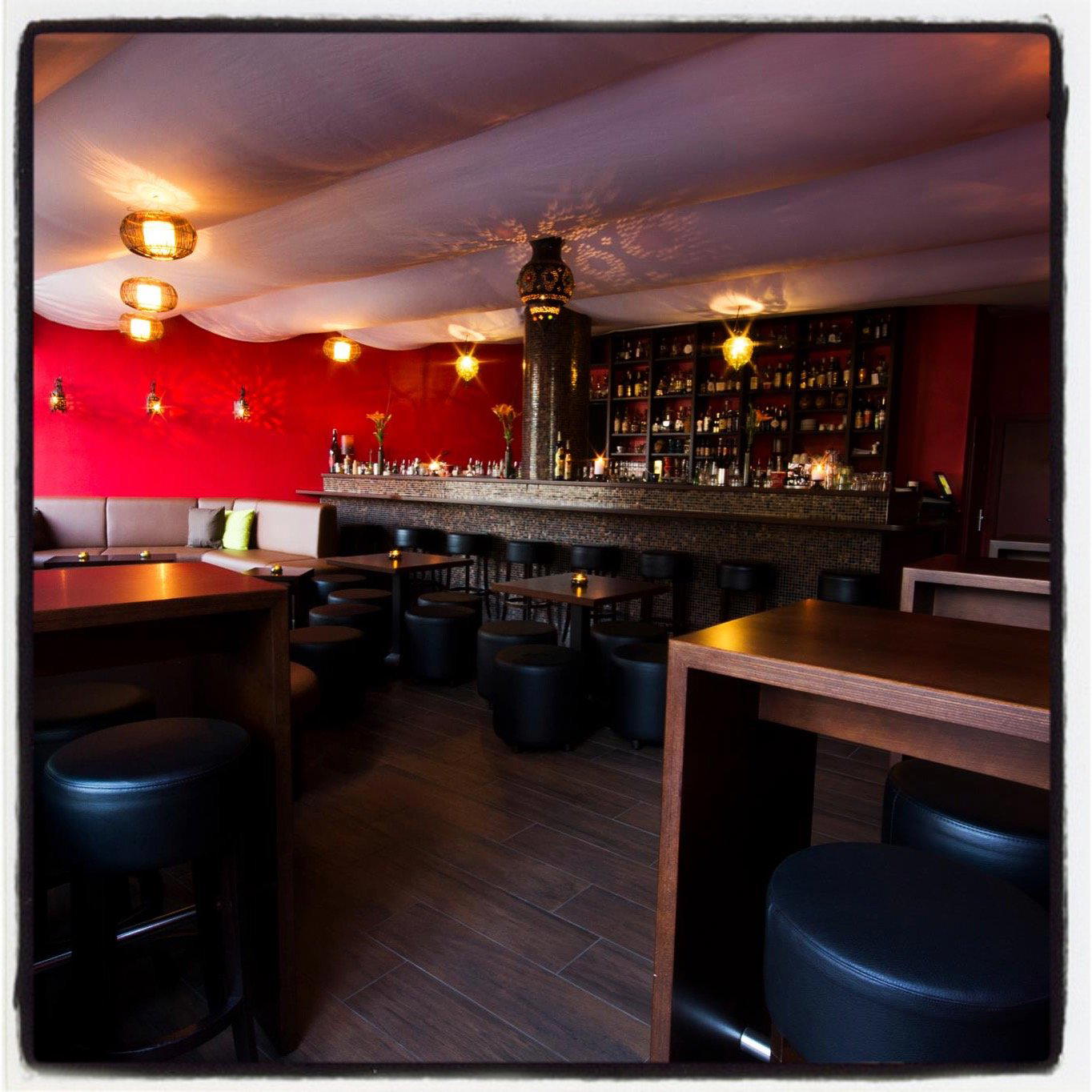
Bars in Wiesbaden
Browse all →
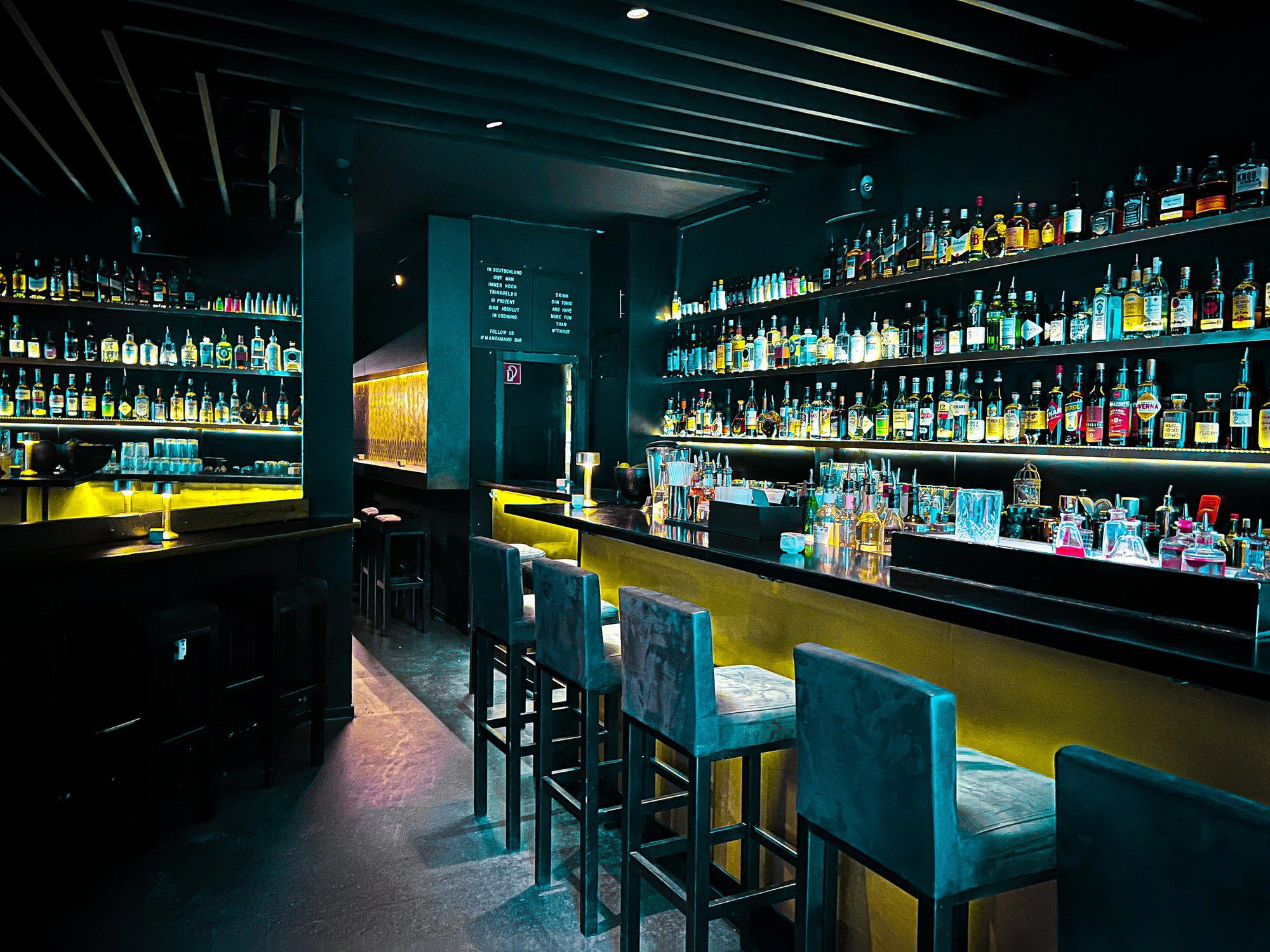
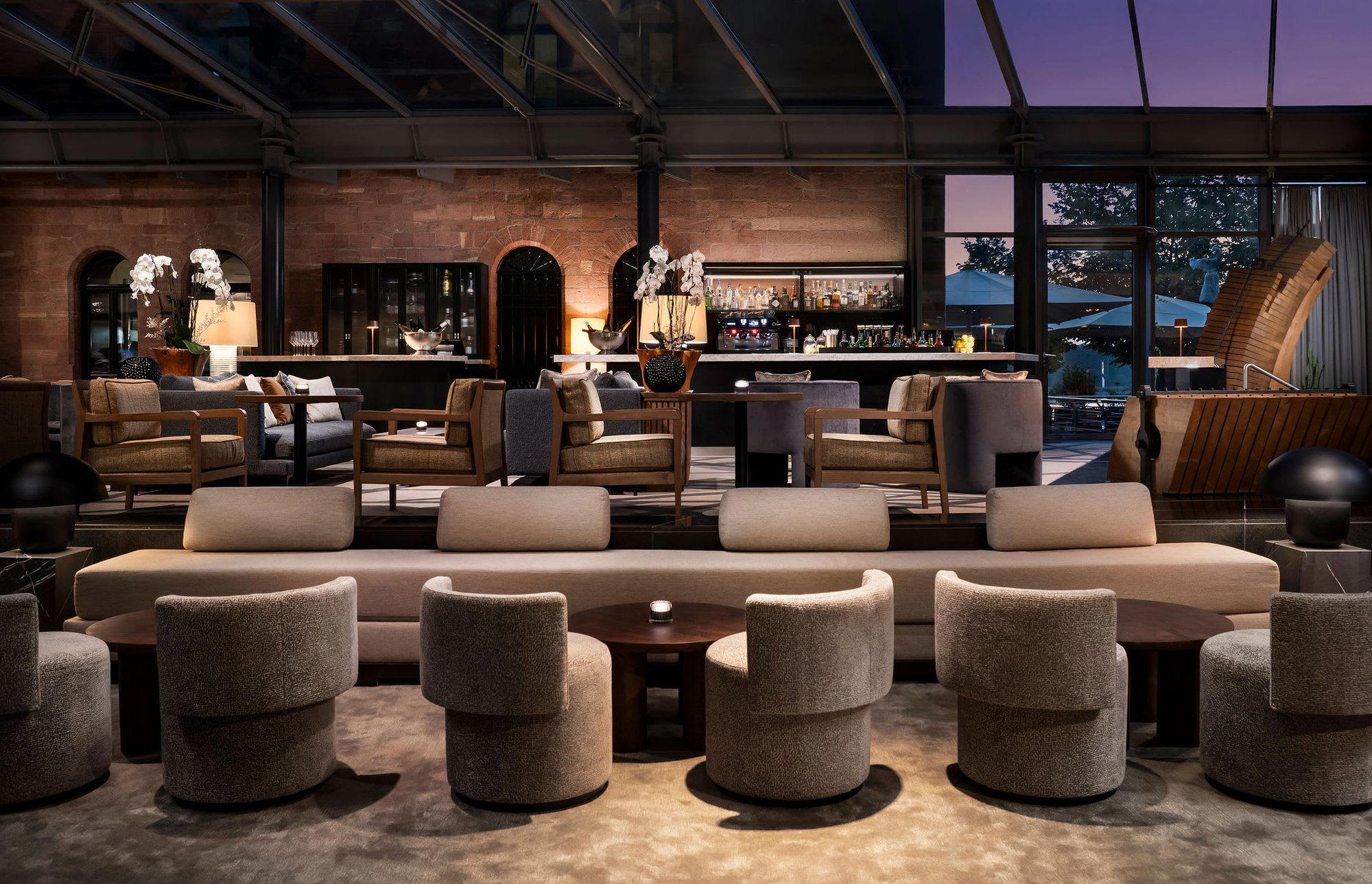

Hotels in Wiesbaden
Browse all →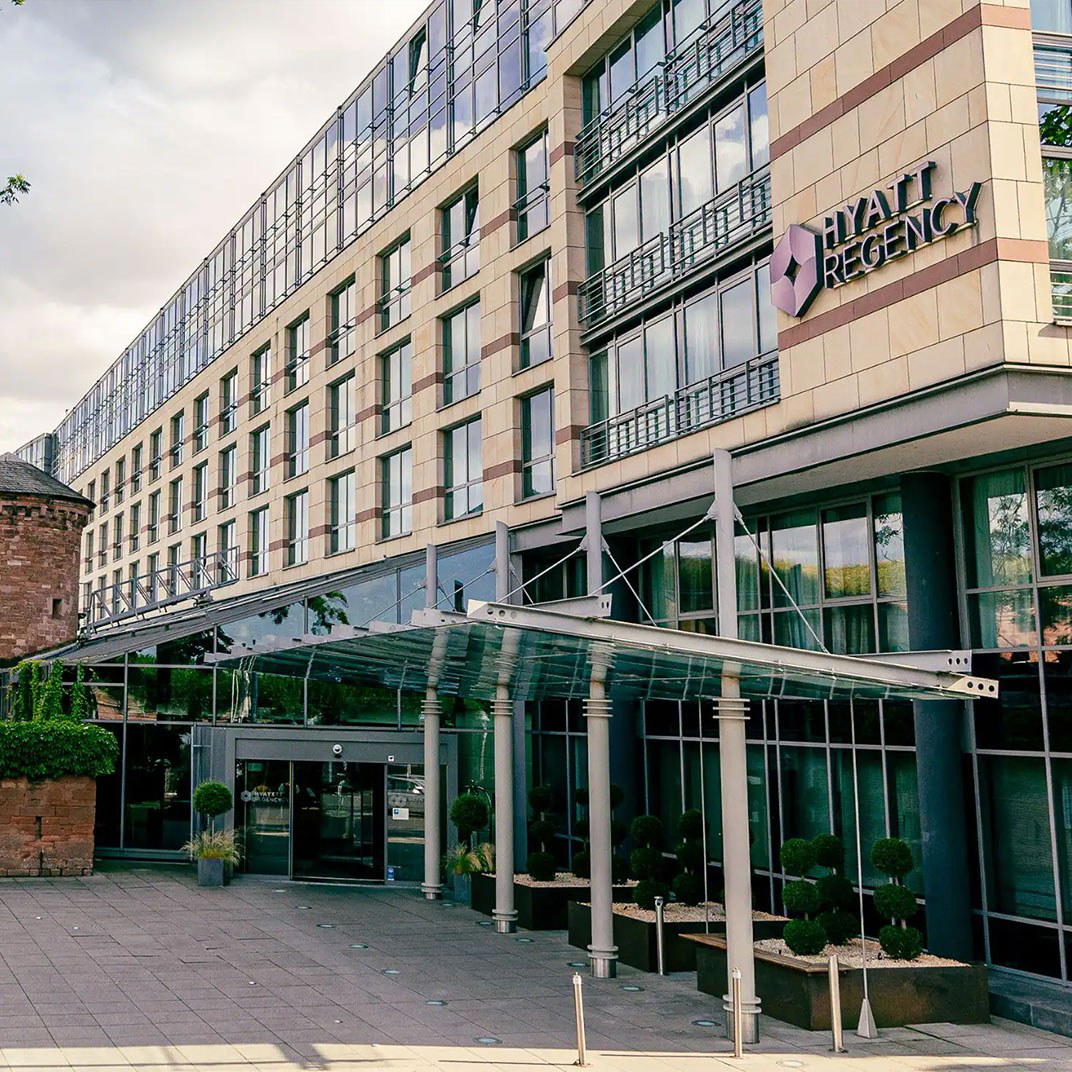
At a Glance
- Cozy
- Elegant
- Intimate
- Date Night
- Special Occasion
- Terrace
- Extensive Wine List
Current opening hours
- Monday
- 12–2:30 PM, 6–11 PM
- Tuesday
- 12–2:30 PM, 6–11 PM
- Wednesday
- 12–2:30 PM, 6–11 PM
- Thursday
- 12–2:30 PM, 6–11 PM
- Friday
- 12–2:30 PM, 6–11 PM
- Saturday
- 6–11 PM
- Sunday
- Closed
Hours can change for holidays and private events. Last verified .
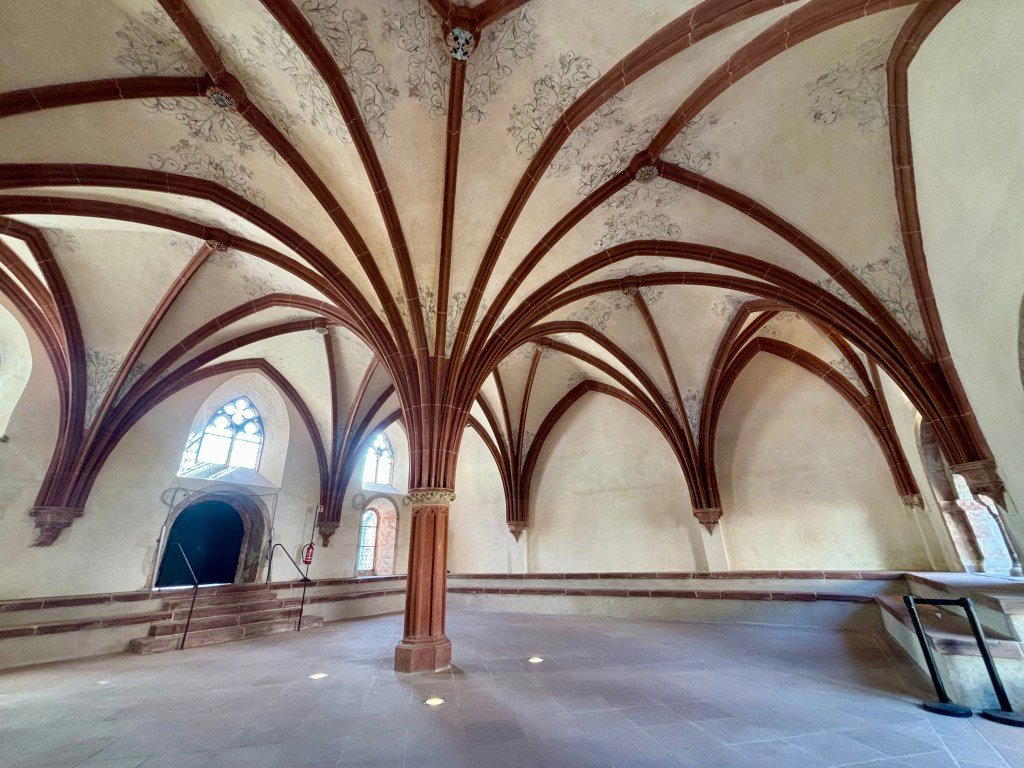
Cozy living room atmosphere with stylish decoration, pleasant and elegant setting praised for its warm hospitality.