Chez Mamie serves Classic French Brasserie cooking on Spiegelgasse 9 in Wiesbaden, with bouillabaisse, a beer program, and terrace seating for lunch or dinner.
Pearl is the En Primeur Club membership app — saves, bookings, and concierge access live there. Same editors, same standards.
- Address
- Spiegelgasse 9, 65183 Wiesbaden, Germany
- Phone
- +4961136024800
- Website
- henrich-hospitality.com
- Directions
- Get directions
 Saves & bookings on Pearl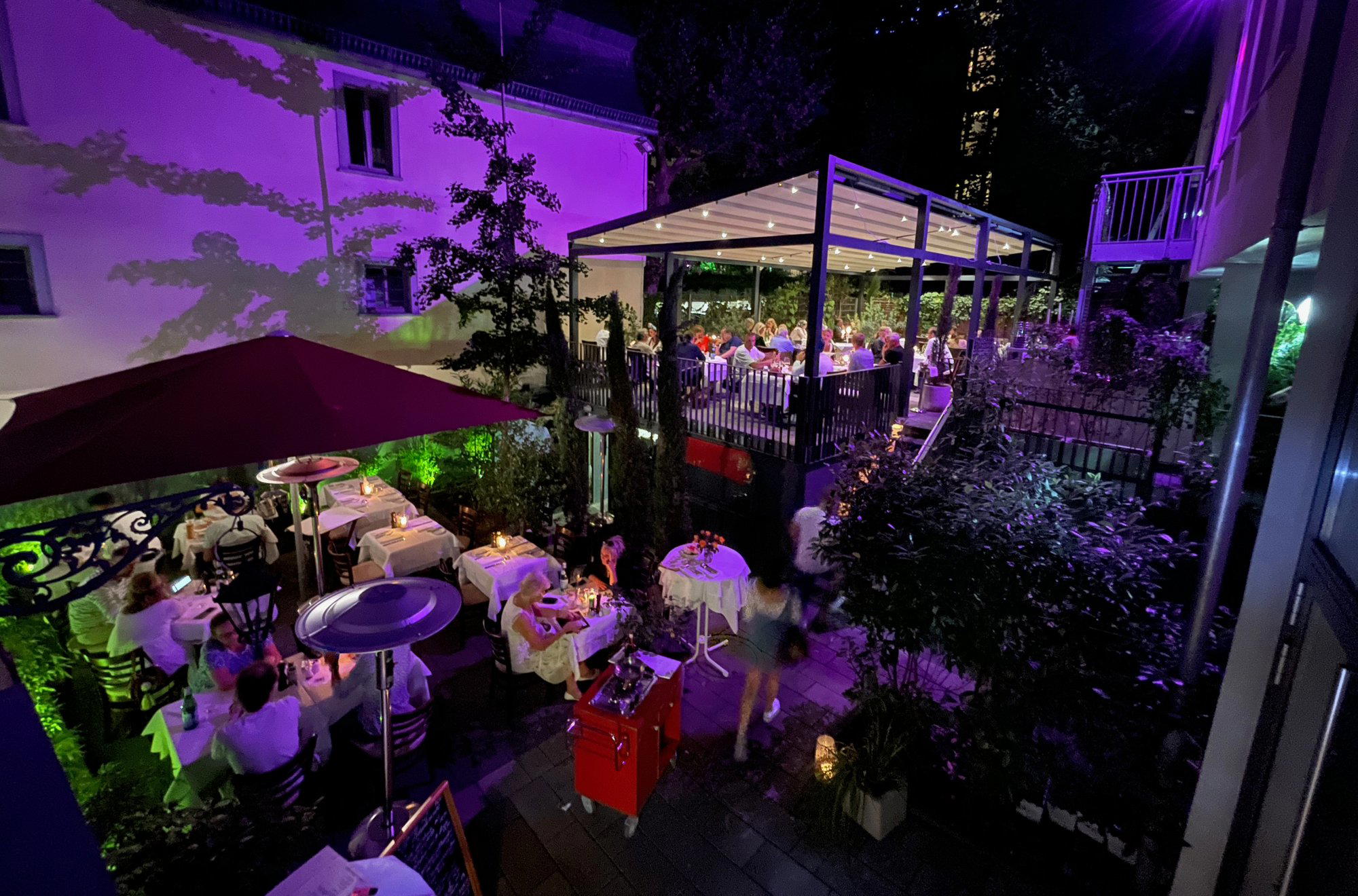
Spiegelgasse cuts through the older residential fabric of central Wiesbaden, a street where the pace slows relative to the Wilhelmstrasse promenade a few blocks west. Arriving at number nine, the physical register shifts: a narrower facade, the kind of signage that doesn't compete for attention, an interior that reads immediately as somewhere that has been the same for a long time and considers that a credential rather than a liability. This is the architecture of the French bistro de quartier transposed into a Hessian spa city, and it works precisely because Wiesbaden has long sustained an appetite for exactly this register of dining.
The Tradition Behind the Name
The "mamie" formula, meaning grandmother in colloquial French, carries specific culinary implications wherever it appears. It signals cooking rooted in French bourgeois technique, dishes assembled from ingredients that require patience rather than novelty, sauces built over time, and a general suspicion of innovation for its own sake. In France, the cuisine de grand-mère tradition runs through regional identities from Lyon's bouchons to Alsatian farmhouse tables, and it has long served as a counterweight to the ambitions of haute cuisine. Restaurants that invoke this register are making a deliberate argument: that the fundamentals, executed with care, hold more value than the new.
Germany's relationship with French bistro culture has been shaped by geography and history in roughly equal measure. The Rhine corridor, running from Basel through Strasbourg and north toward Wiesbaden, has sustained Franco-German culinary exchange for centuries. Wiesbaden itself, as a 19th-century resort city that attracted European aristocracy, developed a dining culture comfortable with French service codes and French kitchen vocabulary. That foundation means the city can sustain venues like Chez Mamie without the self-consciousness such a concept might carry in a less historically primed German city.
Where Chez Mamie Sits in the Wiesbaden Dining Field
Wiesbaden's restaurant field covers a wider range than its modest size would suggest. At one end sits Ente (Creative), operating at the €€€€ tier with a format oriented toward extended tasting menus. DAS GOLDSTEIN BY GOLLNER'S (Seasonal Cuisine) occupies the €€ bracket with a seasonal, market-driven approach. Between those poles, venues like BENNER's Bistronomie and Comeback represent Wiesbaden's engagement with more contemporary, informal formats. Di Gregorio anchors the city's Italian dining tradition at a distinct register again.
Chez Mamie occupies a position that none of those venues are competing for directly: the casual Franco-bistro tier, where the purpose is regularity rather than occasion, and where the leading argument for returning is the reliability of what you already know will arrive at the table. This is a different competitive logic from the one that governs Michelin-registered kitchens in Germany, such as Schwarzwaldstube in Baiersbronn or Aqua in Wolfsburg, where each service is constructed as a singular event. The bistro model runs on a different contract with its guests.
How the Bistro Model Functions in a German City
The French bistro imported into a German context faces a specific translation problem. The original model depends on a neighborhood anchoring: regulars who come weekly, a patron who recognizes faces, a blackboard that changes just enough to justify the next visit without disorienting those who came specifically for what they ordered last time. German dining culture, particularly in cities of Wiesbaden's scale, tends toward either the formal occasion restaurant or the casual Gaststätte, with less established middle ground for the French-style neighborhood restaurant that is neither special-occasion nor merely functional.
Where that middle ground does exist in German cities, it tends to attract a particular demographic: residents with French cultural exposure, business travelers on extended stays, and diners who have spent enough time in Paris or Lyon to have internalized the bistro's rhythms. These are the guests for whom a well-executed salade lyonnaise or a properly rendered confit de canard communicates more than novelty would. Wiesbaden, with its history as a European resort city and its proximity to Frankfurt's international business community, sustains that audience in sufficient numbers to make the concept viable.
The broader German fine dining conversation has moved toward formats like JAN in Munich or the dessert-led experimentation at CODA Dessert Dining in Berlin, and at the three-star level, venues such as Vendôme in Bergisch Gladbach or Victor's Fine Dining by Christian Bau in Perl set technical benchmarks that define the national reference tier. Against that backdrop, the neighborhood bistro register that restaurant represents is a deliberate counter-movement: cooking that measures itself against tradition rather than against the avant-garde.
Planning a Visit
The restaurant sits at Spiegelgasse 9 in the 65183 postcode, within walking distance of Wiesbaden's main pedestrian zone and the Kurpark.
A Pricing-First Comparison
Comparable venues nearby, for context on price, style, and recognition.
| Venue | Cuisine | Price | Notes |
|---|---|---|---|
| Chez MamieThis venue — the venue you are viewing | Not listed | $$$ | Not listed |
| rue 1 by gollner's | Mitte, Modern International Bistro | $$$ | Not listed |
| Yozora-17 Fusion Sushi - Wiesbaden | Rheinstraße, Fusion Sushi | $$$ | Not listed |
| BENNER's Bistronomie | Kurhaus, Modern German Bistronomy | $$$ | Not listed |
| Sombrero Latino | Not listed | $$ | Wiesbaden Altstadt, Latin American Steakhouse |
| HENRICHS | Not listed | $$$ | Kureck, Mediterranean-Asian Fusion Fine Dining |
Continue exploring
More in Wiesbaden
Restaurants in Wiesbaden
Browse all →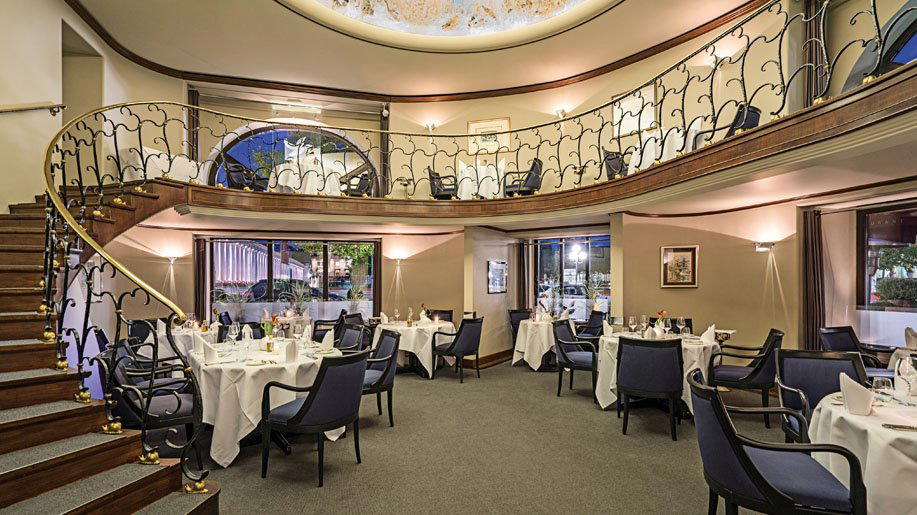
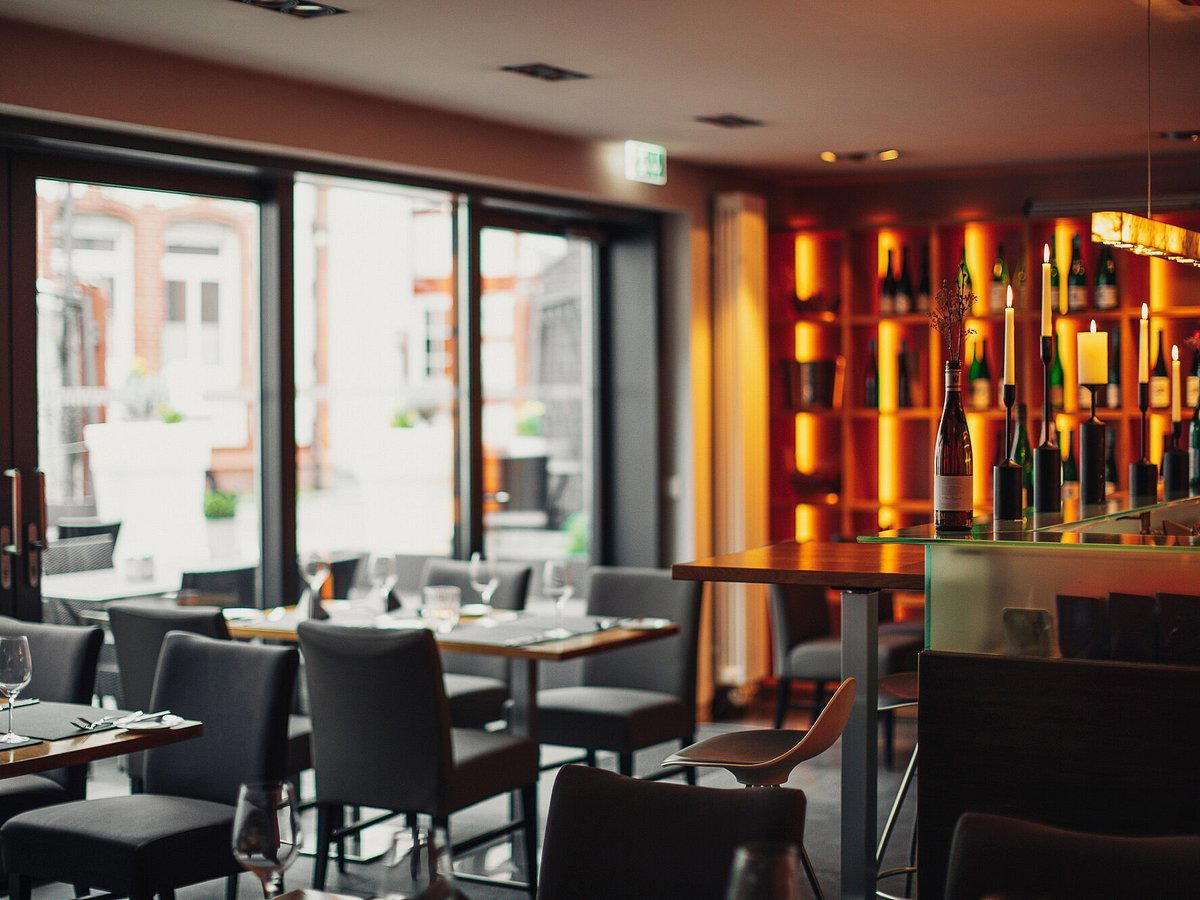
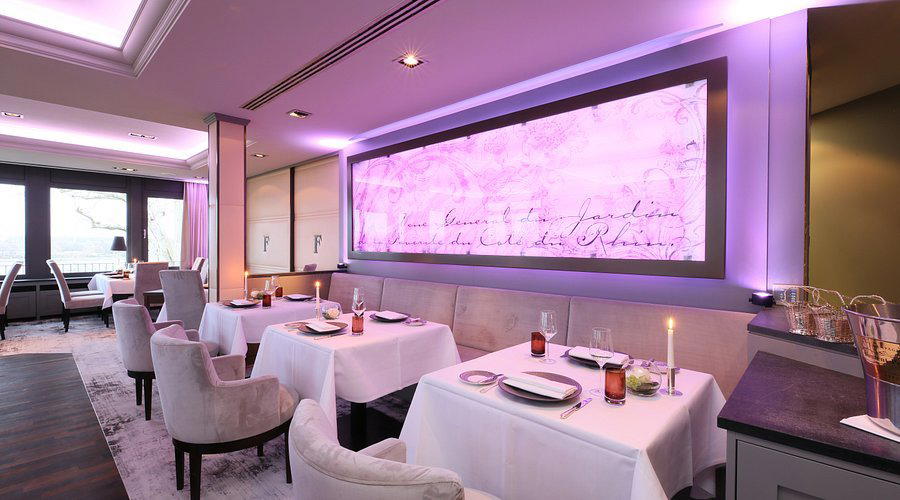
Bars in Wiesbaden
Browse all →
Hotels in Wiesbaden
Browse all →
At a Glance
- Cozy
- Classic
- Elegant
- Business Dinner
- Date Night
- Group Dining
- After Work
- Terrace
- Beer Program
- Local Sourcing
Current opening hours
- Monday
- 12 PM–12 AM
- Tuesday
- 12 PM–12 AM
- Wednesday
- 12 PM–12 AM
- Thursday
- 12 PM–12 AM
- Friday
- 12 PM–12 AM
- Saturday
- 12 PM–12 AM
- Sunday
- Closed
Hours can change for holidays and private events. Last verified .
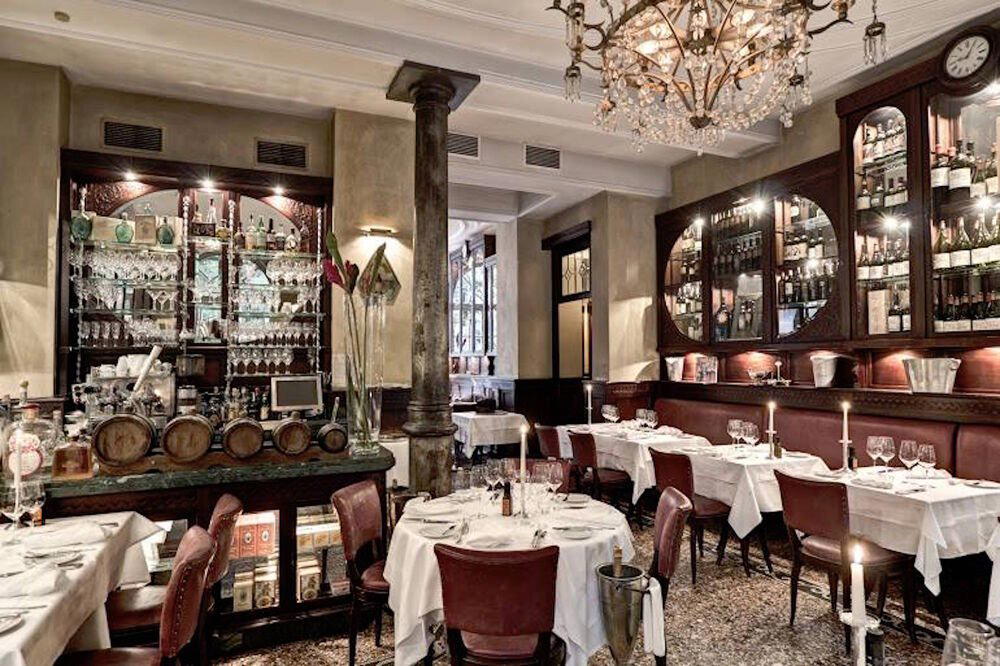
Pleasant, urban brasserie aesthetic with artistic accents; can become loud and warm from kitchen odors during peak service.