Comeback occupies a spot on Goldgasse 13 in Wiesbaden's compact old town, sitting within a dining scene that punches well above the city's size. With no published awards or formal cuisine classification on record, the restaurant invites discovery on its own terms, making it a useful reference point for understanding how Wiesbaden's mid-tier restaurant culture operates alongside its more decorated neighbours.
Pearl is the En Primeur Club membership app — saves, bookings, and concierge access live there. Same editors, same standards.
- Address
- Goldgasse 13, 65183 Wiesbaden, Germany
- Phone
- +4949611373802
- Website
- ristorante-comeback.de
- Directions
- Get directions
 Saves & bookings on Pearl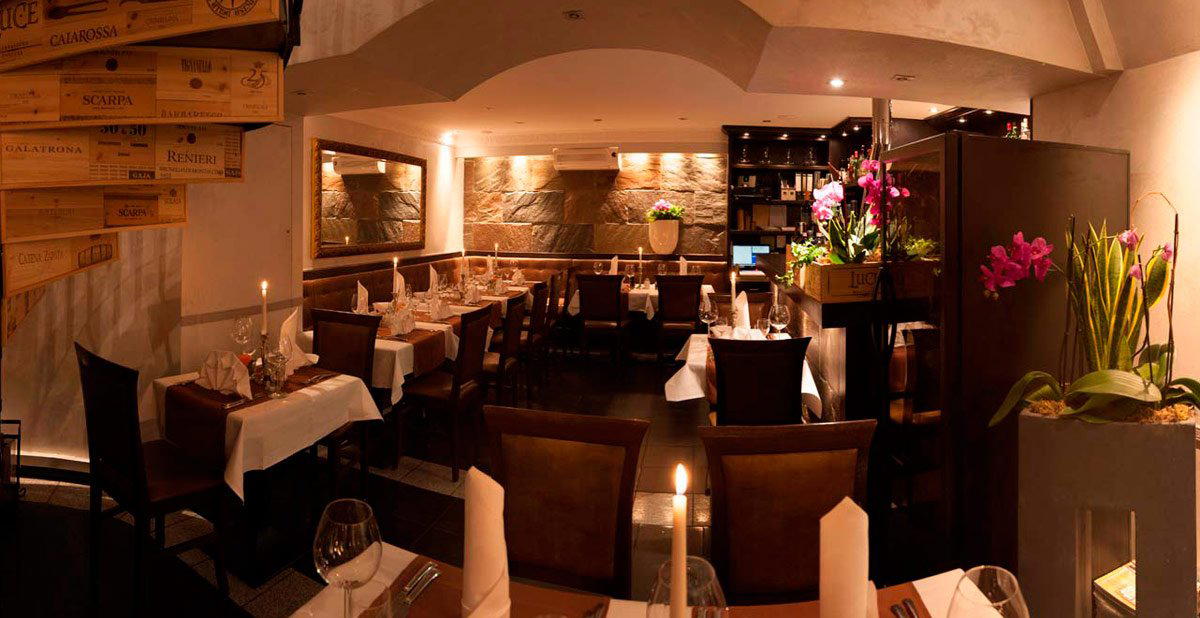
A Street That Sets the Tone
Goldgasse sits in the older, denser part of Wiesbaden's centre, where the city's spa-town heritage still shapes the physical environment: narrow pedestrian lanes, 19th-century facades, and a pace that runs noticeably slower than Frankfurt, thirty minutes east by train. On this street, the ritual of a meal tends to begin before you reach the door. The approach matters here in a way it does not in a glass-and-steel dining room. Comeback is a restaurant at Goldgasse 13 in Wiesbaden, Germany, serving Italian Pizza and Pasta in the €€ price tier.
Wiesbaden's dining culture occupies an interesting middle ground in the German fine-dining conversation. The city sits within reach of heavily decorated restaurants, including Ente (Creative), which operates at the €€€€ tier and anchors the upper end of the local scene, and DAS GOLDSTEIN BY GOLLNER'S (Seasonal Cuisine), which sits at the €€ bracket and signals that the city supports serious cooking across price points. Within that range, spaces without formal classification function differently: they tend to rely on returning locals rather than destination diners, and their rhythm reflects that.
How the Meal Moves
In Germany's mid-tier restaurant culture, this is more common than outsiders expect. The elaborate multi-course choreography associated with places like Schwarzwaldstube in Baiersbronn or Aqua in Wolfsburg gives way to something more self-determined: the guest chooses the tempo, the server does not impose it, and the meal expands or contracts around the conversation at the table.
This is a different contract between kitchen and guest, and Wiesbaden's non-destination dining rooms tend to honour it. The city's population is relatively affluent by German standards, with a high proportion of civil servants, professionals, and federal-state workers who eat out regularly rather than ceremonially. Restaurants that survive here over time tend to do so by reading a room rather than scripting one.
For reference, the kind of ritual formality you would encounter at Vendôme in Bergisch Gladbach or Victor's Fine Dining by christian bau in Perl is simply not what Goldgasse is built for. The street operates at human scale, and the restaurants along it tend to reflect that.
The Wiesbaden Context
Understanding Comeback requires understanding where Wiesbaden sits in the broader German dining map. It is not a food-destination city in the way Hamburg or Munich is. Restaurant Haerlin in Hamburg and JAN in Munich draw diners who have specifically travelled for the meal. Wiesbaden's restaurants, by contrast, draw primarily from within the Rhine-Main region, a dense, prosperous catchment that includes Frankfurt, Mainz, and Darmstadt.
That catchment produces a particular kind of diner: one who eats out frequently, compares actively, and has little patience for performances that do not deliver. The local competition is not negligible. BENNER's Bistronomie and Chez Mamie both operate in Wiesbaden and represent the kind of neighbourhood-anchored dining that competes directly for regular custom. Di Gregorio adds a further reference point for Italian-leaning cooking in the city.
Against this backdrop, a restaurant on Goldgasse without published awards or a defined cuisine classification is positioning itself, consciously or not, as a place you return to because it works for you, not because a guide told you to go. The name Comeback carries that logic explicitly.
What No Published Classification Signals
Comeback has no formal award classification. Germany's restaurant award infrastructure, from Michelin to Gault Millau, tends to concentrate recognition on tasting-menu formats with clear culinary identity. Restaurants that operate outside those formats, whether by serving broader menus, keeping prices accessible, or simply not submitting to the inspection cycle, often go unclassified without being unremarkable.
Across Germany, particularly consistently occupied tables belong to restaurants with no star and no listed price tier. The comparison is not to decorated outliers like ES:SENZ in Grassau or Waldhotel Sonnora in Dreis, which occupy the apex of the German fine-dining pyramid. It is to the broader category of restaurants that feed the same regulars, year after year, without ever appearing in a round-up. That category sustains German restaurant culture far more than the decorated minority does.
Internationally, the dynamic is familiar. Lazy Bear in San Francisco and Le Bernardin in New York City operate at the credentialled extreme, where every element is documented and classified. The space between those venues and a neighbourhood restaurant on a Wiesbaden side street is where most of the world's actual dining happens, and where restaurants like Comeback, without a recorded cuisine type or price range, earn their audience through repetition rather than reputation.
For a fuller map of where Comeback sits within Wiesbaden's options, the full Wiesbaden restaurants guide covers the city's dining range across price points and formats.
Planning Your Visit
Goldgasse 13 is in Wiesbaden's pedestrianised centre, walkable from the main station in under fifteen minutes and accessible from Frankfurt by S-Bahn on the S8 or S9 line, a journey of roughly thirty-five minutes. The address places it within the compact radius where most of Wiesbaden's central restaurants cluster, so a visit can be combined with others on the same evening if you are exploring the neighbourhood rather than treating this as a singular destination. Reservations are recommended, and the restaurant is open daily from 11 AM to 12 AM.
For other dining styles in the city, CODA Dessert Dining in Berlin and Schanz in Piesport represent the kind of highly structured, cuisine-defined format that Comeback, at least from available data, does not attempt to replicate.
Cuisine and Credentials
Comparable venues nearby, for context on price, style, and recognition.
| Venue | Cuisine | Price | Notes |
|---|---|---|---|
| ComebackThis venue — the venue you are viewing | Italian Pizza and Pasta | $$ | Not listed |
| Restaurant Da Enzo | Authentic Italian Osteria | $$ | :null |
| I-Punkt | Modern German & European | $$ | Wilhelmstraße |
| Yozora-17 Fusion Sushi - Wiesbaden | Fusion Sushi | $$$ | Rheinstraße |
| BENNER's Bistronomie | Modern German Bistronomy | $$$ | Kurhaus |
| Chez Mamie | Classic French Brasserie | $$$ | Altstadt (Old Town) |
Continue exploring
More in Wiesbaden
Restaurants in Wiesbaden
Browse all →
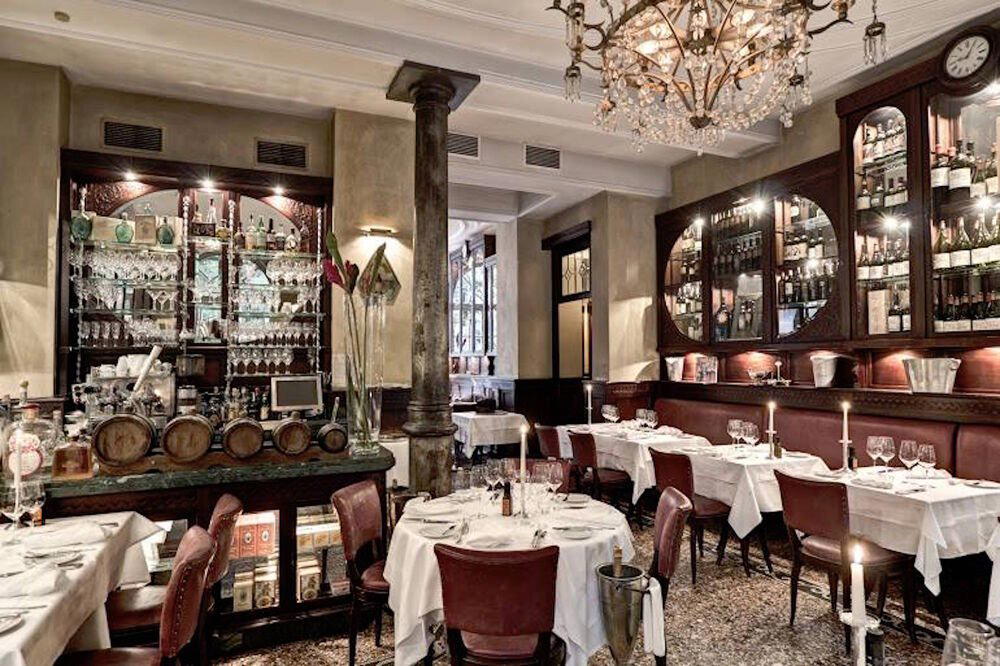
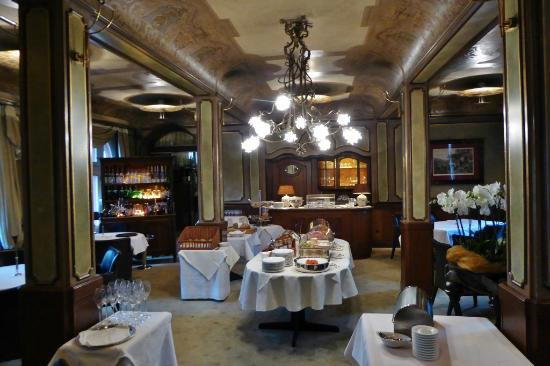
Bars in Wiesbaden
Browse all →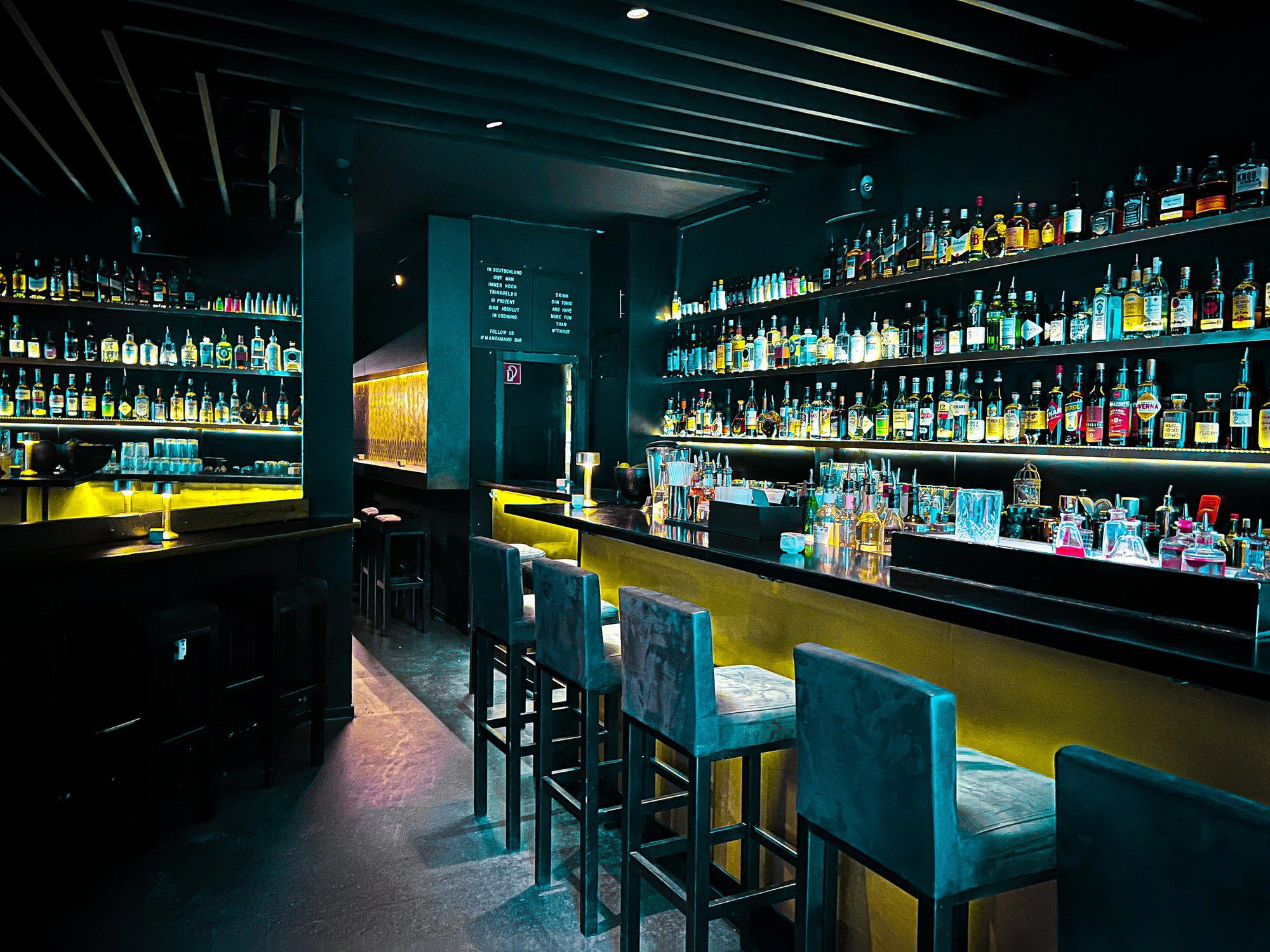

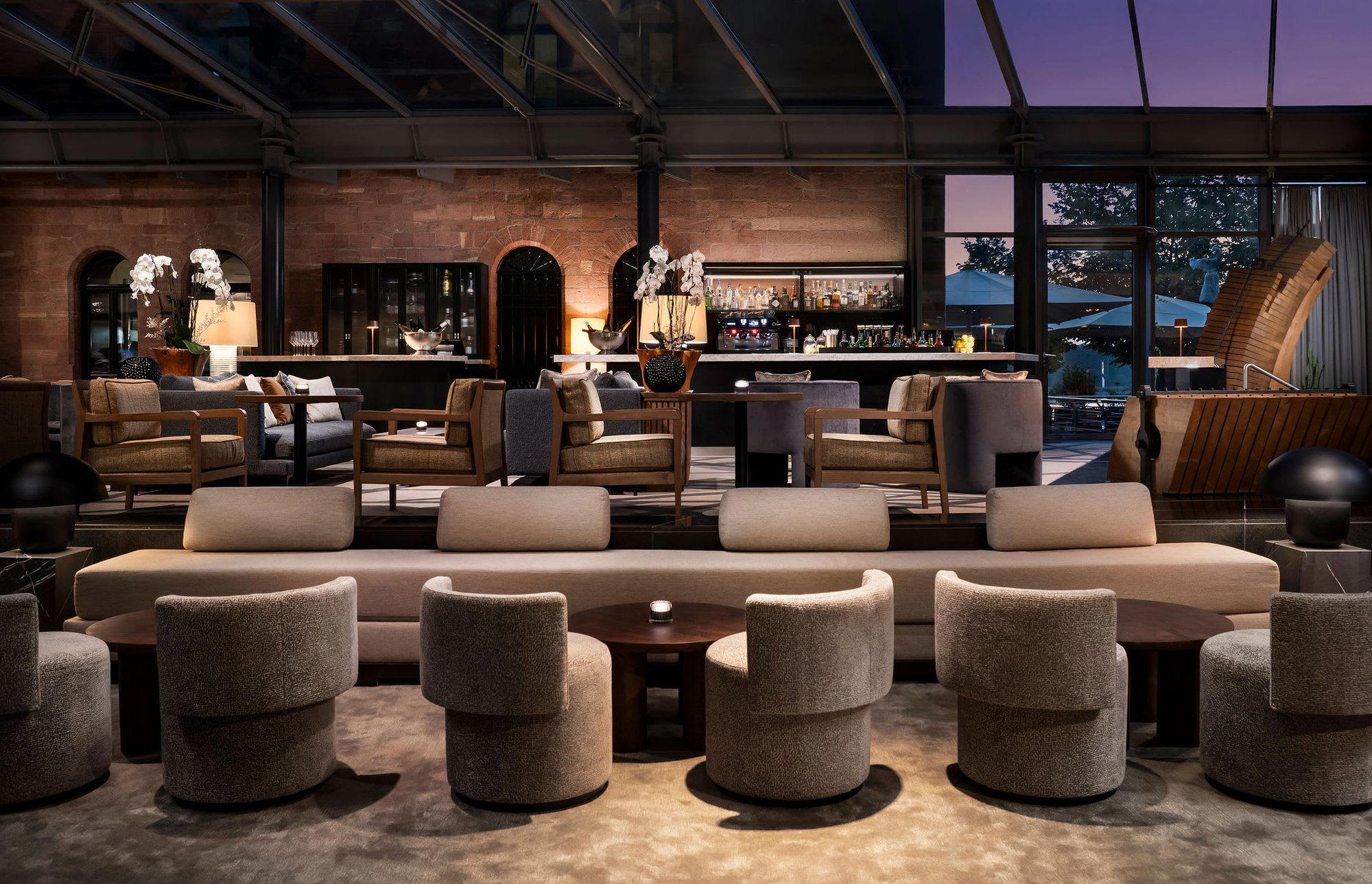
Hotels in Wiesbaden
Browse all →
At a Glance
- Cozy
- Casual Hangout
- Date Night
- Terrace
- Street Scene
Current opening hours
- Monday
- 11 AM–12 AM
- Tuesday
- 11 AM–12 AM
- Wednesday
- 11 AM–12 AM
- Thursday
- 11 AM–12 AM
- Friday
- 11 AM–12 AM
- Saturday
- 11 AM–12 AM
- Sunday
- 11 AM–12 AM
Hours can change for holidays and private events. Last verified .
Cozy atmosphere with terrace seating amid the lively energy of a busy street.