On Taunusstraße in central Wiesbaden, HENRICHS occupies a city that has long positioned itself as the Rhine-Main region's quieter alternative to Frankfurt's dining noise. The address places it close to the Wilhelmstraße promenade, where the local appetite for considered, ingredient-led cooking has supported a small tier of serious restaurants for decades. Wiesbaden rewards the patient diner willing to look past the spa-town surface.
Pearl is the En Primeur Club membership app — saves, bookings, and concierge access live there. Same editors, same standards.
- Address
- Taunusstraße 1A, 65183 Wiesbaden, Germany
- Phone
- +4961190066999
- Website
- henrich-hospitality.com
- Directions
- Get directions
 Saves & bookings on Pearl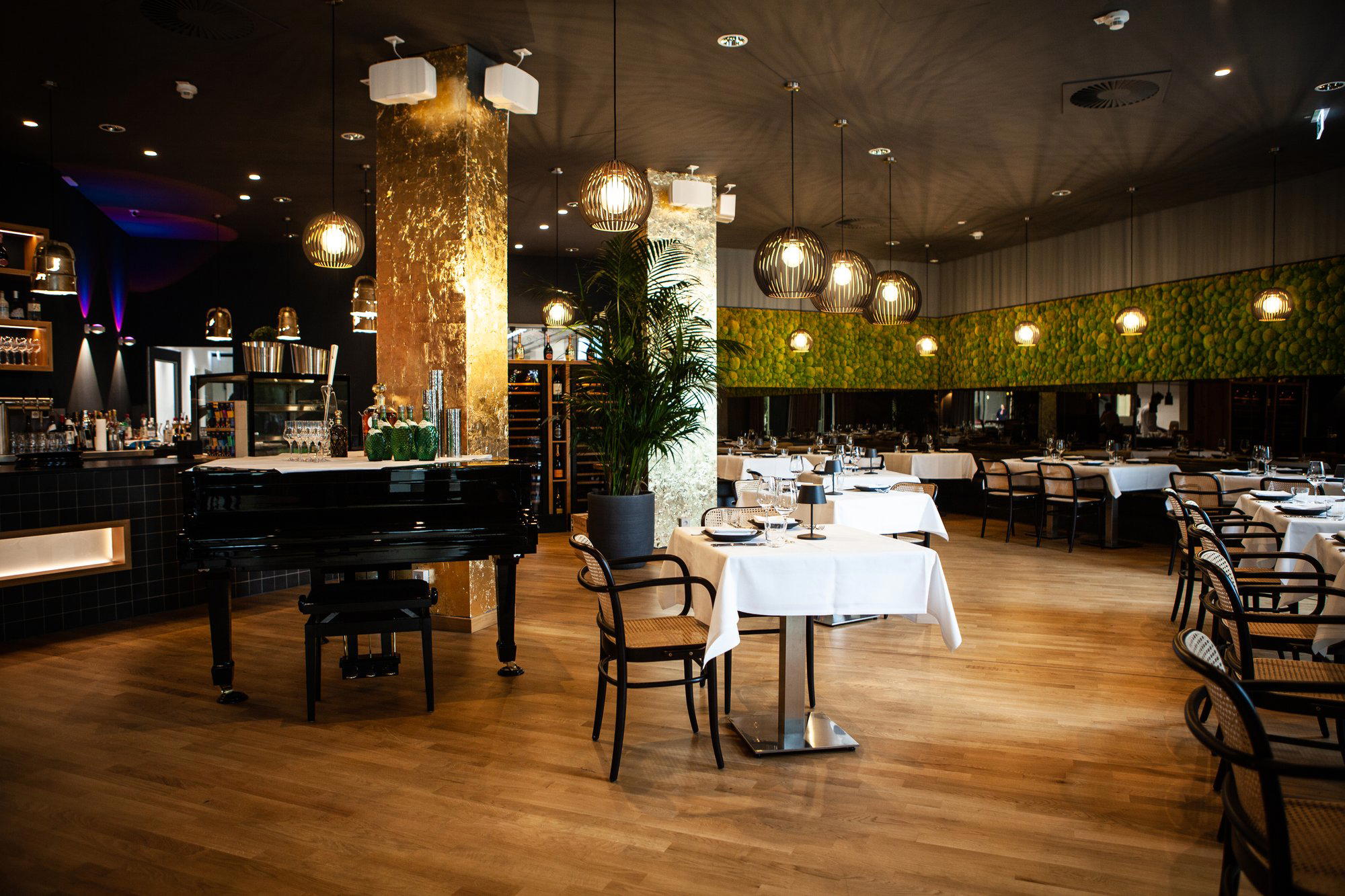
Wiesbaden's Ingredient-Led Tier
German fine dining has spent the last decade sorting itself into two broad camps: the internationally legible tasting-menu format that competes against houses like Aqua in Wolfsburg or Vendôme in Bergisch Gladbach, and a smaller, more locally anchored stream that uses regional sourcing as its primary editorial statement. Wiesbaden sits in an interesting position relative to both. The city is close enough to Frankfurt's infrastructure to draw serious produce networks, yet compact enough that its leading restaurants operate with a neighbourhood intimacy that the larger city rarely achieves. HENRICHS, at Taunusstraße 1A, is a Mediterranean-Asian Fusion Fine Dining restaurant in Wiesbaden, Germany.
The Taunusstraße corridor runs parallel to the Wilhelmstraße, Wiesbaden's grand promenade, and the proximity matters. Diners walking from the Kurhaus or the casino district encounter a street that transitions quickly from retail to a more residential, restaurant-scale grain. That shift in urban texture sets the expectation correctly: this is not a destination engineered for tourist throughput. The room, the address, and the format signal a kitchen that answers to a local clientele with a long memory for quality.
What Sourcing Looks Like in This Corner of Hesse
The Rhine-Main region is not Burgundy or Piedmont, but it has genuine agricultural depth. The Rheingau, directly across the river, produces some of Germany's most precise Riesling and contributes a culture of careful land stewardship that extends beyond viticulture. The Taunus hills to the north supply game, mushrooms, and foraged herbs across a relatively short supply chain. Restaurants that commit to this geography, rather than assembling a generic European fine-dining pantry, produce cooking that reads differently on the plate: there is a specificity to the acidity of a Rheingau apple or the minerality of a Taunus trout that does not survive long-distance transit.
This is the tradition that ingredient-led Wiesbaden cooking draws on, and it places local restaurants in a distinct comparable set from, say, Schwarzwaldstube in Baiersbronn, where the Black Forest larder defines the kitchen's identity, or ES:SENZ in Grassau, which works from an Alpine supply. Each of these addresses makes an argument about territory. HENRICHS makes its argument from the Hessian mid-Rhine, a geography that rewards attention but does not announce itself loudly.
Within Wiesbaden itself, the conversation around sourcing has become more explicit in recent years. DAS GOLDSTEIN BY GOLLNER'S, which operates a seasonal cuisine format at the €€ tier, signals how the broader market has responded to demand for ingredient transparency at accessible price points. At the other end, the long-established Ente format, running at €€€€ with a creative brief, shows that Wiesbaden supports serious investment in the kitchen. HENRICHS sits in this conversation, its Taunusstraße address placing it in a dining district that has attracted consistent local commitment.
The Competitive Frame: Germany's Sourcing-Driven Restaurants
Across Germany, the restaurants that have built particularly durable reputations tend to anchor their identity in a specific relationship between kitchen and supplier rather than in chef personality alone. Schanz in Piesport works the Moselle in much the same way that a Wiesbaden kitchen might work the Rheingau: the river and its banks provide a framework that discipline and technique can sharpen but not replace. Waldhotel Sonnora in Dreis has maintained a similar conviction around Eifel-region produce for years. The common thread is that sourcing functions as editorial policy, not marketing language.
International comparisons hold, too. Le Bernardin in New York City built its identity around a single-source argument: the sea. Atomix in New York City frames Korean ingredients within a fine-dining grammar that makes provenance the primary text. The format differs widely, but the logic is the same. When sourcing is the argument, the kitchen's job is to get out of the ingredient's way at the right moments and intervene precisely at others. That discipline is harder than it looks and more revealing of a kitchen's actual skill than any amount of technical showmanship.
Wiesbaden's Dining Context
Wiesbaden is a city of roughly 290,000 people that functions, in dining terms, considerably above its population weight. The spa town history, the proximity to Frankfurt's professional class, and a local culture that values civic refinement have produced a restaurant scene with more depth per square kilometre than most German cities of comparable size. BENNER's Bistronomie and Chez Mamie illustrate the range: one format driven by a bistronomie logic, the other by French domestic cooking, both finding an audience in a city that has made space for considered food at multiple price points. Di Gregorio adds an Italian dimension to the central restaurant district, and Comeback suggests the city's appetite for format experimentation. This is not a scene built around a single anchor; it is distributed across a walkable centre, which is why an address on Taunusstraße carries genuine weight.
For a fuller map of where HENRICHS sits within that scene, the EP Club Wiesbaden restaurants guide covers the city's dining tiers in detail. Germany's broader fine-dining conversation extends to formats as different as CODA Dessert Dining in Berlin, which has built a Michelin-recognised program around pastry as the primary kitchen language, and JAN in Munich, where French technique and Bavarian geography are held in productive tension. Restaurant Haerlin in Hamburg and Victor's Fine Dining by Christian Bau in Perl represent the country's most internationally recognised fine-dining positions. HENRICHS operates in a different register, closer to the ground and more specifically Hessian in its reference points.
Planning a Visit
HENRICHS is at Taunusstraße 1A, 65183 Wiesbaden, a short walk from the central pedestrian zone and the Wilhelmstraße. Wiesbaden Hauptbahnhof is approximately fifteen minutes on foot, and the city is twenty minutes by S-Bahn from Frankfurt.
Side-by-Side Snapshot
Comparable venues nearby, for context on price, style, and recognition.
| Venue | Cuisine | Price | Awards | Notes |
|---|---|---|---|---|
| HENRICHSThis venue — the venue you are viewing | Mediterranean-Asian Fusion Fine Dining | $$$ | Not listed | Not listed |
| Restaurant Da Enzo | Authentic Italian Osteria | $$ | Not listed | :null |
| Sombrero Latino | Latin American Steakhouse | $$ | Not listed | Wiesbaden Altstadt |
| BENNER's Bistronomie | Modern German Bistronomy | $$$ | Not listed | Kurhaus |
| I-Punkt | Modern German & European | $$ | Not listed | Wilhelmstraße |
| martino KITCHEN | Mediterranean Fine Dining | $$$ | Michelin Plate | Marktplatz (town centre) |
Continue exploring
More in Wiesbaden
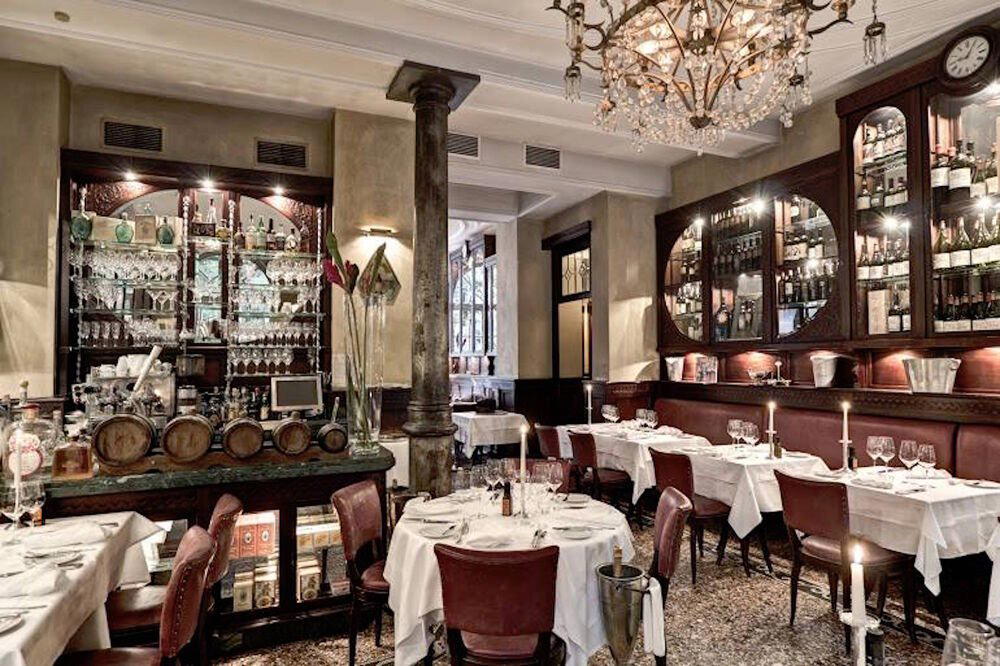
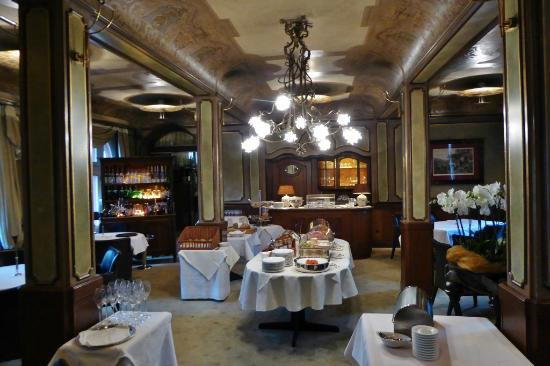
Restaurants in Wiesbaden
Browse all →
Bars in Wiesbaden
Browse all →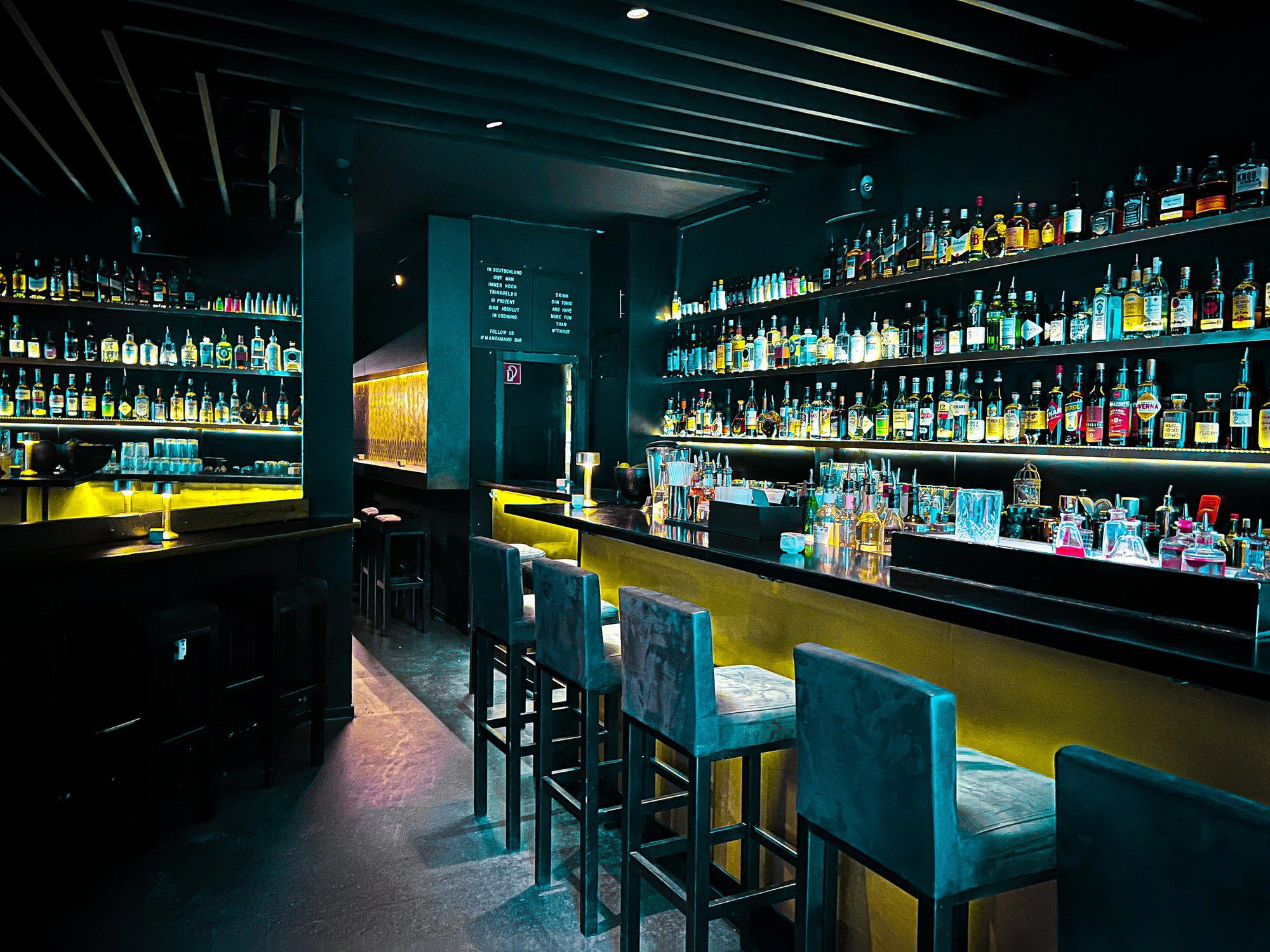

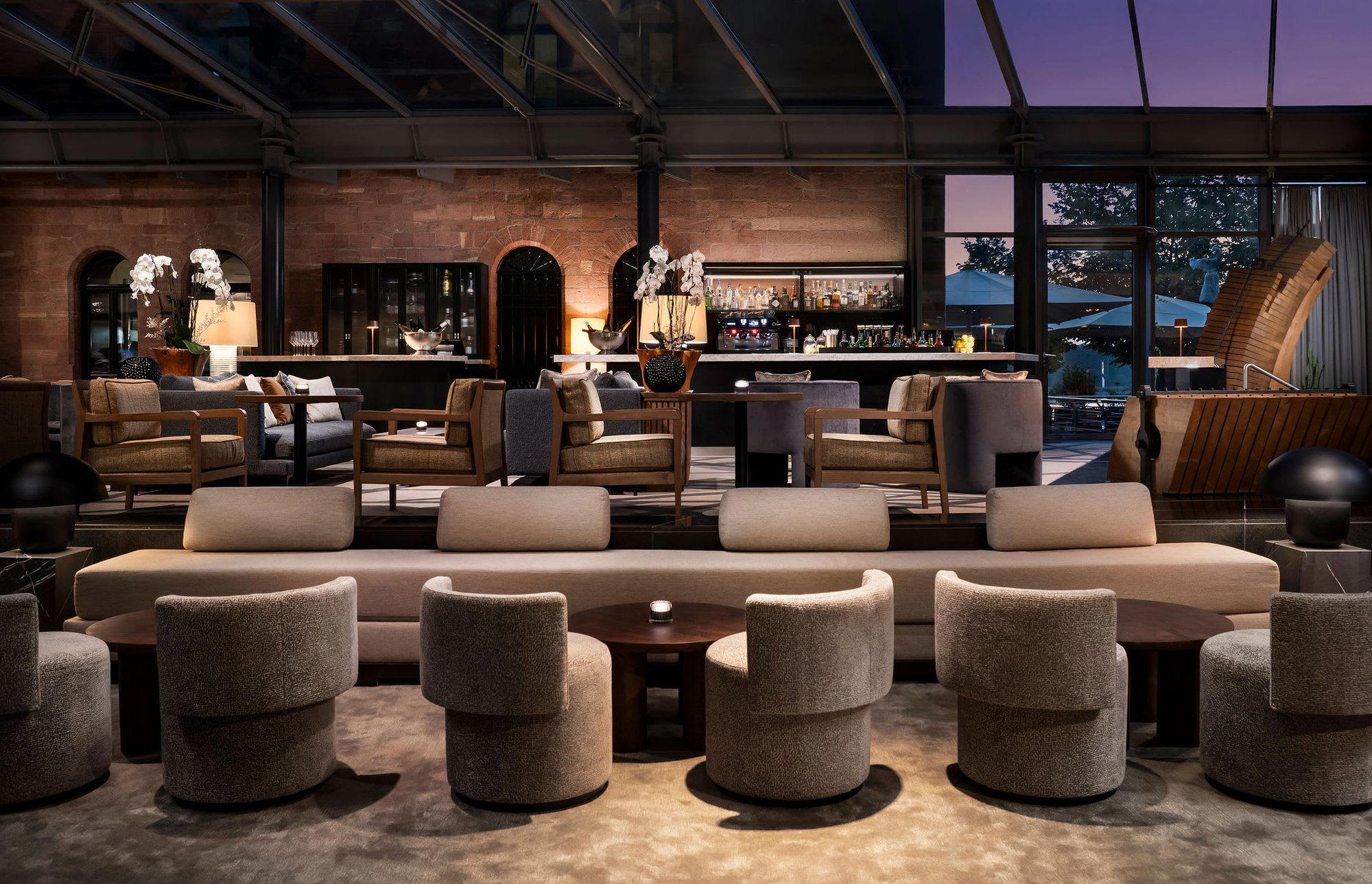
Hotels in Wiesbaden
Browse all →

At a Glance
- Modern
- Elegant
- Sophisticated
- Business Dinner
- Celebration
- Group Dining
- Special Occasion
- Private Event
- Terrace
- Hotel Restaurant
- Private Dining
Current opening hours
- Monday
- Closed
- Tuesday
- 12 PM–12 AM
- Wednesday
- 12 PM–12 AM
- Thursday
- 12 PM–12 AM
- Friday
- 12 PM–12 AM
- Saturday
- 5 PM–12 AM
- Sunday
- Closed
Hours can change for holidays and private events. Last verified .
Warm, stylish, and metropolitan, with a modern urban atmosphere designed for relaxed upscale dining.