Singing Tiger
Singing Tiger occupies a corner of Washington D.C.'s rapidly evolving NoMa corridor at 411 New York Ave NE, where the city's newer dining ambitions are taking shape beyond the traditional Georgetown-Penn Quarter axis. With limited public information on the record, it sits among a generation of D.C. addresses that reward early attention before the broader conversation catches up.
Pearl is the En Primeur Club membership app — saves, bookings, and concierge access live there. Same editors, same standards.
- Address
- 411 New York Ave NE, Washington, DC 20002
- Phone
- +12029981484
- Website
- opentable.com
- Directions
- Get directions
 Saves & bookings on Pearl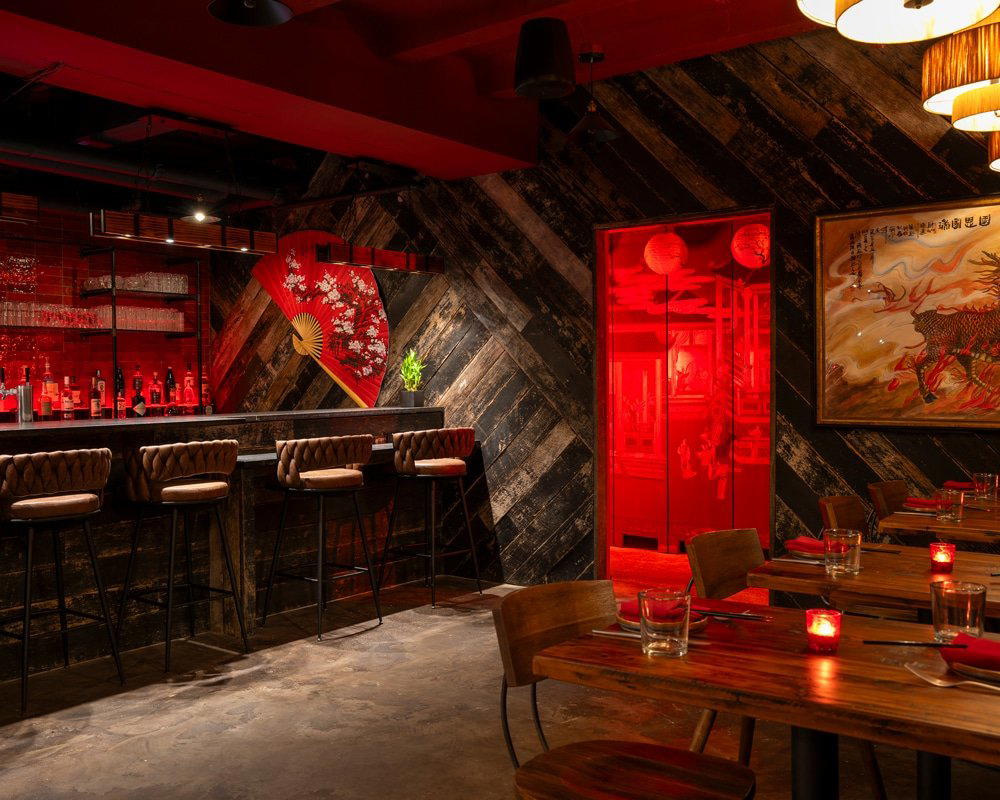
NoMa's Emerging Dining Corridor
Singing Tiger is a restaurant in Washington, D.C.'s NoMa neighborhood. The older concentration of destination dining along Penn Quarter and Georgetown still holds considerable weight, but the northeast quadrant, NoMa and its adjacent blocks, has attracted a different kind of operator: younger, less formula-dependent, and often working in cuisines and formats that don't fit the capital's traditional image as a power-lunch town. Singing Tiger, at 411 New York Ave NE, sits inside that shift.
The NoMa address places it at a meaningful remove from the tourist circuits that thread through Capitol Hill and the Mall. This is a neighborhood whose dining character is still being written, which makes it genuinely interesting territory for anyone tracking how American city dining evolves after a wave of development resets the blocks around transit infrastructure. New York Ave NE is one of the main arteries feeding that zone, and the concentration of newer residents has created both the demand and the commercial space for operators willing to commit to a less established address.
The Address and What It Signals
In American dining cities, an address carries information. NoMa has followed a trajectory common to post-industrial urban corridors, light industry, then arts and residential development, then food and beverage operators who find the rent structure workable and the incoming population receptive. The pattern has played out in comparable corridors in Chicago, San Francisco, and Brooklyn, and D.C.'s version is still in earlier innings than those markets.
What this means practically: a venue at this address is making a bet on neighborhood trajectory rather than borrowing from an established dining reputation. That bet has paid off in similar contexts elsewhere.
D.C.'s Current Dining Moment
Washington's restaurant scene has, over the past five years, developed a more diverse ambition. The city now fields tasting-menu programs at the level of Jônt and avant-garde formats at minibar, while simultaneously supporting a wider range of price points and cuisine references than the diplomatic-dinner circuit once demanded. Middle Eastern cooking has found serious expression at Albi, a venue that demonstrates how D.C.'s dining vocabulary has expanded well beyond its French-Continental defaults.
That expansion matters as context for any newer entry in the market. A venue opening in D.C. today is not competing against a sleepy government-town dining culture. It is entering a city where the critical and culinary standards have been raised by venues that rank against national peers. D.C.'s own The Inn at Little Washington has long anchored the region's high-end reputation, and the city's newer generation of operators have used that precedent as a floor rather than a ceiling.
Where Singing Tiger Sits in the comparable set
What is available is the address, which places it in a part of the city where mid-market and upper-mid-market formats have been the dominant incoming operators.
That tier in D.C. is competitive but not oversaturated. Venues like Oyster Oyster ($$$ New American) and Causa ($$$$ Peruvian) show the range within that comparable set.
Logistics Comparison: Singing Tiger vs. Nearby D.C. Peers
| Venue | Cuisine | Price Tier | Location | Format |
|---|---|---|---|---|
| The restaurant | Not confirmed | Not confirmed | NoMa (411 New York Ave NE) | Not confirmed |
| Oyster Oyster | New American / Sustainable | $$$ | Shaw | À la carte / tasting |
| Causa | Peruvian | $$$$ | Downtown | Tasting menu |
| Albi | Middle Eastern | $$$$ | Navy Yard | À la carte / sharing |
| Jônt | Modern French / Contemporary | $$$$ | Georgetown | Chef's tasting menu |
Tracking a Venue Before the Consensus Forms
In D.C. the gap between a restaurant's opening and its first substantial coverage in national outlets or award nominations has shortened considerably, venues like Atomix in New York City and Blue Hill at Stone Barns in Tarrytown demonstrate how quickly serious operators can enter critical consciousness once the work is in place. D.C. operates on a similar if slightly slower cycle.
That is itself a data point: it is either newly opened, operating below the level of media coverage that generates searchable records, or in a format that hasn't yet attracted the kind of institutional attention that produces award nominations and press coverage. Any of those conditions can change quickly.
The address alone, NoMa, a neighborhood with development momentum, suggests a venue that has positioned itself ahead of a broader dining shift rather than behind it. Similar positioning logic has characterized the early phases of venues now considered firmly established in their respective cities, from Providence in Los Angeles to Addison in San Diego to Single Thread Farm in Healdsburg.
Planning Your Visit
The restaurant is located at 411 New York Ave NE, Washington, DC 20002, in the NoMa neighborhood, accessible via the NoMa-Gallaudet U Metro station on the Red Line. The dress code is casual, reservations are recommended, and the price tier is moderate, about $35 per person. Given the NoMa address and the broader D.C. dining trend toward advance booking at newer, smaller operators, arriving with a reservation rather than walking in is the more reliable approach.
- Korean fried chicken wings with gochujang honey glaze
- Dan dan noodles
- Beef pho
- Salt and pepper shrimp
- Kokoda fish ceviche
- Marinated melon nigiri
Recognition, Side-by-Side
Comparable venues nearby, for context on price, style, and recognition.
| Venue | Cuisine | Price | Notes |
|---|---|---|---|
| Singing TigerThis venue — the venue you are viewing | Modern Pan-Asian with Karaoke | $$ | Not listed |
| Realm | Seychelles-Inspired Fusion Rooftop Lounge | $$$ | Shaw |
| Cane | Trinidadian & Caribbean Street Food | $$ | H Street Corridor |
| Boundary Stone | American Gastropub | $$ | Bloomingdale |
| Art and Soul | Modern Southern American | $$ | East End |
| Mitsitam Cafe | Native American Regional Foods | $$ | National Mall |
Continue exploring
More in Washington DC
Restaurants in Washington DC
Browse all →
Bars in Washington DC
Browse all →
Hotels in Washington DC
Browse all →

At a Glance
- Energetic
- Lively
- Modern
- Trendy
- Group Dining
- Casual Hangout
- After Work
- Late Night
- Celebration
- Private Dining
- Live Music
- Hotel Restaurant
- Craft Cocktails
- Sake Program
High-energy, playful, and theatrical with bold lighting and a lively atmosphere designed to flow seamlessly from dining to karaoke performance.