9:30 Club
C.'s Shaw neighborhood, the 9:30 Club is one of the country's most recognized mid-capacity live music venues, drawing a consistent national touring circuit across rock, indie, electronic, and hip-hop. Its standing-room floor plan and focused sightlines have made it a reference point for how American club venues are designed and operated.

Pearl is the En Primeur Club membership app — saves, bookings, and concierge access live there. Same editors, same standards.
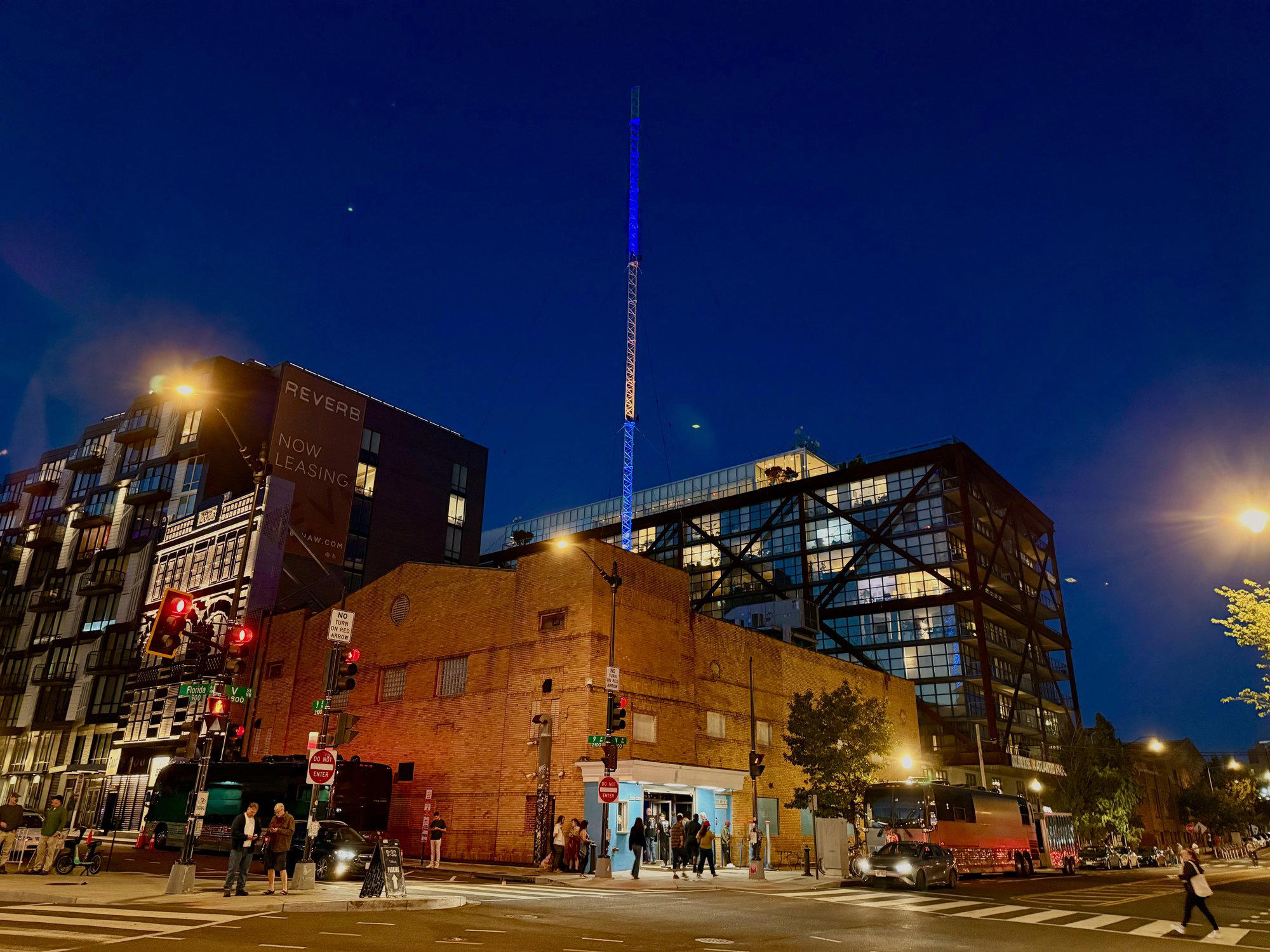
The Room as the Argument
In American live music, room design is the real differentiator. Seated theatres offer comfort but sacrifice energy; stadium floors offer scale but erase intimacy.C.'s Shaw neighborhood, occupies the middle tier where neither trade-off is total. The floor holds roughly 1,200 people, a capacity that keeps the room dense enough to generate pressure and noise without the anonymity of a larger arena. That number is not incidental; it is the architectural argument the venue makes every night.
The physical container here does what good venue design should: it keeps every position on the floor in viable proximity to the stage. The room is wider than it is deep, which compresses the distance between the back wall and the performers. The balcony wraps three sides, giving the upper level a clear sightline rather than an obstructed overhang. These are decisions that reflect a specific philosophy about how live music works at mid-scale, and they have made the 9:30 Club a recurring reference in conversations about American club design over the past three decades.
Shaw and the V Street Address
The V Street NW address places the venue in a part of Shaw that has changed considerably since the club's earlier years in a different location on F Street. Shaw's current character sits between the historically significant and the recently commercial, with the 9:30 Club functioning as one of the neighborhood's consistent civic anchors. The surrounding blocks have filled in with bars, restaurants, and smaller venues, creating a pre- and post-show circuit that extends the evening beyond the concert itself.C.'s bar program has matured substantially around venues like this one. Allegory, Service Bar, and Silver Lyan represent the capital's more technically ambitious cocktail programming, while .
The Booking Circuit and What It Signals
Mid-capacity venues in the United States occupy a specific and pressured position in the touring economy. They are large enough to attract artists graduating from club tours but too small for the amphitheater circuit. The artists who play the 9:30 Club tend to be at an inflection point: building toward larger rooms or maintaining a deliberate intimacy at this scale. That positioning has given the venue a consistently strong calendar across rock, indie, electronic, and hip-hop, with relatively few genre gaps across a given month's programming.
Tickets are almost exclusively sold in advance through primary and secondary markets. Walk-up availability at the door is rare for headlining shows and essentially non-existent for sold-out dates. Purchasing ahead of an intended visit is not a precaution; it is a requirement. Shows sell through at varying speeds depending on artist profile, but high-demand dates can clear within hours of going on sale.
The same touring logic applies across American music markets. Venues like those served by Bar Leather Apron in Honolulu, Jewel of the South in New Orleans, and Julep in Houston operate within local entertainment ecosystems where anchor venues set the rhythm for surrounding hospitality businesses. The 9:30 Club performs that function in D.C. structuring the evening economy of Shaw on show nights.
How the Space Performs on a Sold-Out Night
The 9:30 Club's interior is deliberately unadorned. Exposed brick, functional lighting rigs, and a raised stage without theatrical excess define the aesthetic register. This is a venue that declines to compete with the performance happening on its stage. The bar runs along the back wall of the floor, keeping drink service from interrupting sightlines for the majority of the crowd. Sound is handled by a house system that has been refined over years of operation and is consistently cited by touring crews as among the more reliable in American mid-capacity rooms.
Balcony is worth noting for visitors who prioritize sightlines over the floor's energy. The three-sided wrap means the balcony never places an attendee at a ninety-degree angle to the stage, and the railing positions offer a clear, refined view without the distance penalty of rear balcony sections in larger venues. For anyone with mobility considerations or a preference for more control over their position, the balcony is a practical alternative to the standing floor.
Across American markets, the discipline of dedicated craft cocktail programs reflects a similar attention to function and specificity. Kumiko in Chicago, Superbueno in New York City, ABV in San Francisco, and The Parlour in Frankfurt on the Main each operate within a specific design and programming logic, prioritizing the experience over ambient decoration. The 9:30 Club follows the same principle, applied to live performance rather than hospitality.
Planning a Visit
The venue is located on V Street NW in Shaw, accessible by Metro from the Shaw-Howard University station on the Green and Yellow lines. Doors typically open sixty to ninety minutes before the advertised start time, which gives arriving attendees a window to settle in and reach the bar before the floor fills. The room's standing layout means arrival time correlates directly with floor position, and early entry is worth the planning for shows where position matters to the experience.
Because the 9:30 Club operates as a ticketed live music venue rather than a hospitality destination, there is no dress code and no reservation system beyond the ticket itself. The bar program runs standard American concert fare. For visitors building a broader D.C. evening, the surrounding Shaw blocks offer options before the show, and the venue's proximity to multiple transit lines makes the return journey manageable from most quadrants of the city.
Cost Snapshot
Comparable options at a glance, pulled from our tracked venues.
| Venue | Price | Awards | Notes |
|---|---|---|---|
| 9:30 ClubThis venue — the venue you are viewing | $30–50 | Not listed | Not listed |
| Allegory | $30–50 | World's 50 Best #57 · Pinnacle Guide 2 Pins | Not listed |
| Service Bar | $30–50 | World's 50 Best #39 · James Beard Award Semi Finalist | Not listed |
| Barmini | $50–100 | Not listed | Not listed |
| Eebee’s Corner Bar | $20–30 | Not listed | American (burgers, bar food) |
Continue exploring
More in Washington DC
Bars in Washington DC
All bars in Washington DC →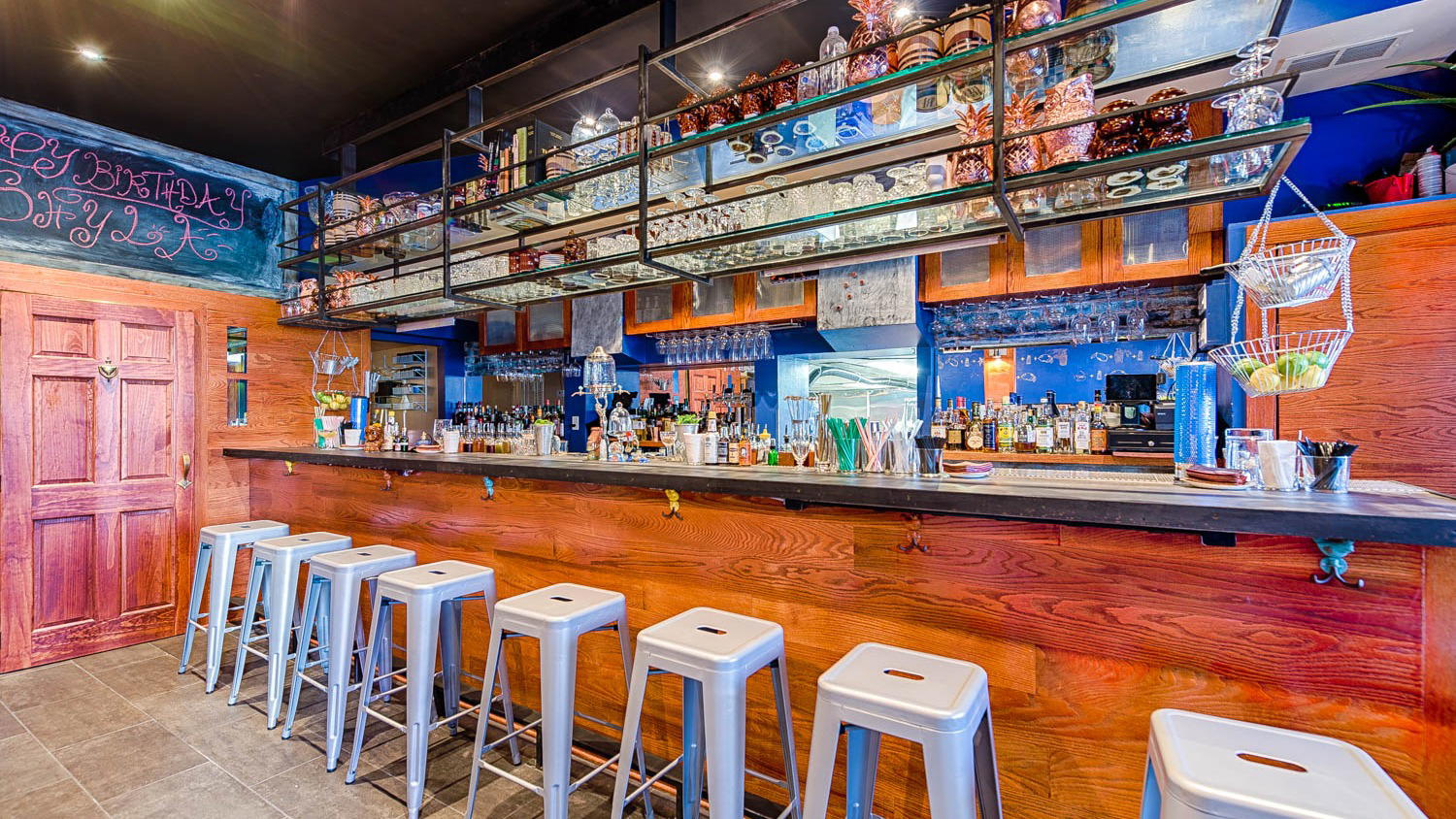
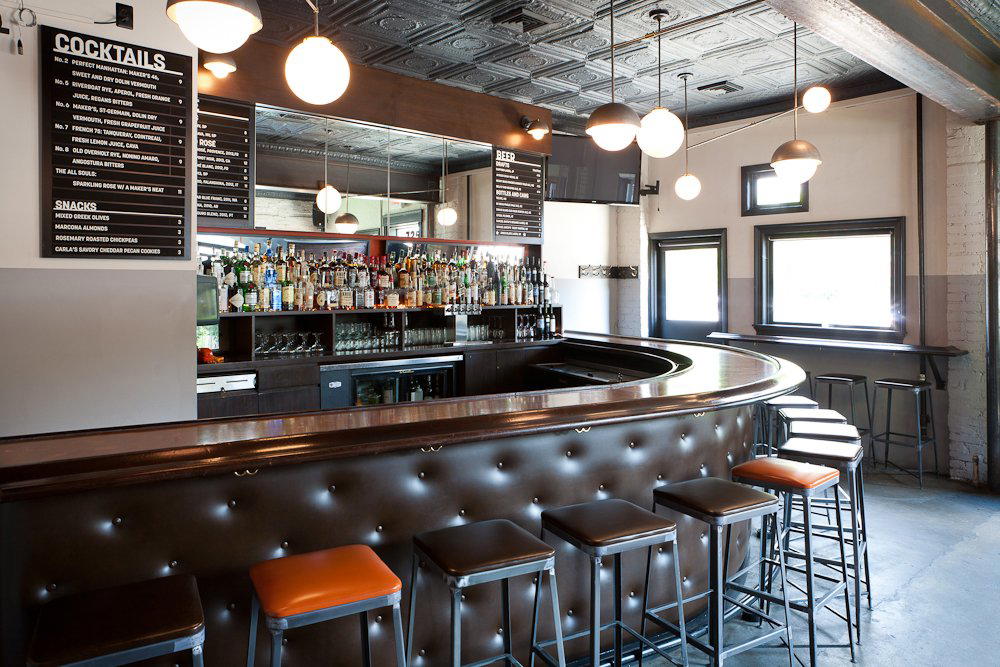
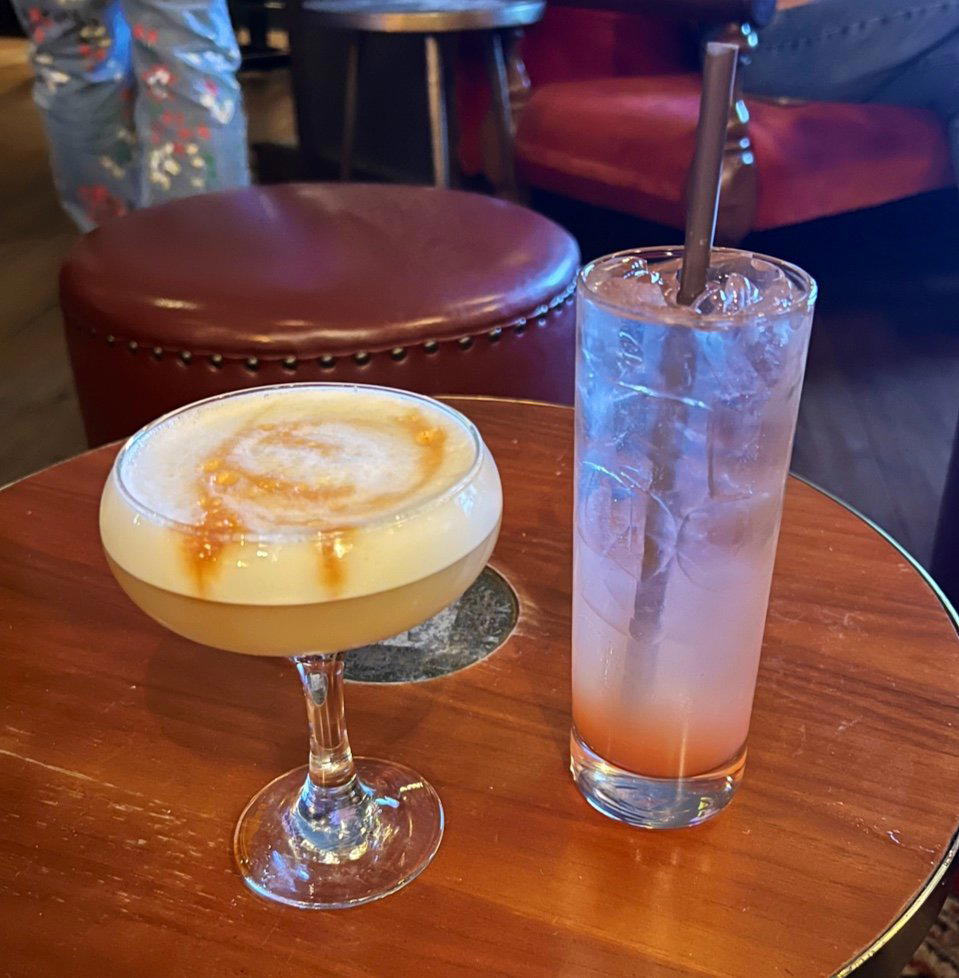
Restaurants in Washington DC
All restaurants in Washington DC →
9:30 Club
The drinks
- Classic cocktails
Signature drinks: 9:30 Cupcake.
Details
- Lively
- Energetic
- Well Known
- Group Outing
- Live Music
- Historic Building
- Standing Room
- Classic Cocktails
Energetic and immersive with a main floor and balcony hugging the stage, creating a packed, lively atmosphere during live performances.