Realm
Realm brings Seychellois cooking to Washington DC, threading Indian and Afro-Caribbean influences through a cuisine that rarely appears on American menus. The kitchen draws on a tradition where vegetarian preparations carry as much weight as any meat dish, producing dal, paneer, and spiced legume cookery rooted in the Indian Ocean rather than the subcontinent alone. For DC diners willing to move beyond the familiar, it represents a genuinely different point of reference.
Pearl is the En Primeur Club membership app — saves, bookings, and concierge access live there. Same editors, same standards.
- Address
- Washington DC, United States
- Website
- realmrooftopdc.com
 Saves & bookings on Pearl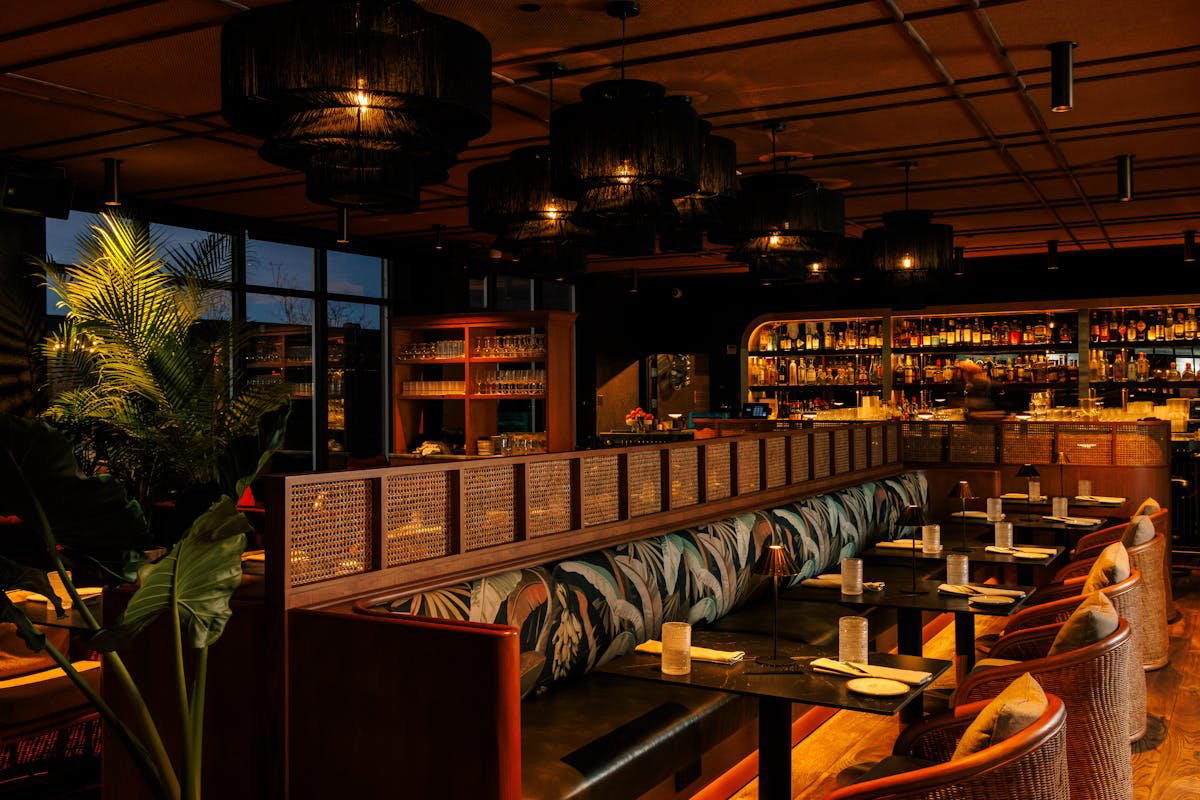
An Indian Ocean Tradition Arrives in Washington
Washington DC has spent the last decade diversifying its restaurant offering beyond its long-established Ethiopian corridor and the power-dining steakhouses that still anchor much of the expense-account trade. That diversification has mostly followed predictable paths: Korean, refined Mexican, Japanese omakase. Seychellois cooking, with its layered debt to Indian Ocean trade routes, has not been part of that conversation until recently. Realm enters a city that knows its Indian subcontinental cooking reasonably well but has had almost no exposure to the way those same spice traditions mutate when they meet Creole and Afro-Caribbean technique in the islands northeast of Madagascar.
The cuisine itself is worth understanding before you arrive. The Seychelles sits at a crossroads where Indian, African, French colonial, and Chinese cooking have been blending for centuries. Coconut milk appears where a North Indian kitchen might use cream. Curry leaves and turmeric turn up in preparations that have as much structural debt to East African coast cooking as to Gujarat. The vegetarian strand of this tradition is particularly deep, shaped by the large Indian-descended population in the islands whose ancestors brought the paneer, lentil, and legume repertoire of the subcontinent and adapted it to what the Indian Ocean provided.
Vegetarian Depth as a Structural Principle
India's vegetarian tradition is not a dietary concession; it is a cooking system that has been refined over centuries and produces complexity that meat-centred kitchens rarely match in the lentil-and-pulse register. Dal cooked correctly is an exercise in layered fat, acid, and aromatic timing. Paneer handled well holds its structure against heat while absorbing the character of whatever sauce surrounds it. Chaat, at its sharpest, plays sweet, sour, spicy, and crunchy against each other in a single mouthful with a precision that calls for the same calibration as any classical French sauce.
Realm operates in the territory where those Indian vegetarian fundamentals meet Afro-Caribbean technique. That means the coconut base common to Caribbean curry, the use of plantain and tropical starch, and the seasoning logic of West African cooking all enter the same kitchen frame. The result is a cuisine where the vegetarian options are not accommodations for non-meat-eaters but load-bearing columns of the menu. In a DC dining scene where vegetarian cooking often means a risotto or a composed salad appended to a meat-forward menu, this is a materially different structural position.
For comparison, the vegetarian depth at South Asian-influenced restaurants in American cities tends to cluster at two poles: the subcontinental specialist, where the tradition is faithfully reproduced, and the modernist fusion kitchen, where ingredients get deconstructed for novelty. Realm sits in a third position: a geographically specific cuisine that carries Indian vegetarian logic but has been evolving in a distinct island context, producing flavours that are recognisable but not replicable through simple recombination of Indian and Caribbean menus.
Where Realm Sits in the DC Field
Washington's current restaurant conversation tends to concentrate around a handful of anchors. The political dining circuit still gravitates toward format-legible venues where the experience is predictable enough to function as a backdrop for business. The more adventurous end of the market has produced some serious cooking, including outposts from operators who have built reputations elsewhere, and a Thai program at Alfie's and its permanent Georgetown location that has attracted attention for its natural wine pairings and kitchen discipline. On the meat-centred side, Bazaar Meat by José Andrés and Bully Spanish Steakhouse hold down the grilled and Spanish-influenced end of the market with considerable resource behind them.
Realm is not competing in any of those lanes. Its comparable set nationally is a small cohort of restaurants in American cities attempting to bring minority-language Indian Ocean cuisines into a fine or semi-fine dining context: venues where the reference point is neither the subcontinent nor the Caribbean as Americans know them, but a third geography that most diners will encounter for the first time at the table. That comparative isolation is both a commercial challenge and an editorial distinction. It means Realm carries the weight of introduction, explaining a cuisine to a room that has no prior frame for it, which is a different task from refinement or reinterpretation.
For context on what that challenge looks like at the summit of the American market, it is worth noting that restaurants such as Atomix in New York City spent years building the context for Korean fine dining before the format became legible to a broader audience, and that Le Bernardin operated for years as a category argument for fish-centred fine dining before the format was widely accepted. Category introduction takes time and repetition. Realm is at an early point in that process.
Planning Your Visit
The approach for any first visit is to treat it as a discovery-phase restaurant: worth the research effort to locate current operating information through DC dining aggregators or the restaurant's own social channels before committing to a reservation. Washington's exploratory dining tier, the restaurants operating below the institutional radar of the major hotel dining rooms and the established power-lunch circuit, tends to reward visitors who do that groundwork in advance rather than arriving without a reservation.
For wine-focused visitors, the Washington wineries guide covers the state's growing wine production, which sits primarily in the eastern part of Washington State rather than the DC metro area.
Realm stands apart from those established institutions as a restaurant introducing a lesser-seen Indian Ocean tradition to Washington. Those are established institutions with decades of critical record. Realm is a different kind of proposition: a cuisine with a centuries-old history arriving in a city that has not seen it before, asking for a different kind of attention from the diner.
Reputation First
Comparable venues nearby, for context on price, style, and recognition.
| Venue | Cuisine | Price | Notes |
|---|---|---|---|
| RealmThis venue — the venue you are viewing | Seychelles-Inspired Fusion Rooftop Lounge | $$$ | Not listed |
| Fraiche | Upscale French-Cajun-Caribbean Fusion | $$$ | Columbia Heights |
| Central Michel Richard | French-American Bistro | $$$ | East End |
| The Greenhouse | Contemporary American | $$$ | Dupont Circle |
| Fireclay | Contemporary American Open-Fire | $$$ | East End |
| Bistro Aracosia, Aracosia & Afghania | Authentic Afghan Chop House | $$$ | Palisades |
Continue exploring
More in Washington DC
Restaurants in Washington DC
Browse all →
Bars in Washington DC
Browse all →




At a Glance
- Lively
- Trendy
- Sophisticated
- Scenic
- Date Night
- Group Dining
- Special Occasion
- Rooftop
- Open Kitchen
- Private Dining
- Terrace
- Craft Cocktails
- Natural Wine
- Skyline
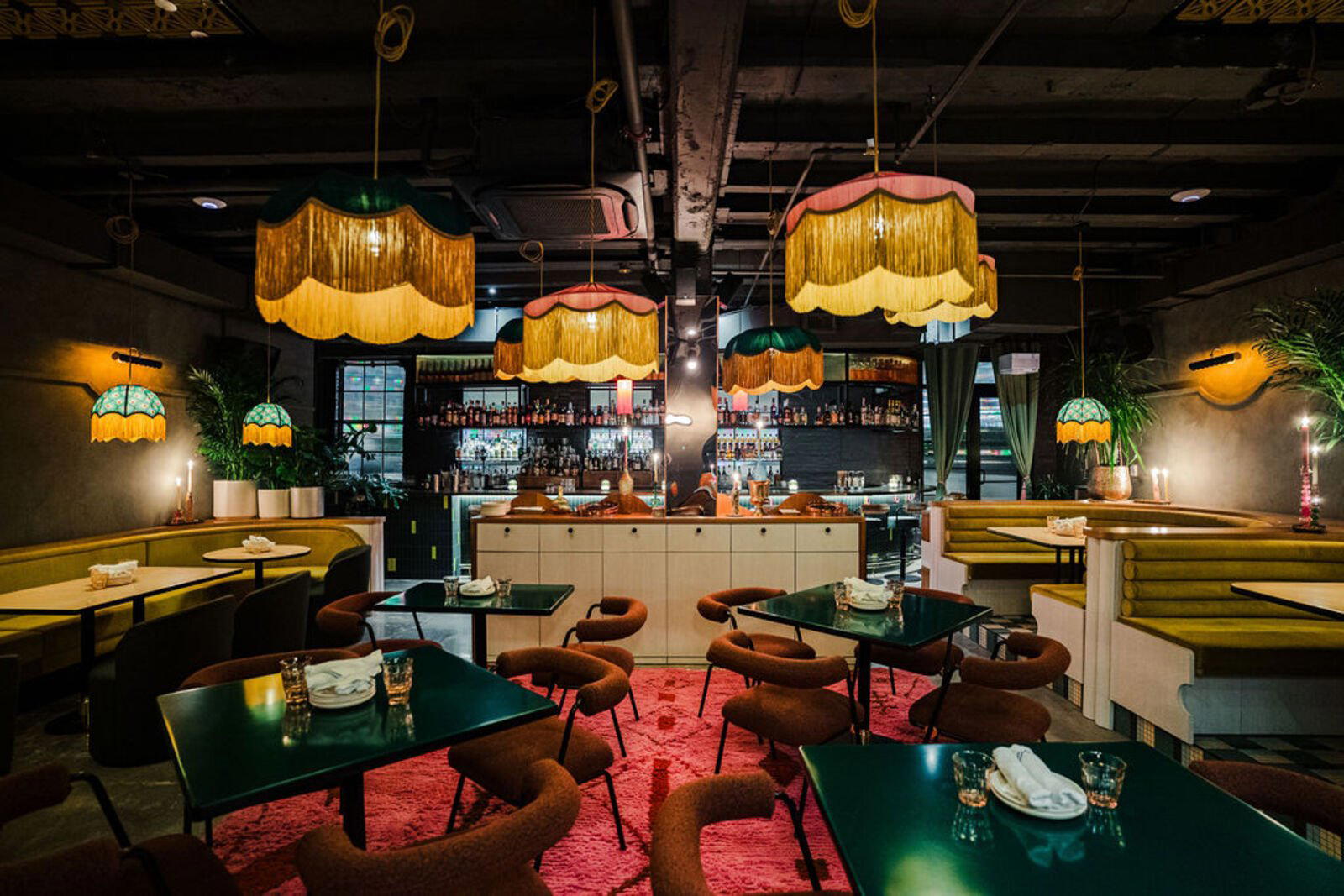
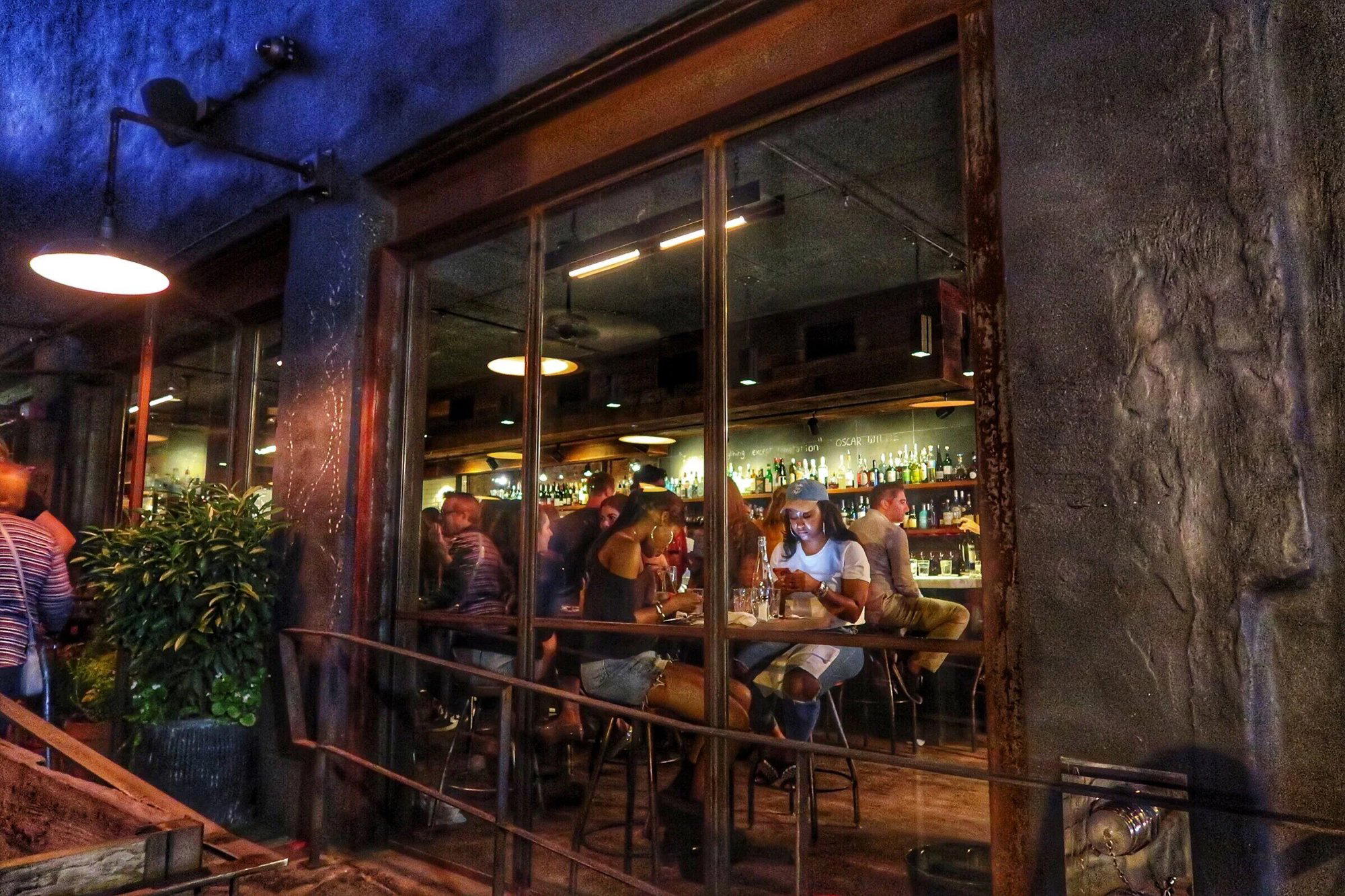
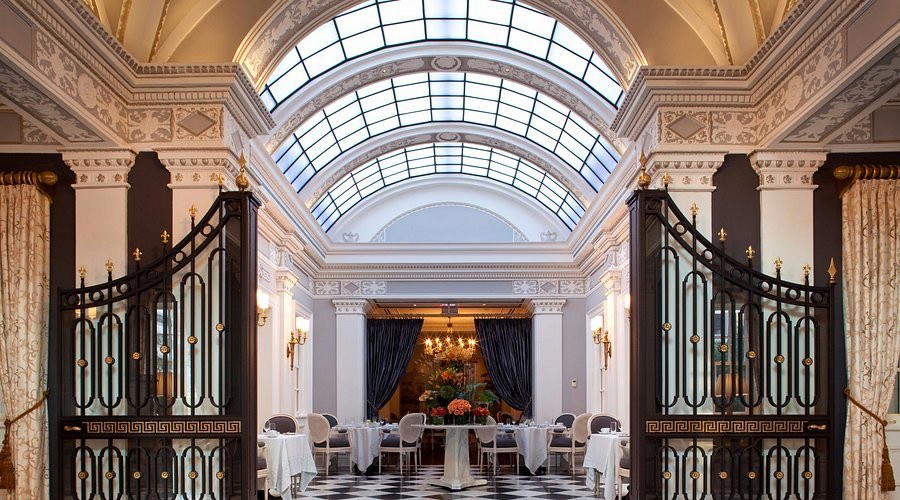
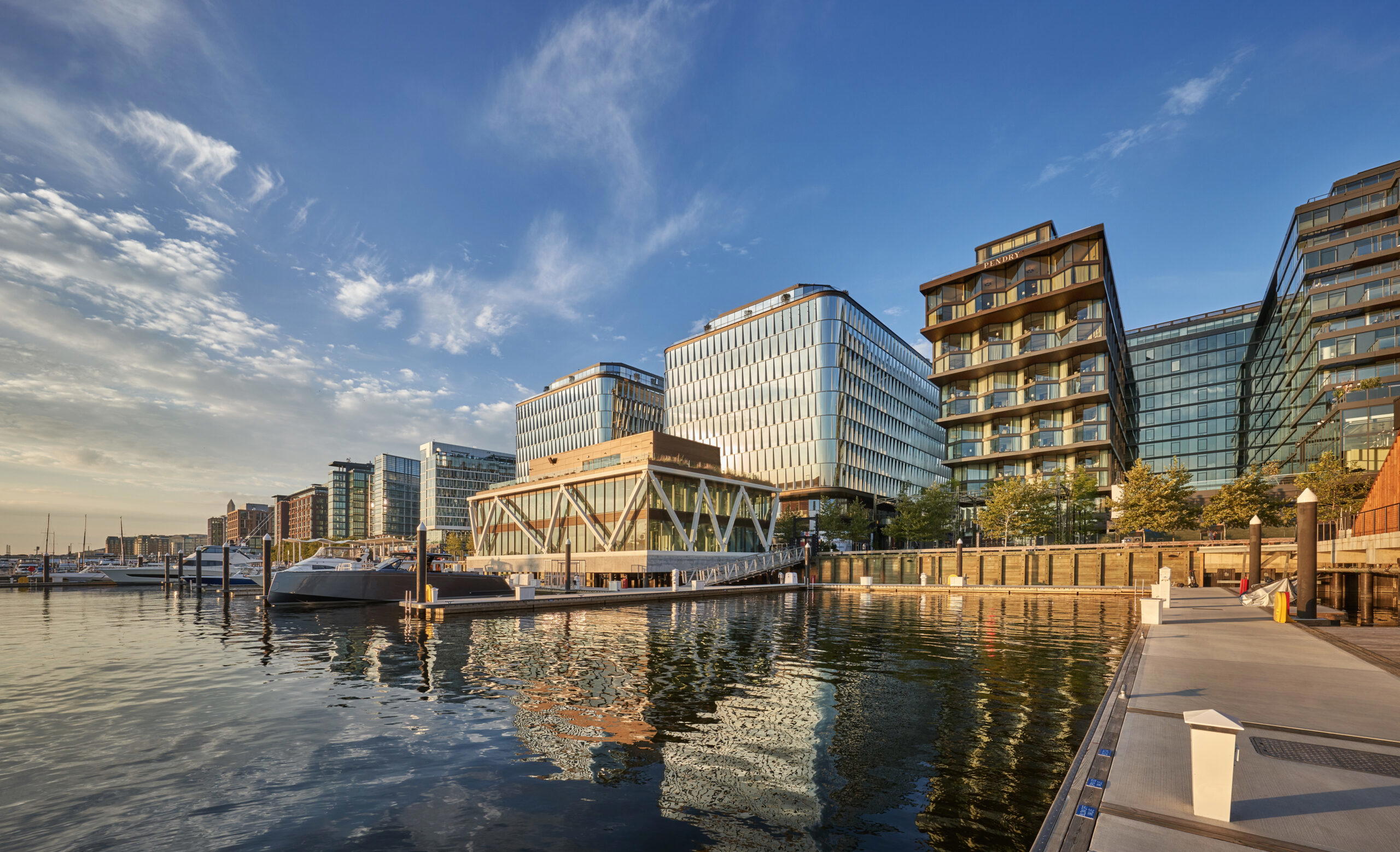
Sophisticated yet relaxed rooftop atmosphere blending chic indoor seating with an expansive outdoor patio, fire pits, modern lounge areas, and high ambiance ratings from guests.