Our verdict
Sinatra occupies a quietly grounded position on Bundesstraße 19 in Kemeten, within the iron-soil wine country of southern Burgenland. The region's agricultural identity, anchored by Eisenberg Blaufränkisch and smallholder producers near the Hungarian border, provides a coherent sourcing frame for any serious kitchen here. For travelers willing to move beyond Austria's better-charted dining corridors, it represents the kind of provincial address that regional itineraries are built around.

Pearl is the En Primeur Club membership app — saves, bookings, and concierge access live there. Same editors, same standards.
- Address
- Bundesstraße 19, 7531 Kemeten, Austria
- Phone
- +436641572500
- Hours
- Mon–Thu 9 AM–8 PMFri 9 AM–10 PMSat ClosedSun 9 AM–2 PM
- Directions
- Get directions
A Southern Burgenland Address Worth the Detour
The Burgenland wine country south of Eisenstadt operates on a different register from Austria's more celebrated dining corridors. Where the Wachau draws food travelers toward the Danube and Salzburg pulls them into alpine terrain, this southeastern pocket of Austria near the Hungarian border has built a quieter, more agricultural identity. Kemeten sits within that zone, a village whose immediate surroundings are defined by low hills, smallholder farms, and vineyards producing Blaufränkisch on iron-rich soils. It is the kind of setting where a restaurant's relationship to its local supply chain is not a marketing posture but a direct consequence of geography. Sinatra, on Bundesstraße 19, occupies that context directly.
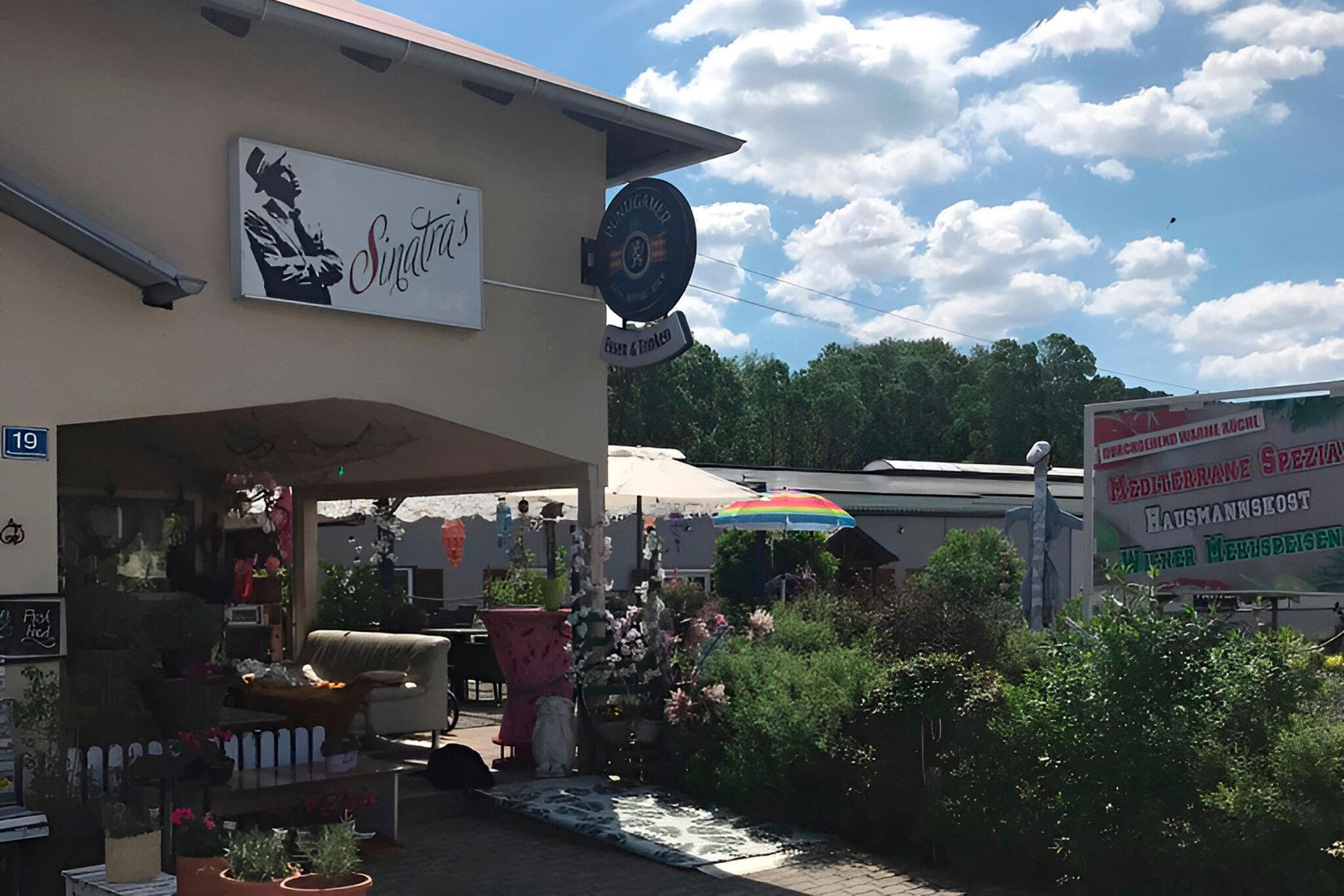
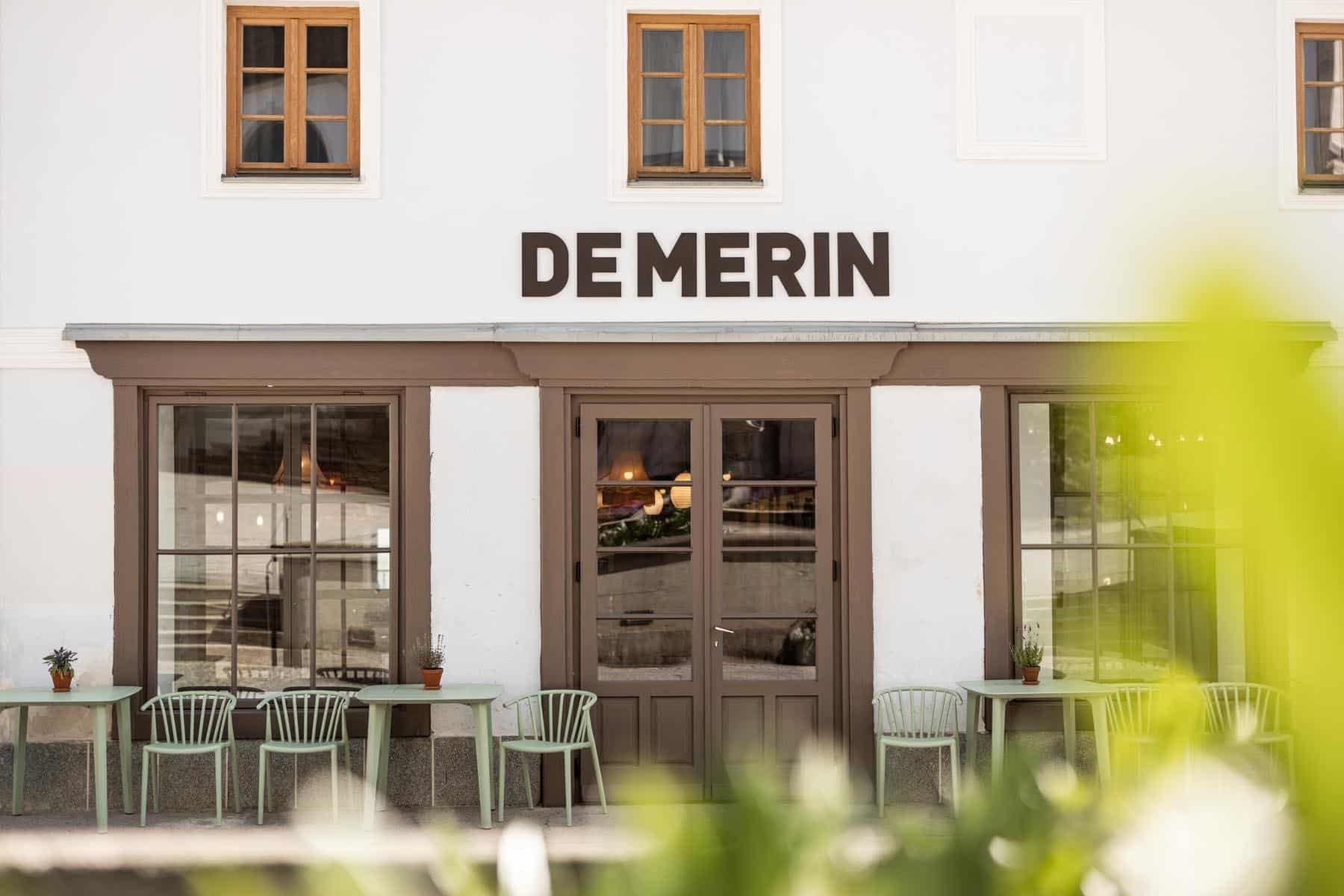
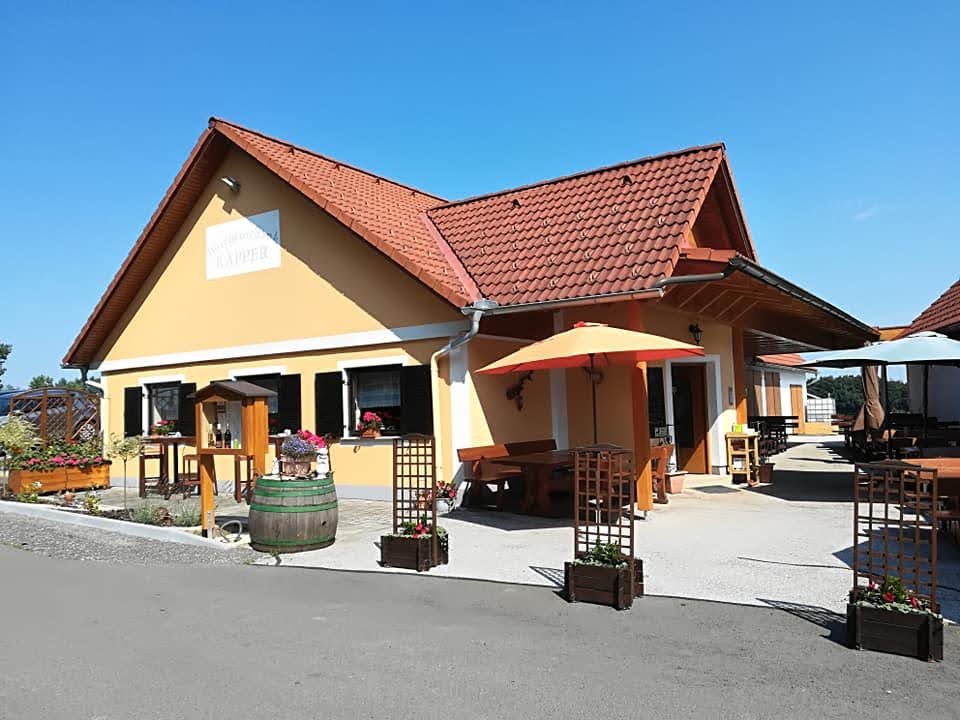
Approaching along the main road, the building reads as part of the working village rather than apart from it. There is no grand entrance sequence or landscaped approach designed to signal ambition from a distance. The architecture belongs to the region's vernacular: functional, grounded, scaled to the surrounding settlement. That physical modesty is consistent with a broader pattern across serious Austrian provincial restaurants, where the dining room tends to earn its reputation through the plate rather than through a stage-set arrival experience.
The Burgenland Sourcing Argument
Southern Burgenland has one of Austria's more coherent cases for ingredient-led cooking. The region produces wine of recognized quality, particularly from the Eisenberg DAC designation, where Blaufränkisch grown on iron-oxide-heavy schist develops a mineral profile distinct from its Mittelburgenland counterpart. Alongside viticulture, the area sustains livestock farming, market gardens, and orcharding at a scale that keeps direct producer relationships practical for a kitchen that knows what it wants. In this respect, Kemeten is better positioned than many Austrian towns of comparable size: proximity to the border also means access to Hungarian agricultural producers whose pricing and variety have historically complemented what domestic supply provides.
Across Austria's recognized regional restaurants, from Döllerer in Golling an der Salzach in the Salzach valley to Landhaus Bacher in Mautern an der Donau in the Wachau, the pattern is consistent: the kitchens that sustain long-term reputations are those that treat local sourcing as a structural commitment rather than a seasonal talking point. The question with any lesser-documented regional address is whether that commitment translates into the plate with real discipline or whether it remains a general orientation without specific accountability.
Where Sinatra Sits in the Regional Picture
Austria's provincial fine dining has split into roughly two tiers over the past decade. The first tier operates at Michelin-recognized level, commanding price points and booking windows comparable to major city restaurants. Steirereck im Stadtpark in Vienna anchors the upper end of that conversation, while Ikarus in Salzburg and Gourmetrestaurant Tannenhof in Sankt Anton am Arlberg represent how award-level ambition translates into resort and city contexts alike. The second tier operates regionally, often with strong local followings, without the same international profile. The region's dining culture is one where a well-run, ingredient-honest kitchen with a loyal local base can provide an experience that award-chasing visitors to Vienna frequently miss entirely.
For comparison, Taubenkobel in Schützen am Gebirge has established that northern Burgenland can sustain high-ambition cooking tied tightly to wine country identity. Southern Burgenland lacks the same concentration of recognized names, which makes individual addresses in the area harder to benchmark from the outside but also means less competition for the regional sourcing relationships that define this kind of cooking.
The Broader Austrian Provincial Pattern
Anyone building a serious itinerary through Austria's non-urban dining rooms will find a country with more regional depth than its international reputation fully reflects. Obauer in Werfen has operated continuously as a family-run address with Michelin recognition, demonstrating that longevity and location outside a major city are not obstacles to sustained quality. Kräuterreich by Vitus Winkler in Sankt Veit im Pongau frames its entire identity around alpine herb sourcing, a specificity of ingredient focus that gives the kitchen a coherent editorial line. Ois in Neufelden and Atelier Fischer in Sankt Gilgen represent how smaller, newer addresses build credibility in less-visited corridors. Across all of these, what distinguishes the serious from the merely decent is a kitchen's ability to make its sourcing geography legible on the plate, not just on a menu header.
Sinatra's address in Kemeten places it within driving distance of Graz, the nearest major city, making it a plausible destination for Styrian visitors as well as those traveling through southern Burgenland. Artis in Graz provides a Graz-anchored reference point for urban Styrian dining, against which a rural Burgenland address offers a different register entirely. For international visitors already navigating Austria at depth, the pairing of a wine-country meal in southern Burgenland with a stop at an urban Graz table gives a more complete picture of the region than either alone would provide. For a wider survey of Austrian dining ambition across alpine and lake contexts, Griggeler Stuba in Lech, Schwarzer Adler in Hall in Tirol, and Stüva in Ischgl extend the itinerary westward into Vorarlberg and Tyrol. And for a calibration against international benchmarks operating at a different scale, Le Bernardin in New York City and Atomix in New York City represent what full-commitment tasting-menu formats look like at the top of a very different market. Restaurant 141 by Joachim Jaud in Mieming rounds out the Austrian provincial picture from a Tyrolean perspective.
See our full Kemeten restaurants guide for additional context on dining in the area.
Planning a Visit
Kemeten is a small village, and Sinatra at Bundesstraße 19 is most practically reached by car from Graz (roughly an hour south, depending on route) or from Oberwart, the nearest regional town. Visiting during the Burgenland harvest season, typically September through October, aligns any meal with the period when local producers are at peak supply, and the surrounding wine country provides a natural context for the day. Visitors interested in the broader southern Burgenland wine circuit will find the Eisenberg DAC area worth scheduling around the restaurant rather than as an afterthought.
Frequently asked questions
Is Sinatra good for families?
Kemeten is a small, quiet village and Sinatra at Bundesstraße 19 sits within that unhurried setting, which tends to suit relaxed, longer meals rather than quick family stops. The regional Austrian dining culture in Southern Burgenland generally favours unhurried table service, which can work well for older children comfortable with a slower pace.
What is the atmosphere like at Sinatra?
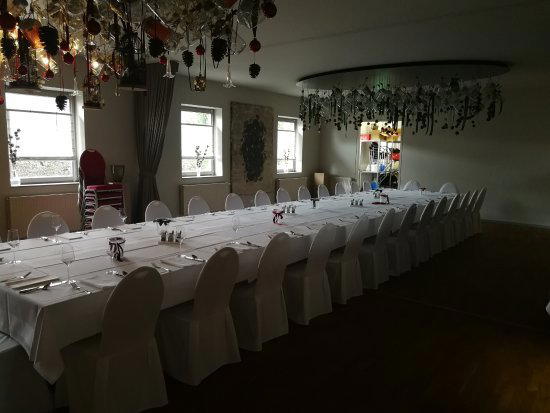
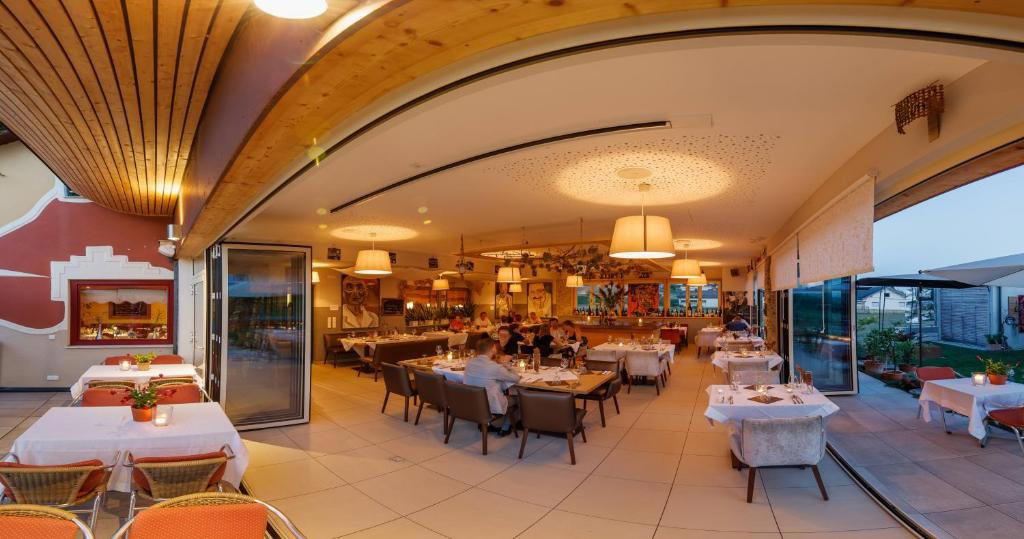
Sinatra occupies a roadside address on Bundesstraße 19 in Kemeten, a village-scale setting that places it firmly outside Austria's urban restaurant circuit. That geography shapes the tone: Southern Burgenland dining rooms of this type tend toward the intimate and local rather than the theatrical, drawing guests who are making a deliberate detour rather than passing through. The specific interior format and table count are not on public record, so it is worth confirming directly before arriving with expectations set for a particular style.
How far is Sinatra in Kemeten from Graz, and is it worth the drive?
Kemeten sits roughly an hour south of Graz by car, making Sinatra at Bundesstraße 19 a feasible day-trip destination from the city. Southern Burgenland operates on a different register from Graz's urban dining scene, and a restaurant drawing on the region's recognized agricultural and wine output gives the detour a clear rationale beyond the drive itself. Travellers already moving through the Burgenland wine corridor will find Kemeten a logical stop rather than a separate expedition.
What should I eat at Sinatra?
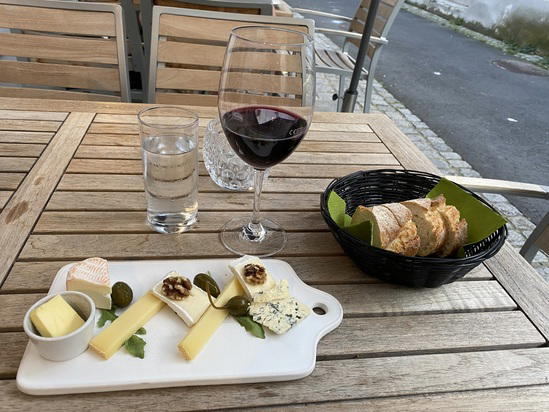
Southern Burgenland has a credible argument for ingredient-led cooking, with wine production and agricultural output that give regional kitchens a clear sourcing base. Given the regional context, dishes drawing on local produce and Burgenland wine pairings are a reasonable expectation.
What's Sinatra's location?
Sinatra is located at Bundesstraße 19, 7531 Kemeten, Austria, Kemeten.
Comparison Snapshot
Comparable venues nearby, for context on price, style, and recognition.
| Venue | Cuisine | Price | Awards | Notes |
|---|---|---|---|---|
| SinatraThis venue — the venue you are viewing | Austrian Streetfood Cafe | $10–20 | Not listed | Not listed |
| Erbsenzählerei | Organic Vegetarian Café | $10–20 | Not listed | Margareten |
| Crazy Khinkali | Georgian Khinkali | $20–30 | Not listed | Mariahilf |
| Food Garden | Garden Restaurant | Not listed | Not listed | Sudbahnhof |
| Café Schwarzenberg | Traditional Viennese Café | $10–20 | Not listed | Staatsoper |
| rosebar centrala | Modern Central European Bistro | $30–50 | Falstaff Restaurant - 89 Falstaff Points | Brigittenau |

Details
- Cozy
- Intimate
- Casual Hangout
- Family
- A La Carte
- Family Style
- Buffet
- Vegetarian Friendly
Current opening hours
- Monday
- 9 AM–8 PM
- Tuesday
- 9 AM–8 PM
- Wednesday
- 9 AM–8 PM
- Thursday
- 9 AM–8 PM
- Friday
- 9 AM–10 PM
- Saturday
- Closed
- Sunday
- 9 AM–2 PM
Hours can change for holidays and private events. Last verified .
Friendly and warm with a cozy living room feel, praised for its hospitable and family-like environment.