
Rosebar Centrala sits in Vienna's 20th district, a neighbourhood where the city's dining scene has been quietly shifting away from its historic centre. The address places it in a part of town where local regulars outnumber tourists, and where a wine-bar format built around accessible, ingredient-led cooking finds a natural audience. For the full picture of Vienna's current restaurant moment, see our complete city guide.
Pearl is the En Primeur Club membership app — saves, bookings, and concierge access live there. Same editors, same standards.
- Address
- Rauscherstraße 5, 1200 Wien, Austria
- Phone
- +436641266056
- Website
- centrala.at
- Directions
- Get directions
 Saves & bookings on Pearl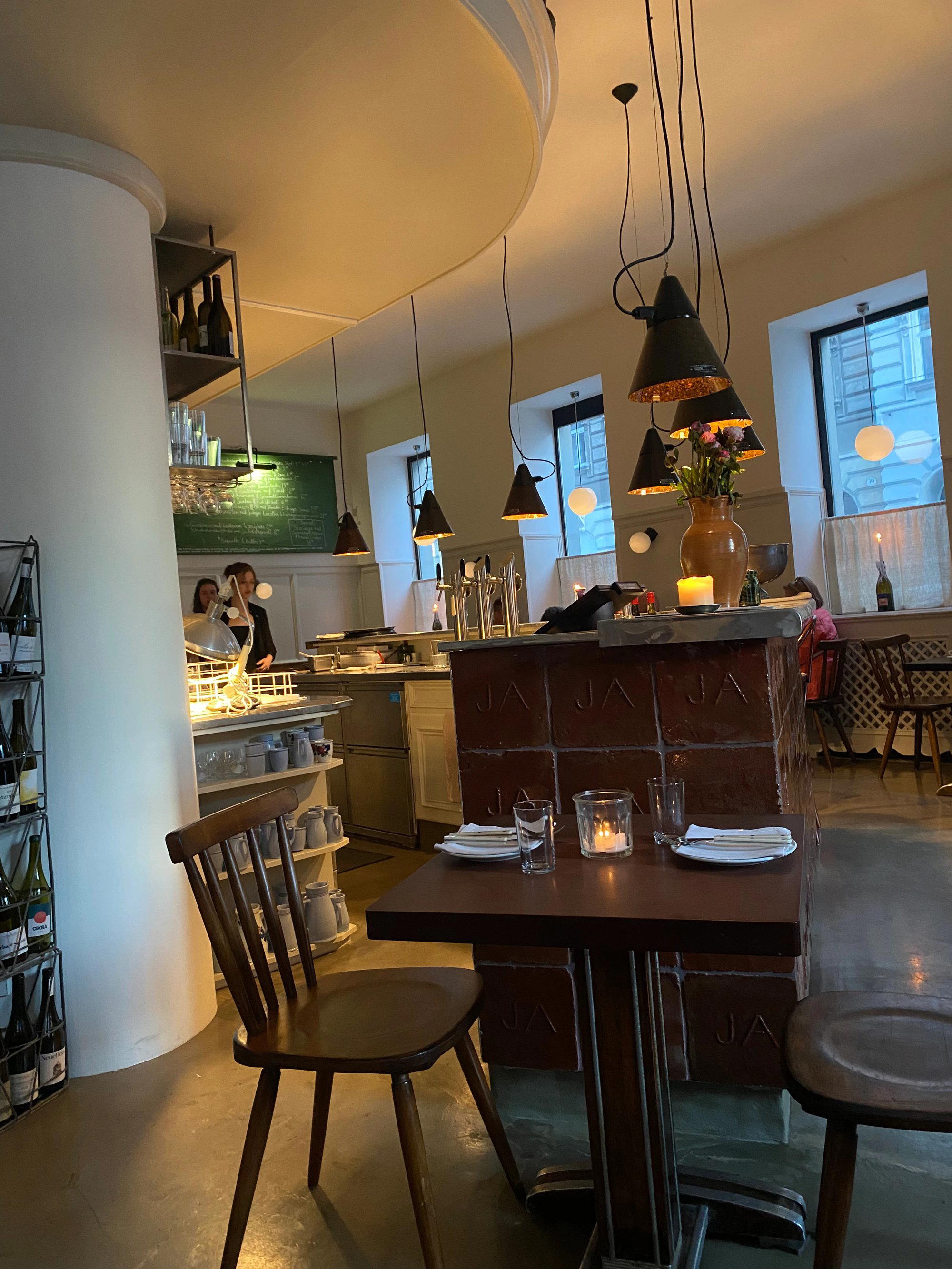
The 20th District and Vienna's Shifting Dining Geography
Vienna's restaurant culture has spent decades anchored to the first district and its immediate surrounds, where institutions like Steirereck im Stadtpark and Konstantin Filippou define the upper tier of the city's creative cooking. But the more interesting movement in recent years has been outward: into the 7th, the 9th, and increasingly the 20th district, where Brigittenau's street grid and its mix of long-term residents and newer arrivals has made space for a different kind of hospitality. Rosebar Centrala, at Rauscherstraße 5, sits inside that shift. The address is not a destination in the way the Innere Stadt is a destination; it is a neighbourhood address, which in Vienna's current dining moment is something closer to a statement of intent.
This matters because the wine-bar format has been the primary vehicle through which Vienna's off-centre dining has developed its own identity. Where the flagship creative restaurants, Amador, Mraz & Sohn, operate at the €€€€ tier with tasting menus and structured progression, the wine-bar model operates on a shorter, rotating format built around what is available and what is interesting right now. Rosebar Centrala fits that second category: a space where the drink and the food exist at the same register, neither subordinated to the other.
Local Ingredients, European Reference Points
The tension that runs through Vienna's mid-tier dining right now is between the city's own larder, Styrian pumpkin oil, Waldviertel root vegetables, Wachau stone fruits, Austrian alpine dairy, and the technical language that the generation of cooks trained across European kitchens has brought back. This is not a tension distinctive to Vienna. You see the same dynamic at Doubek within the city, and at a different scale in Austria's regional fine dining, from Döllerer in Golling an der Salzach to Landhaus Bacher in Mautern an der Donau, where the Wachau's own produce is the organizing principle of the kitchen.
At the wine-bar end of the spectrum, the resolution of that tension tends to look different: less architectural plating, more direct flavour, a bias toward fermented, pickled, or cured preparations that keep shelf life flexible and let the kitchen respond to availability. The global reference points, the Japanese attention to temperature and texture that shaped a generation of European fine dining, the Nordic prioritization of preservation technique, the Basque philosophy of fat and fire, get absorbed and simplified. What arrives at the table reads as Viennese in its directness but carries the grammar of kitchens that were paying attention to what was happening in New York and beyond.
That editorial angle, imported method, local material, is what positions a place like Rosebar Centrala relative to its peers. It is not attempting the formal synthesis that a kitchen like Ikarus in Salzburg performs, where guest chefs from different global traditions cook on Austrian soil. It is doing something quieter: using what is available within a few hours' drive, and applying a set of techniques that were never exclusively Austrian to begin with.
The Wine-Bar Format in Vienna's Current Market
The wine-bar format has been under pressure in European cities since 2020, not because demand collapsed but because the format's margins depend on consistent footfall from a neighbourhood base, and that base became unreliable. The places that survived and consolidated their regulars tended to do so by narrowing their proposition: a clearer wine program, a shorter food menu, a more legible identity. In Vienna, that consolidation has produced a tier of wine-focused rooms that operate as genuine neighbourhood anchors rather than occasional destinations.
The restaurant's position in the 20th district places it at some remove from the heavy tourist circuits of the inner city, which in practice means its audience is weighted toward people who live or work nearby. That self-selection shapes what a place like this can sustain: a wine list built around Austrian and natural-leaning producers, food that works across a long evening rather than a timed tasting sequence, and a pacing that accommodates the second glass. For context on how Vienna's broader dining scene is structured, our full Vienna restaurants guide maps the city by register and neighbourhood.
Austria's Regional Fine Dining as Context
Understanding what a Vienna wine bar is doing well requires some sense of what the country's more formal kitchens are doing with the same ingredients. The Austrian fine-dining circuit extends well beyond the capital: Obauer in Werfen has spent decades translating Salzburg Province's alpine larder into a formal idiom; Kräuterreich by Vitus Winkler in Sankt Veit im Pongau has built an entire format around herbaceous mountain ingredients; Griggeler Stuba in Lech and Gourmetrestaurant Tannenhof in Sankt Anton am Arlberg apply high technique to Vorarlberg and Tyrolean produce. Further east, Restaurant 141 by Joachim Jaud in Mieming and Schwarzer Adler in Hall in Tirol hold their own regional positions. Ois in Neufelden in Upper Austria takes a different approach again, working close to the source in a format that prioritizes directness over ceremony.
The wine bar exists downstream of all of this: less funded, less formal, but often the place where the ideas percolating through those kitchens become accessible to a wider audience. A well-run wine room in a working neighbourhood translates the same ingredient logic, the preference for Austrian provenance, the attention to seasonality, the respect for preservation and fermentation, into a format that does not require a special occasion to justify.
Planning a Visit
The restaurant is located at Rauscherstraße 5 in Vienna's 20th district.
How It Stacks Up
Comparable venues nearby, for context on price, style, and recognition.
| Venue | Cuisine | Price | Notes |
|---|---|---|---|
| rosebar centralaThis venue — the venue you are viewing | Modern Central European Bistro | $$ | Not listed |
| Topf & Deckel | Healthy Seasonal Cantina | $$ | Stephansdom |
| Galaxie | Balkan Grill | $$ | Neubau |
| Allergiker Café | Gluten-Free Viennese Café | $$ | Wieden |
| Der schöne Ernst | Viennese Café & Aperitivo Bar | $$ | Praterstern Wien Nord |
| das weinberg | Modern Austrian Brasserie | $$ | Gersthof |
Recognition history
Dated appearances from independent guides and award organizations, with the underlying list record or original source where available.
Falstaff Restaurant - 89 Falstaff Points
Falstaff
Continue exploring
More in Vienna
Restaurants in Vienna
Browse all →
Bars in Vienna
Browse all →
Hotels in Vienna
Browse all →
At a Glance
- Cozy
- Trendy
- Intimate
- Lively
- Date Night
- Casual Hangout
- Standalone
- Natural Wine
Current opening hours
- Monday
- Closed
- Tuesday
- Closed
- Wednesday
- 5:30–11 PM
- Thursday
- 5:30–11 PM
- Friday
- 5:30–11 PM
- Saturday
- 5:30–11 PM
- Sunday
- Closed
Hours can change for holidays and private events. Last verified .
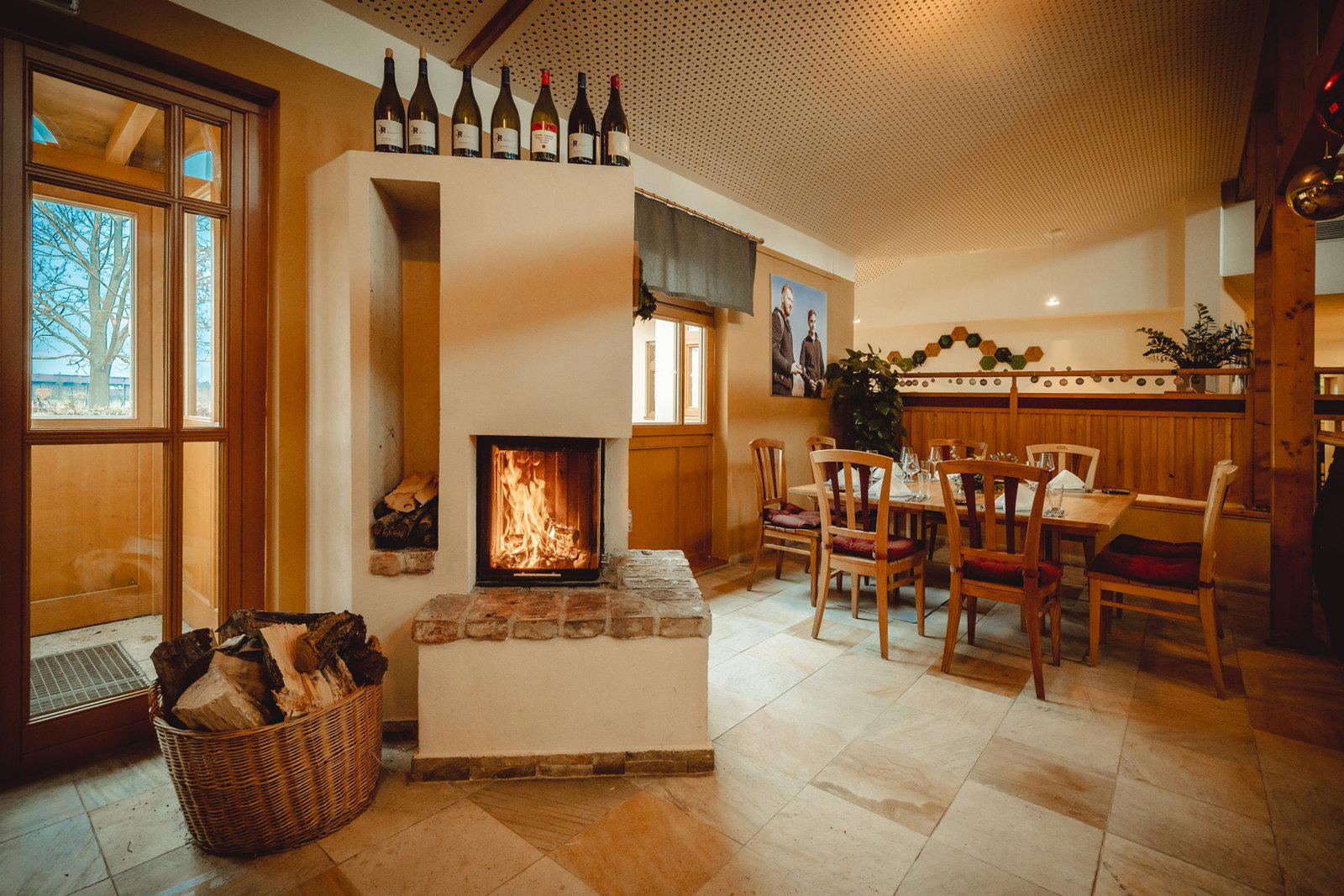
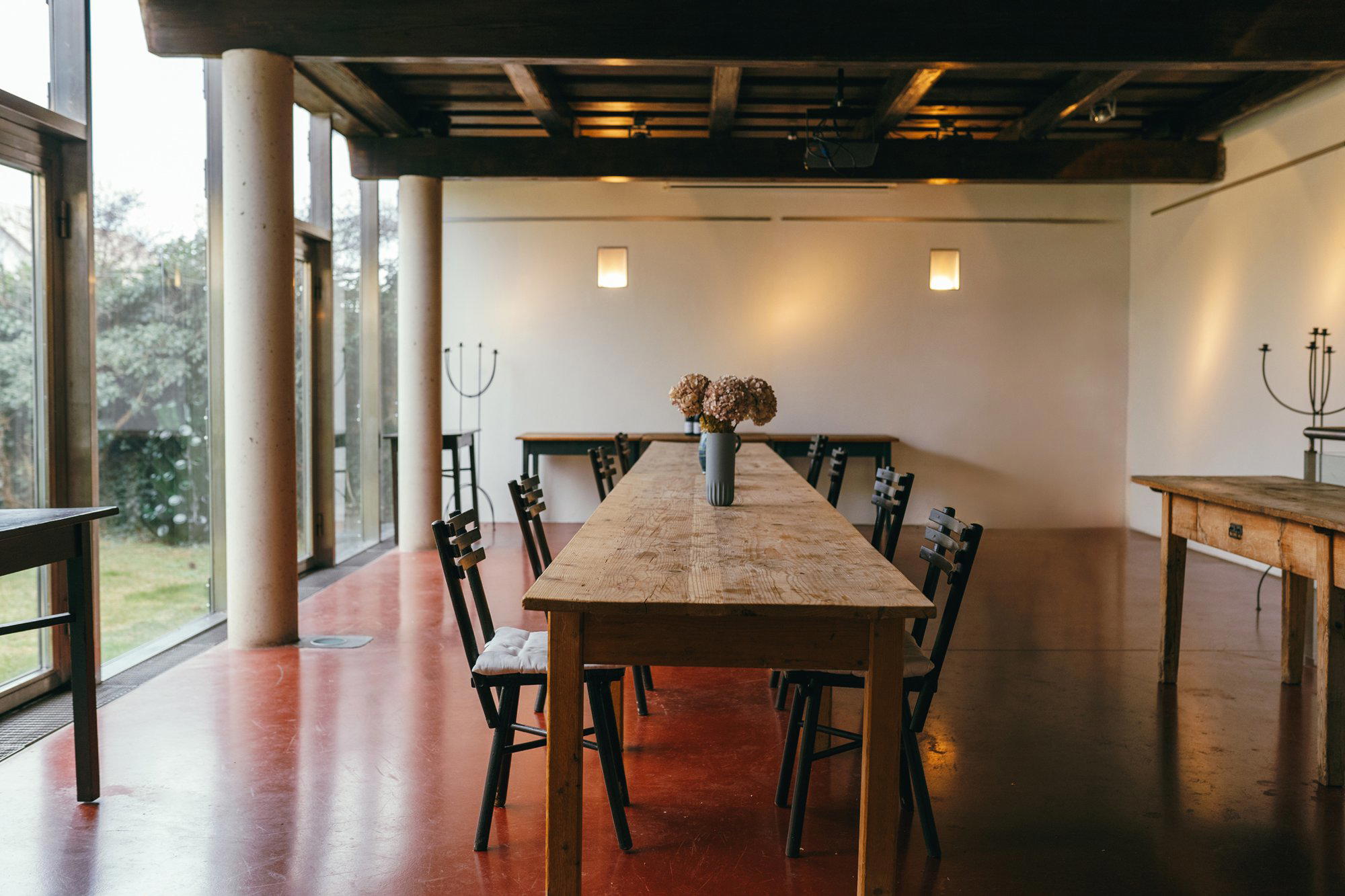
Lively yet chill setting with an intimate atmosphere focused on high-quality, produce-led dishes.