Am Mahrbach

1 Michelin Star
Our verdict
Am Mahrbach holds consecutive Michelin Plate recognition for 2024 and 2025, placing it in the tier of Austrian seasonal restaurants where sourcing discipline and regional identity carry as much weight as technique. Set in Königsdorf, the €€€€ dining room occupies a serious position in the country's rural fine-dining circuit, sitting outside the major cities but inside the conversation about where Austrian seasonal cuisine is heading.

Pearl is the En Primeur Club membership app — saves, bookings, and concierge access live there. Same editors, same standards.
The menu
What to order
- Eight-course seasonal tasting menu with house honey
- Veal bruschel with chive dumplings and marjoram
Where Königsdorf Meets the Seasonal Table
The approach to a restaurant like Am Mahrbach sets the tone before any plate arrives. Königsdorf sits in Burgenland, Austria's easternmost wine-growing state, where the flat terrain opens toward Hungary and the seasons arrive with particular clarity. Winters are cold and dry; summers bring heat that concentrates flavour in produce grown close to the Hungarian border. This is not the alpine drama of the Tirol or the baroque grandeur of Salzburg. The landscape is quieter, more agricultural, and dining rooms that take root here tend to reflect that — fewer theatrical flourishes, a greater emphasis on what grows nearby and when. Am Mahrbach, addressed at Apfelstraße 4, sits inside this regional temperament. The address itself — Apfelstraße, apple street, is not incidental in a region where orchard produce and fermented derivatives have long shaped local tables.
The Sourcing Logic Behind Seasonal Cuisine in This Region
Seasonal cuisine, as a category label, has become broad enough to be nearly meaningless in parts of Europe. What distinguishes the serious practitioners from the aspirational ones is specificity: not just cooking with whatever is in season, but building a menu architecture around particular producers, defined growing windows, and a clear sense of where the supply chain begins. Austria's rural fine-dining circuit, which includes houses like Kirchenwirt in Leogang and Ois in Neufelden, has developed a credible regional identity around exactly this kind of sourcing rigour.
Burgenland gives Am Mahrbach a particular pantry to draw from. The region produces some of Austria's most characterful red and white wines, a fact that shapes what arrives on nearby tables: the acidity of local Grüner Veltliner, the weight of Blaufränkisch, the sweet late-harvest wines from the shores of the Neusiedlersee. A kitchen working seriously within this geography doesn't merely order from a regional distributor, it aligns its menu rhythm with harvest calendars that wine growers and vegetable farmers share. This is a different discipline from urban seasonal menus, which can source broadly from across Europe to cover any gap. In a setting like Königsdorf, the constraints are real and the choices they force tend to produce more coherent food.
Across Austria's rural fine-dining tier, comparisons are instructive. Döllerer in Golling an der Salzach, operating at two Michelin stars, has made Alpine sourcing, game, freshwater fish, mountain herbs, its defining argument. Kräuterreich by Vitus Winkler in Sankt Veit im Pongau takes herb cultivation to an operational level that shapes every course. These are not just seasonal menus; they are kitchens where the sourcing programme is the editorial point. Am Mahrbach's Michelin Plate recognition in both 2024 and 2025 places it inside this conversation, not yet at the starred tier, but consistently acknowledged as a kitchen where the guide's inspectors found cooking worth noting.
Reading the Michelin Plate in Context
The Michelin Plate, introduced by the guide to signal restaurants serving food of good quality that falls just short of star criteria, functions as a useful reference point for travellers calibrating their expectations. In Austria, the Plate tier contains a wide range of restaurants, from technically accomplished regional kitchens to city bistros with serious produce sourcing. What the consecutive 2024 and 2025 recognition signals at Am Mahrbach is consistency, the inspectors returned, and their assessment held. At a €€€€ price point, the expectation from diners should align accordingly: this is fine-dining pricing with fine-dining ambition, and the sourcing and technique on the plate should justify both.
For broader orientation, Austria's top tier, Steirereck im Stadtpark in Vienna at three Michelin stars, Ikarus in Salzburg at two, represents a different bracket. The Plate restaurants in rural settings operate with more constrained resources and smaller audiences, which often makes the sourcing work more visible rather than less: there is no room to hide a weak producer behind a complex sauce programme. The food has to be honest about where it comes from.
Other Austrian fine-dining addresses worth understanding as context include Landhaus Bacher in Mautern an der Donau, which holds two Michelin stars and operates inside the Wachau wine region with a similar regional grounding, and Obauer in Werfen, where decades of operation have produced a deep relationship with Alpine producers. Am Mahrbach operates in this tradition without the same tenure, its consecutive Plate recognition suggests a kitchen still accumulating that kind of depth.
The Rural Fine-Dining Circuit in Austria
Travelling Austria for serious food increasingly means leaving the cities. The country has built a credible network of destination restaurants across its states, each anchored by a regional identity that urban kitchens find harder to replicate. In the Tirol, addresses like Gourmetrestaurant Tannenhof in Sankt Anton am Arlberg and Griggeler Stuba in Lech draw on alpine provenance. In the east, the Burgenland's wine-and-produce culture offers a different kind of table. Am Mahrbach occupies this eastern node of the circuit, and for travellers building a serious Austrian itinerary, Königsdorf provides an entry point into that region's particular food culture. Schwarzer Adler in Hall in Tirol and Restaurant 141 by Joachim Jaud in Mieming represent the western end of this same rural network.
For context beyond Austria, seasonal cuisine kitchens operating in similarly rural European settings, such as Fields by René Mathieu in Luxembourg, demonstrate that this format travels across borders without losing its specificity, provided the sourcing programme remains genuinely local rather than aspirationally so.
Planning a Visit
Am Mahrbach is located at Apfelstraße 4, 7563 Königsdorf, in Burgenland, Austria. The restaurant prices at €€€€, consistent with the rural fine-dining tier across the country, and holds Michelin Plate recognition for both 2024 and 2025. Königsdorf is accessible from Vienna by road, making it a viable destination for travellers using the capital as a base.
For broader planning around a visit to this part of Austria, see our full Königsdorf restaurants guide, our Königsdorf hotels guide, our Königsdorf bars guide, our Königsdorf wineries guide, and our Königsdorf experiences guide.
Frequently asked questions
Is Am Mahrbach suitable for children?
At €€€€ pricing with back-to-back Michelin Plate recognition in 2024 and 2025, Am Mahrbach is positioned as a serious fine-dining address rather than a casual family venue. The rural Königsdorf setting removes the urban buzz that sometimes makes such restaurants feel more relaxed, but the format and price point align with adult-focused dining. Families with children comfortable in formal restaurant settings may find it manageable, though it is not designed with younger guests in mind.
What is the atmosphere like at Am Mahrbach?
Burgenland's restaurant culture runs quieter and more grounded than Vienna or Salzburg — fewer theatrical service flourishes, more attention to the plate and the room's pace. Am Mahrbach, sitting in the agricultural east of Austria at Apfelstraße 4 in Königsdorf, follows that regional register. The €€€€ price point and consecutive Michelin Plate recognition indicate a kitchen taken seriously, which typically produces a focused, unhurried dining environment rather than a high-energy one.
Is Am Mahrbach Michelin-listed?
Am Mahrbach has received recognition including: Michelin Plate (2025); Michelin Plate (2024).
What's the signature dish at Am Mahrbach?
The kitchen works under a seasonal cuisine classification, which in Burgenland means menus shift with what the surrounding agricultural region produces across the year. Consecutive Michelin Plate recognition in 2024 and 2025 suggests the kitchen executes this approach at a consistently high level, but specific preparations should be confirmed directly with the restaurant ahead of a visit.
Side-by-Side Snapshot
| Venue | Cuisine | Price | Awards |
|---|---|---|---|
| Am MahrbachThis venue (the venue you are viewing) | Seasonal Farm-to-Table Austrian | $150–200 | 1 Michelin Star |
| Steirereck im Stadtpark | Creative | Not listed | Michelin 3 Star |
| Döllerer | Contemporary Austrian, Innovative | Not listed | Michelin 2 Star |
| Ikarus | Modern European, Creative | Not listed | Michelin 2 Star |
| Mraz & Sohn | Modern Austrian, Creative | Not listed | Michelin 2 Star |
| Obauer | Classic Cuisine | Not listed | Michelin 2 Star |
Recognition history
Dated appearances from independent guides and award organizations, with the underlying list record or original source where available.
Michelin 1 Star
Michelin
Full recognition history (3 entries)
Michelin Plate
Michelin
Michelin Plate
Michelin
Continue exploring
More in Königsdorf
Restaurants in Königsdorf
All restaurants in Königsdorf →
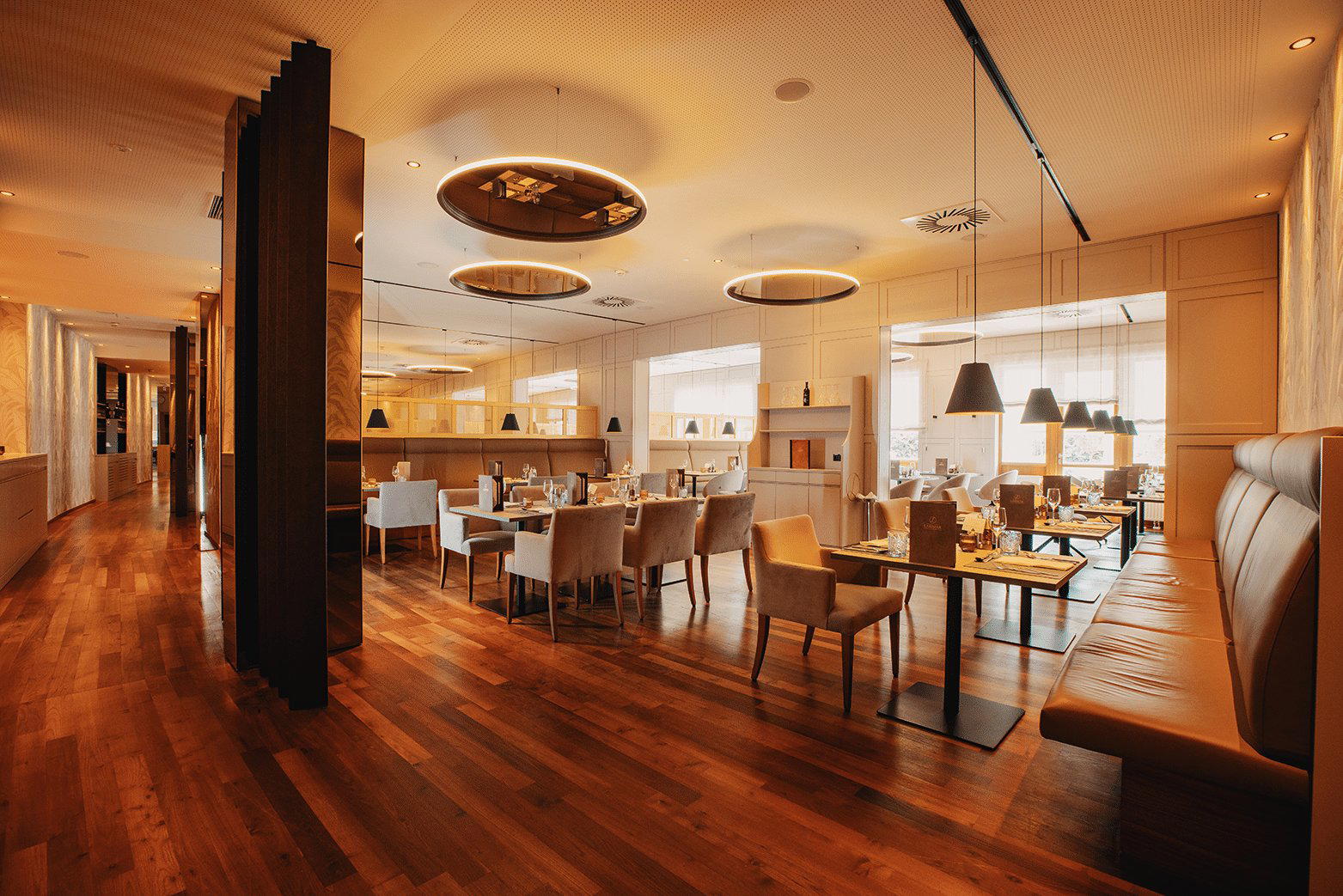
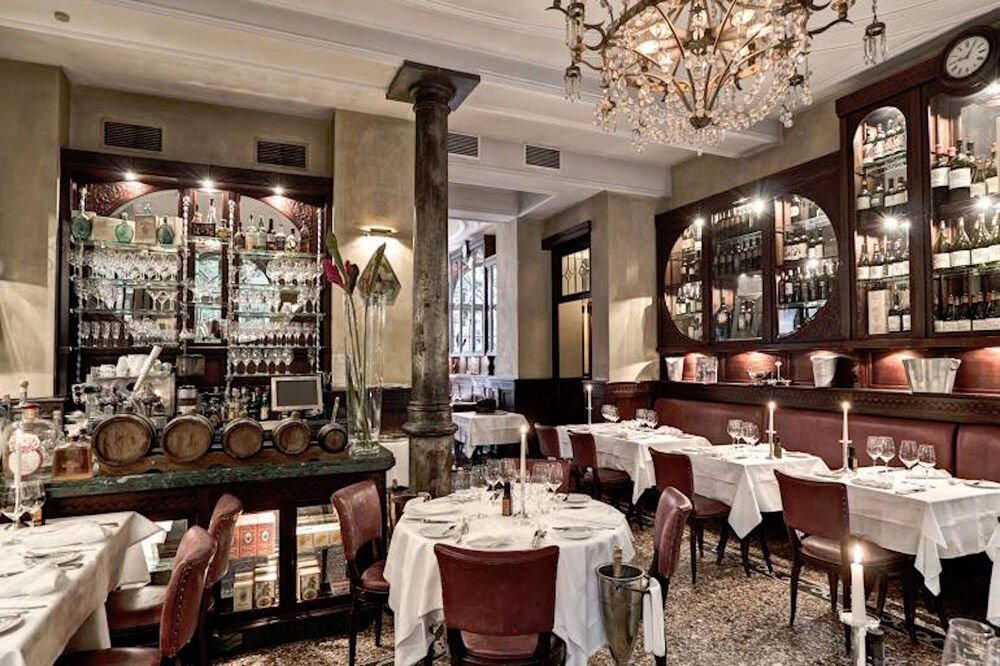
Bars in Königsdorf
Browse all →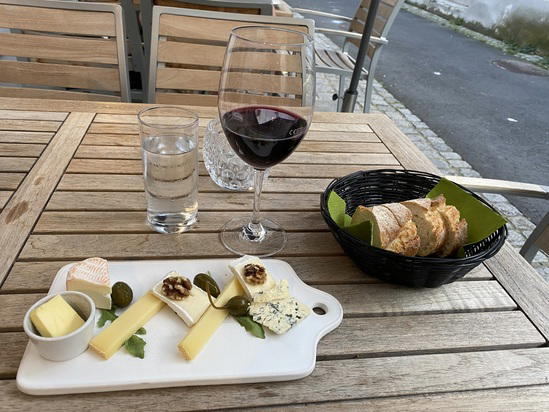
Hotels in Königsdorf
Browse all →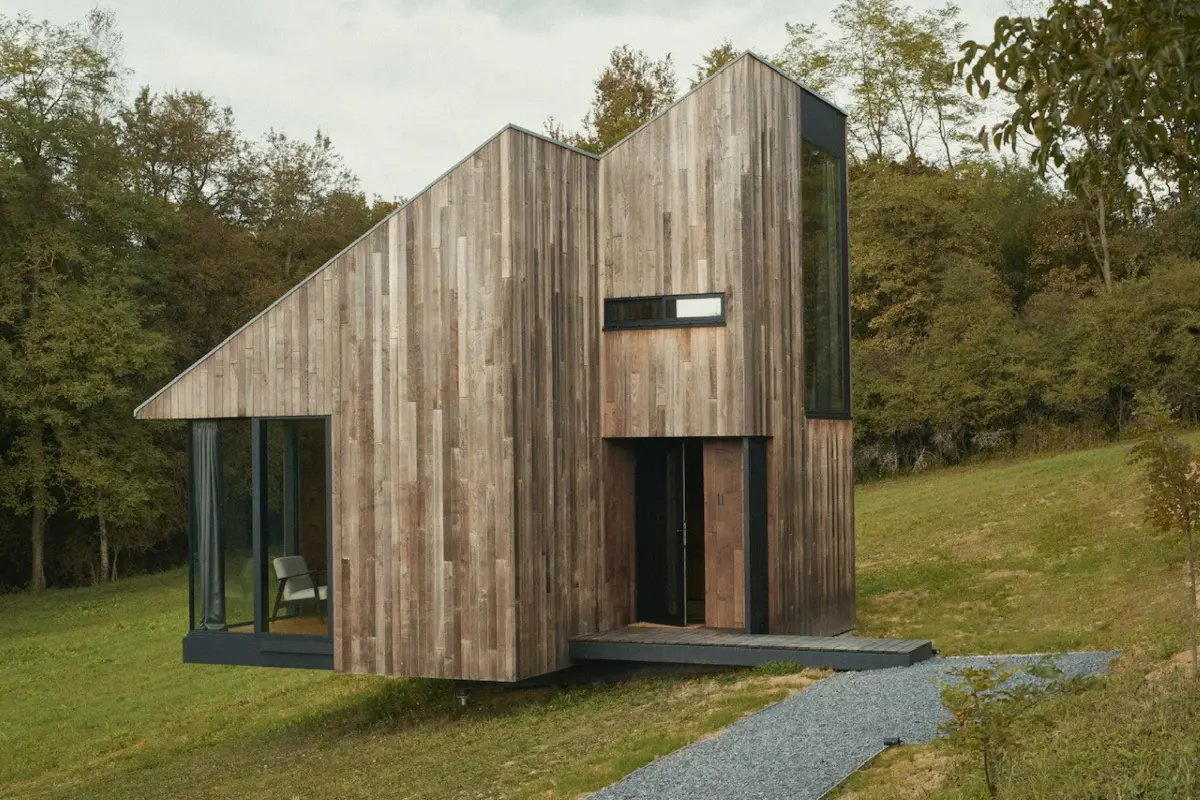

Details
- Quiet
- Rustic
- Elegant
- Scenic
- Intimate
- Special Occasion
- Date Night
- Open Kitchen
- Garden
- Standalone
- Sommelier Led
- Farm To Table
- Organic
- Local Sourcing
- Garden
- Mountain
- Tasting Menu
- Set Menu
- Local Wines
- House Honey
- Organic Focus
- Vegetarian Friendly
Current opening hours
- Monday
- Closed
- Tuesday
- Closed
- Wednesday
- 5 PM–12 AM
- Thursday
- 5 PM–12 AM
- Friday
- 5 PM–12 AM
- Saturday
- 5 PM–12 AM
- Sunday
- Closed
Hours can change for holidays and private events. Last verified .
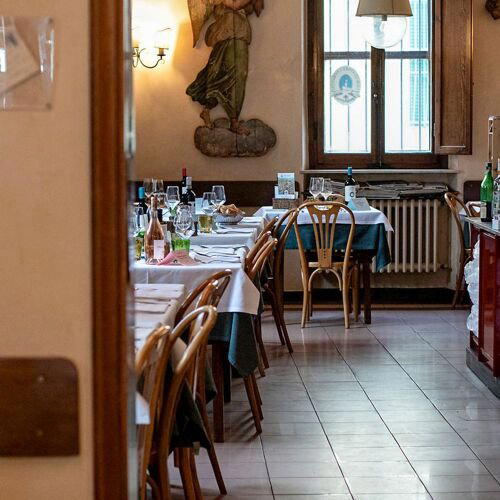
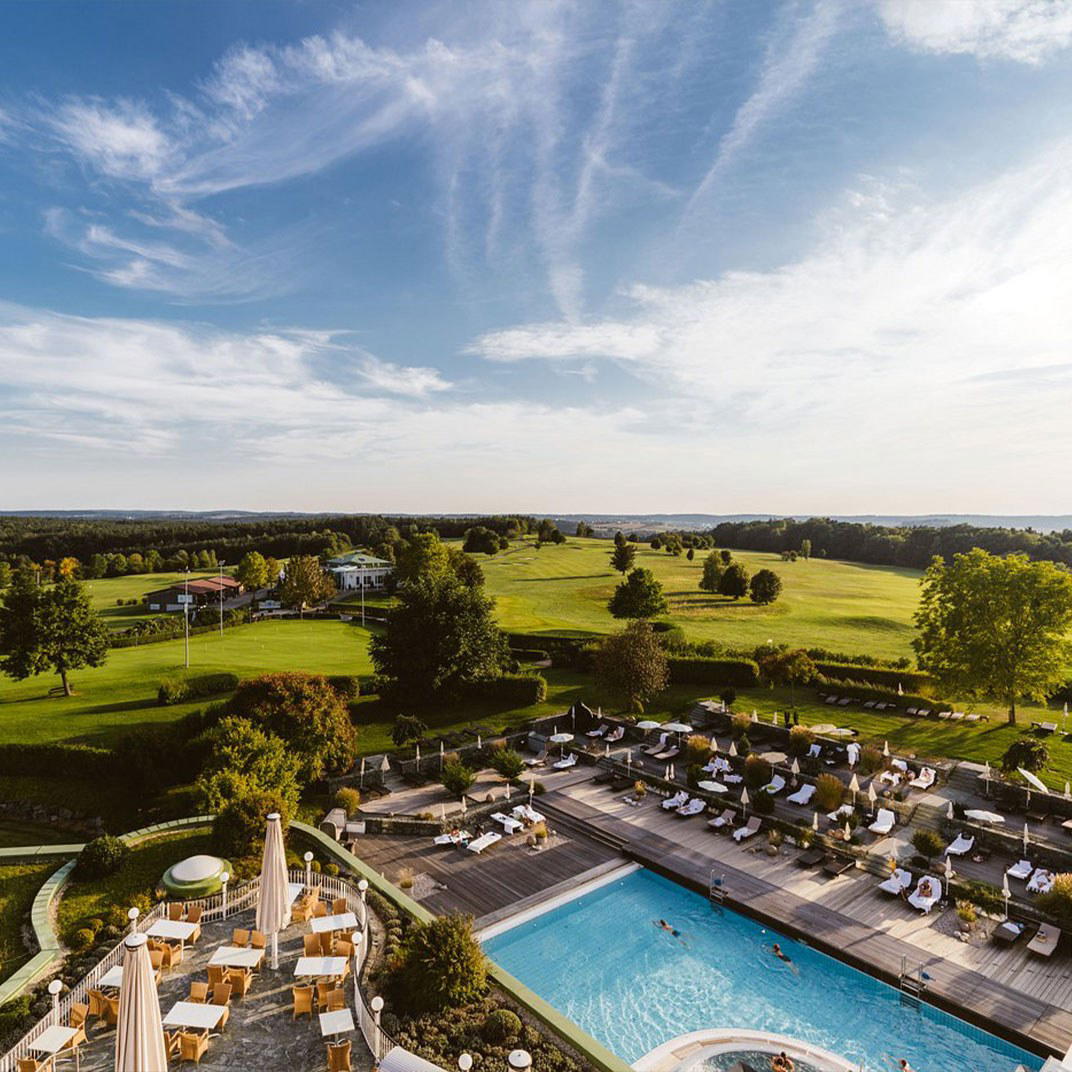
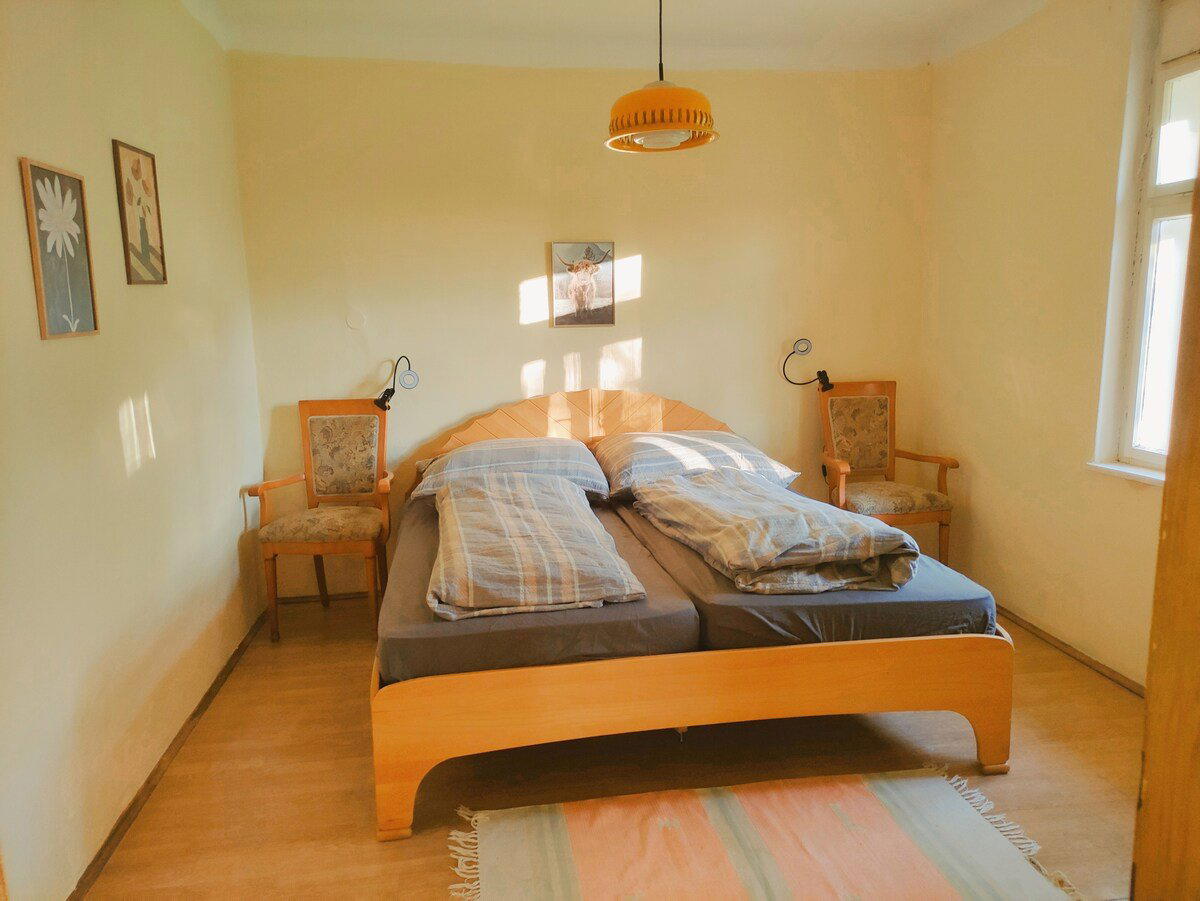
Modern design with wood and stone in converted farm stables; floor-to-ceiling windows overlook meadows and forests; intimate setting with seating for only 14 guests at three tables; open kitchen visible to diners.