Our verdict
Food Garden occupies a address on Rennweg in Vienna's third district, sitting within a city whose restaurant culture has grown increasingly layered over the past decade. With Vienna's fine dining tier anchored by names like Steirereck and Konstantin Filippou, the broader scene now extends well beyond the Innere Stadt, and addresses in the 3rd district carry their own distinct character, less touristic, more rooted in how the city actually eats.

Pearl is the En Primeur Club membership app, where members save venues, book tables and use the concierge.

The Third District and Where Vienna Actually Eats
Vienna's restaurant geography has shifted measurably over the past fifteen years. The gravitational pull once centred almost entirely on the Innere Stadt and its immediate surrounds, but the third district, Landstraße, has gradually accumulated serious addresses alongside its embassies, Belvedere visitors, and long-established residential streets. Rennweg, which runs as a broad artery connecting the city centre toward the outer ring, sits within this transition zone: neither tourist-facing nor aggressively neighbourhood-only, but somewhere that rewards visitors who bother to look beyond the first district's denser concentration of well-known names.
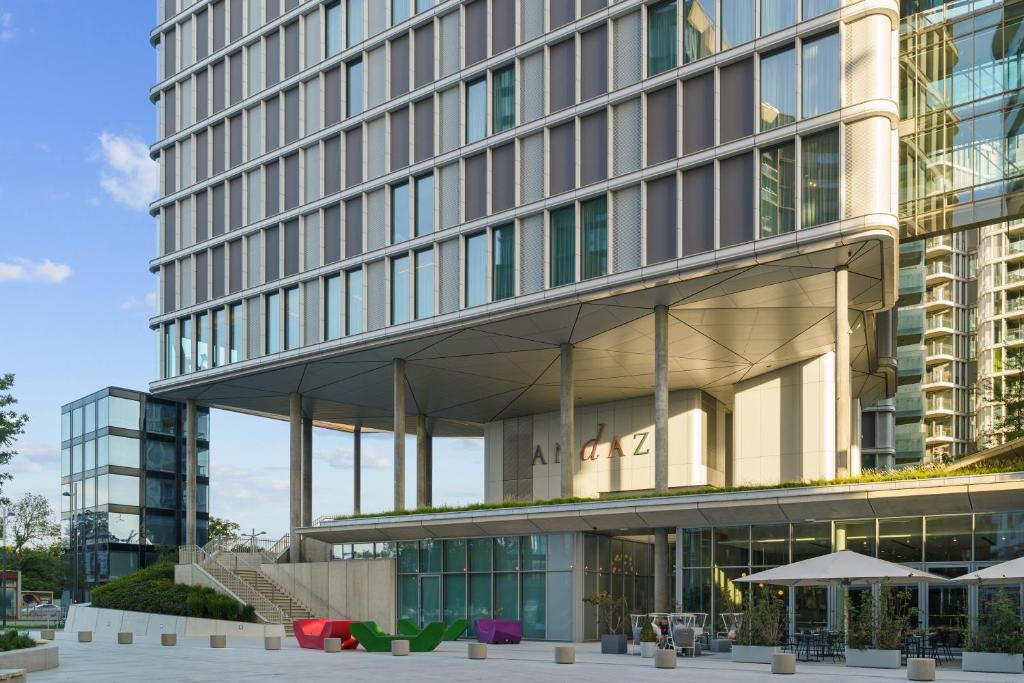
Food Garden is located at Rennweg 97-99 in the 1030 postal area, which places it deeper into the third district than the Stadtpark edge, closer to where the street's character shifts from commercial to quieter residential. That positioning matters in a city where address alone signals something about who a restaurant is speaking to and why.
Vienna's Collaborative Dining Tier
The question of how kitchens actually function at the level between neighbourhood bistro and destination restaurant has become more visible in Vienna's dining conversation over recent years. At the top of the city's hierarchy, venues like Steirereck im Stadtpark and Amador operate with the kind of integrated team discipline, kitchen, sommelier, front-of-house working from a shared brief, that produces the consistency needed for sustained recognition. The same applies to Mraz & Sohn in the twentieth district, where the family-run format has built a reputation over decades on exactly that coherence between what arrives on the plate and how it is framed at the table.
What separates the more ambitious addresses in Vienna's middle tier from those that plateau is frequently not the kitchen alone. A sommelier who can speak with specificity about Grüner Veltliner producers from the Wachau or Kamptal, or who understands when to recommend a wine from Taubenkobel's Burgenland region rather than default to international references, changes the guest experience as much as any cooking technique. Front-of-house pacing, knowing when to let a table breathe between courses, when to introduce context and when to stay out of the way, is the other variable that diners at this level notice immediately, even when they don't articulate it.
At venues like Konstantin Filippou, the room's restraint is itself a signal: the service style is calibrated to not overshadow the food, which demands attention on its own terms. Doubek operates with a different register, but the underlying premise is similar, that the people running the floor and the cellar are as accountable to the evening's outcome as whoever is behind the stove.
Food Garden: What the Address Tells You
What the Rennweg 97-99 address does suggest is a location that would serve a mixed clientele: district residents, visitors to the Belvedere a short distance away, and the professional community attached to the embassies and international organisations that cluster in this part of the city. Restaurants in this position tend to run broader formats than the tasting-menu-only model that defines the best of Vienna's fine dining bracket.
For a point of comparison within Austria's wider restaurant culture, the most instructive examples are often found outside the capital. Landhaus Bacher in Mautern an der Donau and Obauer in Werfen both demonstrate how sustained quality outside major urban centres depends almost entirely on team coherence over years, not seasonal reinvention. The lesson translates to city addresses: restaurants at Rennweg's scale that build a following do so through consistency of welcome and execution, not through positioning alone.
The Broader Austrian Context
Vienna's dining scene exists within a national context that has produced serious restaurants in places most international visitors would not naturally seek out. Döllerer in Golling an der Salzach, Schwarzer Adler in Hall in Tirol, Gourmetrestaurant Tannenhof in Sankt Anton am Arlberg, and Stüva in Ischgl all represent the kind of destination dining that requires a traveller to reorganise their itinerary around a meal. Within Vienna itself, the equivalent decision is less about geography and more about format: whether you are committing to a full tasting menu with wine pairing or looking for a more fluid, à la carte evening.
Addresses that operate somewhere between those poles, and many in the third and fourth districts do, often attract the kind of regular that sustains a restaurant across years rather than the once-a-trip visitor chasing rankings. That audience tends to be more attentive to the front-of-house relationship and the wine list's depth than to whether the tasting menu changes with the week's market delivery. Venues like Ois in Neufelden and Kräuterreich by Vitus Winkler in Sankt Veit im Pongau demonstrate that this dynamic exists in provincial Austria too: consistency and a recognisable point of view build loyalty faster than novelty.
For international visitors comparing notes from other markets, the structural parallel is something like Lazy Bear in San Francisco or Le Bernardin in New York City, not in cuisine or format, but in the way that the best-regarded addresses in any city operate as cohesive teams rather than kitchens with a supporting cast. The room, the wine program, and the kitchen need to speak a shared language for an evening to land as intended. That is true whether you are eating in a Michelin three-star or at a neighbourhood address on Rennweg.
Planning Your Visit
For a complete picture of dining options across Vienna's districts, see our full Vienna restaurants guide. Also worth considering when building an Austria itinerary: Restaurant 141 by Joachim Jaud in Mieming, which extends the country's serious dining map into Tyrol.
Address: Rennweg 97-99, 1030 Wien, Austria. Reservations: Budget: Timing: The third district is accessible by tram on Rennweg and is within reach of the Belvedere, making it a natural addition to a day spent in that part of the city.
Frequently asked questions
What's the dish I should focus on at Food Garden?
How far ahead should I plan for Food Garden?
Is Food Garden a good option for visitors spending time at the Belvedere?
Cuisine and Recognition
Comparable venues nearby, for context on price, style, and recognition.
| Venue | Cuisine | Price | Notes |
|---|---|---|---|
| Food GardenThis venue (the venue you are viewing) | Garden Restaurant | Not listed | Not listed |
| Pöhl am Naschmarkt | Cheese and Sausage Deli | Not listed | Wieden |
| Lebenbauer | Vollwert Wholefood with Vegan Focus | $30–50 | Inner City |
| Café Schwarzenberg | Traditional Viennese Café | $10–20 | Staatsoper |
| Der schöne Ernst | Viennese Café & Aperitivo Bar | $10–20 | Praterstern Wien Nord |
| Laby | Café Bar | Not listed | Hernals |
Continue exploring
More in Vienna
Restaurants in Vienna
All restaurants in Vienna →
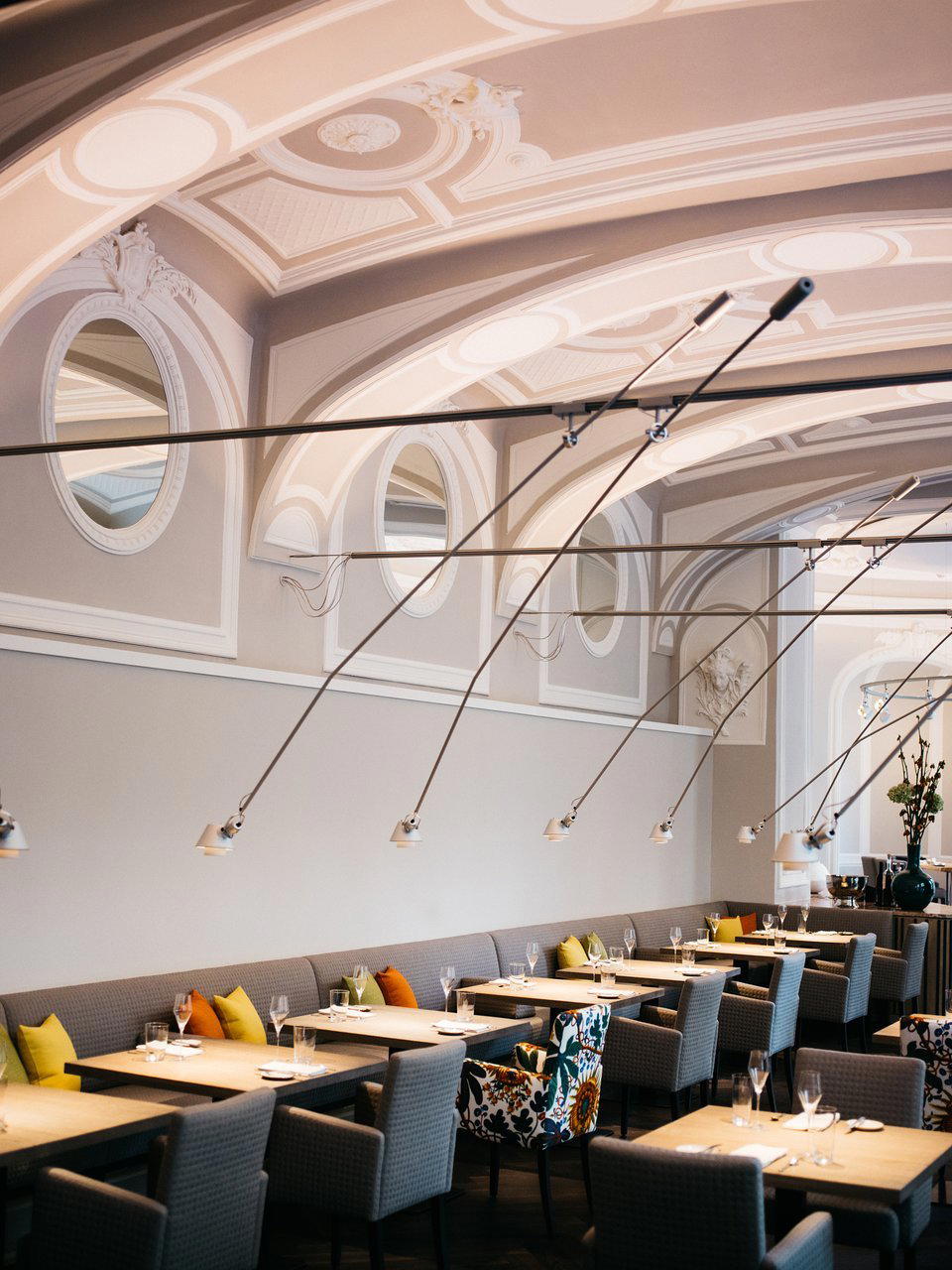
Bars in Vienna
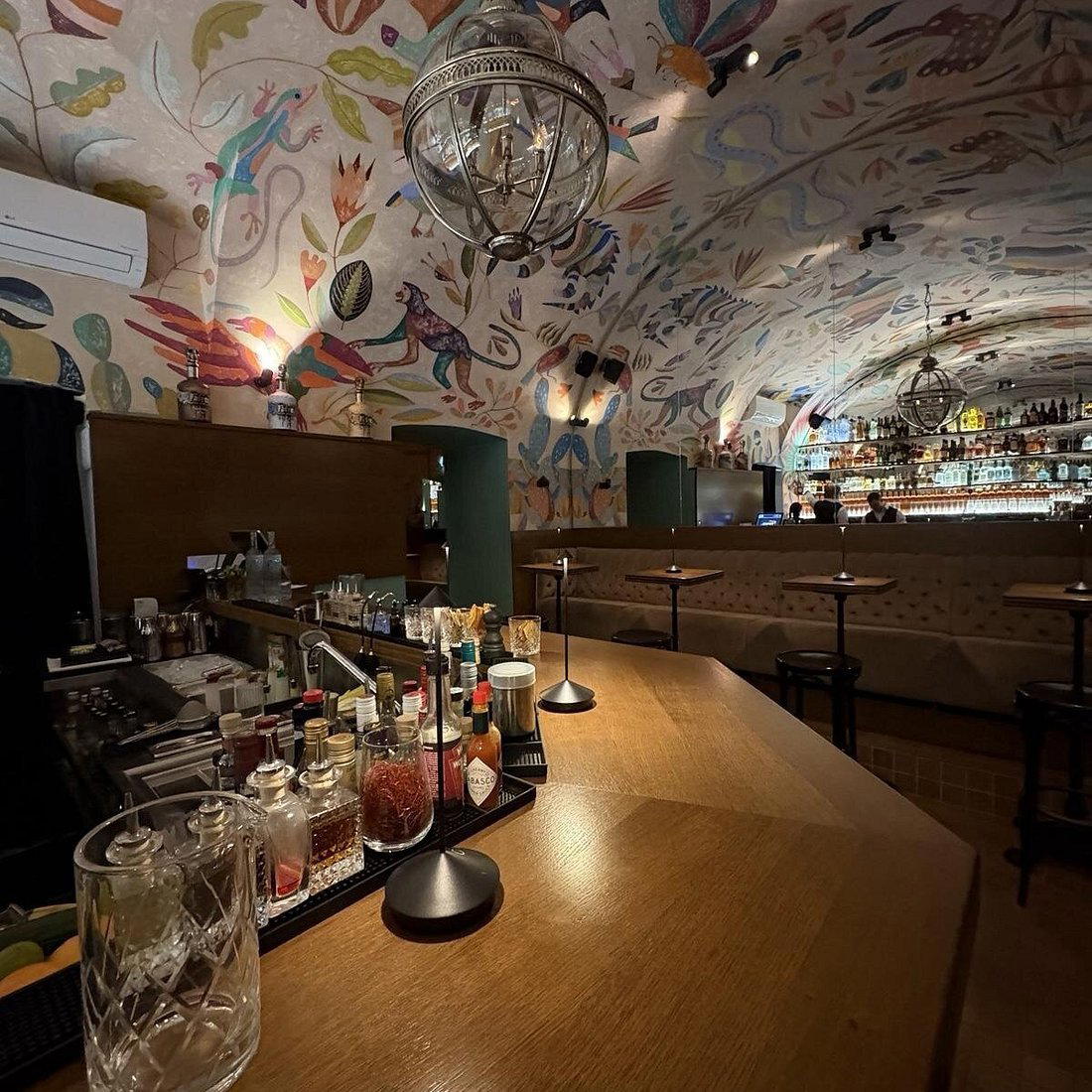
All bars in Vienna →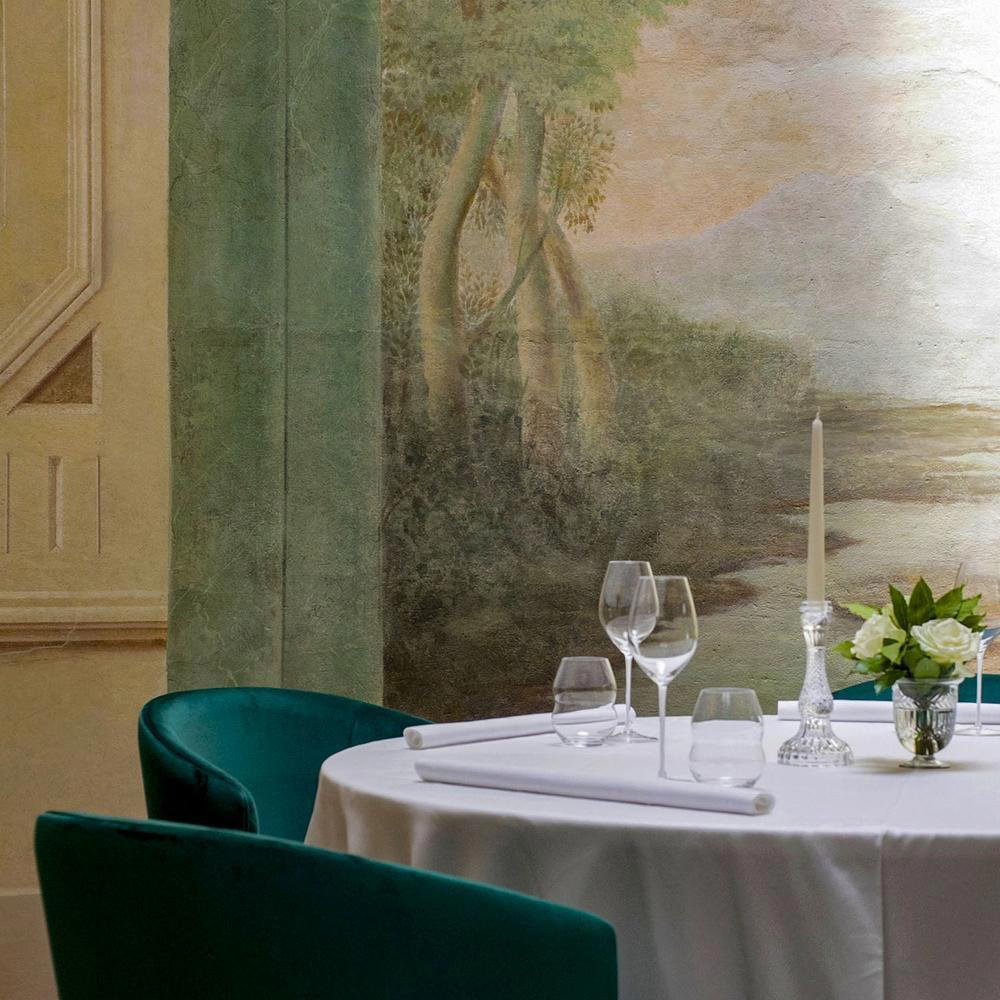
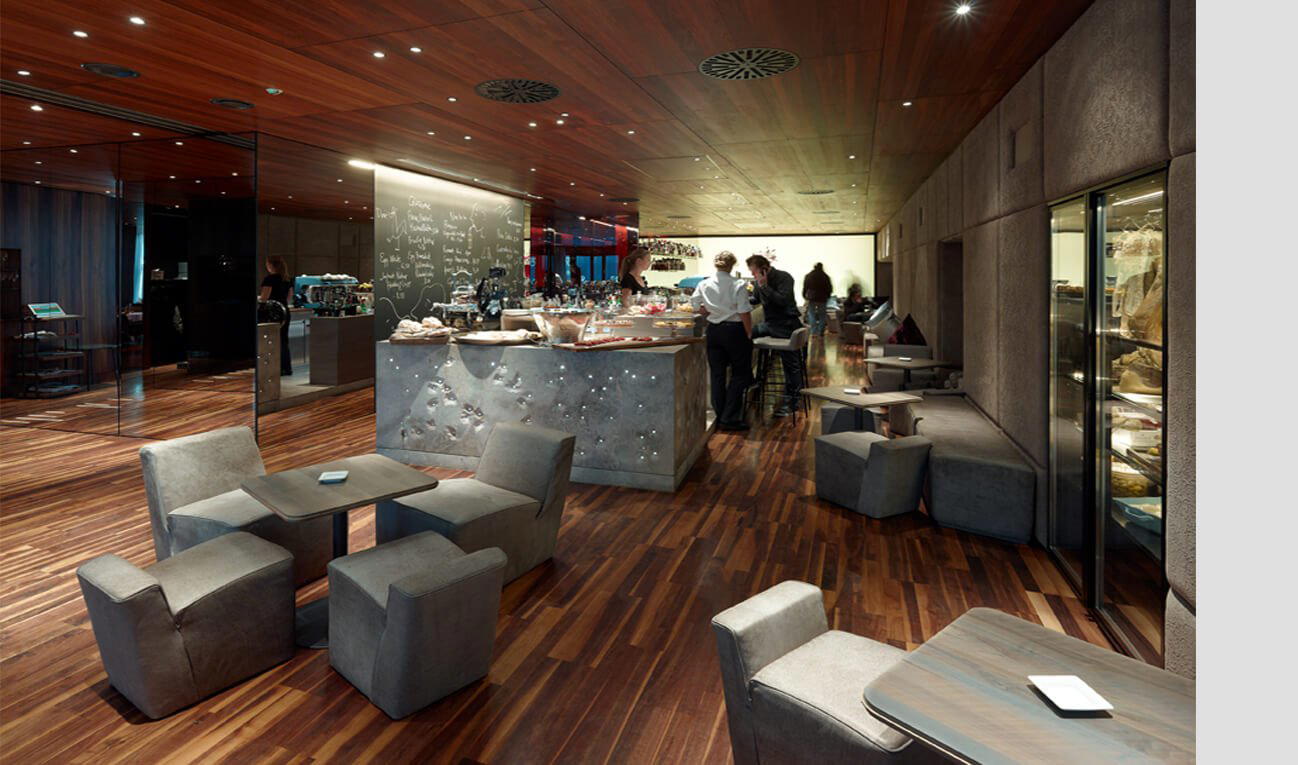

Details
- Casual
- Trendy
- Casual Hangout
- Garden
- Garden
- A La Carte
Current opening hours
- Monday
- 7:30 AM–5:30 PM
- Tuesday
- 7:30 AM–5:30 PM
- Wednesday
- 7:30 AM–5:30 PM
- Thursday
- 7:30 AM–5:30 PM
- Friday
- 7:30 AM–5:30 PM
- Saturday
- Closed
- Sunday
- Closed
Hours can change for holidays and private events. Hours as of .
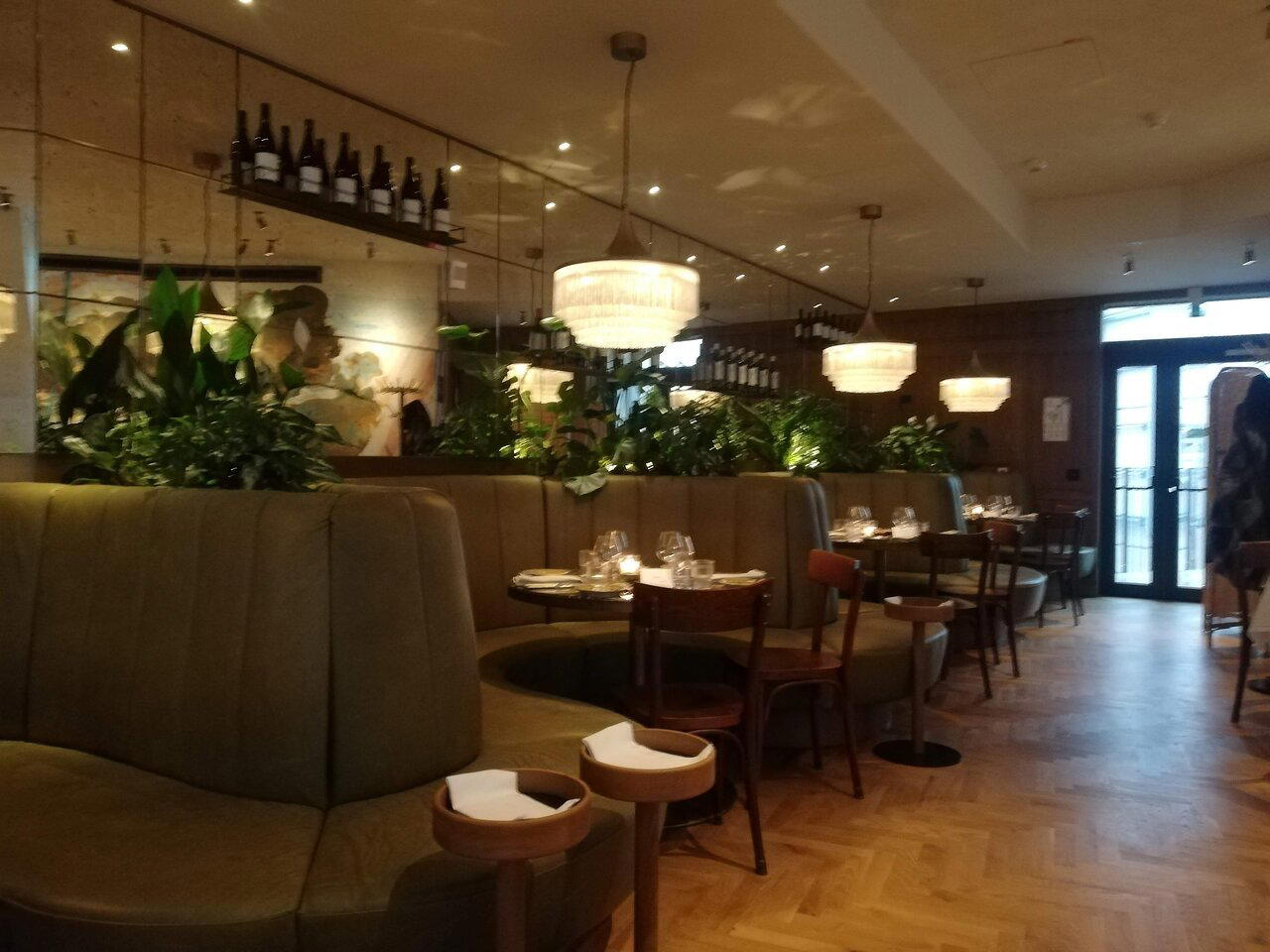
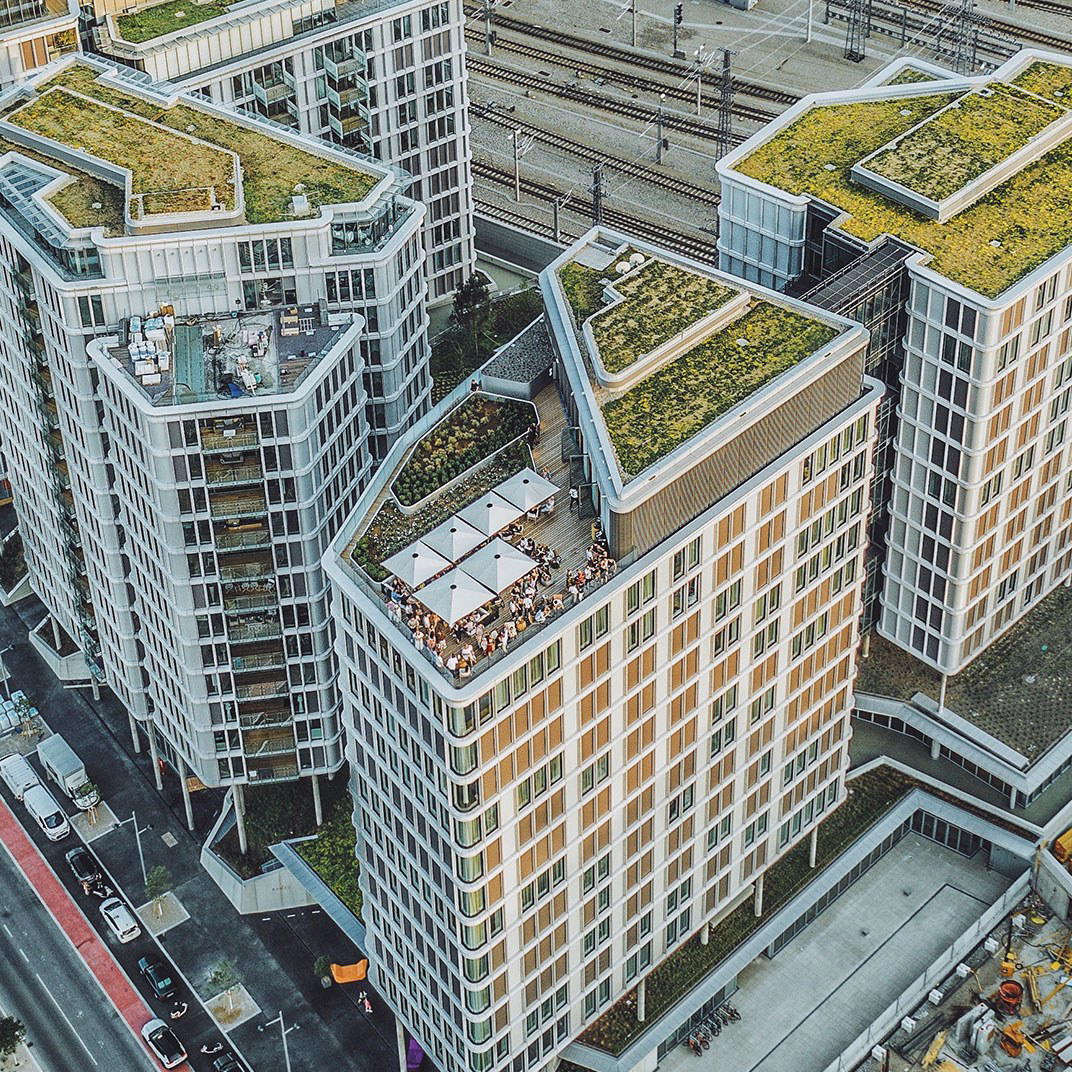
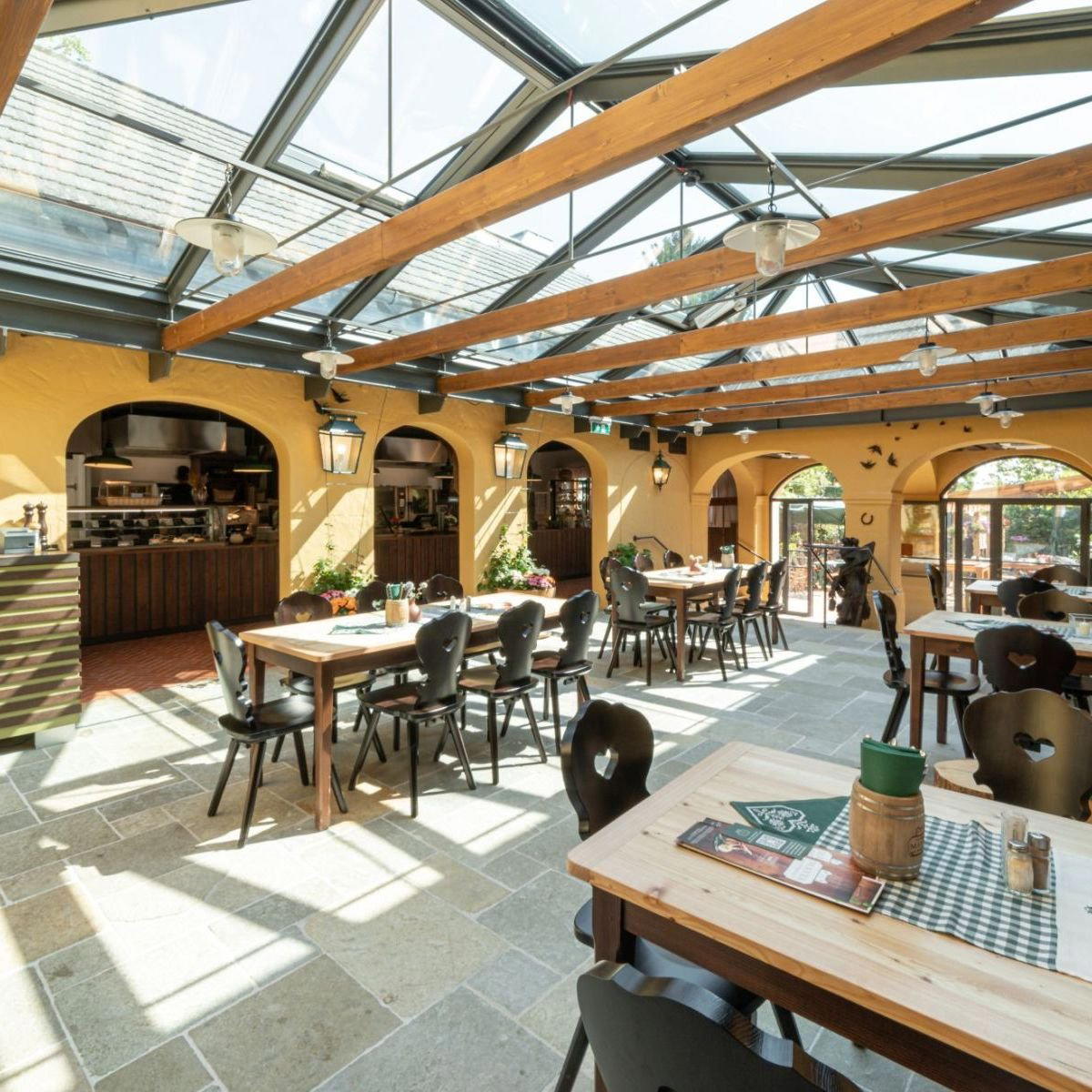
Casual and relaxed with garden views, suitable for a laid-back meal.