Weingut Gager

Weingut Gager operates from the village of Deutschkreutz in Austria's Mittelburgenland, a wine region whose heavy, iron-rich soils have long shaped the country's most structured red wines.
Pearl is the En Primeur Club membership app — saves, bookings, and concierge access live there. Same editors, same standards.
- Address
- Karrnergasse 2, 7301 Deutschkreutz
- Phone
- +43 2613 80385
- Website
- weingut-gager.at
- Directions
- Get directions
 Saves & bookings on Pearl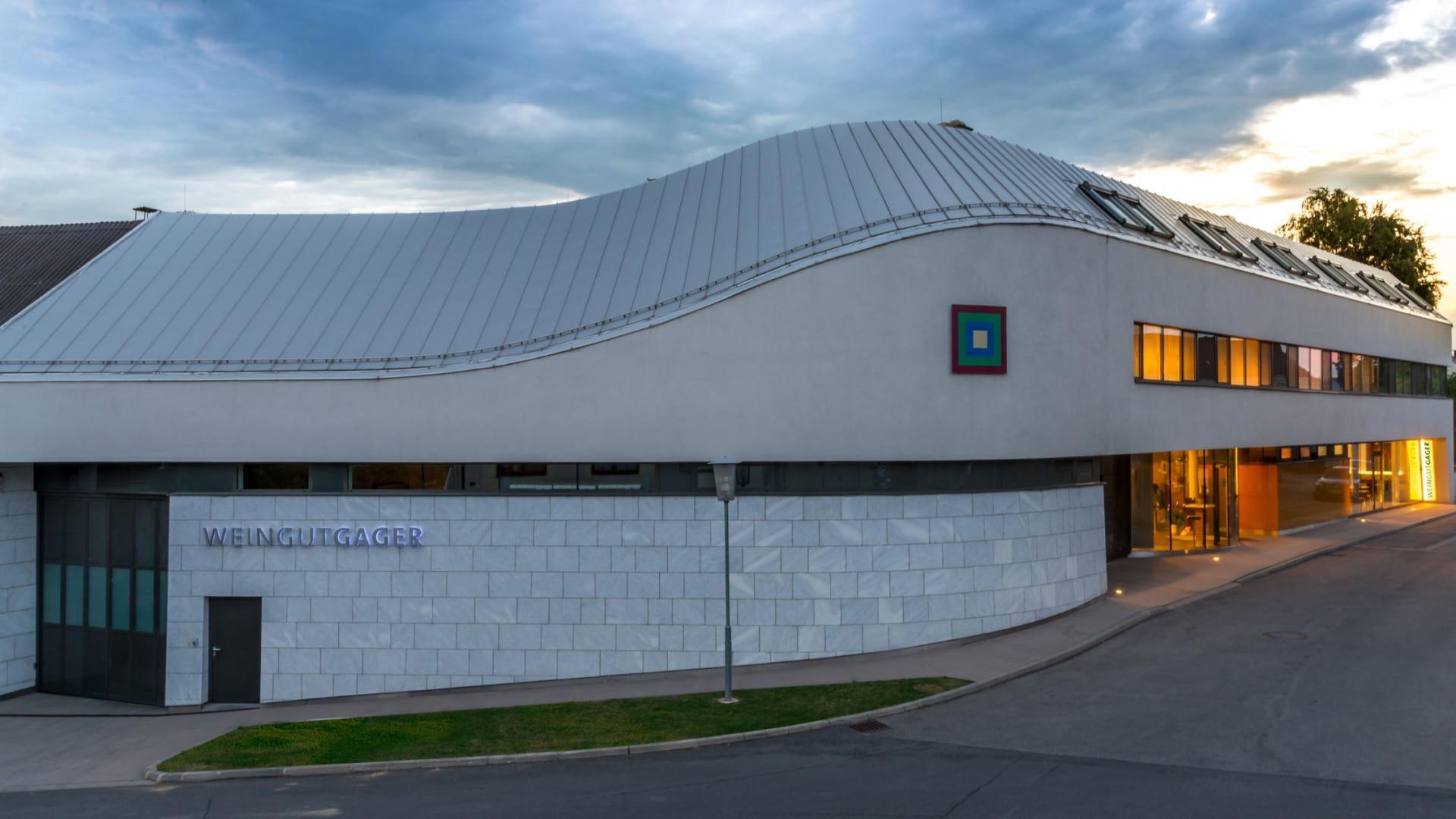
Deutschkreutz and the Terrain That Defines It
The village of Deutschkreutz sits in the Mittelburgenland DAC, a wine appellation that has spent the past two decades consolidating its identity around a single grape: Blaufränkisch. The soils here shift between copper-bearing clay, weathered limestone, and the characteristic dark, iron-loaded loam that growers refer to locally as "Eisenberg-adjacent" ground, though the Eisenberg DAC sits further south, the mineral composition of Mittelburgenland's hillside sites shares enough of that ferrous signature to produce wines with notable grip and structural density. If you want to understand why Burgenland Blaufränkisch reads differently from the grape's expressions in Leithaberg or Neusiedlersee, Deutschkreutz is a useful place to start.
The region's proximity to the Sopron hills, just across the Hungarian border, means its continental climate carries warm summers and pronounced diurnal swings in autumn, the kind of temperature variation that preserves acidity in thick-skinned red varieties while driving phenolic ripeness. Producers working this ground have historically tended toward wines with tannin architecture suited to extended cellaring, a style that positions Mittelburgenland at the structural end of the Austrian red wine spectrum.
Weingut Gager in Its Local Context
Weingut Gager's address at Karrnergasse 2 places it within Deutschkreutz proper, a small market town whose concentration of serious wine estates makes it worth treating as a dedicated stop rather than a detour. In a village where the comparable set includes Weingut Gesellmann and Weingut Strehn, a Prestige-level award signals that the estate is competing on quality terms with its immediate neighbours rather than operating below them.
What sets this sub-cluster of Deutschkreutz producers apart from, say, the Kamptal estates of Weingut Bründlmayer in Langenlois or the Wachau benchmark work of Weingut Emmerich Knoll in Dürnstein is the singular focus on red varieties in a country whose international reputation still skews toward Grüner Veltliner and Riesling. Deutschkreutz producers operate in a niche that requires committed collectors to seek them out. That selectivity tends to self-select a visitor and buyer profile more oriented toward structured reds and cellar-worthy bottles than toward casual tourism.
Reading the Land in the Glass
In Mittelburgenland, the argument for terroir is less about individual vineyard parcels and more about the regional soil signature expressed across the appellation. The clay-dominant subsoils here slow water drainage, forcing vine root systems deeper and reducing berry yields in dry vintages. The outcome, in skilled hands, is concentrated fruit with firm tannic frames, wines that often read as austere in youth but resolve over several years into something considerably more textured.
Blaufränkisch from this zone tends to show a darker fruit register than examples from the lighter, schist-based soils of Leithaberg, and a more savoury, almost meaty quality that distinguishes it from the fruit-forward styles found at warmer sites near the Neusiedlersee. For collectors already familiar with Weingut Kracher in Illmitz, whose identity rests on botrytised sweet wines from the lake's humid microclimate, the contrast with Deutschkreutz is instructive. Both are Burgenland addresses, but they occupy entirely different ends of the stylistic range.
The broader Austrian red wine picture places Mittelburgenland alongside emerging profiles from producers like Weingut Pittnauer in Gols, whose Neusiedlersee work sits at the biodynamic, lighter-extraction end of Burgenland red production, and Weingut Heinrich Hartl in Oberwaltersdorf, which operates in Thermenregion. Weingut Gager's Prestige standing in 2025 situates it closer to the traditional, structure-focused school than to the lighter-touch, lower-intervention producers who have attracted attention in recent years.
Visiting Deutschkreutz as a Wine Destination
Deutschkreutz functions better as part of a Burgenland wine circuit than as a standalone day trip from Vienna, though the drive from the capital runs south on the A3 and east toward the Hungarian border and can be completed in roughly ninety minutes depending on traffic. The village offers limited accommodation and restaurant infrastructure, which means most visitors plan their tasting visits during the day and base themselves in Rust, Eisenstadt, or the surrounding Neusiedlersee area. For anyone building a focused Mittelburgenland itinerary, the density of quality producers within Deutschkreutz itself makes a morning-to-afternoon schedule achievable without covering large distances.
Tasting room visits in this part of Austria operate differently from the more formalised winery tourism of, say, Napa or Burgundy. Cellar door appointments tend to work better than walk-in attempts, particularly at smaller estates, and the rhythm of visits aligns with harvest schedules and vineyard work. Outside of the September-October harvest window and the spring release period, appointment availability tends to open up. For those whose Burgenland itineraries extend beyond wine, the nearby Esterhazy estate at Eisenstadt and the Neusiedlersee UNESCO biosphere provide additional context for the region's character.
Where Gager Fits in the Wider Austrian Wine Map
Austrian wine in 2025 operates across several distinct quality tiers. At the leading end, a handful of estates have built international distribution and auction-house recognition, names whose allocation lists mirror the demand patterns of Burgundy's most-sought producers. Below that sits a broader cohort of award-recognised estates whose wines circulate primarily through specialist importers and direct cellar-door sales.
For collectors whose interest runs toward Austrian red wine specifically, Mittelburgenland remains a more specialist address than the Wachau or Kamptal, which benefit from stronger international name recognition. That relative obscurity is a structural feature of the region rather than a quality indicator, the awards record of producers like Weingut Gager suggests the wine quality is there; the discovery work falls to the collector. Specialist Austrian importers in the UK, Germany, and the United States have broadened Mittelburgenland allocations over the past decade, making the wines more accessible without significantly affecting the sense that this is deliberate, collector-oriented wine territory.
For context on how Austrian producers compare with international peers, it is worth looking at estates across different production styles, from distillery-adjacent operations like Weingut Scheiblhofer Distillery in Andau to international benchmarks such as Accendo Cellars in St. Helena or Aberlour in Aberlour, producers whose terroir arguments, though constructed differently, rest on similarly site-specific foundations. The comparison underscores how Mittelburgenland's case for place is made through soil and climate data rather than heritage marketing, which gives producers like Weingut Gager a grounded, credible quality argument when their wines perform at Prestige recognition level.
Planning a Visit
The winery is located at Karrnergasse 2, 7301 Deutschkreutz. Reservations are recommended, and written inquiry several weeks in advance is prudent. Visitors travelling from Vienna should plan for a half-day excursion minimum, and those combining Deutschkreutz with other Mittelburgenland producers may find that a full-day circuit covering two or three estates makes better use of the drive. The spring period and the post-harvest months of November and December are productive visiting windows.
How It Stacks Up
Comparable venues nearby, for context on price, style, and recognition.
| Venue | Cuisine | Price | Notes |
|---|---|---|---|
| Weingut GagerThis venue — the venue you are viewing | Blaufränkisch, Zweigelt | $$ | Not listed |
| Weingut Strehn | Blaufränkisch, Zweigelt | $$ | Deutschkreutz |
| Weingut Gesellmann | Blaufränkisch, Zweigelt | $$ | Deutschkreutz |
| Weingut Birgit Braunstein | Blaufränkisch, Chardonnay | $$ | Purbach |
| Kiesel Distillery | Winery | Not listed | Sigless |
| Destillerie Königsberg | Winery | Not listed | Kirchschlag |
Recognition history
Dated appearances from independent guides and award organizations, with the underlying list record or original source where available.
Falstaff Winery - 4 Stars
Falstaff
Continue exploring
More in Deutschkreutz
Wineries in Deutschkreutz
Browse all →
Bars in Deutschkreutz
Browse all →

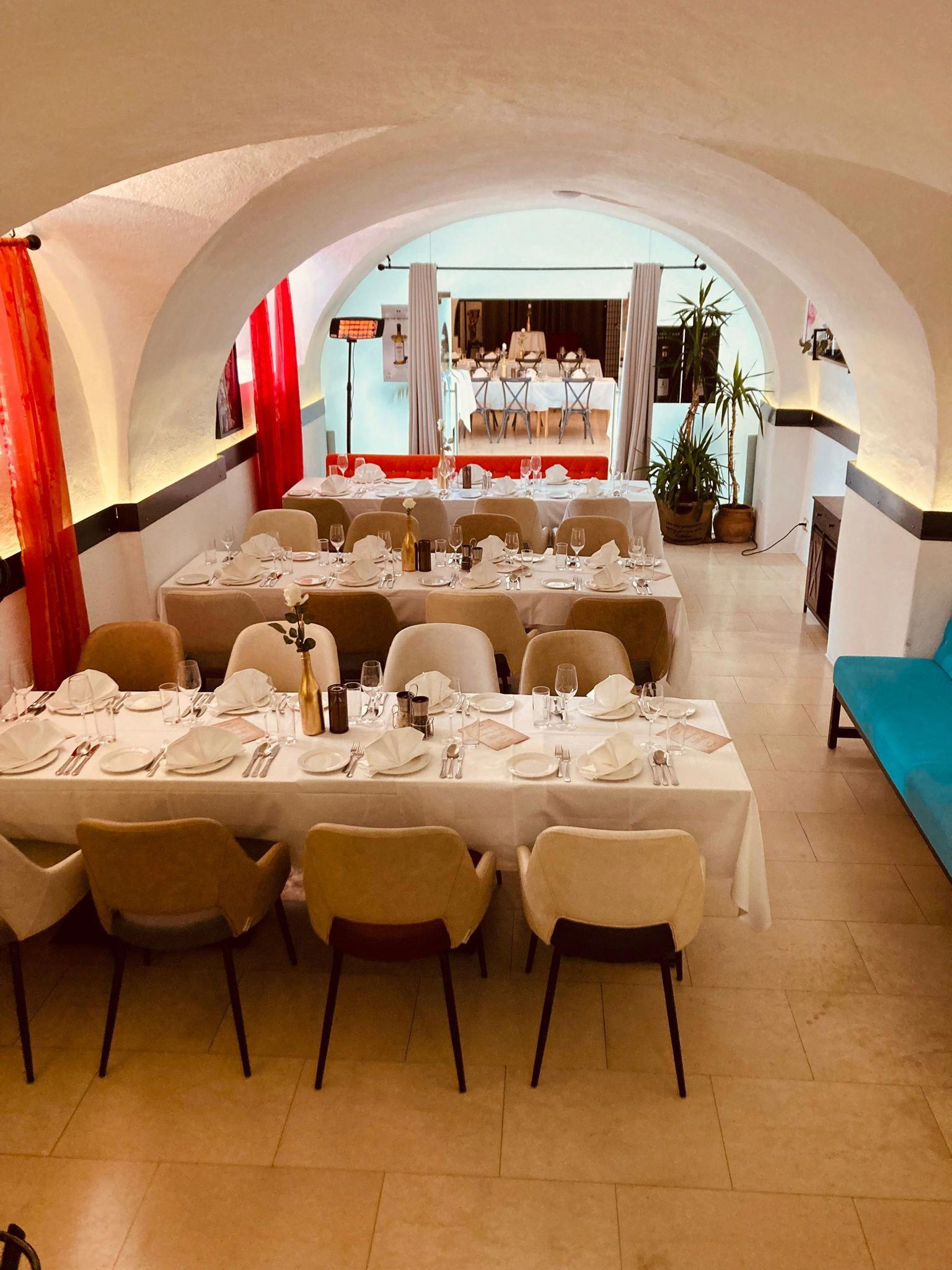
Restaurants in Deutschkreutz
Browse all →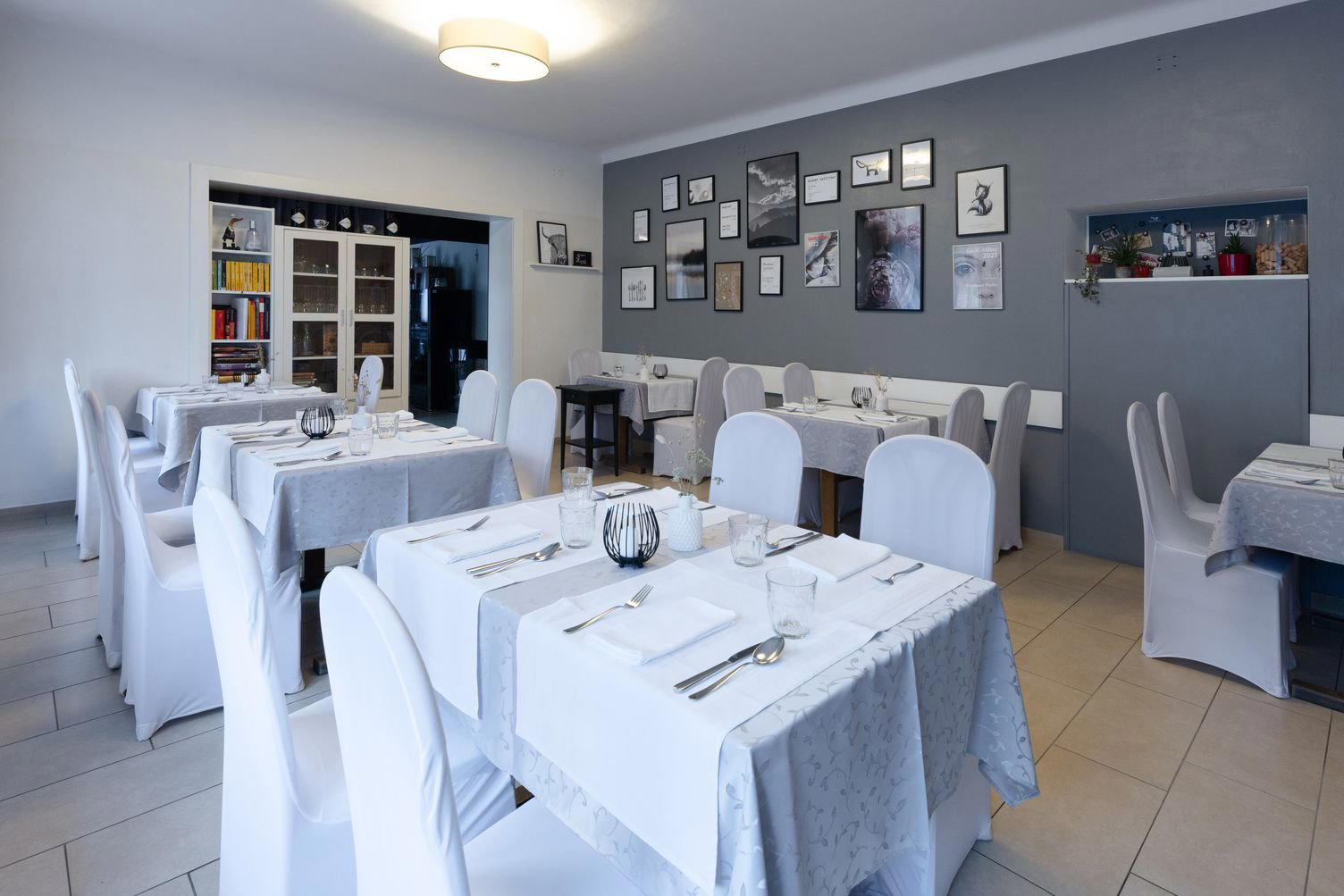
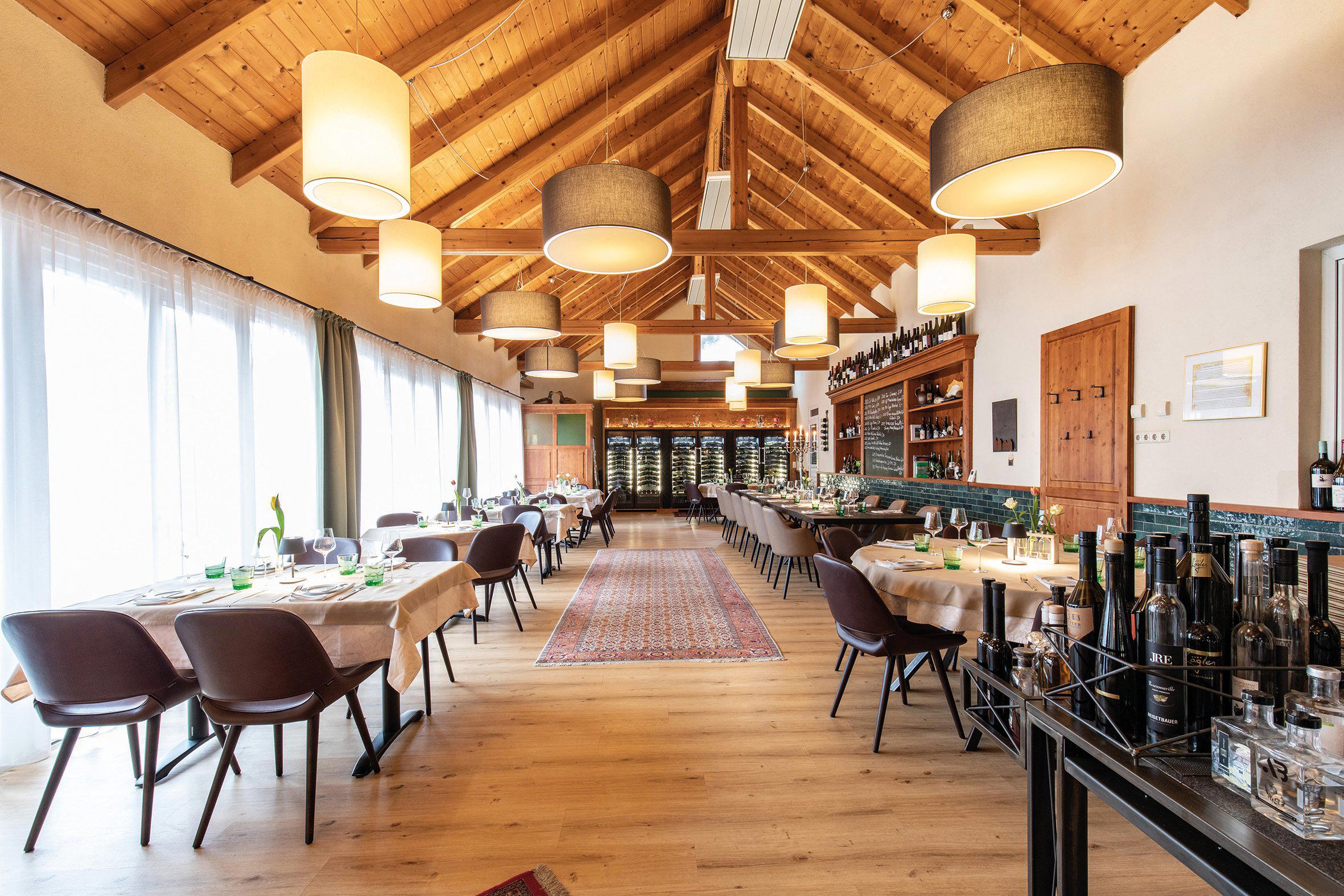
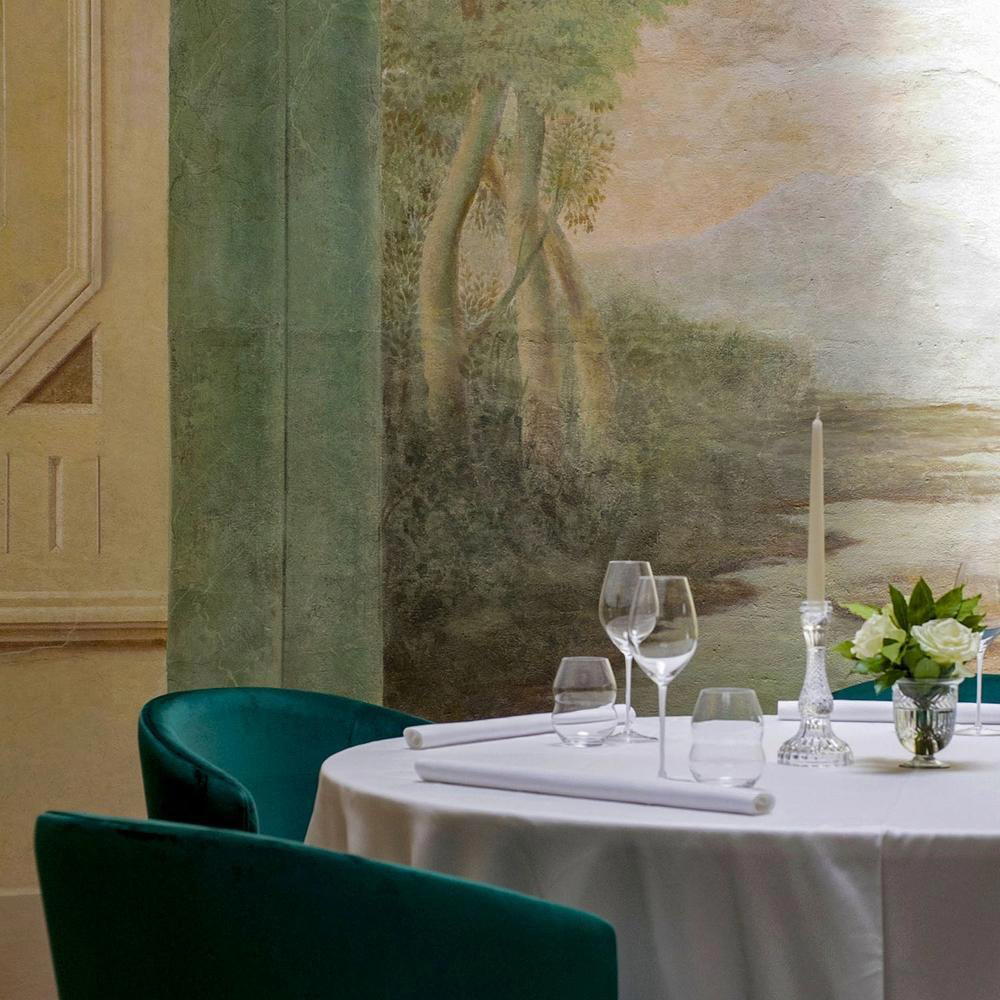
At a Glance
- Rustic
- Elegant
- Intimate
- Wine Education
- Solo Exploration
- Estate Grounds
- Sustainable
- Vineyard
- Mittelburgenland DAC
- Blaufränkisch
- Zweigelt
- Cabernet Sauvignon
- Merlot
- Still Red
- Cave Tasting
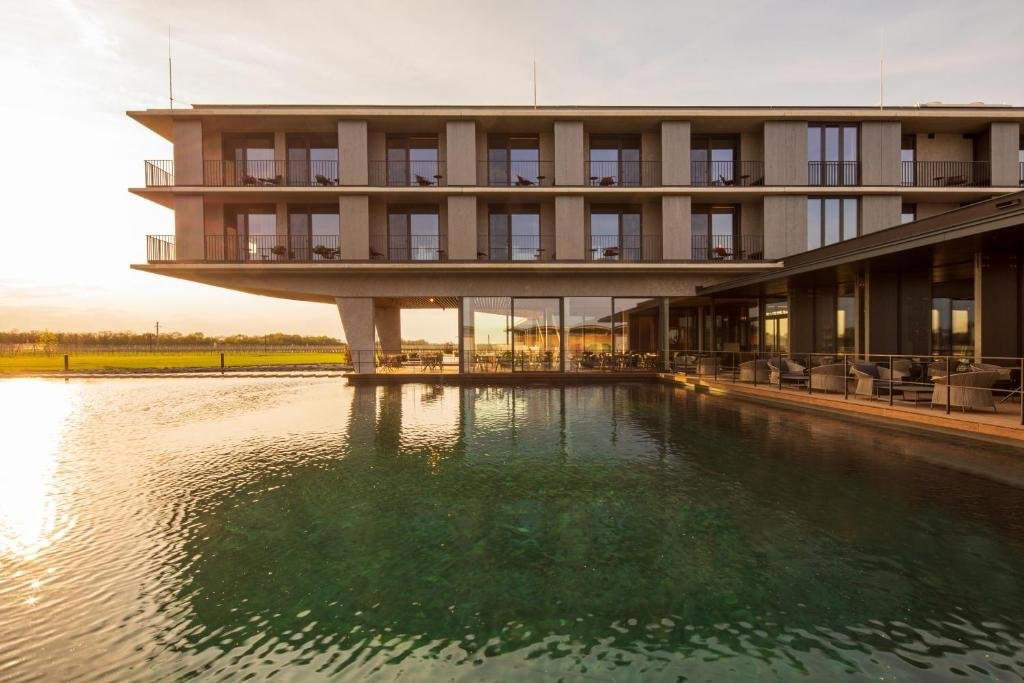
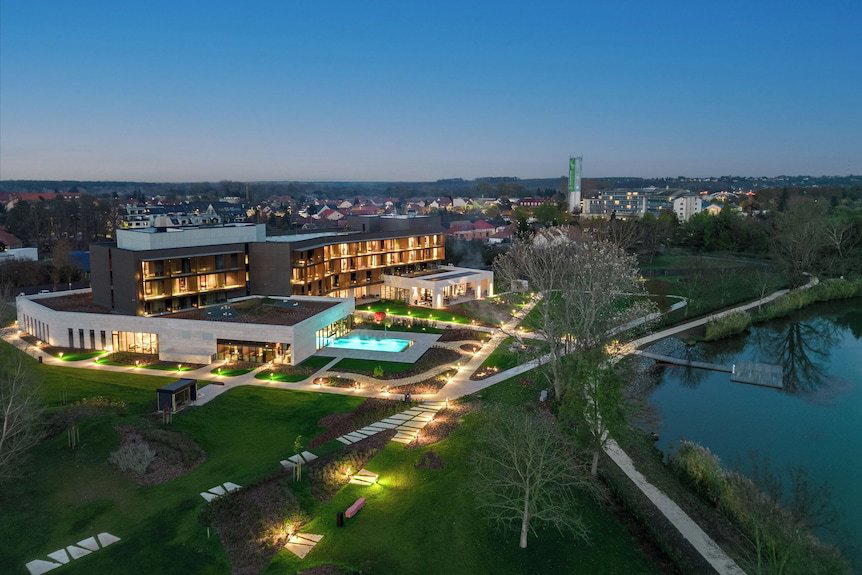
Modern, open, and stylish tasting room offering a welcoming, family atmosphere with excellent wines and relaxed hospitality.