
Tabelog 100 #71
Our verdict
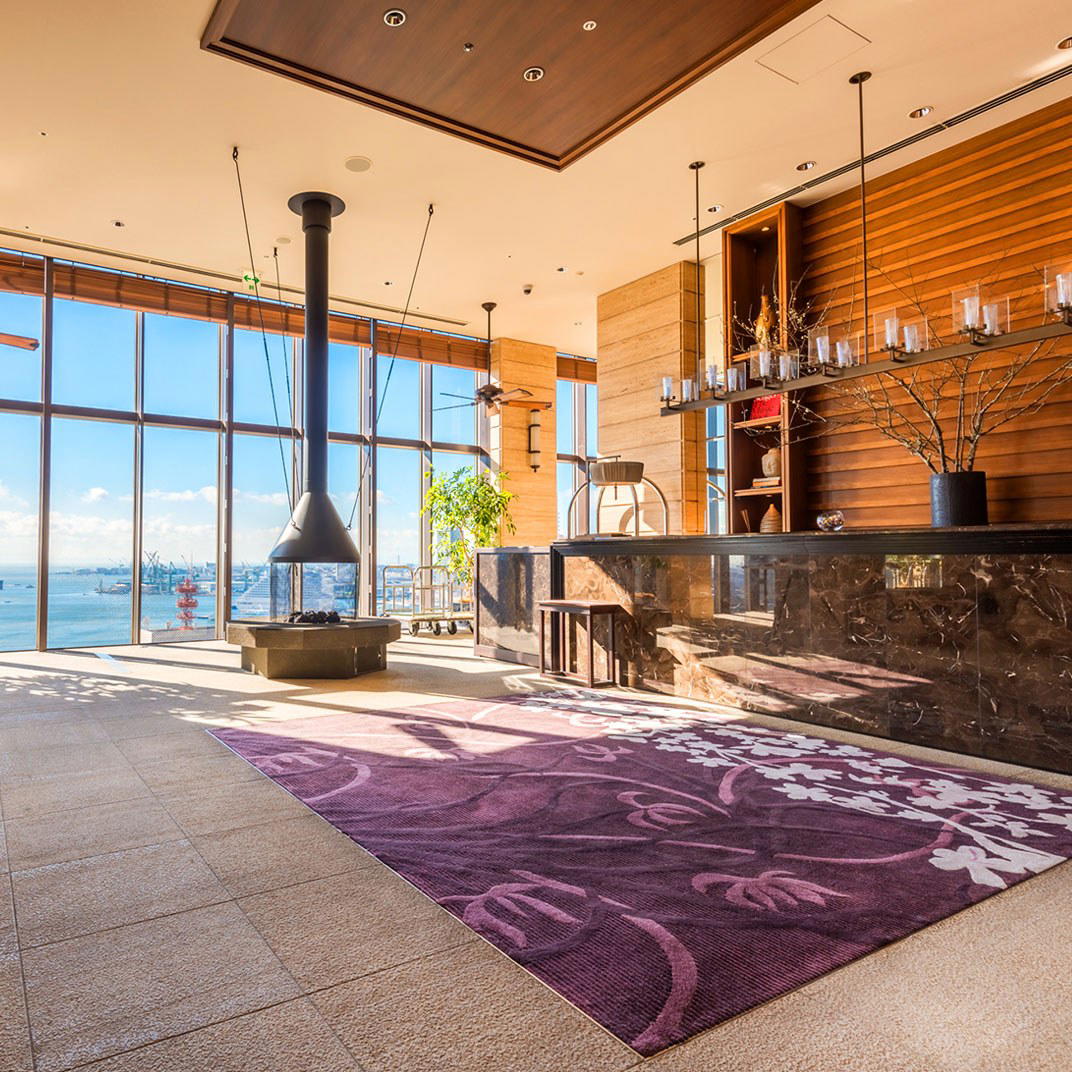
A 29th-floor Chinese dining room inside Kobe Portopia Hotel, Shukeien is built for the city’s hotel-restaurant tradition rather than counter-style intensity. Its 2026 Tabelog 100 Chinese WEST selection, large dining room, private-room capacity, and harbour-side setting make it a practical choice for polished Chinese cooking in Kobe when the brief includes views, group flexibility, and formal service.

Pearl is the En Primeur Club membership app, where members save venues, book tables and use the concierge.
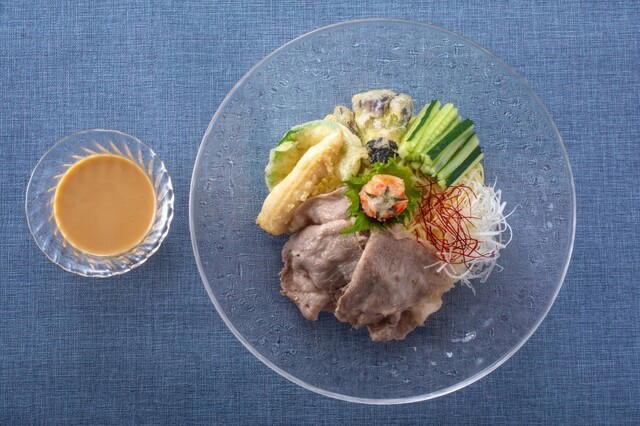
The menu
What to order
- Braised whole shark fin in superior soup
- Dim sum all-you-can-eat lunch
- Dim sum all-you-can-eat dinner
From Kobe, the city reads differently depending on the meal: port-city rhythms, urban movement, and the run toward Osaka Bay all shape how visitors plan a table. Kobe’s serious dining culture is often framed by beef counters, small formal rooms, and old coffee houses, but its more composed restaurants carry another tradition: planned meals for family gatherings, business occasions, and evenings where the table must work as hard as the kitchen.
Shukeien belongs to that side of Kobe. The format is Chinese, the restaurant is positioned for a considered meal, and the recognition is current: selection for Tabelog 100 Chinese WEST 2026 gives it a measurable place in western Japan’s Chinese restaurant field. In a city where premium spending often moves toward beef, teppanyaki, or polished dining rooms, the appeal is not scarcity theatre. It is Chinese cooking, hospitality rhythm, and a Kobe address that can suit more than a quick two-person dinner.
Chinese cooking in Kobe's restaurant tier
Kobe’s international dining history is central. The port shaped a city comfortable with imported ingredients, foreign communities, and dining rooms beyond a single regional canon. Chinese restaurants sit inside that history and Kobe’s broader appetite for hybrid, cosmopolitan eating. A composed Chinese restaurant differs from a street-level specialist, but the context is connected: Chinese cooking has long been part of Kobe’s public dining vocabulary, not an imported novelty.
The value case is clearest against Kobe’s premium alternatives. Teppanyaki Tajima, Steak House Oriental (Kobe Meriken Paku Oriental Hotel), and Teppanyaki Kokoro occupy a beef-led bracket where spend is tied to counter performance, cut selection, and ceremonial wagyu handling. Propeller sits in a more moderate western-leaning category, while Satonaka plays at the opposite end of the price scale. Shukeien instead offers an award-listed Chinese category without making the meal revolve around a single luxury protein.
That makes it useful for a specific Kobe itinerary. Travellers planning around steak may look first at other Kobe dining rooms; those meals make sense when beef is the evening’s reason. A Chinese restaurant fits when the brief includes wider palates, a slower table, and the ability to host parents, children, colleagues, or friends without forcing a counter format.
What the recognition says, and what it does not
Tabelog’s Hyakumeiten lists are useful because they recognise category depth rather than one international fine-dining style. A 2026 Chinese WEST selection places Shukeien among western Japan’s notable Chinese restaurants for that year, but should be read correctly. It is not a claim of tiny-room exclusivity or chef-driven tasting-menu severity. It signals a respected regional category plus the practical strengths of a restaurant that works for planned dining.
Those strengths are best understood through the meal’s function. A Chinese restaurant can suit groups, families, and celebratory tables in ways small Kobe counters often cannot. The appeal is not only what is on the plate, but how the format supports a shared meal. In Japan, Chinese dining often benefits from a structure that does not simply copy western fine-dining habits; it can serve the formal table while remaining close to domestic hospitality culture.
For travellers comparing categories, Kobe rewards a sequence rather than one answer. Coffee culture, casual eating, and neighbourhood dining can be handled elsewhere in the city. Shukeien fits the formal Chinese slot, especially when the meal needs composure without becoming a tasting-menu commitment. For a wider scan, Our full Kobe restaurants guide is the better planning layer; for pairing the meal with where to stay, use Our full Kobe hotels guide.
Kobe practicality, planned meals, and the value of space
Kobe is not one single dining decision. Some meals suit a spontaneous central evening, while others reward advance planning and a more settled table. Shukeien is better treated as the latter: a restaurant to consider deliberately when the group, timing, and occasion matter. Reservations are sensible, particularly because the format is aligned with planned dining, not only walk-in traffic.
The dining format is part of the value proposition. In Japan, Chinese restaurants often carry multi-generational meals because shared dishes, round-table pacing, and composed service solve problems a narrow counter cannot. Shukeien’s category gives it a practical edge for birthdays, family travel, and business hosting. That is not decorative; it is why a Chinese restaurant can compete with smaller, more fashionable venues.
There is a useful contrast with how visitors often over-plan Kobe. A beef dinner, harbour hotel, sake-bar detour, and coffee stop can become a checklist. Better to build by function. Choose a beef counter when the meal is about wagyu; choose this restaurant when the group matters as much as the food. For drinks after dinner, Our full Kobe bars guide gives the broader map. For sake-country context beyond the city, Our full Kobe wineries guide and Our full Kobe experiences guide help frame the trip.
Readers building a wider Japan itinerary can treat Kobe as one node in a larger dining circuit, not an isolated stop. Contrast this Chinese format with other Japanese dining rooms across the country, from beef-led meals and seafood counters to cafes, casual drinking rooms, and rice-based formats. For North American comparisons in Japanese casual drinking and rice-based dining, the context becomes different again once Japanese dining leaves Japan.
The editorial read is simple: this is a strong Kobe choice when value is measured through category recognition, Chinese cooking, and suitability for a planned shared meal, not pursuit of the smallest counter or highest spend. Shukeien is not the city’s answer to every dining question. It is the answer when Chinese cooking, a polished Kobe meal, and a table that can handle an occasion are the point.
Frequently asked questions
Where do I go for Shukeien?
Kobe.
What price level is Shukeien?
Pricing at Shukeien is listed as Dinner: JPY 8,000 - JPY 9,999; Lunch: JPY 4,000 - JPY 4,999.
Do I need a reservation for Shukeien?
Reservations are available at Shukeien, and planning ahead is sensible at busier meal times. It is a Chinese restaurant in Kobe.
What's the signature at Shukeien?
No single dish is named in the public record. The clearest marker is the format itself: a Chinese restaurant in Kobe, selected for Tabelog 100 Chinese WEST 2026, with lunch from JPY 4,000–4,999 and dinner from JPY 8,000–9,999. Check the venue's official channels for the latest details.
Credentials Lens
Comparable venues for orientation by cuisine and category.
| Venue | Cuisine | Price | Awards | Notes |
|---|---|---|---|---|
| ShukeienThis venue (the venue you are viewing) | Cantonese Chinese with panoramic Kobe night views | $50–100 | Tabelog 100 #71 | Not listed |
| Toten Kaku Koube honten | Traditional Chinese (Beijing) in historic Western-style mansion | $50–100 | Tabelog 100 #77 | Chūō |
| Canton Ryori Chinese Shuka Toa rodo ten | Traditional Cantonese (Kobe) | $30–50 | Tabelog 100 #53 | Chūō |
| Yakitori Bonsan | Yakitori | $50–100 | Tabelog 100 #95 | Chūō |
| Miyasu | Kobe Beef Steakhouse | $100–150 | Tabelog 100 #35 | Chūō |
| Gyoza Senmon Ten Shoun | Gyoza and ramen shop | $10–20 | Tabelog 100 #26 | Chūō |
Recognition history
Dated appearances from independent guides and award organizations, with the underlying list record or original source where available.
Tabelog 100 #71 · No. 71
Tabelog · Tabelog 100 - Chinese cuisine - WEST - 2026
Continue exploring
More in Kobe
Restaurants in Kobe
All restaurants in Kobe →

Bars in Kobe
Browse all →



Details
- Elegant
- Scenic
- Romantic
- Sophisticated
- Family
- Celebration
- Group Dining
- Special Occasion
- Business Dinner
- Private Event
- Panoramic View
- Private Dining
- Hotel Restaurant
- Skyline
- Waterfront
- A La Carte
- Set Menu
- Tasting Menu
- Buffet
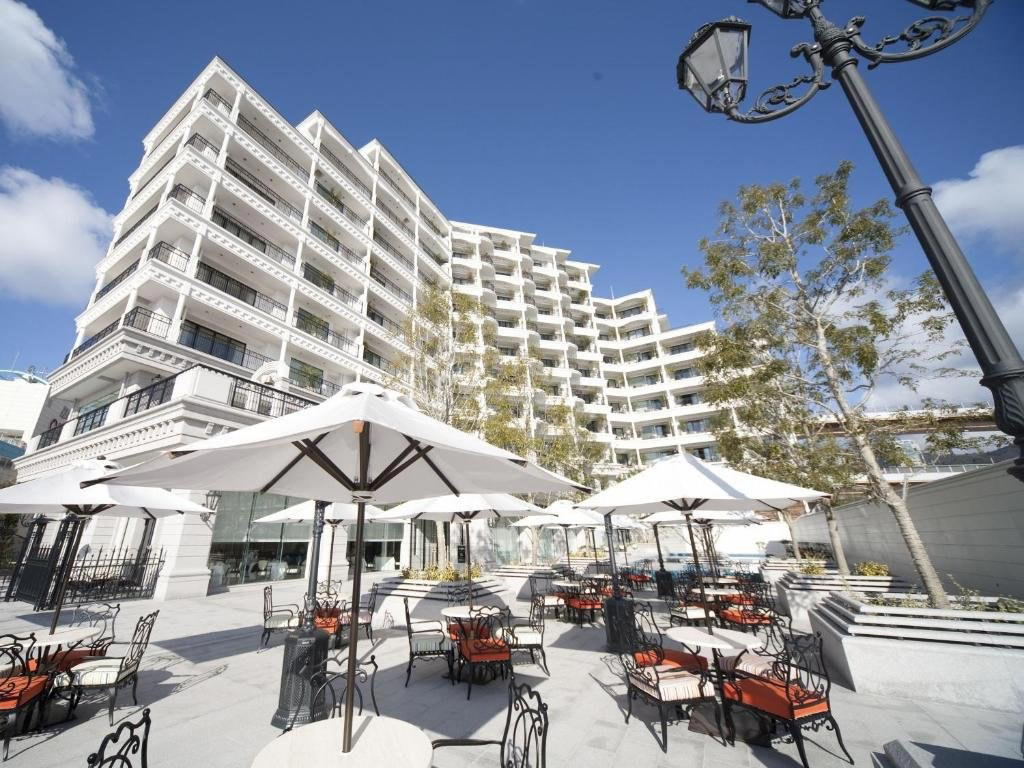
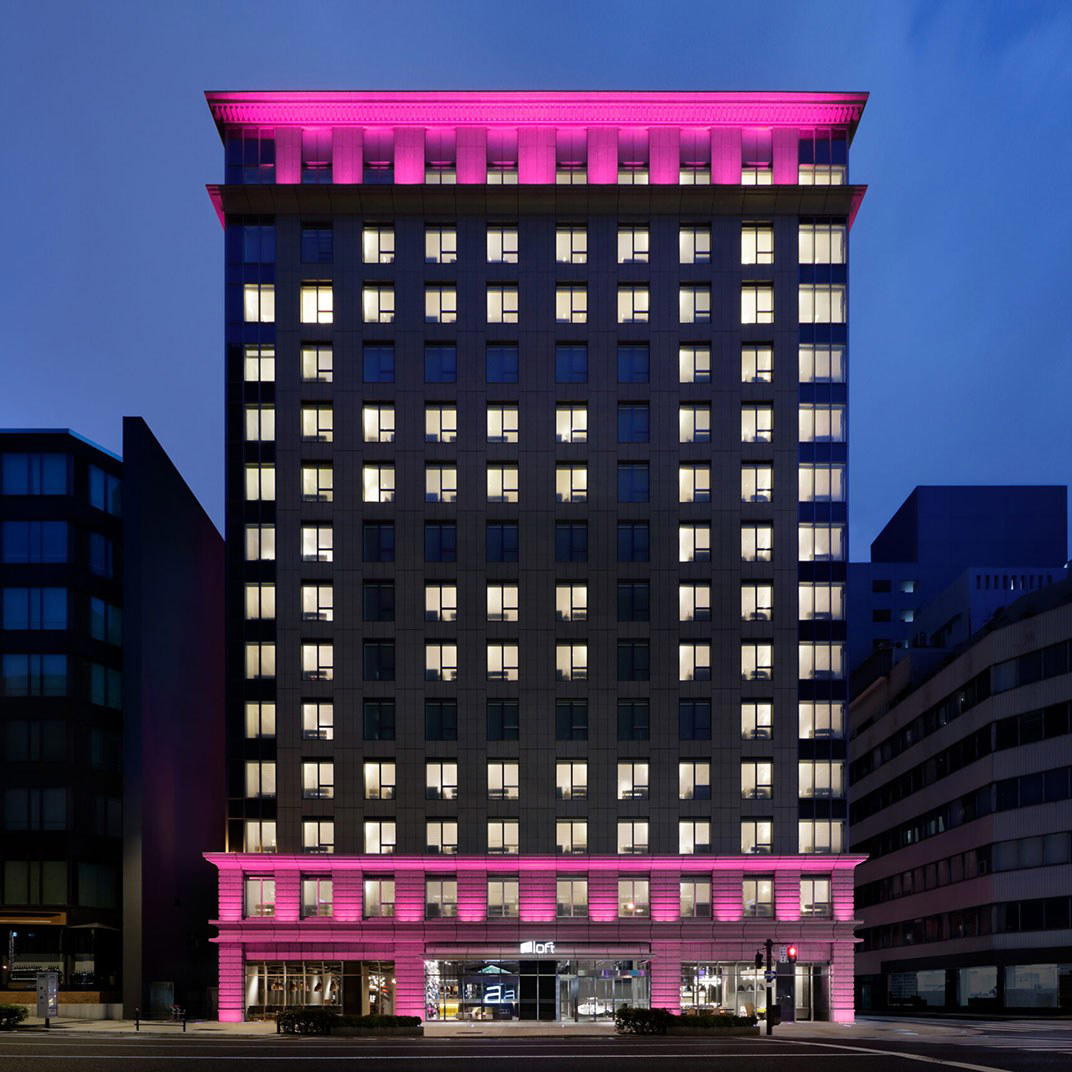
An elegant hotel-restaurant setting on the 29th floor with large windows overlooking Kobe’s night skyline, suited to special meals, weddings, and family celebrations; refined but relaxed rather than overly formal.