
Tabelog 100 #35
Our verdict
Kobe’s steak culture has always carried a different charge from Tokyo’s formal counters: beef here is civic identity, not imported luxury theatre. Miyasu sits in the city’s serious yoshoku-and-steak tier, with Tabelog 100 Steak / Teppanyaki WEST recognition in 2025 and a format that suits diners who want a composed progression rather than a quick grill stop.

Pearl is the En Primeur Club membership app — saves, bookings, and concierge access live there. Same editors, same standards.
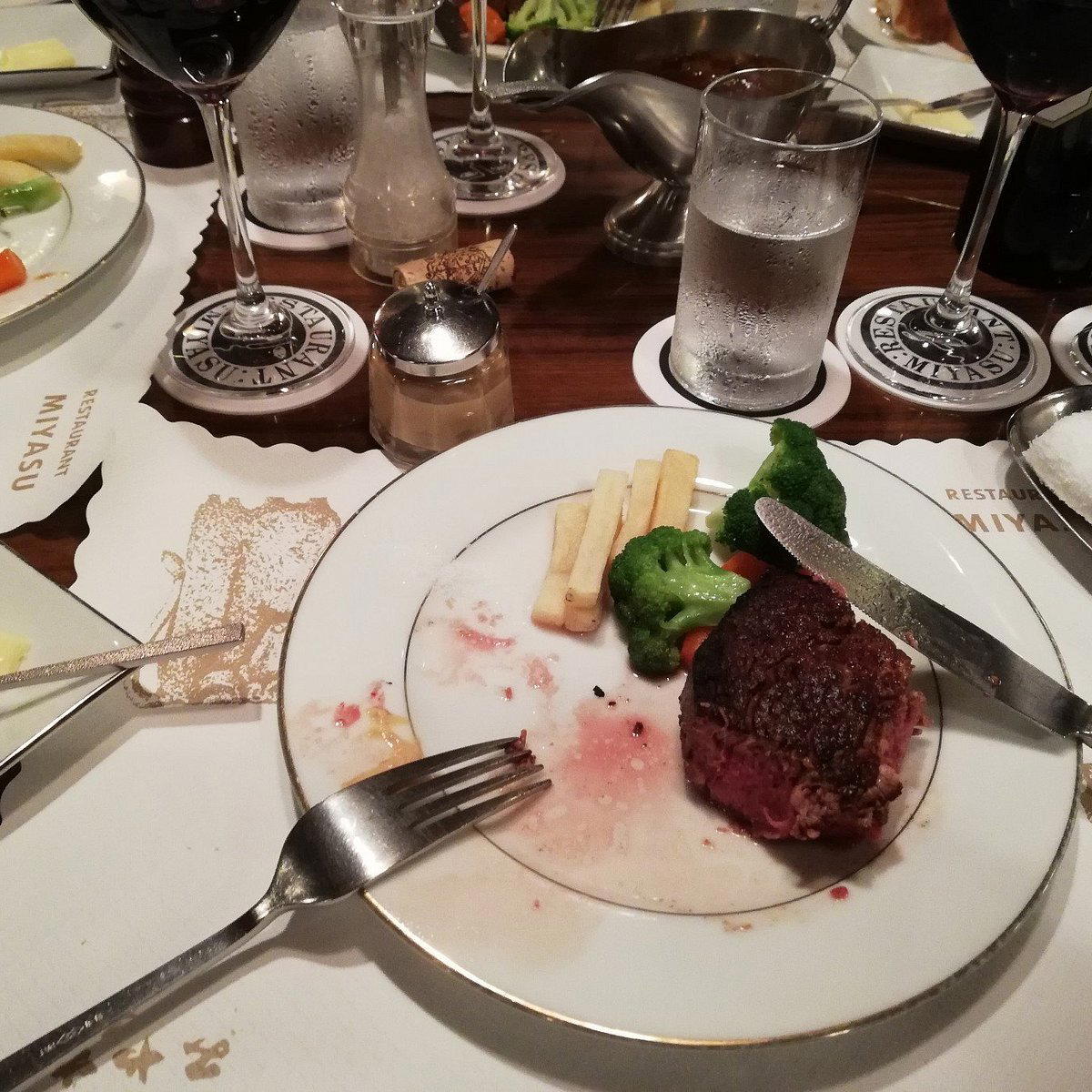
Kobe has the right density for a steak room: city movement, dining discretion, and old-port texture that anchors dinner in place rather than staging it only for visitors. In Kobe, beef is not merely an order category. It is part of the city’s dining grammar, shaped by port-city appetite, Western influence, and Japan’s long habit of turning foreign formats into something exacting and local.
That context matters because serious Kobe steak is not one style. Some rooms are built around the grill. Others lean into yoshoku, the Japanese-Western tradition where sauces, hamburger steak, and composed plates can sit beside steak. Miyasu belongs to that conversation: steak, hamburger steak, and yoshoku share the table, signalling a meal built around sequence and appetite rather than one grand cut alone.
Kobe beef culture, read through a yoshoku progression
The meal arc here is better understood as progression than spectacle. Kobe’s grill culture can tempt diners to think only in marbling and brand names, but stronger rooms manage pacing: appetite opens, beef becomes the centre, and supporting dishes prevent the table from collapsing into richness. In that register, yoshoku matters. It structures a steak dinner through Western forms while keeping Japanese portion control, sauce discipline, and temperature precision.
Miyasu’s recognition from Tabelog Hyakumeiten in 2025 places it in a competitive field, not merely a tourist-only Kobe beef circuit. Tabelog’s Hyakumeiten lists are not Michelin stars, but in Japan they carry real reader value because they often reward category specialists with local traction. A 2025 listing, together with a listed score of 3.63 and a dinner budget of JPY 15,000 - JPY 19,999, gives diners a clearer planning frame than beef branding alone.
The relevant comparison is not every steakhouse in town, but the ways Kobe packages dining. Other Kobe beef-focused dining rooms reflect the city’s specialist steak economy, while lower-priced neighbourhood choices such as Yun Ki and Motomachi Kissa occupy a different daily-use register. Canton Ryori Chinese Shuka Toa rodo ten and terzo show Kobe’s map stretching from Chinese comfort to Italian polish. Against that spread, Miyasu reads as a deliberate evening restaurant for diners wanting steak through a fuller Japanese-Western lens.
Why the room suits diners who care about pacing
A steak dinner’s psychology depends on timing as much as product. In Kobe, where beef can be sold too easily as a label, the stronger formats restore sequence: when the next plate arrives, how the meal moves from lighter opening notes into richer meat, and whether the finish leaves the table satisfied rather than fatigued. Miyasu is best read through that lens rather than as a simple box to tick on a Kobe itinerary.
Scale and mood should be approached with the same caution. Rather than treating the restaurant as a generic luxury template, diners should think of it as a Kobe dinner address where steak, hamburger steak, and yoshoku define the expectation. That combination points to occasion dining, but it does not require reducing the meal to a single cut of beef or a single performance style.
Drinks and service details are best confirmed directly when booking, especially for travellers with firm preferences. Steak in Japan often sits between sake, highballs, and wine on one side and rice-led comfort on the other. At Miyasu, the more reliable planning point is the category itself: a composed dinner in Kobe, priced at JPY 15,000 - JPY 19,999, rather than a quick meat-and-rice stop.
Practical details also matter for international diners. Policies can affect the choice calculus as much as the menu, especially in older urban restaurant categories. For some travellers, that traditional Kobe feel is part of the appeal; for others, booking questions should be settled in advance. The point is expectation, not etiquette: this is a steak-yoshoku setting in Kobe, not a frictionless global luxury template.
How to place it in a Kobe itinerary
Kobe is the right setting for this dinner. It keeps the evening within the city’s broader rhythm of rail movement, coffee rooms, bars, and late walks rather than isolating the meal in a destination-only zone. Travellers building a full day in the city can treat Miyasu as the formal beef-focused anchor, then let other Kobe dining fill the lighter parts of the itinerary.
For a broader read, unnamed Kobe dining rooms show different parts of the city’s restaurant identity: local Japanese meals on one side, international and dietary-specific demand on the other. That range belongs to the city’s port legacy. Kobe has never been a one-cuisine town, even if beef dominates the visitor imagination.
The decision point is simple. Choose Miyasu when the brief is a paced steak-and-yoshoku dinner in Kobe with recognized category standing, not a casual meal or a generic beef stop. Diners comparing regions should note that beef culture changes sharply across Japan: format, not just ingredient, defines the evening, and Kobe’s version is strongest when it balances polish, appetite, and local dining history.
For planning beyond dinner, use our full Kobe restaurants guide alongside our full Kobe hotels guide, our full Kobe bars guide, our full Kobe wineries guide, and our full Kobe experiences guide. For contrast outside Kobe, other dining rooms across Japan and abroad remind us that Japanese dining follows many different logics, while Miyasu remains most useful as a Kobe reference point for steak, hamburger steak, and yoshoku.
Frequently asked questions
Is Miyasu good for families?
Miyasu can work for planned dinners in Kobe, especially for diners who want steak, hamburger steak, and yoshoku rather than a casual drop-in meal. The price range is JPY 15,000 - JPY 19,999, so it sits in a dinner bracket that suits occasions.
What's the vibe at Miyasu?
Miyasu is best understood as a Kobe steak-and-yoshoku restaurant rather than a generic beef stop. Its Tabelog Hyakumeiten recognition in 2025 gives it clear category standing.
What price level is Miyasu?
Pricing at Miyasu is listed as JPY 15,000 - JPY 19,999.
What is Miyasu known for?
Miyasu is known in Kobe for steak, hamburger steak, and yoshoku, with Tabelog Hyakumeiten recognition in 2025.
Comparison Snapshot
Comparable venues for context, by category and price tier.
| Venue | Cuisine | Price | Awards | Notes |
|---|---|---|---|---|
| MiyasuThis venue (the venue you are viewing) | Kobe Beef Steakhouse | $100–150 | Tabelog 100 #35 | Not listed |
| Aburi Niku Kobo Wakkoku Shinkobe ten | Traditional Kobe & Tajima Beef Teppanyaki Steakhouse | $100–150 | Tabelog 100 #82 | Chūō |
| enoteca ber ber bar | Natural Wine Bar / Seasonal Bistro | $50–100 | Tabelog 100 #69 | Chūō |
| Ristorante Hanatani | Seasonal Italian Chef’s Counter in Kobe | $100–150 | Tabelog 100 #75 | Chūō |
| éº¤ç® | Traditional Japanese Kaiseki | Not listed | Not listed | Chūō |
| Yakitori Takashima | Refined Yakitori & Chicken Kaiseki | $50–100 | Tabelog 100 #90 | Higashinada |
Recognition history
Dated appearances from independent guides and award organizations, with the underlying list record or original source where available.
Tabelog 100 #35 · No. 35
Tabelog · Tabelog 100 - Steak / Teppanyaki - WEST - 2025
Continue exploring
More in Kobe
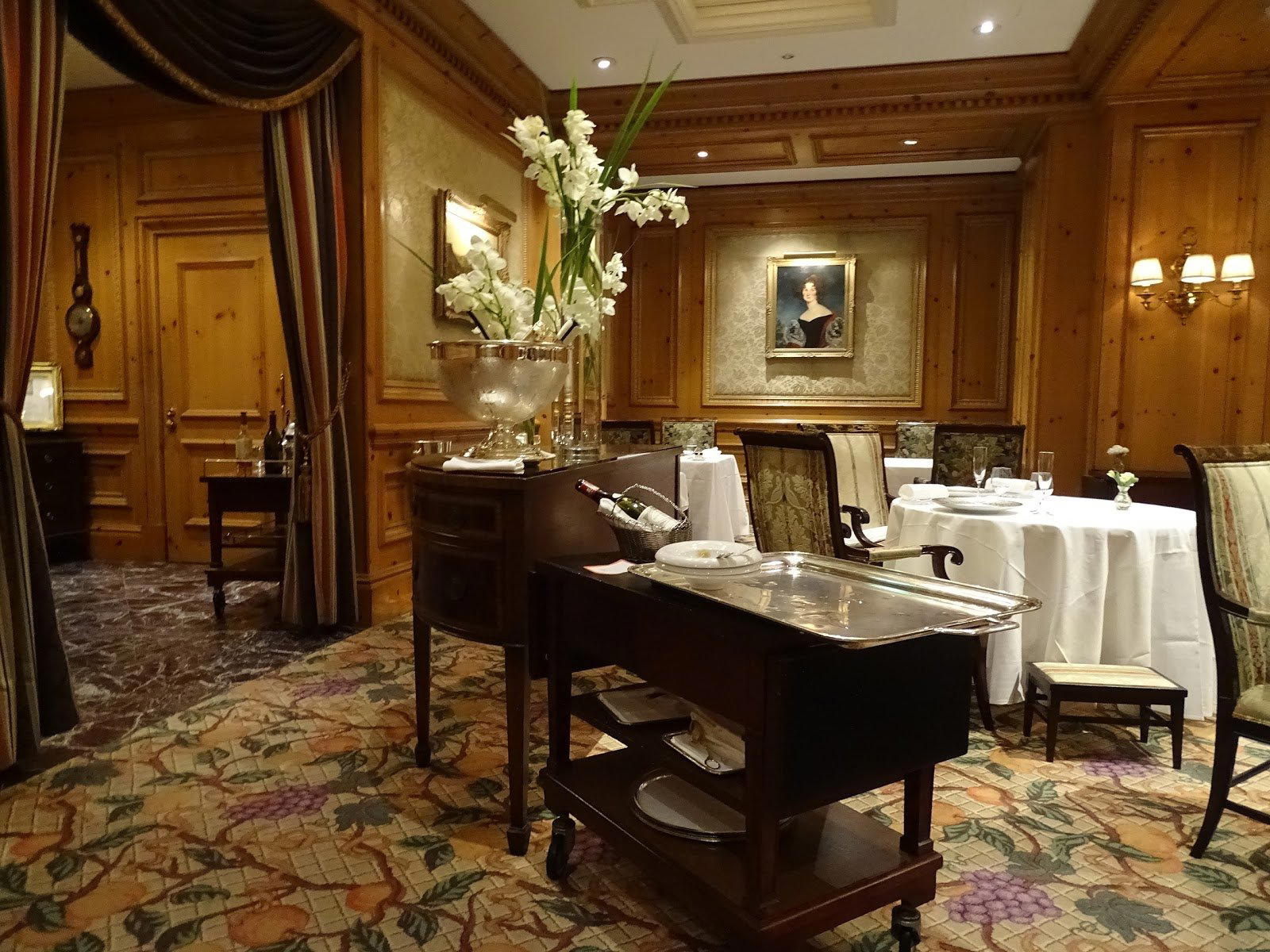
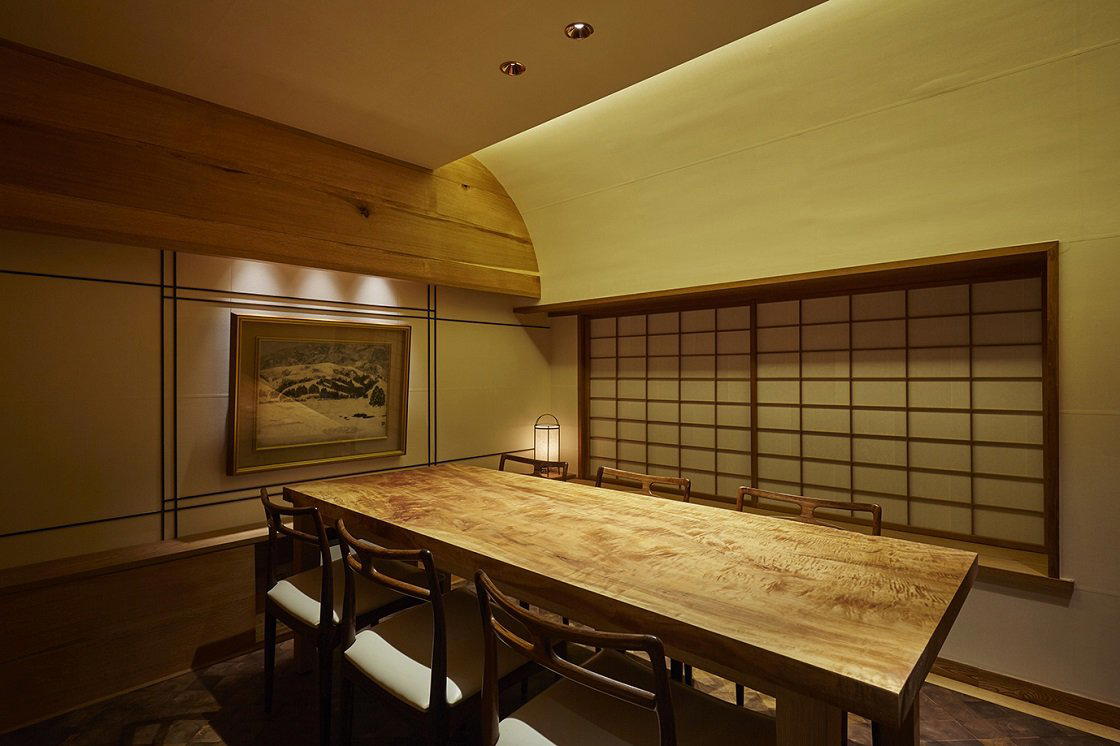
Restaurants in Kobe
All restaurants in Kobe →
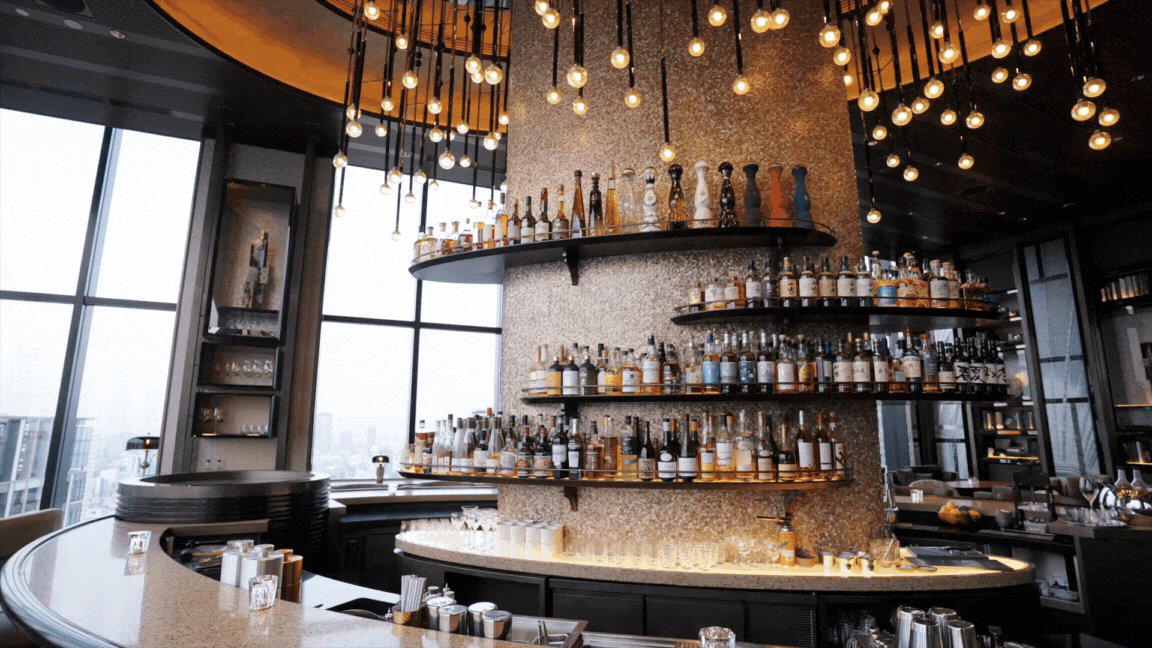
Bars in Kobe
Browse all →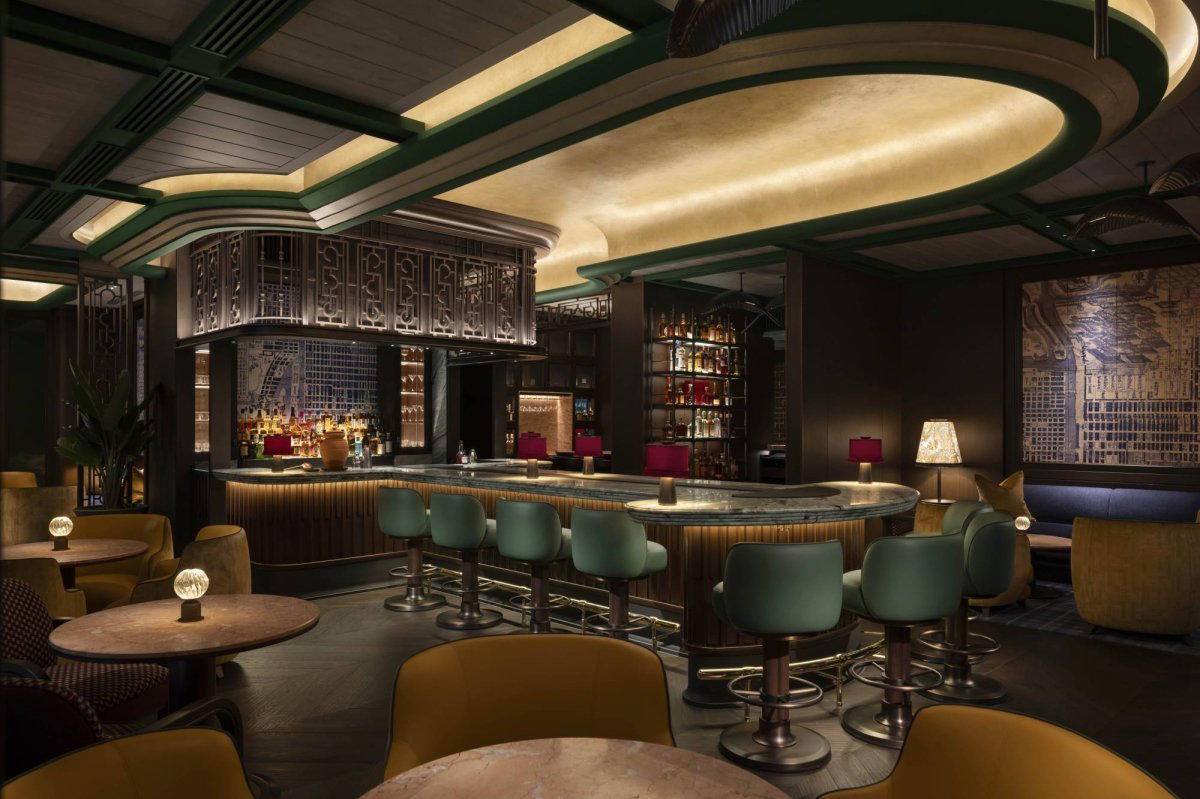



Details
- Classic
- Elegant
- Sophisticated
- Quiet
- Intimate
- Date Night
- Business Dinner
- Special Occasion
- Standalone
- Beer Program
- Local Sourcing
- A La Carte
- Beer
- Wine
Current opening hours
- Monday
- 5–9:30 PM
- Tuesday
- 5–9:30 PM
- Wednesday
- 5–9:30 PM
- Thursday
- 5–9:30 PM
- Friday
- 5–9:30 PM
- Saturday
- 5–9:30 PM
- Sunday
- Closed
Hours can change for holidays and private events. Last verified .
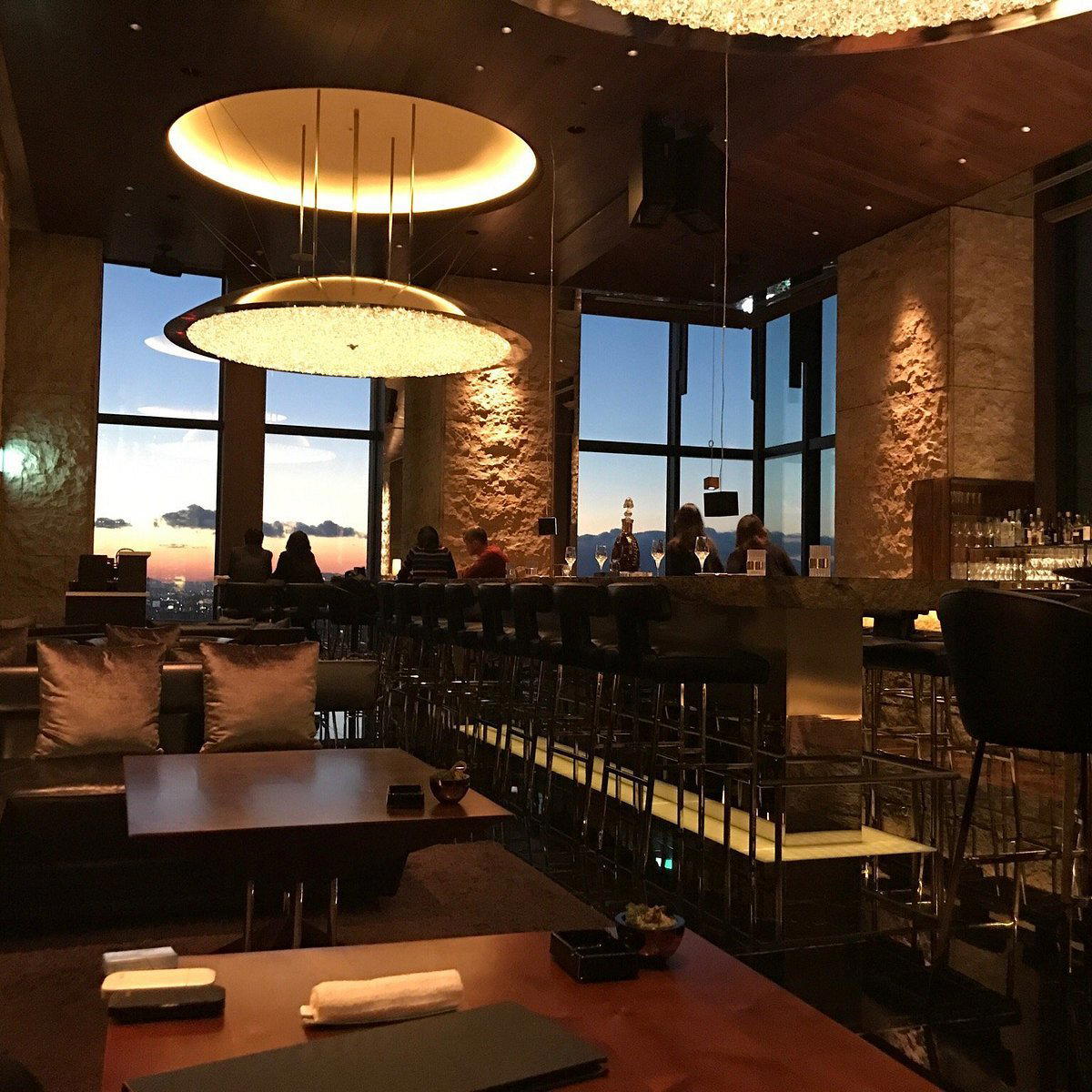
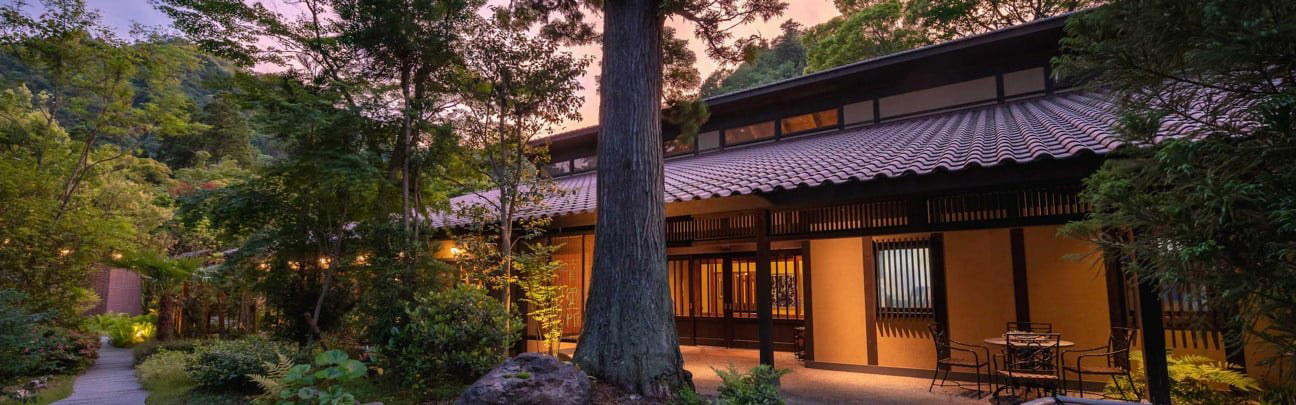
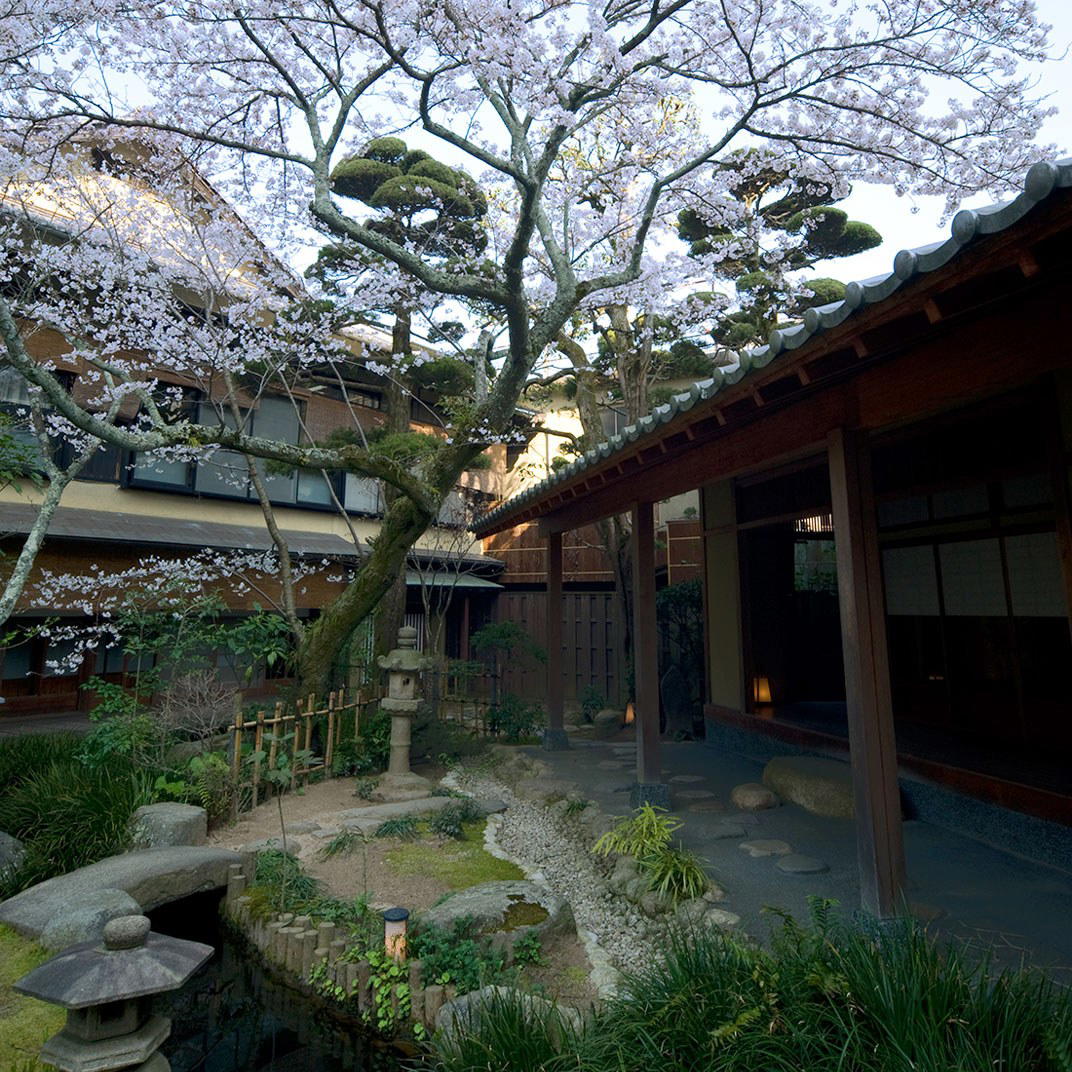
Timeless and restrained, with a quiet, old-school steakhouse atmosphere centered on Kobe beef rather than showy decor.