
Tabelog 100 #77
Our verdict
In Kitano-Yamamoto-dori, Kobe’s old foreign-settlement geography gives Chinese dining a different frame from the city’s steakhouse shorthand. Toten Kaku Koube honten belongs to that older Kobe story: a house-restaurant setting, Chinese cooking, private-room scale, and repeated selection for Tabelog’s Chinese WEST 100 list in 2021, 2023, and 2026.

Pearl is the En Primeur Club membership app, where members save venues, book tables and use the concierge.
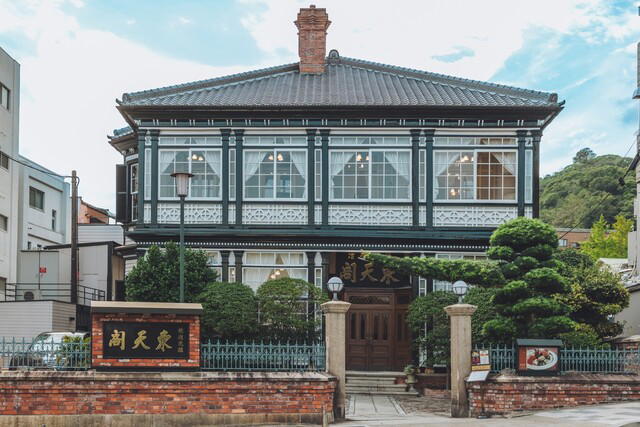
Approaching Kobe shifts the city’s dining register. Away from the busiest station-side grill rooms and shopping arcades, the meal can take on a quieter, more deliberate tempo, with the city’s port history still shaping how visitors read the table. In that context, Chinese dining reads less like a category imported for convenience and more like part of Kobe’s long habit of absorbing outside influences, formalising them, and giving them a local address.
Toten Kaku Koube honten fits that geography. The established-restaurant format matters because Kobe’s Chinese dining tradition is not only about what appears on the table; it is also about occasion and the way a familiar address can give a meal more weight than a casual stop. The restaurant sits in a different lane from counter-led modern Chinese or compact bistro-style rooms. This is Chinese dining as Kobe has often understood it: social, slightly ceremonial, and tied to city memory.
Kobe gives Chinese dining a formal setting
Kobe is often reduced to beef in travel shorthand, but that misses the city’s broader appetite. Port history, foreign residences, and a merchant culture made Western pastry, coffee, Indian food, and Chinese cooking part of the local grammar earlier than in many Japanese cities. Kobe sharpens that point. The city’s older dining culture creates a slower prelude to dinner than a purely commercial food crawl, and the meal feels aligned with that pace.
The restaurant’s depth is not only a matter of fashion; it explains why the address can function as an occasion restaurant as much as a critic-noted address. In Japanese cities, Chinese restaurants with longevity often carry multiple roles at once: celebration venue, business table, multigenerational lunch, and local reference point. Here, the appeal is for diners who want Chinese food in Kobe without reducing the evening to a quick stop or a purely trend-led reservation.
Recognition helps define the competitive tier. Selection in the Tabelog Hyakumeiten context for 2026 places the restaurant inside a respected dining conversation rather than a purely local Kobe list. The Tabelog score of 3.58 signals a well-regarded address in a category where long-running rooms and newer kitchens are judged side by side. That does not make the experience experimental; it makes it a traditional-format Chinese restaurant still visible in a more crowded western Japan field.
The appeal is old Kobe occasion dining, not trend-chasing
The useful comparison is not with every high-price restaurant in the city, but with the ways Kobe divides special-occasion dining. Steak remains the obvious route for visitors, and other Kobe dining rooms speak to that expectation. Chinese cooking in this setting offers a different kind of formality: shared courses, a composed pace, and a meal built for conversation rather than performance.
That distinction matters for planning a Kobe itinerary. A visitor can spend the afternoon reading the city through coffee, sweets, bakeries, and other casual stops, with the confectionery circuit represented by comparison names such as Caffarel Cioccolate Kobe kitano honten and L'AVENUE. Dinner here then extends the same city logic rather than abruptly switching to a purely touristic beef script. Pizzeria Azzurri, Ca marche, and Ash Restaurant also show how Kobe supports a broad dining mix, from bakery culture to destination dinners.
The price tier confirms that this is not an everyday Chinese canteen. Dinner sits in the JPY 15,000 to JPY 19,999 range, while lunch is listed at JPY 6,000 to JPY 7,999. Those figures put the restaurant above the casual Kobe lunch circuit and below the highest-spec tasting-menu economy. It is a sensible bracket for a family celebration, business dinner, or occasion meal where setting carries weight. The booking style should be treated as part of the planning rather than as a decorative add-on.
How to place it in a Kobe itinerary
The strongest use case is a meal that benefits from continuity with the city. The format suits diners who want a composed Chinese meal in Kobe rather than a fast, informal stop, and it can work for an occasion that calls for a more measured pace. For mixed-age parties or business meals, direct confirmation before booking remains the practical step. Drinks and service details should likewise be checked with the restaurant when the reservation matters.
Logistically, the restaurant is in Kobe. For larger groups, rail or taxi planning is usually cleaner than assuming easy parking, and reservation planning is sensible when the meal is tied to a family gathering, business dinner, weekend itinerary, or year-end dining. The listed phone number is +81-78-231-1351, and calling ahead is the clearest way to confirm current hours and any practical details before visiting.
For broader context, use Our full Kobe restaurants guide to compare the city’s beef, Chinese, pastry, and coffee addresses, then pair the meal with Our full Kobe hotels guide, Our full Kobe bars guide, Our full Kobe wineries guide, and Our full Kobe experiences guide. For international comparison, Japanese dining abroad can show how those ideas change once removed from their original city context.
Frequently asked questions
Is Toten Kaku Koube honten expensive?
Pricing at Toten Kaku Koube honten is listed as Dinner: JPY 15,000 - JPY 19,999; Lunch: JPY 6,000 - JPY 7,999.
What part of town is Toten Kaku Koube honten in?
Kobe.
Do I need a reservation for Toten Kaku Koube honten?
Reservations should be confirmed directly with the restaurant. For a Kobe dinner, calling +81-78-231-1351 is the clearest route.
What's the defining dish or idea at Toten Kaku Koube honten?
The clearest cue is Chinese dining in Kobe, with the restaurant listed in the Tabelog Hyakumeiten context for 2026. The format matters as much as the cooking: lunch and dinner pricing are both listed, and the restaurant is best approached as an occasion-minded Kobe address.
Can Toten Kaku Koube honten accommodate dietary restrictions?
The restaurant lists Chinese cuisine, so direct confirmation is the sensible step before booking. For dietary needs, contact +81-78-231-1351 before arranging a table in Kobe.
At a Glance
Nearby venues at a similar price tier for orientation.
| Venue | Cuisine | Price | Awards | Notes |
|---|---|---|---|---|
| Toten Kaku Koube hontenThis venue (the venue you are viewing) | Traditional Chinese (Beijing) in historic Western-style mansion | $50–100 | Tabelog 100 #77 | Not listed |
| Pizzeria Azzurri | Traditional Neapolitan Pizzeria | $30–50 | Tabelog 100 #99 | JPY 6,000 - JPY 7,999 JPY 2,000 - JPY 2,999 View spending breakdown |
| Caffarel Cioccolate Kobe kitano honten | Italian chocolate café & dessert shop | $10–20 | Tabelog 100 #34 | JPY 1,000 - JPY 1,999 JPY 1,000 - JPY 1,999 View spending breakdown |
| L'AVENUE | Modern French-style patisserie & chocolate shop | $10–20 | Tabelog 100 #30 | JPY 1,000 - JPY 1,999 JPY 1,000 - JPY 1,999 View spending breakdown |
| Ash Restaurant | Modern French with Local Japanese Ingredients | $100–150 | Not listed | Not listed |
| Ca marche | Bakery Café | $1–10 | Tabelog 100 #19 | JPY 999 JPY 1,000 - JPY 1,999 View spending breakdown |
Recognition history
Dated appearances from independent guides and award organizations, with the underlying list record or original source where available.
Tabelog 100 #77 · No. 77
Tabelog · Tabelog 100 - Chinese cuisine - WEST - 2026
Continue exploring
More in Kobe
Restaurants in Kobe
All restaurants in Kobe →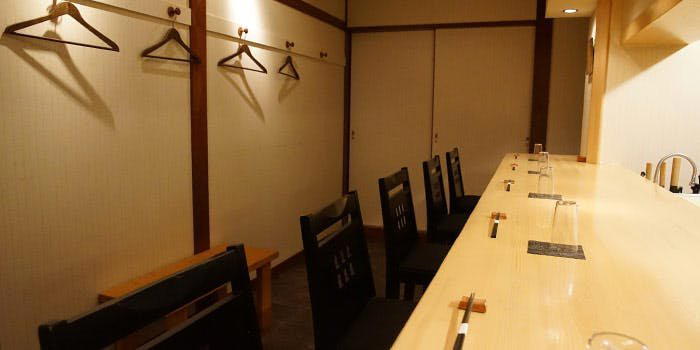
Bars in Kobe
Browse all →




Details
- Classic
- Elegant
- Sophisticated
- Well Known
- Business Dinner
- Group Dining
- Family
- Celebration
- Special Occasion
- Private Event
- Private Dining
- Historic Building
- Design Destination
- Standalone
- A La Carte
- Set Menu
- Family Style
- Tasting Menu
- Vegetarian Friendly
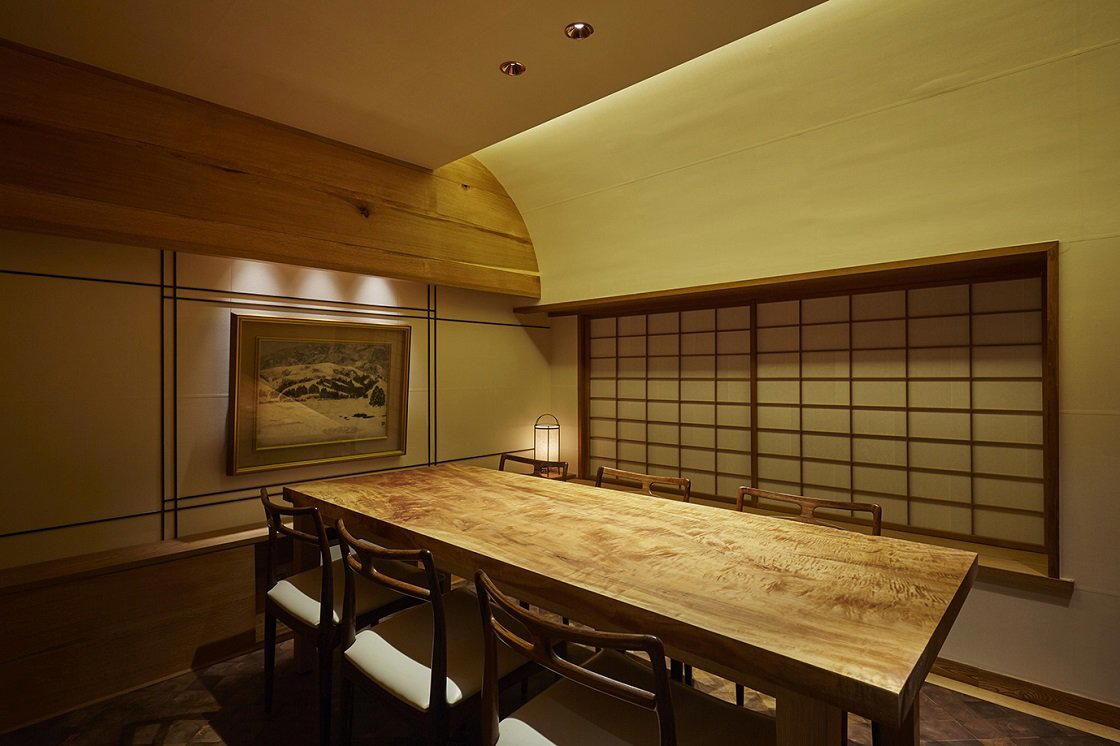
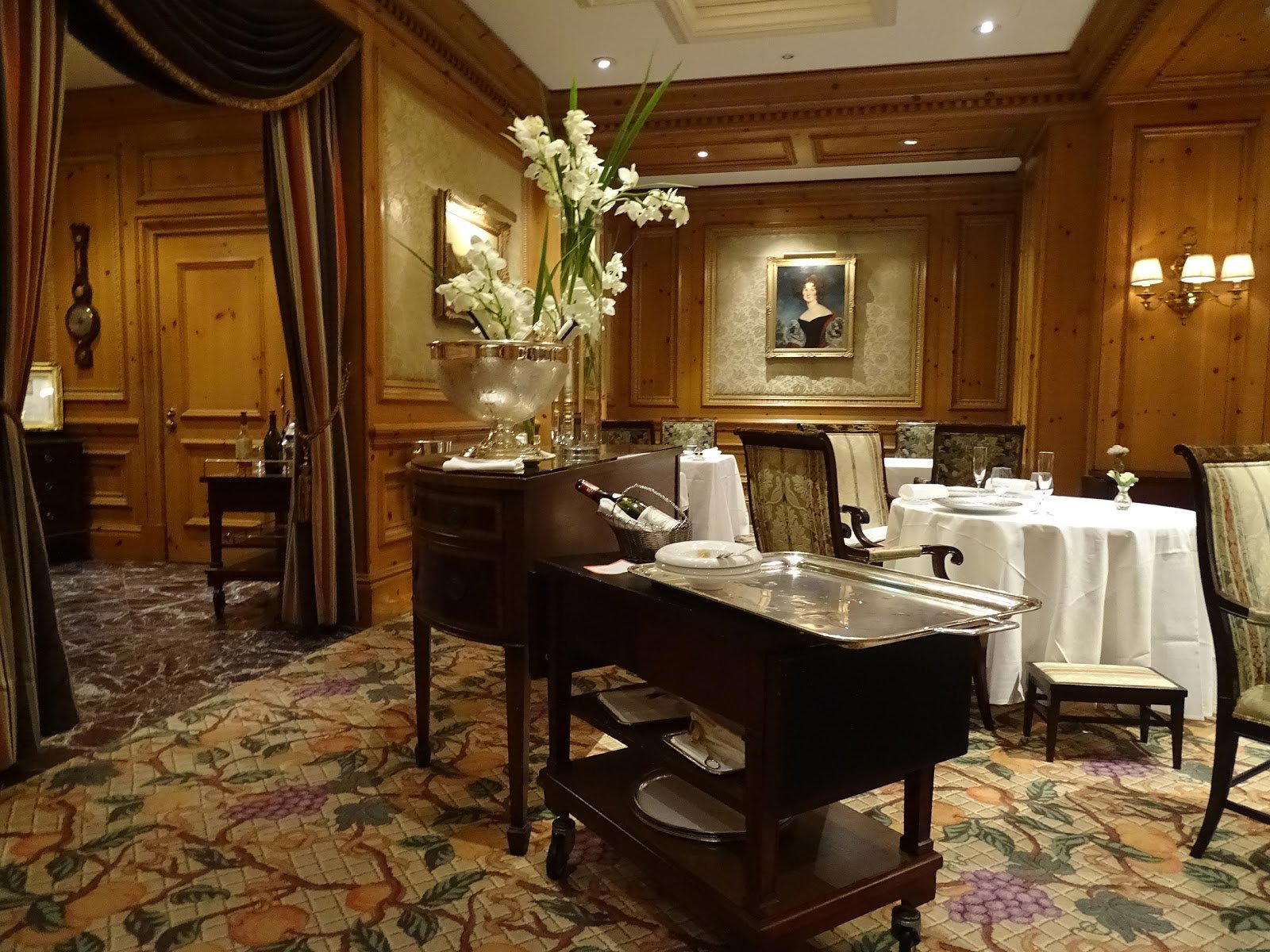
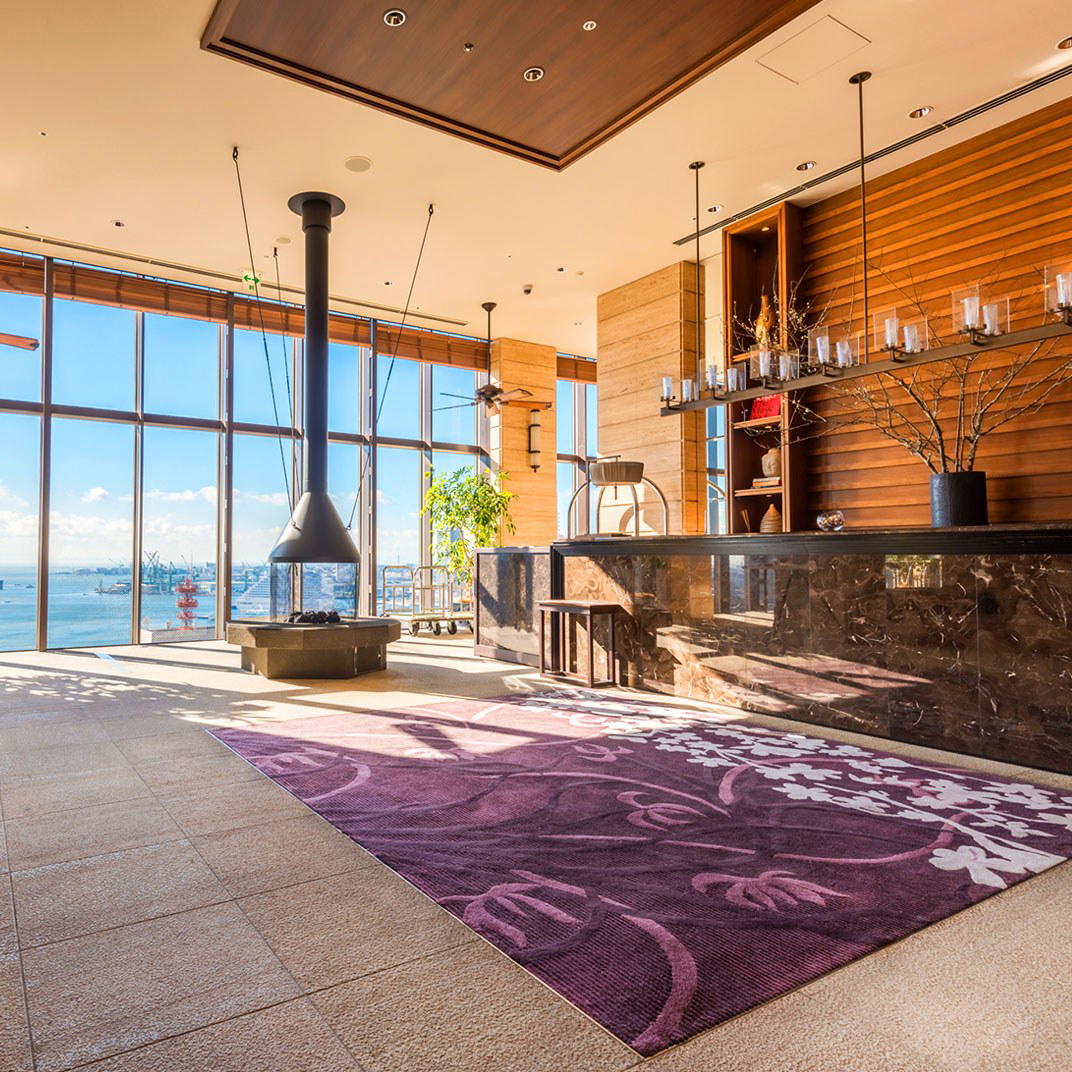
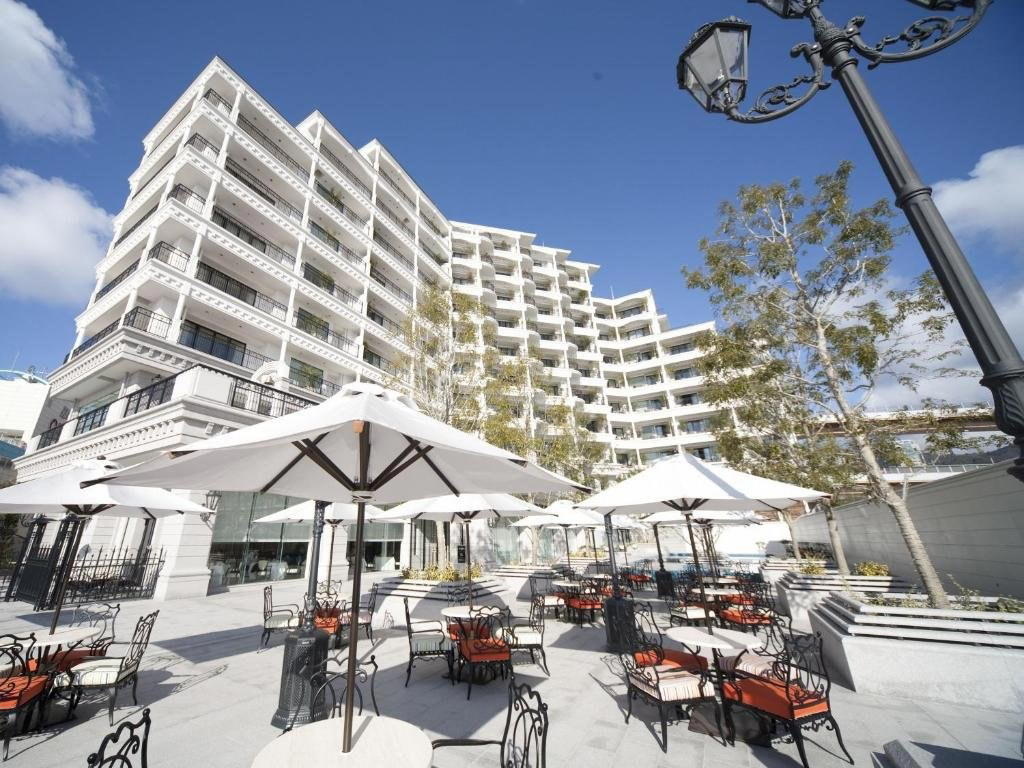
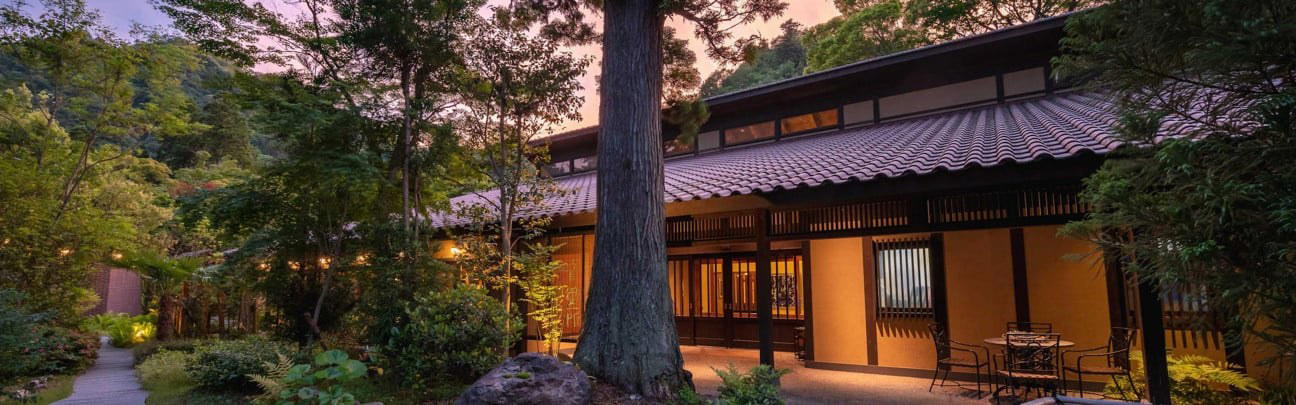
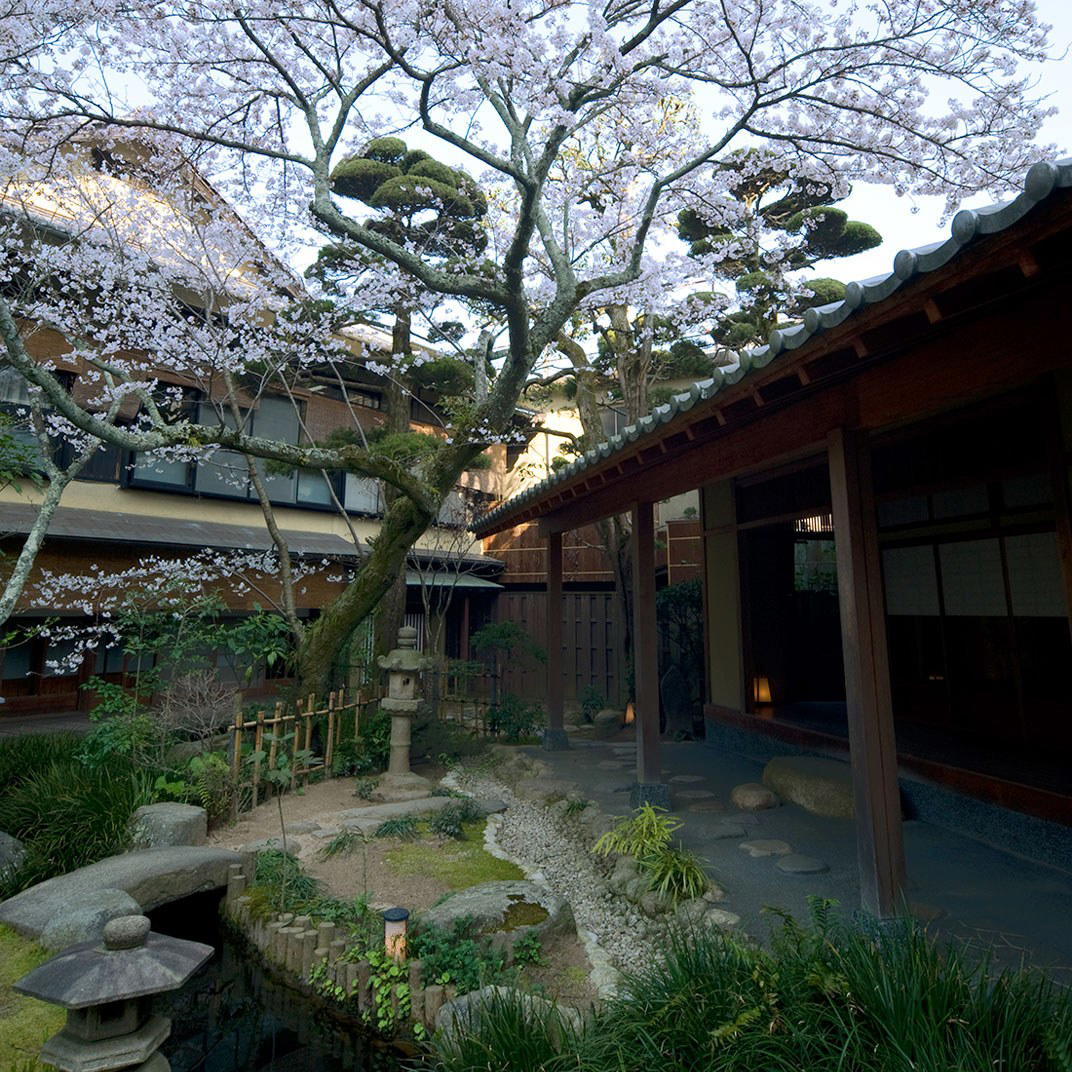
A stately, historic mansion-like space that blends Chinese and European design, with formal table settings and private rooms, creating an elegant but comfortable atmosphere suited to business entertainment and celebratory gatherings.