
Shubaku puts Uji’s soba culture in sharper focus than the city’s tea-shop circuit. Selected for Tabelog 100 Soba WEST in 2024 and 2025, it sits in a narrow, craft-led category where the meal is defined by pacing, noodle discipline, and the quiet logic of a small house restaurant rather than ceremony or spectacle.
Pearl is the En Primeur Club membership app — saves, bookings, and concierge access live there. Same editors, same standards.
- Address
- 京都府宇治市宇治東内13-1
- Phone
- +81774225470
- Website
- aquadina.com
 Saves & bookings on Pearl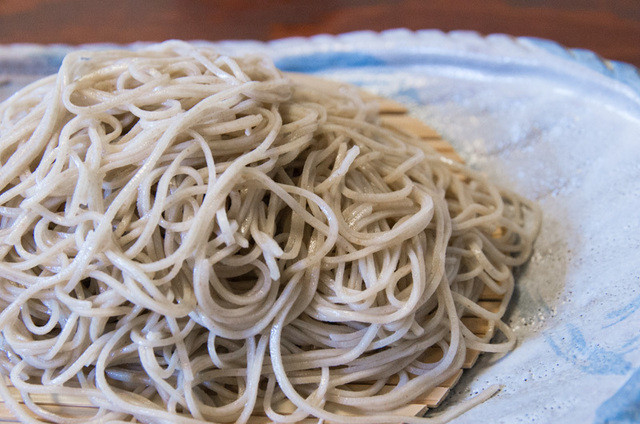
Uji changes register quickly once the temple-and-tea traffic thins: lanes narrow, the river sits close, and meals become smaller in scale but more exacting in expectation. In that setting, soba has a different role from Kyoto’s formal kaiseki rooms. It is not built around length or theatrical progression. The arc is compressed: a clean opening, a decisive noodle course, and a finish that depends on restraint rather than ornament.
Shubaku belongs to that compact tradition. The address is in Uji rather than central Kyoto, which matters. This is a town strongly associated with tea, sweets, and day-trip grazing, yet its better casual meals often reward diners who step outside the obvious matcha route. Selection for Tabelog 100 Soba WEST in both 2024 and 2025 gives the restaurant a clear external signal in a category where quality is often judged through small technical differences: noodle texture, broth balance, timing, and how much the kitchen resists adding distraction.
Uji soba as a short meal with a clear sequence
The useful way to read this kind of soba meal is as progression rather than menu sprawl. Japanese buckwheat noodles carry a narrow margin for error: too soft and the meal turns anonymous, too austere and it becomes academic. The better houses make the sequence feel calm but deliberate, with the supporting elements there to frame the noodles rather than compete with them.
That distinction separates a soba stop from the broader casual circuit around Uji Station. Keihan Uji Ekimae Surugaya and Mogu Mogu Bakery sit in lower-priced snack-and-sweet territory; Nakamura Tokichi Honten Uji honten moves closer to the tea-house meal-and-dessert pattern. Shubaku occupies a different lane: not a long destination tasting menu, not a quick confectionery stop, but a focused noodle meal where the experience depends on pacing and exactness. In Kyoto terms, that makes it more comparable to a craft specialist than to a general lunch address.
The drink listing also says something about the format. Sake and shochu are part of the offer, which places the meal closer to the old soba-ya rhythm of drinking lightly before or alongside noodles. That tradition matters because soba restaurants in Japan have long functioned as modest places for both a composed meal and a brief drink. The meal does not need a grand narrative to have structure; it needs the kitchen to understand sequence, temperature, and when to stop.
A small house restaurant, not a central Kyoto performance
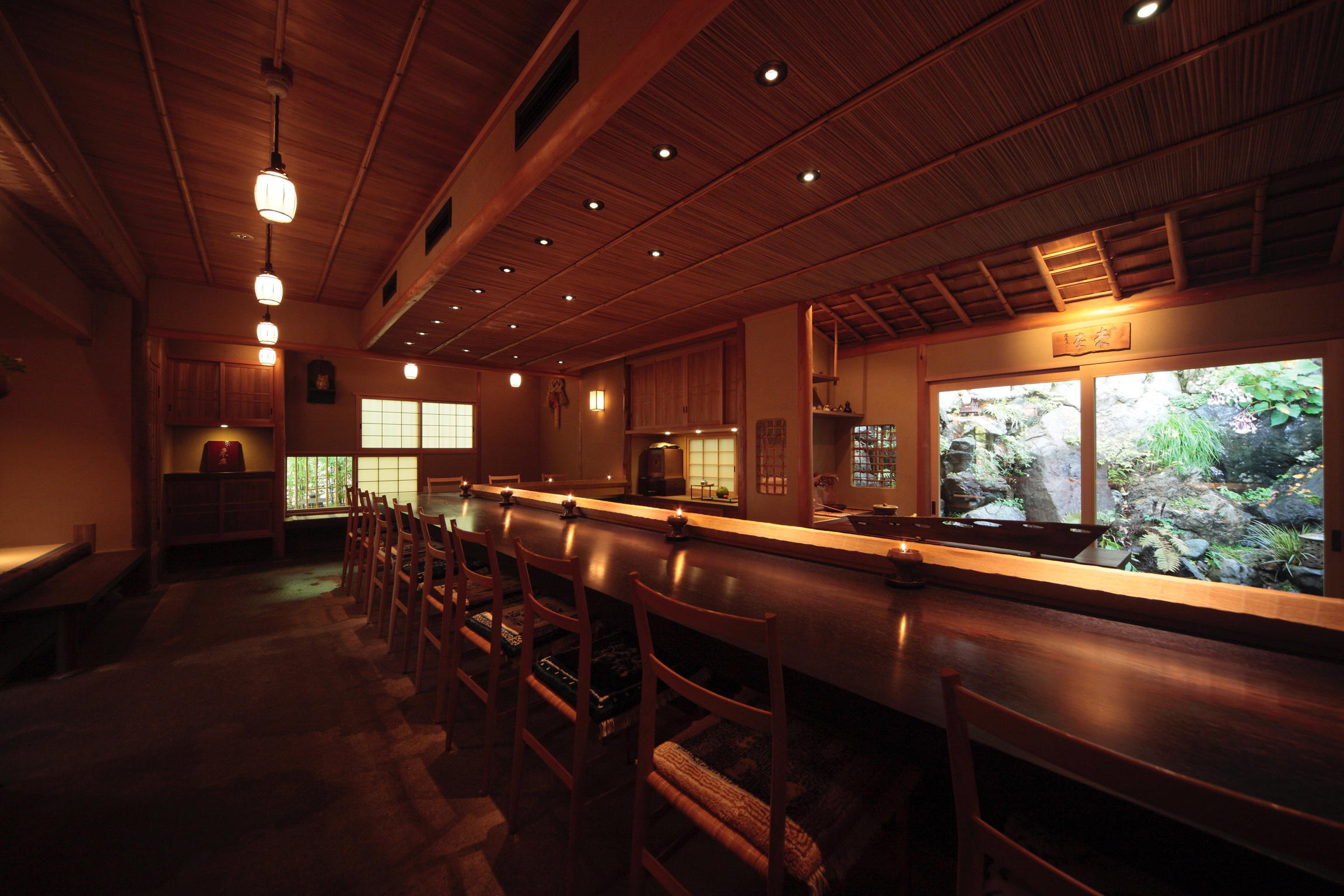
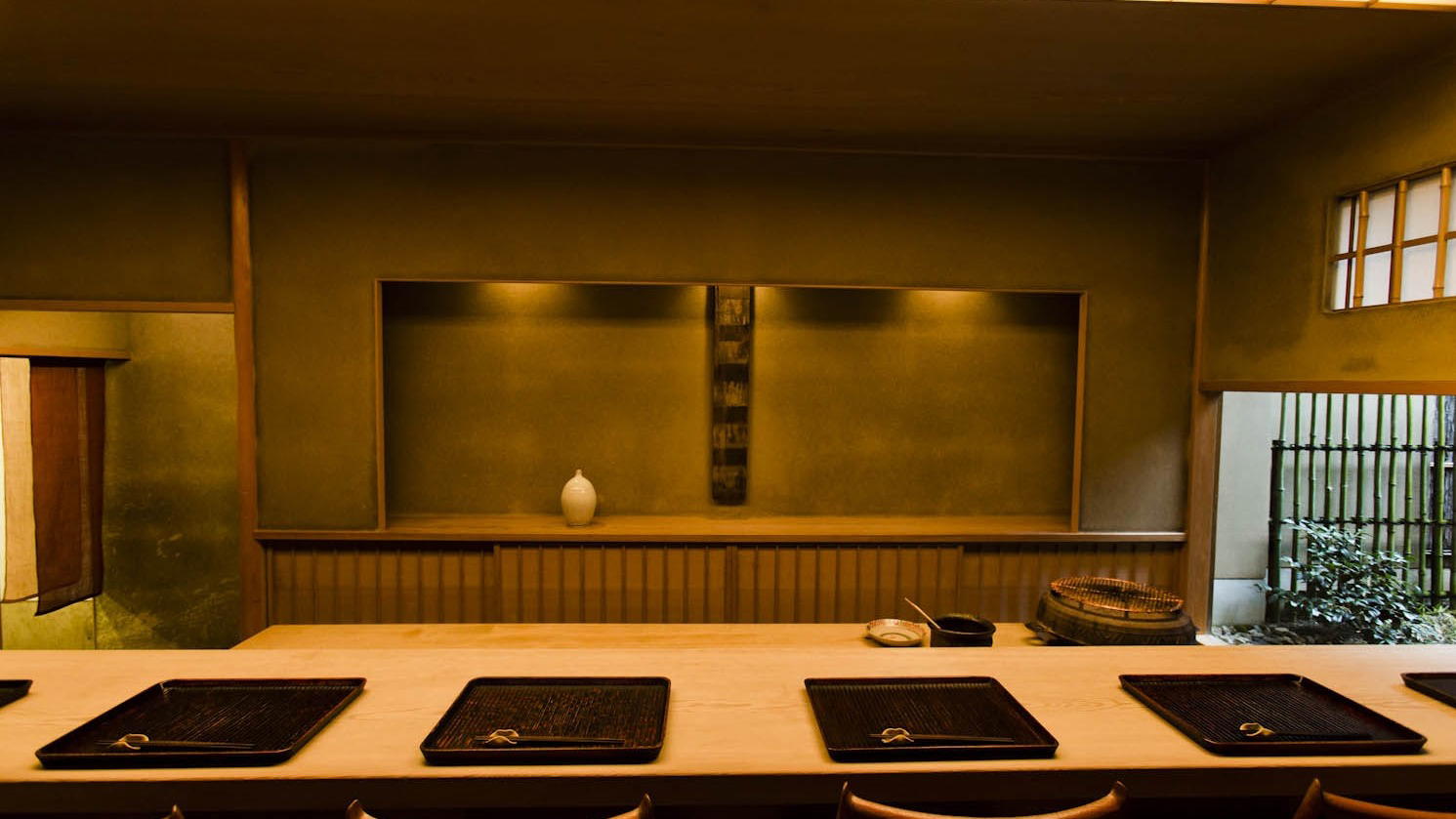
The room format sharpens that reading. A 20-seat house restaurant with counter seating, raised seating, and table seating creates a mixed local rhythm: solo diners, small groups, and families can all fit without turning the meal into an event. Private rooms and private use are not part of the setup, so the experience stays public and compact. That is a strength for soba, a cuisine that loses something when it is forced into ceremony.
Uji’s geography also changes the decision. Central Kyoto dining often clusters around transport convenience and reservation strategy; Uji rewards a slower half-day built around Byodoin, the river, tea shops, and a meal that does not feel imported from the city center. Chez Hagata and Nakamura Tokichi Honten Uji honten show how broad the area’s casual dining range can be, from French-leaning cooking to tea-led dining. Shubaku narrows the lens to buckwheat, and that narrowness is the point.
For readers building a wider Kyoto itinerary, this is where category discipline helps. Pairing a soba lunch in Uji with a separate dinner in central Kyoto gives the day a better rhythm than stacking heavy meals. For other Kyoto dining references, see 3TOKU6MI Shijo karasuma ten, 551蓬莱, [ki:], Abbesses, and Aburi Mochi Honke Nemoto Kazariya. Broader city planning sits in Our full Kyoto restaurants guide, with adjacent coverage in Our full Kyoto hotels guide, Our full Kyoto bars guide, Our full Kyoto wineries guide, and Our full Kyoto experiences guide.
How to place it within a Japan-focused food itinerary
The case for Shubaku is strongest for travelers who already understand that Japanese casual dining can be highly specialized without being expensive or formal. The listed budget sits in the low-thousands-yen range, which makes the recognition signal more interesting: this is not luxury pricing dressed as craft, but a modest category where small execution differences carry the reputation.
That also makes it a useful counterweight to destination restaurants in larger cities. A traveler moving through Japan might compare the decision with different formats such as -Grilled beef Sukiyaki- KAMAKURA TANUKIAN 鎌倉 たぬき庵 in Kamakura. 鮪と炭火焼き うお炭 秋葉原店 in Tokyo.cafe in Osaka.know in Kumamoto, (Shoku) Vietnam in Kawasaki, and [Curry Senmon Ten] Maruyama Kyoju. in Sapporo. Outside Japan, the comparison becomes less about cuisine than format: Jōdo Saké Bar in Los Angeles and Onigiri Time in Pasadena show how Japanese drinking and casual-food idioms change when translated abroad.
The editorial read is simple: this is a soba specialist for a Uji day, not a substitute for Kyoto’s formal dining culture. Its value lies in compression. The meal asks for attention to a short sequence and gives back a clear sense of place: buckwheat, sake or shochu if desired, a small room, and an award-recognized address outside the city-center rush.
In Context: Similar Options
Comparable venues by cuisine and price in the same metro.
| Venue | Cuisine | Price | Notes |
|---|---|---|---|
| ShubakuThis venue — the venue you are viewing | Japanese Soba | $$ | Not listed |
| Sobanomi Yoshimura (蕎麦の実よしむら) | Handmade Soba Noodles | $$ | Shimogyo-ku |
| 山地陽介 | Kaiseki | Not listed | Higashiyama |
| Aje Matsubara honten | Yakiniku & Horumon (Offal) Barbecue | $$ | Shimogyō |
| Tachinomi Sharp | Kyoto standing bar for seafood and sake | $$ | Shimogyō |
| GRILL DEMI | Japanese Western-style hamburg steak (yoshoku) | $$ | Nakagyō |
Recognition history
Dated appearances from independent guides and award organizations, with the underlying list record or original source where available.
Tabelog 100 #67 · No. 67
Tabelog · Tabelog 100 - Soba - WEST - 2025
Continue exploring
More in Kyoto
Restaurants in Kyoto
Browse all →
Bars in Kyoto
Browse all →
Hotels in Kyoto
Browse all →
Wineries in Kyoto
Browse all →
At a Glance
- Quiet
- Classic
- Cozy
- Solo
- Casual Hangout
- Standalone
- Local Sourcing
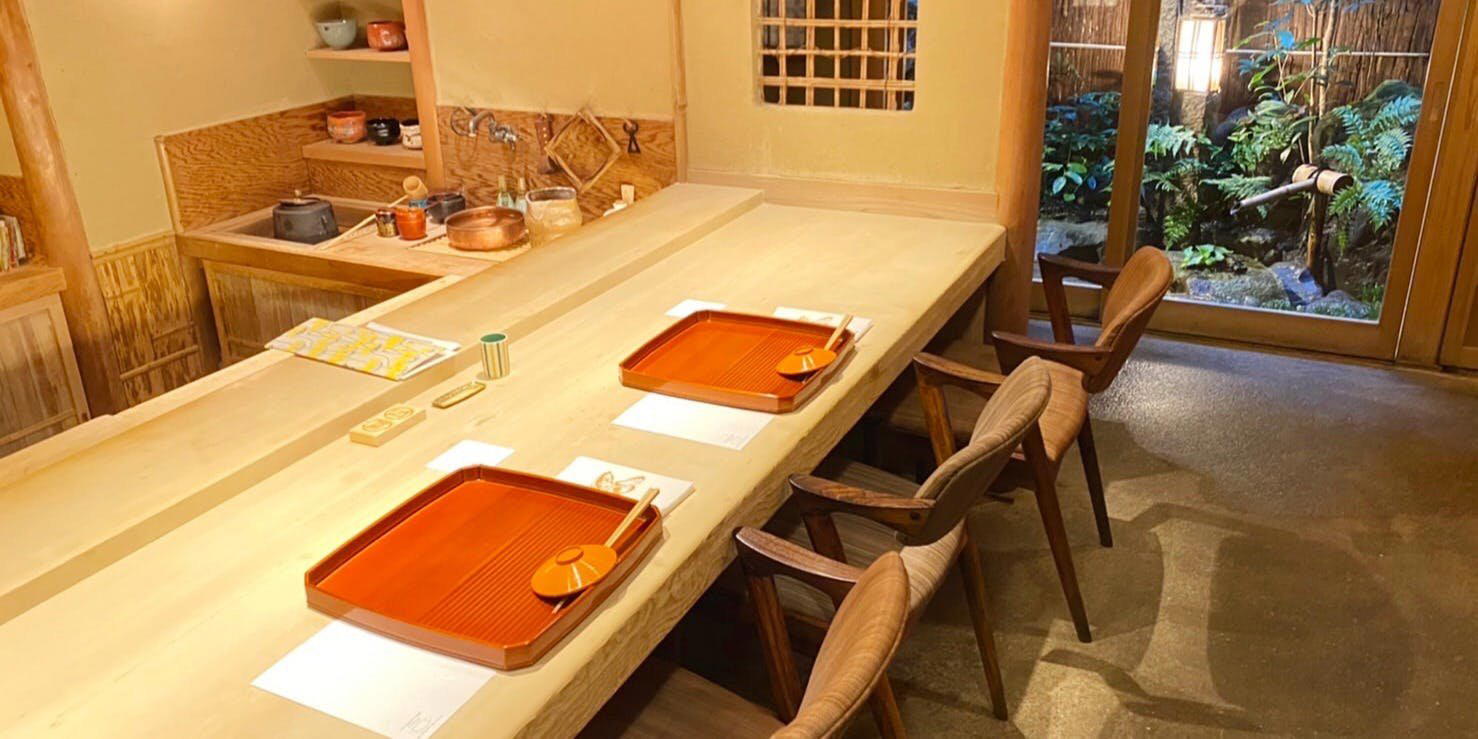
Old-school and traditional, with a simple, understated dining room focused on the soba experience.