Sobanomi Yoshimura (蕎麦の実よしむら) belongs to Kyoto’s quieter noodle tradition: buckwheat handled with restraint, close to the city’s old grain-and-tea sensibility rather than spectacle. Its Gojo-Karasuma setting makes it a useful counterpoint to the more formal kaiseki image of Kyoto dining, especially for travelers reading the city through ingredients rather than ceremony.
Pearl is the En Primeur Club membership app — saves, bookings, and concierge access live there. Same editors, same standards.
- Address
- 下京区松屋町420 (五条烏丸東入ル北側), 京都市, 京都府, 600-8105
- Directions
- Get directions
 Saves & bookings on Pearl
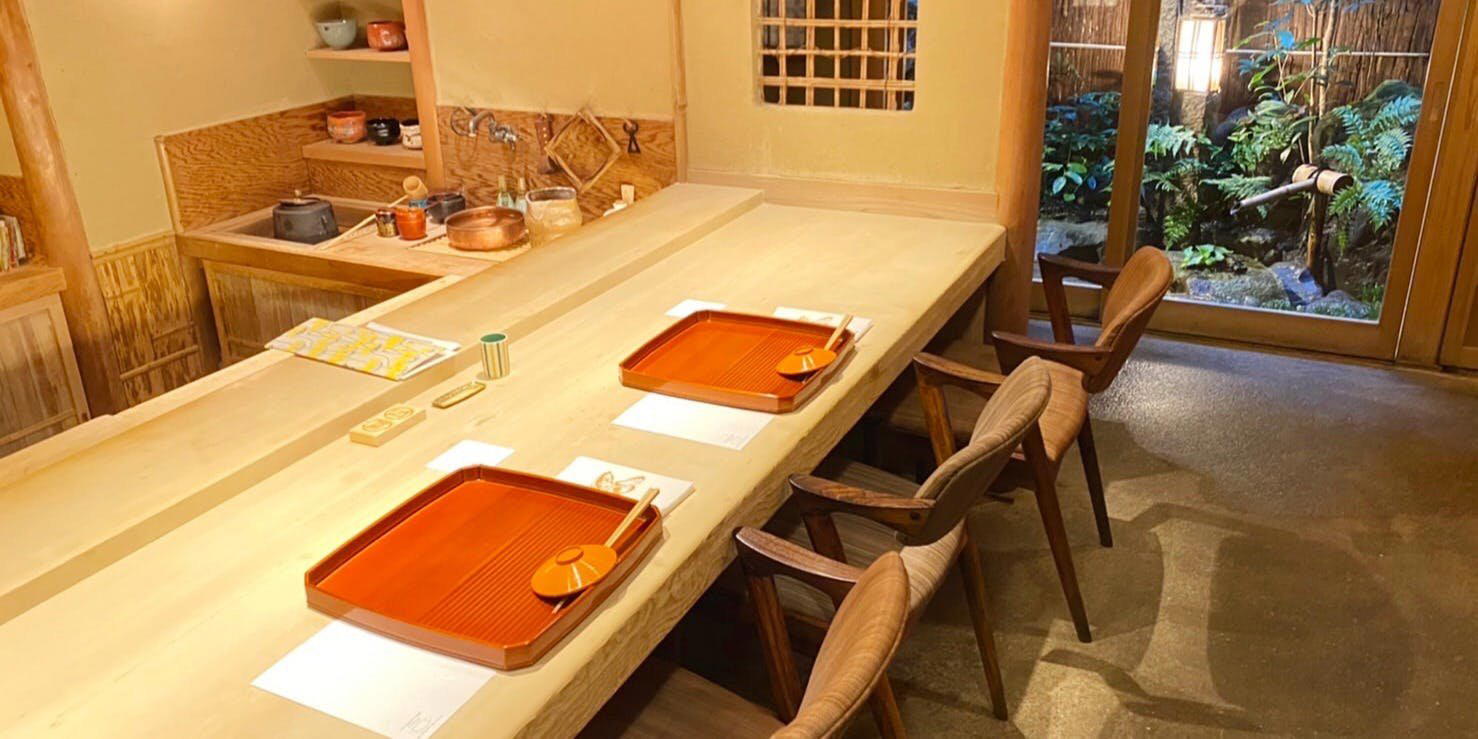
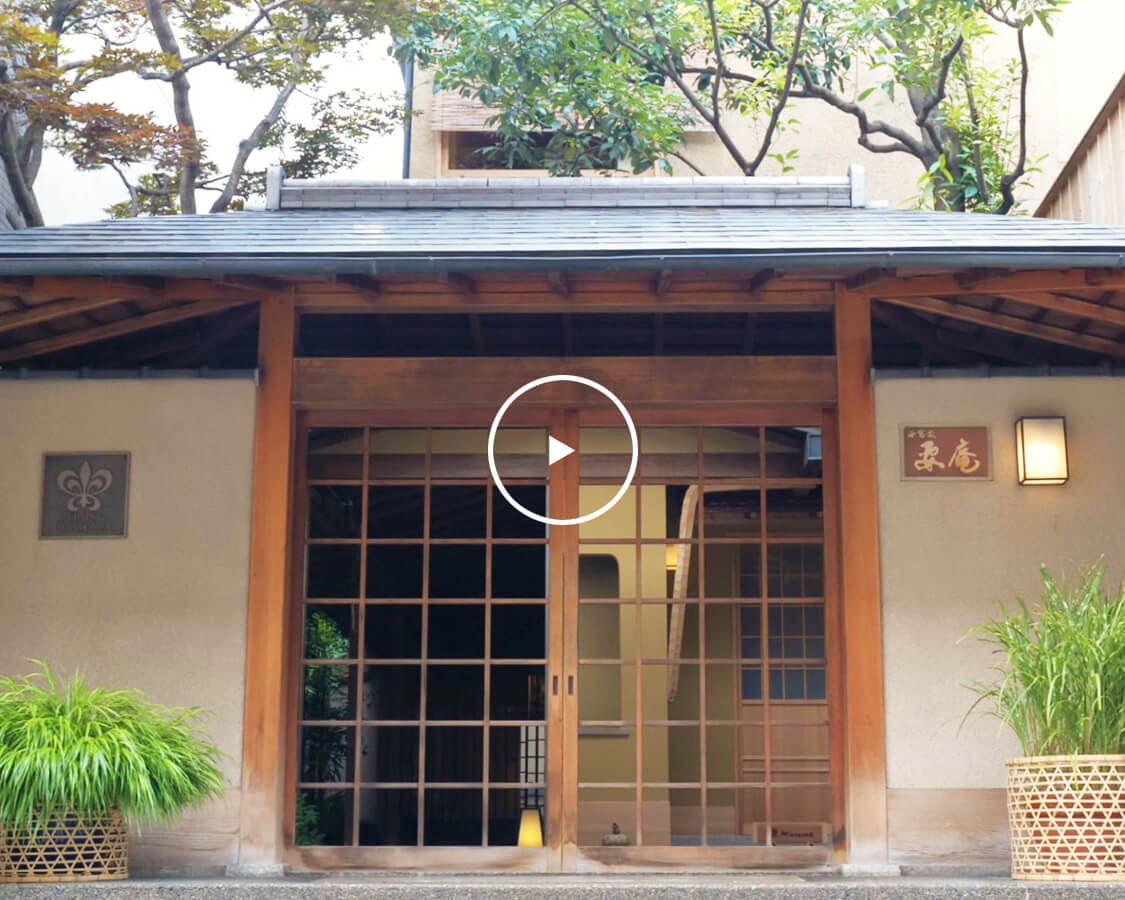
Approaching a Kyoto soba room is a different proposition from entering the city’s kaiseki orbit. The cues are smaller: pale wood, the rhythm of boiling water, the soft scrape of trays, the expectation that buckwheat will carry the meal rather than decorate it. Sobanomi Yoshimura (蕎麦の実よしむら), in the Gojo-Karasuma area of Shimogyo, sits inside that restrained register, where the pleasure is not luxury theatre but the discipline of grain, water and timing.
Buckwheat as Kyoto understatement
Soba in Kyoto occupies a different cultural lane from sushi counters, wagashi salons or multi-course ryotei. It is everyday food with a craft vocabulary: grind, hydration, cut, boil, rinse, serve. The ingredient logic matters because buckwheat is unforgiving. It has little gluten, a short aromatic window and a tendency to turn flat when handled carelessly. A soba-focused meal therefore asks for attention to texture and temperature rather than elaborate composition.
That makes this address useful for understanding Kyoto beyond temple-side formality. The city’s dining culture often rewards compression: a few materials, edited service, seasonal awareness without theatrical explanation. A soba room expresses that through the noodle itself. The point is not abundance; it is whether the buckwheat reads clearly, whether the dipping sauce supports rather than smothers, and whether the meal feels paced around the bowl rather than around a chef’s biography.
Ingredient sourcing is the central lens here because soba depends on supply chains that are less glamorous than seafood auctions or wagyu pedigrees but just as consequential. Buckwheat quality varies by harvest, storage and milling, and Japan’s better soba culture has long treated provenance as part of the craft. Kyoto adds its own restraint: the supporting elements tend to defer to the noodle, so poor grain has nowhere to hide. Sobanomi Yoshimura belongs to that school of dining, where sourcing is not a slogan but the condition that allows simplicity to work.
Why Gojo-Karasuma changes the meal
Gojo-Karasuma is not the Kyoto of postcard dining. It is a practical city grid of offices, small hotels, residential blocks and transit movement, close enough to central Kyoto to be convenient but removed from the heavier visitor traffic around Gion and the temple corridors. That setting suits soba. The meal can function as lunch, a lighter dinner or a reset between more formal reservations, without asking the diner to treat every sitting as an occasion.
For travelers building a wider Kyoto itinerary, this is the kind of address that helps keep the city legible. Kyoto can become distorted if every meal is framed as ceremony. Soba brings the scale back down: grain, broth, greens, tempura or small side dishes when offered, and the quiet satisfaction of a meal designed around balance rather than escalation. In that sense, the venue is less a detour from Kyoto dining than a corrective to a common misunderstanding of it.
The absence of public award framing also matters editorially. Not every serious meal in Kyoto announces itself through badges, chef lore or international ranking systems. Some formats rely on local repetition and category fluency: diners know what soba should feel like, how long a bowl should hold attention, and when the noodle has been treated with respect. That makes the experience lower in spectacle but often more revealing for readers interested in the city’s daily food grammar.
How to place it in a Kyoto food day
The strongest use case is not as a grand finale. It works better as a grounded Kyoto meal in a day that might otherwise tilt toward sweets, tea, cocktail bars or formal dining. Readers planning around the city can pair this kind of soba stop with broader research in our full Kyoto restaurants guide, then layer in sleep, drinks and cultural planning through our full Kyoto hotels guide, our full Kyoto bars guide, our full Kyoto wineries guide and our full Kyoto experiences guide.
Within Kyoto dining research, it also helps to read across formats rather than chase a single idea of refinement. Nearby and citywide references such as 3TOKU6MI Shijo karasuma ten, 551蓬莱, [ki:], Abbesses and Aburi Mochi Honke Nemoto Kazariya show how wide the city’s casual-to-specialist spectrum can be. For national context beyond Kyoto, EP Club also tracks addresses including -Grilled beef Sukiyaki- KAMAKURA TANUKIAN 鎌倉 たぬき庵 in Kamakura. 鮪と炭火焼き うお炭 秋葉原店 in Tokyo.cafe in Osaka.know in Kumamoto, (Shoku) Vietnam in Kawasaki, [Curry Senmon Ten] Maruyama Kyoju. in Sapporo, Jōdo Saké Bar in Los Angeles and Onigiri Time in Pasadena.
The editorial read is simple: Sobanomi Yoshimura is for diners who want Kyoto to speak in grain rather than ornament. It is a useful choice when a trip needs one meal anchored in craft, modest scale and ingredient clarity, especially in a city where the loudest recommendations often point elsewhere.
Cuisine Context
| Venue | Cuisine | Price | Awards |
|---|---|---|---|
| Sobanomi Yoshimura (蕎麦の実よしむら)This venue — the venue you are viewing | This venue | Not listed | Not listed |
| Gion Sasaki | Kaiseki, Japanese | ¥¥¥¥ | Michelin 3 Star |
| cenci | Italian | ¥¥¥ | Michelin 1 Star |
| Ifuki | Kaiseki | ¥¥¥¥ | Michelin 2 Star |
| Kyokaiseki Kichisen | Japanese | ¥¥¥¥ | Michelin 2 Star |
| Kyo Seika | Chinese | ¥¥¥ | Michelin 1 Star |
Continue exploring
More in Kyoto
Restaurants in Kyoto
Browse all →
Bars in Kyoto
Browse all →
Hotels in Kyoto
Browse all →
Wineries in Kyoto
Browse all →
At a Glance
- Quiet
- Classic
- Rustic
- Cozy
- Casual Hangout
- Solo
- Family
- Historic Building
- Open Kitchen
- Standalone
- Private Dining
- Sake Program
- Beer Program
- Local Sourcing
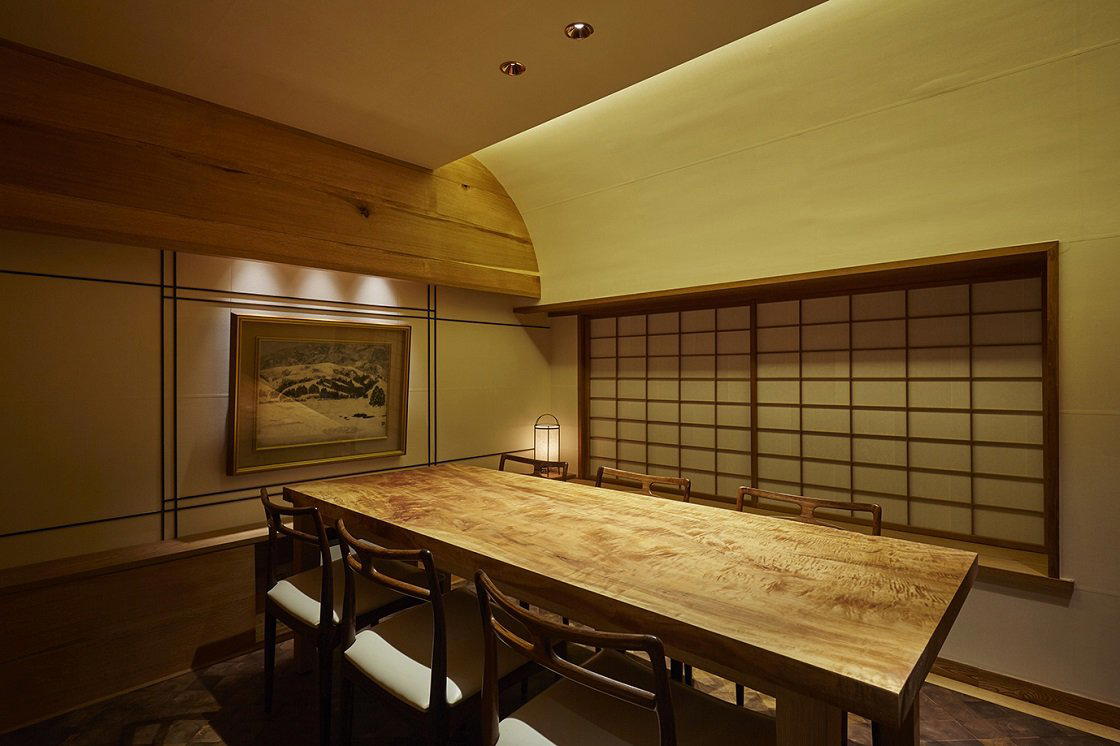
Quiet and restrained, with the warm, old-Kyoto feel of a machiya and views of artisans preparing soba rather than a flashy dining-room spectacle.
Know Before You Go
- Reservations
- Recommended
- Dress code
- Smart casual
- Getting there
- 下京区松屋町420 (五条烏丸東入ル北側), 京都市, 京都府, 600-8105