
Tabelog 100 #74
Our verdict
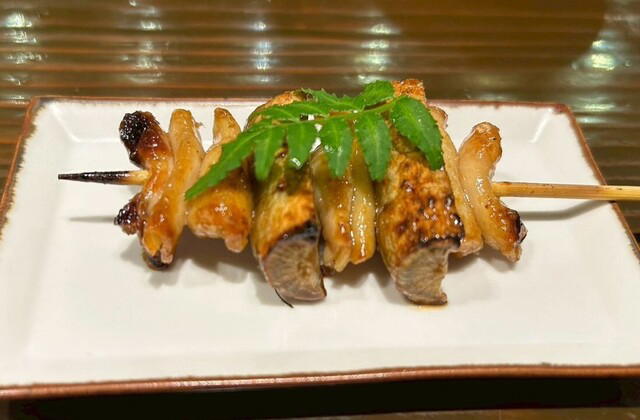
Shizune brings Kobe yakitori into the small-counter, course-led tier, with Tabelog 100 Yakitori WEST selections in 2023, 2024, and 2025. The appeal is not spectacle but control: local and regional chicken, binchotan technique, sake and shochu depth, and an 11-seat room that keeps the cooking close to the diner.

Pearl is the En Primeur Club membership app, where members save venues, book tables and use the concierge.
The menu
What to order
- Omakase Course (17 items)
- Charcoal-grilled Amakusa Daio chicken
- Awaji chicken yakitori
- Chicken sashimi
- Assorted grilled skewers
Kobe’s restaurant streets shift quickly: coffee shops, beef specialists, standing bars, and compact dining rooms sit within a few blocks, but yakitori at this level asks for slower attention. The signal is not size or decoration; it is the focus on grilled chicken skewers, the rhythm of a meal built piece by piece, and how a narrow format can turn dinner into a sequence rather than a casual order. In Kobe, better known internationally for beef, serious chicken cookery feels like a sharper local choice.
Shizune belongs to a narrower Kobe category: a yakitori restaurant where the category itself matters more than menu breadth. Its Tabelog Hyakumeiten recognition in 2025 places it in a specialist field rather than among general izakaya or late-night grill rooms. That distinction matters: yakitori can be snack food, drinking food, or technical cooking; here the listed category points clearly to grilled chicken skewers.
Regional chicken, yakitori discipline, and the Kobe format
Modern premium yakitori is one of Japan’s clearest examples of a focused format meeting exacting technique. The grammar is simple: chicken, skewer, heat, seasoning. The difficulty lies in timing and treating each cut as its own cooking problem. Shizune’s focus on yakitori gives the restaurant a clear spine, placing the meal within a national craft tradition as well as Kobe’s local dining culture.
That mix explains why the restaurant reads differently from much Kobe dining. The city’s global reputation pulls attention toward beef, and visitors often build itineraries around steak-focused meals elsewhere in the city. Yakitori offers another reading of the city: less ceremonial, more incremental, and closer to the Kansai habit of finding precision inside everyday forms.
The focused format changes the meal. In a specialist yakitori setting, attention turns to pacing and heat rather than social sprawl. Compared with Kobe peers in lower price bands such as Rakkanki or Tachinomi ZUTTO, this is more contained; compared with a higher-ticket room like Fusible, it keeps the meal grounded in poultry and the yakitori genre rather than luxury-course architecture. That middle-high bracket is where yakitori often becomes most interesting: serious enough to demand focus, informal enough to preserve the genre’s directness.
Why Kobe yakitori should not be treated as a side note to beef
Kobe’s dining identity is broader than its export image. The city supports a dense mix of bakeries, cafes, Chinese-influenced cooking, yoshoku, beef counters, and specialist drinking rooms. A day can move from coffee or pastry to a compact dinner without feeling like a change of city. Kobe’s strength is not one dish but an urban appetite shaped by port-city exchange, Kansai pragmatism, and small-format hospitality.
Yakitori fits that pattern because it accepts everyday appetite and technical scrutiny. The better examples do not need ornate plating or long explanations; they need clear focus, careful timing, and an understanding that chicken skewers can carry a full meal. The drinking side of the meal often reinforces that reading when it follows the shifts between salt, sauce, smoke, and fat rather than simply decorating the table.
For travelers mapping Kobe broadly, Shizune is a useful counterpoint to familiar categories. Bread and pastry routes might include Pane Ho Maretta; Italian-leaning dining appears in places such as legno; casual drinking is represented by Tachinomi ZUTTO. The yakitori restaurant belongs in that conversation because it shows how Kobe absorbs national dining forms without turning them into tourist shorthand. For wider planning, our full Kobe restaurants guide gives the restaurant context, while our full Kobe hotels guide, our full Kobe bars guide, our full Kobe wineries guide, and our full Kobe experiences guide help frame the city beyond dinner.
Who should put this counter on a Kobe itinerary
This is a strong fit for diners who know yakitori is not defined by variety alone. A focused format narrows decisions and places trust in sequence, suiting travelers who prefer controlled progression over a long, sprawling order. It is less suited to groups wanting a broad family-style spread or a restaurant experience built around maximum flexibility. The best approach is to treat the meal as a paced yakitori experience in Kobe rather than as a quick stop.
The practical reading is simple: plan it as the evening’s main meal, not a prelude. Tabelog recognition gives it a clear trust signal, with a listed score of 3.66 and dinner budget of JPY 8,000 - JPY 9,999. The listing places it in Kobe, but the cooking category is the anchor. For comparison across Japan, the same editorial question appears in other specialist formats: how a focused restaurant uses a narrow category to say something broader about place. That question links a yakitori restaurant in Kobe to other dining rooms without needing to make Shizune anything other than itself.
Kobe’s international dining map also has room for smaller genre studies, from compact restaurants to specialist casual rooms. Outside Japan, similarly focused Japanese drinking and casual formats show the same appeal in different cities. The common thread is discipline inside a narrow frame. In Kobe, Shizune’s frame is grilled chicken skewers and a focused dining experience that makes the category feel intentional.
Frequently asked questions
What part of town is Shizune in?
Kobe.
Is Shizune expensive?
Pricing at Shizune is listed as JPY 8,000 - JPY 9,999.
Is Shizune reservation-only?
Shizune is listed as a yakitori restaurant in Kobe, with dinner budgeted at JPY 8,000 - JPY 9,999.
What's the defining dish or idea at Shizune?
Shizune is built around yakitori: grilled chicken skewers prepared as a focused Kobe meal.
Is Shizune allergy-friendly?
Allergy planning should be discussed directly with the restaurant before booking. The practical contact point is the restaurant’s phone number, +81-78-321-6789.
Is Shizune child-friendly?
Shizune is a focused yakitori restaurant in Kobe, so families should confirm suitability directly with the restaurant before visiting.
Price Lens
Comparable venues by cuisine and price in the same metro.
| Venue | Cuisine | Price | Awards | Notes |
|---|---|---|---|---|
| ShizuneThis venue (the venue you are viewing) | Yakitori Omakase with Local Jidori Chicken | $50–100 | Tabelog 100 #74 | Not listed |
| Sumiyaki Shio Horumon 『A』 Kobe Sakaba | Charcoal-grilled Tajima beef & offal yakiniku | $50–100 | Tabelog 100 #10 | Chūō, Charcoal-grilled Tajima beef & offal yakiniku |
| 鶏一途 | Traditional Japanese Kaiseki | $50–100 | Tabelog 100 #18 | Higashinada, Traditional Japanese Kaiseki |
| Misaku Kobe kitano ten | Kobe-style okonomiyaki & teppanyaki | $20–30 | Tabelog 100 #83 | Chūō, Kobe-style okonomiyaki & teppanyaki |
| 鮨 çç² | Higashinada, japanese | Not listed | Not listed | Not listed |
| Stand Classic | Japanese standing bar (tachinomi) with a sake focus | $30–50 | Tabelog 100 #25 | Chūō, Japanese standing bar (tachinomi) with a sake focus |
Recognition history
Dated appearances from independent guides and award organizations, with the underlying list record or original source where available.
Tabelog 100 #74 · No. 74
Tabelog · Tabelog 100 - Yakitori - WEST - 2025
Continue exploring
More in Kobe
Restaurants in Kobe
All restaurants in Kobe →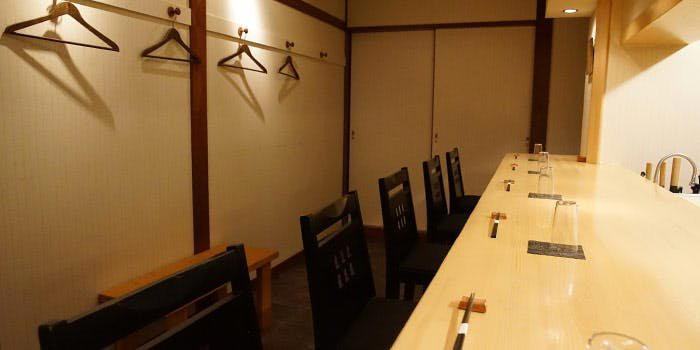
Bars in Kobe
Browse all →



Details
- Cozy
- Quiet
- Intimate
- Elegant
- Date Night
- Business Dinner
- Solo
- Special Occasion
- After Work
- Chefs Counter
- Standalone
- Sake Program
- Beer Program
- Local Sourcing
- Tasting Menu
- Set Menu
- Counter Dining
- Omakase
- Sake
- Shochu
- Beer
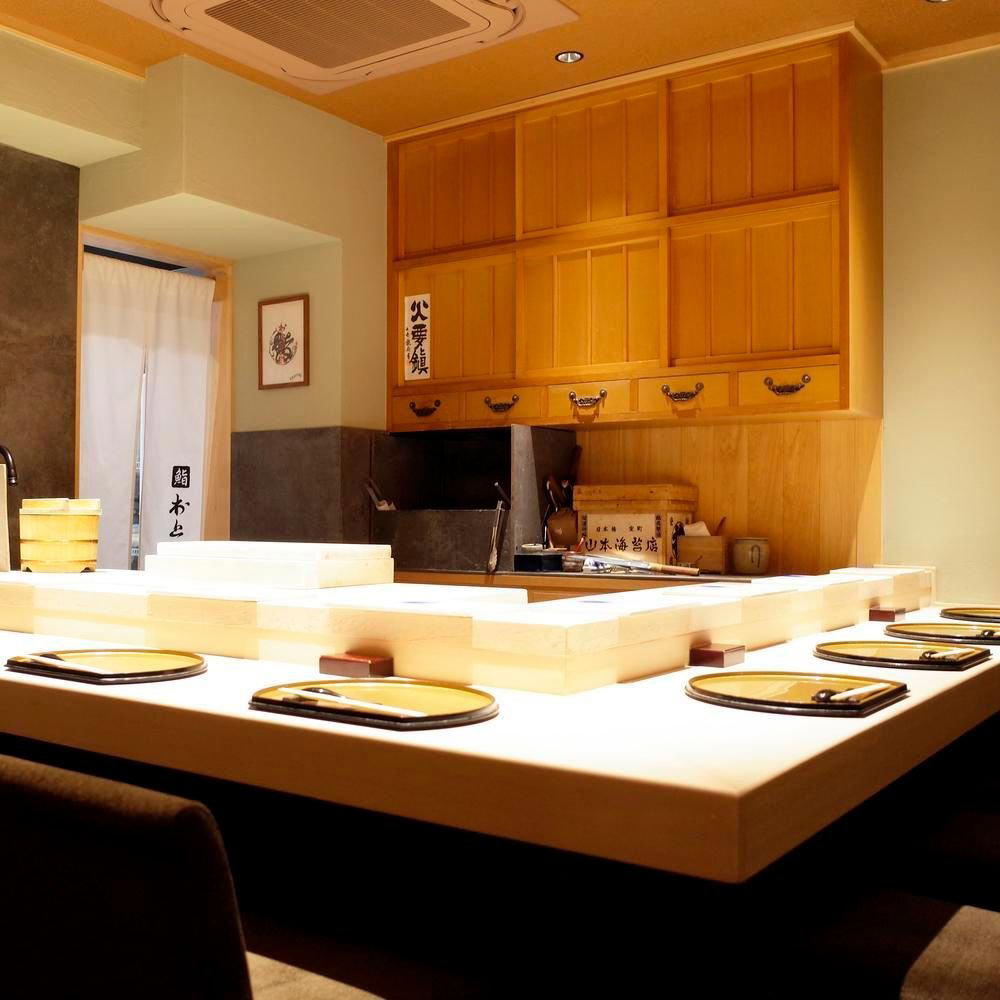
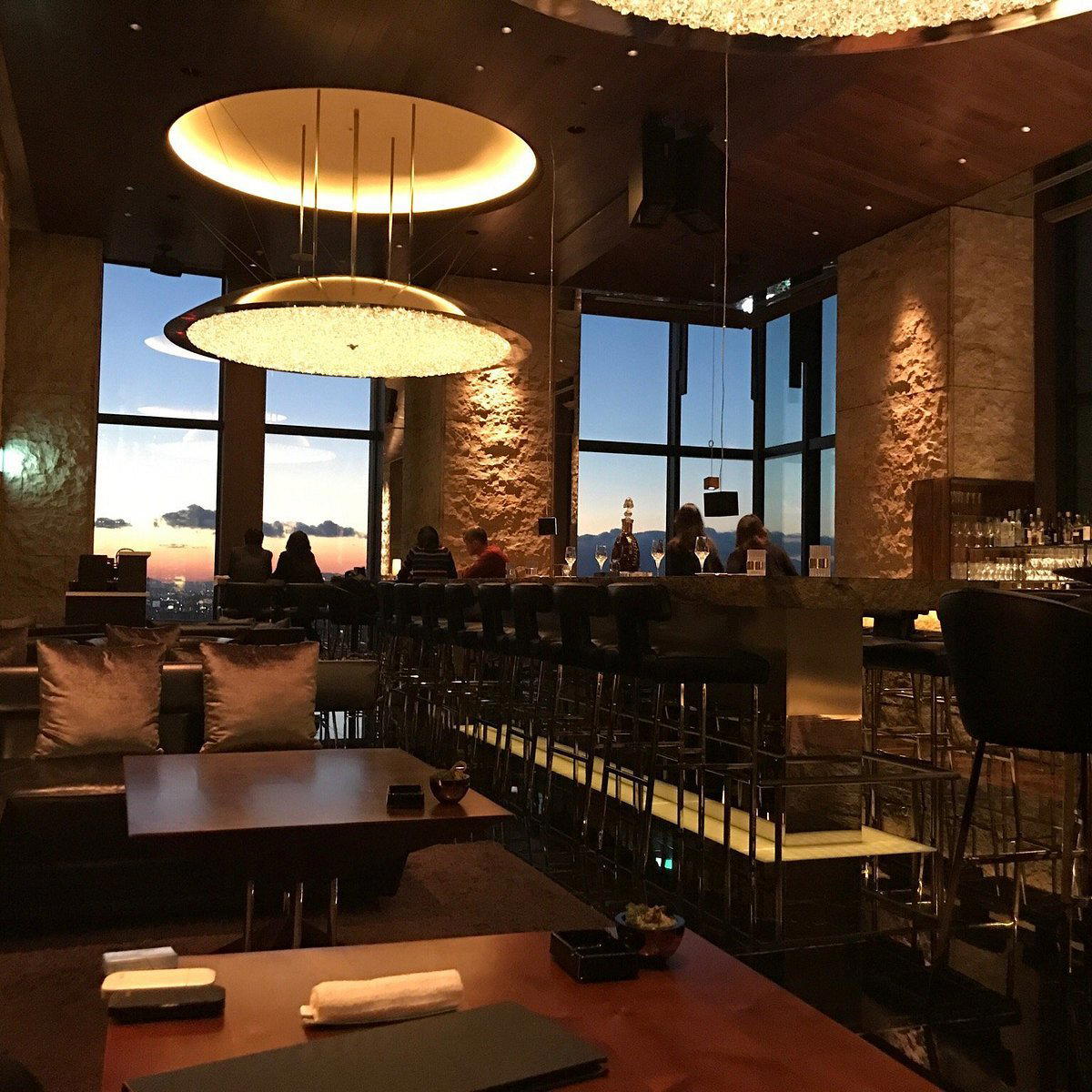
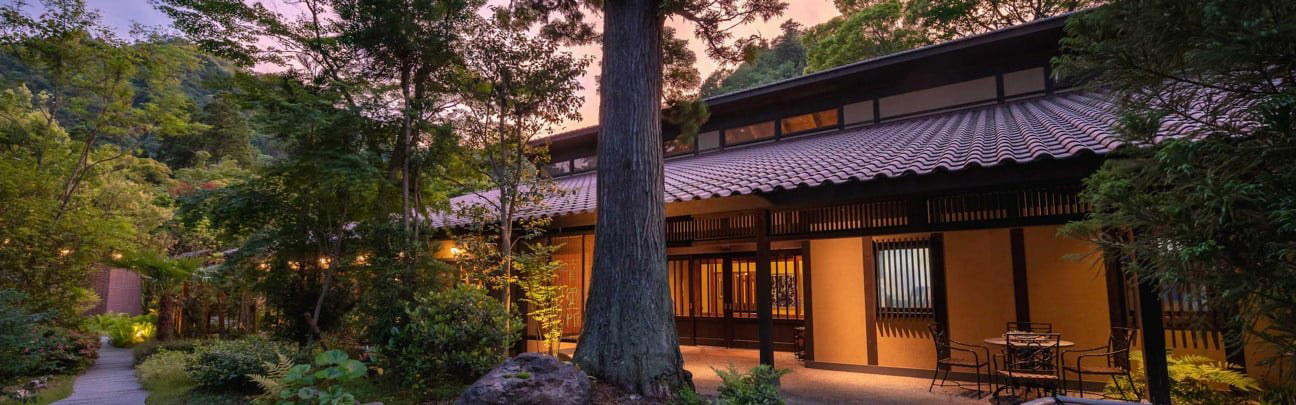
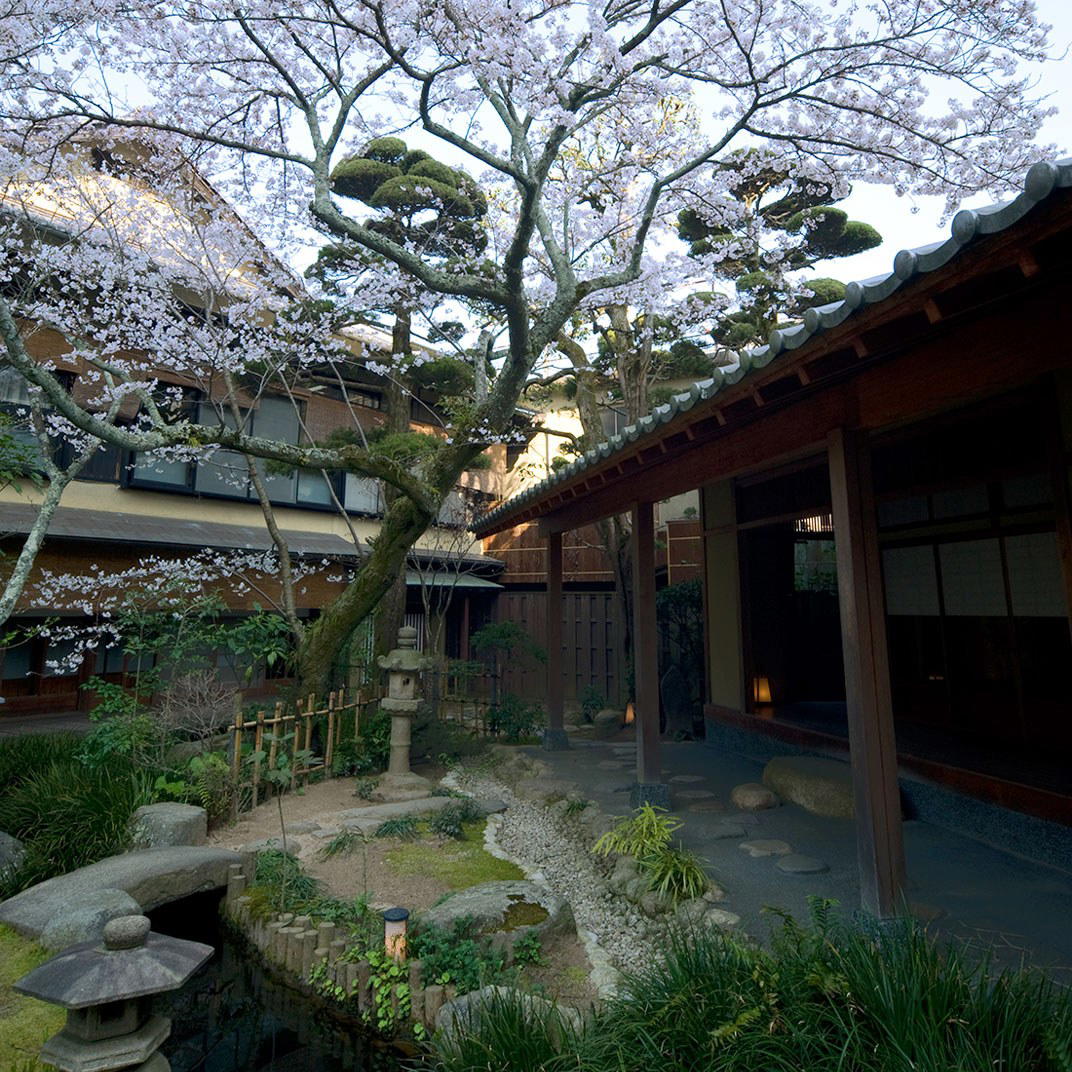
A small, calm counter-focused space with relaxed, low-key lighting and a quietly refined atmosphere that feels like a hidden neighborhood spot suited to dates or focused dining.