
Tabelog 100 #25
Our verdict
Stand Classic places Kobe’s tachinomi culture in a sharper frame: compact, counter-led, sake-focused, and built for drinkers who treat standing bars as serious evening territory rather than a pre-dinner compromise. Its 2025 Tabelog 100 Tachinomi selection gives the room a clear trust signal in a category where reputation is often local, fast-moving, and word-of-mouth driven.

Pearl is the En Primeur Club membership app, where members save venues, book tables and use the concierge.
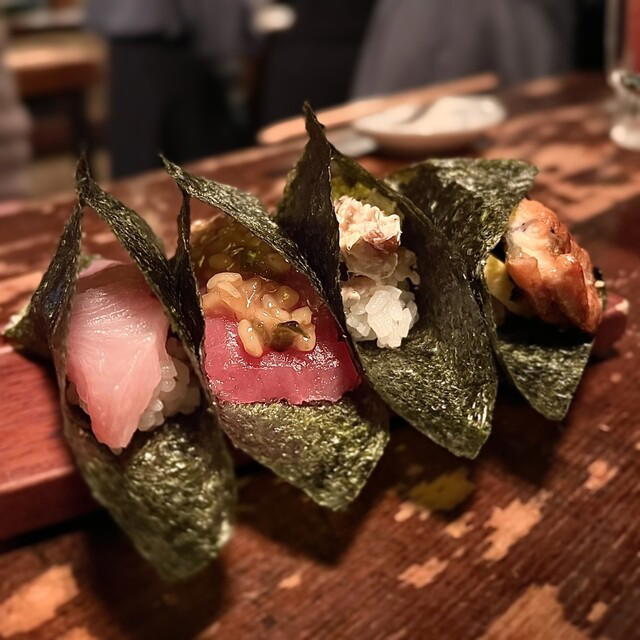
Around Kobe’s stand-up bars, the city changes register. Polished avenues give way to tighter lanes, fluorescent signs, short counters, and the clipped rhythm of after-work drinking. This is not kaiseki’s slow choreography or the reservation theatre of a chef’s counter. Tachinomi is faster, direct, democratic: order, drink, eat lightly, move on, or stay if the room allows it.
That matters in Kobe, a city long set between ports, rail lines, and drinking cultures. Kobe is where commuters, office workers, visitors, and late-night regulars overlap, so surviving bars need more than atmosphere. They need discipline. A standing bar has little space to hide behind comfort, few rituals to soften weak pacing, and low tolerance for padded menus. Stand Classic belongs to this sharper genre, with a stand-up bar format that keeps exchange close.
Kobe tachinomi culture rewards speed, value, and a focused counter format
Visitors often mistranslate tachinomi as cheap standing drinking, but the better version is more precise. It compresses the izakaya into a smaller footprint: fewer seats or none, shorter stays, compact plates, and a drinks program expected to carry the room. In Osaka and Kobe, the appeal is not only price. It is velocity, proximity, and the sense that a good bar can join an evening without possessing the whole night.
Stand Classic’s selection for Tabelog 100 Tachinomi 2025 places it in a national conversation around standing bars, not just a neighbourhood one. That recognition matters because tachinomi rarely travels through the same international channels as sushi, wagyu, or hotel dining. There is no grand room to photograph and no tasting-menu arc to summarize. The evidence is operational: counter energy, repeat local use, and purpose within a compact spend.
Within Kobe’s casual spectrum, Stand Classic sits in the same broader city conversation as Tommy’s Sannomiya ten and SAVOY, while Gyoza no Mise Hyotan Sannomiya ten occupies a different quick-stop lane. Akaneya Coffee Ten works in a café register; European Ryori Mon points toward Western-style dining. The comparison clarifies the choice. This is not for a long, seated dinner or coffee break. It is for counter proximity and the social grammar of standing shoulder to shoulder.
Kobe’s dining identity is often flattened into beef, but its drinking culture is broader than the steakhouse narrative. The city’s appeal is how high and low formats sit within reach: beef counters, gyoza shops, coffee rooms, small bars, and specialist drinking rooms. For travelers building a route, other Kobe dining rooms can show the city’s beef side more clearly, while Akaneya Coffee Ten and other everyday spots map different registers around the city.
A standing counter changes how the night should be planned
The standing-bar format asks for a different decision. Comfort is not the point. Duration is not the point. The draw is compression: a narrower room, practical choices, and a drinking format that works before or after another stop. In Japan, this is part of tachinomi’s pleasure. It removes the ceremonial weight of the seated meal and replaces it with an immediate contract between drinker, counter, and room.
That immediacy makes logistics matter. A stand-up bar without conventional seating rhythm behaves differently from a restaurant built around booked tables. Timing affects the experience more than dress or ceremony. Early evening can catch the shift from first drinks into the post-work crowd; later hours suit drinkers who know the room may be tighter and the pace less forgiving. The solo-dining signal is meaningful because tachinomi is one of Japan’s great formats for eating and drinking alone without feeling marooned at a table for two.
The stand-up bar identity gives Stand Classic its clearest editorial shape. Kobe and wider Hyogo have a deep drinking culture, so a recognized standing bar reads naturally within the city’s nightlife. The point is not regional nostalgia. It is fit. A compact counter format and central place in the city’s casual-drinking ecosystem align with how Kobe drinkers use these rooms: not as one destination sealed off from the city, but as a precise stop in a moving evening.
For broader planning, Our full Kobe restaurants guide is the anchor, with Our full Kobe bars guide for drinking-led routes. Travelers pairing dinner with a stay can cross-check Our full Kobe hotels guide, while regional context sits in Our full Kobe wineries guide and Our full Kobe experiences guide. The national comparison is useful too: other tightly defined bars, counters, cafés, and casual dining rooms show how narrow formats can carry a whole editorial argument when they know exactly what they are for.
Who should choose this kind of Kobe night
The right audience is not chasing ceremony. It is the drinker who understands that Japan’s serious food culture is not confined to tasting menus, starched counters, or luxury ingredients. Tachinomi has its own standards: pace, crowd management, and the ability to make a small room feel intentional rather than improvised. Stand Classic earns attention because it sits inside that standard, not outside it.
For visitors, the smarter use is as part of a Kobe sequence, not a complete evening by itself. Pair it with a casual food stop, a beef-focused dinner, or a late coffee depending on appetite and timing. For locals and repeat travelers, the appeal is narrower and stronger: a stand-up bar recognized in the 2025 Tabelog 100 Tachinomi list, operating where this format makes cultural sense. That is enough. In a category built on compression, extra explanation would miss the point.
Frequently asked questions
Where exactly is Stand Classic?
Kobe.
What does dinner at Stand Classic typically cost?
Pricing at Stand Classic is listed as JPY 3,000 - JPY 3,999 View spending breakdown.
Do I need a reservation for Stand Classic?
Check directly with Stand Classic for current reservation or walk-in details. The venue is in Kobe and was selected for Tabelog 100 Tachinomi 2025.
What is Stand Classic known for?
Stand Classic is known as a stand-up bar in Kobe and was selected for Tabelog 100 Tachinomi 2025.
Cost and Credentials
Comparable venues to anchor price and recognition.
| Venue | Cuisine | Price | Awards | Notes |
|---|---|---|---|---|
| Stand ClassicThis venue (the venue you are viewing) | Japanese standing bar (tachinomi) with a sake focus | $30–50 | Tabelog 100 #25 | Not listed |
| QUATTRO | Kobe yoshoku (Japanese-style Western) | $20–30 | Tabelog 100 #25 | Chūō, Kobe yoshoku (Japanese-style Western) |
| Soba Mae Nakate Touha | Traditional soba & soba-mae counter | $30–50 | Tabelog 100 #31 | Chūō, Traditional soba & soba-mae counter |
| Kobe Onsen Sosaku Dining So | Creative Japanese set meals in an onsen complex | $10–20 | Tabelog 100 #14 | Kita, Creative Japanese set meals in an onsen complex |
| 鮨 çç² | Higashinada, japanese | Not listed | Not listed | Not listed |
| Koube Kitano Asahi Yaseinikuten | Kobe beef diner & butcher eat-in | $10–20 | Tabelog 100 #40 | Chūō, Kobe beef diner & butcher eat-in |
Recognition history
Dated appearances from independent guides and award organizations, with the underlying list record or original source where available.
Tabelog 100 #25 · No. 25
Tabelog · Tabelog 100 - Tachinomi - 2025
Continue exploring
More in Kobe
Restaurants in Kobe
All restaurants in Kobe →

Bars in Kobe
Browse all →


Details
- Lively
- Energetic
- Cozy
- Solo
- After Work
- Casual Hangout
- Late Night
- Standalone
- Sake Program
- A La Carte
- Small Plates
- Counter Dining
- Sake
- Beer
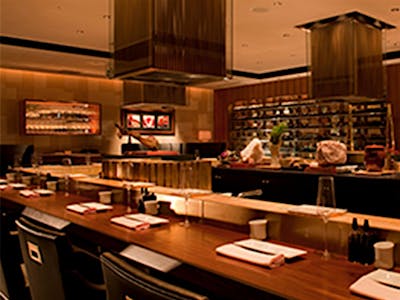
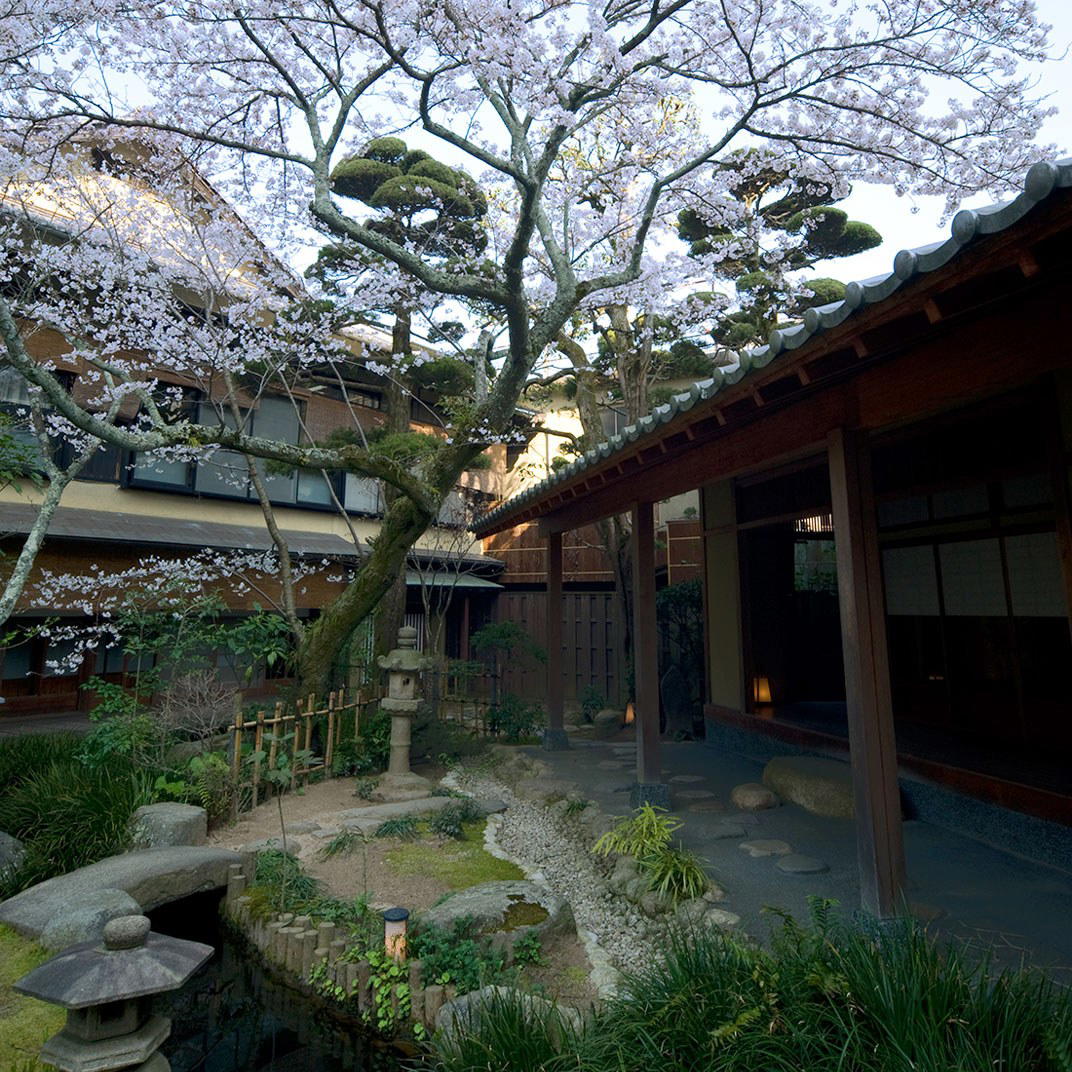
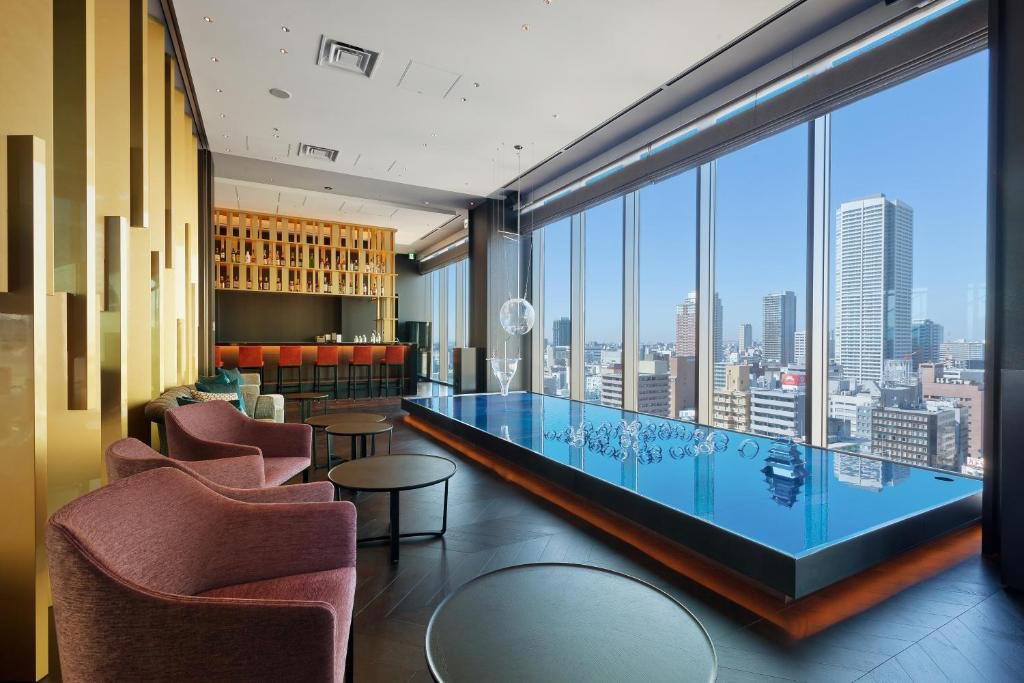
Compact, counter-focused standing bar with a hideout feel; guests pack into a lively, sake-focused space that feels like a cozy, atmospheric nook under the shopping arcade rather than a formal restaurant.