
A Michelin Plate-recognised Japanese restaurant on Via dei Baullari, Shiroya occupies a small dining room steps from Campo de' Fiori and draws consistent crowds for its house-made gyoza, ramen, and raw fish preparations.300 reviews and only a handful of tables, advance booking is not optional, it is the price of entry.
Pearl is the En Primeur Club membership app — saves, bookings, and concierge access live there. Same editors, same standards.
- Address
- Via Dei Baullari, 147a, 00186 Roma RM, Italy
- Phone
- +39 06 6476 0753
- Website
- shiroya.it
- Directions
- Get directions
 Saves & bookings on Pearl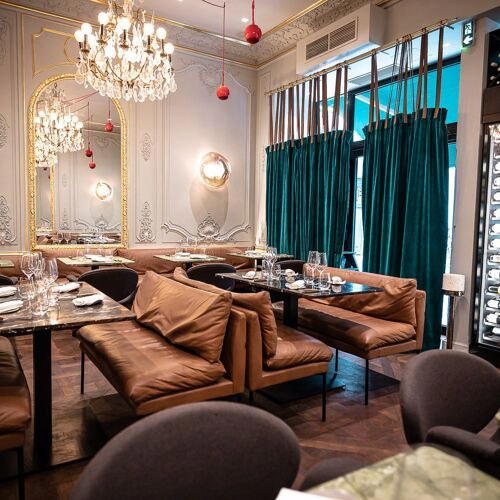
A Japanese Counter in the Roman Grain
Rome's historic centre has never been short of trattorias and wine bars built around the same fifty-kilometre sourcing radius. What it offers less readily is any cuisine that requires a fundamentally different pantry, fermented soy, dashi stock, rice flour for tempura batter, and runs on a different culinary logic entirely. Shiroya is an Authentic Japanese Sushi & Ramen restaurant on Via dei Baullari in Rome, priced at about $95 per person and known for a compact, focused Japanese menu delivered from a dining room so small that the booking problem is structural, not circumstantial.
The street itself sits in among the more densely layered parts of the city: medieval lanes over Roman foundations, with Renaissance palaces converted into apartments and restaurants occupying ground floors that have fed people for centuries. Into that context, Shiroya runs a programme built on Japanese technique and ingredients that travel well, gyoza wrappers, ramen broth, tempura batter, carefully handled raw fish, rather than on produce sourced from Rome's markets. That tension between place and cuisine is part of what makes the restaurant worth examining.
What the Menu Covers
Shiroya's 2025 Michelin Plate recognition frames its position accurately: this is not fusion, and it is not the kind of pan-Asian menu assembled from a generic import list. The core preparations are recognisable to anyone who has eaten seriously in Tokyo or Osaka: hand-made gyoza with varied fillings, tempura executed with the lightness that depends on batter temperature and technique rather than ingredient substitution, ramen, rice dishes, and raw fish in classic configurations.
Gyoza are house-made, which in a city where fresh pasta is the default mark of kitchen effort represents a real commitment of labour. Making dumpling skins by hand, calibrating thickness so the wrapper cooks through without toughening before the filling reaches temperature, is the kind of detail that separates a kitchen that takes its reference cuisine seriously from one that assembles it from pre-made components. For a €€ price point in central Rome, where the cost of rent and tourism premium generally compresses the kitchen's margin for this kind of craft, it signals a deliberate choice.
Raw fish section runs through standard combinations rather than an omakase sequence, which keeps decision-making accessible and keeps the kitchen's procurement manageable. Japanese restaurants operating outside Japan face a real constraint on the sustainability side of sourcing: the fish species that define the cuisine at its highest level in Tokyo, certain grades of tuna, specific seasonal shellfish, either do not exist in Mediterranean supply chains or arrive via long-haul cold chain logistics with a carbon footprint that serious operators now factor into menu design. Shiroya's approach, working through classic combinations with fish available in European markets, is both a practical and a more defensible sourcing posture than attempting to replicate a Tsukiji-dependent menu in central Italy.
Shiroya in Rome's Dining Hierarchy
Rome's highest-profile restaurant tables sit at a considerable remove in price and format from Shiroya's €€ bracket. La Pergola operates at the three-Michelin-star level with tasting menus priced accordingly. Enoteca La Torre, Il Pagliaccio, and Acquolina all sit at the €€€€ tier with Michelin recognition. Achilli al Parlamento represents the city's serious wine-bar tradition at a different price register. Shiroya competes with none of these directly.
For context on what serious Japanese cooking looks like at the other end of the quality and price spectrum, Myojaku in Tokyo and Azabu Kadowaki in Tokyo represent the kind of omakase and kaiseki formats that define the cuisine's upper register in its home city. Italy's own fine-dining tradition, documented in restaurants like Osteria Francescana in Modena, Enoteca Pinchiorri in Florence, Enrico Bartolini in Milan, Dal Pescatore in Runate, Quattro Passi in Marina del Cantone, and Atelier Moessmer Norbert Niederkofler in Brunico, operates on entirely different culinary logic. Shiroya does not attempt to bridge those worlds. It does one thing, serve accessible, well-executed Japanese cooking, in a city that mostly does not.
The Case for Restraint in Format
Small dining rooms carry a set of operational constraints that, handled well, become features rather than limitations. The service model at Shiroya, described by Michelin's inspectors as courteous and professional, is characteristic of Japanese restaurant culture applied in a European context: attentive without being intrusive, structured around the menu's own logic. A room with few tables either achieves this or it fails visibly, there is no mass-dining camouflage. The 4.5 score across more than 1,300 reviews suggests the format is holding.
From a sustainability standpoint, small-format restaurants carry inherent advantages: lower energy consumption per cover, less food waste from a focused rather than sprawling menu, and, when the kitchen takes the approach Shiroya appears to take, more control over sourcing quality per dish. A focused Japanese menu in Rome, working with European-market fish and house-made components rather than importing everything from Japan, is a more defensible environmental posture than attempting to replicate the full supply chain of a Tokyo counter in a different hemisphere.
Side-by-Side Snapshot
Comparable venues nearby, for context on price, style, and recognition.
| Venue | Cuisine | Price | Awards | Notes |
|---|---|---|---|---|
| ShiroyaThis venue — the venue you are viewing | Authentic Japanese Sushi & Ramen | $$$ | Michelin Plate | Not listed |
| Sushisen | Modern Japanese Sushi and Omakase | $$$ | Michelin Plate | Ostiense |
| Colline Emiliane | Traditional Emilian Pasta | $$$ | Michelin Plate | Trevi |
| Cacciani | Traditional Roman-Lazio Cuisine | $$$ | Michelin Plate | Frascati |
| Antico Ristorante Pagnanelli | Traditional Italian Lakeview Fine Dining | $$$ | Michelin Plate | Castel Gandolfo |
| NUH Osteria Contemporanea | Modern Italian Osteria | $$$ | Michelin Plate | Tivoli |
Recognition history
Dated appearances from independent guides and award organizations, with the underlying list record or original source where available.
Michelin Plate
Michelin
Michelin Plate
Michelin
Michelin Plate
Michelin
Continue exploring
More in Rome
Restaurants in Rome
Browse all →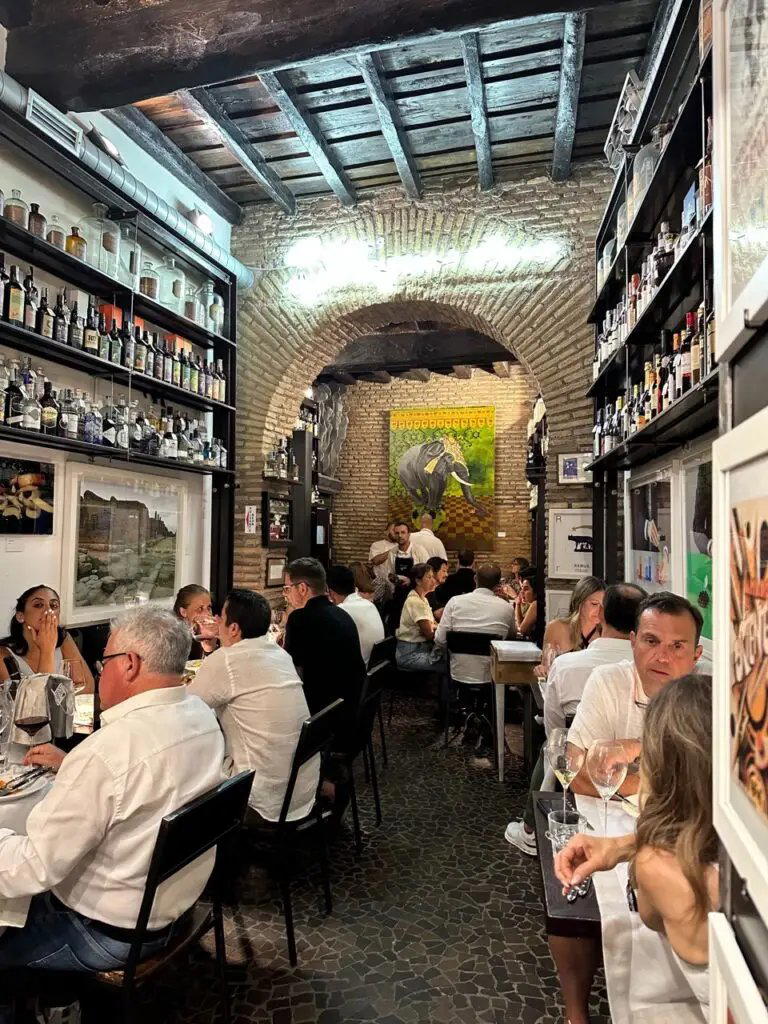
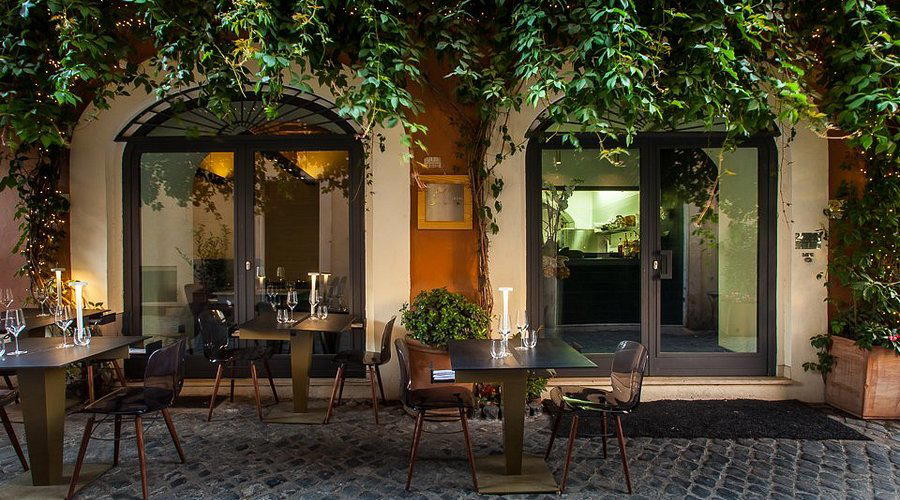
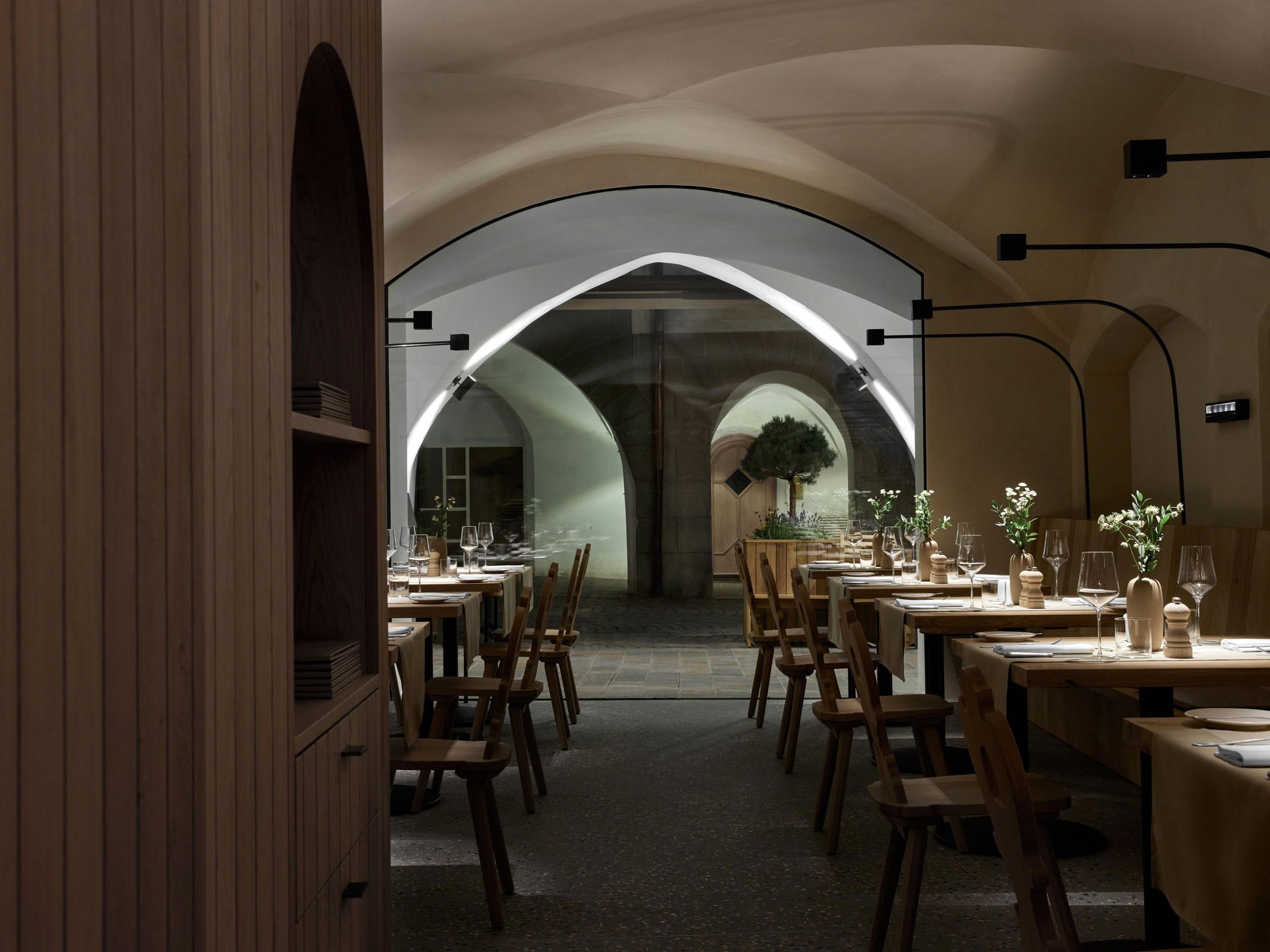
Bars in Rome
Browse all →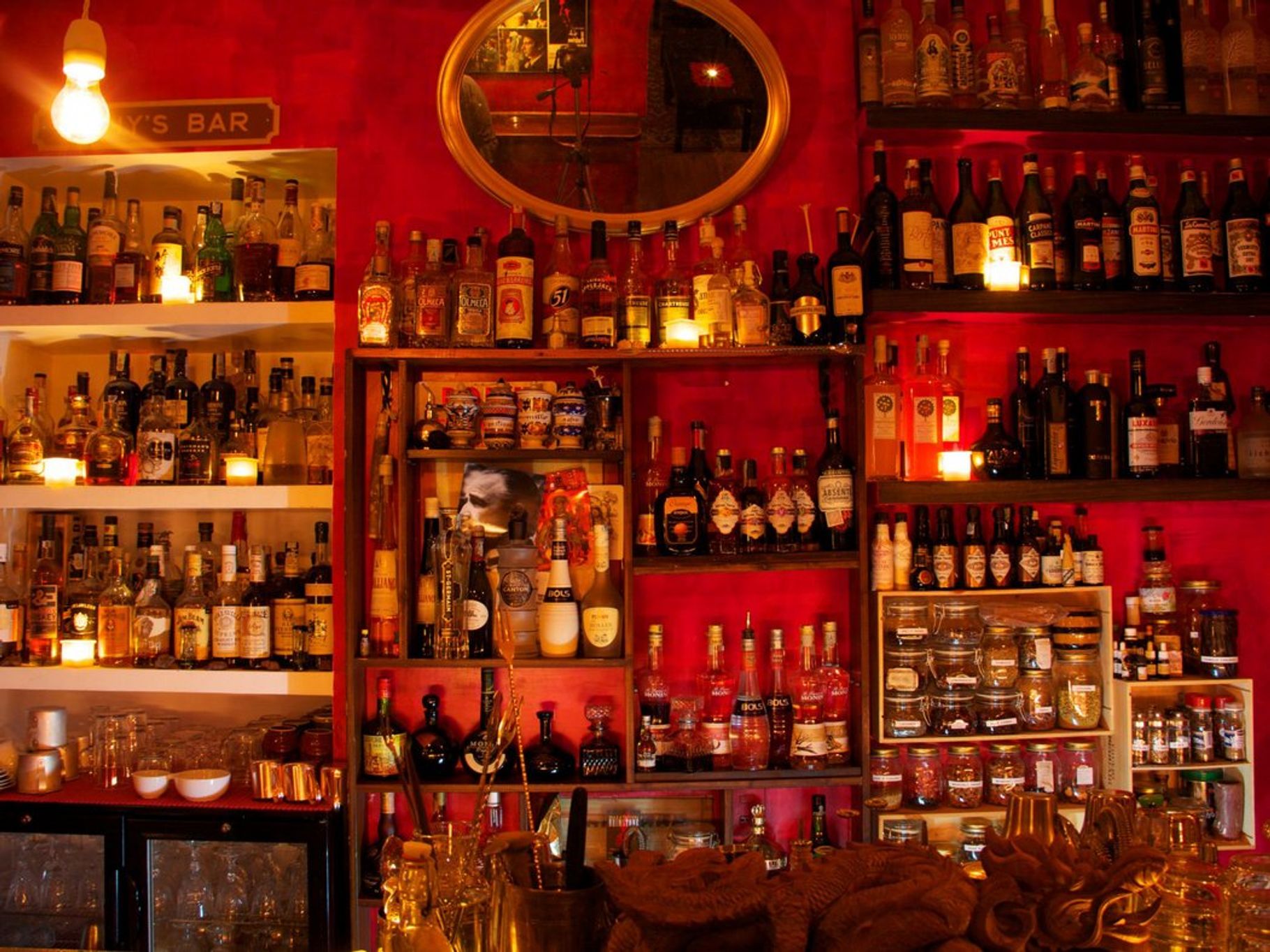
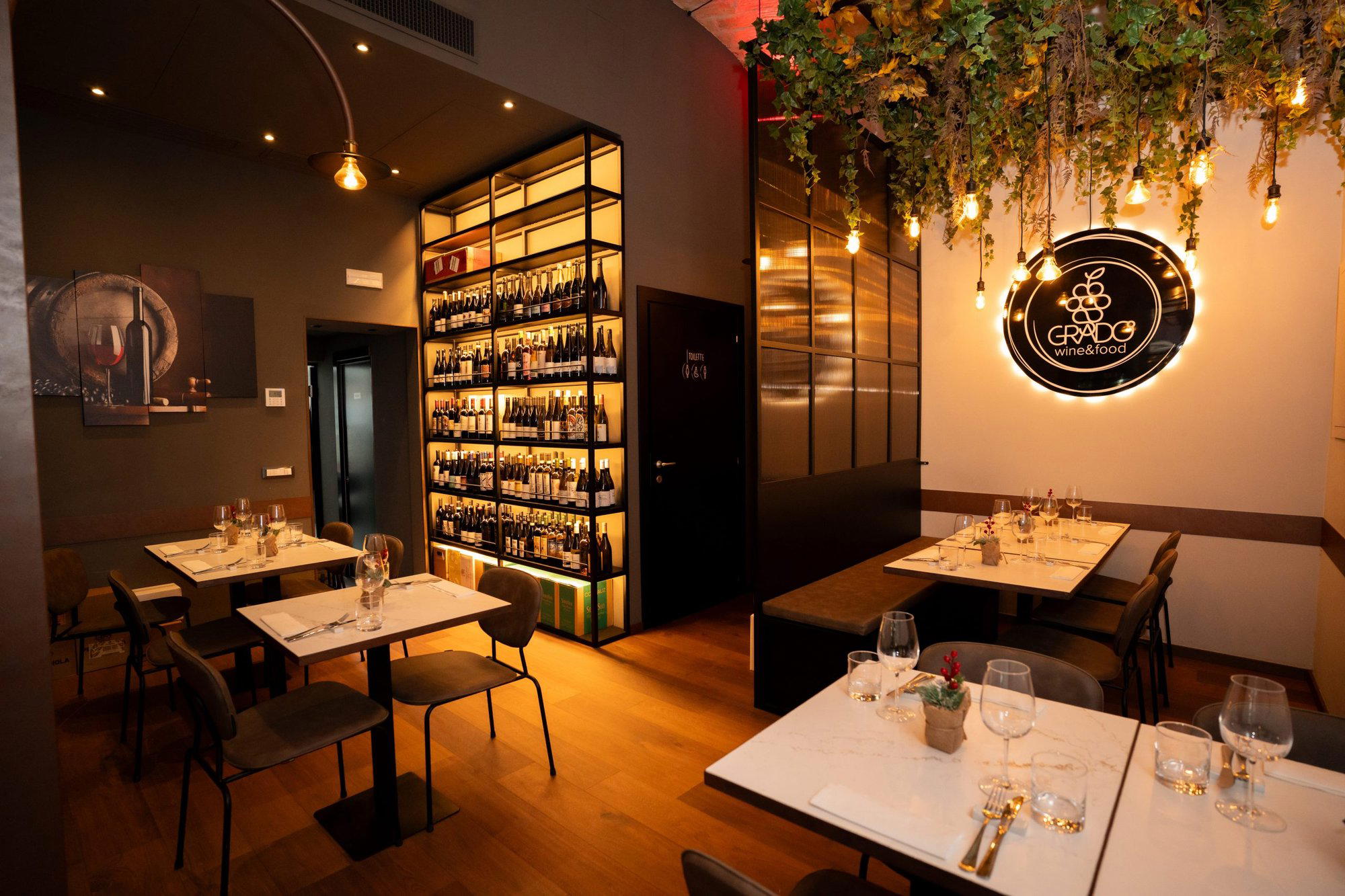
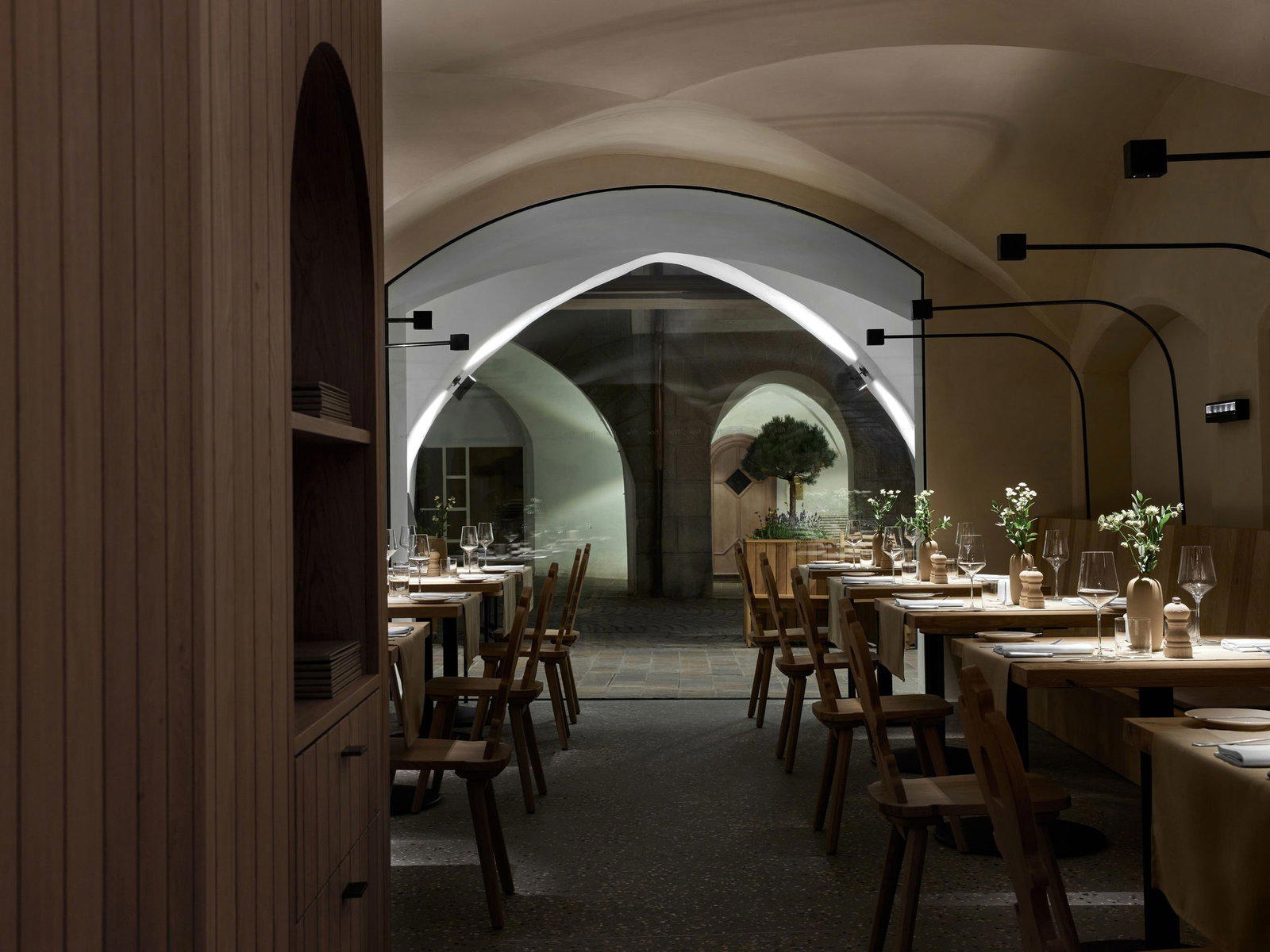
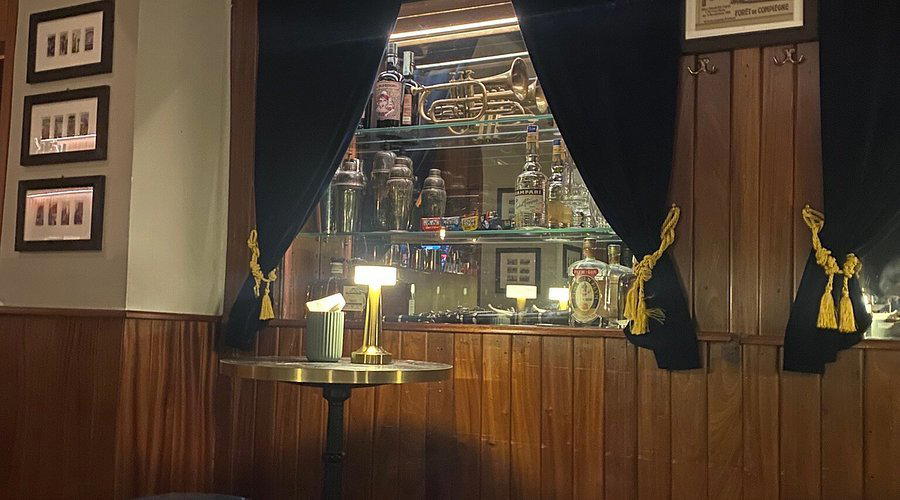
Hotels in Rome
Browse all →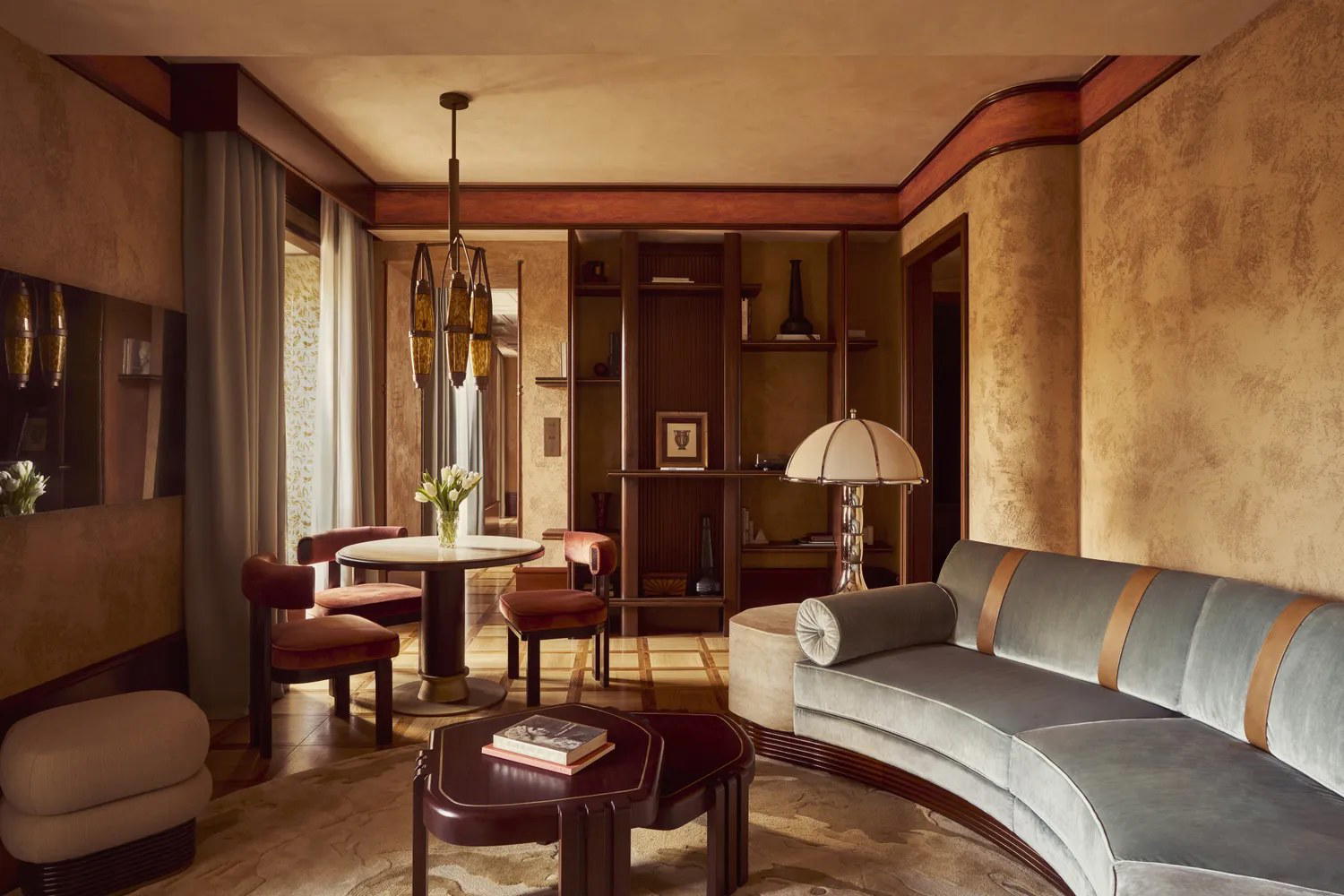
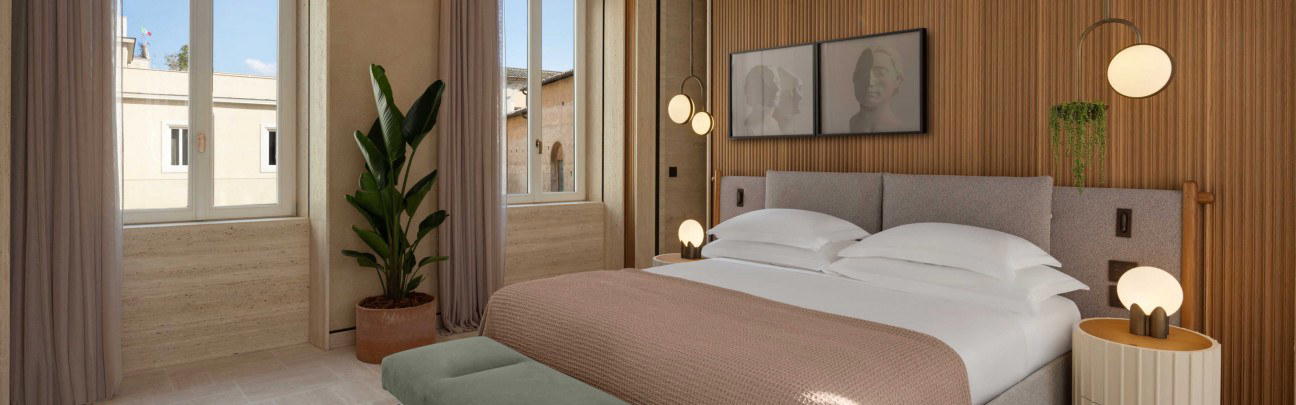

At a Glance
- Modern
- Elegant
- Intimate
- Date Night
- Special Occasion
- Open Kitchen
- Sake Program
- Sustainable Seafood
Current opening hours
- Monday
- Closed
- Tuesday
- 12–2:30 PM, 7–10:30 PM
- Wednesday
- 12–2:30 PM, 7–10:30 PM
- Thursday
- 12–2:30 PM, 7–10:30 PM
- Friday
- 12–2:30 PM, 7–10:30 PM
- Saturday
- 12–2:30 PM, 7–10:30 PM
- Sunday
- 12–2:30 PM, 7–10:30 PM
Hours can change for holidays and private events. Last verified .
Modern and authentic decor with warm lighting; intimate atmosphere with closely-spaced tables creating a cozy but sometimes cramped dining environment.