
One of Rome's few addresses for serious Japanese dining, Sushisen operates two distinct rooms: a conveyor-belt counter for traditional Japanese plates and a separate space for contemporary cuisine anchored by an omakase tasting menu.
Pearl is the En Primeur Club membership app — saves, bookings, and concierge access live there. Same editors, same standards.
- Address
- Via Giuseppe Giulietti, 21A, 00154 Roma RM, Italy
- Phone
- +39 06 575 6945
- Website
- sushisen.it
- Directions
- Get directions
 Saves & bookings on Pearl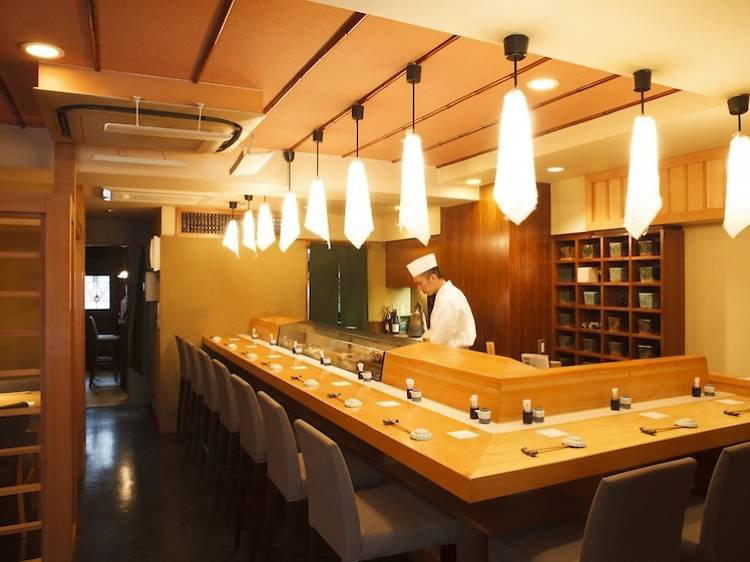
Two Rooms, Two Registers: Japanese Dining in Rome
Rome's fine-dining circuit leans heavily Italian. The city's Michelin-recognised addresses, from the three-star La Pergola to creative houses like Il Pagliaccio and Enoteca La Torre, are almost uniformly grounded in Italian and Mediterranean culinary tradition. Japanese Contemporary sits at the far edge of that map, with only a handful of addresses operating at a level that attracts serious attention.
What makes Sushisen structurally interesting is the separation of its two dining rooms. One houses a conveyor-belt counter where traditional Japanese dishes circulate in the familiar kaiten format, a format that prioritises accessibility and volume over ceremony. The other operates as a contemporary Japanese dining room, with an omakase tasting menu as its centrepiece. These are not two menus in the same room but two genuinely different propositions with different pacing, different guest dynamics, and different expectations of the diner.
The Primacy of Raw Materials in the Omakase Format
In Japanese cuisine, the omakase format exists specifically to place raw materials at the centre of the meal. The chef selects; the diner receives. That structure only holds when the underlying ingredients justify the trust. In Tokyo's upper-tier omakase counters, the ingredient sourcing is itself a story: the daily market visit, the relationship with specific fishermen, the seasonal logic that dictates when a particular fish or vegetable appears. Rome is not Tokyo, and the supply chains are different, but the principle transfers wherever the kitchen takes it seriously.
In the Italian context, there is actually structural advantage. Italy's produce calendar is specific and deeply seasonal, and Rome's central markets give access to ingredients that Japanese cuisine, when it intersects with local sourcing, handles with particular precision. The architectural simplicity of Japanese preparation, especially in sushi and sashimi, makes ingredient quality visible rather than masked. There is nowhere to hide in a thin slice of fish on hand-formed rice. This is the editorial argument for Japanese Contemporary as a category in Rome: it tests raw materials in a way that heavily sauced or long-cooked Italian preparations do not.
For context, the Japanese Contemporary format is well-documented across Europe's premium dining tier. The Japanese Restaurant in Andermatt and Eika in Taipei represent the same genre operating in different urban contexts. What each shares is the format's reliance on sourcing discipline as its primary credential.
The Wine and Sake List as an Indicator of Seriousness
Nearly all wines and sakes on the list are available by the glass. Making the full range accessible by the glass requires either a significant coravin investment or careful cellar management and high enough turnover to justify opening bottles. For a mid-price address at the €€ tier, it signals a commitment to pairing flexibility that is more commonly found at higher price points.
The inclusion of sake alongside a wine list is also significant in the Rome context. Sake programmes are rare at this price level in Italian cities. When they exist, they provide a pairing logic more closely aligned with the food than European wine, and they function as an indicator of how seriously a kitchen is thinking about the Japanese side of its identity rather than accommodating Western preferences by default.
Sushisen in Rome's Broader Fine-Dining Picture
Rome's recognised fine-dining tier is almost entirely Italian. Acquolina works contemporary Italian with a strong seafood focus. Kohaku operates in a related Japanese space. Beyond Rome, Italy's highest-profile dining addresses, including Osteria Francescana in Modena, Enoteca Pinchiorri in Florence, and Enrico Bartolini in Milan, confirm that the country's fine-dining identity is built around Italian culinary tradition. Exceptions, when they earn Michelin recognition, tend to be absorbed into that framework or operate as distinct specialist enclaves.
Sushisen occupies the specialist enclave position. Its Michelin Plate, awarded in consecutive years, places it within the Guide's recognised tier without the star designation, positioning it as a credentialed address that has cleared the basic quality threshold. At the €€ price range, it operates well below the city's starred Italian peers and sits in a different competitive set: Japanese Contemporary in a European capital where that genre has a small but committed audience.
For reference, Italy's broader fine-dining range extends to coastal addresses like Quattro Passi in Marina del Cantone and Alpine addresses like Atelier Moessmer Norbert Niederkofler in Brunico, and the contrast in register from Sushisen's mid-range urban Japanese positioning is significant. Sushisen is not competing for the same diner making a special-occasion reservation at a starred Italian address. It is serving a diner who wants a specific Japanese experience in a city where that option is scarce.
Know Before You Go
- Address: Via Giuseppe Giulietti, 21A, 00154 Roma RM, Italy
- Neighbourhood: Ostiense, Rome
- Cuisine: Japanese Contemporary
- Price range: €€
- Recognition: Michelin Plate 2024 and 2025;414 reviews)
- Format options: Conveyor-belt counter (traditional Japanese) and separate contemporary dining room with omakase tasting menu
- Drinks: Wine and sake list, with nearly all selections available by the glass
- Booking: Reservations recommended; omakase seating in particular should be secured in advance
- Dal Pescatore reference: For Italian fine dining at the other end of the spectrum, see Dal Pescatore in Runate
Comparable Options
Comparable venues nearby, for context on price, style, and recognition.
| Venue | Cuisine | Price | Notes |
|---|---|---|---|
| SushisenThis venue — the venue you are viewing | Modern Japanese Sushi and Omakase | $$$ | Not listed |
| Shiroya | Authentic Japanese Sushi & Ramen | $$$ | Parione |
| Colline Emiliane | Traditional Emilian Pasta | $$$ | Trevi |
| Acciuga | Modern Italian Seafood | $$$ | Monte Mario |
| Almatò | Modern Italian Fine Dining | $$$ | Monte Mario |
| Felice a Testaccio | Traditional Roman Cuisine | $$$ | Testaccio |
Recognition history
Dated appearances from independent guides and award organizations, with the underlying list record or original source where available.
Michelin Plate
Michelin
Michelin Plate
Michelin
Michelin Plate
Michelin
Continue exploring
More in Rome
Restaurants in Rome
Browse all →
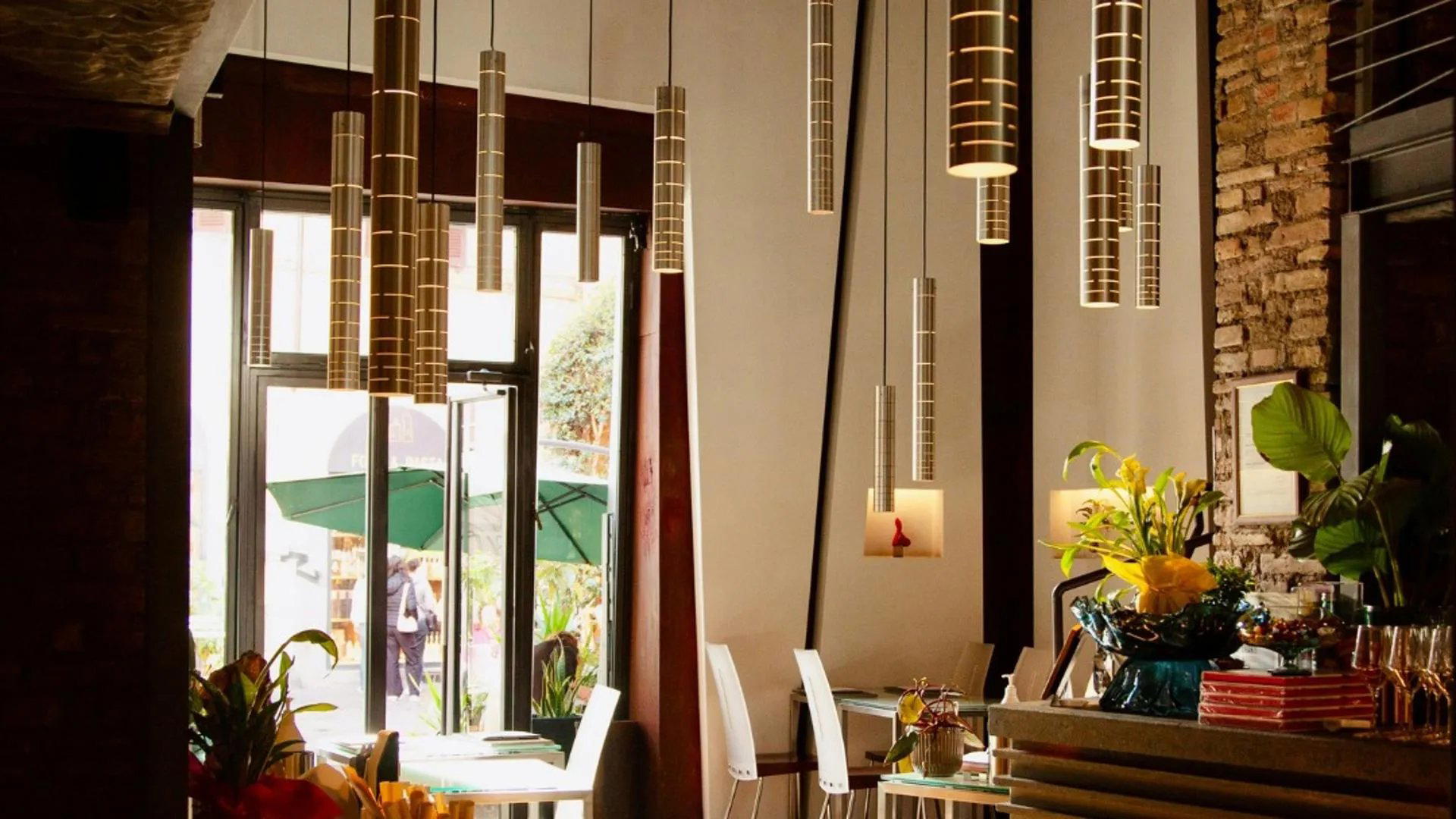
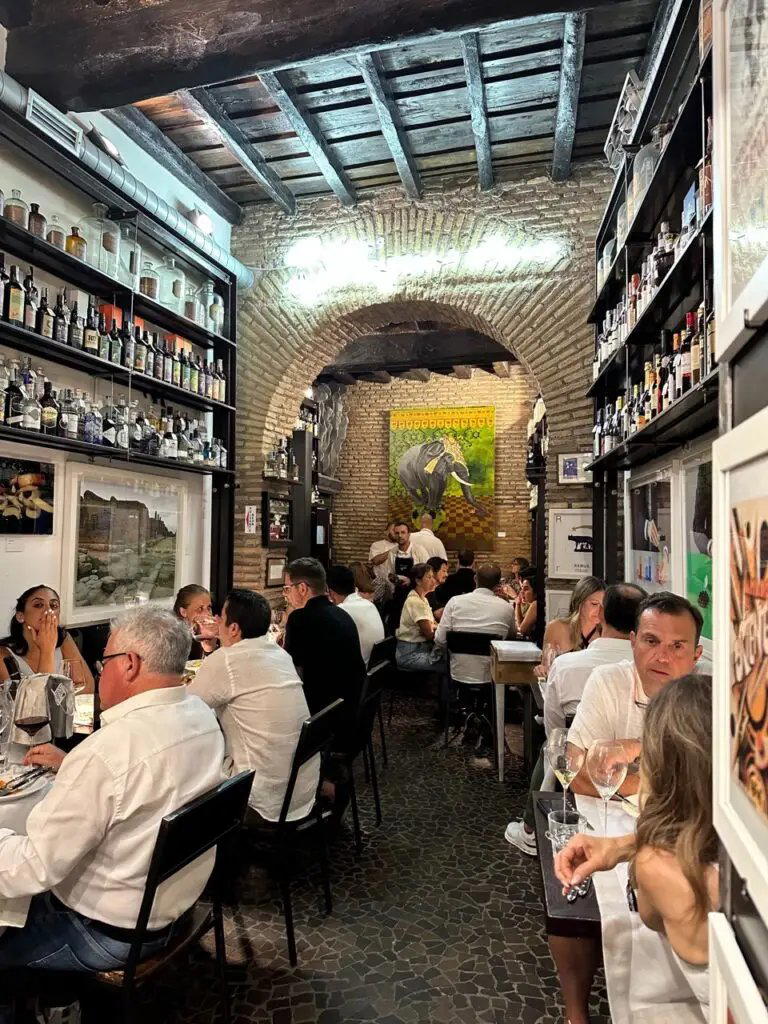
Bars in Rome
Browse all →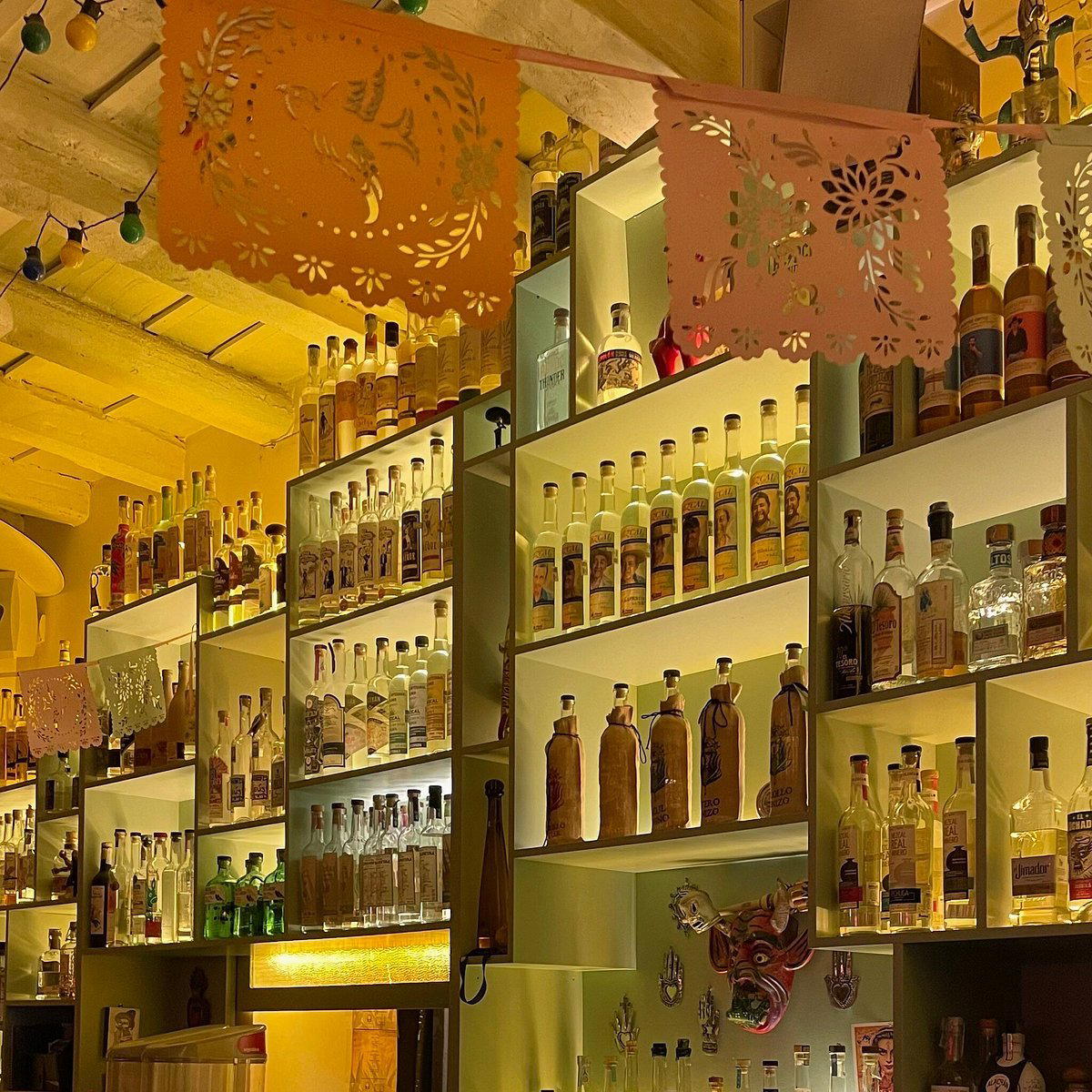
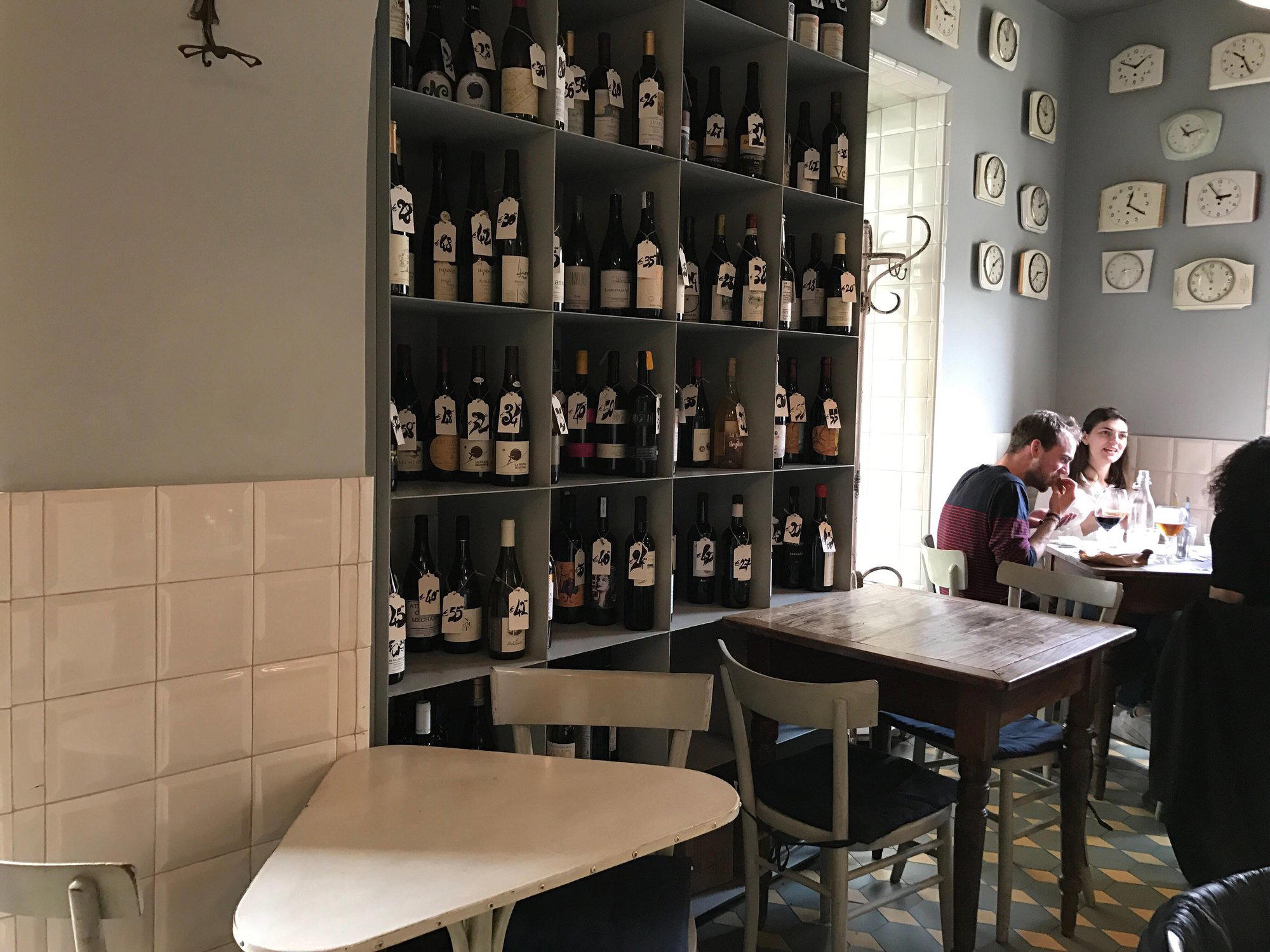
Hotels in Rome
Browse all →


At a Glance
- Elegant
- Cozy
- Intimate
- Relaxed
- Date Night
- Special Occasion
- Chefs Counter
- Open Kitchen
- Sake Program
Current opening hours
- Monday
- Closed
- Tuesday
- 12:30–2:30 PM, 7:30–11 PM
- Wednesday
- 12:30–2:30 PM, 7:30–11 PM
- Thursday
- 12:30–2:30 PM, 7:30–11 PM
- Friday
- 12:30–2:30 PM, 7:30–11 PM
- Saturday
- 12:30–2:30 PM, 7:30–11 PM
- Sunday
- 12:30–2:30 PM, 7:30–11 PM
Hours can change for holidays and private events. Last verified .
Relaxing and low-key atmosphere in cozy rooms with a refined, welcoming feel.