
EL Castellano belongs to Tokyo’s small but durable Spanish-dining lane, where Shibuya’s appetite for casual energy meets a more occasion-minded table. Its selection for Tabelog 100 Spanish cuisine in 2024 and 2026 gives it a clear signal in a category that often sits outside Tokyo’s sushi, tempura, and French-led prestige circuit.
Pearl is the En Primeur Club membership app — saves, bookings, and concierge access live there. Same editors, same standards.
- Address
- Japan, 〒150-0002 Tokyo, Shibuya, 2 Chome−9−11
- Phone
- +81 3-3407-7197
- Website
- tabelog.com
 Saves & bookings on Pearl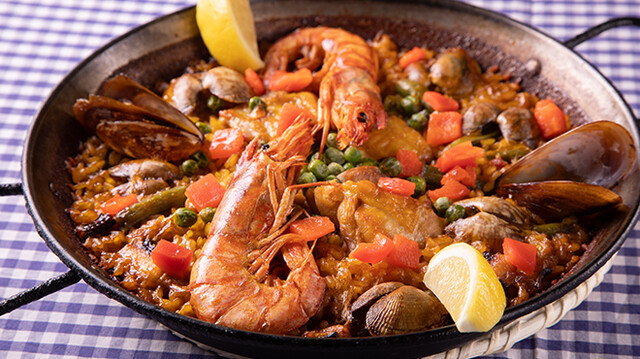
Approaching Shibuya from the east side, the city moves quickly from station glare to office blocks, backstreets, and small upstairs dining rooms where Tokyo often hides serious mid-scale restaurants. Spanish cooking has never held the same obvious prestige lane here as sushi counters or French tasting menus, which is part of the appeal: the category rewards repeat custom, wine-led evenings, and groups wanting a table that can carry a celebration without becoming ceremonial.
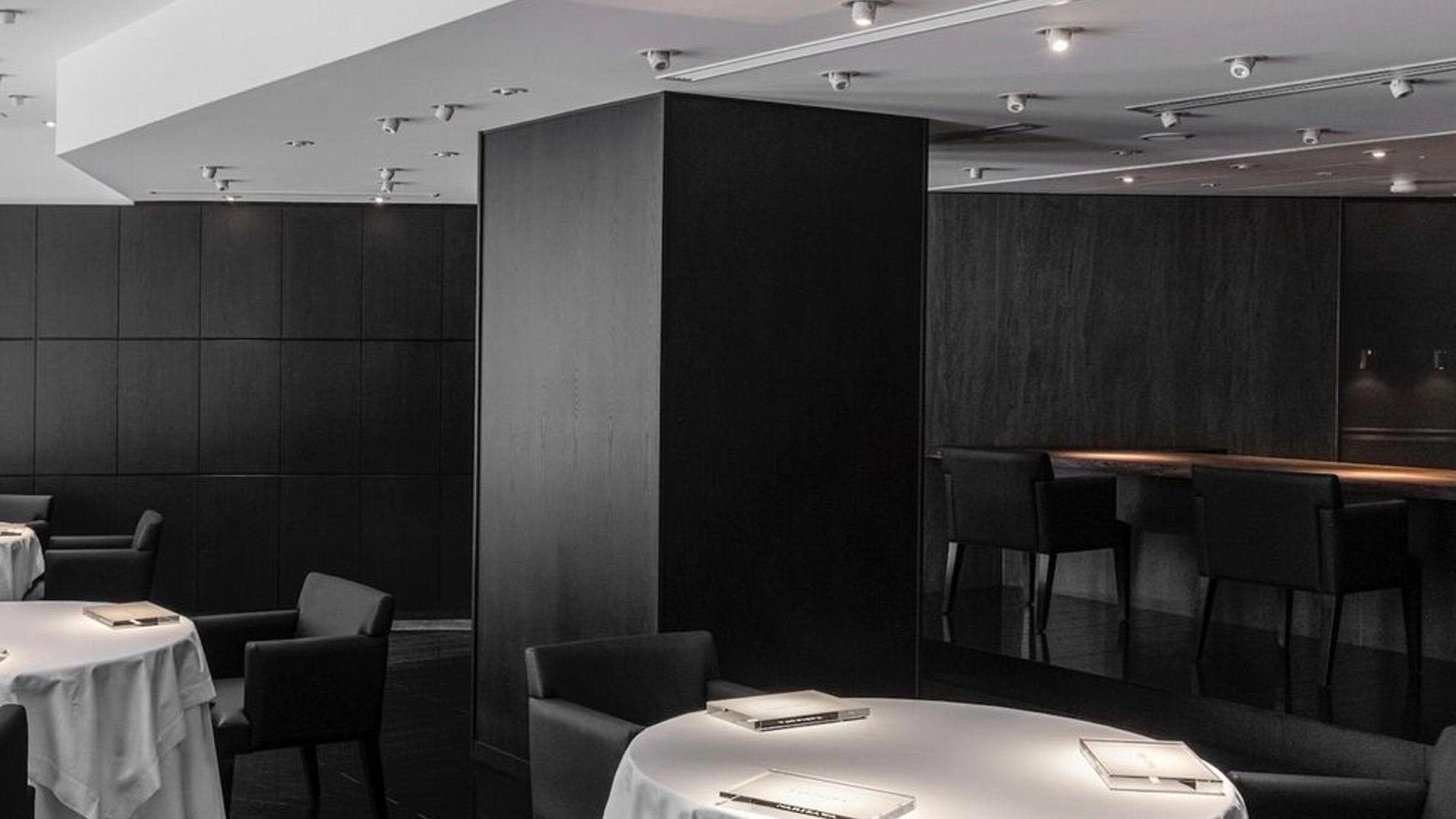
EL Castellano fits that Tokyo pattern. The room is not a chef’s stage or luxury set piece; it reads as a Spanish restaurant and wine bar for conversation, dates, friends, and milestone dinners that want warmth rather than choreography. In Shibuya, where occasion dining can split between high-design rooms and high-volume casual formats, Spanish cooking offers a third option: generous pacing, shared plates, wine as structure, and enough informality to keep the night loose.
Spanish cooking in Shibuya with a wine-bar spine
Tokyo’s Spanish restaurants succeed when they understand two appetites at once: the Japanese preference for precision and the Iberian habit of putting the table first. The sharper examples do not import a tapas checklist; they translate the rhythm of a Spanish meal into Tokyo terms, with controlled portions, wine attention, and service that can handle both a couple’s dinner and a small celebration.
The restaurant’s Tabelog 100 Spanish cuisine selections in 2024 and 2026 place it inside a narrow, quality-filtered group for the category. Tabelog’s genre lists are useful in Tokyo because they surface restaurants outside the international-awards circuit, where local diners often define durability better than global attention does. A 3.57 Tabelog score in this category is meaningful not because the number tells the whole story, but because Spanish restaurants in Tokyo compete for repeat neighborhood loyalty as much as destination traffic.
The format matters too. Spanish, baru, and wine bar categories put the restaurant closer to a convivial European table than to the fixed-course temples that dominate many Tokyo travel itineraries. Compared with French peers such as Mono-bis or LATURE, the promise is less technical progression than room momentum. Compared with an izakaya reference point such as Narukiyo, the Spanish frame gives the evening a different grammar: wine, shared dishes, and a table that can feel planned without becoming formal.
Why it works for birthdays, dates, and small-group dinners
Occasion dining in Tokyo is often misunderstood by visitors. The city has plenty of spectacle, but a good birthday or reunion dinner often needs something quieter: a room that absorbs conversation, a drinks program with intent, and food that does not require everyone to follow a lecture. EL Castellano’s appeal sits there. Its listing notes wine as a point of emphasis, and the service framework includes celebration use, including a birthday plate by advance arrangement. That is practical, and it signals the restaurant’s role: a place people use for marked evenings, not only a casual stop between plans.
The absence of private rooms pushes the experience toward the shared dining room, an advantage for smaller groups wanting atmosphere rather than enclosure. Seating is table-based, so the evening is less counter-driven than many Tokyo dining experiences. For travelers assembling a Tokyo food itinerary, that makes it a useful contrast after sushi, yakitori, or kappo meals where the counter controls the tempo.
There is also a useful price-tier implication, without turning the meal into arithmetic. The restaurant sits in the middle-to-premium band for Spanish dining in Tokyo rather than the luxury tasting-menu bracket. That is often where the city’s most satisfying occasion meals live: enough spend to feel deliberate, not so much ceremony that the table becomes self-conscious. In Shibuya, where casual and high-end formats sit close together, this middle lane has real value.
How to place it in a Tokyo itinerary
For a visitor, the strongest case is not that Spanish food should replace Tokyo’s Japanese categories. It is that a serious Tokyo trip benefits from one meal showing how the city absorbs foreign cuisines into its own dining habits. French rooms such as Mono-bis, モノリス, and LATURE show one side of that translation; an izakaya such as Narukiyo shows another; Spanish dining adds a looser, wine-led register. Tama, where details are less useful for comparison, belongs only as a reminder that Tokyo’s restaurant map is too broad to reduce to a few prestige genres.
Within a longer stay, place this dinner after a day in Shibuya, Aoyama, or Omotesando rather than after a cross-town sprint. The surrounding area supports a full evening: aperitif nearby, dinner, then bars or late coffee depending on the group. Readers building a broader plan can cross-reference Our full Tokyo restaurants guide, Our full Tokyo bars guide, Our full Tokyo hotels guide, Our full Tokyo wineries guide, and Our full Tokyo experiences guide for the rest of the night around it.
Tokyo’s range also makes contrast useful. A traveler can set this Spanish dinner against the directness of 124. KAGURAZAKA (Yakitori), the casual pull of 3 Chome no Curry Ya San, or the visual café culture of 2D Cafe. For a more eclectic Tokyo run. 鮪と炭火焼き うお炭 秋葉原店 and 12/10 Shinjuku ten point toward other neighborhood moods. Beyond the capital, the same itinerary logic can extend to -Grilled beef Sukiyaki- KAMAKURA TANUKIAN 鎌倉 たぬき庵 in Kamakura.cafe in Osaka.know in Kumamoto, (Shoku) Vietnam in Kawasaki, [Curry Senmon Ten] Maruyama Kyoju. in Sapporo, and [ki:] in Kyoto. For readers comparing Japanese dining culture abroad, Jōdo Saké Bar in Los Angeles and Onigiri Time in Pasadena make useful counterpoints.
The editorial decision is clear: choose EL Castellano when the night needs Spanish warmth, wine focus, and Tokyo polish in equal measure. It is not the venue for a chef-biography pilgrimage or a trophy-room meal. It is better understood as a Shibuya occasion table with enough recognition to justify planning around it, and enough ease to let the evening belong to the people at the table.
Comparable Spots
Comparable venues for orientation by cuisine and category.
| Venue | Cuisine | Price | Notes |
|---|---|---|---|
| EL CastellanoThis venue — the venue you are viewing | Traditional Spanish Restaurant & Wine Bar | $$$ | Not listed |
| sardexka | Basque-leaning Japanese-Spanish Fusion | $$$ | Taitō |
| オガサワラ レストラン | Modern Spanish Fine Dining | $$$$ | Shinjuku |
| EL BUEY | Spanish bar with charcoal-grilled Wagyu | $$$ | Shinjuku |
| Mallorca | Spanish café-restaurant & bakery | $$ | Setagaya |
| タパス モラキュラーバー | Molecular Gastronomy Tapas | $$$$ | Chūō |
Recognition history
Dated appearances from independent guides and award organizations, with the underlying list record or original source where available.
Tabelog 100 #45 · No. 45
Tabelog · Tabelog 100 - Spanish cuisine - 2026













At a Glance
- Cozy
- Lively
- Classic
- Intimate
- Well Known
- Group Dining
- Date Night
- After Work
- Celebration
- Casual Hangout
- Special Occasion
- Live Music
- Standalone
- Extensive Wine List
- Beer Program
Current opening hours
- Monday
- Closed
- Tuesday
- 5–10 PM
- Wednesday
- 5–10 PM
- Thursday
- 5–10 PM
- Friday
- 5–10 PM
- Saturday
- 5–10 PM
- Sunday
- Closed
Hours can change for holidays and private events. Last verified .
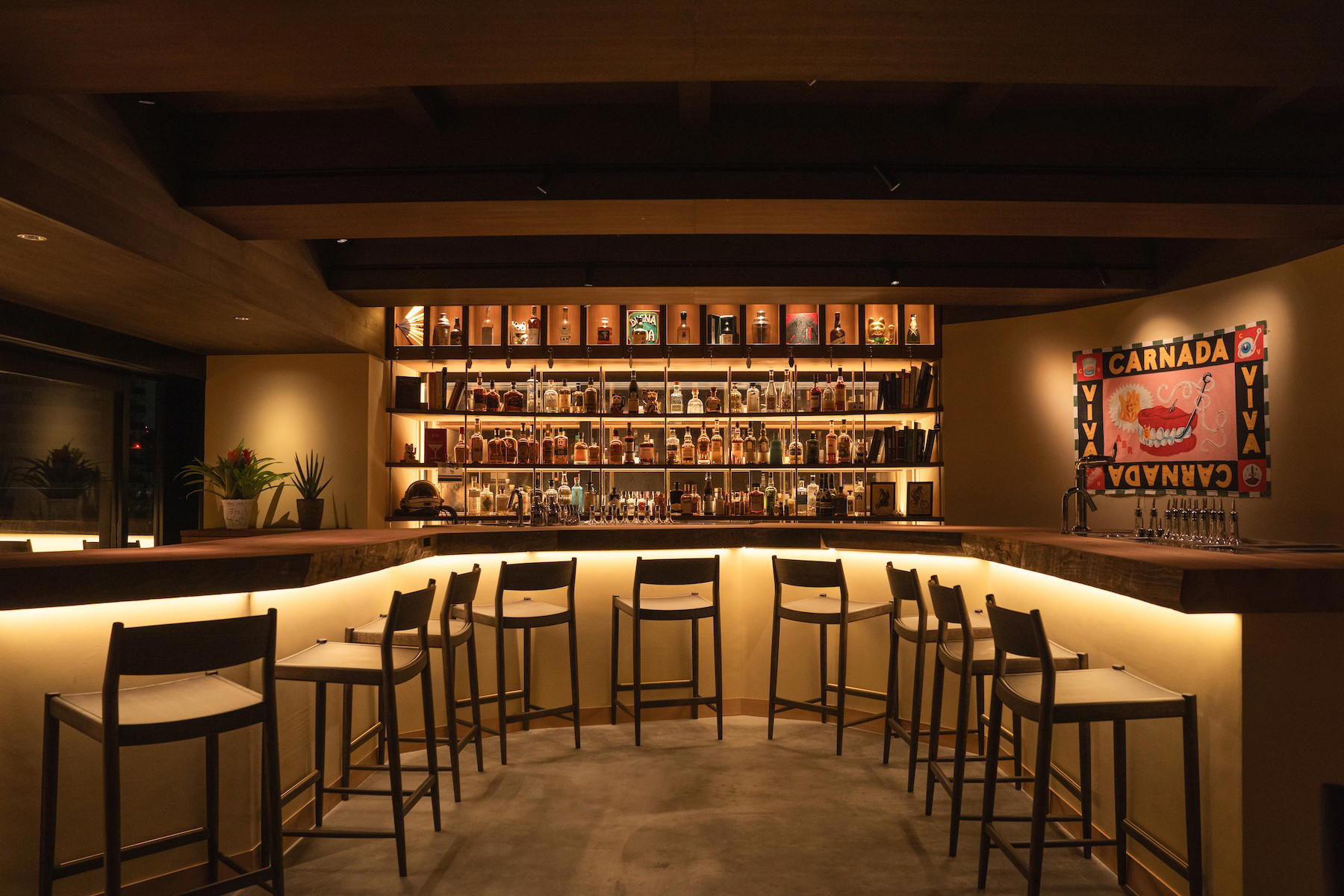
Warm and homey with the lively spirit of Spain, like stepping into a small Spanish village; classic decor, intimate scale, and friendly, personal service create a cozy yet energetic atmosphere, especially on live-music nights.