
Ginza’s Spanish dining scene is a quieter counterpoint to the district’s sushi, tempura, and French rooms: wine-led, seafood-aware, and built for meals that can run from lunch to a full evening table. Spain Restaurant Ginza Espero sits in that category with a 2026 Tabelog 100 selection for Spanish cuisine, a 50-seat room, and pricing that keeps it below the district’s grander tasting-menu tier.
Pearl is the En Primeur Club membership app — saves, bookings, and concierge access live there. Same editors, same standards.
- Address
- 東京都中央区銀座5-6-10 B1F
- Phone
- +81362746332
- Website
- ginza-espero.com
 Saves & bookings on Pearl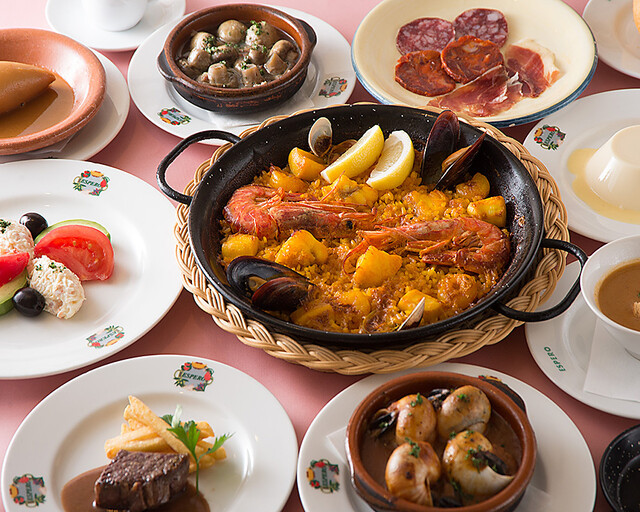
Ginza’s basement dining rooms have their own rhythm: staircases below polished storefronts, rooms away from street glare, and a shift from retail footfall to glassware, conversation, and service hum. Spanish restaurants here sit in a useful middle lane: less ceremonial than omakase counters, less formal than luxury French rooms, and more wine-oriented than casual yoshoku. Spain Restaurant Ginza Espero is a Ginza 5-chome Spanish, bistro, and wine-bar address whose value lies in atmosphere as much as category.
The recognition matters because Tokyo’s Spanish category is no longer a novelty import. The city has absorbed tapas bars, paella specialists, modern Iberian tasting rooms, and hybrid wine bars into its dining vocabulary. A 2026 Tabelog 100 selection for Spanish cuisine places Spain Restaurant Ginza Espero on a national shortlist for the genre, not just among neighbourhood conveniences. Its Tabelog score of 3.56 also reads differently in Tokyo: the platform’s scoring culture is conservative, and mid-three scores can signal serious local traction rather than casual approval.
Ginza Spanish dining without the ceremony of the counter
Ginza’s restaurant identity is often framed through scarcity: small sushi counters, tempura rooms with narrow booking windows, and kappo addresses where price and ritual climb together. Spanish dining works differently. The table, not the counter, drives the format; wine carries social weight; and sharing dishes changes the meal’s tempo. That makes the category useful in Ginza, where not every serious dinner needs a hushed sequence of chef-to-guest service.
Espero’s 50-seat scale is part of the point. In a district where eight-seat and ten-seat rooms shape many prestige narratives, a larger dining room changes the use case. It can handle families, small groups, and longer dinners without turning the meal into performance. The restaurant is non-smoking, children are welcome, and private rooms are unavailable, all pointing to an open dining-room model rather than a closed salon. For travellers building a Tokyo itinerary around different dining moods, that matters as much as cuisine.
The Ginza comparison set is dense. Shokuzen Abe represents a Japanese high-spend lane, Ginza Katsukami puts tonkatsu into a focused specialist format, Nanachome Kyoboshi anchors tempura tradition, and amarantos signals the French end of the district’s premium spectrum. Against that mix, a Spanish wine-bar and bistro offers a less scripted evening. It is not competing with the knife-edge minimalism of counter dining; it gives the neighbourhood another register, built around conversation, seafood emphasis, wine, and a broader table.
Fish, wine, and the Tokyo reading of Spanish food
Spanish cooking in Tokyo often succeeds when it respects two forces: Iberian structure and Japanese ingredient expectation. The category notes are telling: Spanish, bistro, wine bar, with stated attention to fish and wine. That fits Ginza, where diners expect precision from seafood restaurants even outside Japanese genres. The result is less an import of Spain wholesale than a translation of Spanish dining for a Tokyo audience used to clean sourcing, measured seasoning, and disciplined service.
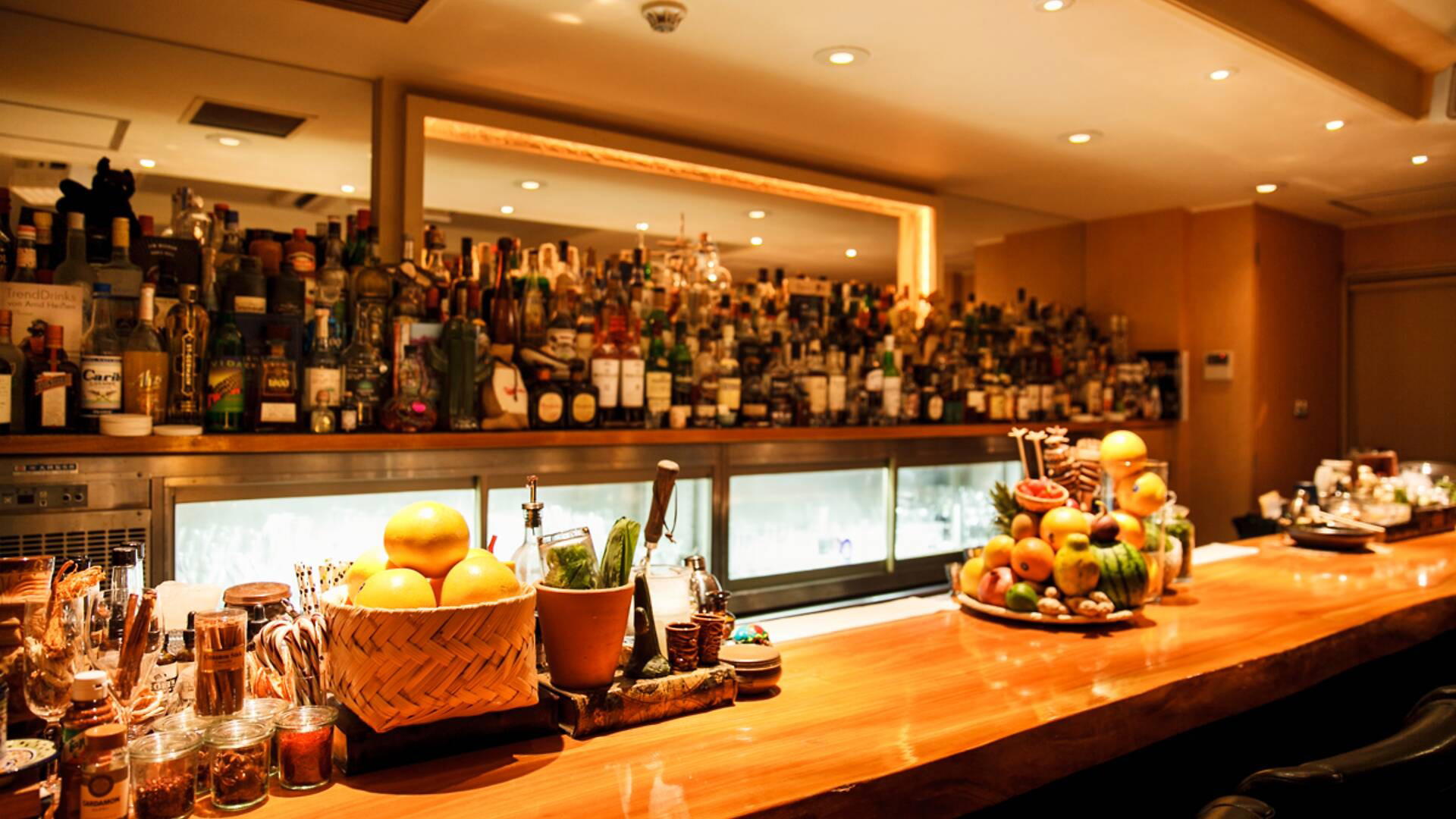
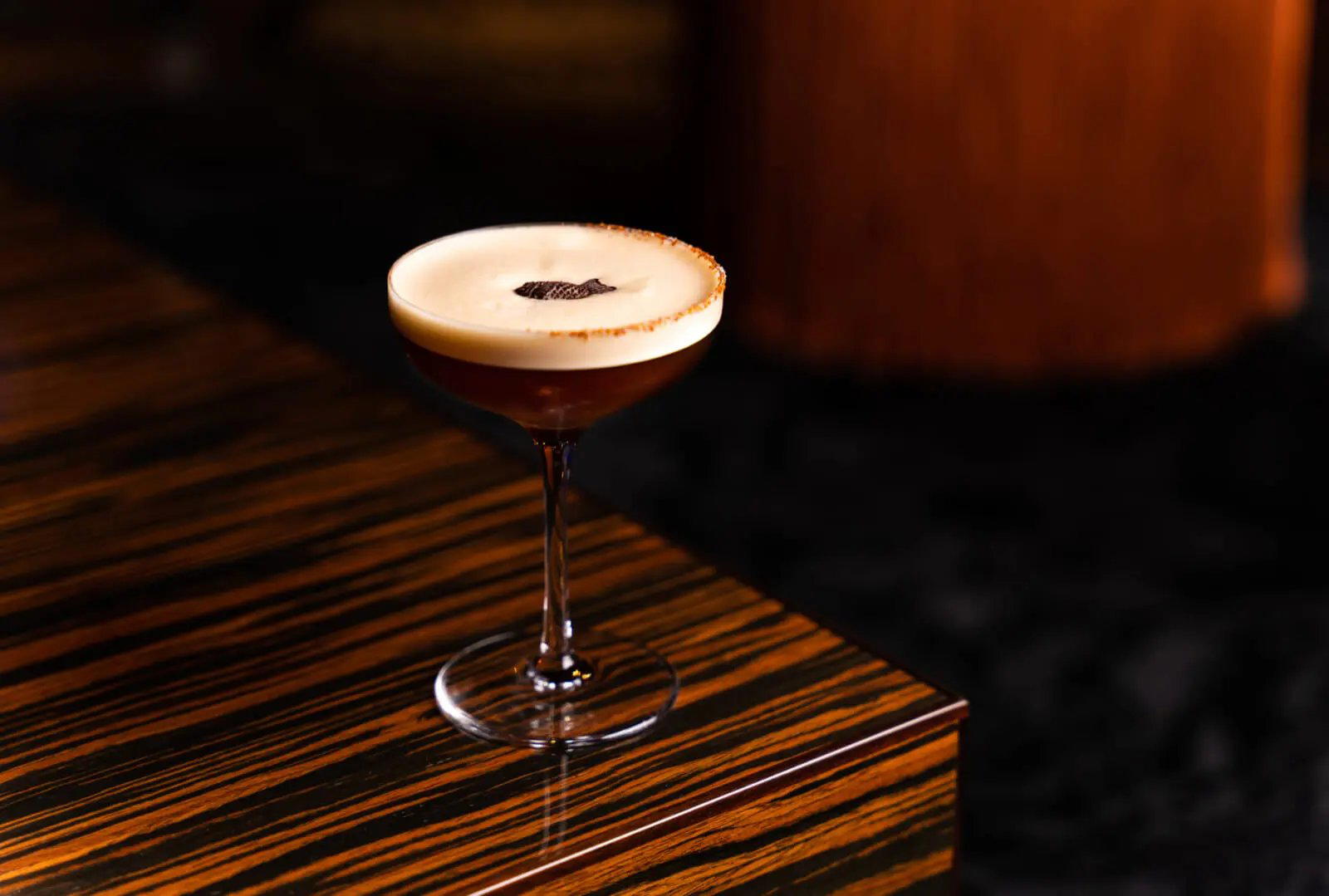
The wine-bar component gives the restaurant a clearer role than a generic European room. Tokyo is increasingly comfortable with European regional cooking when the bottle list is not an accessory. In Spanish dining, wine changes pacing: small plates can lead into larger shared dishes, lunch can stay compact, and dinner can stretch without the rigidity of a fixed tasting format. Cocktails are listed, but the stronger editorial signal is wine, aligning the room with Ginza’s after-work and group-dinner culture.
There is a long-running side to the story. The public description notes more than 60 years in business and a renovation in 2020, while the current opening date is listed as March 30, 2020. In Tokyo restaurant terms, that suggests continuity under a refreshed format: an older Spanish presence adapted to contemporary Ginza expectations. The renovation timing also matters: restaurants reopening or resetting around 2020 faced a changed city, altered dining habits, and a sharper distinction between destination meals and flexible neighbourhood rooms.
Where it fits in a Tokyo dining plan
For visitors, this is a useful Ginza alternative when the itinerary already includes Japanese specialist dining. A trip built around tempura, sushi, ramen, and kappo can become repetitive in structure even when the cooking differs. A Spanish table breaks that pattern without abandoning the standards that make Tokyo dining compelling. The price band also sits below the district’s luxury tasting rooms, making it easier to place between higher-spend meals without turning the evening into a compromise.
Lunch and dinner pricing point to two uses. Lunch sits in the everyday Ginza bracket, while dinner moves into a moderate special-occasion band rather than the rarefied zone. Payment details also shape planning: cards are generally accepted, electronic money is accepted, QR code payments are not, and lunch is noted as unavailable for card payment. These are not glamorous details, but they are exactly the Tokyo logistics that can decide whether a meal feels smooth.
Nearby and citywide EP Club options range from . 鮪と炭火焼き うお炭 秋葉原店, 12/10 Shinjuku ten, 124. KAGURAZAKA (Yakitori), 2D Cafe, and 3 Chome no Curry Ya San to travel-linked comparisons such as -Grilled beef Sukiyaki- KAMAKURA TANUKIAN 鎌倉 たぬき庵 in Kamakura.cafe in Osaka.know in Kumamoto, (Shoku) Vietnam in Kawasaki, [Curry Senmon Ten] Maruyama Kyoju. in Sapporo, [ki:] in Kyoto, Jōdo Saké Bar in Los Angeles, and Onigiri Time in Pasadena. For the rest of the trip architecture, keep Our full Tokyo hotels guide, Our full Tokyo bars guide, Our full Tokyo wineries guide, and Our full Tokyo experiences guide close at hand.
The editorial read is simple: this is not the Ginza of hushed counters and trophy reservations. It is the district in a more conversational key, Spanish cooking filtered through Tokyo’s expectations for seafood, wine, clean service, and reliable pacing. The Tabelog 100 selection gives it a credible reason to be on the radar; the format gives it a practical reason to be used.
Where It Fits
Comparable venues to anchor price and recognition.
| Venue | Cuisine | Price | Notes |
|---|---|---|---|
| Spain Restaurant Ginza EsperoThis venue — the venue you are viewing | Traditional Spanish restaurant specializing in paella | $$ | Not listed |
| EL BUEY | Spanish bar with charcoal-grilled Wagyu | $$$ | Shinjuku |
| Mon-Rico | Spanish restaurant with Japanese seasonal ingredients | $$ | Minato |
| FERMINTXO | Seasonal Spanish Wine Restaurant | $$$ | Minato |
| Fonda Sant Jordi | Authentic Catalan Spanish Restaurant & Wine Bar | $$$ | Shibuya |
| GinaGina | Modern Spanish Fusion | $$$ | Minato |
Recognition history
Dated appearances from independent guides and award organizations, with the underlying list record or original source where available.
Tabelog 100 #76 · No. 76
Tabelog · Tabelog 100 - Spanish cuisine - 2026







At a Glance
- Cozy
- Lively
- Classic
- Group Dining
- After Work
- Casual Hangout
- Family
- Date Night
- Celebration
- Standalone
- Extensive Wine List
- Sustainable Seafood
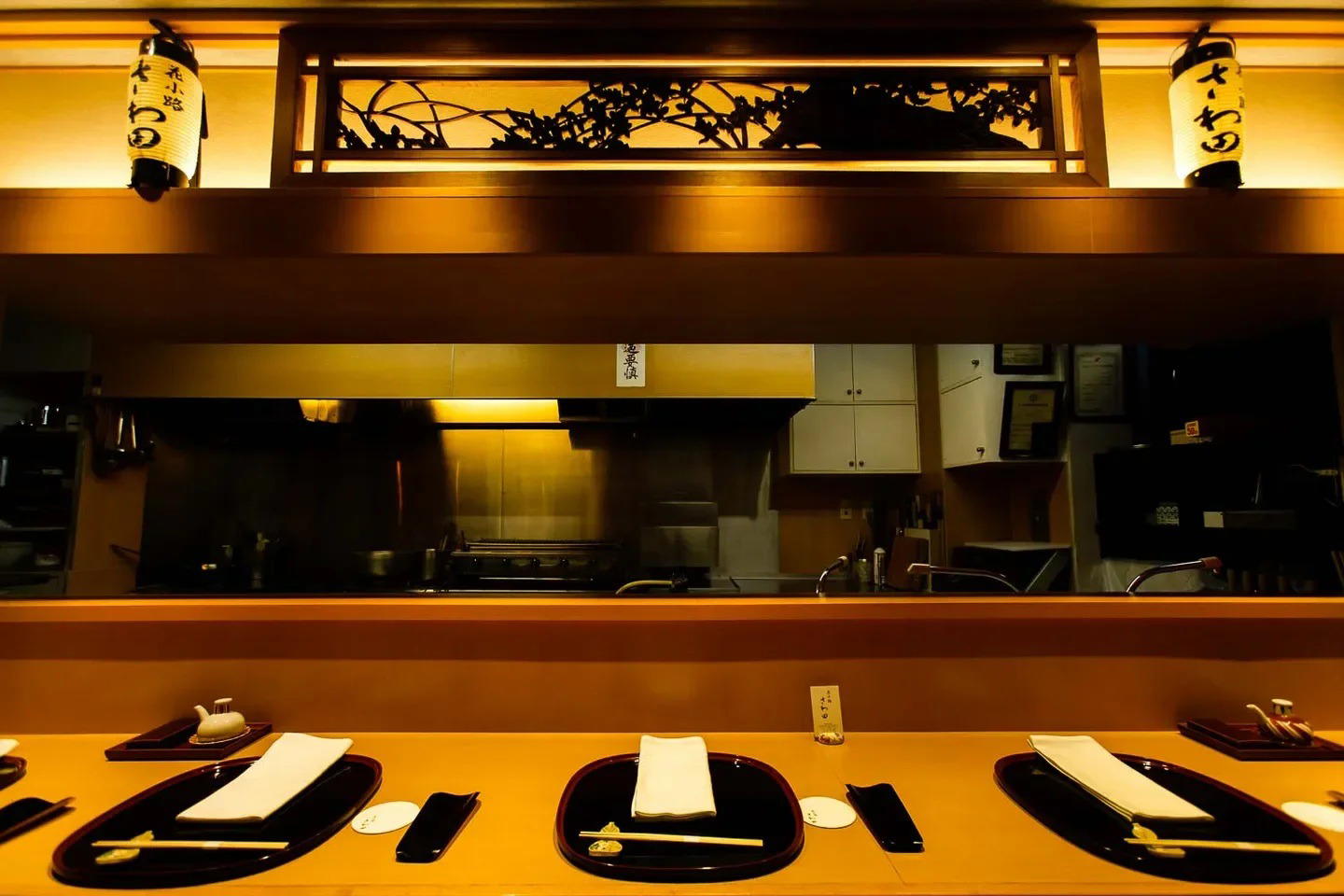
Warm, colorful, classic Spanish bistro atmosphere in a basement Ginza space, with a lively, casual feel suited to relaxed meals and group gatherings rather than formal fine dining.