
Spain Bar Girona places Spanish bar cooking inside Tokyo’s small-format dining culture rather than treating it as imported theatre. The Nishigotanda room is compact, wine-led, and recognized in Tabelog’s Spanish Cuisine 100 for 2026, making it a useful address for diners weighing substance, spend, and atmosphere in a city where European restaurants can swing from casual counters to formal tasting rooms.
Pearl is the En Primeur Club membership app — saves, bookings, and concierge access live there. Same editors, same standards.
- Address
- 東京都品川区西五反田8-2-12
- Phone
- +81334950762
- Website
- tabelog.com
 Saves & bookings on Pearl
Nishigotanda shifts quickly after the commuter flow around Gotanda: office blocks, small restaurants, and side-street drinking rooms replace central Tokyo’s polished dining corridors. Here, a Spanish bar format makes sense. It needs no grand staging, only a room small enough for pace, wine near the center of the meal, and cooking that holds attention without becoming a long-form tasting menu.
Tokyo has absorbed Spanish dining in two broad modes: polished restaurants built around courses and chef-led menus, and bars where wine, shared plates, and a looser rhythm matter more than ceremony. Spain Bar Girona sits closer to the second camp, which matters for value. The point is not to compare it with Ginza-level European dining, but with the city’s stronger neighborhood counters and small rooms, where spend must translate into a complete evening rather than one prestige signal.
A Spanish bar format that fits Tokyo's small-room dining culture
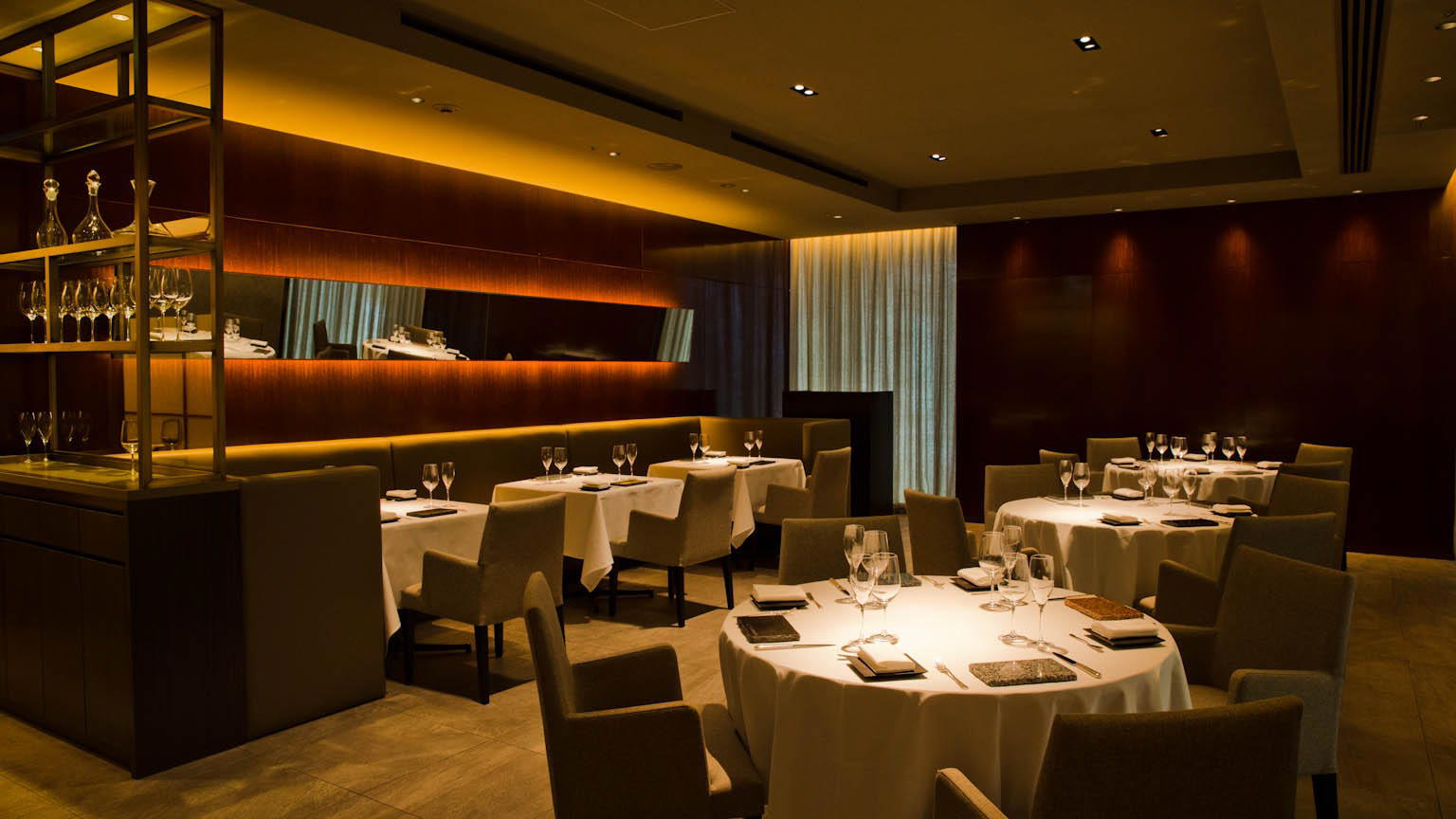
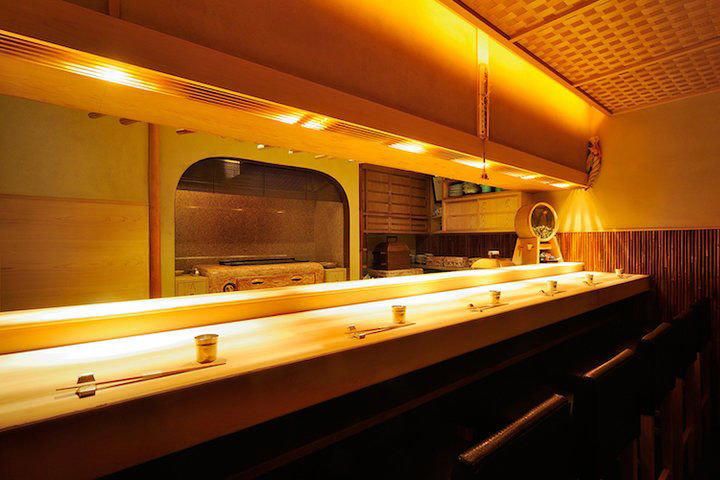
The Spanish baru category works in Tokyo because it matches habits the city already understands: counter seating, compact service, short decision cycles, and food that moves between proper dinner and wine-led night out. The format rewards discipline over decoration. Counter seats and a handful of tables create a different contract than a large brasserie, putting pressure on pacing, drink selection, and making the room feel social without becoming slack.
Recognition by Tabelog’s Spanish Cuisine 100 in 2026 gives the address a useful external signal in an uneven category. Spanish restaurants in Tokyo often struggle when they chase postcard Spain or generic European comfort. Stronger examples understand that Tokyo diners are not looking for imitation alone; they want precision, portion logic, and a wine program that structures the meal. The bar format helps: casual in posture, serious about sequence and product.
The location also shapes the experience. Nishigotanda is not a destination dining district like Ginza, Ebisu, or Aoyama, which keeps expectations grounded. The area favors restaurants serving regulars, nearby workers, and diners willing to move a stop or two for a room with identity. Spain Bar Girona reads as part of Tokyo’s deeper restaurant map, rewarding people who look beyond the obvious neighborhoods.
Value here is measured in format, recognition, and wine focus
Value in Tokyo is rarely just low cost. It is what the diner receives for the commitment: seating intimacy, category credibility, flexibility, and enough personality to justify leaving the train-line default. The Spanish bar model suits that equation because it avoids formal dining-room overhead while giving wine and shared plates room to define the night.
The Tabelog 100 selection matters because it places the restaurant inside a narrower Spanish category rather than a broad popularity contest. It is not a Michelin star and should not be read as one. It does indicate that the restaurant has cleared a category-specific benchmark in a city where Spanish cooking competes with sushi counters, yakitori rooms, ramen shops, curry specialists, French restaurants, and izakaya culture. For a Tokyo itinerary, that is practical: the address has enough recognition to be taken seriously, while the format stays more flexible than a high-ceremony meal.
Comparison clarifies the choice. Koko ni Motodaka and Tori Ryori Fuji occupy a similar dinner-spend bracket in Tokyo but point to different priorities: one toward a more structured Japanese meal, the other toward poultry-focused cooking. Curry no Mise Udon, Swastika, and Tokyo Doujiang Seikatsu sit in lower daytime or casual categories, where value is speed, specialization, and repeatability. Spain Bar Girona belongs to the middle ground where the evening is the unit of value. The question is not whether it replaces a sushi counter or ramen stop, but whether a wine-led Spanish bar deserves a slot in a Tokyo dining week otherwise dominated by Japanese formats.
The answer depends on the itinerary. For a first-time visitor covering Tokyo’s defining genres, Spanish dining may not be the anchor meal. For repeat visitors, residents, or travelers balancing several Japanese meals with a different kind of room, it becomes more persuasive. Compact scale, category recognition, and wine emphasis create a useful alternative to another formal counter or tasting sequence.
How to place it in a Tokyo dining plan
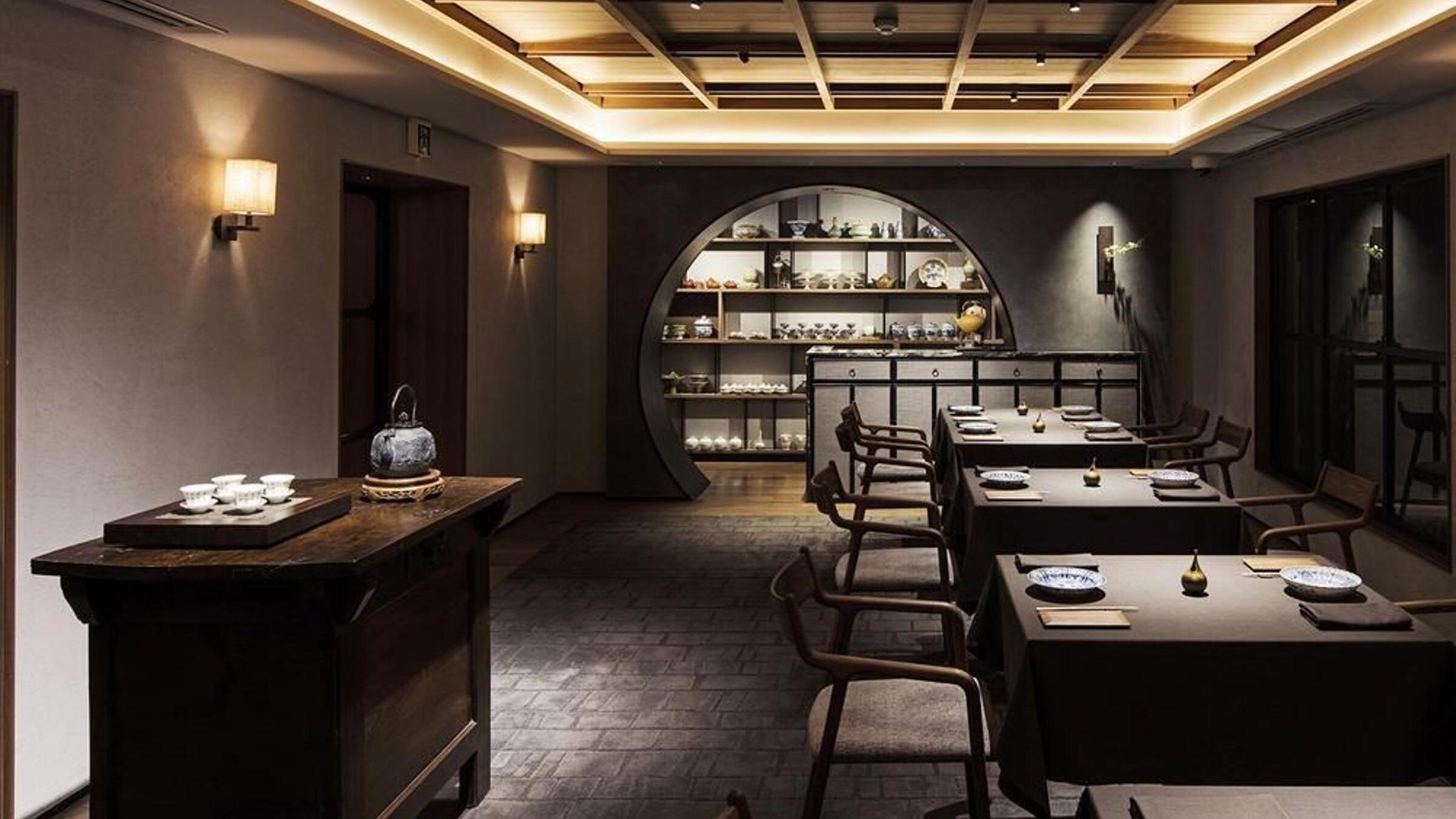
The strongest use case is an evening that should feel composed but not ceremonial. Dates and small groups fit better than large-party dining, and the room’s size favors advance planning over casual drift. The lack of private rooms matters: this is a shared-room experience, closer to a neighborhood bar-restaurant than a sealed-off occasion venue.
It also works as a counterpoint within a broader Tokyo itinerary. A day built around Akihabara might lean toward casual seafood and grill cooking at . 鮪と炭火焼き うお炭 秋葉原店, while Shinjuku can push toward theatrical urban dining at 12/10 Shinjuku ten. For skewers, 124. KAGURAZAKA (Yakitori) frames another small-format Japanese tradition, and 3 Chome no Curry Ya San shows how Tokyo treats specialization at a different price tier. Even 2D Cafe, with its visual concept, underlines how varied the city’s casual restaurant vocabulary has become.
For wider planning, Our full Tokyo restaurants guide is the natural starting point, with Our full Tokyo hotels guide, Our full Tokyo bars guide, Our full Tokyo wineries guide, and Our full Tokyo experiences guide rounding out the trip. Travelers extending beyond Tokyo can compare compact dining through -Grilled beef Sukiyaki- KAMAKURA TANUKIAN 鎌倉 たぬき庵 in Kamakura.cafe in Osaka.know in Kumamoto, (Shoku) Vietnam in Kawasaki, [Curry Senmon Ten] Maruyama Kyoju. in Sapporo, [ki:] in Kyoto, Jōdo Saké Bar in Los Angeles, and Onigiri Time in Pasadena.
The editorial case is clear: this is not the grand Spanish meal for travelers chasing maximum ceremony. It is a Tokyo-scaled Spanish bar with category recognition, a compact room, and a wine-forward identity. In a city where value often hides in format rather than spectacle, that is the reason to pay attention.
Nearby-ish Comparables
Comparable venues to anchor price and recognition.
| Venue | Cuisine | Price | Notes |
|---|---|---|---|
| Spain Bar Girona | Spanish Bar / Tapas | $$ | Shinagawa |
| Spain Restaurant Ginza Espero | Traditional Spanish restaurant specializing in paella | $$ | Chūō |
| Mallorca | Spanish café-restaurant & bakery | $$ | Setagaya |
| Shirogane Baru | Spanish Tapas & Wine Bar | $$$ | Shibuya |
| Tengoku | Retro Japanese Cafe | $$ | Asakusa |
| らぁめん家 69'N' ROLL ONE 赤坂本店 | Chicken Clear Soy Ramen | $$ | Akasaka |
Recognition history
Dated appearances from independent guides and award organizations, with the underlying list record or original source where available.
Tabelog 100 #50 · No. 50
Tabelog · Tabelog 100 - Spanish cuisine - 2026









At a Glance
- Cozy
- Classic
- Intimate
- Date Night
- Group Dining
- Casual Hangout
- Special Occasion
- Standalone
- Extensive Wine List
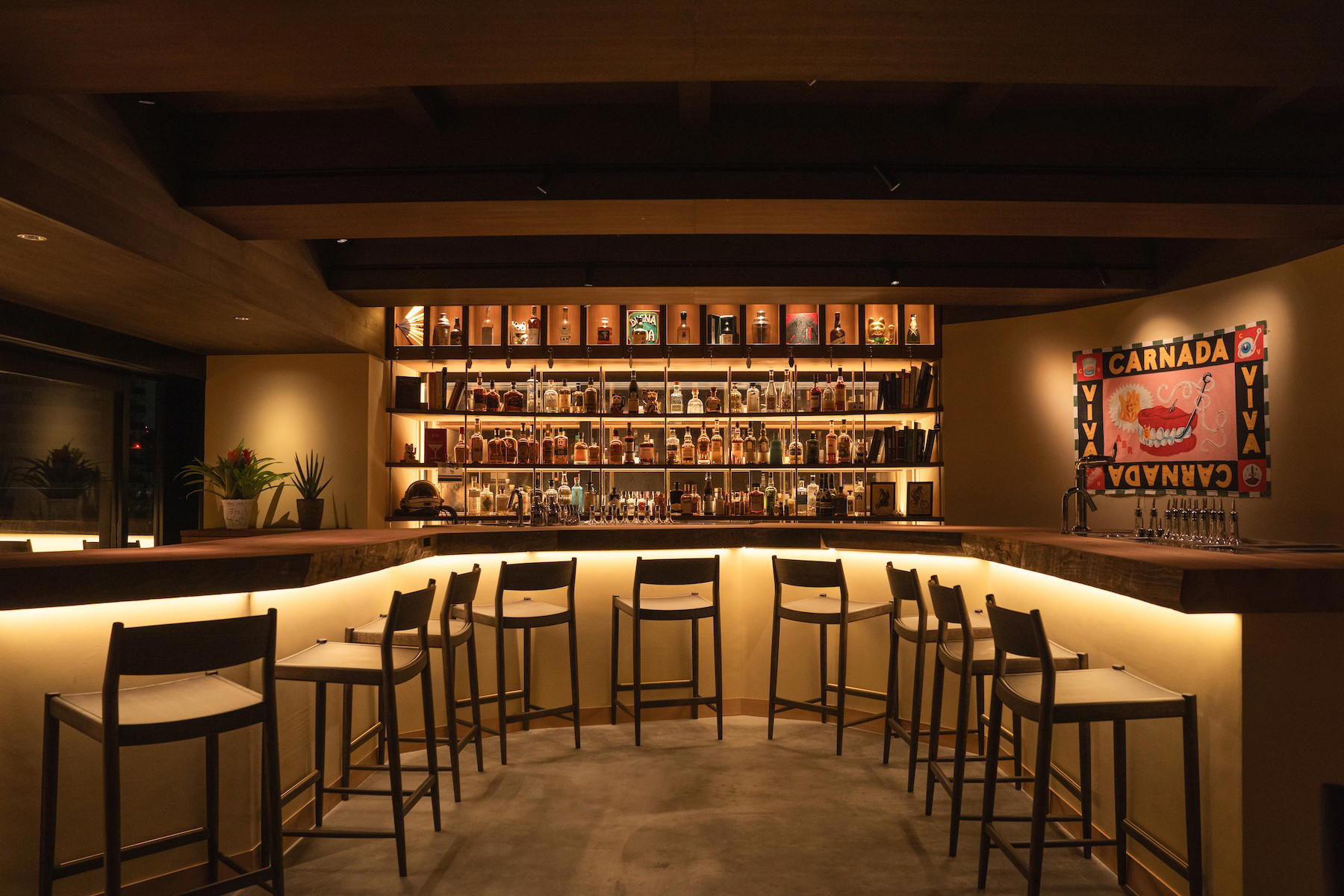
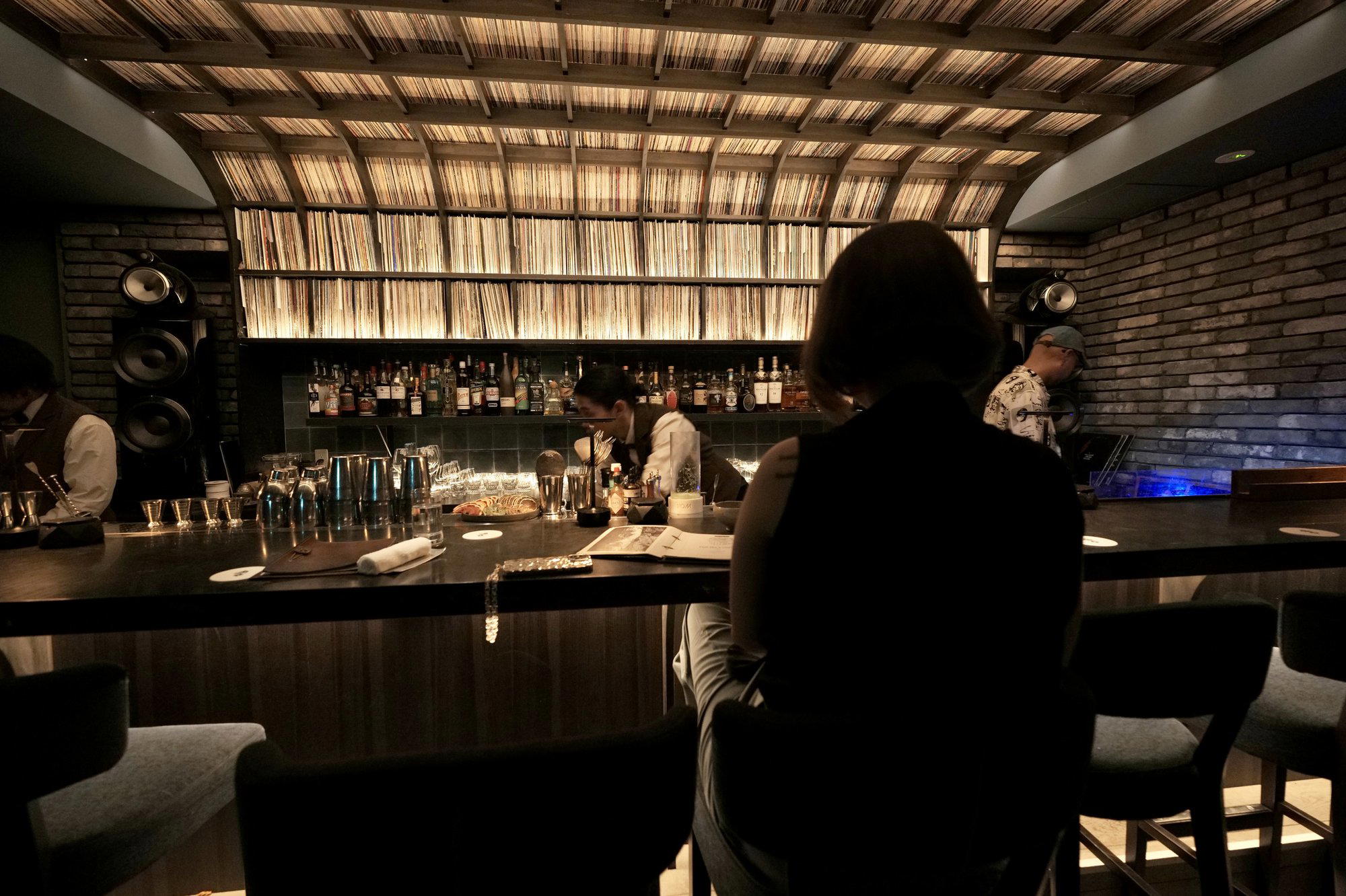
A stylish, intimate neighborhood Spanish bar with counter seating and a lively-but-contained, reservation-driven feel.