Seoul Garden on Knesebeckstraße sits in Berlin's Charlottenburg district, where Korean dining in Germany has quietly developed its own register distinct from the capital's more celebrated Asian restaurant circuit. The address places it within walking distance of the city's western cultural corridor, drawing a neighbourhood crowd that returns for consistency rather than spectacle.
 Discover on Pearl
Pearl is the En Primeur Club membership app — saves, bookings, and concierge access live there. Same editors, same standards.
- Address
- Knesebeckstraße 16, 10623 Berlin, Germany
- Phone
- +49 30 62731322
- Website
- linktr.ee
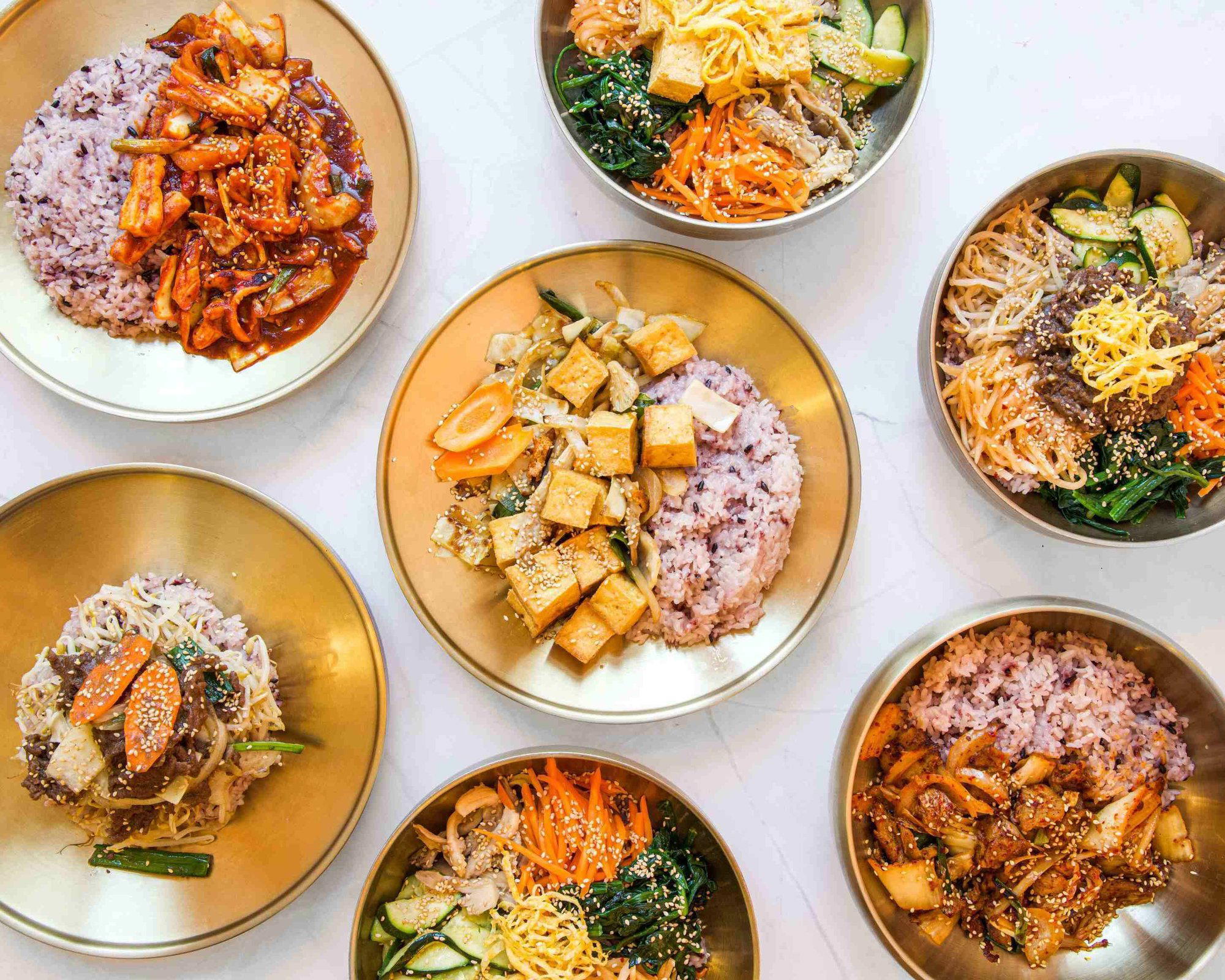
Korean Dining in Berlin's Western Quarter
Berlin's Korean restaurant scene has historically concentrated in the areas around Wilmersdorf and Charlottenburg, a westward gravity that predates the city's post-reunification restaurant explosion and reflects the settlement patterns of the Korean community that arrived in West Berlin from the 1960s onward. Knesebeckstraße 16 sits at the edge of this corridor, in a stretch of Charlottenburg that runs between the commercial density of Ku'damm and the quieter residential grid further north. The street itself is lined with independent operators rather than chains, and the rhythm of the neighbourhood rewards the kind of dining that doesn't announce itself loudly.
Korean cuisine in Germany occupies a different position than it does in cities with larger Korean diaspora populations. London and New York have both seen Korean food move through several generational shifts, from community canteens to mainstream casual to the current moment of fine-dining formats, venues like Atomix in New York City have repositioned Korean technique at the highest tier of the international restaurant conversation. Berlin's Korean dining has followed a slower arc, with the emphasis remaining on everyday cooking rather than tasting-menu ambition, which means that neighbourhood spots in Charlottenburg carry a different kind of authority: the authority of consistency over years, and of cooking that answers to a regular clientele rather than to a critic's calendar.
The Broader Berlin Fine Dining Context
To understand where Seoul Garden sits, it helps to map the wider Berlin restaurant grid. The city's recognised fine dining operates in a tight cluster of addresses, most of them running contemporary European or creative formats with strong Michelin representation. Rutz has built its reputation on modern European cooking with a wine program that draws serious collector attention. Nobelhart & Schmutzig applies a strict regional sourcing framework that has made it one of the most discussed addresses in contemporary German gastronomy. CODA Dessert Dining occupies its own category entirely, running a format that treats dessert as a full tasting architecture. FACIL and Restaurant Tim Raue complete the upper bracket, with Tim Raue's Chinese-inflected menu being the closest parallel in the city to Korean-influenced thinking at a high price point.
It belongs to a different layer of the city's dining fabric, one that German and international food coverage tends to pass over in favour of the Michelin-starred addresses. That omission is partly structural: Korean neighbourhood restaurants rarely generate the kind of press cycle that earns editorial real estate in international publications, regardless of the quality of the cooking. The same pattern holds across Germany's fine dining circuit, where the spotlight follows European formats and the wine-driven tasting menus of destinations like Aqua in Wolfsburg, Schwarzwaldstube in Baiersbronn, or Waldhotel Sonnora in Dreis.
What the Address Signals
Knesebeckstraße connects Savignyplatz to the south with Hardenbergstraße near the Technical University to the north. The immediate vicinity has a well-established cafe and restaurant culture, with a customer base that skews toward academics, gallery visitors, and longer-term Charlottenburg residents rather than the transient tourism that drives trade around Hackescher Markt or Prenzlauer Berg. An address in this stretch implies a dining room that earns its patronage through repeat visits rather than destination traffic, which shapes everything from the cooking register to the likely approach to the menu.
For Korean cooking specifically, Charlottenburg's customer profile tends to support the more everyday end of the cuisine: bibimbap, jjigae, galbi, and the full spread of banchan that frames any serious Korean meal. These are dishes that lose their point when executed only adequately and gain real authority when a kitchen has been making them for years for people who know what they should taste like. That kind of local accountability is, in its own way, a more demanding standard than a tasting menu reviewed once a year by a critic passing through.
Korean Beverage Culture and the Wine Question
Traditional Korean dining aligns with soju, makgeolli, and beer rather than with a curated cellar, and most Korean restaurants in Germany reflect that orientation. The wine programs at the upper tier of Berlin's dining scene, where sommeliers at addresses like Rutz spend years building lists with serious German Riesling depth and French cellar breadth, represent a different hospitality philosophy entirely.
This is not a criticism of Korean dining in Berlin; it is a description of how beverage culture maps onto cuisine tradition. Korean food, with its fermented, spicy, and umami-forward profiles, does pair well with certain wine styles, particularly lower-alcohol whites with residual acidity and skin-contact wines that can match fermented intensity. Seoul Garden is best approached as a casual Korean neighborhood restaurant, with pricing and service aligned to that setting. What the broader pattern suggests is that the beverage interest at Seoul Garden is more likely to run through Korean drinks traditions than through a European cellar program, and visitors planning around wine should calibrate expectations accordingly or use the meal as an opportunity to engage with soju and makgeolli on their own terms.
For the most wine-forward experiences in Germany, the relevant addresses are in different cities and contexts: Schanz in Piesport sits inside Moselle wine country and builds its dining around that regional identity. Victor's Fine Dining by Christian Bau in Perl operates at the French border with a cellar depth that reflects that geography. Vendôme in Bergisch Gladbach and JAN in Munich represent the Michelin-starred tier in western and southern Germany respectively, with wine programs that match their kitchen ambition. Bagatelle in Trier and Restaurant Haerlin in Hamburg round out the German fine dining circuit for readers whose primary interest is cellar depth and sommelier-led service. ES:SENZ in Grassau is worth noting for its Alpine setting combined with serious culinary credentials. Internationally, Le Bernardin in New York City remains the reference point for wine integration at the highest level of a seafood-focused kitchen.
Planning a Visit
Seoul Garden is located at Knesebeckstraße 16, 10623 Berlin, in the Charlottenburg district. The closest S-Bahn access is Savignyplatz, a short walk south along the street. Reservations: Walk-in friendly. Budget: About $20 per person. Dress: Casual.
Category Peers
Comparable venues nearby, for context on price, style, and recognition.
| Venue | Cuisine | Price | Awards | Notes |
|---|---|---|---|---|
| Seoul gardenThis venue — the venue you are viewing | Korean | $$ | , | |
| AIGO Korean Food Kreuzberg | Korean Comfort Food | $$ | , | Kreuzberg |
| Ngo Kim Pak | Modern Korean Street Food Fusion | $$ | , | Charlottenburg |
| Coréen Restaurant Berlin | Modern Korean | $$$ | , | Mitte |
| Krunsch Arepas | Authentic Venezuelan Arepas | $$ | , | Tiergarten |
| Café Tschüsch | Vegetarian Indian Café | $$ | , | Neukolln |

At a Glance
- Cozy
- Casual Hangout
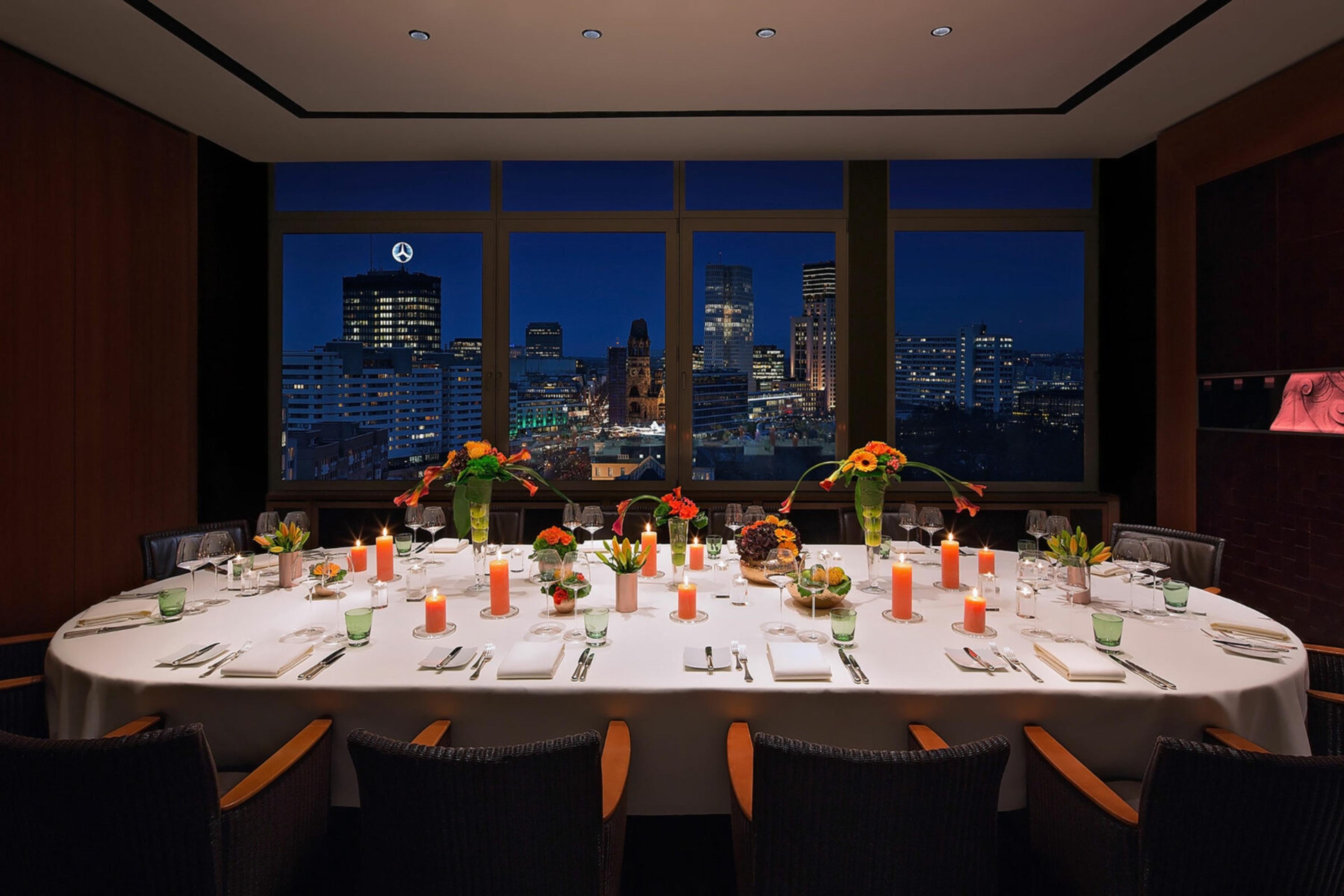
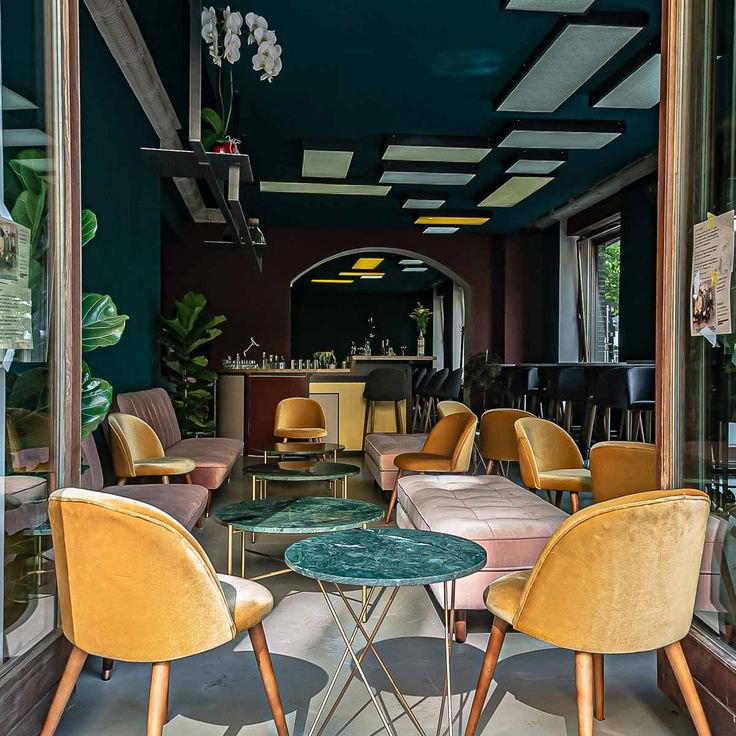
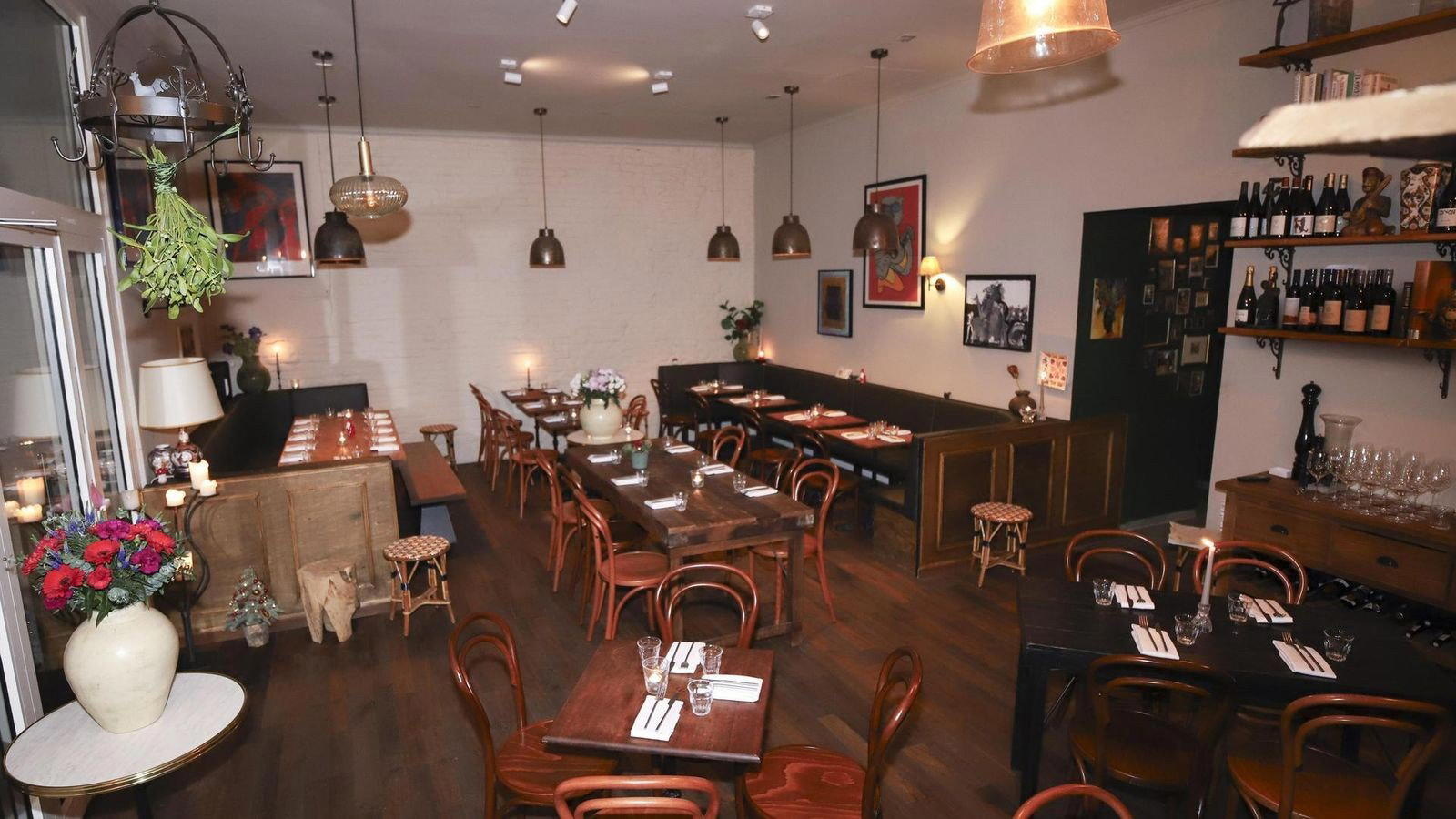
Informal and cozy atmosphere suitable for casual dining.