Star Wine List
Our verdict
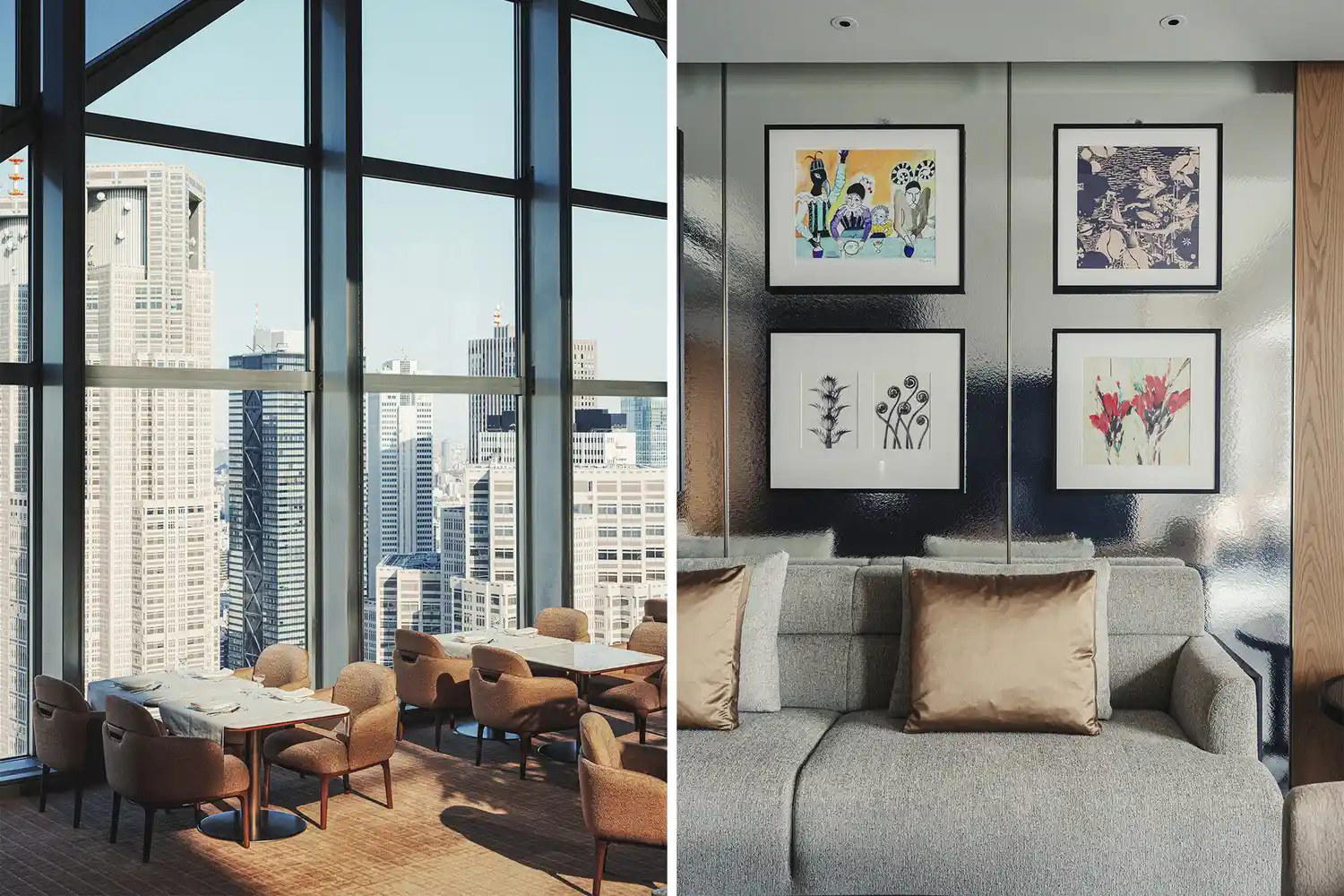
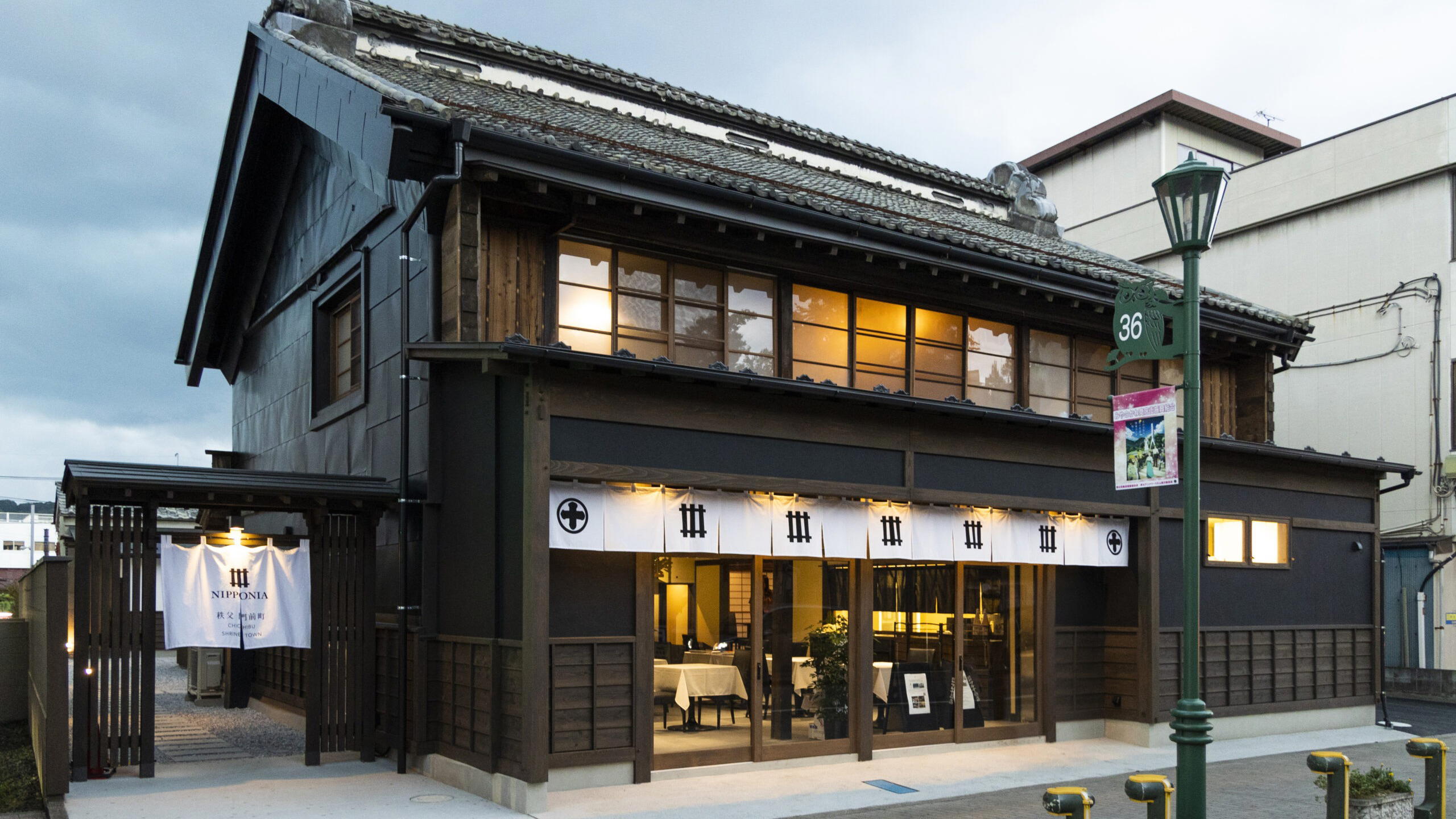
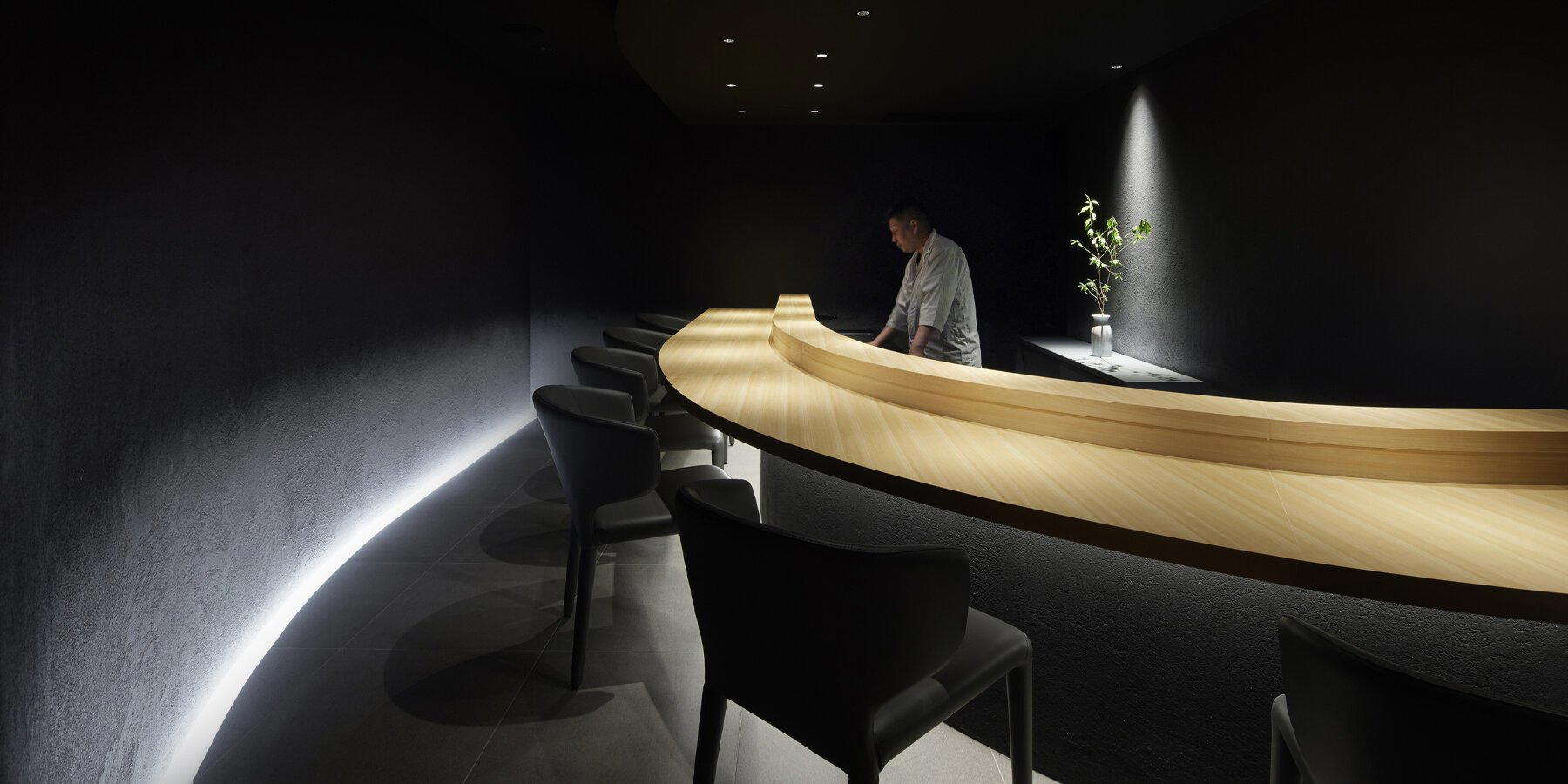
Senju sits in Tachikawa, west of central Tokyo, and makes a case that genuine farm-to-table cooking in the city requires leaving the city. Where the dense wards have no room to grow anything, this western satellite has space, suppliers, and a dining format built around what arrives from local farms rather than what any fixed menu demands.

Pearl is the En Primeur Club membership app — saves, bookings, and concierge access live there. Same editors, same standards.
- Address
- 3-chōme-4-3 Akebonochō, Tachikawa
- Phone
- +81 42-529-6787
- Website
- xn--mkrw27e.com
- Directions
- Get directions
- Booking
- Book on the venue's website
West of the Centre, by Design
Most of Tokyo's celebrated dining sits within a tight corridor: Ginza, Minami-Aoyama, Nishi-Azabu, with occasional satellites in Shibuya or Shinjuku. The Chuo line out to Tachikawa, roughly 40 minutes from Shinjuku station, represents a different kind of eating geography. As the city's density thins and pocket farmland becomes possible again, a quieter category of restaurant has taken root — one where the supply chain runs shorter, the surroundings change with the season, and the kitchen's identity is shaped by what local growers can actually provide rather than by the prestige dynamics of central-ward competition. Senju, located in Tachikawa's Akebonochō district, positions itself squarely within that logic. The address itself is part of the argument.
The Setting: What the Distance Signals
Arriving at Senju, the context you leave behind in central Tokyo matters as much as what you find at the table. The high-volume omakase counters of Ginza — places like Harutaka, or the deeply finessed tasting menus of Nishi-Azabu, exemplified by L'Effervescence and Sézanne, operate under the specific pressures of premium urban real estate: high fixed costs, international clientele expectations, and the gravitational pull of Michelin scrutiny. Tachikawa does not carry that pressure in the same register. A restaurant here can calibrate its rhythm to something more contingent, what the season offers, what the week's delivery brought, what a smaller and more local guest base actually wants to eat.
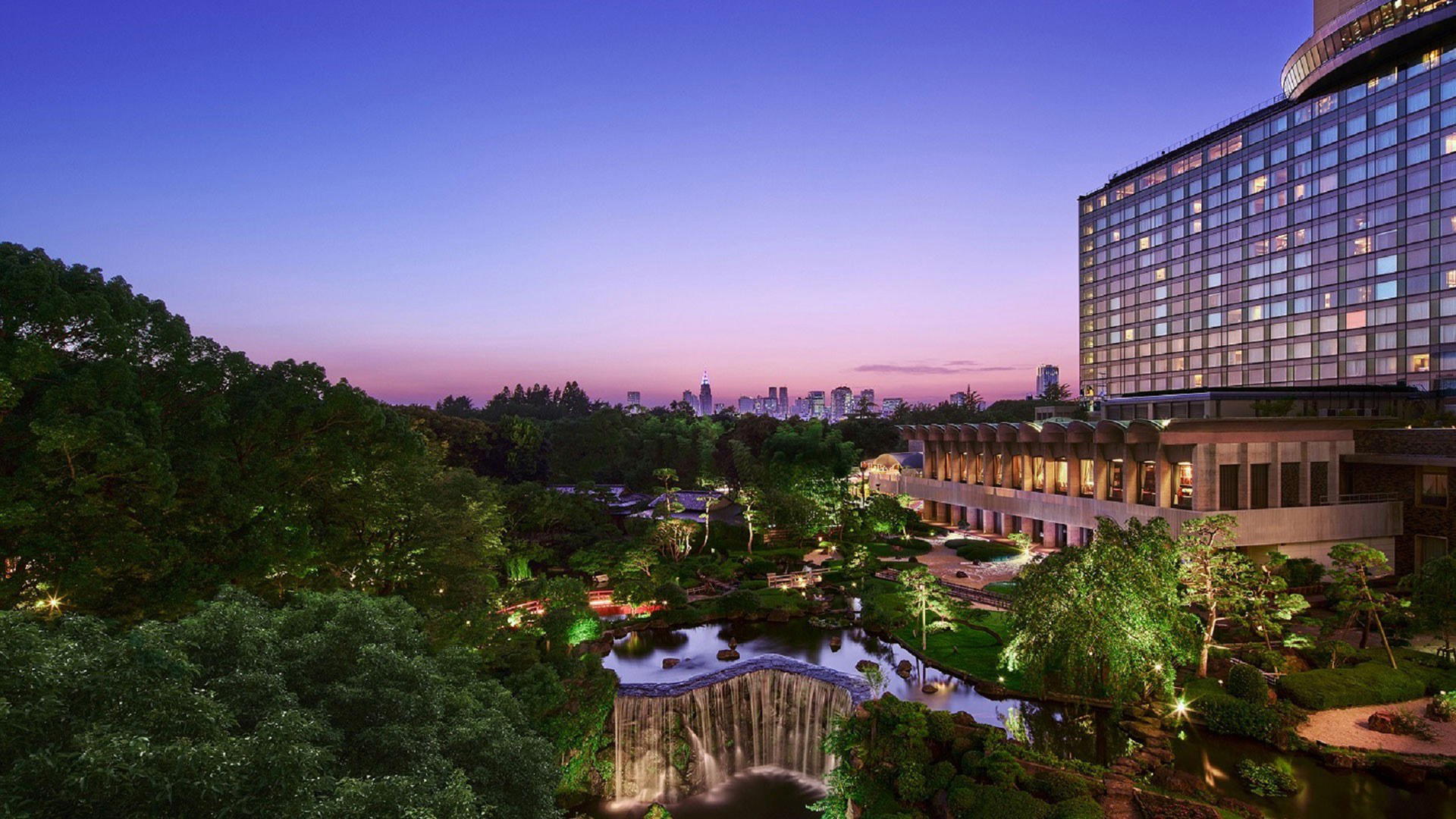
That shift in register is sensory before it is conceptual. Western Tokyo's cityscape opens up around Tachikawa in a way that central wards simply do not permit. The approach to Akebonochō lacks the compressed verticality of Ginza or the boutique-block density of Daikanyama. There is more light, more ambient quiet, and a stronger sense that what happens inside the restaurant reflects what is growing outside it, seasonally, locally, and without the intermediation of the Tsukiji supply chain that many high-end central kitchens still depend upon.
The Farm-to-Table Frame in a Tokyo Context
Farm-to-table as a restaurant format carries different weight in Japan than it does in, say, California or Scandinavia. Japanese cuisine's foundational respect for seasonal produce, the concept of shun, eating ingredients at their precise peak, means that the philosophy is not imported or fashionable here; it is structural to how traditional cooking has always worked. What changes with a genuinely local supply chain in a city like Tokyo is the specificity of provenance. Prefectures adjacent to the capital, Saitama, Kanagawa, Yamanashi, grow vegetables, raise livestock, and produce rice that rarely surfaces in central Tokyo's fine-dining ecosystem, simply because logistics and prestige dynamics favour more famous origins.
Senju's position in Tachikawa, close to those western prefectural borders, makes direct sourcing from smaller regional producers plausible in a way that a Ginza kitchen address would not. It places the restaurant in a small but meaningful peer category: Tokyo addresses where geography is not incidental to the cooking but is, in fact, the premise. For comparison, this kind of regional-produce commitment at a fine-dining level is more commonly found outside Tokyo entirely, at places like Gion Sasaki in Kyoto, akordu in Nara, or giueme in Akita, where the restaurants exist because the ingredients are there first, and the dining destination follows.
Seasonal Timing and What It Means Here
The practical consequence of a supply chain built around local farms rather than fixed product lists is that the menu at a restaurant like Senju is genuinely contingent on timing. Tokyo's seasons are distinct and relatively compressed: spring brings bamboo shoots, mountain vegetables, and the first tender greens; summer shifts toward aubergine, corn, and the stone fruit that the Kanto plain does well; autumn delivers root vegetables and mushroom varieties that Japan's temperate forests produce in remarkable range; winter contracts toward citrus, brassicas, and the preserved and fermented items that fill the cold-weather table.
For visitors planning specifically around a dining experience of this type, the autumn window, roughly October through late November, tends to offer the most varied ingredient palette in this part of Japan. Spring, particularly April and May, runs a close second for anyone interested in how Japanese kitchens handle the brief, emphatic season of mountain forage. These are general seasonal truths about this region of Japan, not guarantees of any specific menu, but they inform the logic of planning a trip to include a restaurant operating within this framework. For broader context on when Tokyo dining is at its most interesting, our full Tokyo restaurants guide covers seasonal and neighbourhood patterns across the city.
How Senju Sits Against Its Peers
The clearest way to understand Senju's position is to place it against the two categories it is explicitly not. It is not a central-Tokyo high-end tasting menu restaurant in the mode of RyuGin or Crony, where technical ambition, international awards recognition, and premium pricing structures define the experience. Nor is it a casual neighbourhood restaurant that happens to use local produce as a minor selling point. The farm-to-table framing at this level, a destination-worthy restaurant in a non-central location, built around regional supply, represents a considered position in the Tokyo dining market, one that asks the diner to travel and rewards that willingness with a more grounded, provenance-led experience.
Comparable positioning exists across Japan's secondary cities and regional centres. HAJIME in Osaka and Goh in Fukuoka both operate with strong regional-ingredient identities at serious price points; Bleston Court Yukawatan in Nagano makes the case that mountain-adjacent sourcing can anchor a dining destination entirely. Senju, within Tokyo's own geography, makes a version of that same argument: that the most honest representation of where food comes from requires the diner to go where the land is. Internationally, restaurants like Le Bernardin in New York and Emeril's in New Orleans have each, in their own ways, demonstrated that a restaurant's geographic identity can become its defining credential over time.
Planning a Visit
Getting to Tachikawa from central Tokyo is practical rather than arduous: the JR Chuo Rapid Line runs directly from Shinjuku, with a journey time of around 40 to 45 minutes depending on the service. The address at 3-chōme-4-3 Akebonochō places the restaurant within walking distance of Tachikawa station's exits. For further Tokyo planning beyond dining, our Tokyo hotels guide, bars guide, wineries guide, and experiences guide cover the broader picture.
Frequently asked questions
Can I bring kids to Senju?
Senju's position in Tachikawa, a residential city west of central Tokyo, suggests a more relaxed neighbourhood context than the high-pressure omakase counters of Ginza or Nishi-Azabu. That said, a restaurant built around a seasonal farm-to-table format typically expects guests to follow the kitchen's pace and menu. check the venue's official channels to confirm whether younger diners are accommodated.
What kind of setting is Senju?
Senju is located in Akebonochō, Tachikawa, roughly 35 minutes west of Shinjuku on the JR Chuo Rapid Line. The address alone signals the intent: this is not a restaurant competing for the Ginza foot-traffic economy. The setting corresponds to the supply chain — produce-driven, away from the urban core, and designed around what local farms in the greater Tokyo region can actually deliver.
What distinctions does Senju have?
Senju has received recognition including: If you would like to enjoy true “local farm to table” concept in Tokyo, you need a short journey towards west, because there is no space to grow anything in the central area. In Tachikawa city, about....
What do regulars order at Senju?
Because the menu is built around local farm sourcing rather than a fixed product list, what regulars order shifts with the season. The premise of the restaurant, as described in its own framing, is that the kitchen follows what nearby farms produce rather than the reverse. Returning guests come specifically because the menu changes, not in spite of it.
Where is Senju in Tokyo?
Senju is located at 3-chōme-4-3 Akebonochō, Tachikawa, Tokyo.
How far ahead should I plan for Senju?
Specific booking lead times are not published for Senju, but the restaurant's location in Tachikawa and its farm-sourced, seasonally variable format suggest capacity is limited relative to high-volume central Tokyo venues. Given that the menu reflects what local farms supply at any given moment, visiting with a clear seasonal intention — spring produce, autumn harvests — is a reasonable approach to planning the trip.
Peers Worth Knowing
Comparable venues nearby, for context on price, style, and recognition.
| Venue | Cuisine | Price | Awards | Notes |
|---|---|---|---|---|
| SenjuThis venue — the venue you are viewing | Modern Edomae Sushi | Not listed | Star Wine List | Not listed |
| Udon Shin | Creative Fusion Udon | $20–30 | Tabelog 100 #67 | Shibuya |
| Hiroo Taishu Yakiniku Bouin Boushoku | Taishu yakiniku (Japanese BBQ) | $50–100 | Tabelog 100 #26 | Shibuya |
| YAKITORI燃es | Premium Yakitori | $50–100 | Not listed | Minato |
| Seiyo Oryouri Touyou Ken | Historic Yoshoku & Matsusaka Beef Fine Dining | $50–100 | Tabelog 100 #71 | Minato |
| Tori Sawa Roppongi | Yakitori | $100–150 | Tabelog 100 #100 | Minato |
Recognition history
Dated appearances from independent guides and award organizations, with the underlying list record or original source where available.
Star Wine List
Star Wine List