
Tabelog 100 #71
Our verdict
Seiyo Oryouri Touyou Ken sits in Tokyo’s polished yoshoku tier, where Japanese-Western cooking is treated less as nostalgia than as a formal dining language. Its Tabelog 100 Yoshoku EAST 2025 selection, wine emphasis, sommelier service, private rooms, and Akasaka-Mitsuke location place it in a business-dining bracket rather than the casual lunch-counter end of the category.

Pearl is the En Primeur Club membership app, where members save venues, book tables and use the concierge.
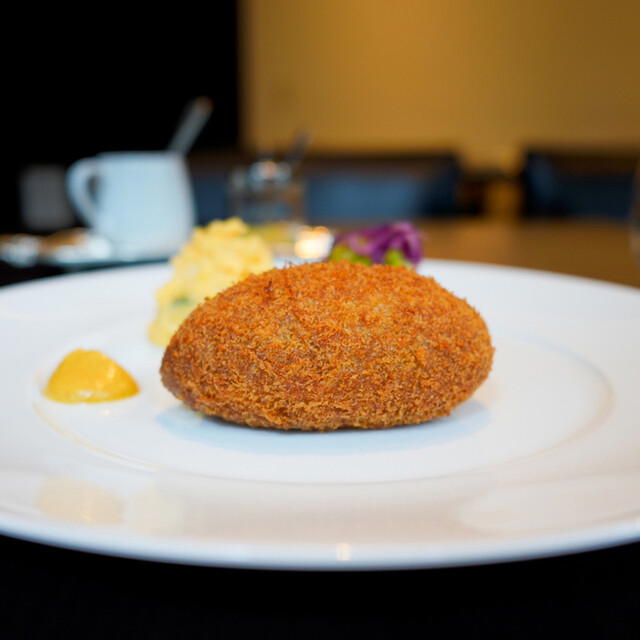
The menu
What to order
- Matsusaka Beef Steak Ju
- Matsusaka Beef Royal Black Curry Rice
- Matsusaka Beef Royal Hayashi Rice
- Matsusaka Beef Steak Course
Tokyo has a distinctive restaurant gravity: office towers, formal dining rooms, and discreet tables built for conversation over spectacle. Here, yoshoku reads less like neighbourhood-counter comfort food, retro café curry, cutlets, or gratin, and more like polished dining. At Seiyo Oryouri Touyou Ken, the category is framed as a composed Tokyo meal rather than a quick casual stop.
That matters because yoshoku has spent more than a century moving between everyday Tokyo and formal service. Born from Japan’s adaptation of Western cooking, it is a cuisine of translation: sauces, beef, rice, frying, demi-glace, and European technique filtered through Japanese dining habits. In 2025, the category still splits between casual specialists defined by one dish and restaurants treating yoshoku as a fuller dining language. Seiyo Oryouri Touyou Ken belongs to the latter camp, and its inclusion in Tabelog 100 Yoshoku EAST 2025 confirms it is judged among serious category peers, not merely as a convenient Tokyo address.
Yoshoku treated as formal Tokyo dining, not retro comfort
The strongest way to understand this restaurant is format. Tokyo has many places where yoshoku means nostalgia, but the city’s dining economy also rewards discretion, pacing, and fluency. Here, the listed budget shifts expectations. The meal is not built around speed or novelty; it sits closer to polished Tokyo dining rooms than to quick-serve yoshoku counters between meetings.
The price band reinforces that position: dinner is JPY 10,000 to JPY 14,999, with lunch at JPY 6,000 to JPY 7,999. That is meaningful for yoshoku. It does not compete with entry-level curry shops or casual omurice specialists, but with restaurants where service, room quality, and the full meal shape value. The Tabelog score of 3.76 adds another useful signal for diners comparing the category.
Within Tokyo, the comparison set is instructive. Kaiseki addresses such as Tsujitome and Japanese dining rooms like Akasaka Shimabukuro reflect the city’s appetite for formal, hosted meals. Yakitori specialists such as Makitori Shinkobe show the counterpoint: focused craft in a narrower format. Seiyo Oryouri Touyou Ken occupies the middle ground, using a Western-Japanese idiom while keeping Tokyo’s social grammar intact: composed, category-specific, and suited to conversation as much as appetite.
The restaurant now reads as part of yoshoku's modern reset
The restaurant is best read through the way Tokyo dining has moved past the old binary of “Japanese” versus “Western” restaurants. Fine dining has absorbed French technique, casual dining has globalized, and yoshoku needs a clearer reason to occupy premium space. Enduring restaurants in this category tend either to specialize tightly around one beloved dish or broaden yoshoku into a composed dining experience with service depth. Seiyo Oryouri Touyou Ken reads as the latter.
That position appears in the recognition pattern. Selection for Tabelog’s Yoshoku 100 EAST 2025 points to category standing rather than general fine-dining noise. Tabelog’s Hyakumeiten lists are not Michelin stars and should not be read as the same award, but they are strong category signals in Japan because they separate restaurants by genre and region. For yoshoku, the benchmark is not Tokyo fine dining overall, but the restaurants shaping Japanese-style Western cooking in the region.
The current direction is more restrained than international visitors might expect from “Western cuisine.” Yoshoku in Tokyo is not a replica of Europe. Its identity is adaptation: Western methods made legible to Japanese appetites, plated with Tokyo orderliness and service conventions. The better comparison is not necessarily a bistro, but a Japanese restaurant using Western vocabulary for guests seeking comfort, structure, and a polished meal without assuming a full French dégustation.
For wider Tokyo planning, this corrects the city’s reservation-counter narrative. Sushi, kaiseki, and yakitori often dominate premium itineraries, while yoshoku is treated as nostalgia. That misses how the category functions in the city’s more formal dining ecosystem. The same trip might include focused yakitori, casual café stops, curry specialists, and seafood-led drinking rooms elsewhere in Tokyo. Against those, Seiyo Oryouri Touyou Ken explains another Tokyo appetite: polished, category-specific, and designed for conversation.
Know Before You Go
- Category: Yoshoku, Japanese-style Western cuisine.
- Recognition: Selected for Tabelog 100 Yoshoku EAST 2025.
- Budget signal: Dinner is listed at JPY 10,000 to JPY 14,999; lunch at JPY 6,000 to JPY 7,999.
- Dining format: Expect yoshoku treated as a proper Tokyo meal rather than a quick casual stop.
- Room profile: The restaurant’s positioning is polished and conversation-friendly, with the category framed for composed dining.
- Access context: The restaurant is in Tokyo, practical for city dining itineraries.
- Payment: Confirm current payment options directly with the restaurant before visiting.
- Contact: The listed phone number is +81-3-5786-0881.
Use this address when yoshoku needs to carry a proper dinner rather than a casual stop. It is a category lesson as much as a meal: Japanese-Western cooking interpreted through Tokyo formality and composed pacing. For broader planning, see Our full Tokyo restaurants guide, then build around the city’s other lanes: Our full Tokyo hotels guide, Our full Tokyo bars guide, Our full Tokyo wineries guide, and Our full Tokyo experiences guide. If the trip extends beyond Tokyo, contrast the capital’s formality with other regional dining rooms across Japan. For Japanese food culture outside Japan, unnamed overseas examples show how different the context becomes once the cuisine leaves its home dining codes. Within Tokyo, other dining rooms offer useful contrast points without changing the role Seiyo Oryouri Touyou Ken plays in a yoshoku-led itinerary.
Frequently asked questions
What's the address for Seiyo Oryouri Touyou Ken?
Tokyo.
What's the pricing like at Seiyo Oryouri Touyou Ken?
Pricing at Seiyo Oryouri Touyou Ken is listed as dinner JPY 10,000 - JPY 14,999 and lunch JPY 6,000 - JPY 7,999.
Do they take walk-ins at Seiyo Oryouri Touyou Ken?
For current booking availability, confirm directly with Seiyo Oryouri Touyou Ken. Given the listed lunch and dinner budget bands, securing a table ahead is the safer move.
What's the standout thing about Seiyo Oryouri Touyou Ken?
Its clearest credential is Tabelog 100 Yoshoku EAST 2025 in the yoshoku category. With a dinner band of JPY 10,000–JPY 14,999 and lunch at JPY 6,000–JPY 7,999, it reads as formal Tokyo yoshoku rather than nostalgia.
A Tight Comparison
Nearby venues at a similar price tier for orientation.
| Venue | Cuisine | Price | Awards | Notes |
|---|---|---|---|---|
| Seiyo Oryouri Touyou KenThis venue (the venue you are viewing) | Historic Yoshoku & Matsusaka Beef Fine Dining | $50–100 | Tabelog 100 #71 | Not listed |
| Takasaki no Okan | Hot Sake Pairing Omakase | $150–200 | Not listed | Ikejiri Ohashi, Meguro, Hot Sake Pairing Omakase |
| Izumi | Japanese Sushi | $50–100 | Not listed | Minato, Premium Sushi |
| 青柳 | Edomae Sushi Omakase | $150–200 | La Liste Top Restaurants | Minato, Traditional Japanese Fine Dining |
| Tori Yoshi Ginza ten | Yakitori & Izakaya | $50–100 | Tabelog 100 #2 | Chūō, Yakitori & Izakaya |
| Yokoyama | Seasonal Japanese Kaiseki | $100–150 | Not listed | Minato, Seasonal Japanese Kaiseki |
Recognition history
Dated appearances from independent guides and award organizations, with the underlying list record or original source where available.
Tabelog 100 #71 · No. 71
Tabelog · Tabelog 100 - Yoshoku - EAST - 2025
Continue exploring
More in Tokyo
Restaurants in Tokyo
All restaurants in Tokyo →

Bars in Tokyo
All bars in Tokyo →




Details
- Elegant
- Classic
- Quiet
- Sophisticated
- Business Dinner
- Celebration
- Special Occasion
- Date Night
- Group Dining
- After Work
- Private Dining
- Standalone
- Prix Fixe
- A La Carte
- Set Menu
- Allergy Accommodating
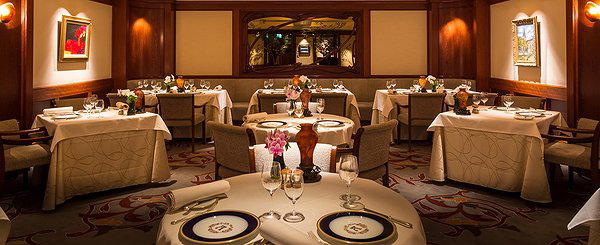
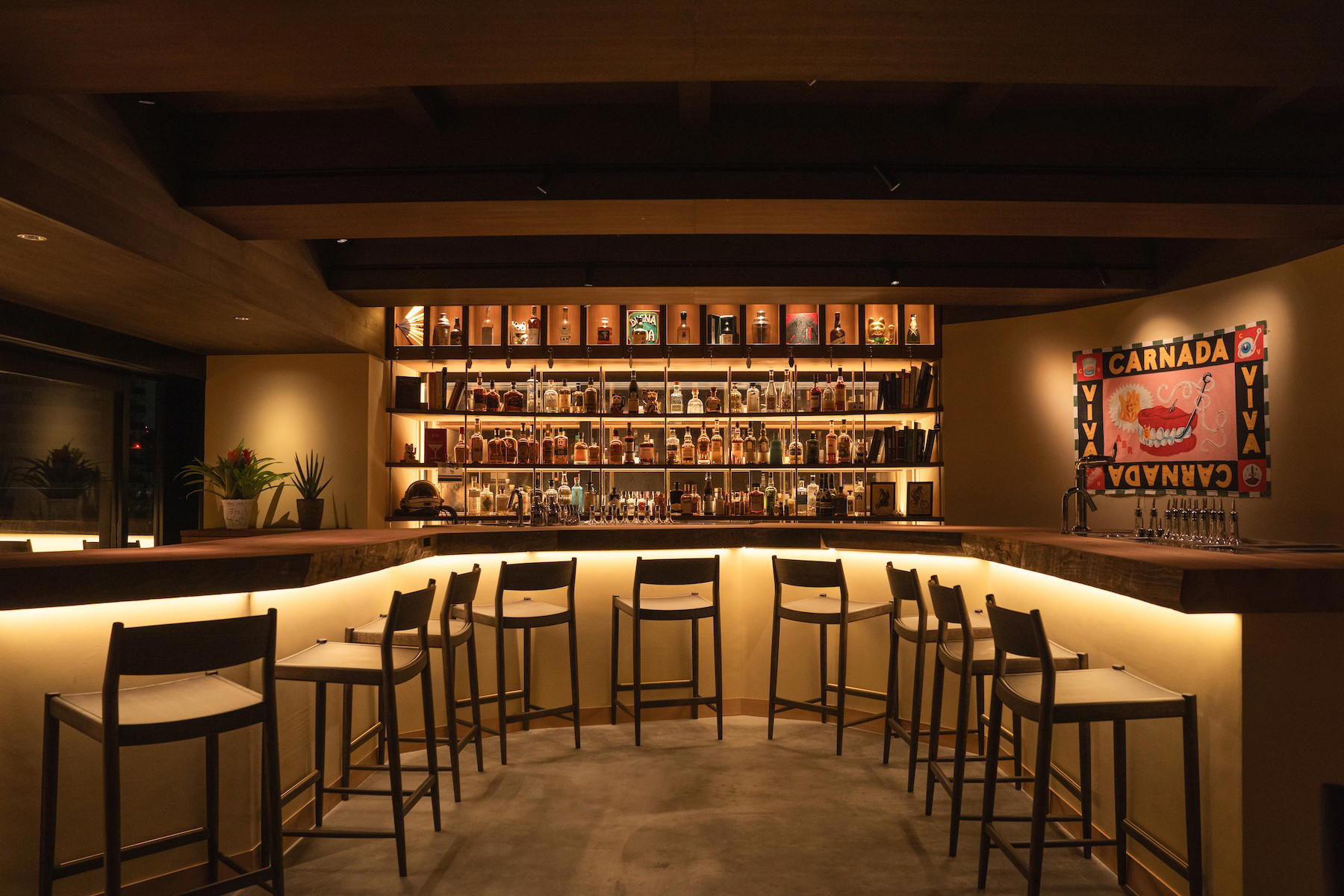
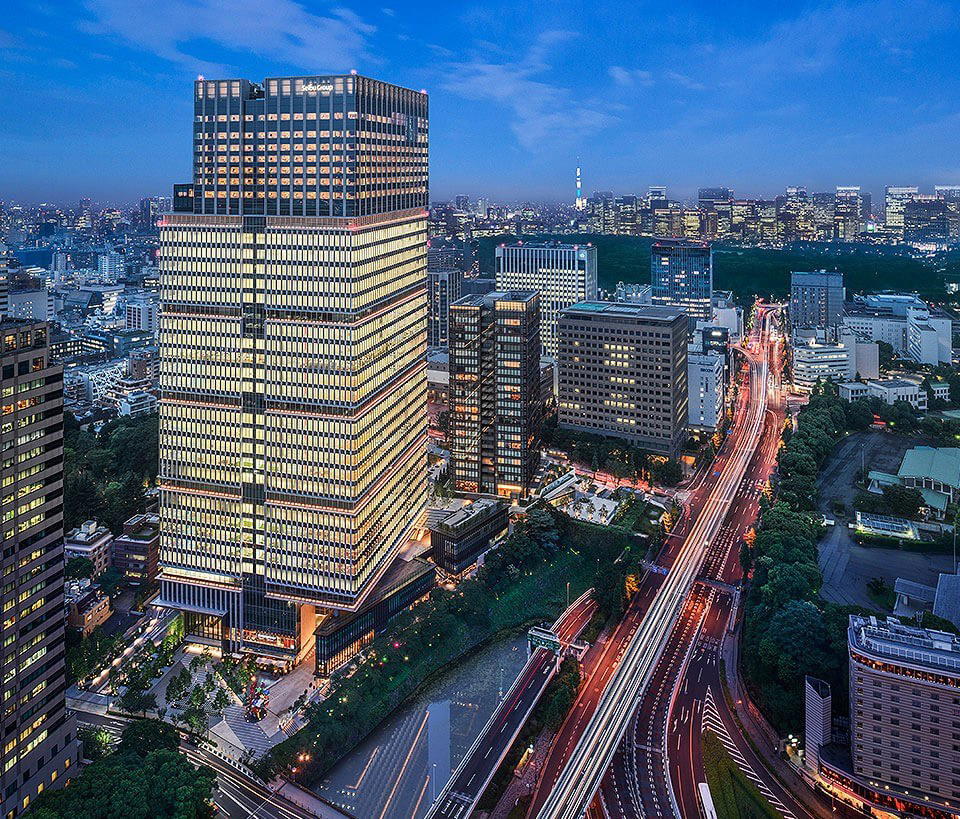
A spacious, open main dining room with white wall reliefs inspired by Japan’s four seasons creates a bright yet calm, classic Western-style atmosphere suited to both celebrations and business dining.