

Tabelog Bronze #391
Our verdict
Tokyo’s serious yakiniku culture is not confined to central Ginza counters or hotel dining rooms; it also lives in tightly booked neighbourhood rooms where the grill is the theatre. Seiryūen in Kiyosumi Shirakawa sits in that specialist tier, backed by Tabelog Bronze recognition from 2021 through 2026 and inclusion in the 2025 Tabelog 100 for Tokyo yakiniku.

Pearl is the En Primeur Club membership app, where members save venues, book tables and use the concierge.
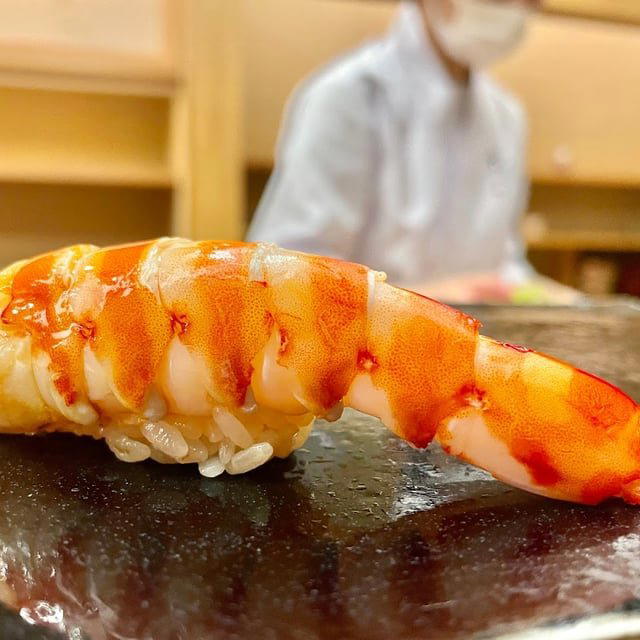
Approaching the Kiyosumi Shirakawa side of Koto, Tokyo shifts register: lower buildings, quieter streets, and a dining culture less dependent on spectacle from the pavement. Inside a serious yakiniku room, the drama is deliberately small-scale. Heat, timing, cut selection, and the discipline of not over-handling beef become the performance. In a city where counter sushi and kaiseki often dominate international itineraries, this style of live cooking asks for a different kind of attention: not the procession of courses, but the management of flame and fat at close range.
Seiryūen belongs to the Tokyo yakiniku bracket where reputation is built less through décor and more through repeat recognition. The restaurant carries The Tabelog Award Bronze in 2026, following Bronze recognition each year from 2021 to 2025, and it was selected for Tabelog 100 Yakiniku Tokyo in 2025. Opinionated About Dining also lists it among its 2026 recommended restaurants in Japan. Those signals place the room in a competitive set defined by specialist meat cooking rather than broad luxury dining.
Yakiniku as live preparation, not background cooking
Tokyo has several premium dining languages. Kaiseki prizes sequence and seasonality; sushi turns rice temperature and fish handling into a counter ritual; yakiniku puts agency closer to the table. The grill is not a visual accessory. It is the point at which sourcing, slicing, fat distribution, heat control, and pace are tested in public. That makes the format unusually exposed: a good room can be undone by poor timing, while a disciplined one can make a meal feel exact without becoming stiff.
Seiryūen’s category is listed as yakiniku, and that matters. The city’s higher-end yakiniku rooms compete on meat quality, reservation pressure, smoke control, and the confidence to keep the format focused. Private rooms and a non-smoking policy help frame the experience for diners who want intensity without the rough edges of a casual grill house. The average dinner spend listed at JPY 15,000 to JPY 19,999 in 2026 places it above everyday yakiniku and below the most expensive tasting-menu counters in Tokyo, which is precisely where many of the city’s strongest specialist restaurants operate.
The performance here should be understood through restraint rather than flamboyance. Teppanyaki often makes the chef the visible operator; yakiniku distributes some of that responsibility across the table while keeping the kitchen’s decisions embedded in the cuts and preparations sent out. That difference is useful for travellers. Diners expecting knife tricks or theatrical chef monologues are looking at the wrong Japanese grill tradition. The theatre is quieter: the speed at which beef meets heat, the judgement of when to pull it back, and the way a room controls the rhythm of a meal without turning it into a lecture.
Where it fits in Tokyo's serious dining map
Kiyosumi Shirakawa gives this kind of restaurant a different temperature from the polished dining corridors of Ginza, Akasaka, and Aoyama. The neighbourhood has become associated with cafés, galleries, and residential calm, but serious eating in Tokyo has never been limited to obvious luxury districts. A restaurant can sit away from the hotel concierges’ easiest routes and still matter to the city’s dining conversation, especially when repeat local recognition keeps it visible.
For context, Tokyo’s kaiseki spectrum includes rooms such as Ajihiro, Akasaka Asada, Akasaka Ogino, and Aoyama Jin, where the meal is shaped around season, sequence, and room protocol. Seiryūen sits outside that grammar. Its appeal is closer to the city’s specialist-counter mentality: fewer moving parts, higher scrutiny on a narrow format, and a clientele that understands why a grill restaurant can be as destination-worthy as a formal course menu.
That distinction also separates it from hotel-adjacent or fashion-district dining such as Bulgari Cafe II. The decision is not simply casual versus formal. It is about whether the meal should be read as a composed seasonal arc or as a focused study in beef and heat. Travellers building a Tokyo food itinerary should treat those as separate slots, not substitutes.
How to plan it into a Tokyo itinerary
The planning case is clear. Seiryūen is reservation-only, with phone reservations available from 10:00 AM to 5:00 PM and online reservations listed as the standard. Wednesdays are listed as closed. Payment is also part of the calculation: credit cards, electronic money, and QR code payments are not accepted, so cash planning matters. Parking is unavailable, and Kiyosumi Shirakawa Station is listed as the nearest station, with the restaurant address in Tokiwa, Koto City.
Because dinner pricing sits in the JPY 15,000 to JPY 19,999 band, this is not a casual add-on after drinks. It is better treated as the anchor meal for an evening in eastern Tokyo, especially for diners comparing high-recognition specialist formats rather than collecting only Michelin-style tasting menus. The private-room availability may suit small groups, but the stronger editorial reason to go is the grill format itself: Tokyo beef culture at a level where repeated Tabelog Bronze recognition and Tabelog 100 selection carry more weight than décor language.
For broader planning, place the meal alongside Our full Tokyo restaurants guide, then build the rest of the trip through Our full Tokyo hotels guide, Our full Tokyo bars guide, Our full Tokyo wineries guide, and Our full Tokyo experiences guide. Diners extending the Japan itinerary can compare specialist regional cooking through -Grilled beef Sukiyaki- KAMAKURA TANUKIAN 鎌倉 たぬき庵 in Kamakura.cafe in Osaka.know in Kumamoto, (Shoku) Vietnam in Kawasaki, [Curry Senmon Ten] Maruyama Kyoju. in Sapporo, [ki:] in Kyoto, Ankyu, Kaiseki in Kyoto, and Araya Totoan, Kaiseki in Kaga.
Frequently asked questions
Who is the chef connected to Seiryūen?
The chef associated with Seiryūen is Various.
Is Seiryūen focused on a specific cuisine style?
Seiryūen serves Kaiseki cuisine.
Where is Seiryūen located?
Seiryūen is located in Tokyo.
Is Seiryūen reservation-only?
Yes. Seiryūen is listed as reservation-only, with online reservations as standard and phone reservations available from 10:00 AM to 5:00 PM. The address is 2 Chome-14-11 Tokiwa, Koto City, Tokyo 135-0006.
What's the signature at Seiryūen?
The venue details do not name a single dish. The clearest anchor is kaiseki in Tokyo’s Koto City, supported by Tabelog Bronze recognition in 2021, 2022, 2023, 2024, 2025, and 2026.
Nearby-ish Comparables
Comparable venues to anchor price and recognition.
| Venue | Cuisine | Price | Awards | Notes |
|---|---|---|---|---|
| SeiryūenThis venue (the venue you are viewing) | Yakiniku specializing in beef tongue and kalbi | $100–150 | Tabelog Bronze #391 | Not listed |
| Hoshino | Japanese Coffee Shop & Souffle Pancakes | $10–20 | La Liste Top Restaurants · Tabelog Gold #28 | Kaiseki |
| Ajihiro | Traditional Japanese Kaiseki | $200–300 | Tabelog Bronze #9 | Kaiseki |
| Bulgari Cafe II | Italian Fusion Cafe & Bar | Not listed | Not listed | Kaiseki |
| Ginza Fujiyama | Kyoto Kaiseki | $300–500 | Tabelog Bronze #76 | Kaiseki |
| Mibu | Traditional Kaiseki | $200–300 | Not listed | Kaiseki |
Recognition history
Dated appearances from independent guides and award organizations, with the underlying list record or original source where available.
Opinionated About Dining Top Restaurants in Japan Recommended
Opinionated About Dining
Tabelog Bronze #391
Tabelog
Full recognition history (6 entries)
Opinionated About Dining Top Restaurants in Japan Ranked #486
Opinionated About Dining
Tabelog 100 #98 · No. 98
Tabelog · Tabelog 100 - Yakiniku - TOKYO - 2025
Tabelog Bronze
Tabelog
Opinionated About Dining Top Restaurants in Japan Ranked #392
Opinionated About Dining
Continue exploring
More in Tokyo
More from Chef Various
Browse all →
Restaurants in Tokyo
All restaurants in Tokyo →



Details
- Energetic
- Modern
- Group Dining
- Casual Hangout
- Sake Program
- A La Carte
- Set Menu
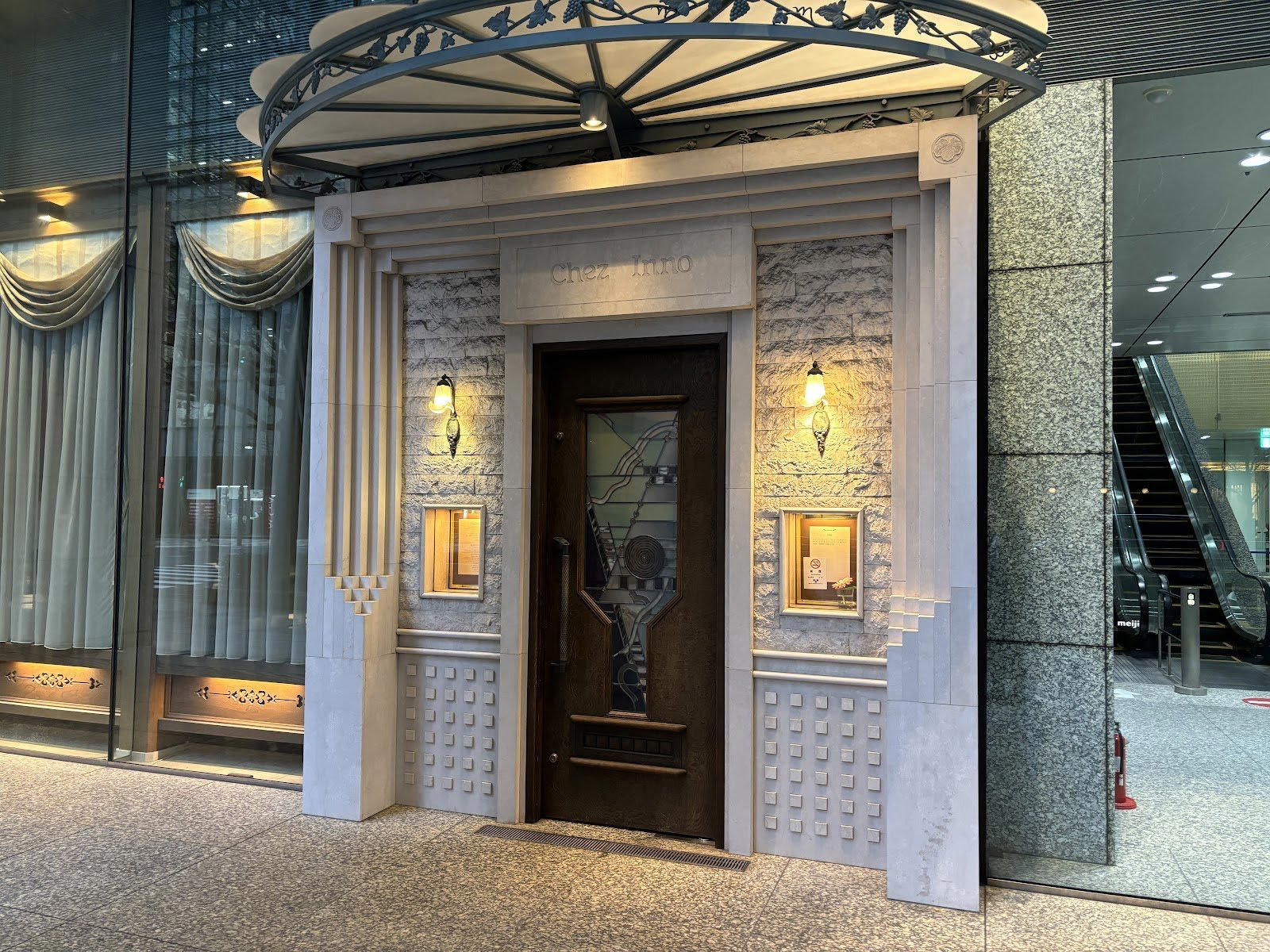
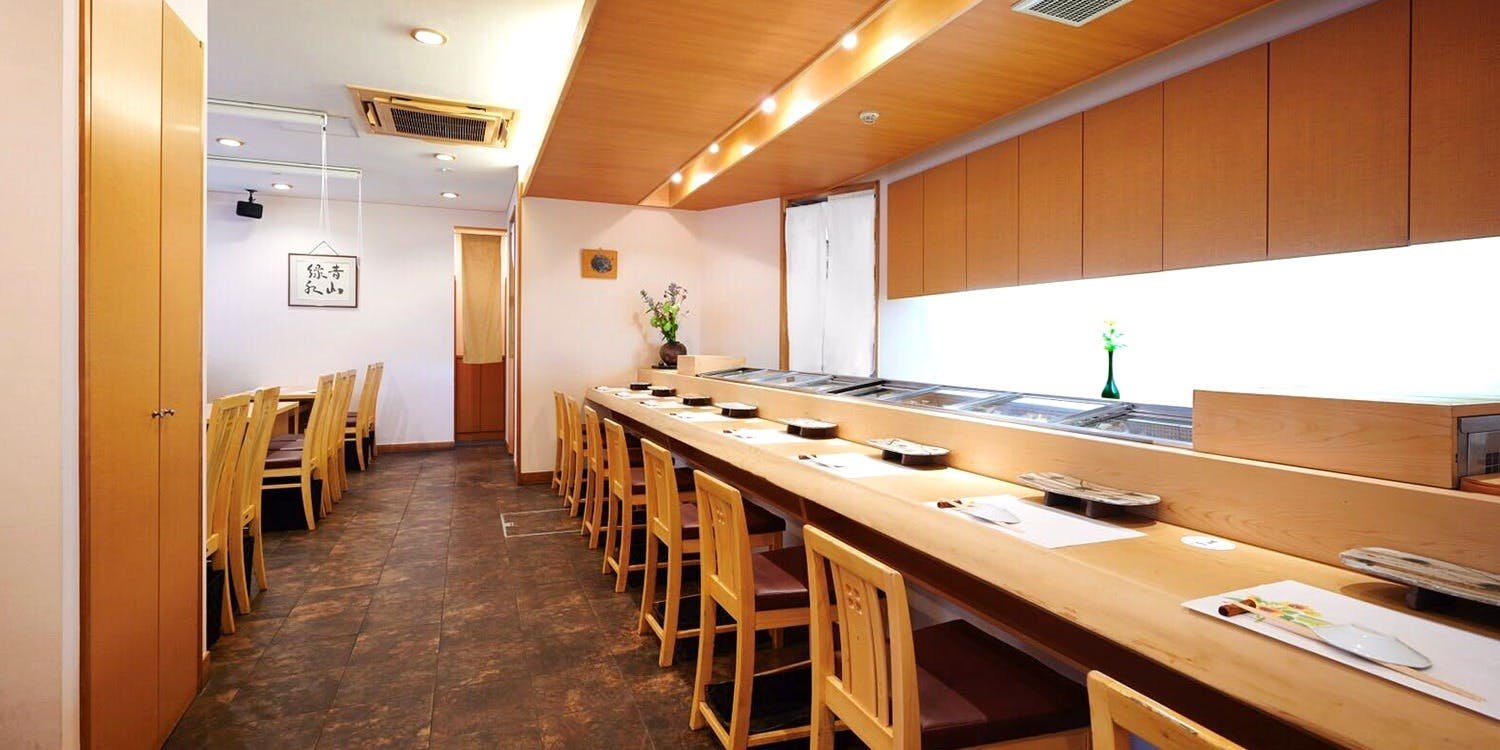
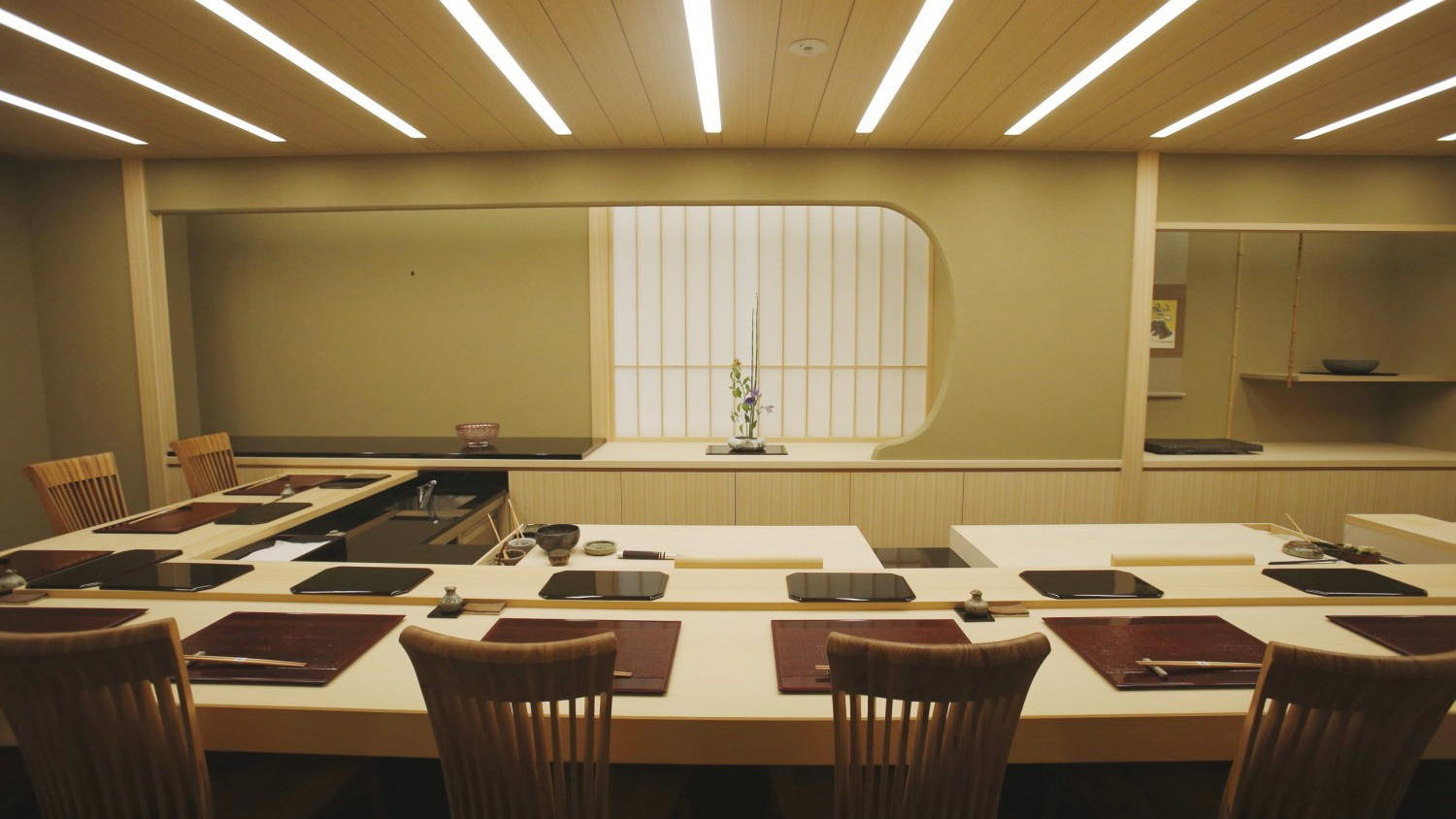
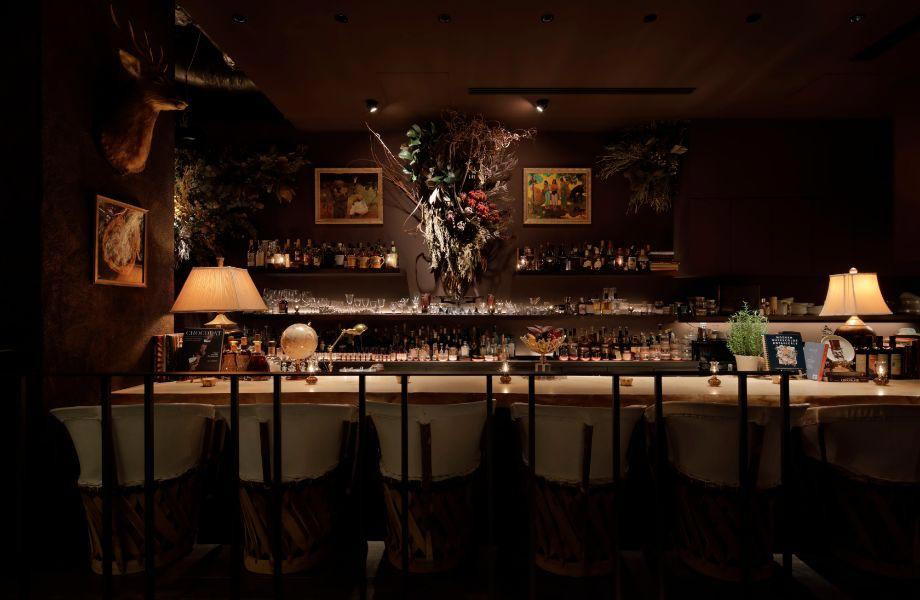
Clean lines, durable surfaces, warm functional lighting, energetic yet tidy with personal grills at solo seats.