
scica gives Yokohama’s yoshoku tradition a polished, adult dining-room setting rather than a retro lunch-counter frame. Its 2025 Tabelog 100 selection for Yoshoku East, 28-seat scale, private-room options, and drinks program with wine, sake, shochu, and cocktails place it above casual hamburger-steak territory while keeping the proposition grounded in familiar Japanese-Western cooking.
Pearl is the En Primeur Club membership app — saves, bookings, and concierge access live there. Same editors, same standards.
- Address
- 神奈川県横浜市中区常盤町3-33 シーステージ横浜 3F
- Phone
- +81452289167
- Website
- tabelog.com
 Saves & bookings on Pearl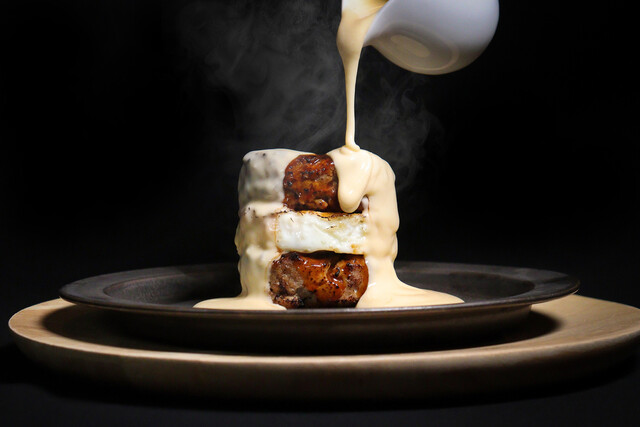
Kannai’s restaurant map changes character quickly after office hours: ramen counters, izakaya, curry specialists, old-school Chinese rooms, and small upstairs dining rooms all compete within a few blocks of the station. scica belongs to that last category, the kind of Yokohama address where yoshoku is treated less as nostalgia and more as dinner architecture: private rooms, counter and sofa seating, a sommelier on hand, and a drinks list that moves from wine to nihonshu, shochu, and cocktails.
That matters because yoshoku, at its strongest, is not simply Western food translated into Japanese. It is a category built on adaptation: demi-glace, cutlets, gratins, hamburger steak, omelet rice, curry rice, and bistro technique filtered through local appetite and portion logic. Yokohama is a fitting city for that conversation. Its port history made foreign food culture part of the urban fabric earlier than many Japanese cities, but the current dining scene is not preserved in amber. Around Kannai, the choices range from low-cost ramen and motsu-niku shops to South Indian dining, sushi, yakitori, and bistro-leaning rooms. The question is not whether yoshoku can feel grown-up; it is how much polish a room can add before the food loses its democratic core.
Yoshoku with bistro manners, not lunch-counter nostalgia
scica’s strongest editorial signal is its category placement: Yoshoku, bistro, hamburger steak. That combination says more than a menu list would. It positions the cooking between familiar Japanese-Western comfort and a dining-room format with wine service, private seating, and celebration use. In Yokohama, where casual price-led restaurants remain abundant, that puts the restaurant in a narrower lane: approachable cuisine handled with enough structure to justify a planned evening rather than a spontaneous refuel.
The 2025 Tabelog 100 selection for Yoshoku East gives the room a credible external marker inside a category that can otherwise be hard to assess from abroad. Michelin attention tends to steer international diners toward sushi, kaiseki, tempura, and French-Japanese tasting menus; yoshoku awards are more useful for reading where Japanese diners see depth in a less exported tradition. A Tabelog score of 3.61 is not the point on its own, but paired with the Hyakumeiten selection it signals a restaurant operating above ordinary neighborhood utility.
The value proposition is therefore not about chasing rarity. It is about paying for a tighter version of a cuisine usually encountered in cheaper, quicker formats. Compared with Kannai’s lower-priced casual options such as Cinnamon Garden Kannai ten, Minami Indian Ten Bodhisena, Yokohama Ramen Masagoya, or Kannai Motsu Niku Ten, this is a different decision: more service infrastructure, more occasion flexibility, and a room built for lingering within a defined dining window. Against sushi such as Nakajo, the appeal is also different. Yoshoku gives a diner warmth, sauce, and bistro cadence rather than counter ceremony.
Where the spend goes: seating, service range, and drinks
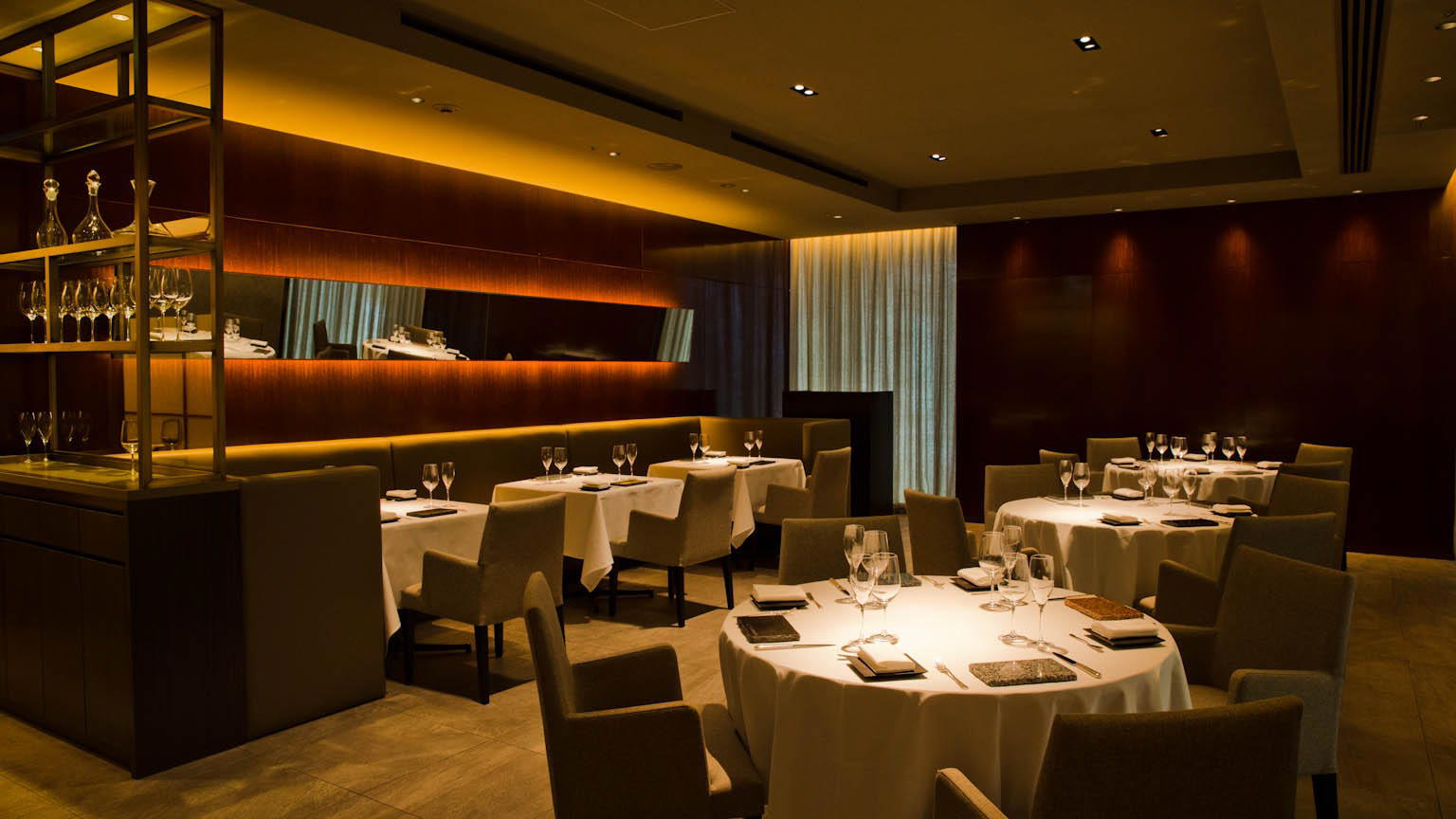
At this tier, the extras matter because they change the use case. A 28-seat room keeps the scale controlled, while private rooms for small groups and private use for larger parties push the restaurant beyond date-night-only territory. The availability of counter seating and sofa seating also gives the room more flexibility than a pure counter restaurant, useful in Yokohama where mixed groups often need a gentler compromise between serious food and social ease.
The drinks program adds another layer to the calculation. Yoshoku can flatten when the beverage offer is an afterthought; here, wine sits beside sake, shochu, and cocktails, with sommelier service listed. That does not make the room a wine restaurant in the European sense, but it does align the experience with bistro habits: sauce-led food, Western-derived technique, and enough bottle intelligence to support a full evening. For travelers deciding between a casual dinner and a more composed night in Kannai, that service detail is a practical distinction.
Family usability is also part of the read, though not in the theme-park sense. Children are welcome, and children’s plates require advance arrangement by the previous day. That detail says the room can absorb family dining without abandoning structure. It also explains why the restaurant can function for birthdays, small gatherings, and private-room dinners rather than only for couples or office meals.
How to place it within a Yokohama itinerary
Yokohama dining rewards category switching. A traveler can build one night around yakitori at 1000 (Yakitori (Grilled chicken skewers)), another around older local institutions such as Aichun, and another around curry or spice-driven rooms like Ajowan or Alpenjiro Honten. scica fits when the brief calls for Japanese-Western cooking with more dining-room polish than a quick counter meal, especially in the Kannai orbit.
For a broader city read, use Our full Yokohama restaurants guide alongside Our full Yokohama hotels guide, Our full Yokohama bars guide, Our full Yokohama wineries guide, and Our full Yokohama experiences guide. Yokohama also pairs well with nearby day trips and wider Japan planning: -Grilled beef Sukiyaki- KAMAKURA TANUKIAN 鎌倉 たぬき庵 in Kamakura, (Shoku) Vietnam in Kawasaki, and Tokyo-side options such as. 鮪と炭火焼き うお炭 秋葉原店 in Tokyo can extend the same trip without forcing every meal into the same register.
The better comparison is not with formal fine dining, but with the city’s many good-value specialists. Anzen Shokudo.cafe in Osaka.know in Kumamoto, [Curry Senmon Ten] Maruyama Kyoju. in Sapporo, Jōdo Saké Bar in Los Angeles, and Onigiri Time in Pasadena each represent a different answer to the same travel problem: when is a meal worth planning around? For scica, the answer is clearest when the diner wants Yokohama yoshoku with adult pacing, credible recognition, and enough room format to suit a proper evening rather than a quick stop.
Accolades, Compared
Comparable venues to calibrate price, style, and recognition.
| Venue | Cuisine | Price | Notes |
|---|---|---|---|
| scicaThis venue — the venue you are viewing | Modern Yoshoku / Western Cuisine | $$$ | Not listed |
| Enishi | Traditional Japanese Gyutan Izakaya | $$$ | Kanagawa |
| Bashamichi Okawa | Kaiseki Japanese | $$$ | Naka |
| Yakiniku AJITO Souhonten | Yakiniku (Japanese BBQ) | $$$ | Kanagawa |
| Arai Ya Bankokubashi ten | Traditional Yokohama sukiyaki & gyu-nabe | $$$ | Naka |
| Arai Ya Honten | Traditional Japanese Gyunabe / Sukiyaki | $$$ | Naka |
Recognition history
Dated appearances from independent guides and award organizations, with the underlying list record or original source where available.
Tabelog 100 #1 · No. 1
Tabelog · Tabelog 100 - Yoshoku - EAST - 2025










At a Glance
- Classic
- Sophisticated
- Intimate
- Elegant
- Date Night
- Business Dinner
- Group Dining
- Celebration
- Special Occasion
- Open Kitchen
- Private Dining
- Standalone
- Extensive Wine List
- Beer Program
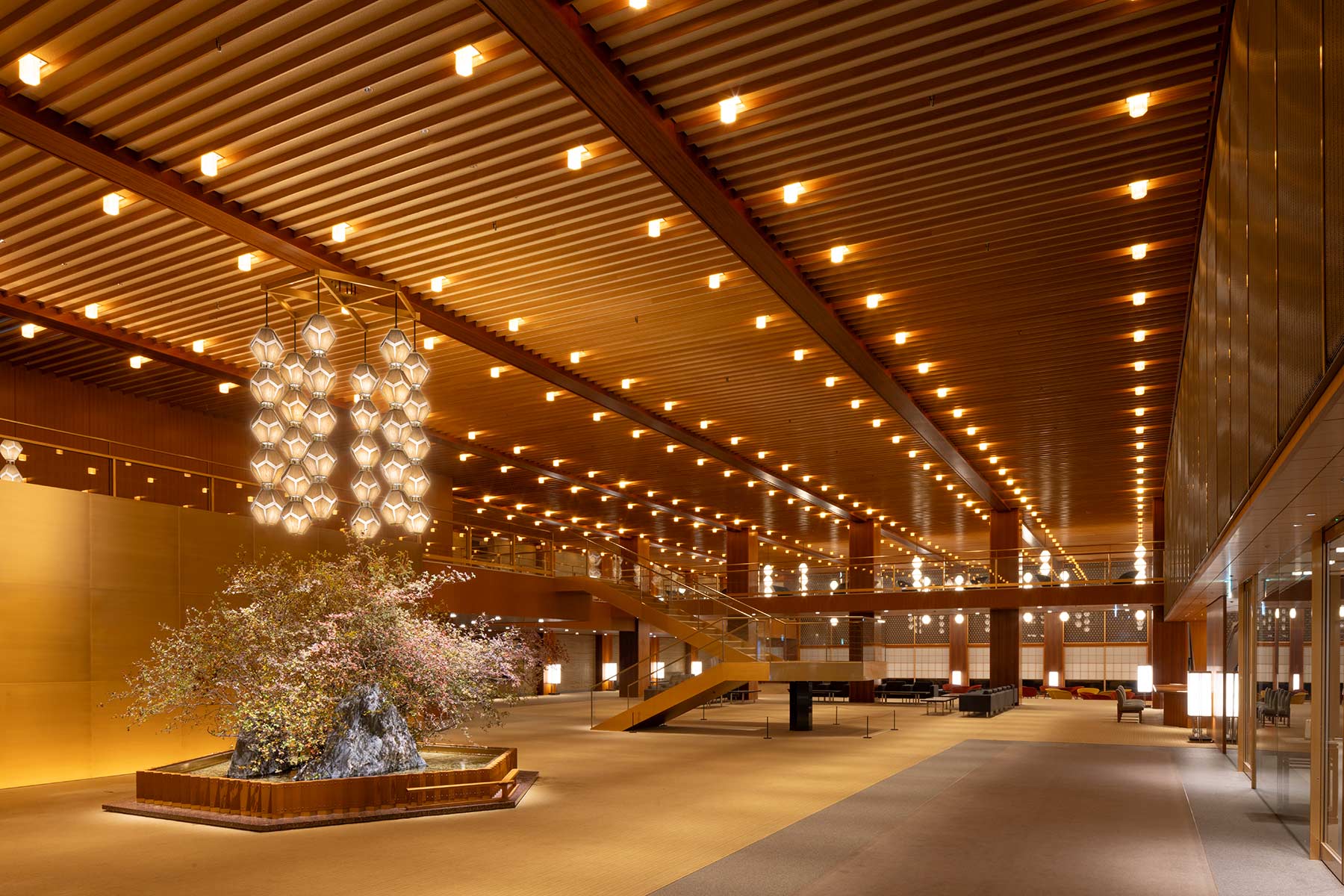
Chic and intimate, with calming lighting and a hidden-gem feel suited to special occasions and relaxed adult dining.