
Arai Ya Honten sits in Yokohama’s old beef-hot-pot tradition, where gyunabe, sukiyaki, shabu shabu and steak form a menu built around different readings of Japanese beef cookery. Its 2024 Tabelog 100 Hot Pot selection gives it a clear credential in a category where history, room format and group dining matter as much as the pan itself.
Pearl is the En Primeur Club membership app — saves, bookings, and concierge access live there. Same editors, same standards.
- Address
- 2 Chome-17 Akebonocho, Naka Ward, Yokohama, Kanagawa 231-0057, Japan
- Phone
- +81 45-251-5001
- Website
- araiya.co.jp
 Saves & bookings on Pearl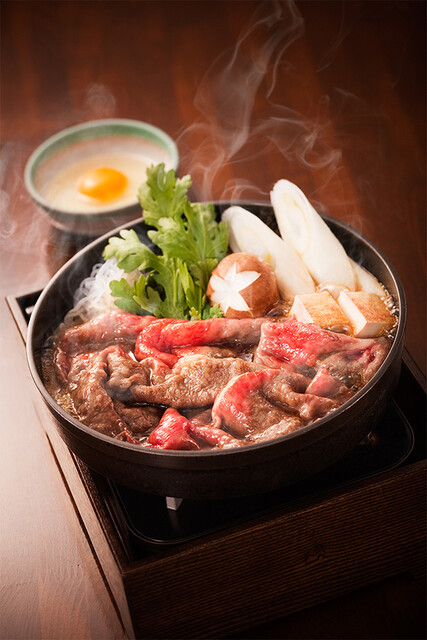
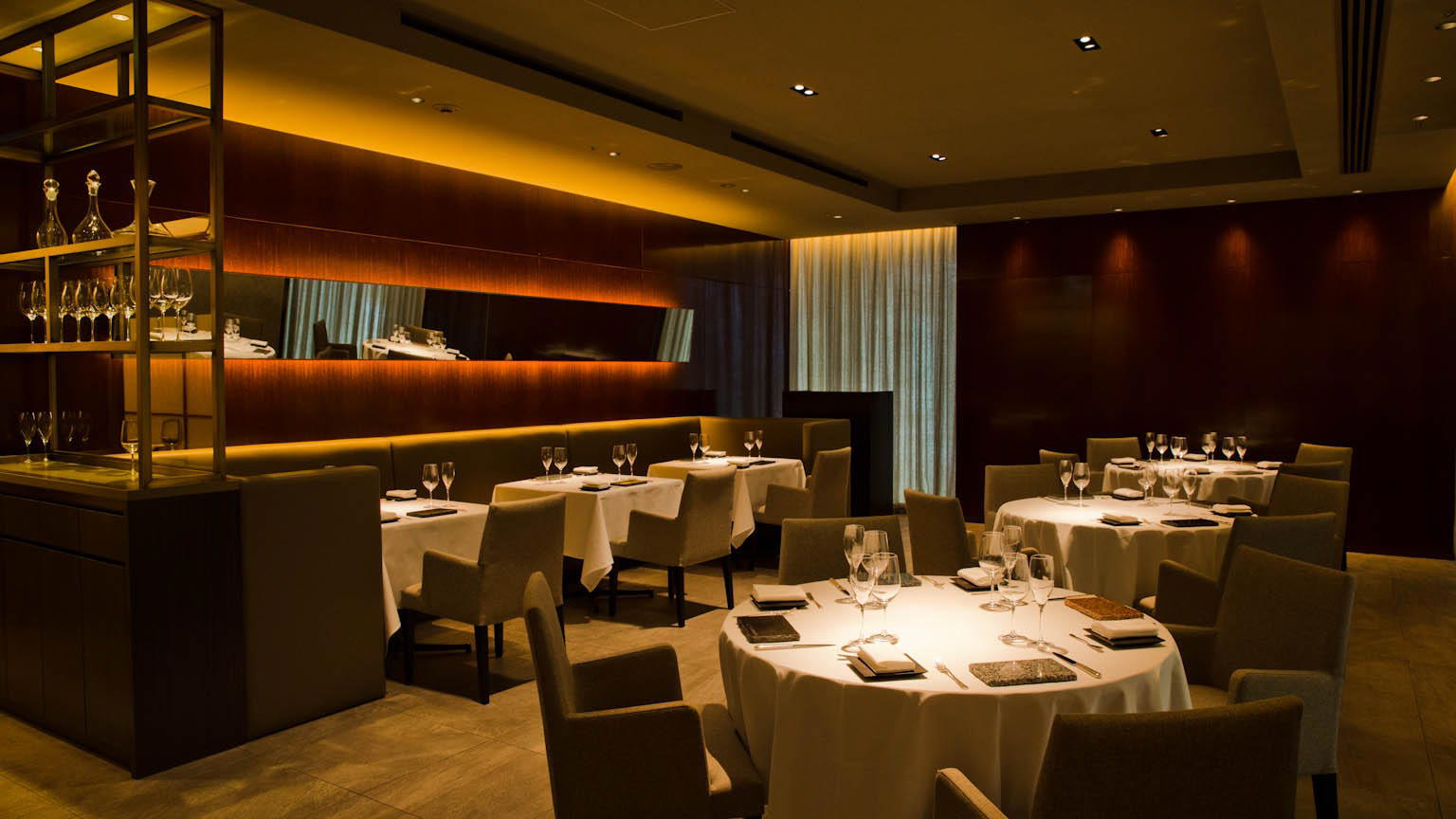
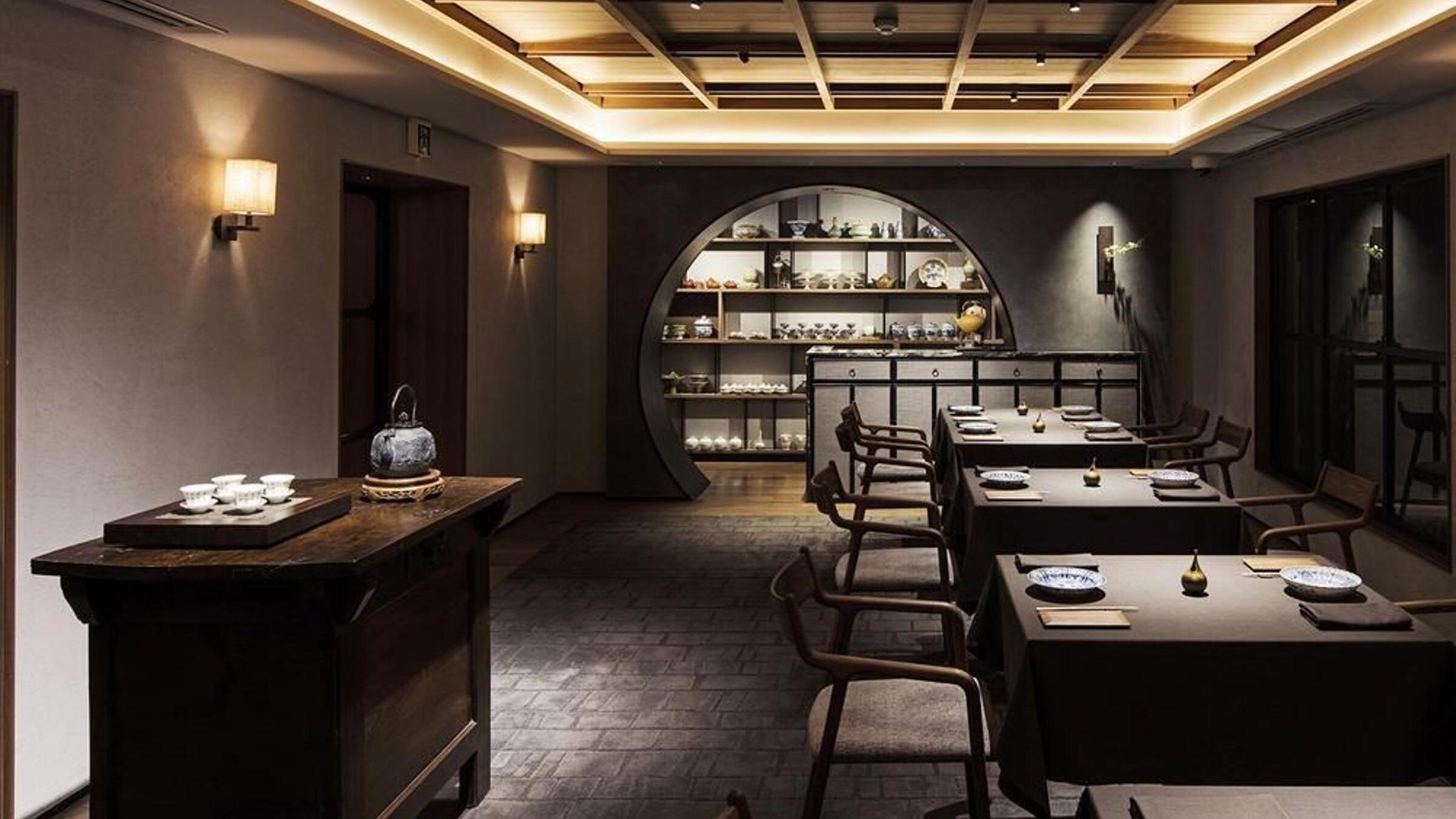
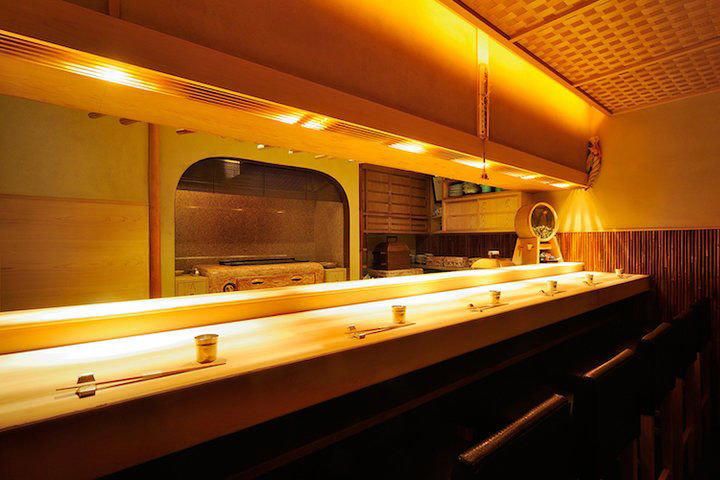
Yokohama’s beef-hot-pot culture is not a minimalist counter ritual. It belongs to rooms: tatami seating, private spaces, business groups, family tables and the rhythm of a shared pan. Arai Ya Honten fits that older Yokohama grammar, with a multi-floor format including table seating, tatami rooms and Western-style rooms rather than the narrow, chef-facing architecture of much contemporary Japanese fine dining.
That structure matters because the menu is built for comparison. Sukiyaki, shabu shabu and steak are not interchangeable luxury-beef formats; each asks diners to read richness, sauce, heat and pacing differently. In Yokohama, where gyunabe carries a port-city association with Japan’s adoption of beef cookery, keeping several beef formats in play preserves a local argument about how wagyu should be cooked, shared and paid attention to.
Gyunabe lineage, sukiyaki structure and the logic of the shared pan
The useful way to read the menu is by cooking method. Sukiyaki frames beef through sweet soy seasoning and controlled richness, with the pan as cooking surface and table centrepiece. Shabu shabu shifts the experience toward broth, timing and lighter repetition. Steak removes the communal pan and emphasises cut, heat and doneness. All three give Arai Ya Honten a broader architecture than a single-format sukiyaki specialist, and that breadth is the point.
Yokohama diners have several competing comfort-food modes, from the hard-edged portion culture around Ramen Jiro Yokohama kannai ten to curry houses such as Alpenjiro Honten and everyday Chinese tables such as Ryuho. Beef hot pot sits in a slower, more formal register, tied to occasions where the table must accommodate conversation as much as appetite. Ota Nawanoren occupies a higher listed dinner bracket in the local beef-pot conversation, while Arai Ya Honten sits in the established celebratory tier rather than the experimental one.
The 2024 Tabelog 100 Hot Pot selection is the clearest external signal. Tabelog’s Hyakumeiten lists are category-specific, making the recognition more useful than a generic popularity badge: the restaurant is judged inside the sukiyaki and shabu shabu field, not against ramen, sushi or French tasting menus. Its listed Tabelog score of 3.58 places it where Japanese diners often separate durable local institutions from casual neighbourhood entries.
The 1895 opening date gives the restaurant a historical anchor few Yokohama dining rooms can claim. That should not be romanticised into automatic greatness. Longevity matters here because beef hot pot depends on repeat use: family occasions, company meals, seasonal gatherings and multi-generational recognition. A restaurant cannot trade on gyunabe history for more than a century unless the format remains legible to local diners.
A Yokohama dining room built for groups, not counter theatre
Contemporary luxury dining often makes scarcity its drama: six seats, a single seating, a chef’s hand visible throughout. Beef hot pot uses different controls. The signals are room size, private-room availability, floor layout and whether the restaurant can support formal and family tables without becoming banquet-anonymous. The restaurant’s 100-seat layout, including tatami and Western-style rooms, puts it closer to the Japanese occasion-restaurant model than the reservation-only micro-counter.
That changes how to approach the meal. This is not the Yokohama choice for a quick solo bowl before a train, which the city’s ramen and curry circuit serves better. Nor is it a chef-biography restaurant, since no public chef identity dominates. Authority comes from format, continuity and recognised category position. For visitors trying to understand Yokohama beyond waterfront hotels and Chinatown itineraries, gyunabe offers a more local historical lens than another generic wagyu dinner.
The beverage categories reinforce the old-school Japanese dining pattern: sake, shochu and wine all appear, with attention to each rather than one pairing ideology. That suits a beef menu with several registers. Sukiyaki supports sweetness and depth; shabu shabu asks for something cleaner; steak permits a familiar wine route. The structure signals flexibility for mixed tables, often the hidden requirement in group-occasion restaurants.
English-language menu support and child-friendly policies broaden the audience without turning the room into a tourist construct. That combination is common in mature Japanese institutions: service becomes easier for visitors while the dining pattern remains domestic. The result works for travellers who want a traditional Yokohama beef meal without decoding a highly specialised counter format.
Where it fits in a Yokohama itinerary
The choice is strongest when the meal needs a sense of place. Yokohama’s dining map can become a checklist of ramen, Chinatown classics, curry and modern casual rooms; beef hot pot adds a Meiji-era thread tied to the city’s port history. The restaurant belongs in that slot: a historical beef table with enough range for diners who disagree on sukiyaki versus shabu shabu.
For a wider city read, compare it with the casual and specialist spread in Our full Yokohama restaurants guide, then use the broader travel rails for Our full Yokohama hotels guide, Our full Yokohama bars guide, Our full Yokohama wineries guide and Our full Yokohama experiences guide. Nearby and regional contrasts include 1000 (Yakitori (Grilled chicken skewers)), Aichun, Ajowan, Alpenjiro Honten and Anzen Shokudo.
Travellers building a Japan-wide beef or casual-dining route can extend the comparison through -Grilled beef Sukiyaki- KAMAKURA TANUKIAN 鎌倉 たぬき庵 in Kamakura. 鮪と炭火焼き うお炭 秋葉原店 in Tokyo.cafe in Osaka.know in Kumamoto, (Shoku) Vietnam in Kawasaki and [Curry Senmon Ten] Maruyama Kyoju. in Sapporo. For overseas sake-led contrasts, Jōdo Saké Bar in Los Angeles and Onigiri Time in Pasadena show how Japanese formats travel once removed from local dining habits.
The editorial verdict is simple: choose this restaurant for Yokohama beef-hot-pot tradition, not novelty. Its strength lies in letting sukiyaki, shabu shabu and steak define different relationships to beef, backed by long operating history and category recognition that place it firmly inside Japan’s serious hot-pot conversation.
Similar Picks
Comparable venues at a glance for context.
| Venue | Cuisine | Price | Notes |
|---|---|---|---|
| Arai Ya HontenThis venue — the venue you are viewing | Traditional Japanese Gyunabe / Sukiyaki | $$$ | Not listed |
| Tempura Fukunishi Zen to Takumi | Seasonal Tempura | $$$ | Nishi |
| Sushi Tsugu | Edomae Sushi Omakase | $$$ | Naka |
| Yakiniku AJITO Souhonten | Yakiniku (Japanese BBQ) | $$$ | Kanagawa |
| Chiba Hanare | Yakitori | $$$ | Kanagawa |
| Enishi | Traditional Japanese Gyutan Izakaya | $$$ | Kanagawa |
Recognition history
Dated appearances from independent guides and award organizations, with the underlying list record or original source where available.
Tabelog 100 #31 · No. 31
Tabelog · Tabelog 100 - Hot Pot - 2024









At a Glance
- Classic
- Cozy
- Elegant
- Sophisticated
- Well Known
- Date Night
- Business Dinner
- Group Dining
- Family
- Special Occasion
- Historic Building
- Standalone
- Beer Program
Current opening hours
- Monday
- 11:30 AM–2:30 PM, 5–10 PM
- Tuesday
- Closed
- Wednesday
- 11:30 AM–2:30 PM, 5–10 PM
- Thursday
- 11:30 AM–2:30 PM, 5–10 PM
- Friday
- 11:30 AM–2:30 PM, 5–10 PM
- Saturday
- 11:30 AM–2:30 PM, 5–10 PM
- Sunday
- 11:30 AM–2:30 PM, 5–10 PM
Hours can change for holidays and private events. Last verified .
Classic, historically rooted dining with a cozy, traditional atmosphere that feels established rather than trendy.