
Bashamichi Okawa sits in Yokohama’s serious Japanese-cuisine tier: small-format, reservation-led, and selected for Tabelog Japanese cuisine EAST “Tabelog 100” in 2025 and 2023. The appeal is menu architecture rather than spectacle, with kaiseki discipline, counter seating, private rooms, and a Bashamichi address that places it near the city’s business-dining core.
Pearl is the En Primeur Club membership app — saves, bookings, and concierge access live there. Same editors, same standards.
- Address
- Japan, 〒231-0011 Kanagawa, Yokohama, Naka Ward, Otamachi, 4 Chome−48 川島ビル 101
- Phone
- +81 45-323-9393
- Website
- bashamichi-okawa.com
 Saves & bookings on Pearl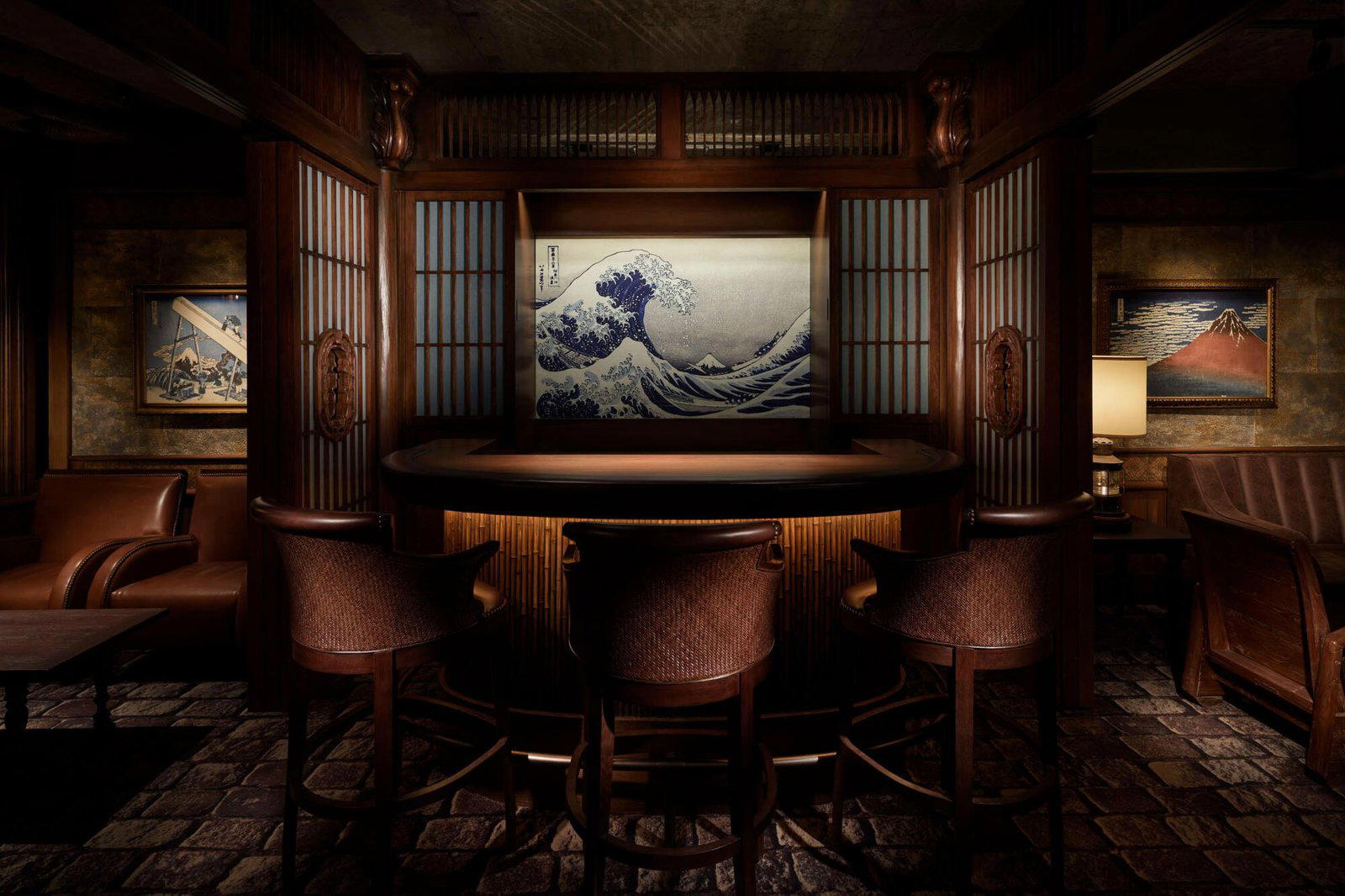
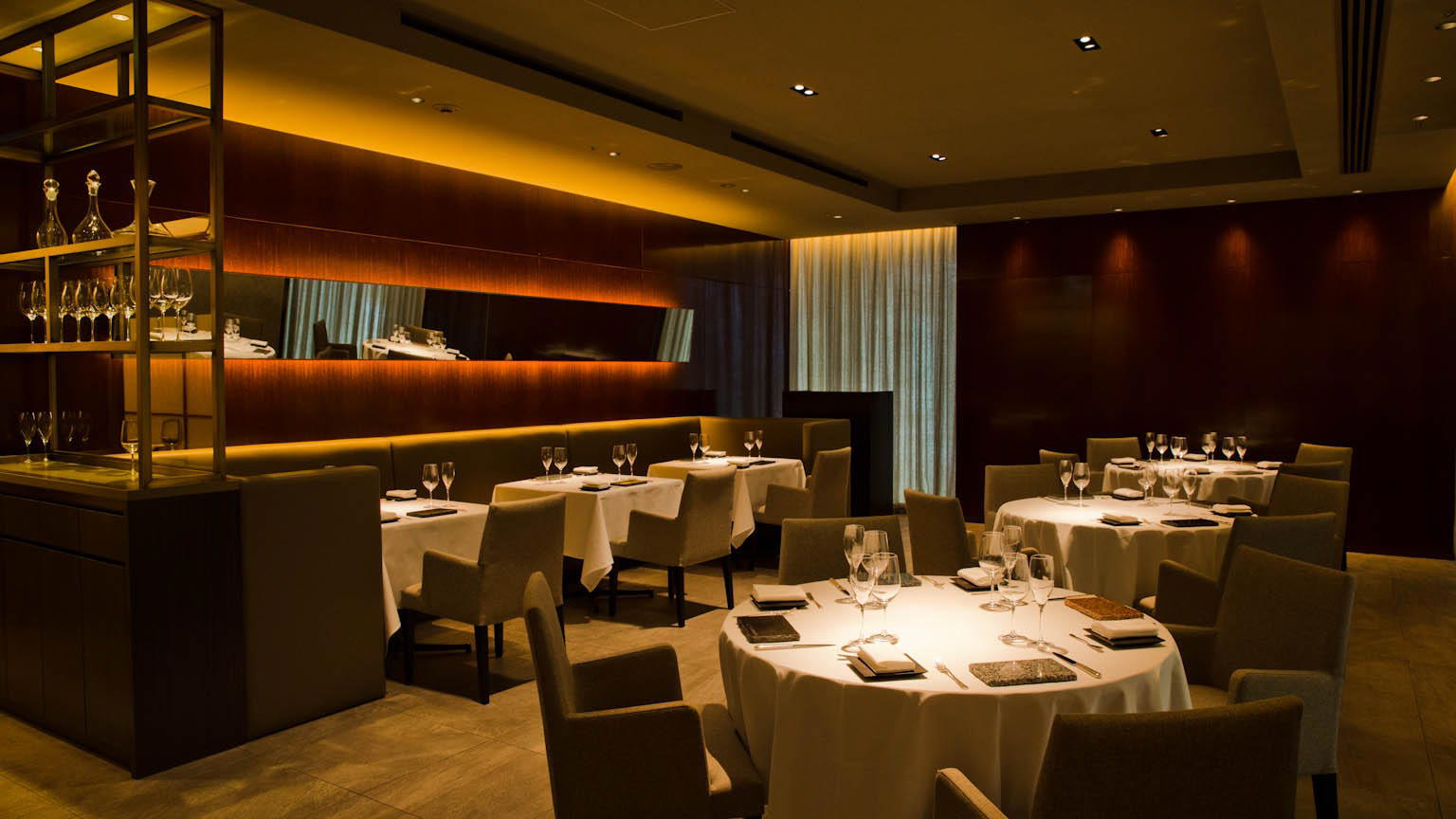
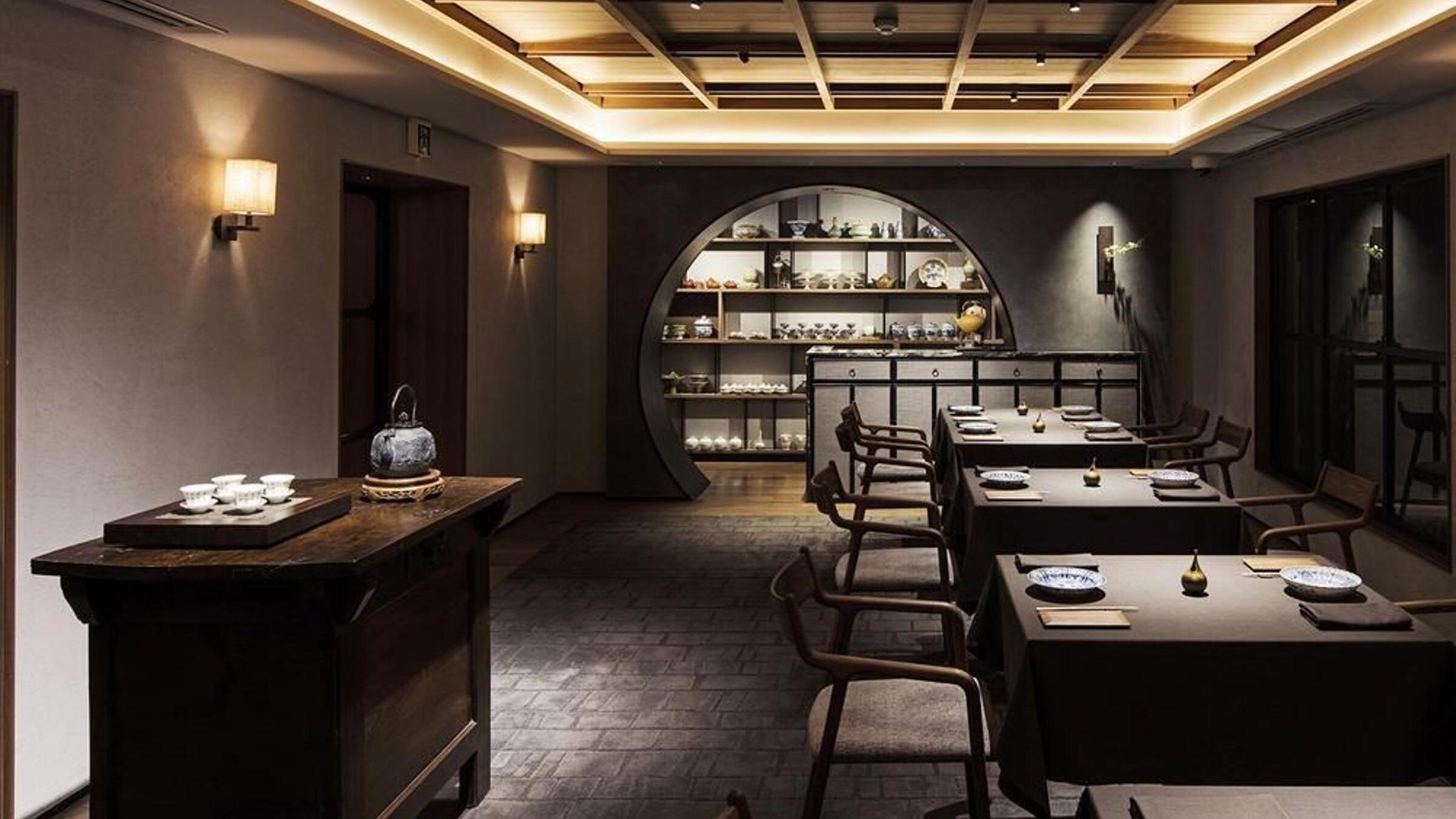
Approaching Bashamichi in central Yokohama, the mood shifts from port-city scale to a tighter register: office blocks, old trading-house references, and the kind of side-street restaurant frontage that asks diners to pay attention. Inside, the format belongs to Japanese cuisine rather than casual washoku. Counter seating and sunken seating set up two different readings of the same meal, one observational, one private. That distinction matters in Yokohama, where serious dining often has to serve business meals, anniversary dinners, and local regulars without turning the room into theatre.
Bashamichi Okawa belongs to the compact group of Yokohama restaurants that treat Japanese cuisine as a structured sequence, not a menu of interchangeable dishes. Its Tabelog Japanese cuisine EAST “Tabelog 100” selections in 2025 and 2023 put it in a regional award conversation that stretches beyond Kanagawa, while its scale keeps the experience closer to a neighborhood kaiseki room than a destination dining hall. For readers mapping the city more broadly, Our full Yokohama restaurants guide gives the wider frame; this address sits at the quieter, more formal end of that spectrum.
A kaiseki rhythm built around sequence, not abundance
Yokohama’s restaurant culture is unusually plural for a Japanese city of its size. Chinatown anchors one pole, curry shops and yoshoku rooms another, and the waterfront hotel circuit adds international polish. Japanese cuisine at this level plays a different game. The interest is pacing: how a meal moves from appetite-opening plates into simmered, grilled, rice, and closing courses, and how restraint can read as confidence when the room is small enough for precision to matter.
The menu architecture at Bashamichi Okawa reflects that discipline. The public description emphasizes dashi and kaiseki, which is a useful signal because dashi is not a garnish in this tradition; it is the grammar. A kitchen can impress with luxury ingredients for a course or two, but a kaiseki meal has to hold together across temperature, texture, and progression. In Yokohama, that places the restaurant closer to SUIRINKAKU’s formal Japanese-cuisine bracket than to the looser, lower-priced energy of Tachinomi Shokudo Ultra Suzuki or the single-specialty pull of Tonkatsu Aoki Yokohama bashamichi ten.
This is also where the city’s range becomes useful for planning. A diner could build a Yokohama trip around grilled chicken at 1000 (Yakitori (Grilled chicken skewers)), Chinese heritage at Aichun, spice-led cooking at Ajowan, and soup curry at Alpenjiro Honten. Against that spread, Bashamichi Okawa is the composed Japanese-cuisine counterpoint: a meal where the structure is the argument.
Bashamichi gives the meal its commercial edge
Bashamichi is not a decorative address. The area’s appeal lies in its mix of business gravity, Minato Mirai proximity, and old Yokohama memory. That context explains why private rooms for two and four matter as much as counter seats. In Tokyo, small Japanese counters often lean into scarcity and ceremony; in Yokohama, the same level of cooking frequently has to accommodate business use without losing intimacy. The room format suggests a restaurant designed for both close observation and discreet conversation.
The 22-seat scale is an important signal. It is large enough to support more than a single counter sitting, yet small enough that the kitchen’s sequence can remain controlled. Non-smoking policy, card acceptance, and the absence of parking are practical markers of an urban Japanese restaurant in a rail-first district rather than a suburban occasion venue. Readers staying in the city can pair restaurant planning with Our full Yokohama hotels guide, while drinking plans sit better in Our full Yokohama bars guide than in the dinner reservation itself.
The comparison set also clarifies what not to expect. This is not the stand-and-drink looseness of Tachinomi Shokudo Ultra Suzuki, nor the everyday comfort of Tonkatsu Aoki Yokohama bashamichi ten. It is a formal Japanese meal with a recognized regional award signal and a price band that places dinner in Yokohama’s serious dining bracket. That makes it better suited to diners who care about progression, quiet service, and the cumulative effect of a sequence than to those chasing a single famous plate.
How to place it within a Yokohama itinerary
For a first Yokohama dining itinerary, the restaurant works as the Japanese-cuisine anchor rather than the whole story. The city rewards contrast. A casual day might run through neighborhood dining at Anzen Shokudo, then pivot to a more formal evening in Bashamichi. Regional extensions add another layer: beef sukiyaki in Kamakura at -Grilled beef Sukiyaki- KAMAKURA TANUKIAN 鎌倉 たぬき庵 in Kamakura, Tokyo seafood and charcoal cooking at. 鮪と炭火焼き うお炭 秋葉原店 in Tokyo, or a Kansai pause at.cafe in Osaka.
That wider map prevents the restaurant from being misread. Its strength is not novelty; it is category clarity. The kaiseki frame, dashi emphasis, small seat count, and Tabelog 100 recognition create a clear proposition for travelers who already understand Japan’s dining hierarchy. It is also a useful local alternative for diners who want a serious Japanese meal without making Tokyo the default answer.
Yokohama’s premium travel planning should not stop at dinner. Our full Yokohama wineries guide and Our full Yokohama experiences guide cover the wider city frame, while out-of-market references such as.know in Kumamoto, (Shoku) Vietnam in Kawasaki, [Curry Senmon Ten] Maruyama Kyoju. in Sapporo, Jōdo Saké Bar in Los Angeles, and Onigiri Time in Pasadena show how Japanese dining categories travel, mutate, and narrow abroad. In that larger conversation, the restaurant is valuable because it stays close to the source code: a measured Japanese meal in a city that often gets reduced to its waterfront and Chinatown.
Comparable Options
Comparable venues by price and recognition.
| Venue | Cuisine | Price | Notes |
|---|---|---|---|
| Bashamichi OkawaThis venue — the venue you are viewing | Kaiseki Japanese | $$$ | Not listed |
| Tempura Fukunishi Zen to Takumi | Seasonal Tempura | $$$ | Nishi |
| Oishi | Premium Wagyu Yakiniku | $$$ | Hodogaya |
| Yoshokuya Ki Luck | Japanese-style Western (yoshoku) restaurant | $$ | Nishi |
| Suzukiya Honten | Yokohama Iekei Ramen | $$ | Hodogaya |
| Nodaiwa (野田岩) | Traditional Japanese Unagi | $$$ | Nishi-ku |
Recognition history
Dated appearances from independent guides and award organizations, with the underlying list record or original source where available.
Tabelog 100 #36 · No. 36
Tabelog · Tabelog 100 - Japanese cuisine - EAST - 2025











At a Glance
- Elegant
- Quiet
- Classic
- Sophisticated
- Intimate
- Business Dinner
- Celebration
- Special Occasion
- Group Dining
- Private Event
- Chefs Counter
- Private Dining
- Standalone
- Sake Program
- Street Scene
Current opening hours
- Monday
- 6–10:30 PM
- Tuesday
- 11:30 AM–3 PM, 6–10:30 PM
- Wednesday
- 11:30 AM–3 PM, 6–10:30 PM
- Thursday
- 11:30 AM–3 PM, 6–10:30 PM
- Friday
- 11:30 AM–3 PM, 6–10:30 PM
- Saturday
- 11:30 AM–3 PM, 6–10:30 PM
- Sunday
- Closed
Hours can change for holidays and private events. Last verified .
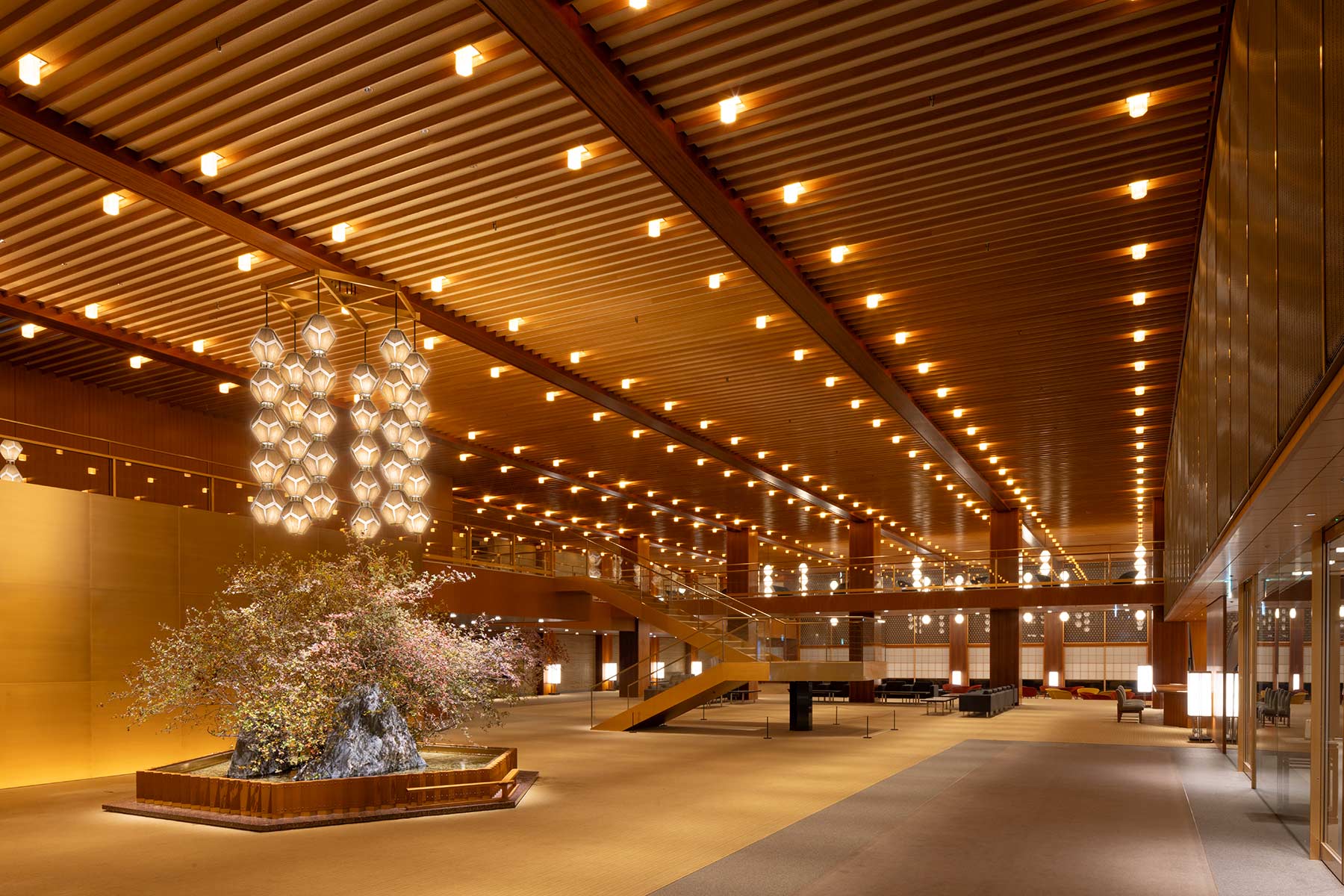
Elegant and intimate, with a traditional Japanese feel centered on counter seating and private rooms for a calm, refined dining experience.