Our verdict
Gut Kerkow Bio-Metzgerei brings certified organic meat from the Brandenburg estate of the same name to a Mitte address on Tucholskystraße. It occupies the producer-facing end of Berlin's provenance-led food culture, operating as a specialist butcher counter rather than a dining destination. For visitors tracking the city's organic food infrastructure, it sits alongside rather than in competition with Berlin's premium restaurant tier.

Pearl is the En Primeur Club membership app, where members save venues, book tables and use the concierge.

The menu
What to order
- Kerkow farmhouse stew
- Pulled beef burgers
- Venison meatballs
Where Berlin's Organic Butchery Culture Takes Shape
Tucholskystraße cuts through Mitte with a particular kind of quietness for a central Berlin address. The street sits close enough to the Hackescher Markt bustle to be convenient, yet far enough from the tourist circuits to feel like a working neighbourhood. It is on this stretch that Gut Kerkow Bio-Metzgerei occupies its premises at number 31, operating as a certified organic butcher shop in a city that has spent the better part of two decades building a credible food-producer culture around exactly this kind of specialist retail.
The physical presence of a traditional butcher in this corner of Mitte reads as a counterpoint to the area's other food offerings. Berlin's premium dining scene, which now includes Michelin-recognised addresses like Rutz, Nobelhart and Schmutzig, and FACIL, has increasingly oriented itself around provenance. The organic butcher sits at the supply end of that same conversation, not the consumption end.
The Case for Organic Butchery in a City Obsessed with Provenance
Germany's certified organic food sector is among the largest in Europe by volume, and Berlin has been a consistent driver of that growth. The bio designation here is not a marketing label applied loosely: EU organic certification for meat production carries specific requirements around animal welfare, feed, and traceability that standard labelling does not. Gut Kerkow operates from this framework, with its name referencing the Gut Kerkow estate in Brandenburg, which practises certified organic livestock farming.
Brandenburg's position as Berlin's immediate agricultural hinterland is the structural fact that makes this kind of urban butcher viable. The distance between farm and shop counter is short by any European comparison, and that proximity underpins both the freshness argument and the traceability claim. In broader German food culture, the Metzgerei as a neighbourhood institution carries weight that supermarket meat counters have spent decades failing to replicate. The sensory environment of a specialist butcher, the cool air from refrigeration, the smell of clean, well-handled meat, the visible craft of the counter, is part of why these shops retain a loyal customer base even as food retail consolidates elsewhere.
This same provenance orientation is visible across Berlin's leading dining tier. Nobelhart and Schmutzig has built its entire format around hyper-regional ingredients sourced within a defined radius of Berlin, while Restaurant Tim Raue applies contrasting logic, looking outward to Asian flavour frameworks. The organic butcher occupies a different position in this map: it is an input rather than an output, a source rather than a destination dining address. That distinction matters when thinking about what kind of visit it represents.
The Sensory Register of a Specialist Counter
Walking into a traditional German bio-Metzgerei activates a different set of signals than entering a restaurant. There is no ambient soundtrack designed for lingering, no menu progression to follow. The experience is transactional in structure but considered in its material content: the display case, the cut choices, the conversation with whoever is behind the counter. In a well-run organic butcher of this type, the provenance information is part of the presentation. You might be told which farm the pork came from, what the animal was fed, how the ageing was handled. That information transfer is a core part of the proposition.
For visitors already exploring Berlin's premium food culture, particularly those tracking the city's engagement with regional producers, this kind of stop sits alongside rather than in competition with the city's restaurant scene. The Mitte location puts it within reach of a walk that could include CODA Dessert Dining later in the evening, or a longer exploration using our full Berlin restaurants guide.
Gut Kerkow in the Wider German Food Conversation
Germany's high-end restaurant circuit has developed significant depth outside Berlin in recent years. Addresses like Aqua in Wolfsburg, Schwarzwaldstube in Baiersbronn, and Victor's Fine Dining by Christian Bau in Perl represent the formal fine-dining tier that operates at the top of the German Michelin guide. Regional restaurants such as Vendôme in Bergisch Gladbach, ES:SENZ in Grassau, and Waldhotel Sonnora in Dreis extend that conversation into the countryside. What these kitchens share, increasingly, is a sourcing philosophy that traces back to producers like certified organic farms. The farm-to-counter infrastructure that bio-Metzgereien represent is part of what makes high-level German cooking function.
Hamburg's Restaurant Haerlin and Moselle-region addresses like Schanz in Piesport and Bagatelle in Trier further illustrate how deeply the provenance question runs through German premium dining. In Munich, JAN has pursued a similar regional sourcing logic. The organic butcher is, in this framing, part of the same infrastructure story, the visible, retail-facing end of a production chain that feeds into the less visible prep kitchens of serious restaurants.
For international visitors more familiar with New York's sourcing-conscious dining tier, represented by addresses like Le Bernardin or Atomix, the bio-Metzgerei format in Germany offers a structural comparison: the European producer-to-retail chain operates with different regulatory underpinning and shorter average distances than its American counterparts.
Planning Your Visit
Gut Kerkow Bio-Metzgerei is located at Tucholskystraße 31, 10117 Berlin, in the Mitte district. The Mitte address is accessible from S-Bahn and U-Bahn connections at Hackescher Markt and Oranienburger Straße.
| Venue | Category | Price tier | Booking |
|---|---|---|---|
| Gut Kerkow Bio-Metzgerei | Organic butcher, retail | Not confirmed | Walk-in (retail) |
| Rutz | Modern European, restaurant | €€€€ | Advance reservation required |
| Nobelhart and Schmutzig | Modern German, restaurant | €€€€ | Advance reservation required |
| FACIL | Contemporary European, restaurant | €€€€ | Advance reservation required |
| CODA Dessert Dining | Creative dessert dining | €€€€ | Advance reservation required |
Frequently asked questions
What kind of setting is Gut Kerkow Bio-Metzgerei?
What dish is Gut Kerkow Bio-Metzgerei famous for?
Is Gut Kerkow Bio-Metzgerei okay with children?
Does Gut Kerkow Bio-Metzgerei supply restaurants as well as retail customers?
A Lean Comparison
Comparable venues nearby, for context on price, style, and recognition.
| Venue | Cuisine | Price | Notes |
|---|---|---|---|
| Gut Kerkow Bio-MetzgereiThis venue (the venue you are viewing) | Organic German Butcher Lunch | $10–20 | Not listed |
| Schalander Hausbrauerei | German Hausbrauerei with Flammkuchen | $20–30 | Friedrichshain, German Hausbrauerei with Flammkuchen |
| Ei-12437-B Restaurant | Modern German Beer Garden | Not listed | Plänterwald, Modern German Beer Garden |
| Altensteiner Krug | Traditional German Hausmannskost | $20–30 | Dahlem, Traditional German Hausmannskost |
| Hopfingerbräu am Brandenburger Tor | Bavarian Brauhaus | $20–30 | Mitte, Bavarian Brauhaus |
| All in | German Schnitzel Diner | Not listed | Prenzlauer Berg, German Schnitzel Diner |
Continue exploring
More in Berlin
Restaurants in Berlin
All restaurants in Berlin →
Bars in Berlin
All bars in Berlin →

Details
- Rustic
- Cozy
- Casual Hangout
- Open Kitchen
- Organic
- Local Sourcing
- A La Carte
- Organic Focus
Current opening hours
- Monday
- 9 AM–7 PM
- Tuesday
- 9 AM–7 PM
- Wednesday
- 9 AM–7 PM
- Thursday
- 9 AM–7 PM
- Friday
- 9 AM–7 PM
- Saturday
- 9 AM–4 PM
- Sunday
- Closed
Hours can change for holidays and private events. Hours as of .
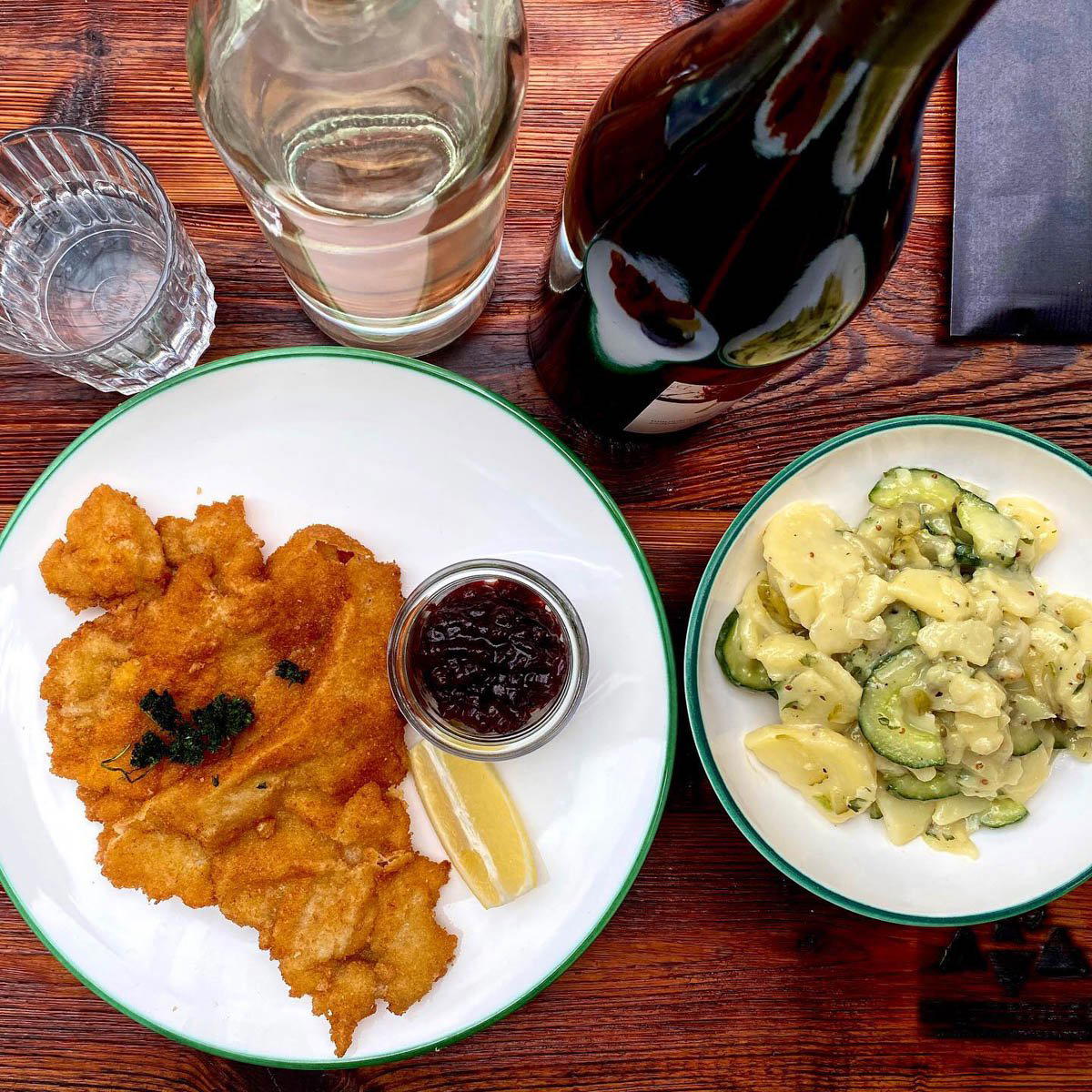
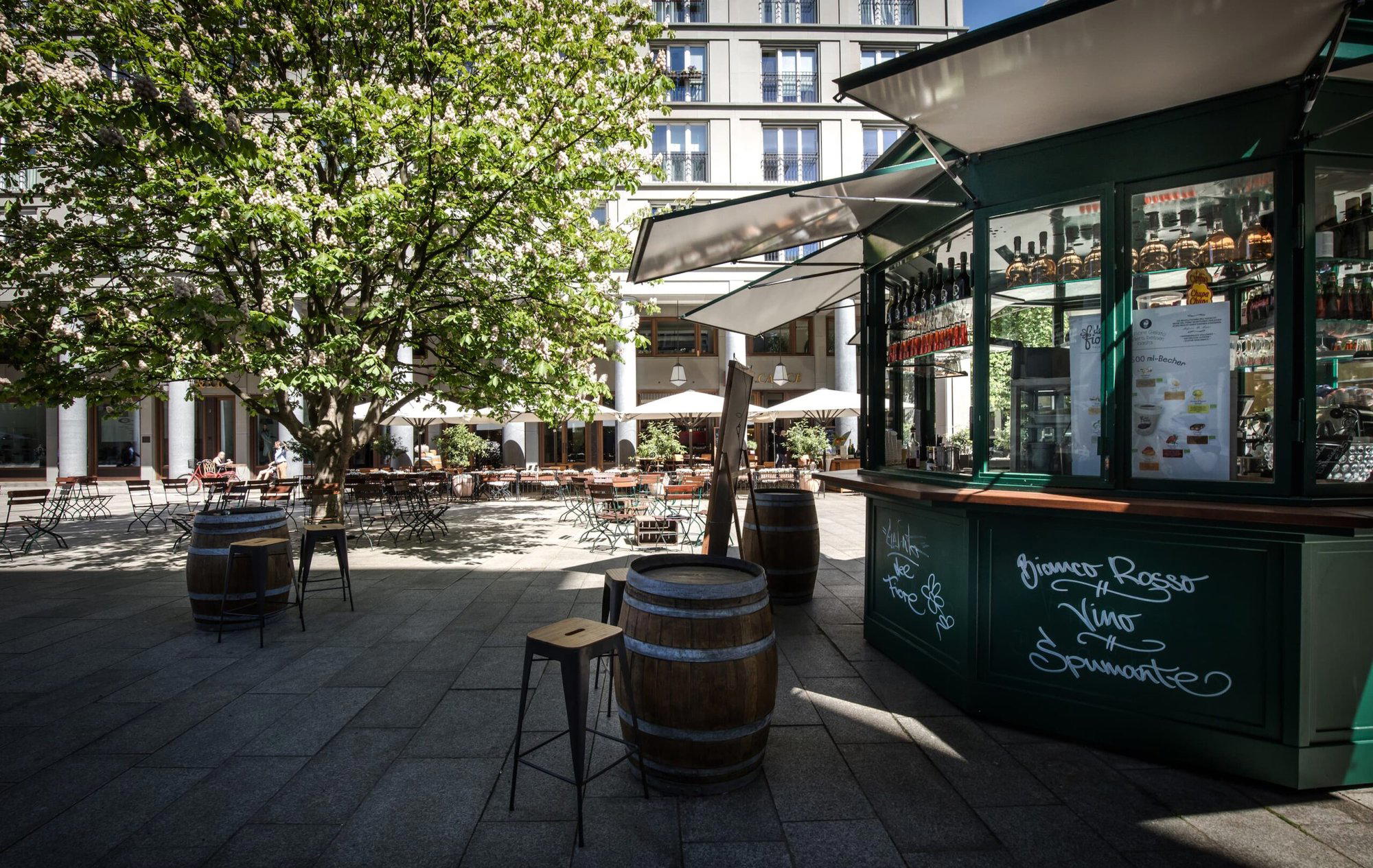
Rustic and cozy with wooden tables and benches in the shop for casual lunchtime dining.