
Sushi Fukuhara places Kawasaki sushi in a quieter register than the capital’s trophy-counter circuit: small room, disciplined pacing, and a local audience rather than destination theatre. Its 2025 Tabelog Sushi EAST 100 selection gives the restaurant an external credential, while the format points to a meal governed by timing, restraint, and counter etiquette.
Pearl is the En Primeur Club membership app — saves, bookings, and concierge access live there. Same editors, same standards.
- Address
- 神奈川県川崎市高津区末長1-51-13 1F
- Phone
- +81448637738
- Website
- sb-fukuhara.com
 Saves & bookings on Pearl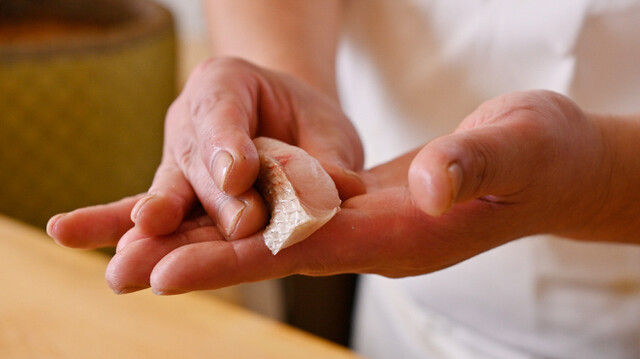
Approaching a serious sushi counter outside central Tokyo shifts the mood before the first course. Kawasaki’s residential pockets lack Ginza’s polished vertical dining buildings and Roppongi’s expense-account gloss. The ritual is quieter: arrive on time, settle in, let the counter set the rhythm, and understand that the meal is built around sequence, not choice.
That matters in Kanagawa, where sushi can sit between neighbourhood regularity and destination scrutiny. Kawasaki’s restaurant scene spans casual curry, ramen, Sri Lankan cooking, bakeries, and French-leaning rooms, yet a Tabelog Sushi EAST 100 selection places a counter in a narrower conversation. Sushi Fukuhara belongs there: not Tokyo trophy-booking theatre, but a controlled local sushi format with outside recognition and a small room where etiquette shapes the evening.
A Kawasaki counter built around sequence, not spectacle
Sushi culture rewards attention to order. The point is not abundance or luxury ingredients for their own sake, but pacing: cooked or prepared items where the kitchen wants them, nigiri when rice temperature and fish condition align, and drinks folded into the progression. In a small restaurant, that choreography is easy to read because every delay, handoff, and reset is visible.
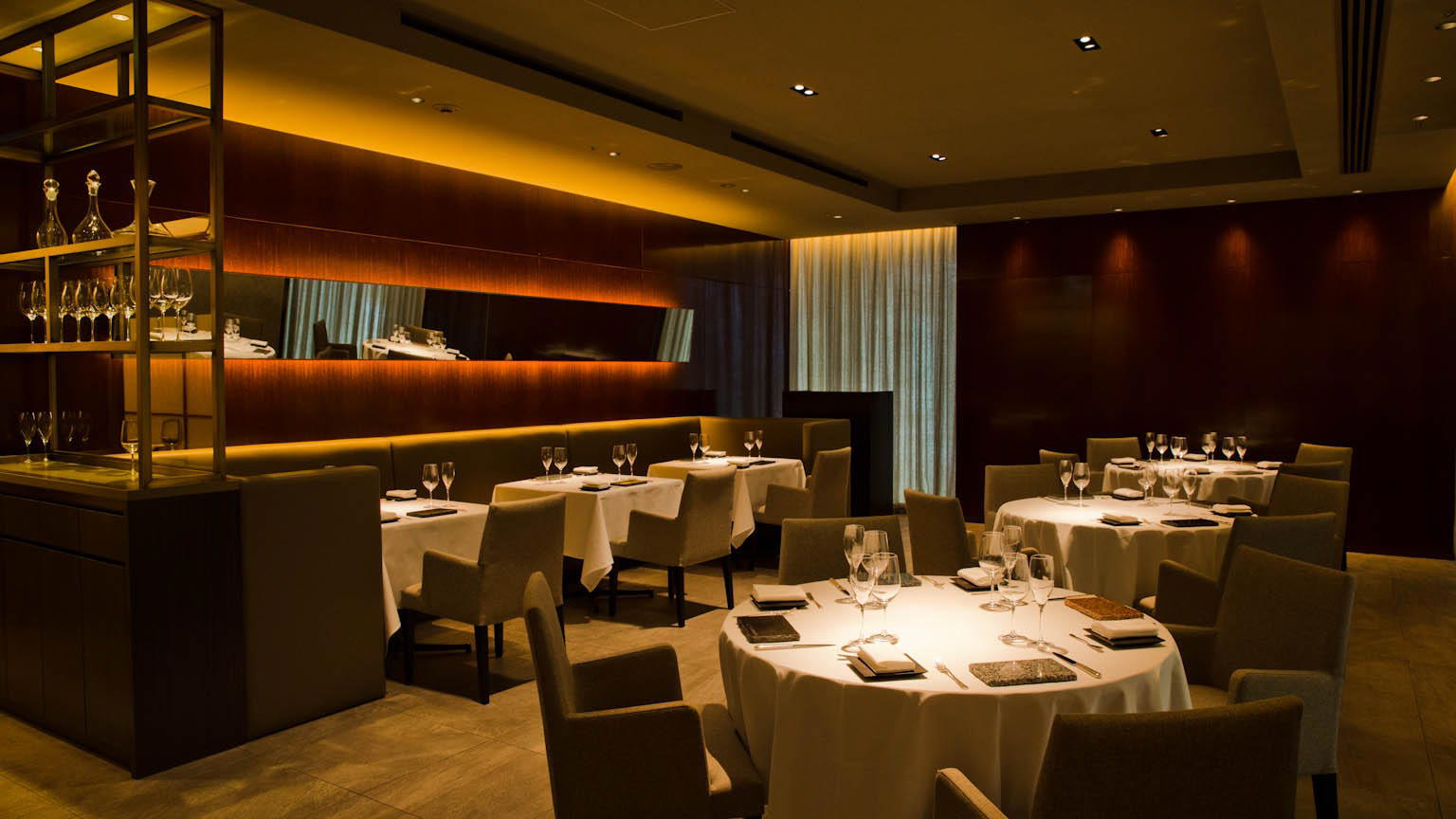
Sushi Fukuhara’s format reinforces that meal. The compact room has counter seating and tatami seating, dividing the experience between a direct view of sushi-making and a more private style of dining. Common in suburban Japanese restaurants serving enthusiasts and local families, that duality matters here: the restaurant is not only for solitary counter purists. It can absorb small groups, children in the appropriate seating area, and private use by arrangement, placing it apart from austere omakase rooms that treat silence as part of the price.
The external signal is clear. The restaurant was selected for Tabelog 100 - Sushi - EAST - 2025, covering the eastern Japan sushi field rather than only Tokyo’s central wards. Its Tabelog score is 3.80, a useful marker in Japan’s conservative, genre-specific restaurant scoring culture. Awards and scores do not replace taste, but they identify the bracket: Kawasaki sushi measured against serious regional peers, not a casual neighbourhood counter trading only on proximity.
The Kawasaki comparison is instructive. KING LION Sri Lanka Restaurant & Bar, Match Bo Mizonokuchi ten, Curry House Delhi, and Tea House Mayur Miyazakidai ten sit in far lower price bands, showing the city’s wide dining spread. Sushi in this bracket asks for different attention: fewer decisions, more trust in sequence, and the expectation that diners understand the room’s tempo.
The etiquette is part of the value
Japan’s sushi counters may look simple from outside: rice, fish, wasabi, soy, tea, sake. The contract is stricter. Fragrance competes with aroma. Timing matters because nigiri is not designed to wait. Seat choice matters because counter and tatami service create different relationships to the meal. Sushi Fukuhara makes those boundaries explicit, including a request to avoid strong-smelling perfumes or similar fragrances. This is not preciousness; it is practical etiquette for a cuisine where subtle aroma and rice temperature carry much of the experience.
The drink program fits a familiar modern sushi pattern. Sake remains central, while shochu and wine widen pairings for diners who do not want a purely nihonshu-led meal. BYO is offered, shifting the evening toward collectors or regulars who want to calibrate the table themselves. The point is not maximal choice, but alcohol that supports the cadence rather than interrupts it.
There is a distinction between sushi counters that perform exclusivity and those operating with local discipline. The former depend on scarcity as identity; the latter on repeatability: the same seating rhythm, respect for aroma, and insistence that children and groups fit the room rather than bend it. The restaurant reads closer to the second model, with award recognition adding pressure without turning the restaurant into spectacle.
For travelers mapping a wider Japan itinerary, Kawasaki corrects the idea that serious dining only happens in the largest tourist corridors. Between Tokyo and Yokohama, the city has commuter energy rather than postcard identity, which can be a strength. A meal here can sit beside a broader regional circuit including -Grilled beef Sukiyaki- KAMAKURA TANUKIAN 鎌倉 たぬき庵 in Kamakura for sukiyaki, . 鮪と炭火焼き うお炭 秋葉原店 in Tokyo for tuna and charcoal cooking, or [ki:] in Kyoto for another city’s dining grammar. The comparison is not ranking cities; it shows how setting changes the meal.
How to read the room before committing
The decision is less about chasing a famous chef narrative than matching format to diner. A small sushi counter rewards punctuality, quiet focus, and comfort with a prescribed progression. Diners seeking a long à la carte evening, late changes, or perfume-friendly social dining will find the rules restrictive. Those who value the customs will read the same rules as seriousness.
Kawasaki’s appeal is cumulative. The city is not only a sushi stop; it has casual and specialist addresses across categories, from (Shoku) Vietnam and Buta Boshi to Belmatine, C'EST UNE BONNE IDEE!, and Boulangerie Metier Pa-ku shiti musashi kosugi za ga-den. Visitors can pair the restaurant map with Kawasaki hotels, Kawasaki bars, Kawasaki wineries, and Kawasaki experiences, treating the city as more than transit between larger names.
For a broader lens on Japanese and Japan-adjacent casual formats, compare with.cafe in Osaka.know in Kumamoto, [Curry Senmon Ten] Maruyama Kyoju. in Sapporo, Jōdo Saké Bar in Los Angeles, and Onigiri Time in Pasadena. Sushi works with different discipline: fewer visible choices, more responsibility placed on the counter, and a stronger etiquette code. The restaurant’s reputation is therefore better understood through ritual than personality. The value lies in how the room controls pace, scent, seating, and sequence, then lets the fish-and-rice tradition do the rest.
Cuisine Lens
Nearby venues at a similar price tier for orientation.
| Venue | Cuisine | Price | Notes |
|---|---|---|---|
| Sushi FukuharaThis venue — the venue you are viewing | Aged Sushi Omakase Counter | $$$ | Not listed |
| Curry&herb Cherry blossom | Japanese Curry | $$ | Aso-ku (Shinyurigaoka Area) |
| Menya Deko | Niboshi Ramen & Tsukemen | $$ | Shin-Maruko / Musashi-Kosugi |
| noodles kitchen GUNNERS | Ramen shop (clam-broth focus) | $ | Nakahara-ku (Musashi-Kosugi Area) |
| Pastry shop Tamagawa (Oiwake Bun) | Japanese Confectionery | $ | Kawasaki Ward |
| Buta Boshi | Ramen & Tsukemen Shop | $ | Nakahara-ku (Motosumiyoshi Area) |
Recognition history
Dated appearances from independent guides and award organizations, with the underlying list record or original source where available.
Tabelog 100 #81 · No. 81
Tabelog · Tabelog 100 - Sushi - EAST - 2025











At a Glance
- Quiet
- Cozy
- Intimate
- Classic
- Date Night
- Special Occasion
- Business Dinner
- Solo
- Family
- Group Dining
- Private Event
- Chefs Counter
- Standalone
- Private Dining
- Sake Program
- Extensive Wine List
- Zero Proof
- Local Sourcing
- Sustainable Seafood
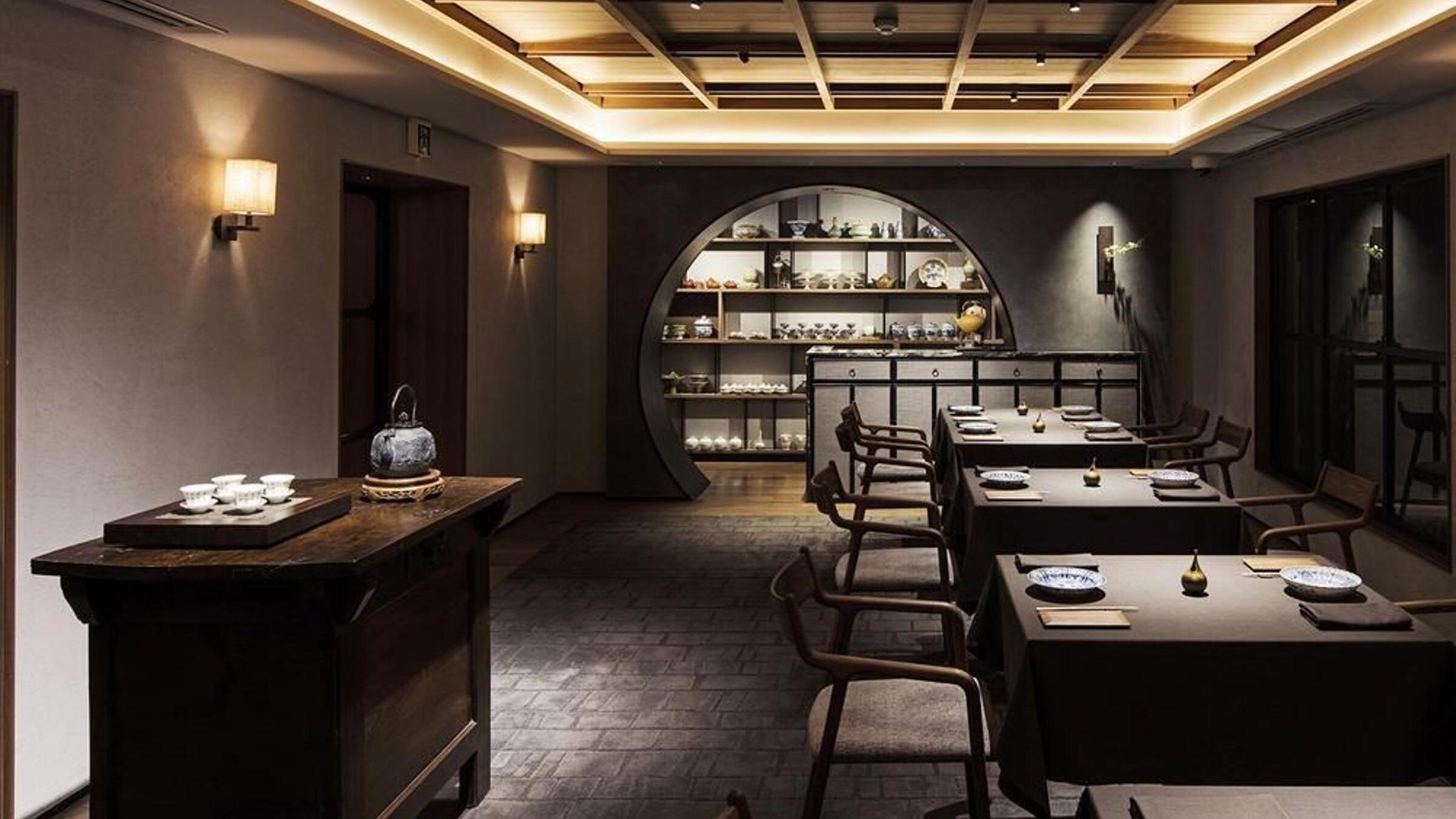
A small, secluded counter-only space in a quiet residential area, with a calm, low-key atmosphere focused on the sushi; there is no view or spectacle, just warm, understated lighting and close interaction with the chef.