
Kawasaki’s ramen scene rewards speed, concentration, and repeat custom rather than ceremony. Ramen Kan 2 Ya Kawasaki ten belongs in that practical, high-turnover bracket: a 15-seat ramen shop near JR Kawasaki Station, selected for Tabelog Ramen KANAGAWA 100 in 2025, with the format and pricing of a serious everyday counter rather than a destination tasting room.
Pearl is the En Primeur Club membership app — saves, bookings, and concierge access live there. Same editors, same standards.
- Address
- 神奈川県川崎市川崎区小川町14-2
- Phone
- +81442222350
- Website
- kan2ya.com
 Saves & bookings on Pearl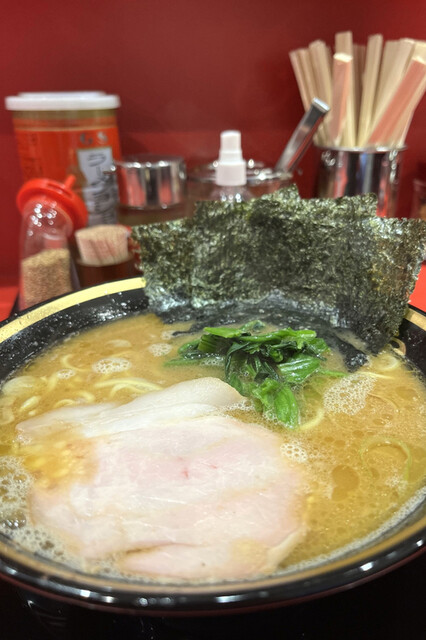
Serious ramen counters in Kawasaki are rarely theatrical. The city’s strongest bowls sit near stations, office blocks, pachinko parlours, cinemas, and late-shift foot traffic, where lunch and dinner demand speed without dilution. Ramen Kan 2 Ya Kawasaki ten fits that rhythm: a 15-seat format that puts the bowl, not the room, at the centre, and a 2025 selection for Tabelog Ramen KANAGAWA 100 that places it in a competitive prefectural ramen conversation rather than a general casual-dining list.
Kanagawa ramen carries pressure. Yokohama’s ie-kei tradition made the prefecture a national reference for soy-seasoned, fat-slicked, animal-stock ramen built for customization and repeat visits. Kawasaki, between Tokyo and Yokohama, absorbs both habits: Tokyo’s dense quick counter eating and Kanagawa’s taste for heavier, source-driven bowls where the provenance of stock, noodles, tare, and rice matters more than garnish. Here, ingredient sourcing is not decorative; it determines body, salt, aroma, and how the bowl holds up for customers who notice shortcuts.
Kanagawa ramen is judged by stock discipline, not dining-room theatre
The strongest ramen shops in commuter cities are judged by consistency across the day. A bowl at opening and one after the evening rush must land within the same narrow range of concentration. Sourcing and prep show there: noodles need structure for dense soup; tare must season without flattening stock; fat should read as aroma and texture, not excess. The counter visit may be brief, but the margin for error is small.
That discipline is why a Tabelog 100 selection carries weight here. Unlike luxury awards that track service architecture, tasting-menu length, or cellar depth, ramen recognition in Kanagawa points to repeatability under pressure. Ramen Kan 2 Ya Kawasaki ten’s 3.71 score and inclusion in the 2025 prefectural ramen list indicate a shop judged against specialists, not broader casual restaurants. The comparison is not a hotel dining room or fashionable izakaya, but bowls operating in the tight space between cost, speed, and concentration.
Kawasaki’s dining map sharpens the distinction. Kerala Kitchen La Cittadella Kawasaki ra chitta derra ten and Chinese Santuru sit in a slightly higher casual price band, San San Nana plays nearer the lower end of everyday eating, Matsu no Ki overlaps the same accessible bracket, and Yakiniku Jingisukan Tsuruya moves into a much higher spend category. Serious ramen compresses value: modest spend, with technical load shifted into broth management, noodle handling, seasoning balance, and throughput.
A counter built for repeat eating in Kawasaki's station orbit
The location near JR Kawasaki Station matters because ramen here is not a leisurely detour. Kawasaki is a transfer city, work city, and night city, with demand spread across commuters, shoppers, and people moving between Tokyo Bay-side industry and central Kanagawa. In that setting, the 15-seat counter is not a limitation but the grammar of the genre. The smaller the room, the more direct the feedback loop between kitchen and customer.
Ingredient-led ramen needs no printed manifesto. It shows in the operating model: reservations unavailable, cash-only payment, no private rooms, no parking. These constraints keep the experience close to the classic ramen counter: arrive, queue if needed, eat with focus, leave the seat for the next customer. For travellers used to reservation-led dining, that can feel abrupt; for ramen regulars, it is part of the contract.
That contract separates this counter from Kawasaki’s wider restaurant spread. Travellers building a fuller itinerary can use Our full Kawasaki restaurants guide for the city’s range, then branch into Our full Kawasaki hotels guide, Our full Kawasaki bars guide, Our full Kawasaki wineries guide, and Our full Kawasaki experiences guide. The point is not to turn ramen into a grand occasion, but to place it accurately within a city where quick meals can be technically serious.
How to read the bowl against the wider casual-dining field
Ramen rewards attention differently from fine dining. The useful question is not course count, but how each component has been sourced and controlled before the bowl reaches the counter. In Kanagawa, where customers remember thick stocks and assertive seasoning, novelty does not last. Selection for a prefectural ramen list signals notice among people comparing bowls with precision.
For a Kawasaki day built around casual eating, contrast helps. Bread specialists such as Boulangerie Metier Pa-ku shiti musashi kosugi za ga-den, pork-focused counters like Buta Boshi, French-leaning rooms such as C'EST UNE BONNE IDEE!, and specialist tables including Belmatine or (Shoku) Vietnam show the variety of the city’s mid-market. Ramen Kan 2 Ya Kawasaki ten belongs to the side where the meal is short, the spend low, and judgement concentrated in one bowl.
Travellers tracing Japanese casual craft beyond Kawasaki can extend the comparison without forcing equivalence: -Grilled beef Sukiyaki- KAMAKURA TANUKIAN 鎌倉 たぬき庵 in Kamakura works in a different protein tradition, 鮪と炭火焼き うお炭 秋葉原店 in Tokyo reflects a tuna-and-charcoal register.cafe in Osaka sits in a café idiom.know in Kumamoto widens the regional frame, [Curry Senmon Ten] Maruyama Kyoju. in Sapporo points to curry specialization, and [ki:] in Kyoto shows another city’s scale of restraint. Overseas, Jōdo Saké Bar in Los Angeles and Onigiri Time in Pasadena show how Japanese casual formats change when ingredients, audience, and service expectations move abroad.
The editorial read is simple: this is a Kawasaki ramen counter for diners who value tight focus over amenities. The award signal, compact seating, station-area utility, and accessible spend point the same way. Treat it as a specialist stop within Kanagawa ramen culture, not as a restaurant trying to behave like anything else.
Quick Comparison
Comparable venues by cuisine and price in the same metro.
| Venue | Cuisine | Price | Notes |
|---|---|---|---|
| Ramen Kan 2 Ya Kawasaki tenThis venue — the venue you are viewing | Yokohama Iekei pork-soy sauce ramen | $ | Not listed |
| Ramen Jiro Ikuta ekimae ten | Jiro-style Ramen Shop | $ | Tama-ku |
| Teuchi Chuka Soba Sakata | Handmade Chuka Soba Ramen | $ | Kawasaki-ku |
| Match Bo Mizonokuchi ten | Wakayama-style ramen | $ | Takatsu-ku |
| Ramen Jiro Keikyu kawasaki ten | Jiro-style Ramen Shop | $ | Kawasaki Ward, Kawasaki City |
| Sumiyoshiya Sohonten | Traditional Japanese sweets café (kuzumochi, soba & udon) | $ | Kawasakidaishi |
Recognition history
Dated appearances from independent guides and award organizations, with the underlying list record or original source where available.
Tabelog 100 #1 · No. 1
Tabelog · Tabelog 100 - Ramen - KANAGAWA - 2025









At a Glance
- Lively
- Solo
- After Work
- Casual Hangout
- Late Night
- Standalone
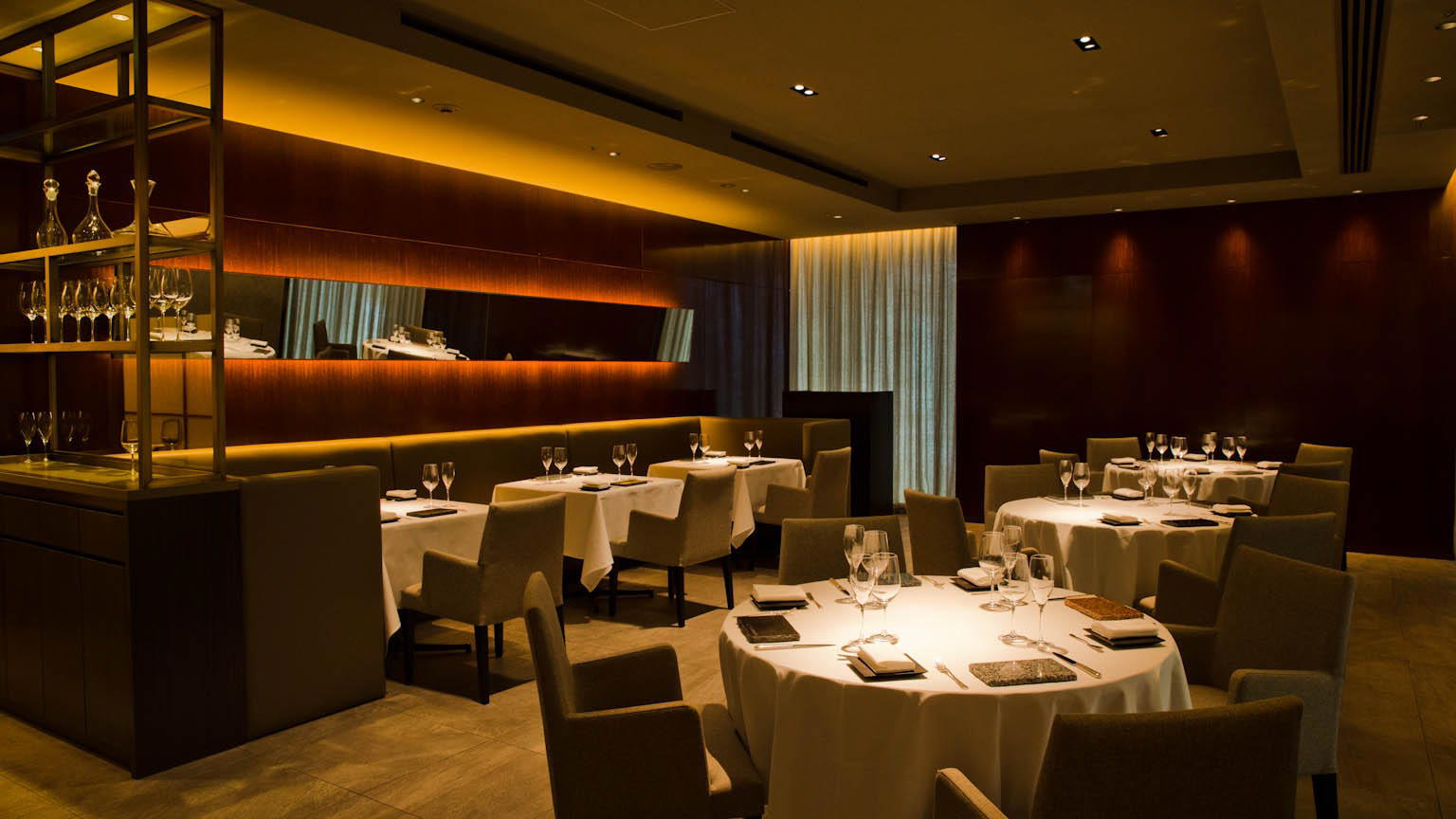
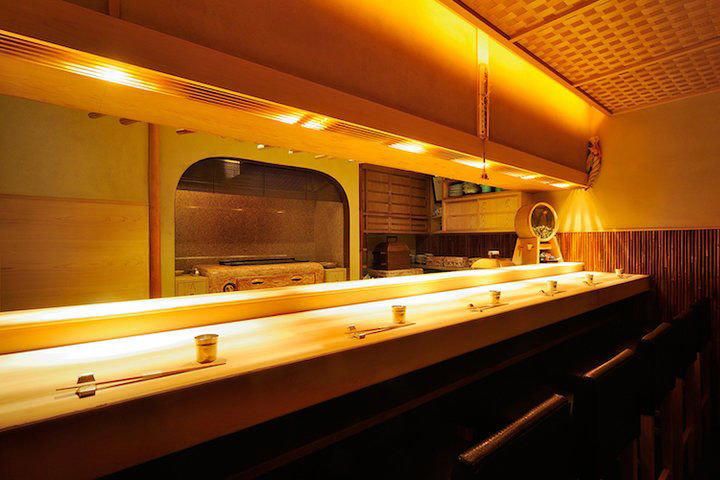
Typical busy Iekei ramen shop atmosphere with counter seating, quick turnover, and a casual, no-frills interior focused on efficient dining rather than decor; expect a lively, bustling vibe especially during peak hours.