
Kawasaki’s grilled-meat scene ranges from quick station-area meals to serious yakiniku rooms built around smoke, timing, and shared heat. Yakiniku Jingisukan Tsuruya belongs to the more deliberate end of that spectrum, pairing Japanese BBQ with grilled lamb and carrying Tabelog 100 Yakiniku EAST recognition for 2025.
Pearl is the En Primeur Club membership app — saves, bookings, and concierge access live there. Same editors, same standards.
- Address
- 19-7 Nisshincho, Kawasaki Ward, Kawasaki, Kanagawa 210-0024, Japan
- Phone
- +81 44-211-0697
- Website
- eastdragontryon2.wixsite.com
 Saves & bookings on Pearl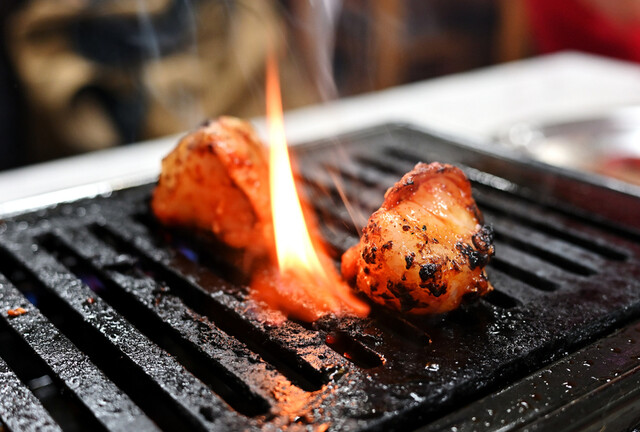
The approach to a Kawasaki yakiniku room is rarely ceremonial. The city’s dining culture has long been shaped by rail lines, workers’ schedules, family tables, and the practical pleasure of grilling meat in company. In that context, Yakiniku Jingisukan Tsuruya reads less like a destination staged for outsiders and more like a local answer to a specific craving: beef over heat, lamb in the jingisukan tradition, drinks that make sense with smoke, and a room arranged for small groups rather than theatrical dining.
That matters in Kawasaki. Between Tokyo and Yokohama, the city absorbs both metropolitan appetite and neighbourhood habit. Its restaurant map can move quickly from ramen counters and casual curry to yakiniku rooms where dinner becomes the evening’s main event. For a broader scan of the city, Our full Kawasaki restaurants guide gives the wider dining frame, while Our full Kawasaki hotels guide, Our full Kawasaki bars guide, Our full Kawasaki wineries guide, and Our full Kawasaki experiences guide help place the meal inside a larger city stay.
Yakiniku and jingisukan share the same fire but not the same cultural memory
Yakiniku in Japan is often read too narrowly as beef cookery. The format is also social engineering: a table becomes a grill station, pacing is set by diners rather than a kitchen pass, and the meal rewards attention to sequence. Jingisukan, by contrast, carries a different cultural association, tied to grilled lamb and mutton and strongly linked in the national imagination with Hokkaido-style communal eating. When a Kawasaki restaurant works across both yakiniku and jingisukan, it sits at a useful intersection: beef for the classic Japanese BBQ expectation, lamb for a more specific tradition that can feel less common in urban everyday dining.
The recognition here is not decorative. Selection for Tabelog 100 Yakiniku EAST 2025 places the restaurant within a curated eastern Japan cohort, a meaningful signal in a category where public opinion, repeat custom, and consistency carry weight. It also helps separate the room from lower-commitment grilled-meat options nearby. In the same city, Yakiniku Horumon Beef Boss is priced in a lower dinner band, while casual references such as San San Nana, Chinese Santuru, Kerala Kitchen La Cittadella Kawasaki ra chitta derra ten, and Ramen Kan 2 Ya Kawasaki ten occupy different everyday-use tiers. The point is not that one format replaces another; Kawasaki works because these registers coexist. Tsuruya belongs to the night-out grilled-meat bracket rather than the quick-meal lane.
That distinction is useful for travellers because yakiniku quality is not only about ingredient prestige. The serious rooms tend to reveal themselves through format discipline: how many seats the room supports, whether counter and tatami-style areas coexist, how well the drinks list understands fat and smoke, and how clearly the restaurant asks diners to commit to the meal in advance. Those details shape the experience as much as any single cut of meat.
A compact room built for shared heat, not spectacle
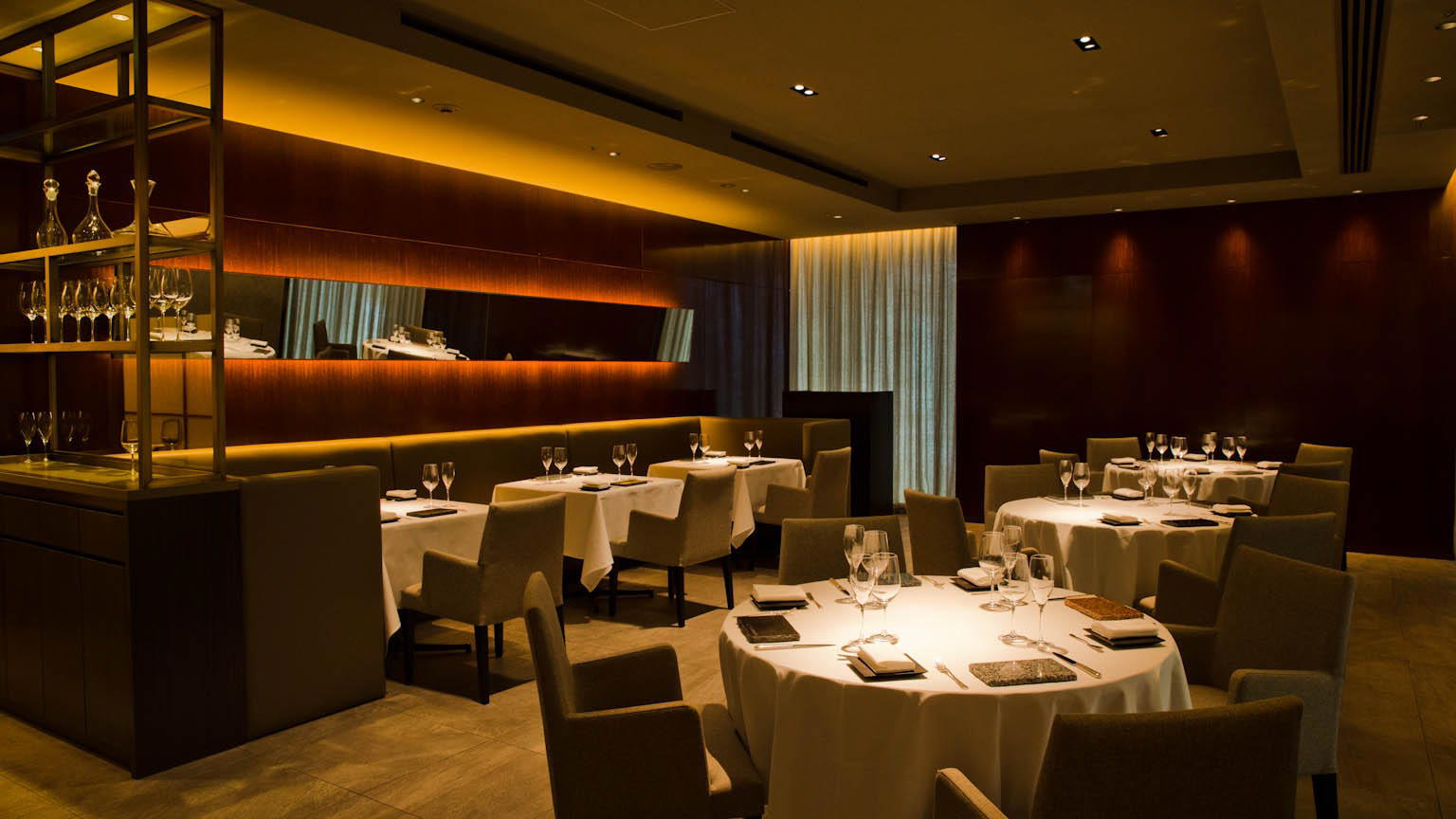
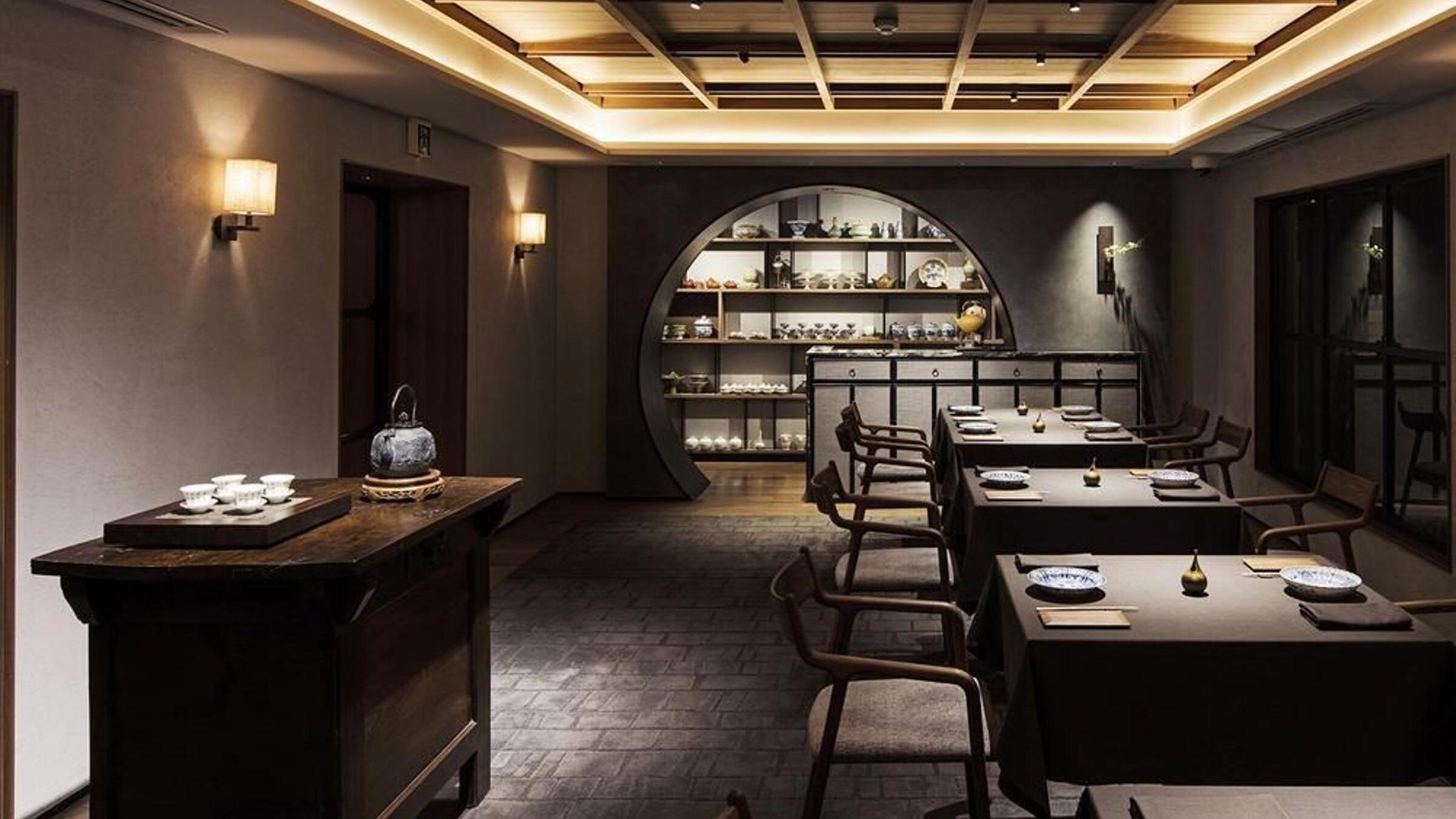
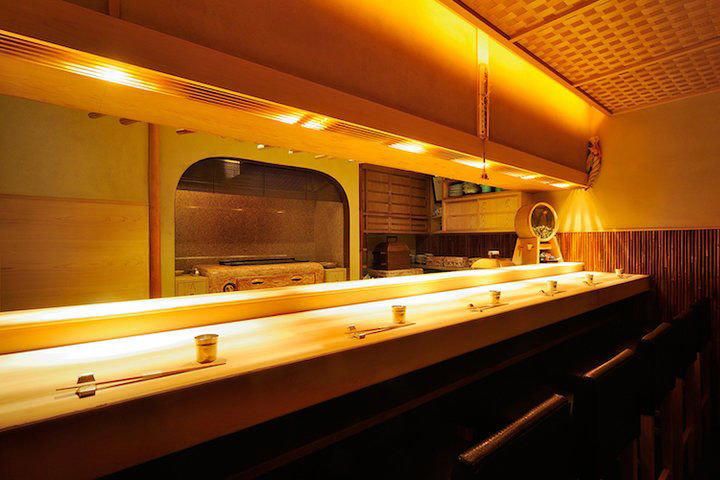
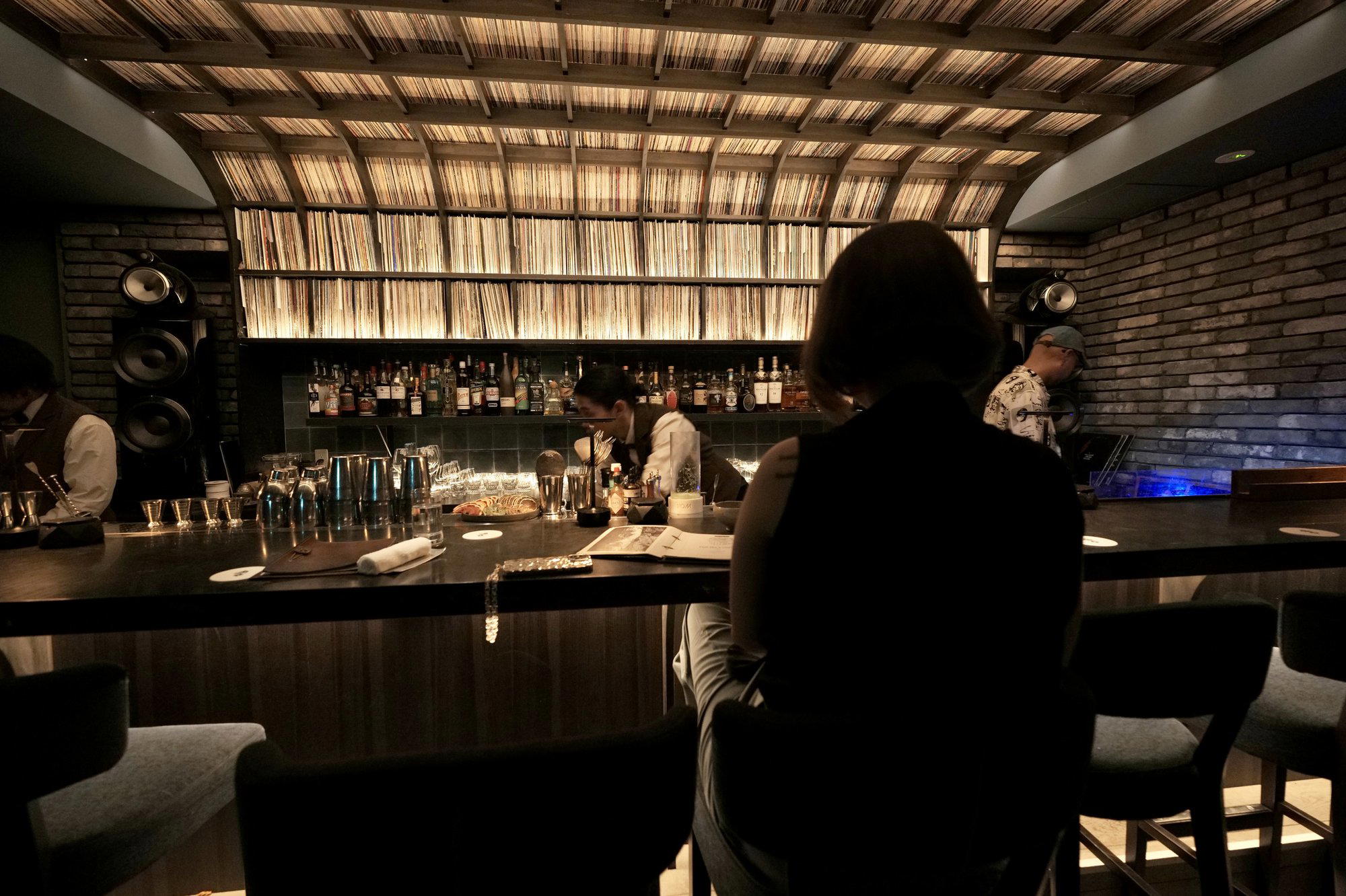
The seating mix says a great deal about the intended use. A 30-seat room with counter seating, tables, and a raised platform supports several versions of the same meal: solo or paired grilling at the counter, small group dinners, and family-style eating on the platform. Private rooms are not part of the setup, so the atmosphere is communal by design. That is appropriate for yakiniku. The sound of the room, the rhythm of orders, and the visible work of grilling are part of the grammar.
Family acceptance is also a meaningful cultural signal. Many higher-spend restaurants in Japan become functionally adult spaces through format, silence, or duration, even when they do not say so directly. Here, children are welcomed across age ranges, which keeps the restaurant closer to neighbourhood dining than luxury theatre. For visitors, that changes the read: this is a serious grilled-meat address, but not a hushed counter where a misplaced question breaks the spell.
Payment and reservation habits reinforce the local character. Cash planning matters because card, electronic money, and QR payments are not accepted. Reservations are available with advance planning, and the meal is ordered ahead when booking. That is not inconvenience for its own sake; in small Japanese restaurants, pre-ordering often functions as stock control and service pacing. The better editorial read is simple: this is a restaurant for diners who plan the evening, not for people improvising after last train calculations.
Where it fits in a Kawasaki eating itinerary
Kawasaki’s appeal for food-focused travellers is not the single grand dining district. It is the range. A day can move from bread at Boulangerie Metier Pa-ku shiti musashi kosugi za ga-den to pork-driven comfort at Buta Boshi, French-inflected cooking at C'EST UNE BONNE IDEE!, or Vietnamese cooking at (Shoku) Vietnam. Belmatine adds another register to the city’s dining spread. Against that range, a yakiniku-jingisukan dinner works as the anchor meal: later, warmer, and more group-oriented than a quick counter stop.
Travellers building a wider Japan itinerary can also read this meal against other regional formats. Beef-focused cooking takes a different shape at -Grilled beef Sukiyaki- KAMAKURA TANUKIAN 鎌倉 たぬき庵 in Kamakura, while Tokyo’s casual seafood-and-charcoal register appears through. 鮪と炭火焼き うお炭 秋葉原店 in Tokyo. Elsewhere, the spread of Japanese dining culture runs from.cafe in Osaka and.know in Kumamoto to [Curry Senmon Ten] Maruyama Kyoju. in Sapporo and [ki:] in Kyoto. For readers tracking Japanese food abroad, Jōdo Saké Bar in Los Angeles and Onigiri Time in Pasadena show how portable some formats become once removed from their neighbourhood setting.
The verdict is practical rather than sentimental. This is the Kawasaki choice for diners who want grilled meat with a stronger cultural spine than a generic BBQ dinner: yakiniku technique, lamb through the jingisukan lens, a compact room, and recognition that places it in eastern Japan’s serious yakiniku conversation. Go with people who enjoy sharing the grill, plan ahead, and treat the meal as the centre of the night.
Pricing, Compared
Nearby venues at a similar price tier for orientation.
| Venue | Cuisine | Price | Notes |
|---|---|---|---|
| Yakiniku Jingisukan Tsuruya | Not listed | $$ | Hatchonawate / Kawasaki Ward, Traditional Japanese BBQ (Jingisukan) |
| Matsu no Ki | Not listed | $$ | Kawasaki Ward, Traditional Sichuan Chinese with signature tantanmen |
| Kuzumochi Honpo Sumiyoshi | Not listed | $ | Kawasaki-ku, Traditional Japanese Wagashi & Kuzumochi Café |
| Gatagataya | Not listed | $$$ | Takatsu-ku, Creative Japanese Sake Pairing |
| Jikaseimen Menya Rokutosei | Dining | Not listed | Not listed |
| Ramen Marusen | Musashi-Kosugi, Traditional Ramen Shop | $ | Not listed |
Recognition history
Dated appearances from independent guides and award organizations, with the underlying list record or original source where available.
Tabelog 100 #53 · No. 53
Tabelog · Tabelog 100 - Yakiniku - EAST - 2025









At a Glance
- Classic
- Cozy
- Rustic
- Intimate
- Family
- Group Dining
- Casual Hangout
- After Work
- Solo
- Standalone
- Historic Building
- Sake Program
- Beer Program
Current opening hours
- Monday
- 6–9:30 PM
- Tuesday
- Closed
- Wednesday
- 6–9:30 PM
- Thursday
- Closed
- Friday
- 6–9:30 PM
- Saturday
- 6–9:30 PM
- Sunday
- 6–9:30 PM
Hours can change for holidays and private events. Last verified .
Traditional down-town yakiniku shop atmosphere with counter seating, tatami seating, and a relaxed, family-friendly feel.