
Ramen Jiro Ikuta ekimae ten belongs to Kanagawa’s serious ramen circuit rather than the casual noodle-stop category. Its Tabelog Ramen KANAGAWA “Tabelog 100” selections in 2024 and 2025, counter-only format, and low-price bracket make it a sharp example of how suburban Kawasaki ramen can command destination attention without hotel-dining polish.
Pearl is the En Primeur Club membership app — saves, bookings, and concierge access live there. Same editors, same standards.
- Address
- 神奈川県川崎市多摩区生田8-1-15
- Website
- tabelog.com
 Saves & bookings on Pearl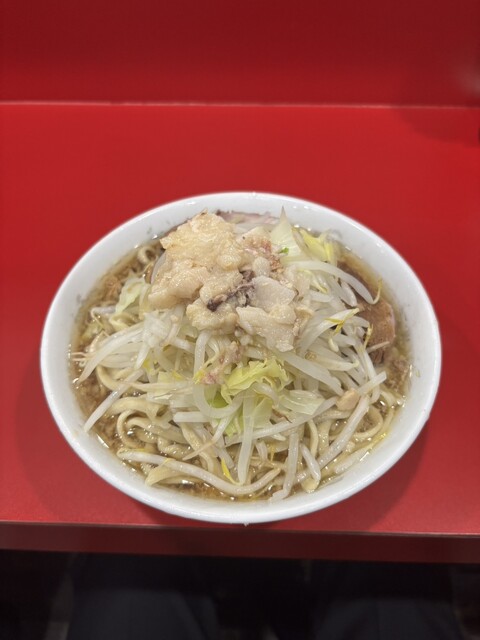
Ikuta’s station-side ramen culture is built for compression: tight counters, quick turnover, and the particular hush that comes before a bowl lands. The appeal is not ceremony. It is volume, discipline, and the Japanese ramen-shop belief that a small room can carry a whole food argument if the broth, noodles, pork, and vegetables are handled with conviction.
That context matters for Ramen Jiro Ikuta ekimae ten. The Jiro style has never been about refinement in the kaiseki sense; it is about abundance, garlic, thick noodles, and a bowl structured around appetite rather than delicacy. In Kanagawa, where ramen ranges from clear chuka soba to dense tonkotsu-adjacent bowls, this branch sits on the heavier end of the spectrum. Ingredient sourcing is not presented as farm-name theatre here. The meaningful sourcing question is more direct: how wheat, pork, cabbage, bean sprouts, fat, and tare are assembled into a repeatable house grammar, then delivered at speed across a small counter.
Kanagawa ramen, read through wheat, pork, and queue culture
Ramen in greater Tokyo often splits into two ambitions. One side chases precision: clear soups, restrained oil, handmade noodles calibrated to broth weight. The other side leans into density and physicality, where the bowl is engineered to satisfy students, commuters, and repeat regulars who know exactly what they came for. Ramen Jiro Ikuta ekimae ten belongs firmly to the second camp, and that makes its Kawasaki location useful to understand. Ikuta is not a luxury dining district; it is a practical neighbourhood where a 14-seat counter can become a destination if the format is consistent enough.
The external signal is unusually strong for a young shop. Selection for Tabelog Ramen KANAGAWA “Tabelog 100” in both 2024 and 2025 places it inside a competitive prefectural ramen field, not merely a local lunch rotation. Its Tabelog score of 3.70 adds another public benchmark, especially in a category where repeat diners and small differences in noodle texture or broth weight can move reputation quickly. Nearby comparison helps clarify the tier: Jikaseimen Menya Rokutosei works in the same low-price ramen band in Kawasaki, while C'EST UNE BONNE IDEE! shows how the city’s casual food scene extends beyond noodles into bakery and café formats at modest spend. For the wider city edit, see Our full Kawasaki restaurants guide.
The ingredient angle is less about luxury procurement than proportion. Jiro-style ramen depends on the relationship between noodle mass and broth concentration; a thinner noodle would collapse under the format, while a lighter soup would make the toppings feel disconnected. Pork has to function as both protein and seasoning anchor. Vegetables bring bulk and steam, not garnish. Garlic is a structural choice, not an accent. That is why the style attracts a different audience from refined shoyu ramen: the bowl is designed as a physical commitment.
The counter format strips the experience down to execution
Counter-only ramen rooms make weak systems visible. There is no dining room choreography to hide a slow kitchen, no wine list to lengthen the experience, and no decorative service language to soften inconsistency. The format rewards places that can repeat a demanding bowl across a narrow service window and a compact seating plan. Ramen Jiro Ikuta ekimae ten runs on that kind of pressure: small capacity, no private-room buffer, and a service model that keeps the food at the centre of the exchange.
That is also why awards in ramen should be read differently from awards in fine dining. A Tabelog 100 selection in this category does not imply linen, tasting menus, or chef-led storytelling. It signals that a broad user-review ecosystem has identified a shop as a serious example within its prefecture and genre. For travellers used to reservation-led restaurants, the shift in value is useful: in Japanese ramen, credibility often shows up as repetition, queue discipline, and a room calibrated for people who already understand the rules.
Kawasaki’s broader food map makes that contrast sharper. The city can support casual specialist rooms such as Buta Boshi, international-leaning addresses such as (Shoku) Vietnam, bakeries including Boulangerie Metier Pa-ku shiti musashi kosugi za ga-den, and cafés such as Belmatine. Against that spread, the restaurant is a narrow-format choice: go for the specific ramen tradition, not for a leisurely multi-course evening.
Who should make the detour to Ikuta
This is a strong fit for travellers who treat ramen as a regional craft rather than a quick bowl between sightseeing stops. The opening in 2023 and subsequent Tabelog 100 recognition in 2024 and 2025 give the shop a compressed rise, which is often how serious ramen reputations form in Japan: fast, public, and driven by repeat local demand. It is less suited to diners seeking spacious seating, flexible ordering, or a conversational restaurant night.
The practical reading is simple. This is a low-spend, counter-led ramen stop with reservations unavailable, no official website listed, and payment limitations that make cash planning sensible. Ikuta Station access keeps it workable for a focused Kawasaki ramen run, but the payoff depends on wanting the Jiro idiom specifically. Diners chasing lighter broths or longer service rituals will find better alignment elsewhere.
For planning around the city rather than a single bowl, Kawasaki’s hospitality and nightlife pages help set expectations: Our full Kawasaki hotels guide, Our full Kawasaki bars guide, Our full Kawasaki wineries guide, and Our full Kawasaki experiences guide. Travellers building a broader Japan food itinerary can compare the category spread with -Grilled beef Sukiyaki- KAMAKURA TANUKIAN 鎌倉 たぬき庵 in Kamakura. 鮪と炭火焼き うお炭 秋葉原店 in Tokyo.cafe in Osaka.know in Kumamoto, [Curry Senmon Ten] Maruyama Kyoju. in Sapporo, and [ki:] in Kyoto. For a trans-Pacific Japanese food thread, Jōdo Saké Bar in Los Angeles and Onigiri Time in Pasadena show how Japanese formats change once they leave the station-counter economy that defines places like Ikuta.
Snapshot
Comparable venues by cuisine and price in the same metro.
| Venue | Cuisine | Price | Notes |
|---|---|---|---|
| Ramen Jiro Ikuta ekimae tenThis venue — the venue you are viewing | Jiro-style Ramen Shop | $ | Not listed |
| Niboshi Ramen Tanaka Niboru | Niboshi-focused ramen & tsukemen | $ | Takatsu Ward |
| Ramen Kan 2 Ya Kawasaki ten | Yokohama Iekei pork-soy sauce ramen | $ | .null |
| Ramen Jiro Keikyu kawasaki ten | Jiro-style Ramen Shop | $ | Kawasaki Ward, Kawasaki City |
| Teuchi Chuka Soba Sakata | Handmade Chuka Soba Ramen | $ | Kawasaki-ku |
| FUJIMORI Saginuma ten | Japanese Bakery Café | $$ | Saginuma |
Recognition history
Dated appearances from independent guides and award organizations, with the underlying list record or original source where available.
Tabelog 100 #59 · No. 59
Tabelog · Tabelog 100 - Ramen - KANAGAWA - 2025
Continue exploring
More in Kawasaki
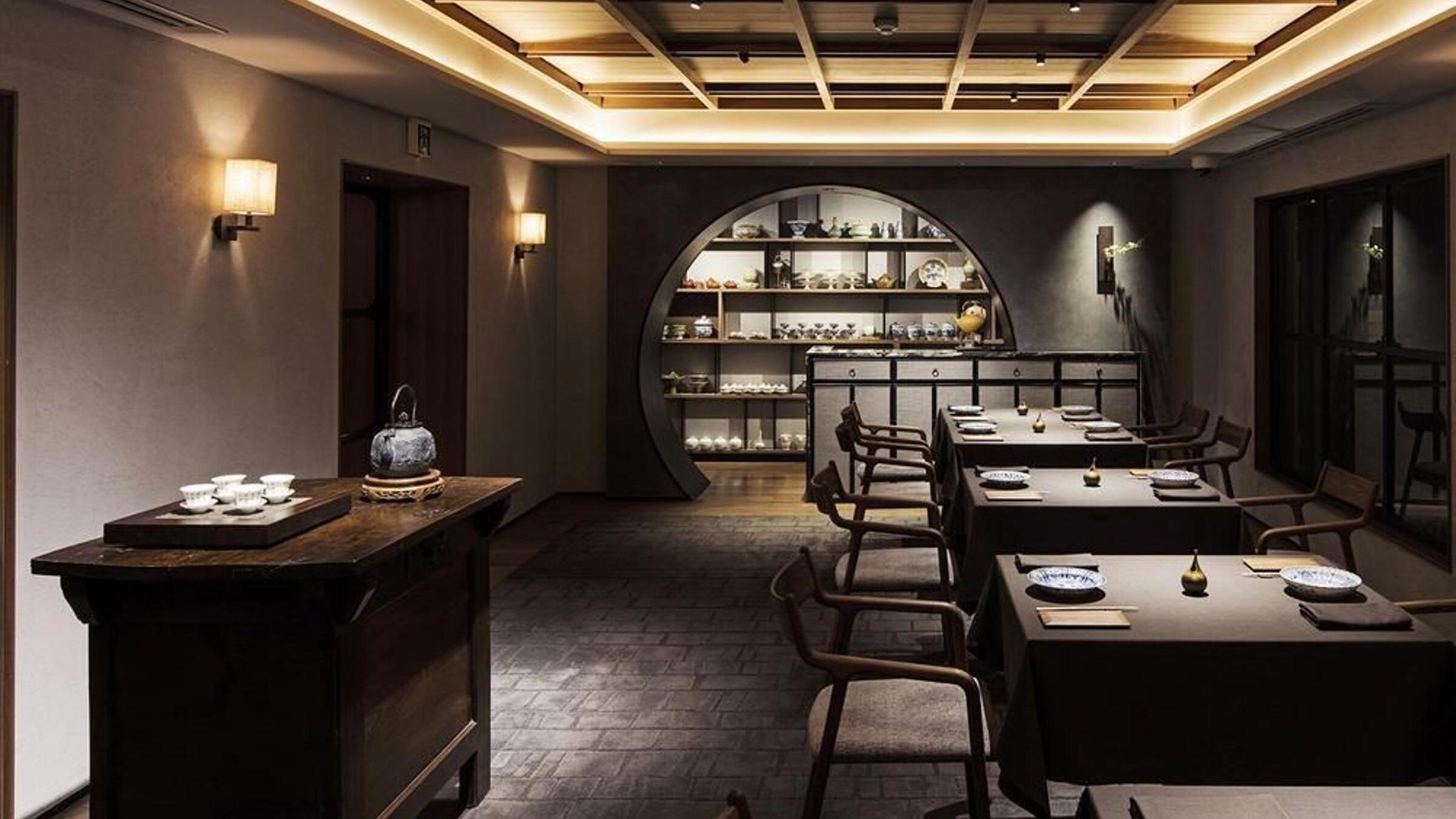
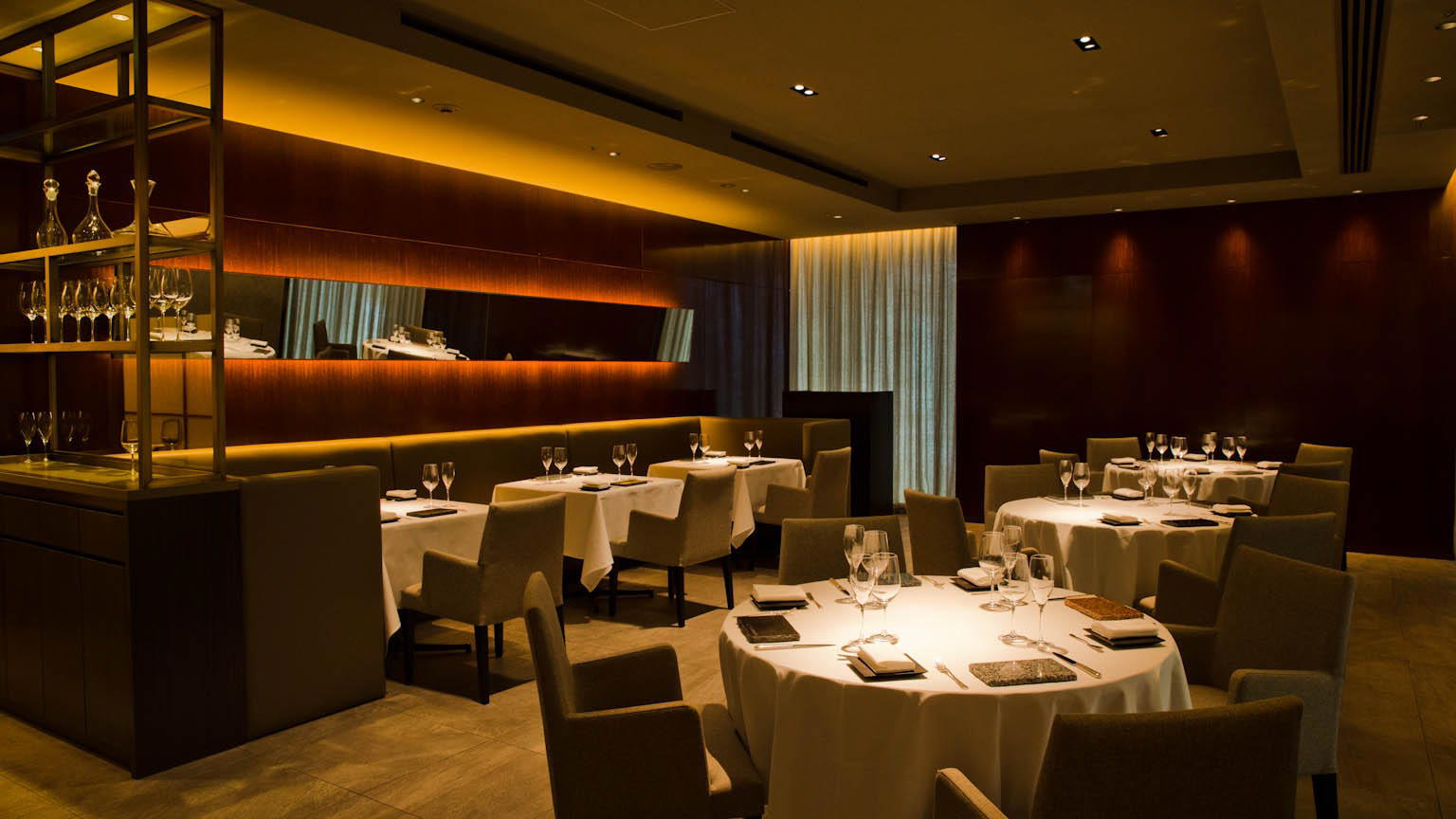
Restaurants in Kawasaki
Browse all →


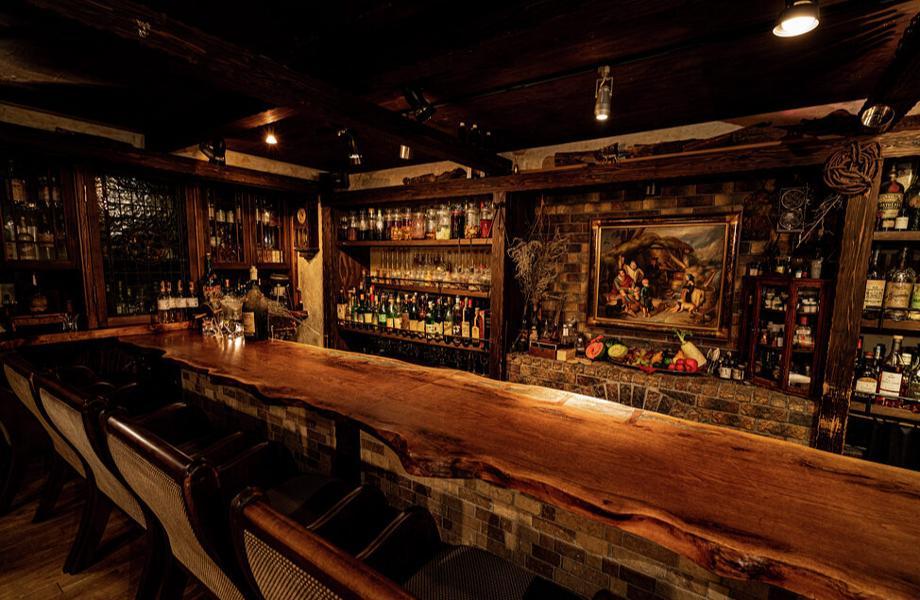
Bars in Kawasaki
Browse all →



Hotels in Kawasaki
Browse all →


Wineries in Kawasaki
Browse all →
At a Glance
- Lively
- Energetic
- Solo
- Casual Hangout
- After Work
- Late Night
- Standalone
A compact, counter-only ramen shop with a functional, no-frills interior focused on quick turnover; expect lines, a busy atmosphere, and the typical high-energy vibe of a popular Jiro branch rather than a leisurely sit-down environment.